For all the talk about innovation, old guns have a habit of refusing retirement. The firearms world moves fast, but shooters often keep coming back to designs that supposedly should have disappeared by now.
Old does not mean irrelevant.

In gun culture, “outdated” usually means a design has been eclipsed on paper. Maybe it hasa lower magazine capacity, heavier construction, older sights, or a manual safety system that newer buyers consider slow. Yet paper advantages do not always translate into meaningfureal-worldld superiority for every shooter.
Take the 1911 pistol. It is more than a century old, carries fewer rounds than many polymer handguns, and demands more maintenance awareness than some modern striker-fired pistols. Still, it remains deeply popular in competition, concealed carry circles, and enthusiast collections because its trigger, ergonomics, and shootability still matter a great deal.
The same pattern appears with revolvers, lever actions, pump shotguns, and bolt-action rifles. None of these platforms is new, and all have been called obsolete at one point or another. But according to sales trends reported over the years by industry groups and major manufacturers, they continue to sell steadily because they solve problems people still have.
A gun does not become useless simply because something newer exists. Cars, cameras, and kitchen knives work the same way. A mature design often survives because it has known strengths, a huge support network, and a user base that understands exactly what it does well.
Reliability keeps winning arguments.
If there is one reason old firearms survive, it is trust. Shooters tend to stay loyal to guns that fire when needed, run with common ammunition, and hold up under years of use. Reliability is not glamorous, but it beats novelty almost every time.
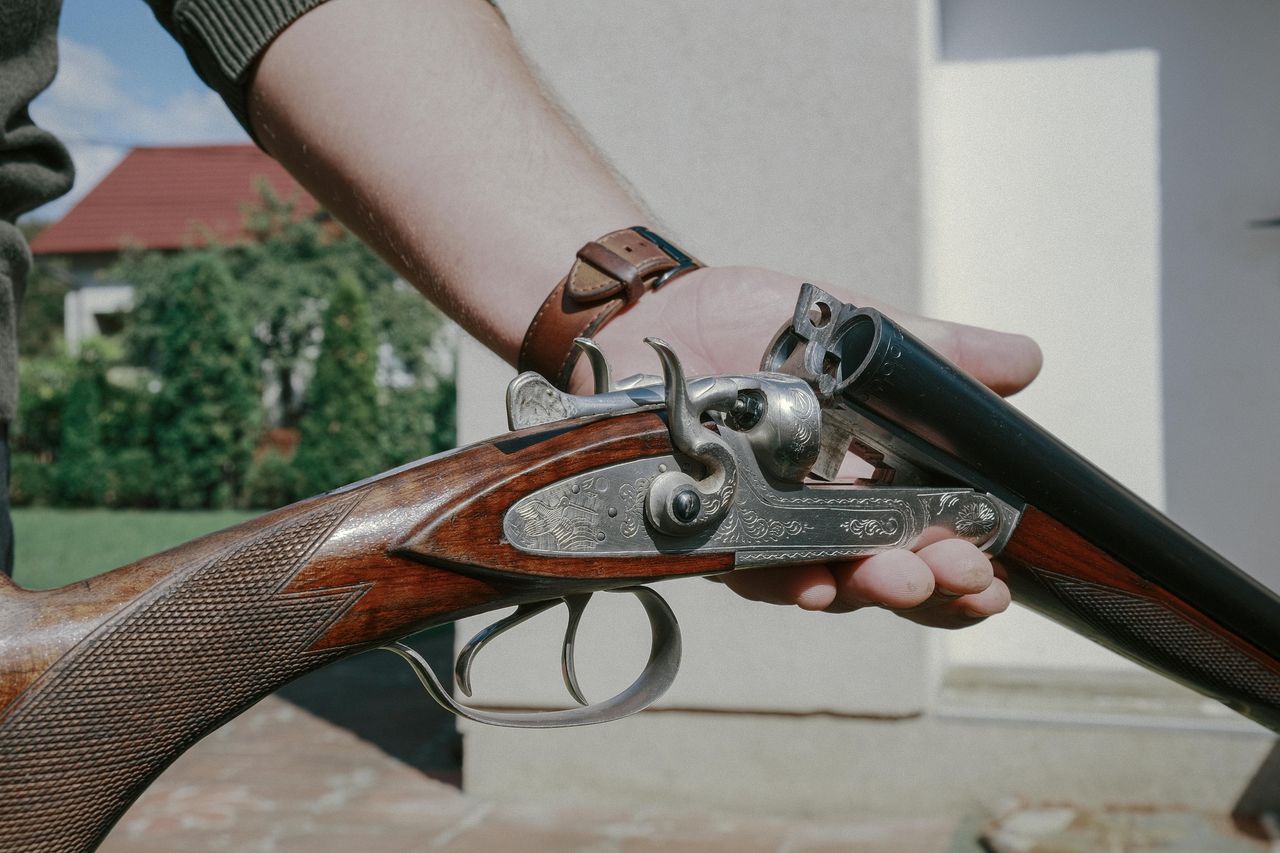
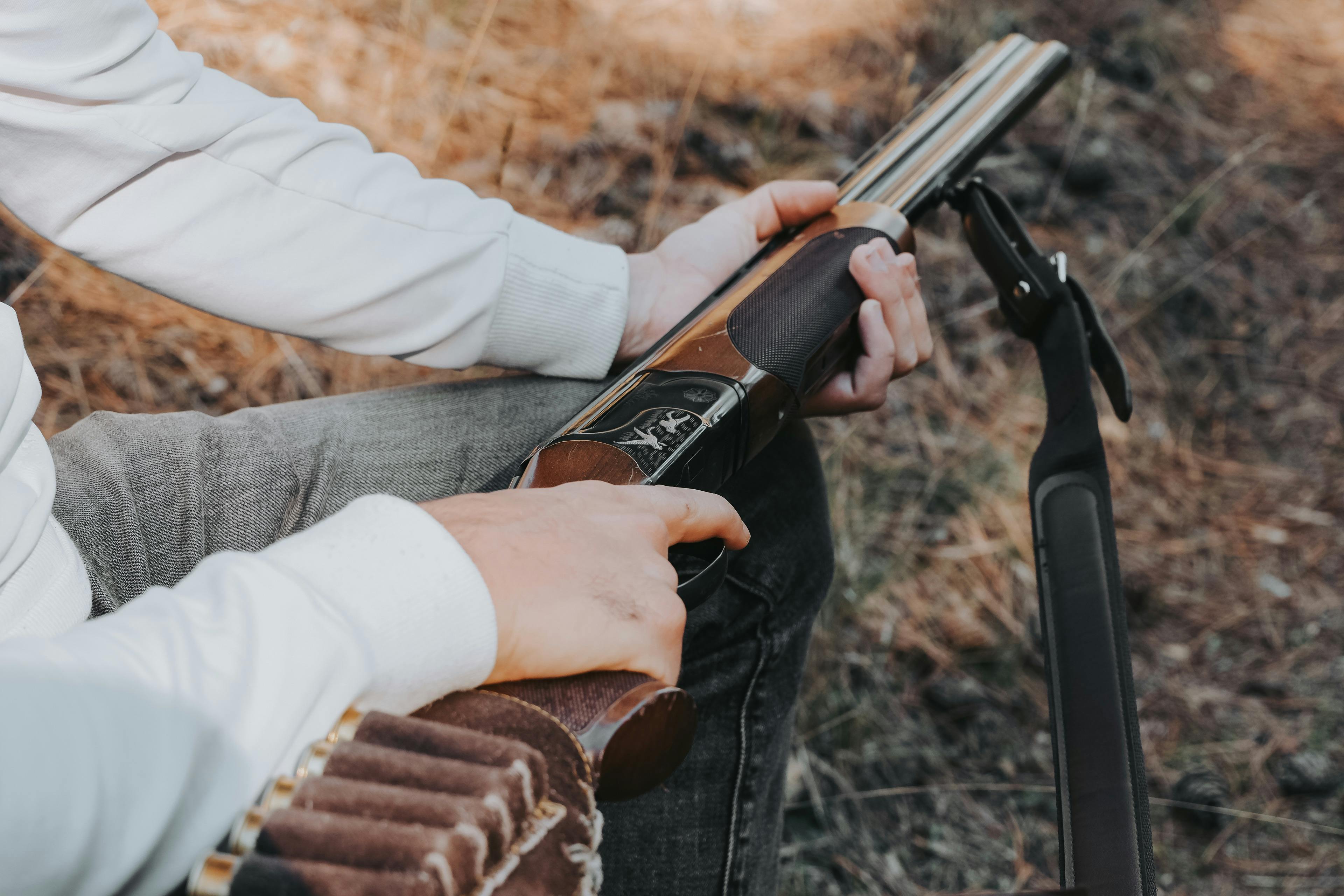
Consider the pump-action shotgun, especially classics like the Remington 870 and Mossberg 500. Critics may point out that semiautomatic shotguns can shoot faster and reduce felt recoil, and that is true in many settings. But pump guns remain common in hunting camps, police armories, and home defense conversations because they are rugged, mechanically straightforward, and familiar.
The revolver tells a similar story. Many experts rightly note that modern semiautomatic pistols offer greater capacity and faster reloads. Even so, revolvers still appeal to shooters who value their simple manual of arms, long service history, and reputation for dependable operation with a wide range of loads.
Reliability also includes the human factor. A shooter who has trained for twenty years on a DA/SA metal pistol or a lever gun may perform better with that “old” platform than with the latest tactical release. Familiarity reduces hesitation, and in shooting, that confidence can matter as much as the hardware itself.
Cost, access, and installed base matter
A lot of supposedly outdated guns stay alive because millions already exist. Once a firearm platform reaches critical mass, it develops an ecosystem of magazines, holsters, spare parts, optics mounts, gunsmith knowledge, and ammunition preferences. That installed base gives it staying power that marketing alone cannot erase.
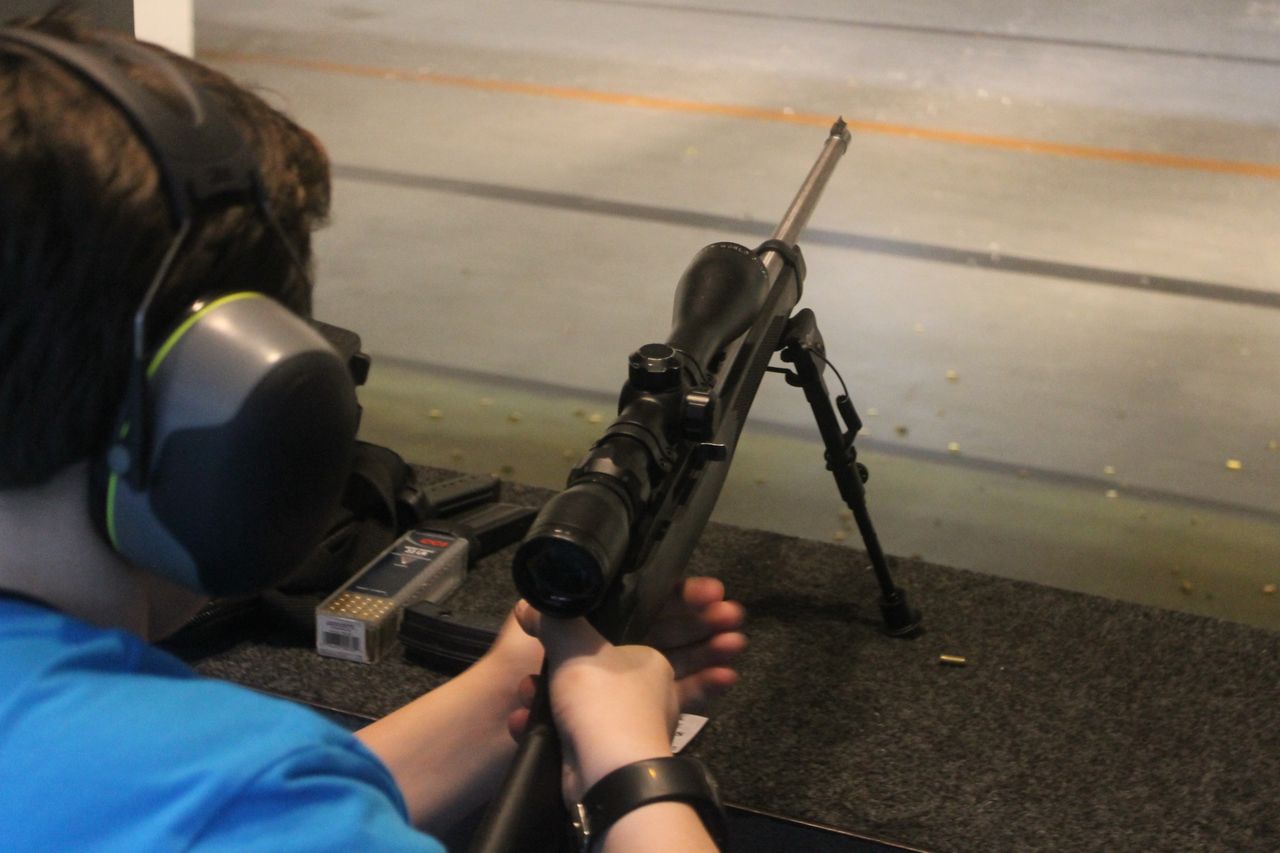
The bolt-action rifle is a perfect example. In an era of compact semiautomatic rifles and chassis systems, the traditional bolt gun still dominates many hunting fields and long-range disciplines. Why? Because shooters can buy proven models at many price points, find parts almost anywhere, and rely on generations of accumulated practical knowledge.
The same logic explains the staying power of older service pistols and surplus rifles. A used Beretta 92, Browning Hi-Power, CZ 75, SKS, or Mauser-pattern rifle often remains attractive because it can be bought, repaired, and shot without entering the premium pricing tier. For many owners, practical affordability beats trend chasing.
Ammunition availability also plays a role. Firearms chambered in common rounds like 9mm, .38 Special, .357 Magnum, .22 LR, 12 gauge, and .30-06 keep their relevance because shooters can actually feed them. A design tied to accessible ammunition often outlasts technically superior alternatives that are expensive or difficult to support.
Competition and hunting preserve legacy platforms.
Many guns survive because organized shooting sports and hunting traditions reward their strengths. What looks outdated in a catalog may still be highly effective under the rules of a match or in the conditions of the field. That is why old platforms often stay visible long after pundits write them off.
The 1911 again offers a strong case study. In action shooting sports, especially divisions that reward precision trigger control and fastfollow-upp shots, it continues to attract serious competitors. Its slim grip, predictable break, and deep aftermarket support keep it relevant even when higher capacity designs dominate other categories.
Lever-action rifles show the same resilience. In cowboy action shooting, they are not just accepted but central to the sport’s identity. Outside competition, hunters still favor them for brush country, short-range deer hunting, and situations where a light, quick-handling rifle matters more than maximum rail space or military styling.
Bolt-action rifles remain the backbone of much hunting for another reason: precision and legality. In many jurisdictions and game contexts, a bolt gun is straightforward, accepted, and trusted. Hunters often care less about tactical trends than about a cold bore shot landing exactly where it should at dawn.
Ergonomics and trigger quality are not old-fashioned

Some older firearms continue to thrive because they simply feel better in the hand. That may sound subjective, but ergonomics strongly influences accuracy, recoil control, and confidence. Shooters talk endlessly about features, yet comfort and trigger quality often decide what actually gets used.
This is one reasonmetal-framedd pistols refuse to vanish. Models such as the SIG P226, Beretta 92, and CZ 75 are heavier than many current polymer alternatives, but that weight can reduce muzzle flip and make range sessions more pleasant. For shooters with the right hand size, these pistols point naturally and offer a shooting rhythm that newer designs do not always replicate.
The 1911 stands out here as well. Even critics who prefer higher capacity pistols often admit that a good 1911 trigger is exceptional. In slow fire accuracy work or practical shooting, that clean break can help competent shooters produce excellent results, which is why many still tolerate the platform’s extra maintenance demands.
Classic rifles also benefit from this effect. A walnut-stocked bolt gun with a crisp trigger and sensible balance may not look futuristic, but it can carry beautifully and shoot with reassuring predictability. The market keeps rediscovering an old truth: if a firearm fits well, shooters are reluctant to abandon it.
Training, culture, and identity shape choices
Firearms are tools, but they are also cultural objects. People inherit them, train on them, hunt with them, watch them in films, and hear family stories attached to them. That emotional layer helps explain why supposedly outdated guns remain common without reducing their appeal to mere nostalgia.
A first deer rifle passed down from a parent often becomes the standard by which later rifles are judged. If that rifle was a bolt action in .30-06 or a lever action in .30-30, the shooter may trust that format for decades. In many households, “old” really means proven by people whose judgment mattered.
Training pipelines reinforce that loyalty. Instructors who grew up with pump shotguns, revolvers, or hammer-fired pistols often continue teaching their strengths, especially to beginners who benefit from simple, visible mechanical operation. While newer systems may offer advantages, older platforms remain easy to explain and easy to respect.
There is also identity. Some shooters enjoy mastering a gun that requires more technique, whether that means running a revolver quickly, carrying a single-action pistol safely, or cycling a lever action smoothly under pressure. Competence itself becomes part of the attraction, and outdated labels start to lose their force.
The future will still have room for the classics.
None of this means innovation is fake or that newer guns offer no real advantages. Higher capacity pistols, improved optics mounting systems, better materials, and more modular designs have absolutely changed the market. For many users, especially professionals working within specific mission requirements, modern platforms are the correct choice.
But widespread replacement rarely happens as cleanly as predictions suggest. The firearms that endure usually occupy a practical middle ground where they are accurate enough, reliable enough, affordable enough, and familiar enough to remain useful. Once a gun reaches that threshold, declaring it obsolete becomes harder than it sounds.
That is why shooters still use revolvers, 1911s, pump guns, lever actions, and traditional bolt rifles. These designs continue to meet real needs in defense, sport, hunting, and recreation. They may no longer be the newest answer, but they are still answers.
In the end, firearms survive for the same reason many old tools survive: they work. When a design delivers confidence, performance, serviceability, and a connection to learnedskillsl, people keep using it. Outdated is often just a word for a product that stopped being fashionable before it stopped being effective.