Some guns disappear quietly, then come roaring back in conversations at gun counters, ranges, and estate sales. These are the models people passed on when they were affordable, practical, and sitting right there in the display case. From classic revolvers to cult-favorite rifles and pistols, this gallery revisits the discontinued firearms that now inspire equal parts nostalgia and sticker shock.
Colt Python

For years, the original Colt Python was the revolver people admired, handled carefully, and then talked themselves out of buying. It was expensive even when new, but its polished finish, ventilated rib, and famously smooth action made it feel like something special the moment it landed in your hand.
Once production stopped, the market changed fast. Prices climbed, collectors got serious, and shooters who once thought they’d grab one later realized later had become very expensive. Even with modern reintroductions, many enthusiasts still chase the older guns for their craftsmanship, cachet, and unmistakable old-school Colt mystique.
Smith & Wesson Model 19

The Smith & Wesson Model 19 hit a sweet spot that many shooters still consider hard to beat. It offered .357 Magnum power in a K-frame package that felt trim, balanced, and easy to carry, making it a favorite for law enforcement, outdoorsmen, and anyone who appreciated a revolver with real manners.
When it left regular production, plenty of people assumed there would always be another one around. Then clean examples started drying up, especially pinned-and-recessed guns and nicely blued versions. Today, it is remembered as the kind of practical classic that didn’t seem irreplaceable until the market proved otherwise.
Winchester Model 94 Angle Eject in .357 Magnum

The Winchester Model 94 is iconic on its own, but the Angle Eject versions chambered in .357 Magnum developed a special following. They delivered familiar lever-action charm with a cartridge that was affordable to shoot, handy in the field, and perfectly matched to the rifle’s compact, lively feel.
At the time, not everyone saw these as future collectibles. They were useful, fun, and often bought to be carried rather than preserved. That’s exactly why nice examples are harder to find now. For shooters who wanted one lever gun that could do a little bit of everything, this version now feels like a missed opportunity.
Ruger P89

The Ruger P89 never won many beauty contests, but it earned a reputation that aged extremely well. It was chunky, durable, and famously hard to wear out, the kind of 9mm pistol that kept running through neglect, range abuse, and years of drawer-duty without much complaint.
Because it was so common and so affordable, many shooters overlooked it in favor of something sleeker. That turned out to be part of its charm. As values on dependable older autos have risen, the P89 has become a nostalgia piece for people who now appreciate overbuilt reliability more than stylish lines or trendy features.
Marlin 1894 Cowboy
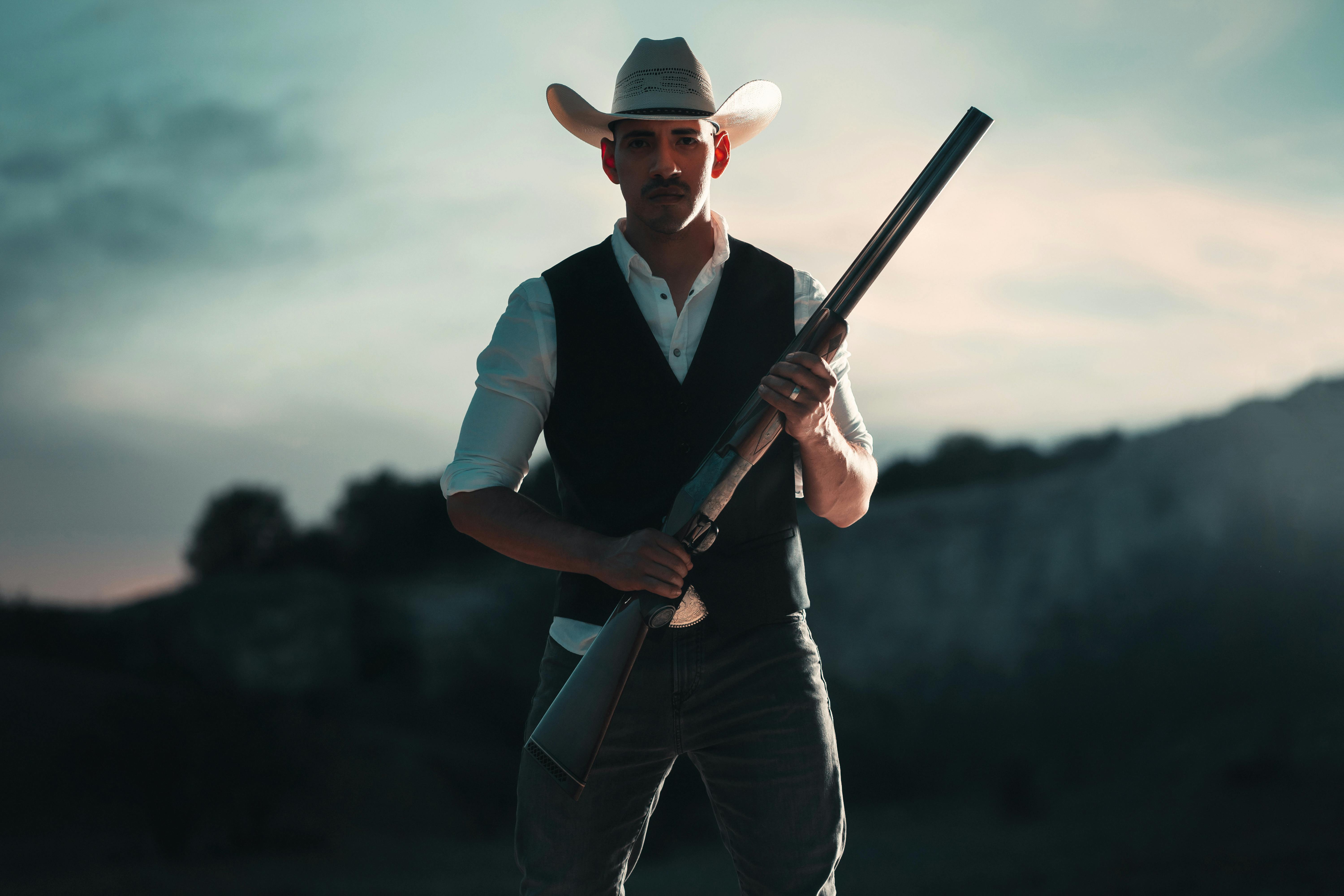
Marlin’s 1894 Cowboy models captured the appeal of traditional lever guns with a little extra elegance. With octagonal barrels, handsome wood, and chamberings that made sense for range work and field use, they felt like rifles from another era that still belonged in the real world.
Then came production changes, brand upheaval, and a scramble among buyers who had once assumed these would always be available. The result was predictable: prices rose and affection deepened. For many fans of classic American rifles, the 1894 Cowboy is the one they remember passing on because it seemed sensible to wait just a little longer.
Remington 870 Wingmaster from the old production era

There are a lot of pump shotguns in the world, but older Remington 870 Wingmasters occupy a special place in American gun culture. Smooth actions, polished blue steel, and walnut stocks gave them a level of refinement that made even a hardworking field gun feel a little classy.
That old-production reputation matters now more than ever. As buyers compare eras, many have decided the earlier Wingmasters represented a standard that became harder to find later on. People who once passed them up at ordinary prices now scan used racks with fresh urgency, hoping to rediscover the slick, dependable shotgun they thought would always be easy to replace.
SIG Sauer P225
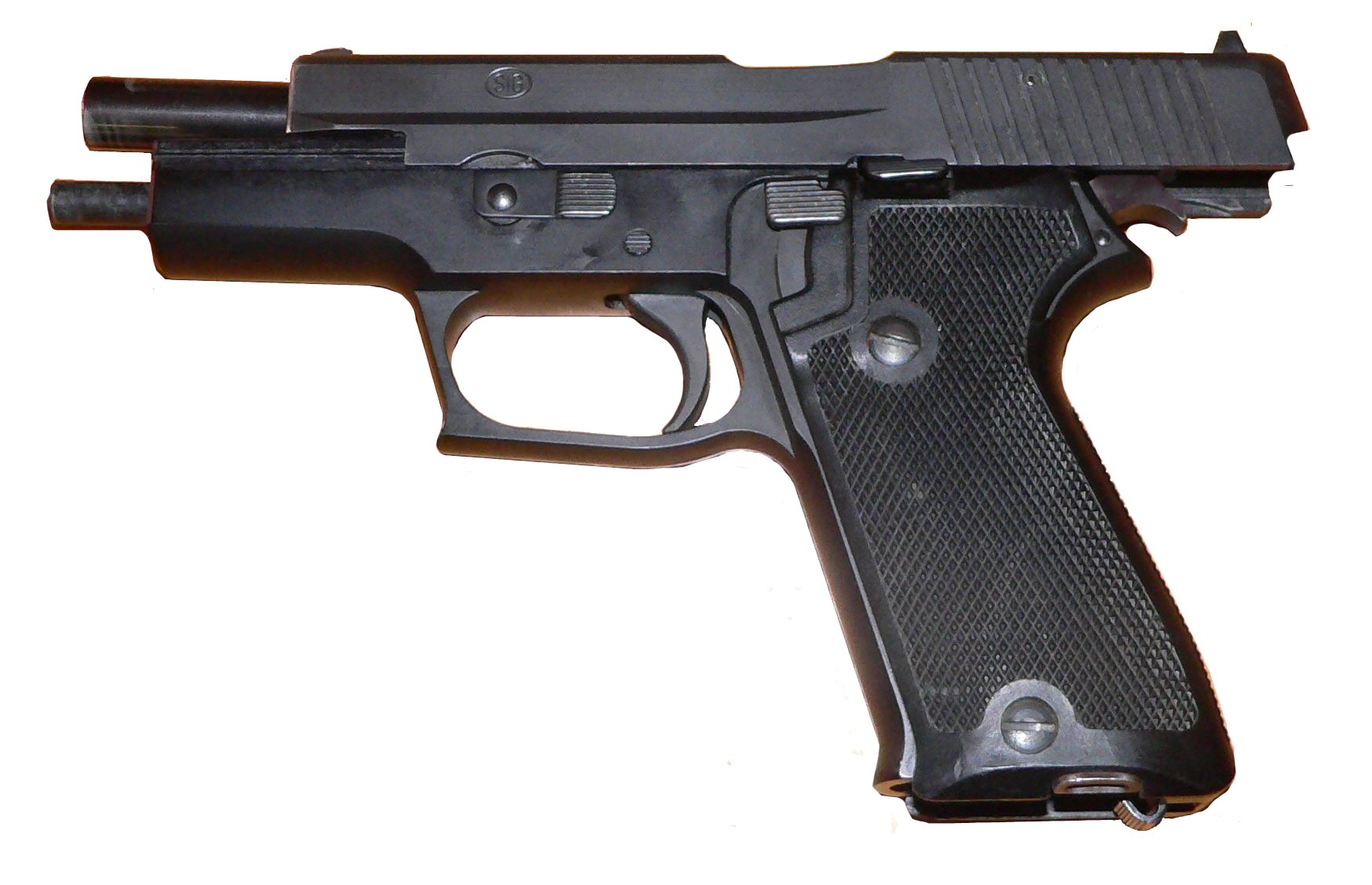
Before the concealed-carry market exploded with polymer options, the SIG Sauer P225 represented a refined take on the compact service pistol. It was slim, accurate, and confidence-inspiring, with the kind of all-metal feel that made even routine range sessions seem a little more serious.
Its discontinuation helped turn it into a quiet cult favorite. Police trade-ins, especially European examples, introduced many shooters to the model after its main production run had already faded. By then, the appeal was obvious. The P225 had all the old-school SIG virtues people remembered fondly, but in a trimmer package that now feels especially appealing in hindsight.
Pre-64 Winchester Model 70
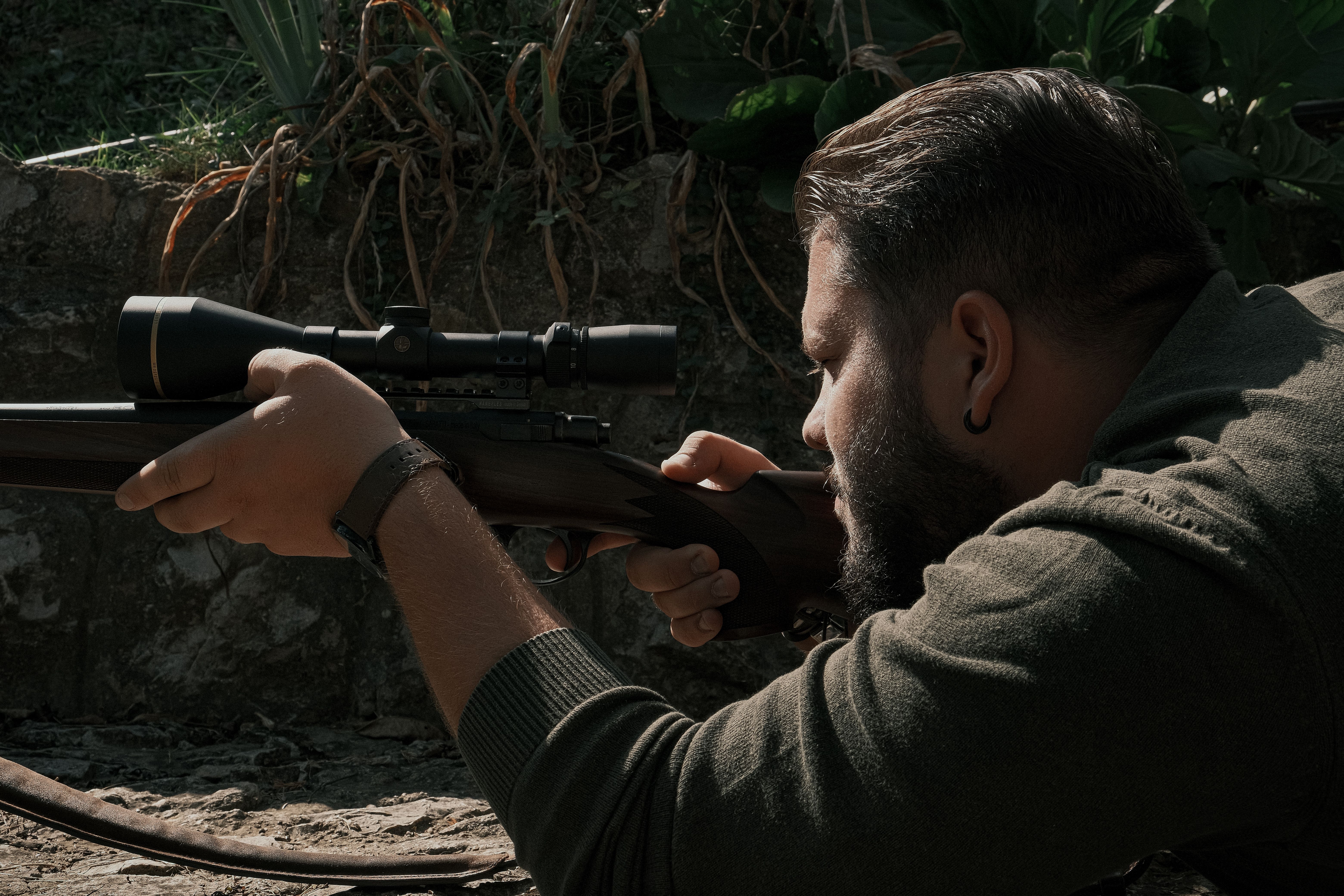
Few rifles inspire the phrase they don’t make them like they used to quite like the pre-64 Winchester Model 70. Controlled-round feed, strong lines, and a reputation for quality gave it a place in hunting lore that extended well beyond ordinary brand loyalty.
Because the rifle’s reputation grew over generations, many buyers have spent years regretting not buying one when prices were merely high instead of eye-watering. Original condition examples have become especially prized, and even honest hunting rifles carry enormous appeal. For many collectors, this is the classic American bolt gun that moved from admired to aspirational before they could catch up.
Colt Detective Special

The Colt Detective Special helped define the snub-nose revolver long before compact semiautos took over the conversation. Its six-shot capacity in a relatively compact package made it stand out, while its lines and Colt action gave it the kind of personality modern carry guns rarely aim for.
As concealed-carry tastes changed, many people treated these revolvers as yesterday’s answer to a modern problem. Then the nostalgia wave hit, and with it came a renewed appreciation for blued steel, old-school craftsmanship, and carry guns with actual visual charm. Now the Detective Special is exactly the kind of revolver buyers wish they had grabbed when prices still felt reasonable.
Marlin 39A

The Marlin 39A was the sort of .22 rifle that often became part of a family’s history. It was accurate, beautifully made, and substantial in a way many rimfires no longer are, giving generations of shooters a rifle they could learn on, squirrel hunt with, and eventually pass down.
That long-term affection only intensified after production ended. Suddenly, a rifle many people had considered a permanent fixture in gun shops started looking scarce. Good examples became more expensive, and memories did the rest. Among classic rimfires, the 39A stands out as a reminder that practical, beautifully built guns often become collectible the moment they stop being ordinary.
Smith & Wesson Third Generation autos
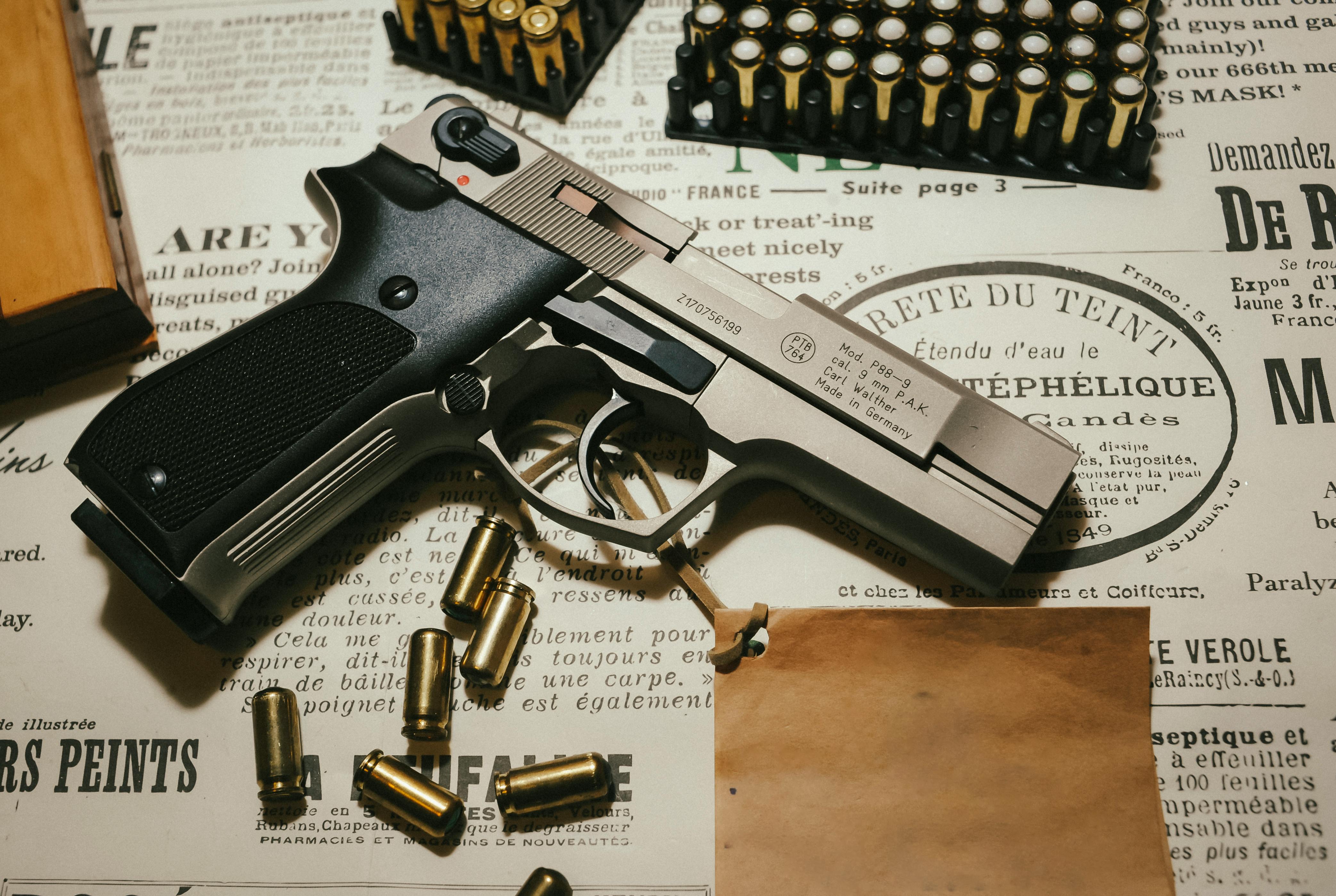
Smith & Wesson’s Third Generation pistols were once duty-gun staples, carried by agencies and trusted by shooters who valued metal frames, proven reliability, and straightforward controls. Models like the 5906 and 4506 developed a reputation for seriousness that still resonates with fans of service pistols from that era.
For a long time, they were simply yesterday’s police guns. Then tastes changed, trade-ins dried up, and people began revisiting what these pistols actually offered. Their heft, durability, and mechanical confidence now feel distinctive in a market dominated by lighter, more disposable-feeling designs. That shift has turned many former bargains into sought-after reminders of a different handgun age.
Ruger Deerfield Carbine

The Ruger Deerfield Carbine occupied a clever niche that seems even smarter in retrospect. Chambered in .44 Magnum and designed as a compact semiauto rifle, it offered fast handling, familiar Ruger toughness, and a lot of usefulness for hunters and rural property owners.
It never became a mainstream obsession, which is part of why regret around it runs so deep now. Buyers who saw one as merely interesting often moved on to something more conventional. Years later, the same rifle looks distinctive, practical, and refreshingly different from the herd. That combination has made surviving examples feel like hidden gems that are not so hidden anymore.
Belgian-made Browning Auto-5

The Belgian-made Browning Auto-5 has an aura that goes beyond its unmistakable humpback profile. It represents an earlier era of shotgun design and manufacturing, when long-recoil operation, fine wood, and old-world production gave even a hard-use bird gun a sense of permanence.
Later Auto-5 variants have their own appeal, but the Belgian guns continue to inspire a special kind of longing. Buyers who once viewed them as old-fashioned now see heirloom quality, mechanical charisma, and a direct link to generations of hunting history. Few discontinued shotguns better capture the feeling of wishing you had bought one before the rest of the market remembered how good they were.