Ballistic gelatin testing is one of the most useful ways to compare projectile behavior, but a gel block is not a crystal ball. A polished advertisement may highlight expansion, penetration, velocity, or dramatic temporary cavities while leaving out the conditions that produced those numbers. Properly prepared 10 percent ordnance gelatin is designed to approximate soft tissue behavior, yet temperature, calibration, clothing, impact velocity, test distance, and sample size can all change the outcome.
1. Gelatin Must Be Calibrated Before the Numbers Mean Much
A block labeled “10 percent ballistic gelatin” is not automatically a valid test medium. Standardized testing commonly uses nominal 10 percent gelatin chilled near 4°C, with the finished block checked against a known BB test before ammunition is evaluated. One FBI-related procedure uses a 4.5 mm steel BB traveling about 590 fps, or 180 m/s, with an acceptable penetration window of roughly 2.95 to 3.74 inches. If calibration fails, impressive bullet results can still be misleading because the medium itself may be too soft or too firm.
2. Temperature Can Quietly Change the Result
Gelatin is sensitive to temperature, so two tests can use the same recipe yet produce different penetration figures. Research comparing concentrations, curing periods, and temperatures found meaningful changes in BB penetration when conditions changed. One experiment recorded about 49.7 mm penetration under one 20 percent formulation at 10°C, compared with 79.1 mm after a different curing and temperature combination. That difference shows why a marketing video should disclose block temperature rather than simply display a penetration number.
3. Muzzle Velocity Alone Does Not Tell the Whole Story

Ammunition advertisements often emphasize velocity because it produces an impressive headline number, but terminal performance depends on more than speed at the muzzle. Bullet construction, impact velocity, expansion behavior, retained mass, and penetration interact throughout the test. Even loads with substantially different starting velocities can produce surprisingly different relationships between expansion and remaining velocity. A useful comparison, therefore,e records actual velocity during testing and explains the test conditions instead of treating one advertised chronograph figure as proof of superior terminal performance.
4. Bare Gelatin Can Make a Bullet Look Better Than Realistic Barriers Do
A bullet that performs beautifully in bare gelatin has not necessarily demonstrated the same behavior after passing through clothing or another intermediate barrier. Standardized ammunition evaluations may therefore include separate events using materials such as heavy clothing. The reason is straightforward: fabric can interact with an expanding projectile before it reaches the gelatin, sometimes changing expansion and penetration. A claim based on one bare-gel shot is consequently narrower than an advertisement might make it sound, especially when the intended application involves intermediate barriers.
5. Expansion Pictures Are Only One Piece of the Evidence
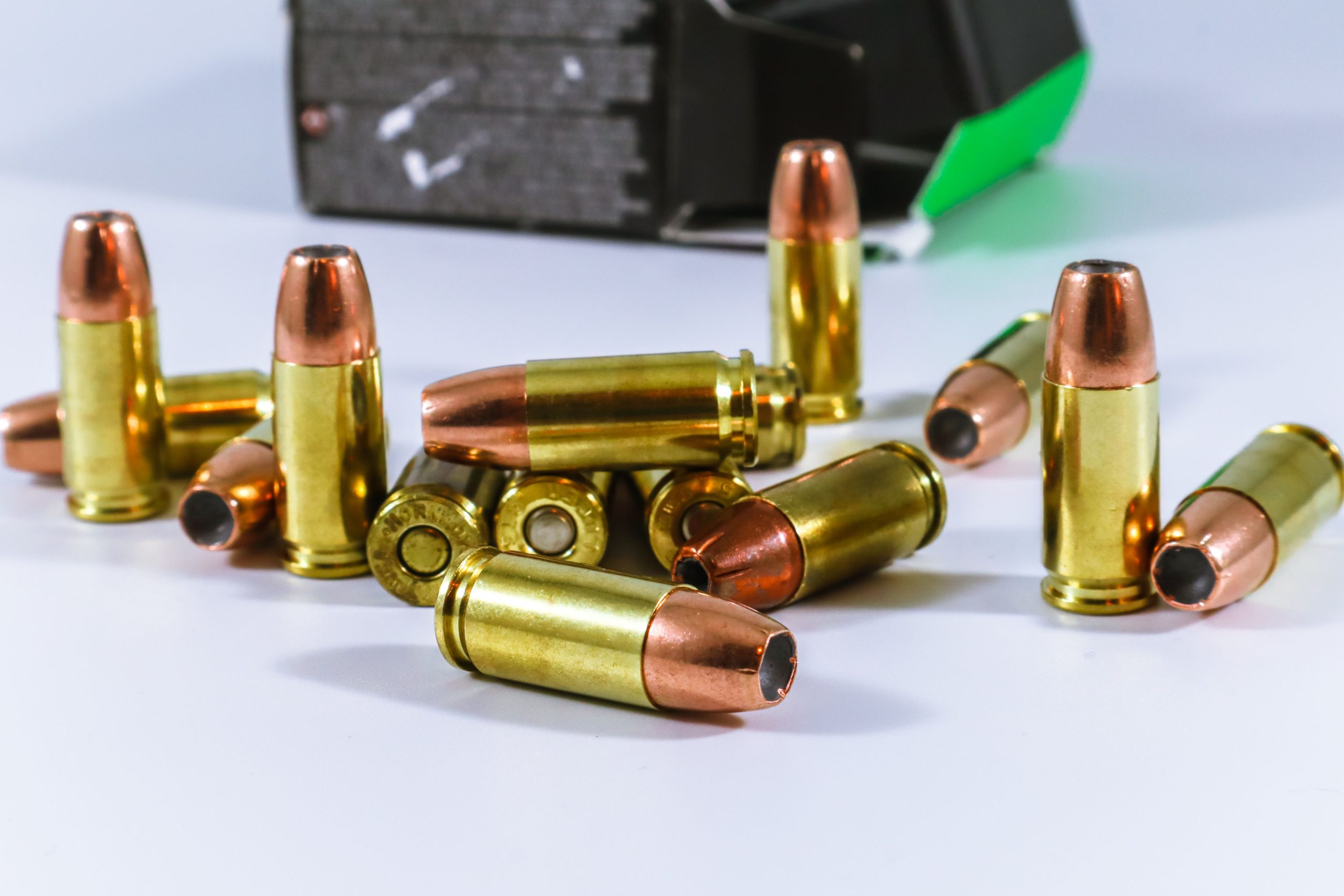
A spectacularly expanded projectile makes excellent advertising photography, but diameter alone does not describe the complete result. Proper terminal testing can record penetration depth, recovered projectile weight, and expansion or fragmentation. A bullet that opens dramatically but stops too early tells a different story from one that expands moderately while maintaining useful penetration. Even measurements need context because projectile shape can become irregular after impact. The strongest comparison, therefore,e considers several numbers together instead of choosing the largest-looking recovered bullet.
6. A Gel Block Is Not a Human Body

Ballistic gelatin is homogeneous, while the human body contains skin, fat, muscle, connective tissue, organs, fluid-filled structures, and bone. That difference matters enormously when interpreting photographs of cavities inside a transparent or translucent block. Gel can provide useful information about penetration and projectile behavior in soft-tissue-like material, but it cannot reproduce every anatomical interaction. Bone can alter a projectile’s path, cause fragmentation, or affect expansion. Therefore, a gel cavity should be treated as controlled experimental evidence, not a literal map of a wound.
7. Block Size and Restraint Can Influence What the Camera Shows
Powerful projectiles can make gelatin blocks swell, deform, or even move during impact. That movement can influence measurements involving temporary cavities and energy transfer. A 2024 study compared conventional cuboid gelatin with a restricted cylindrical arrangement and found that limiting block expansion also changed the observed cavity. The researchers used a 50 cm long, 30 cm diameter cylinder and compared it with a 25 × 25 × 50 cm cuboid. This illustrates why unusual block dimensions or restraints deserve attention when comparing test videos.
8. One Dramatic Shot Is Weak Evidence for a Marketing Claim

A single gel shot can be visually persuasive, but ammunition performance is better judged through repeated, controlled testing. Variations in bullet manufacture, impact velocity, gelatin preparation, temperature, shot placement, and intermediate barriers can create meaningful differences between individual shots. Even established protocols use multiple test events and repeated shots rather than relying on one spectacular result. The practical lesson is simple: ask for the sample size, test distance, measured velocity, gelatin calibration, barrier conditions, and complete penetration data before treating a marketing claim as a proven performance advantage.