A handgun’s grip is more than the part a shooter holds. Its shape, surface texture, material, and overall proportions contribute to comfort, handling, and how securely the firearm sits in the hand. Manufacturers approach these details in different ways, from interchangeable backstraps and molded polymer frames to traditional wooden panels and finely textured metal surfaces. Comparing eight distinctive designs reveals how seemingly small differences can give each model its own character, while also showing why hand size, personal comfort, and intended use matter when evaluating ergonomics.
1. GLOCK 19 Gen5
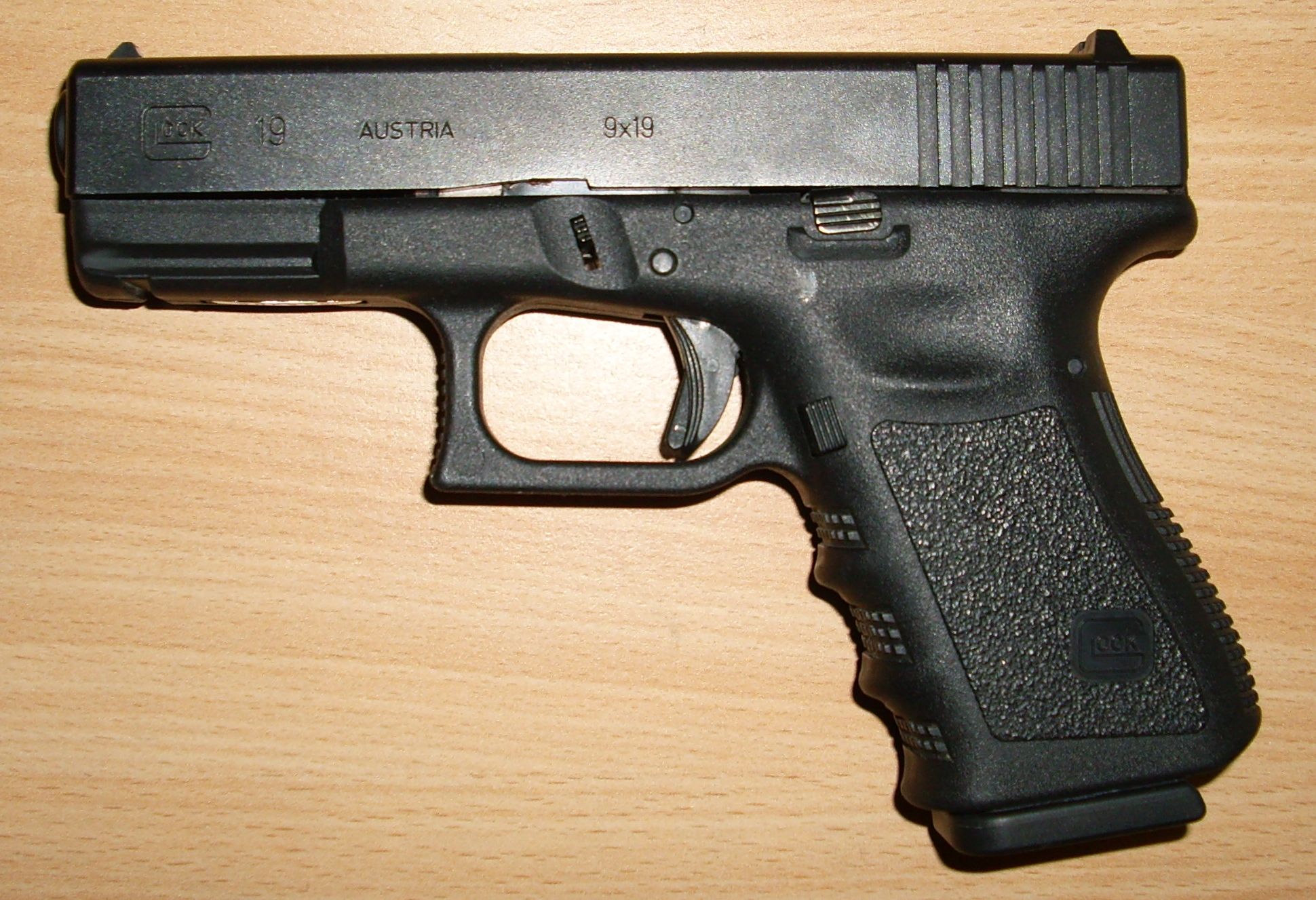
The GLOCK 19 Gen5 shows how a polymer grip can balance texture with adaptability. Its frame omits the molded finger grooves found on some earlier designs, giving different hand sizes more freedom to find a comfortable position. Textured sides and front provide a consistent surface, while interchangeable backstraps alter the rear profile and circumference. This compact 9 mm model has a 4.02-inch barrel and a standard 15-round magazine in its usual configuration. Its appeal is not an exotic shape, but a straightforward design that prioritizes fit and practicality.
2. SIG Sauer P320
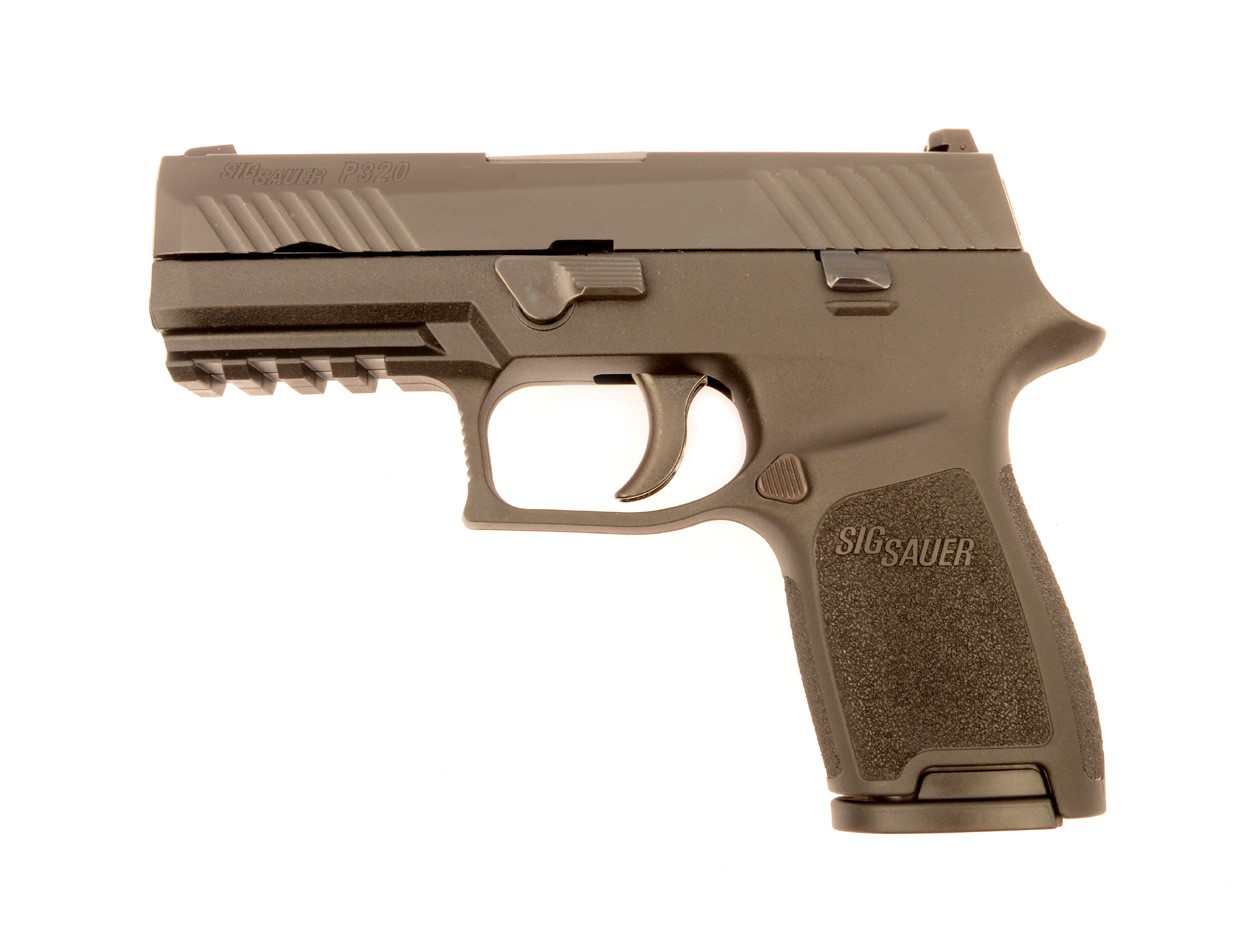
The SIG Sauer P320 stands out because its grip module belongs to a modular platform rather than a permanently fixed frame design. Depending on the version, different grip sizes, contours, and surface treatments change how it feels in the hand. The polymer module combines molded texture with a shaped backstrap, aiming to provide a secure hold without separate wooden or rubber panels. Full-size 9 mm versions commonly use a 4.7-inch barrel and 17-round magazine, though specifications vary by model and market. Modularity is its defining ergonomic feature.
3. Walther PDP
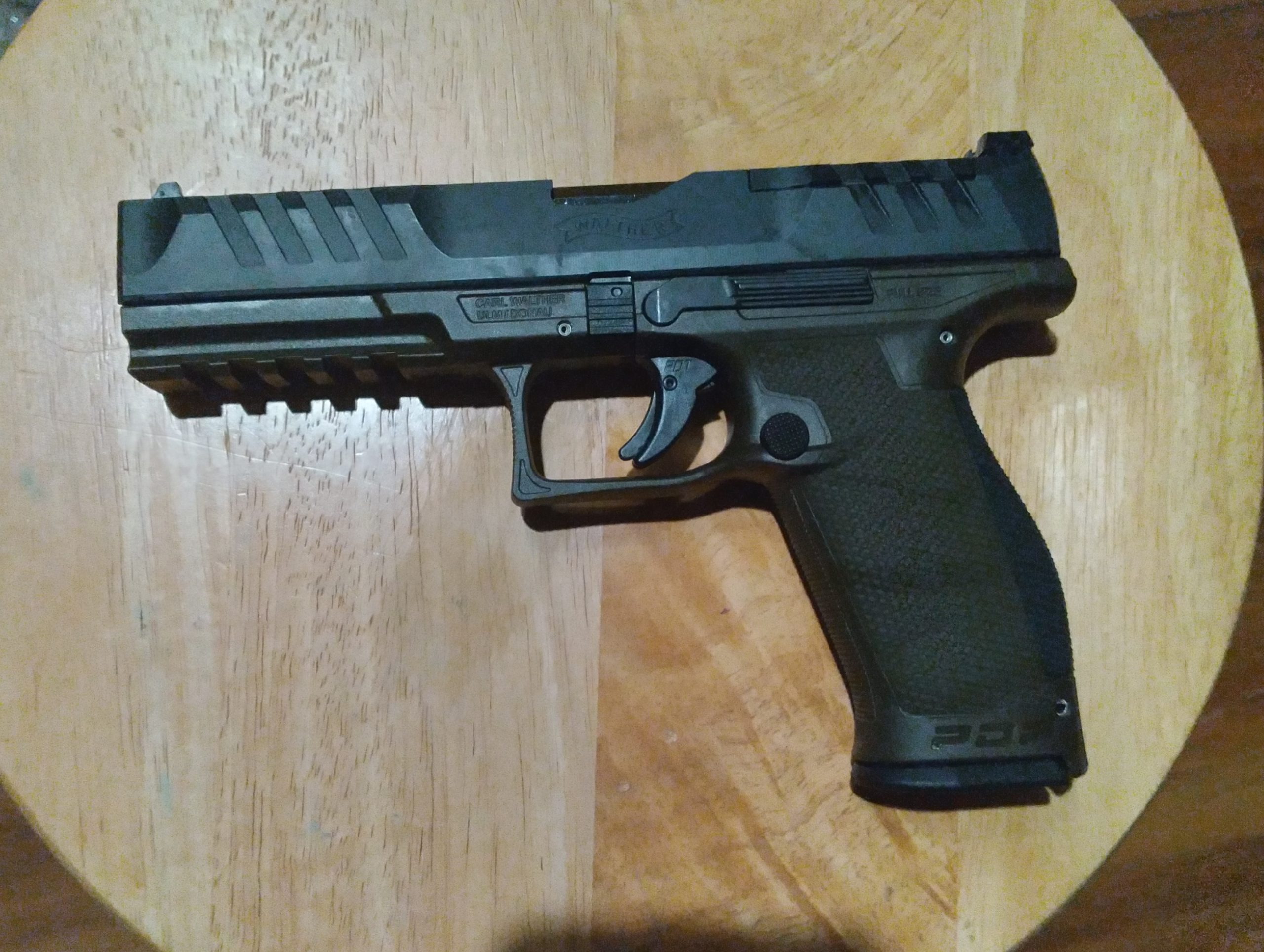
The Walther PDP uses pronounced molded texture and sculpted contours to give its polymer grip a distinctive appearance. The surface pattern is more assertive than the fine stippling on many conventional service pistols, while the shape is designed to support a consistent hold. Different PDP versions offer different frame sizes, so compact and full-size models do not feel identical. A common 4-inch 9 mm version has a 4-inch barrel, with magazine options varying by configuration, often 15 or 18 rounds. Its identity comes from bold texture paired with carefully shaped contours.
4. CZ 75
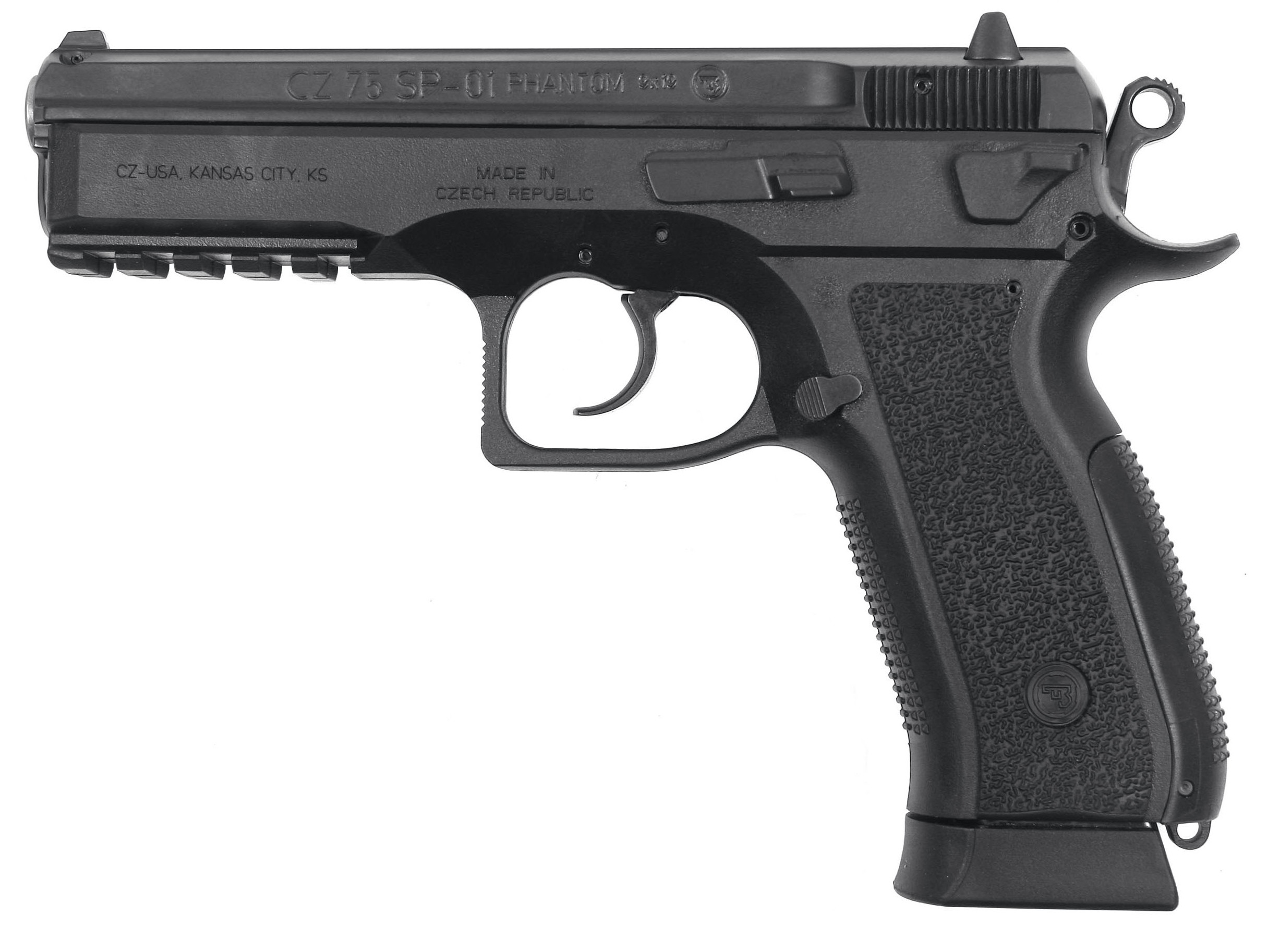
The CZ 75 is recognizable for its steel-frame profile and slim grip panels that follow the frame’s curve. Instead of a thick polymer shell, many versions use separate panels, often textured plastic or other materials, attached to the metal frame. This creates a classic feel, with a rounded backstrap and a grip many enthusiasts find naturally contoured. The standard 9 mm CZ 75 commonly has a 4.6-inch barrel and a 16-round magazine, although variants differ. Its design shows how metal construction and shaped panels can create a distinctive grip without aggressive molded patterns.
5. M1911-style pistols
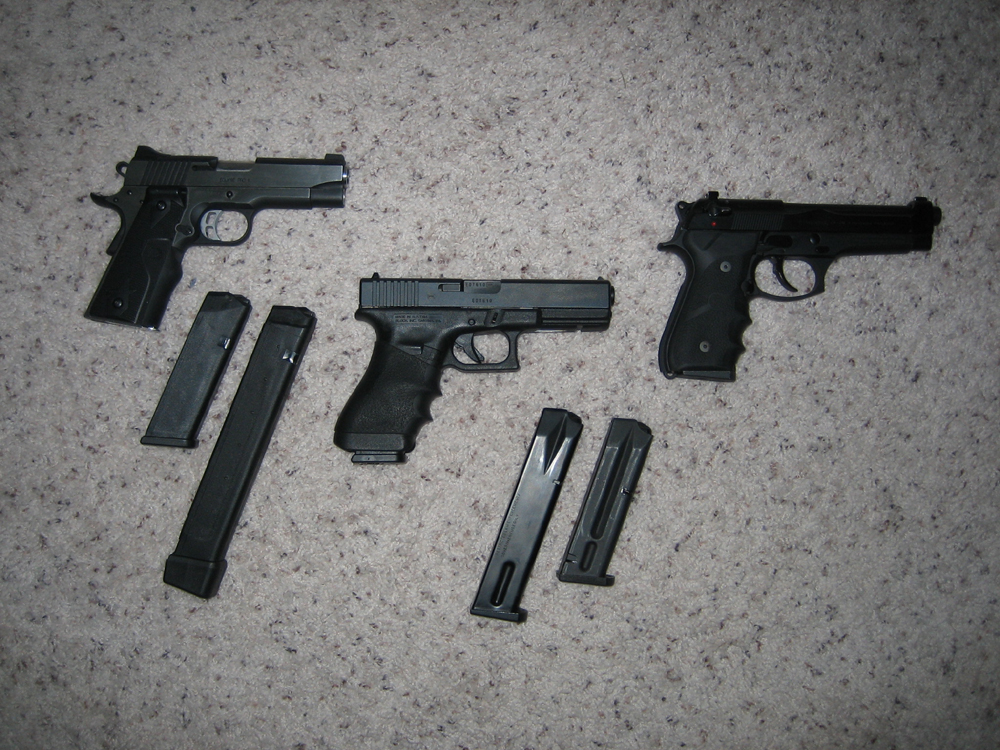
The M1911 pattern uses relatively flat grip panels on either side of a narrow metal frame, creating a slim profile compared with many double-stack handguns. Panels may be wood, checkered polymer, or G10 laminate, so texture and appearance vary widely. Checkering and stippling add tactile detail, while an arched or flat mainspring housing can affect how the grip sits in the palm. A traditional full-size 1911 typically has a 5-inch barrel and a 7-round .45 ACP magazine, though modern variants differ. Its enduring feature is a simple, panel-based grip design.
6. Beretta 92FS
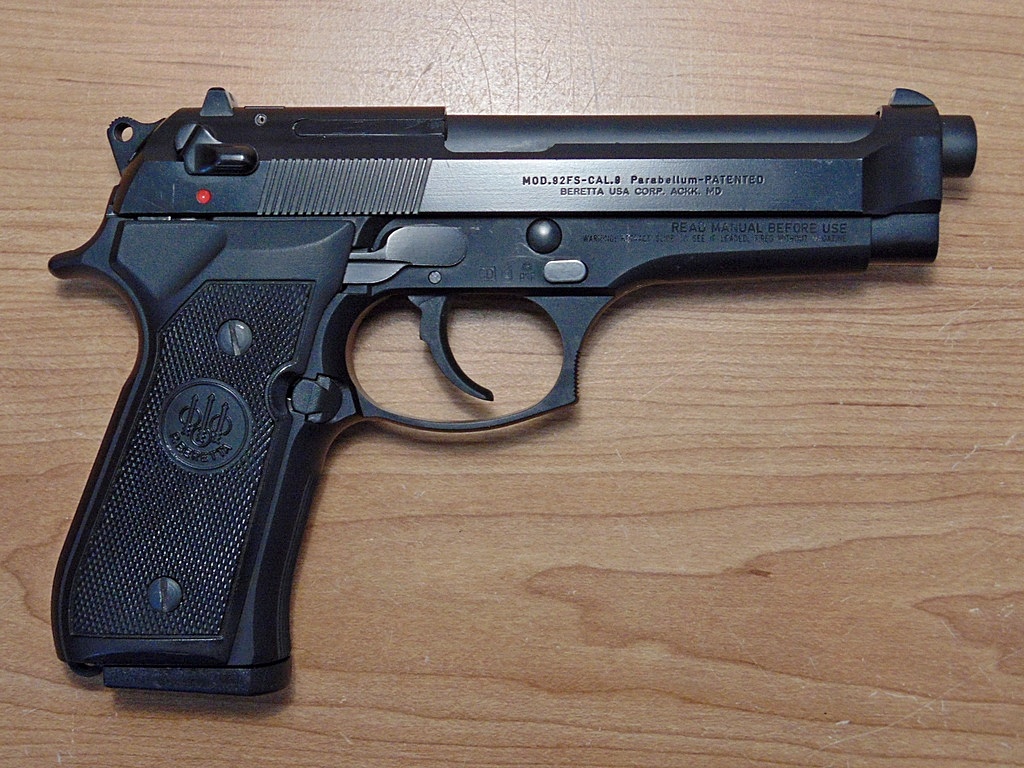
The Beretta 92FS pairs a metal frame with broad, removable grip panels and a curved backstrap, giving it a fuller feel than many polymer pistols. The panels are usually textured polymer, though replacement materials and patterns are available for some versions. Its double-stack layout creates a relatively wide grip, which can feel comfortable to some hands and bulky to others. Standard 9 mm specifications include a 4.9-inch barrel and a 15-round magazine, with regional variants differing. The 92FS shows how frame width, panel shape, and the backstrap’s curve shape the overall grip impression.
7. Ruger Mark IV
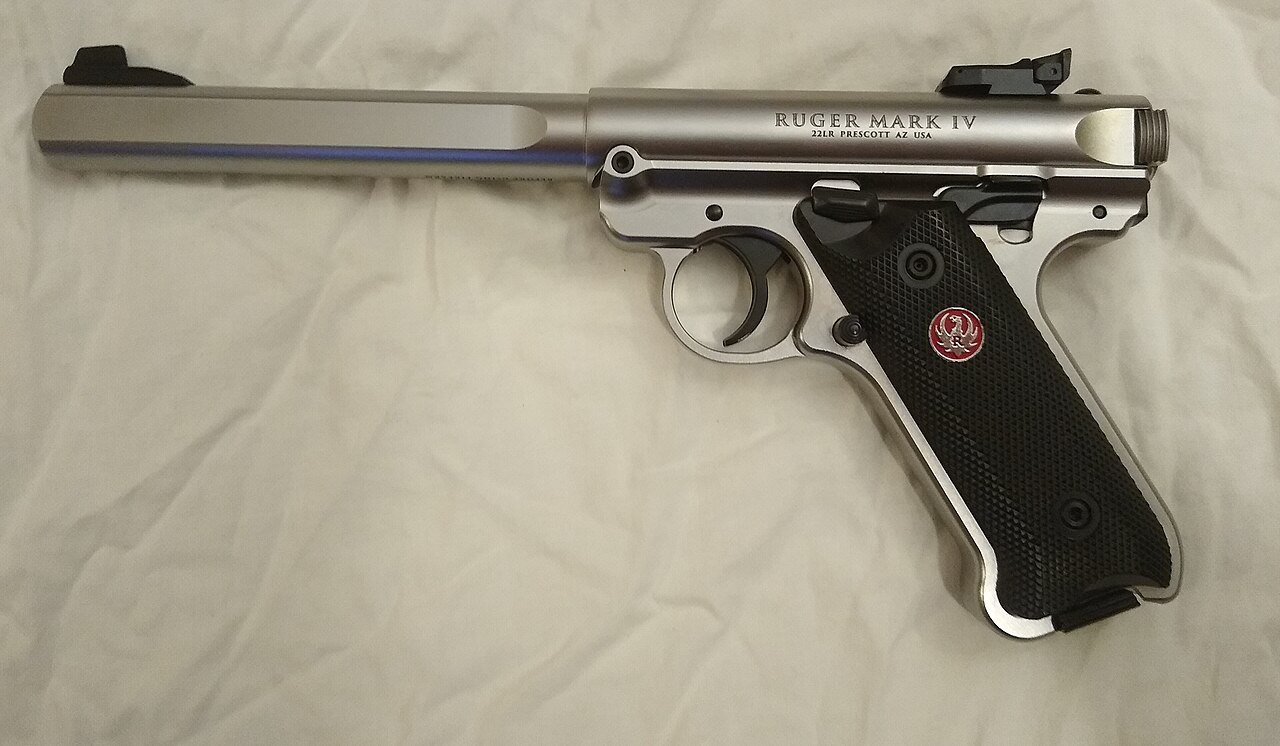
The Ruger Mark IV takes a different route from service pistols, using a grip angle and slim profile rooted in classic .22 target-pistol design. Depending on the variant, its panels may be checkered polymer or other finishes, and the frame gives the hand a different relationship to the barrel than a typical centerfire handgun. Many standard Mark IV models use a 4.75-inch barrel and a 10-round magazine, while target versions can differ in barrel length and grip treatment. Its grip is tailored to recreational and precision .22 shooting rather than copying a modern duty-pistol outline.
8. FN Five-seveN
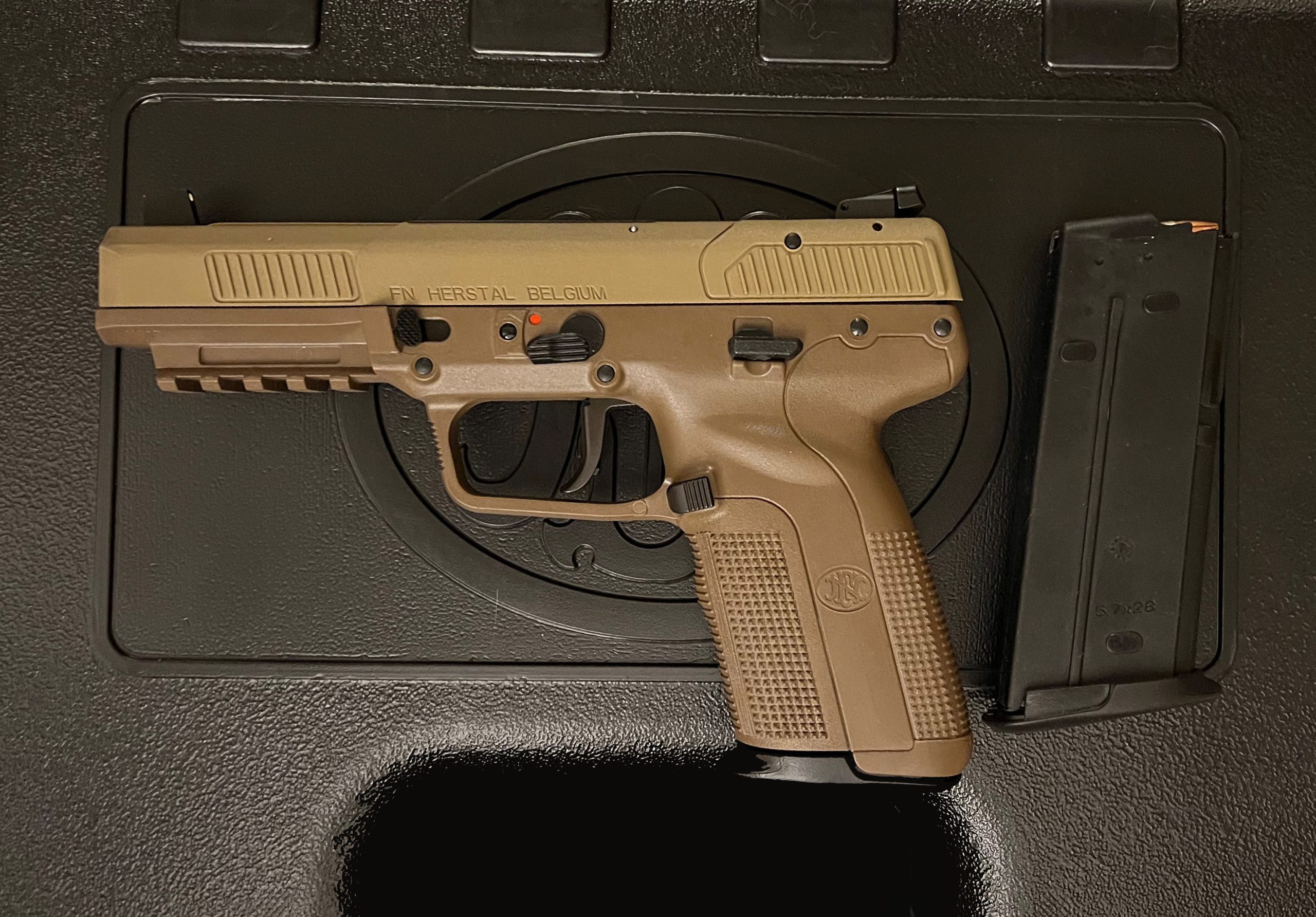
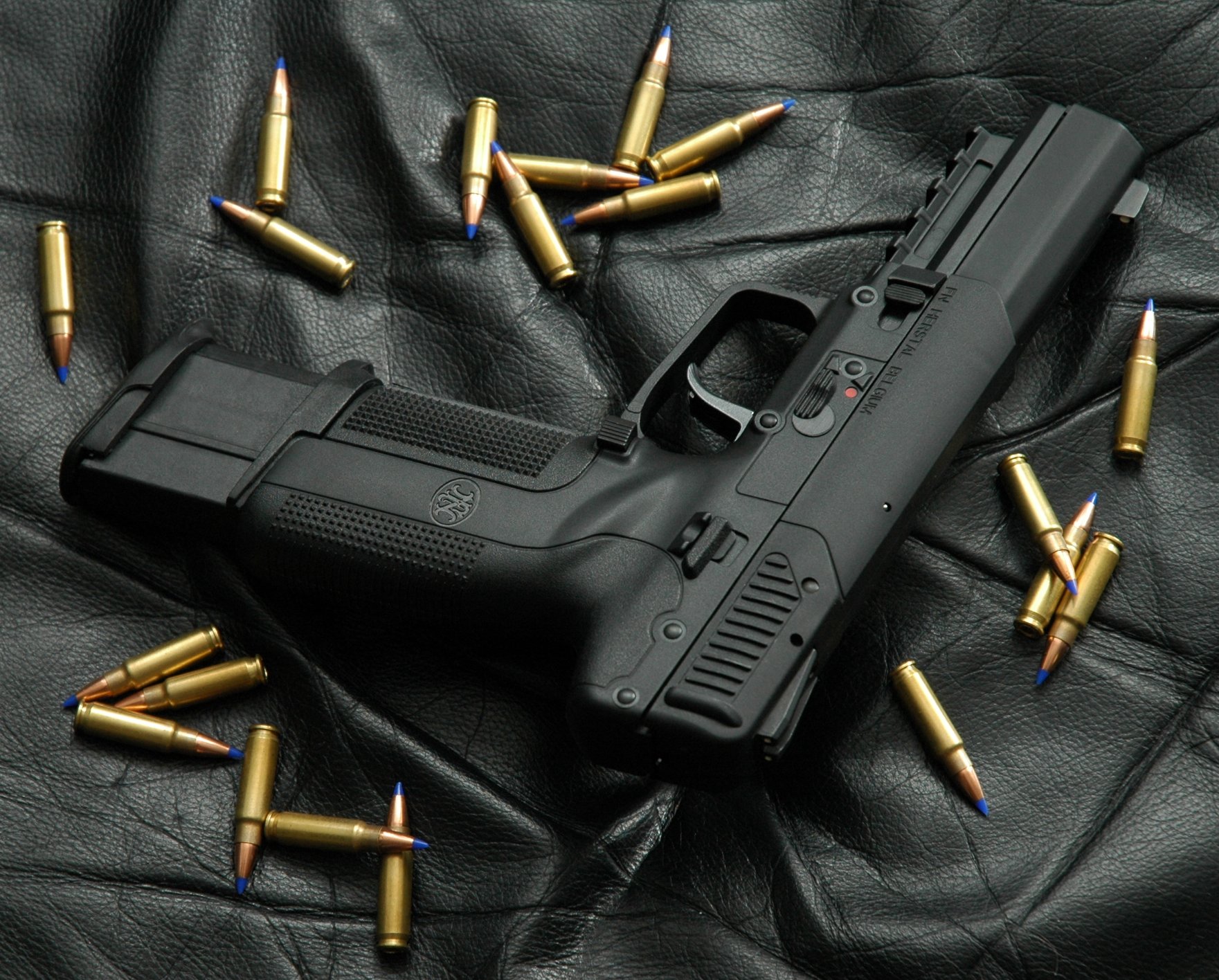
The FN Five-seveN combines a polymer frame with a slender grip shaped around its 5.7×28 mm cartridge. Molded texture defines its surface, and its proportions differ from common 9 mm pistols. The original Five-seveN commonly features a 4.8-inch barrel and a 20-round magazine, although specifications should be checked for the exact model and market. Its grip stands out not simply for texture, but for how the frame shape and magazine format create a distinctive overall profile, contrasting with traditional steel-frame designs. The result is an unusual silhouette.