
Reloading ammunition requires patience, careful measurement, and a clear understanding of safety procedures. Before handling a single cartridge case, beginners should learn what each tool does, how to recognize equipment limitations, and why manufacturer instructions matter. A well-organized workspace also helps prevent confusion between components and reduces the chance of overlooking important checks. The following seven tools introduce the essential equipment used in reloading, from inspection aids to measurement instruments. Each serves a distinct purpose, and none replaces proper training or published load data.
1. Calipers for Checking Case Dimensions
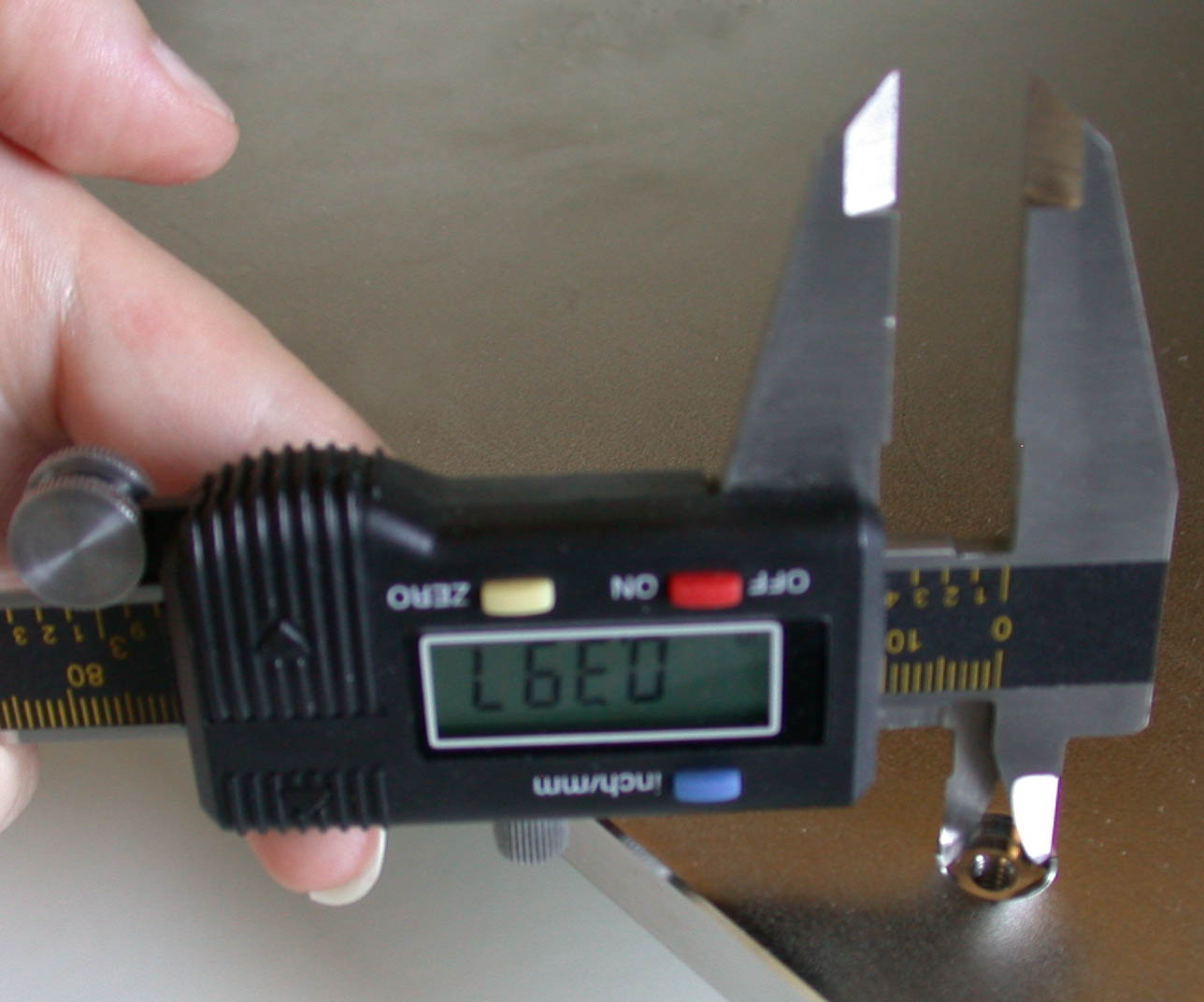
Calipers help reloaders measure cartridge cases and other components against published dimensional specifications. Digital and dial models commonly display measurements to 0.001 inch, while some precision instruments offer finer resolution. Beginners should understand that measuring a case’s overall length is different from checking its diameter or other dimensions. A caliper must be clean, undamaged, and zeroed before use. Measurements outside the applicable specifications require attention rather than guesswork. Although calipers are useful inspection instruments, they cannot establish whether ammunition is safe to fire on their own. Always consult the appropriate cartridge drawings and manufacturer guidance before interpreting any measurement.
2. Safety Glasses for Eye Protection
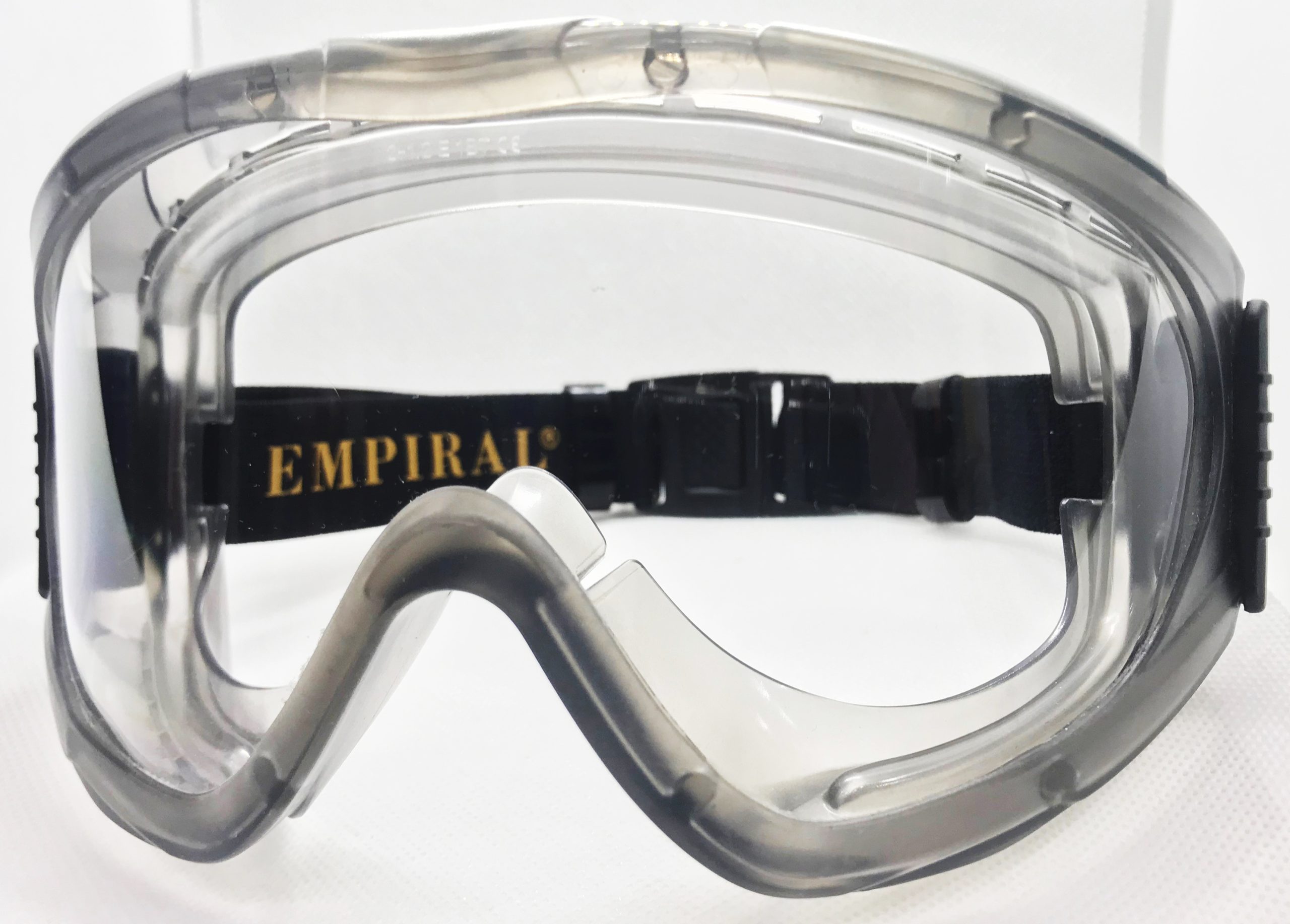
Safety glasses are a basic requirement wherever reloading equipment, small metal components, or mechanical tools are handled. A properly fitted pair helps protect against flying debris and accidental contact with particles that could injure the eyes. Look for eye protection that meets a recognized standard, such as ANSI Z87.1 in the United States, and check that the lenses and frame remain undamaged. Ordinary prescription glasses may not provide equivalent protection unless specifically rated for the purpose. Even when working with only a few components, wear eye protection consistently. Good habits established during the first session can help prevent avoidable injuries throughout years of workshop use.
3. Case Inspection Light for Spotting Defects

A bright inspection light makes it easier to examine cartridge cases for visible damage before any further handling. A simple LED lamp can provide useful illumination without requiring complicated equipment, and a neutral white light can help reveal cracks, corrosion, dents, and other irregularities. Beginners should inspect cases individually rather than relying on a quick glance at an entire batch. Pay particular attention to obvious structural damage and unusual discoloration. However, some defects may not be visible under ordinary lighting, so visual inspection cannot guarantee that a case is serviceable. When a case appears questionable, set it aside and consult reliable technical guidance instead of assuming it is safe.
4. Reloading Manual for Verified Technical Information

A reputable reloading manual is one of the most important references a beginner can own. Established publishers provide cartridge-specific information, component identification, safety warnings, and tested load data for particular combinations of components. Different bullets, powders, primers, and cartridge designs can produce substantially different pressures, so figures should never be transferred casually between combinations. Use current manufacturer-approved data applicable to the exact components involved, and read the introductory safety guidance before considering any work. A manual is not simply a collection of numbers; it explains limitations and terminology that beginners may otherwise misunderstand. Online discussions and anecdotal recommendations should never replace verified published data.
5. Stable Workbench for an Organized Workspace

A sturdy workbench provides a consistent surface for keeping equipment organized and reducing accidental spills. Even a compact bench can be useful if it has sufficient space, secure footing, and a clean, well-lit working area. Keep unrelated tools, food, drinks, and household clutter away from the workspace. Store components in clearly identified containers and follow the storage requirements specified by their manufacturers and applicable local regulations. Good organization also makes it easier to notice misplaced items or unexpected changes in the workspace. Before beginning a session, take a few minutes to check the surroundings and confirm that children and other unauthorized people cannot access the equipment.
6. Component Identification Labels to Prevent Mix-Ups

Clear labels help distinguish components that may look similar but have different specifications or intended uses. Use durable labels to identify original packaging, manufacturer information, and other relevant details without obscuring safety warnings. Keep each component in its original labeled container whenever practical, and never rely on memory alone to identify an unknown powder or small part. A simple written inventory can record the number of containers present and help reveal discrepancies during routine organization. For example, a two-column inventory listing the component description and its original package identification can reduce confusion. If the identity of any material becomes uncertain, do not attempt to identify it by appearance, smell, or guesswork.
7. Reliable Scale for Understanding Measurement Accuracy
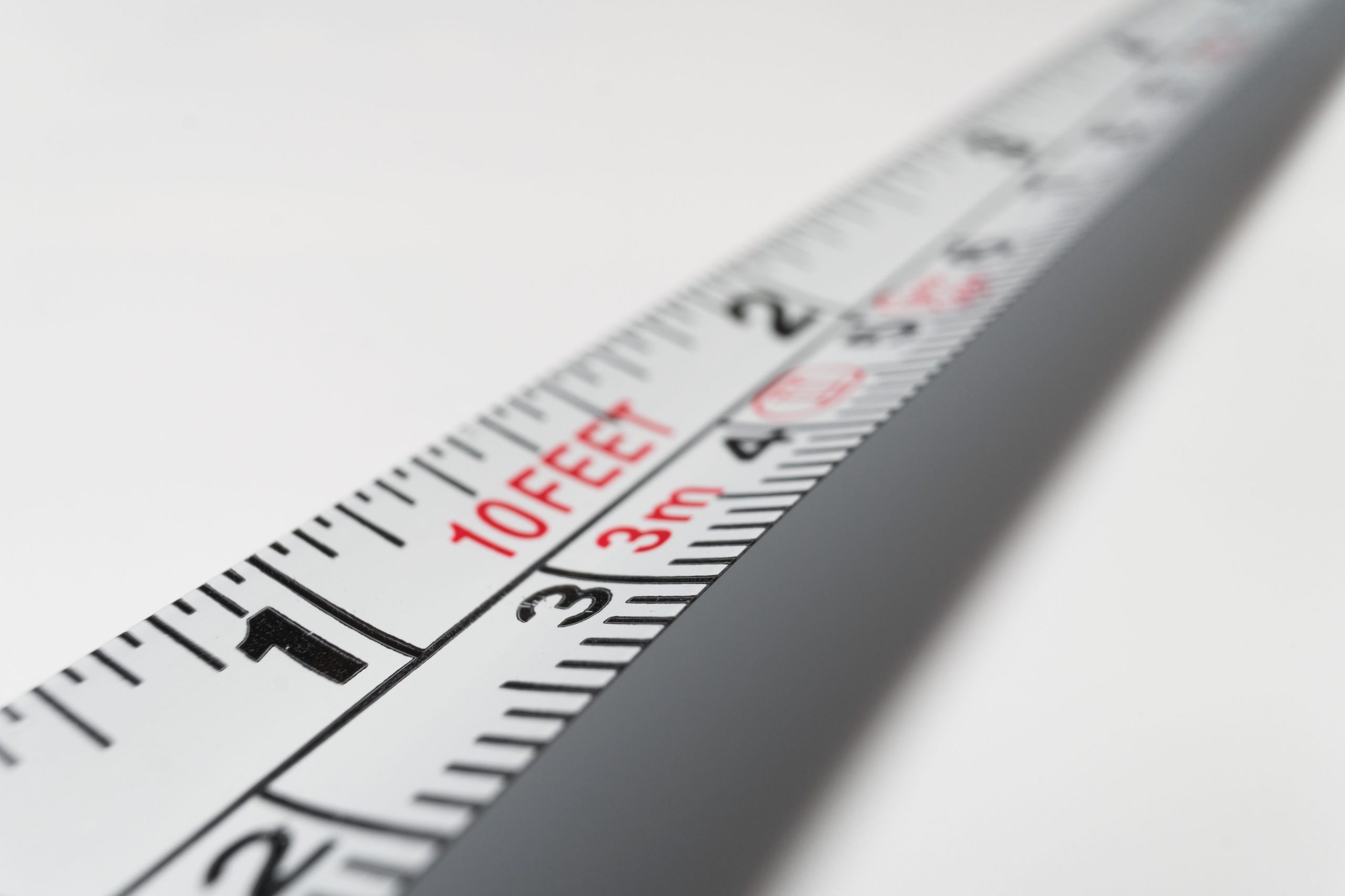
A suitable scale helps reloaders understand the importance of precise measurements and the limitations of weighing equipment. Reloading scales may display measurements in grains, with 1 grain equal to about 64.8 milligrams. When assessing a scale, display resolution, calibration, repeatability, and the manufacturer’s operating instructions all matter. A reading with several decimal places does not automatically mean the instrument is accurate to that degree. Keep the scale on a stable surface, protect it from drafts and vibration, and use only the approved calibration procedure. Because incorrect powder measurements can create serious hazards, beginners should not rely on a scale alone to establish a safe load. Follow verified data and formal training.