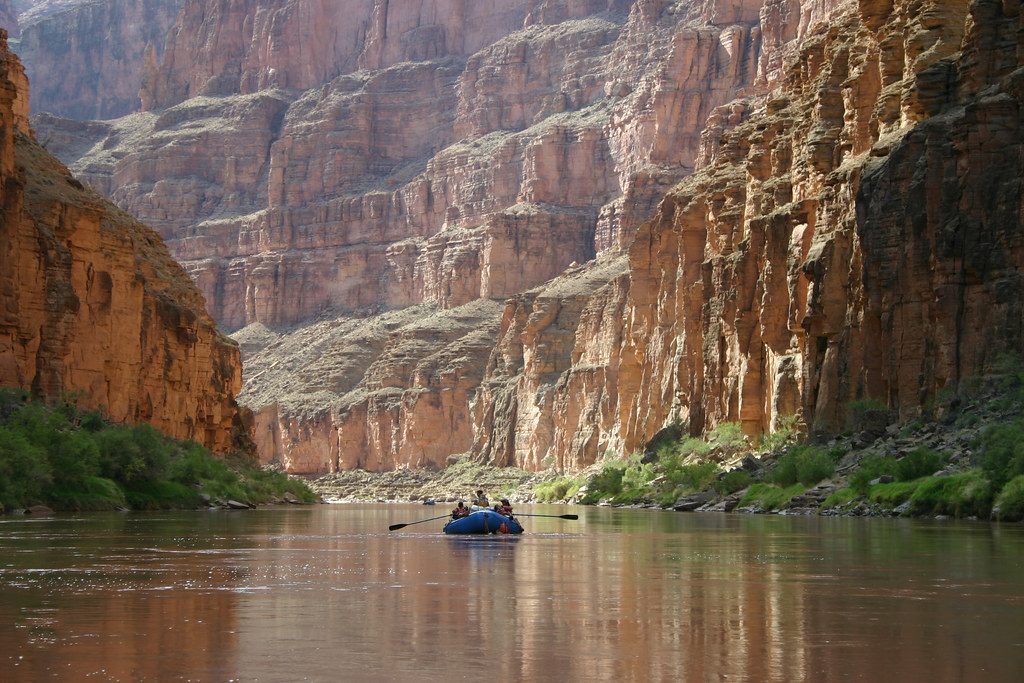
A slot canyon hike in the American Southwest rewards planning, patience, and respect for sudden weather shifts. Safety begins with checking forecasts and avoiding narrow drainages when storms threaten, since flash floods can occur miles from the trailhead. Good preparation also means confirming land rules, seasonal closures, and permit requirements, as access can vary across different agencies and jurisdictions. Midweek timing can reduce crowding, while sturdy footwear and ample water support comfort on sand and slickrock. Several well-known routes remain accessible without a guide when conditions remain stable, and preparation is thorough.
Buckskin Gulch In Utah
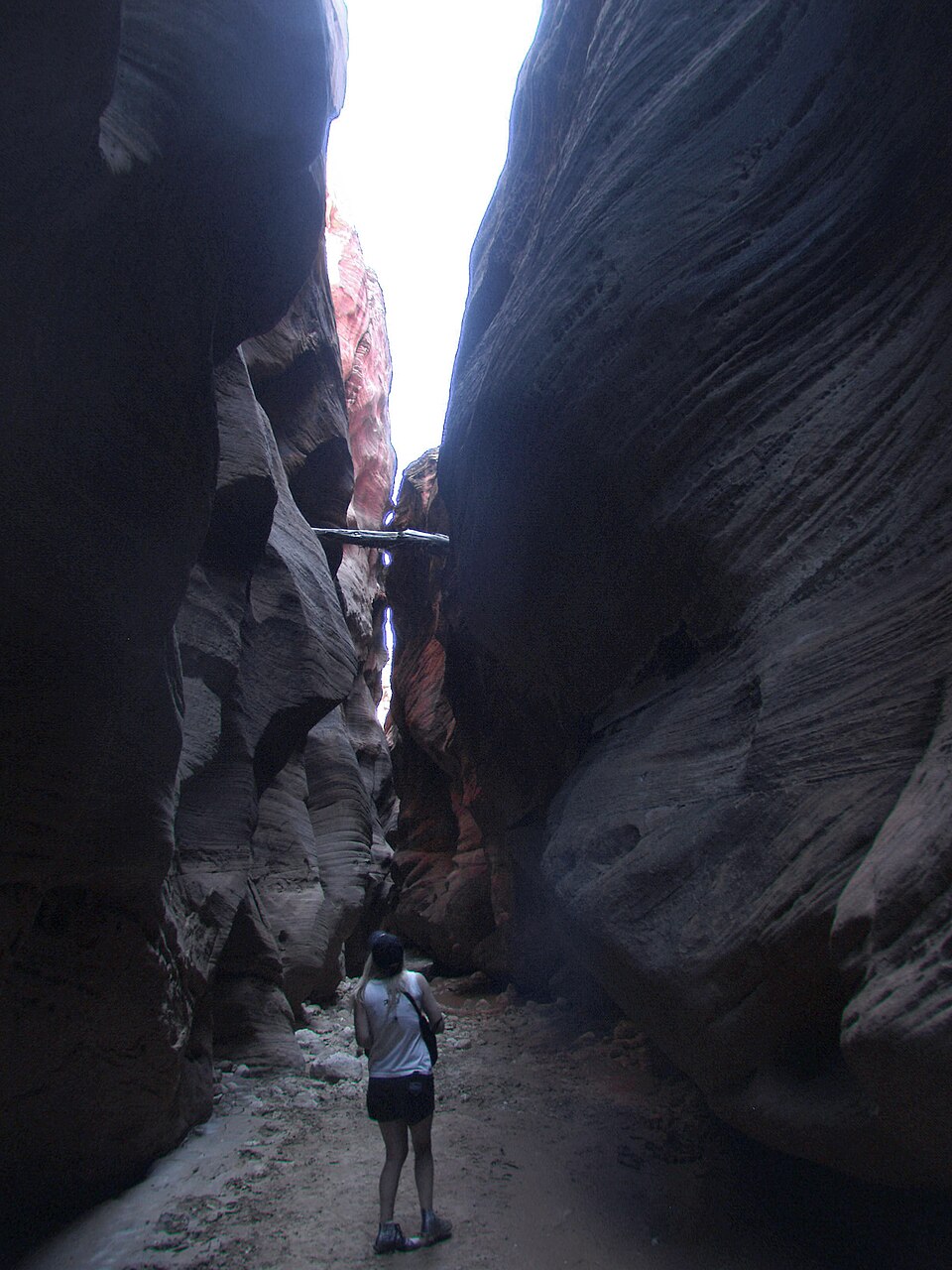
Towering walls near the Utah-Arizona border make Buckskin Gulch a classic choice for hikers seeking dramatic scenery without technical rope work. Many day trips start at Wire Pass Trailhead and enter the gulch through a sandy wash with occasional rock steps. A permit is required for day use and overnight travel, and fees apply, so planning matters. Weather checks stay essential because the drainage is narrow and prone to flash flooding. Deep sand and tight turns can slow progress, so pacing helps manage time. A turnaround plan supports safety because distances expand quickly inside the canyon.
Wire Pass Slot Canyon In Utah
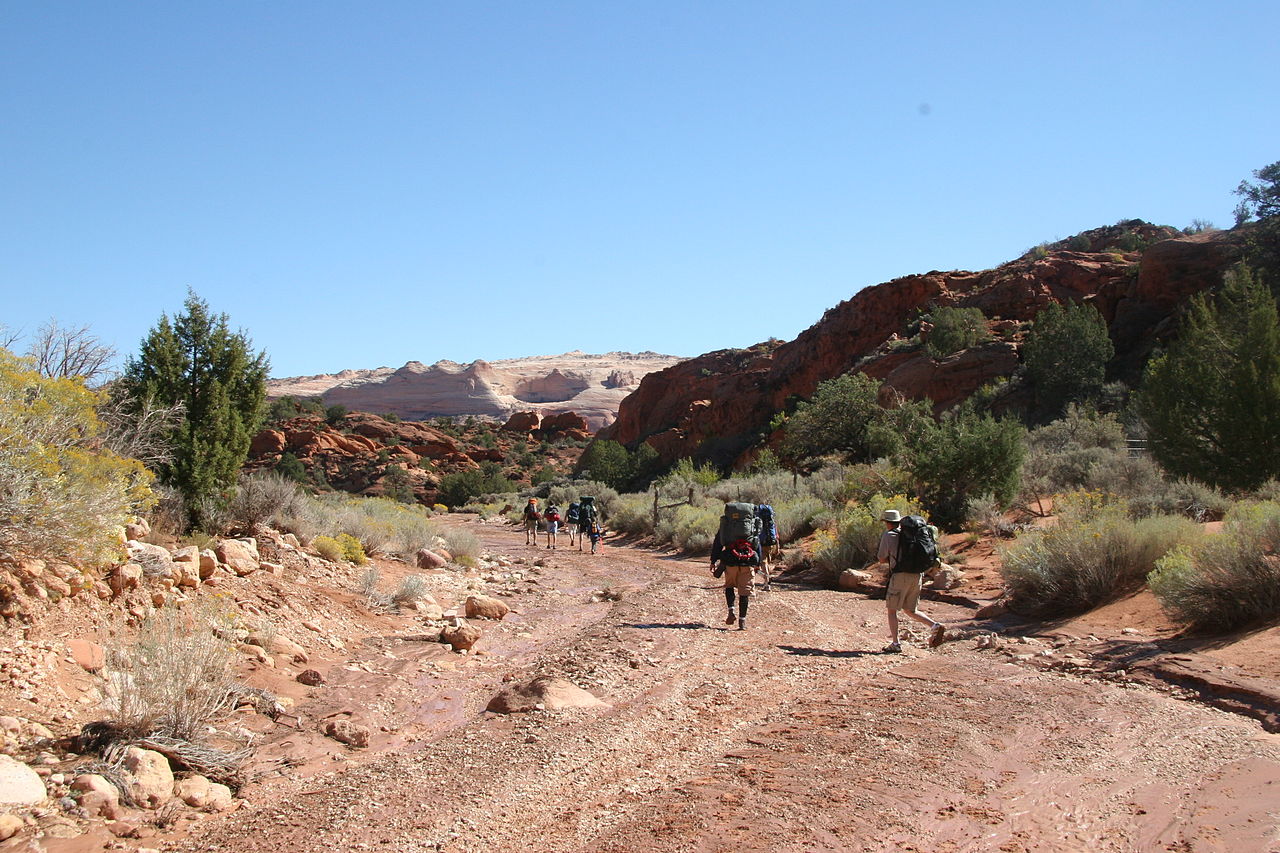
Tight turns and sculpted walls define Wire Pass Slot Canyon, a short route that stays nontechnical for most hikers. The typical out-and-back begins at Wire Pass Trailhead on Bureau of Land Management land and reaches the slot after a sandy approach with minor scrambling. A permit is required, and posted guidance emphasizes storm awareness during the monsoon season. Wet clay can become slick after rain, so timing matters for secure footing. Low-impact habits improve the experience by keeping steps on durable surfaces and packing out trash. Light gear also helps, since narrow bends can snag bulky packs.
Zebra Slot Canyon In Utah
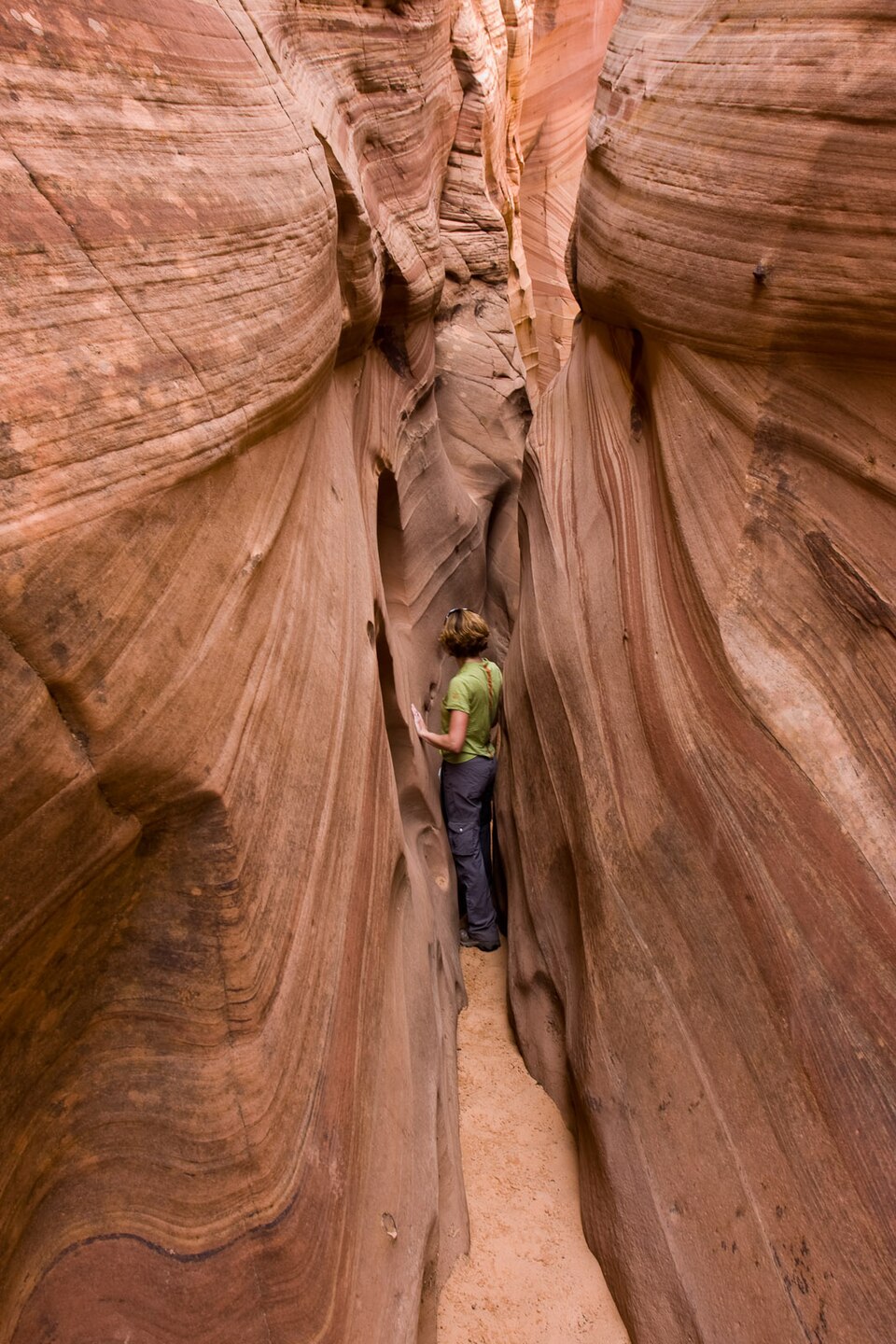
Striped sandstone gives Zebra Slot Canyon its name and adds a striking visual reward near Escalante. A route often begins off Hole in the Rock Road and follows a sandy wash before the canyon narrows into a photogenic corridor. Standing water sometimes lingers, forming deep, muddy pools that halt progress. Seasonal conditions vary widely after storms, so recent reports help set expectations. Navigation skills matter because the approach crosses open wash terrain with limited signage. Careful footing protects balance where slick rock appears near shaded sections.
Peek-A-Boo Gulch In Utah
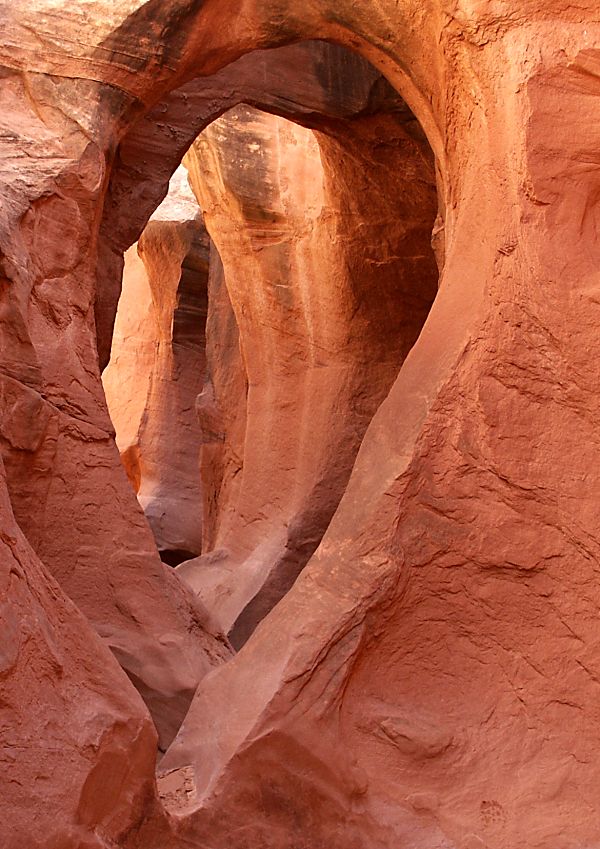
Curving walls and frequent shade make Peek-A-Boo Gulch a compact favorite in the Escalante area. Most hikes approach through a sandy wash off Hole in the Rock Road, and small rock scrambles can appear near the entrance depending on erosion. Early starts reduce bottlenecks, since popularity can slow movement where the canyon tightens. Storm awareness remains important because the route follows a drainage that can funnel runoff quickly. Steady pacing protects hands and knees on ledges and shallow drops. A simple turnaround plan keeps timing realistic during the heat and short winter days.
Spooky Gulch In Utah
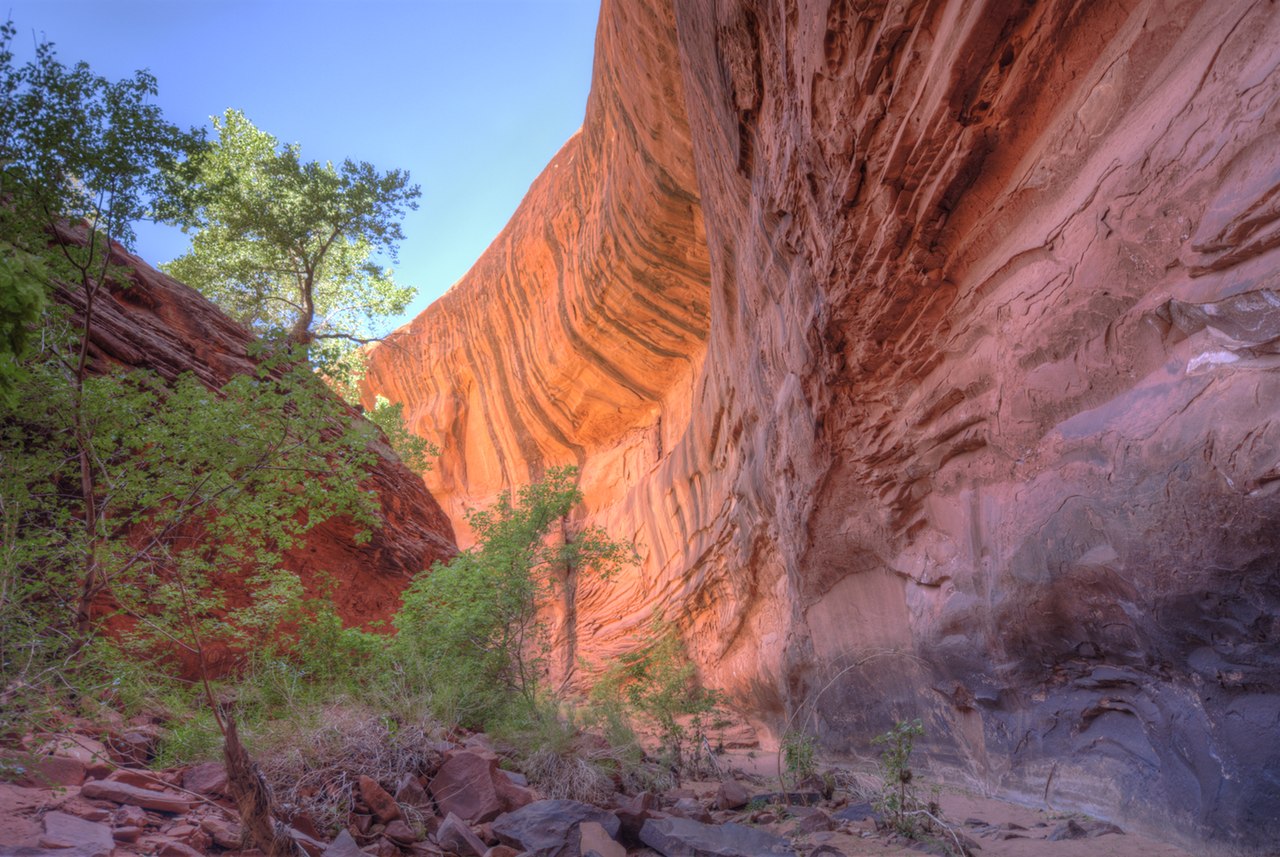
Extremely narrow passages make Spooky Gulch memorable, but the tight squeezes demand flexibility and a calm, controlled movement. Many hikers pair it with Peek-A-Boo Gulch for a linked outing in the Escalante region. Comfort with confined spaces is important, since some sections are narrow to shoulder width and require sideways travel. Limited exits raise the stakes, so entering during storm threats is not wise. Protective clothing helps reduce scrapes from rough walls, especially in shaded bends. Smaller packs move better through pinch points, keeping progress smoother for the whole group.
Little Wild Horse Canyon In Utah
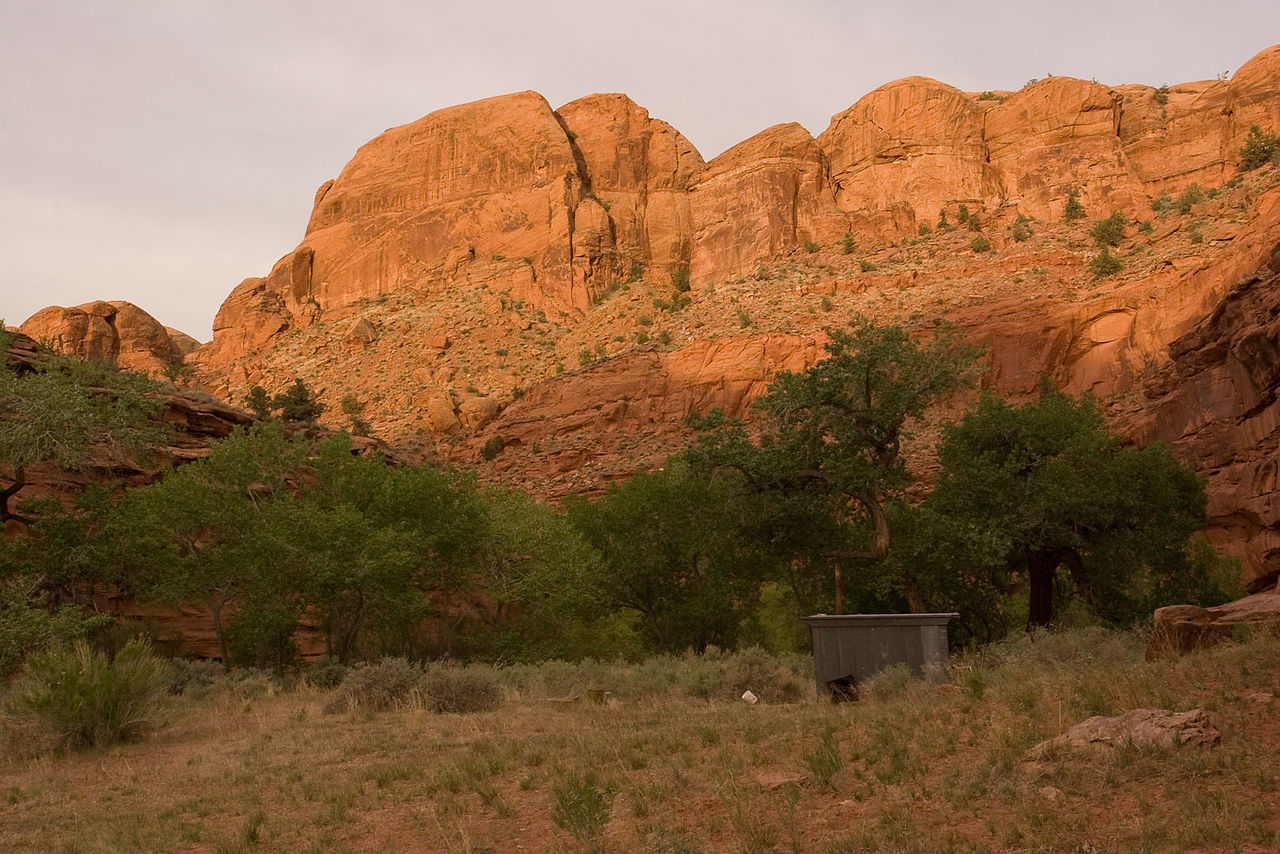
High walls and easy walking define Little Wild Horse Canyon near Goblin Valley State Park. Many visitors hike it as an out-and-back, while others connect it with Bell Canyon for a longer loop when conditions allow. Guides are not required, yet flash flood awareness still matters because the drainage can rise quickly after distant rain. Weekend crowds are common, so earlier arrivals often help with parking and pacing. Small rock ledges appear along the route, and careful steps keep the hike comfortable. Quiet travel supports wildlife and improves the canyon’s natural soundscape.
Bell Canyon In Utah
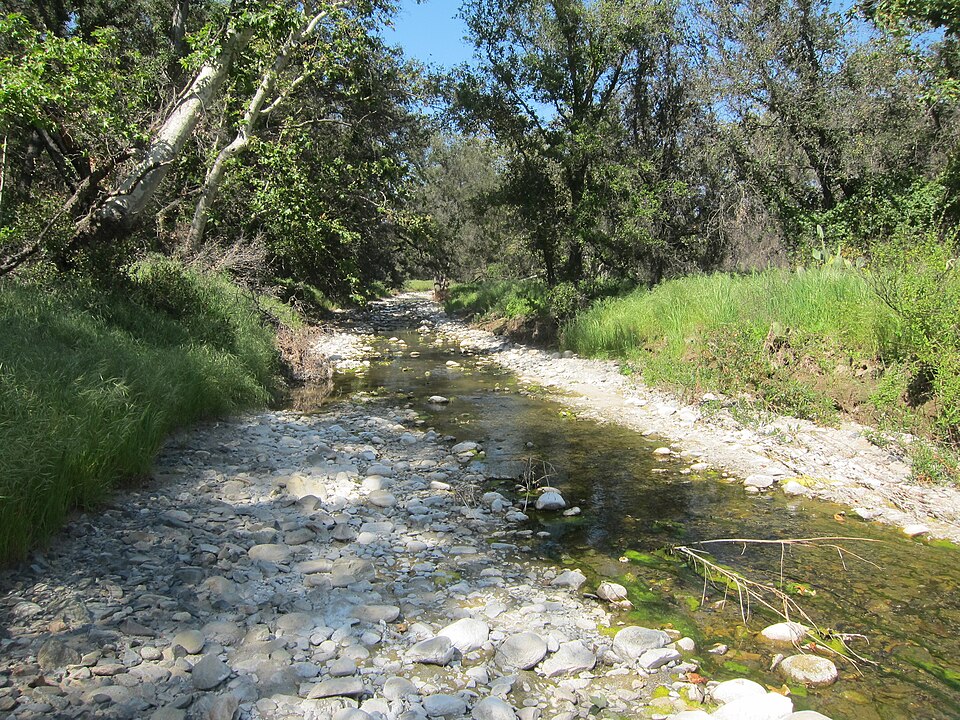
Wider sections and rock features give Bell Canyon a quieter feel compared with Little Wild Horse Canyon. Some hikers combine both canyons into a loop, but Bell also works as a standalone route for those seeking fewer people. Boulder hopping and wash walking make sturdy shoes useful on uneven stone. Wash junctions can braid and confuse direction, so attention to landmarks matters. Flash flood risk still applies because the loop relies on drainage travel and limited high ground. Flexible turnaround timing supports safety when heat builds or footing becomes tricky.
Willis Creek Slot Canyon In Utah
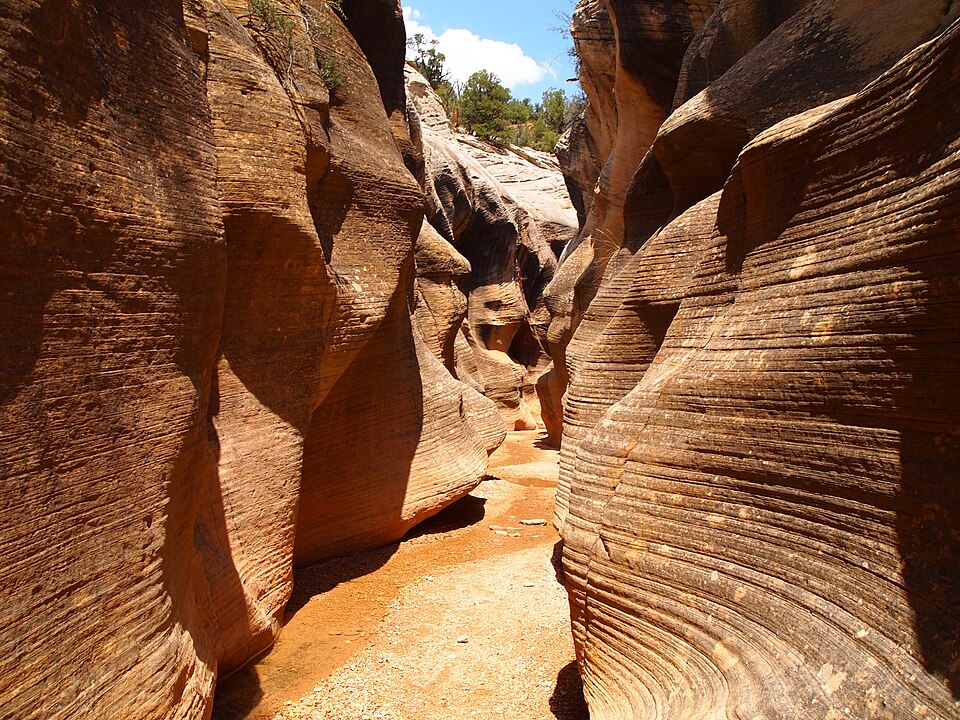
Shallow water and gentle walls make Willis Creek Slot Canyon near Bryce Canyon a friendly introduction to slot terrain. Hikes often follow the streambed, so wet feet are common, especially in cooler months. The route stays nontechnical and works well at an easy pace for many skill levels. Road conditions can change after storms, so access planning helps avoid surprises. Rain anywhere in the watershed can create flood risk, even when skies look clear nearby. Quiet steps protect streamside vegetation and reduce erosion at soft banks. A daylight-based turnaround keeps the walk relaxed and unhurried.
Red Canyon In Arizona
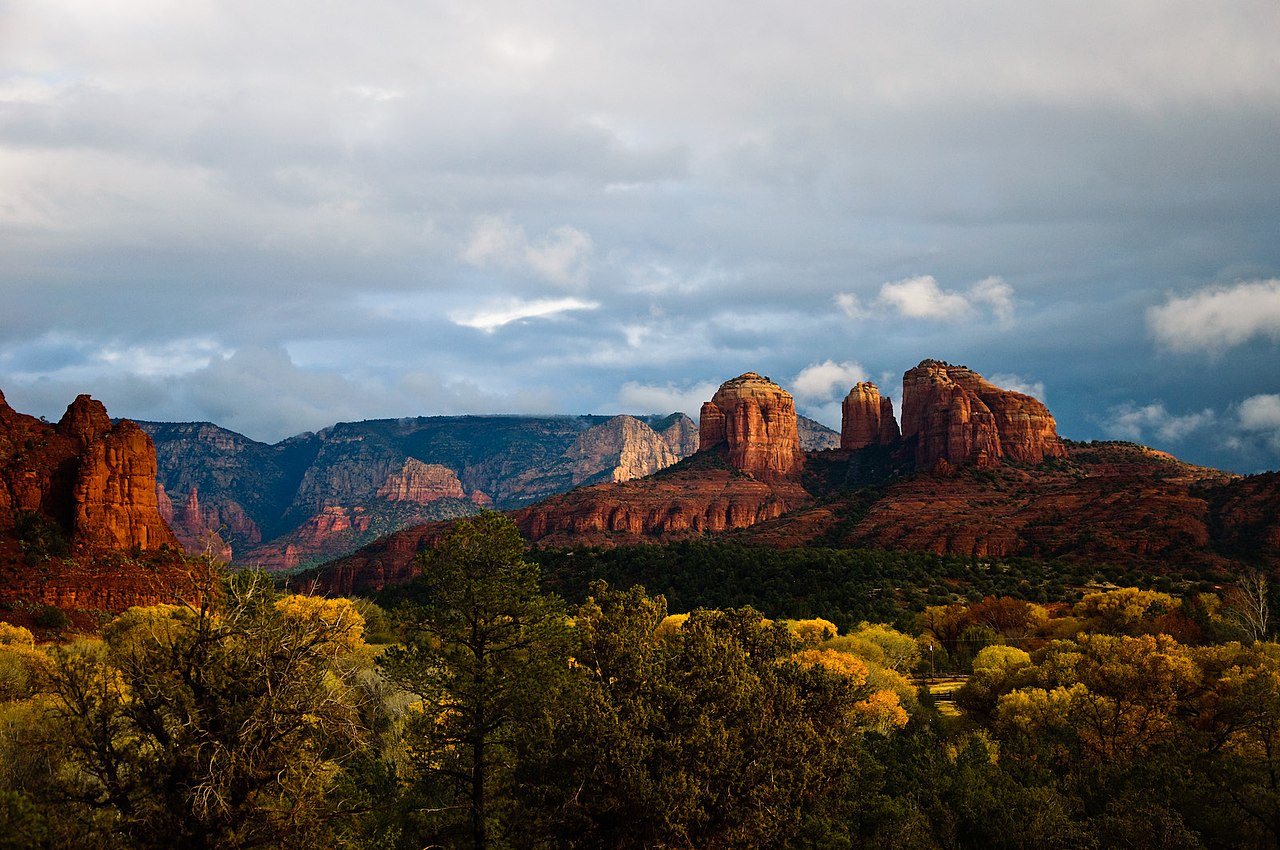
Ribbed walls and bright sandstone define Red Canyon near Page, Arizona, which locals sometimes call Peek-a-Boo Canyon despite being separate from Utah’s gulch. The approach is short and sandy, leading into curving corridors that photograph well in clear light. Many visitors hike without a guide, yet road access can require a high clearance vehicle depending on conditions. Storm threats call for caution because runoff can surge through the wash quickly. Durable surfaces help reduce erosion in soft sand, especially near tight corners. Steady pacing also improves footing where sand deepens at dips and turns.
Cathedral Wash In Arizona
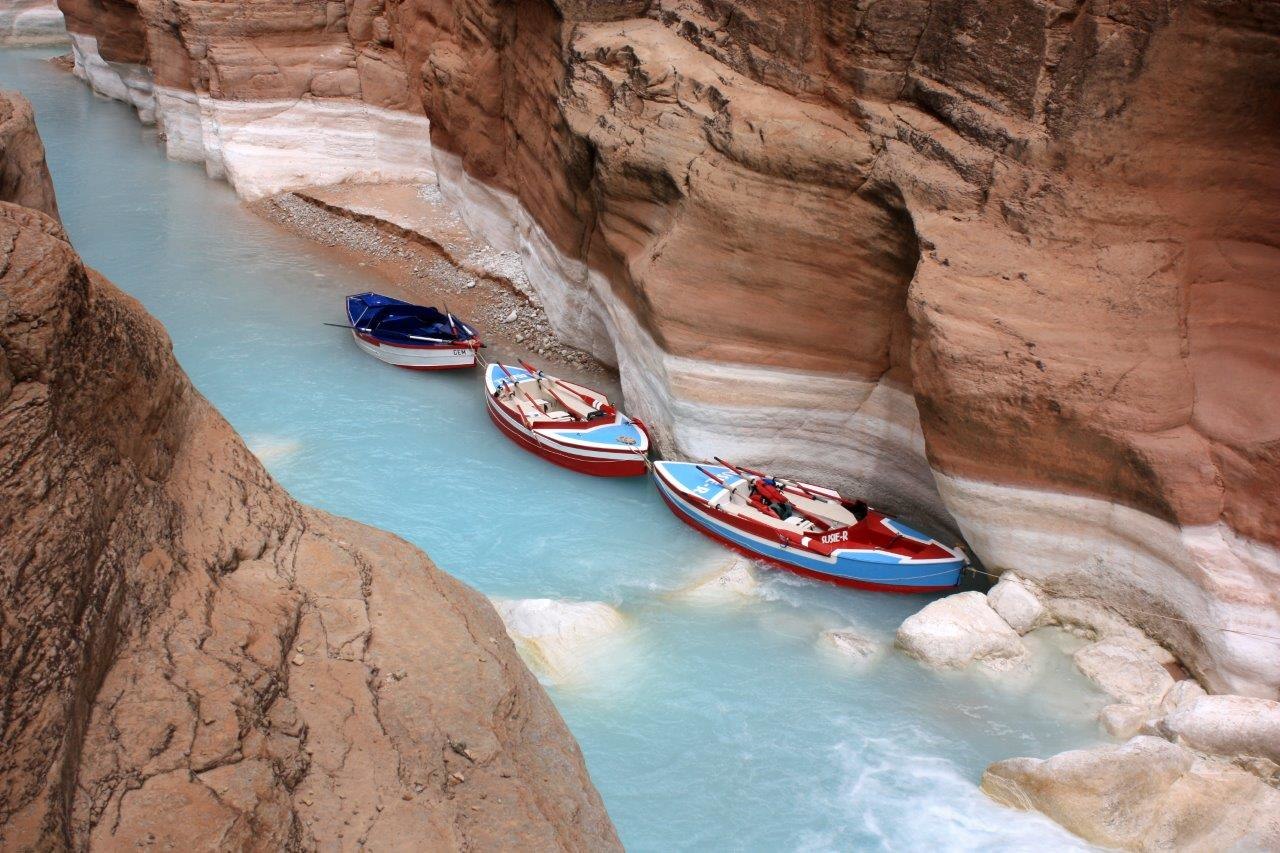
Steep terrain and a slot-like section make Cathedral Wash near Lees Ferry a rugged desert outing. The hike drops through a wash to the Colorado River within Glen Canyon National Recreation Area and requires careful route finding. Hands-on scrambling appears at dry falls, and cairns guide portions of the route. Heat management becomes critical in warmer months, since the return climb is exposed and demanding. Storms can make the rock slick and increase hazards, so weather review matters. Measured downclimbs reduce slips, and deliberate pacing helps conserve energy for the climb out.
Sulphur Creek In Utah
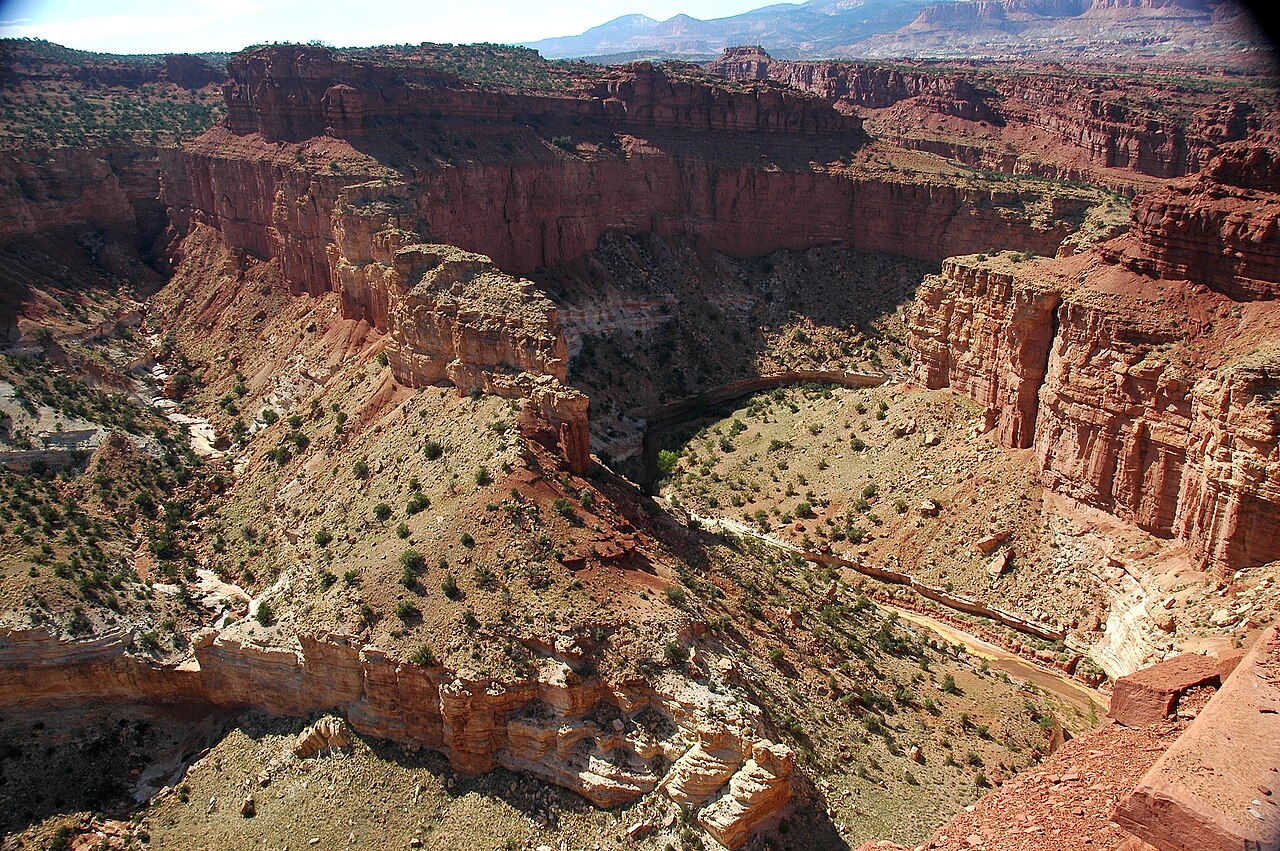
Water-carved rock and frequent crossings define Sulphur Creek in Capitol Reef National Park. The hike includes stream walking and short downclimbs through sculpted sections that feel like a slot in places. Conditions shift with flow, temperature, and recent storms, so current information helps with planning. Many hikers start near Chimney Rock and finish near visitor services, creating a point-to-point route that may require a shuttle. Heavy rain can trigger flash floods in narrow segments, so timing matters. Grippy footwear supports traction on slick rock and wet streambeds. A cautious pace helps on small drops and uneven surfaces.
Coyote Gulch In Utah
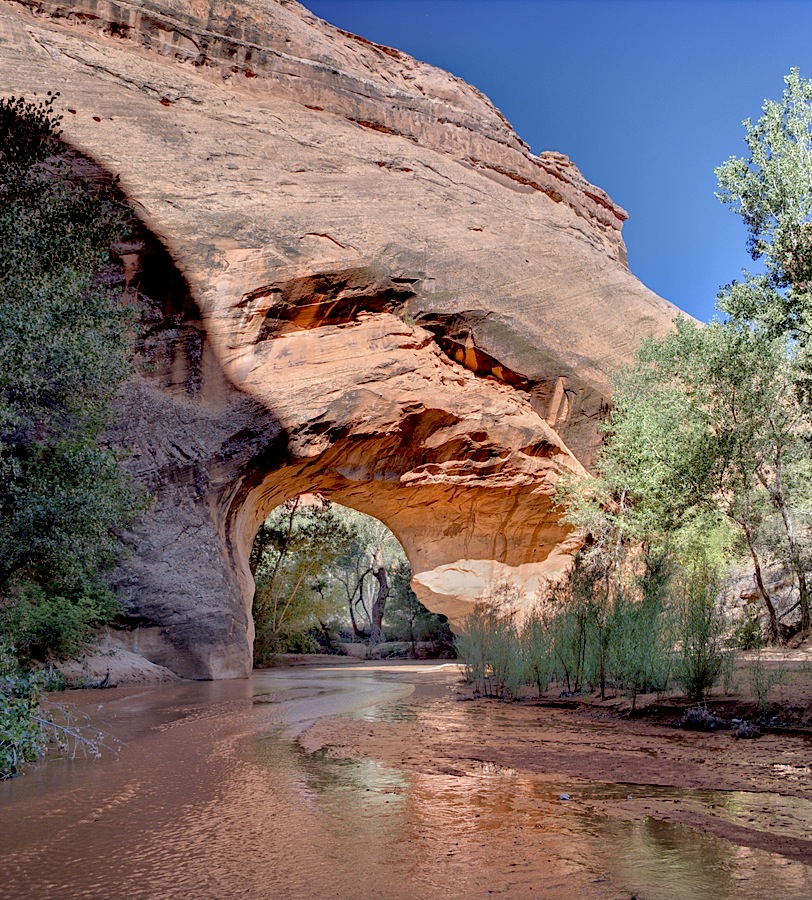
A mix of alcoves, tall walls, and narrow passages makes Coyote Gulch a standout in the Escalante region. Overnight trips require permits, while day hikers often focus on shorter sections based on access and time. Several entry options exist, including Hurricane Wash and Red Well, and road conditions can change after storms. Water crossings are common, so planning for wet feet helps maintain comfort. Flash flood risk remains a serious concern, particularly in the monsoon season. Leave no trace practices matter because the canyon is popular and sensitive. Steady movement supports safe travel on sand, slickrock, and stream edges.
Little Death Hollow In Utah
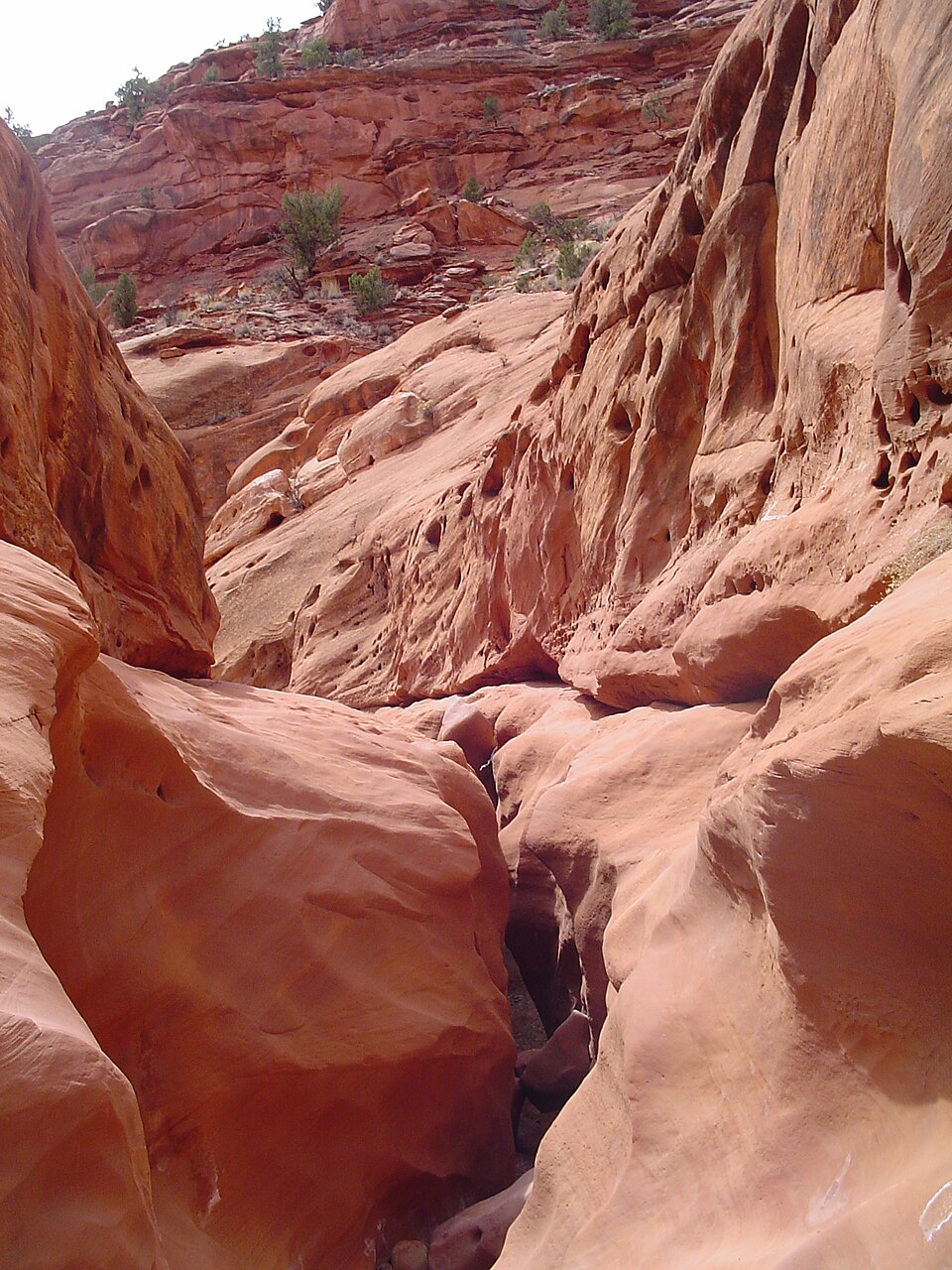
Remote scenery and long, narrow stretches give Little Death Hollow a slot-like character in the Escalante area. Experienced hikers often travel without a guide, but the route demands strong navigation and reliable maps. Trailheads commonly sit off Hole in the Rock Road, and the approach can involve braided washes where junctions confuse direction. Water or mud can appear depending on recent storms, so flexibility matters. Flash flooding remains a key hazard because the drainage can rise quickly. Extra water and sun protection help during exposed sections before walls tighten. Deliberate pacing improves safety on slick rock and uneven sand.
Cottonwood Wash Narrows In Utah
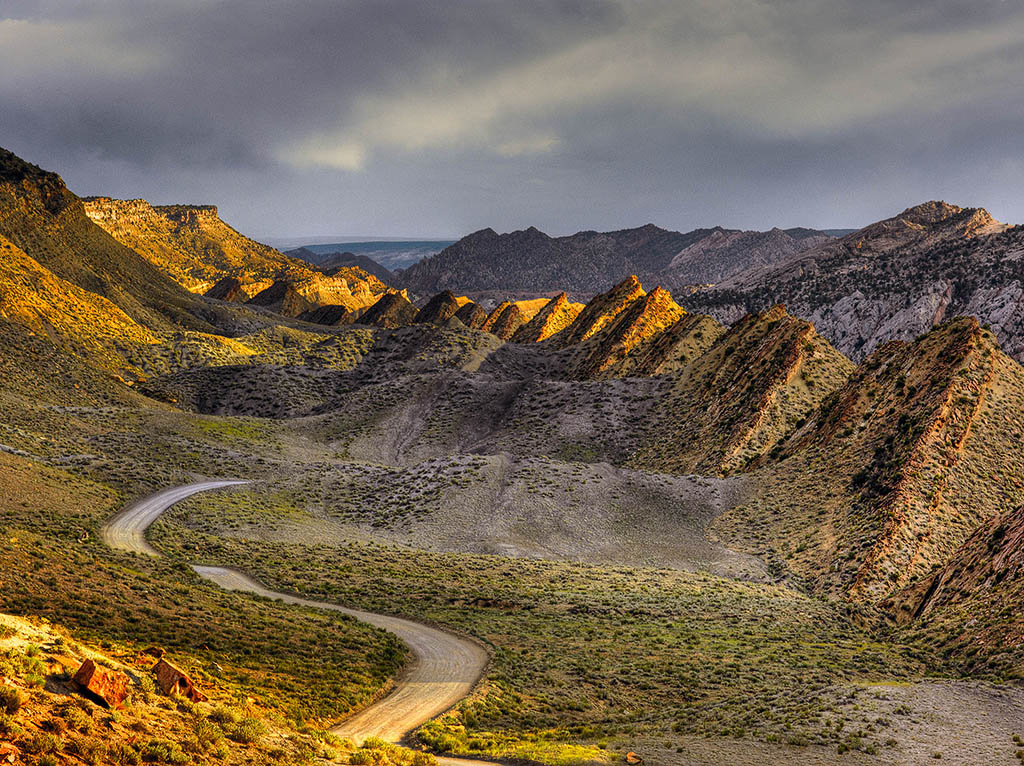
Less-traveled sections of Cottonwood Wash near the Cockscomb area can narrow enough to feel like a slot canyon. The hike works well as a customizable out-and-back, letting distance match daylight and conditions. Dirt road access can become difficult after rain, so checking recent conditions helps avoid getting stuck. Wash travel brings flash flood risk, even when storms occur far away, so forecast review remains essential. Fragile soil crust near wash edges benefits from careful steps on durable surfaces. Deep sand can slow progress, making pacing important. Thoughtful planning keeps this quieter route enjoyable and low-impact.