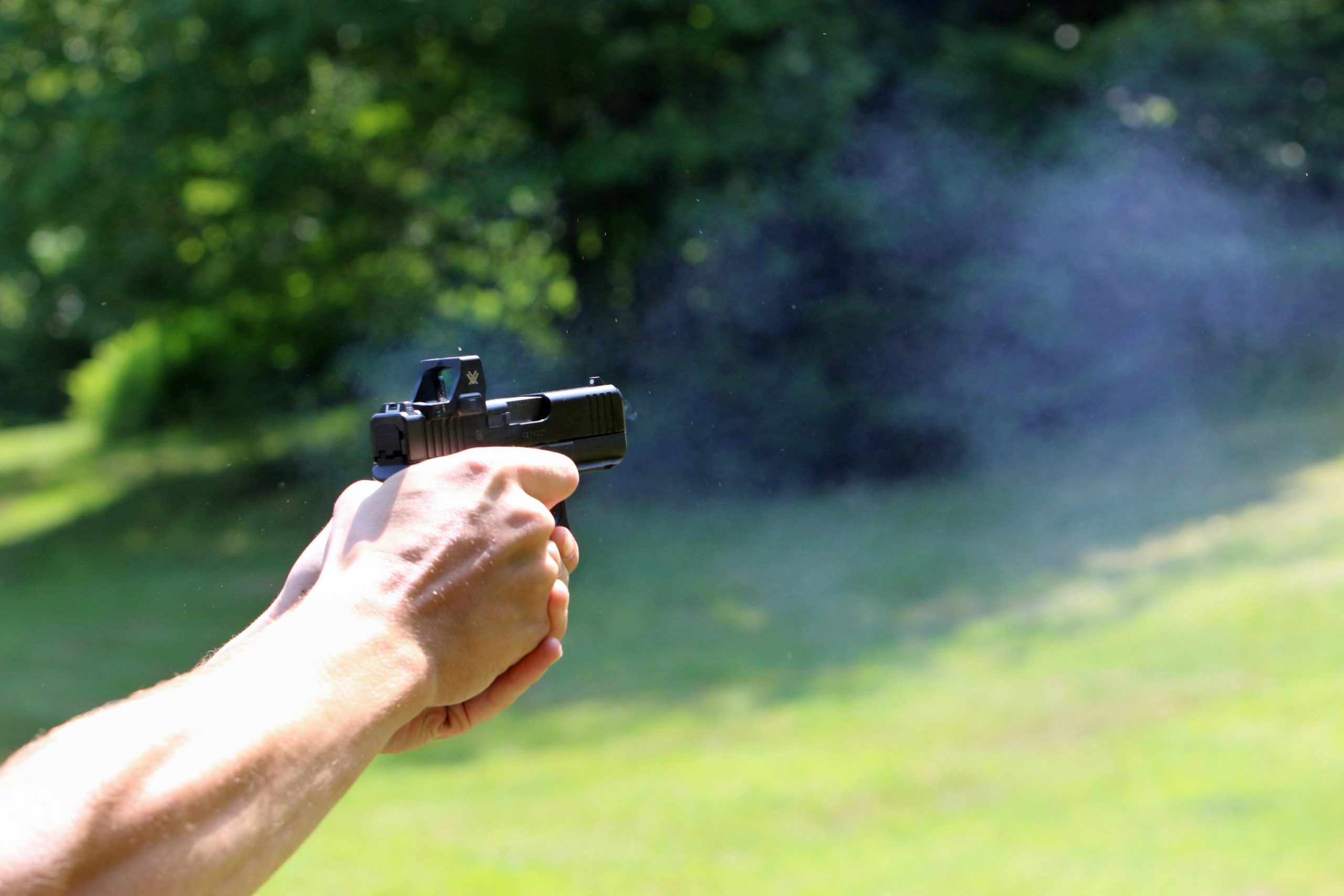
Slide serrations may look like small details, but their placement, depth, direction, and spacing can distinguish one handgun from another. Some manufacturers use traditional rear cuts, while others add forward serrations or distinctive patterns that reflect a pistol’s overall design. These features also influence how the slide looks and how easily its surfaces can be grasped. The following eight handguns illustrate meaningful differences in serration layout, from classic service pistols to modern sporting designs, with attention to specific models and measurable details.
1. GLOCK 17 Gen5 MOS
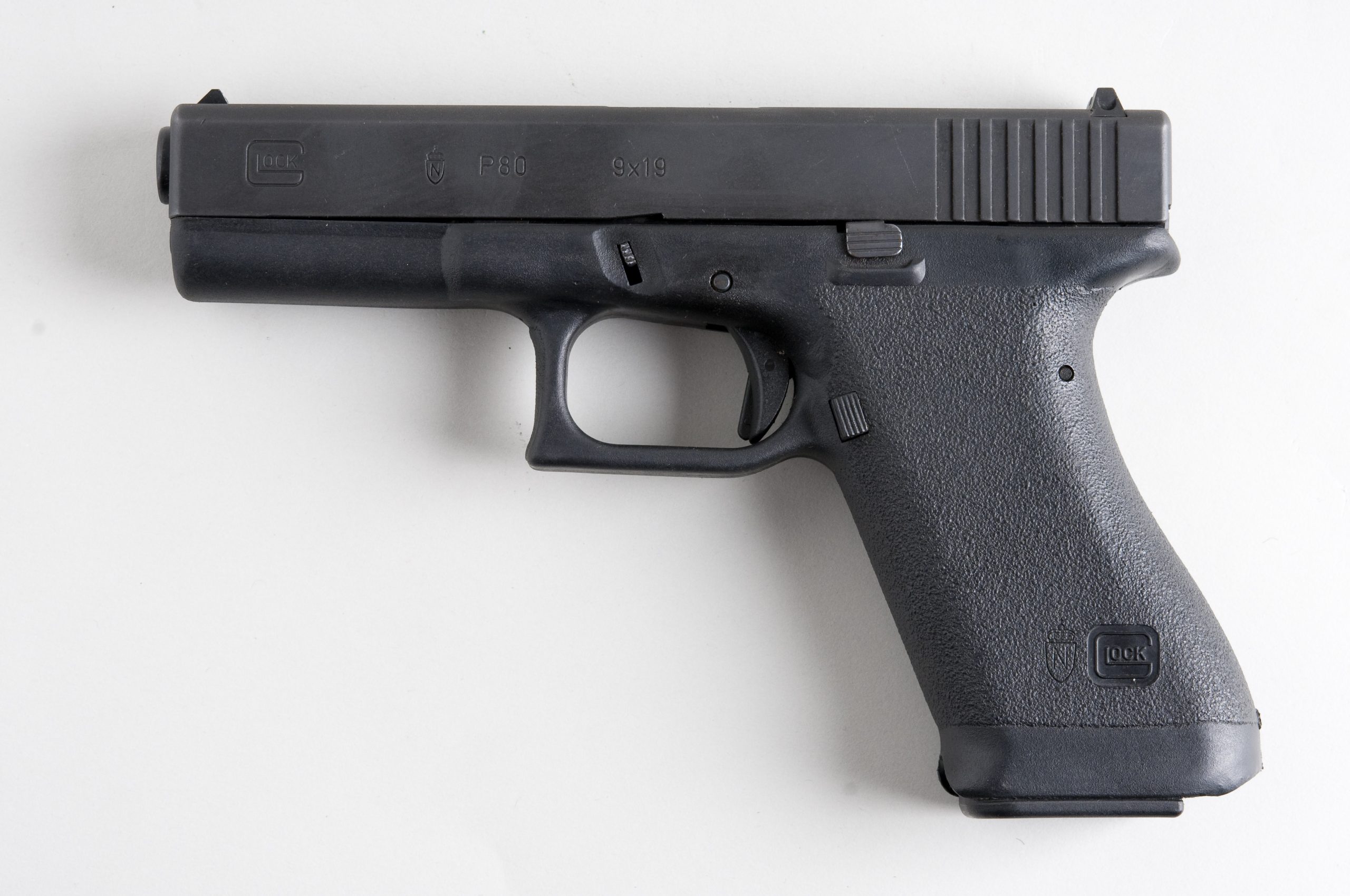
The GLOCK 17 Gen5 MOS shows how a familiar service-pistol profile can be updated without changing its visual language. Its slide has conventional rear serrations plus front serrations, creating a balanced pattern rather than one isolated gripping area. The MOS optic cut adds another clear feature on top. This 9×19 mm model has a 4.49-inch barrel and a standard 17-round magazine, useful reference points when comparing its full-size proportions. Front serrations are a Gen5 feature, so older G17 generations should not be treated as identical.
2. Walther PDP
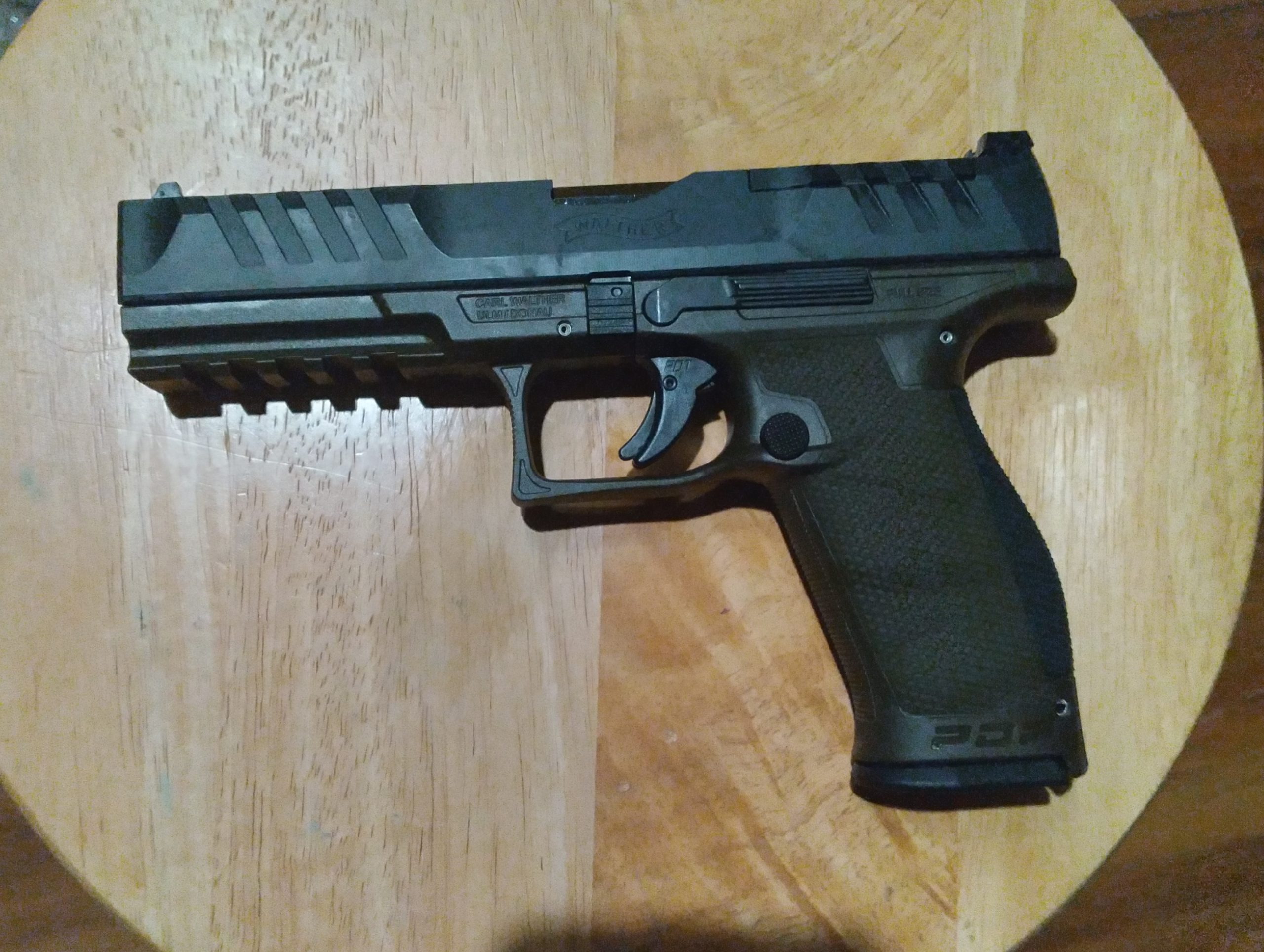
Walther’s PDP stands apart because its SuperTerrain serrations rise above the slide surface instead of being only grooves cut into it. This raised geometry gives the front and rear gripping areas a sculpted outline and makes the pattern noticeable in profile. It is a functional distinction, not merely decorative machining: Walther describes the protruding cuts as a more positive surface to engage. The PDP family includes several sizes and barrel lengths, so exact dimensions depend on the variant. Its defining feature is the raised serration design, not a single set of dimensions.
3. Springfield Armory Echelon
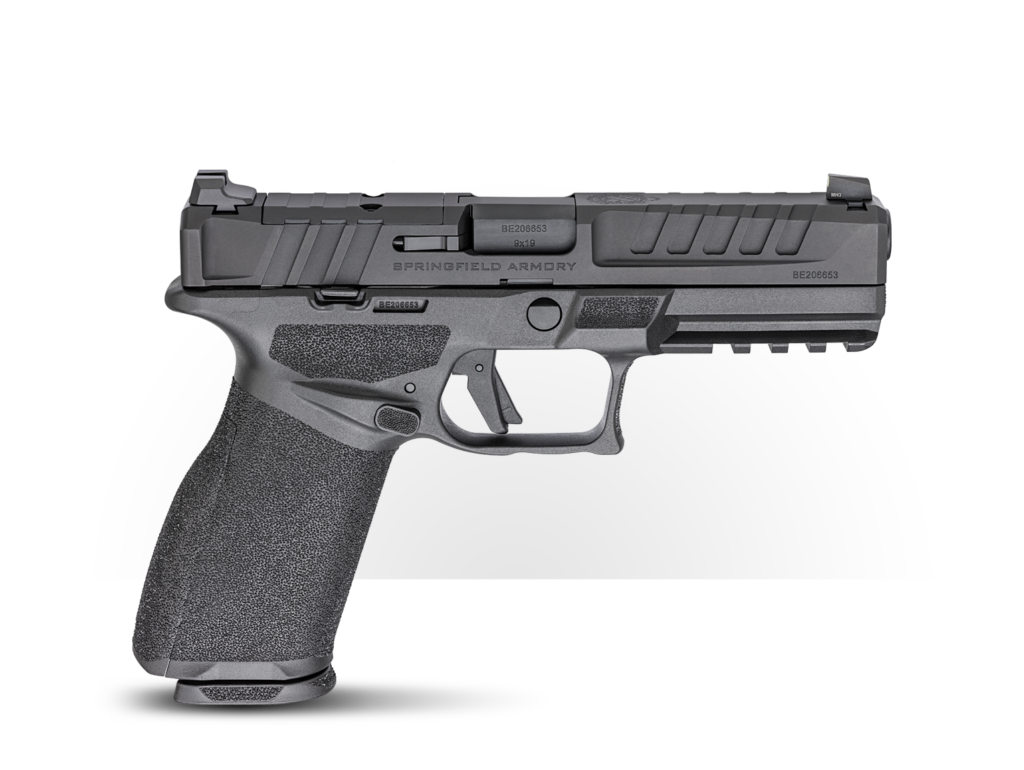
The Springfield Armory Echelon uses several distinct slide contact areas rather than relying on one block of rear grooves. The manufacturer identifies four engagement surfaces, including a forward trench and deep serrations that continue around the slide’s corners. This creates a layered appearance and more visual structure than simple straight cuts. The standard Echelon has a 4.5-inch barrel and a 17-round magazine, although configurations vary. Its front, rear, and corner-spanning details show how serrations can be integrated into the slide’s broader shape.
4. Smith & Wesson M&P9 M2.0
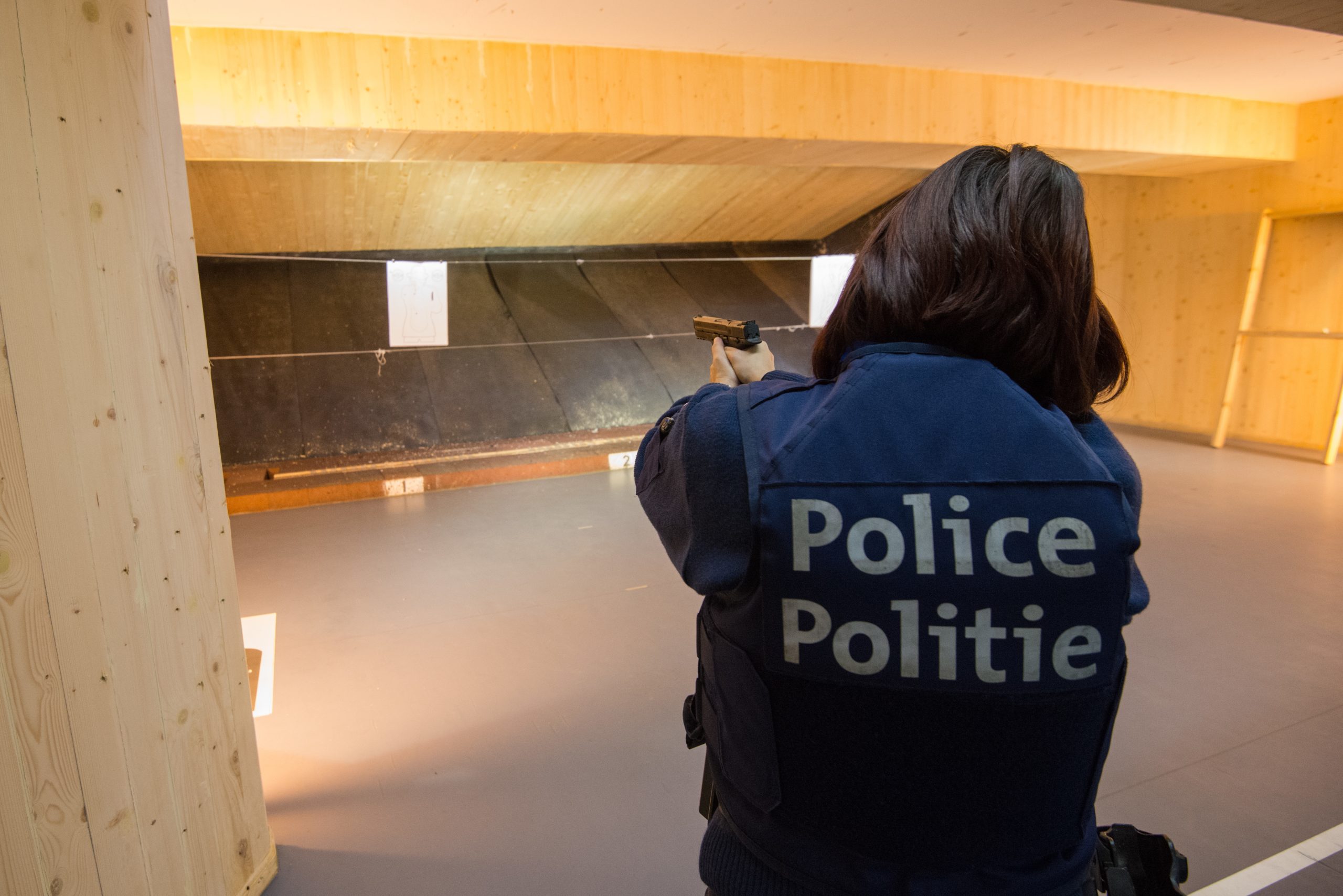
The Smith & Wesson M&P9 M2.0 combines scalloped rear serrations with smaller forward cuts near the muzzle. Its slide also uses angled contour lines and softened edges, so the gripping pattern sits within a sculpted profile instead of dominating the surface. The compact version has been offered with a 4-inch barrel, while full-size versions differ by configuration. That distinction matters when comparing photographs: slide length and the space available for serrations can change. The M2.0 mixes practical grooves with broader shaping, rather than relying on one elaborate pattern.
5. FN 509
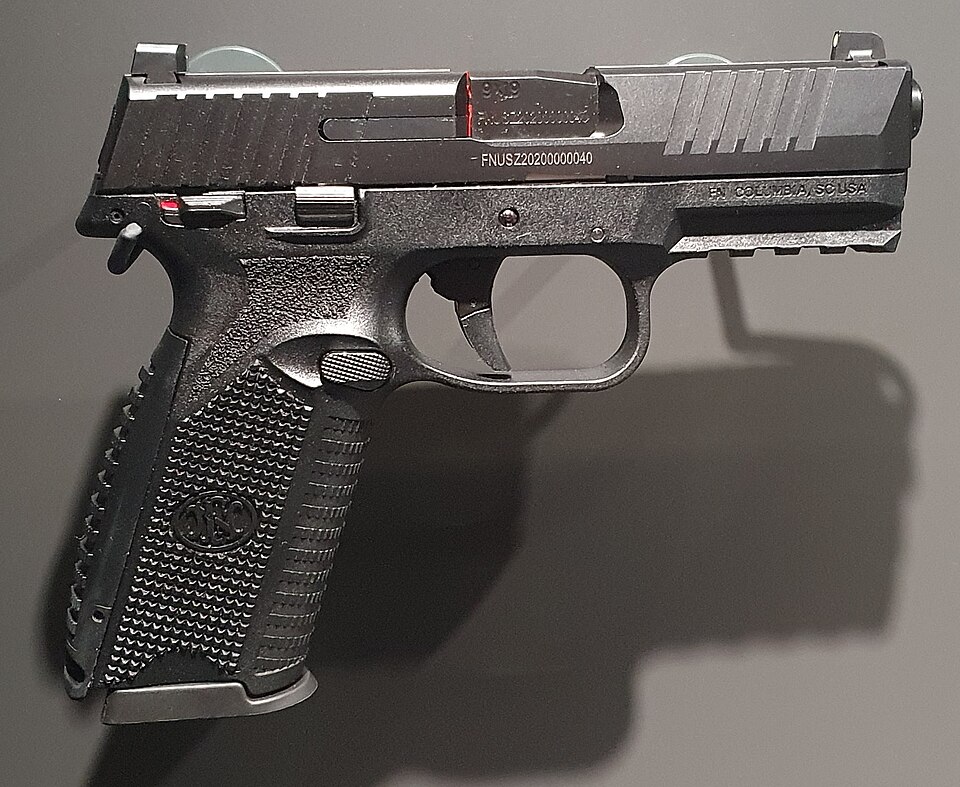
The FN 509 is known for assertive cocking serrations that contrast with the slide’s squared, duty-oriented outline. Rather than using an ornamental motif, the design emphasizes pronounced cuts and a rugged appearance suited to its service-pistol role. The original 9 mm FN 509 was listed with a 4-inch barrel, an overall length of 7.4 inches, and magazine options of 10 or 17 rounds. The wider 509 family includes different sizes and variants, so those figures describe the original model, not every version. Its serrations look bold without becoming a separate decorative feature.
6. CZ P-10 C
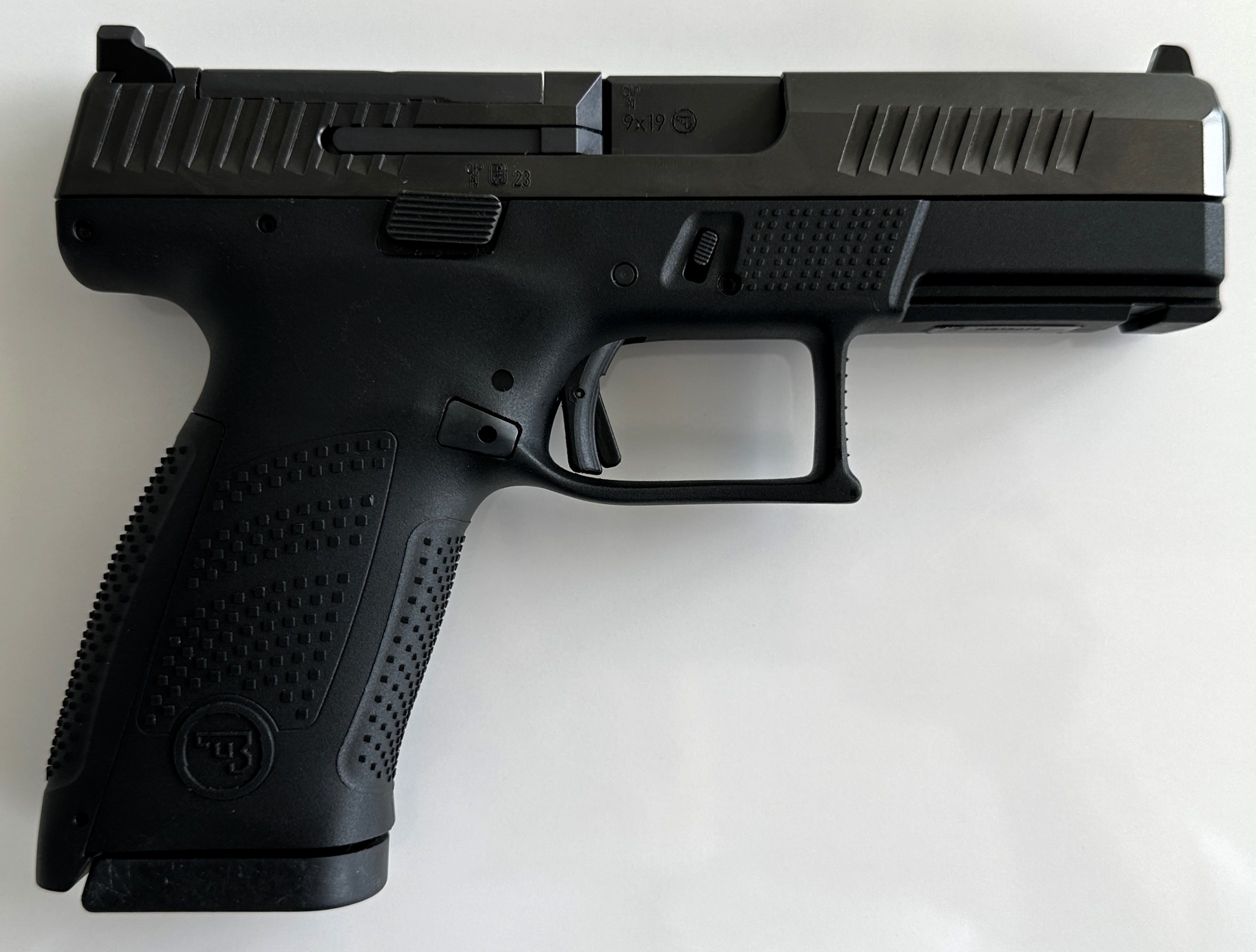
The CZ P-10 C uses sharply defined, right-angle serrations at both the front and rear of its steel slide. Their straight-edged geometry gives the pistol a crisp, almost architectural look compared with rounded or scalloped grooves. The P-10 C is a compact 9 mm handgun, and the two-sided layout keeps the gripping details visually consistent at either end. Dimensions and magazine capacity can vary by market and version, so the model name alone does not identify every specification. Its key distinction is the squared pattern, rather than raised serrations or sweeping contour cuts.
7. SIG Sauer P226
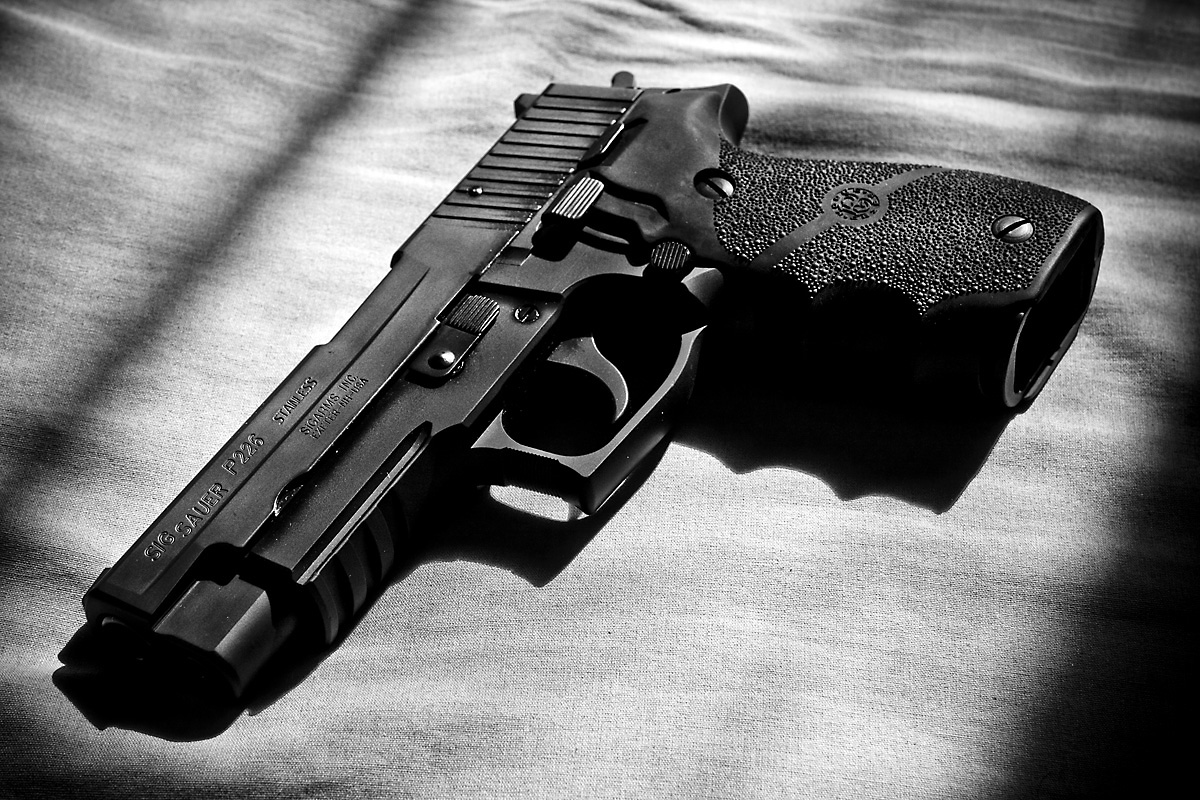
The SIG Sauer P226 illustrates a traditional approach to slide serrations, with grooves toward the rear of its metal slide rather than a pattern extending prominently along both ends. The cuts sit within the pistol’s established service-handgun profile, making them look integrated instead of attention-seeking. The standard P226 is chambered in 9 mm in many current configurations and commonly uses a 4.4-inch barrel, though variants differ. Comparing a standard P226 with newer optics-ready versions matters because slide details can change between models and generations.
8. Heckler & Koch VP9
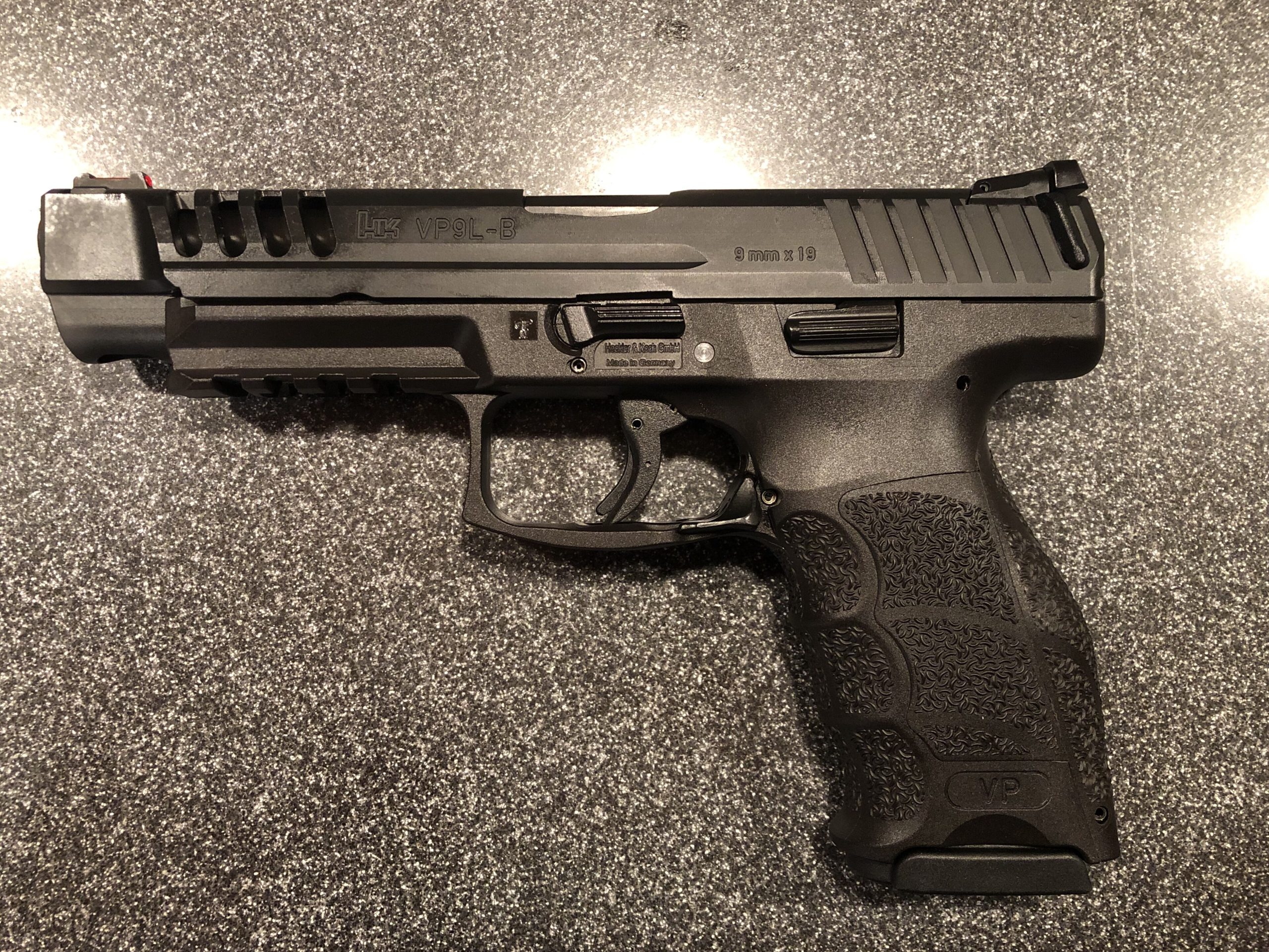
The Heckler & Koch VP9 combines conventional slide serrations with additional gripping surfaces at the rear, giving the back of the slide a more complex outline than simple parallel grooves. This arrangement makes the rear profile a major part of the pistol’s visual identity, while the front remains comparatively restrained on many versions. The VP9 family is chambered in 9 mm, but barrel length, optic cuts, and other slide details depend on the variant. It shows why serration comparisons should include rear contours and auxiliary cuts, not just count the grooves.