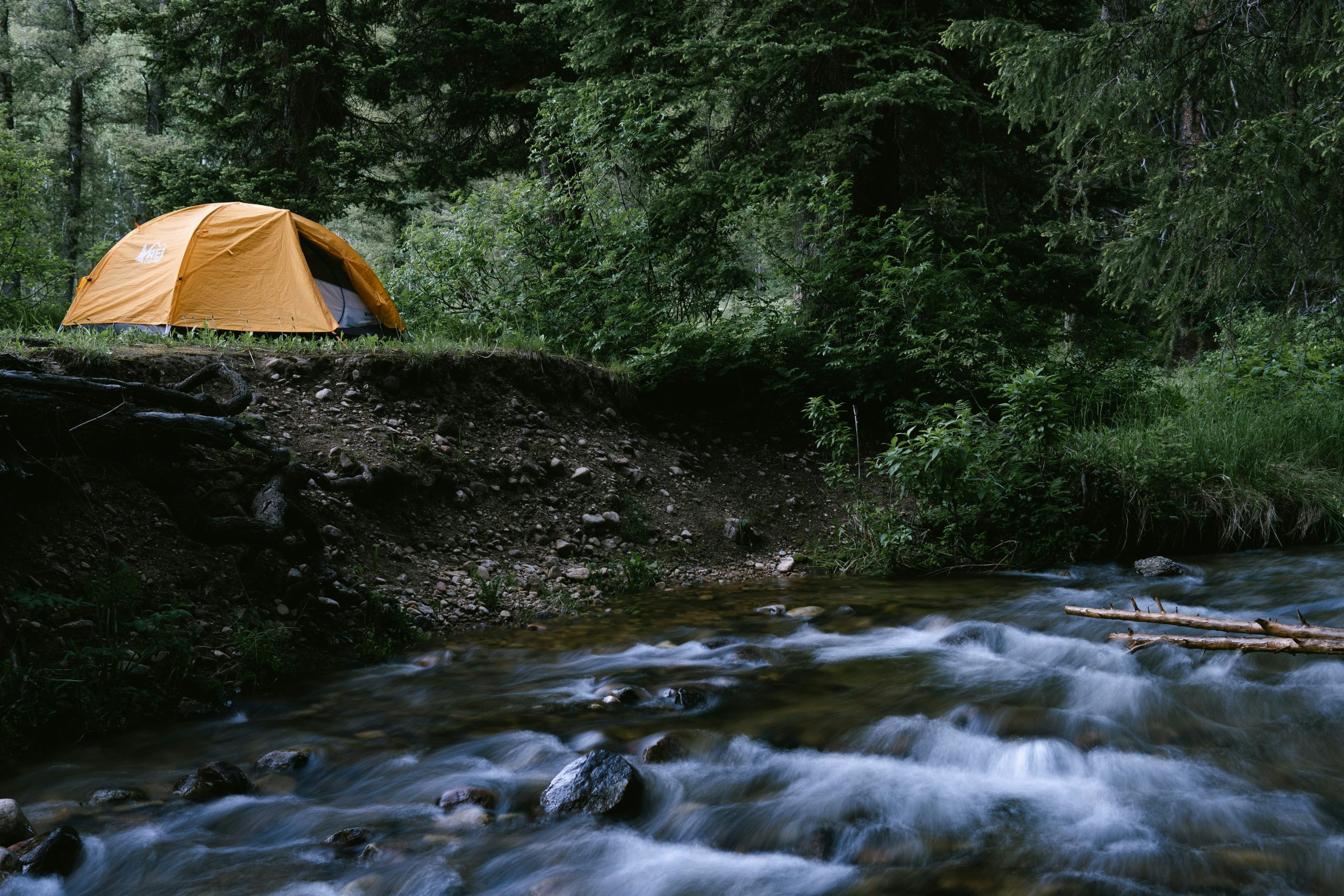
Bushcraft does not have to mean extreme survival challenges or punishing backcountry feats. For adults over 50, the best place to start is with low-stress, useful skills that build confidence, comfort, and a deeper connection to the outdoors. This gallery highlights eight approachable entry points that reward patience more than speed and experience more than brute strength.
Start With Reading the Landscape

One of the easiest ways into bushcraft is simply learning to notice what the land is telling you. Beginners over 50 often enjoy this skill because it is thoughtful rather than physically demanding, and it immediately makes any walk in the woods feel richer and more purposeful.
Look at how water moves, where wind hits hardest, and which spots stay dry after rain. Notice animal tracks, fallen branches, and natural shelter from sun or cold. This kind of awareness becomes the foundation for nearly every other outdoor skill.
It is also deeply satisfying. Instead of rushing, you begin to interpret the environment with more confidence, which makes every future camp setup, rest stop, or trail decision feel smarter and safer.
Practice Safe Fire Building Basics
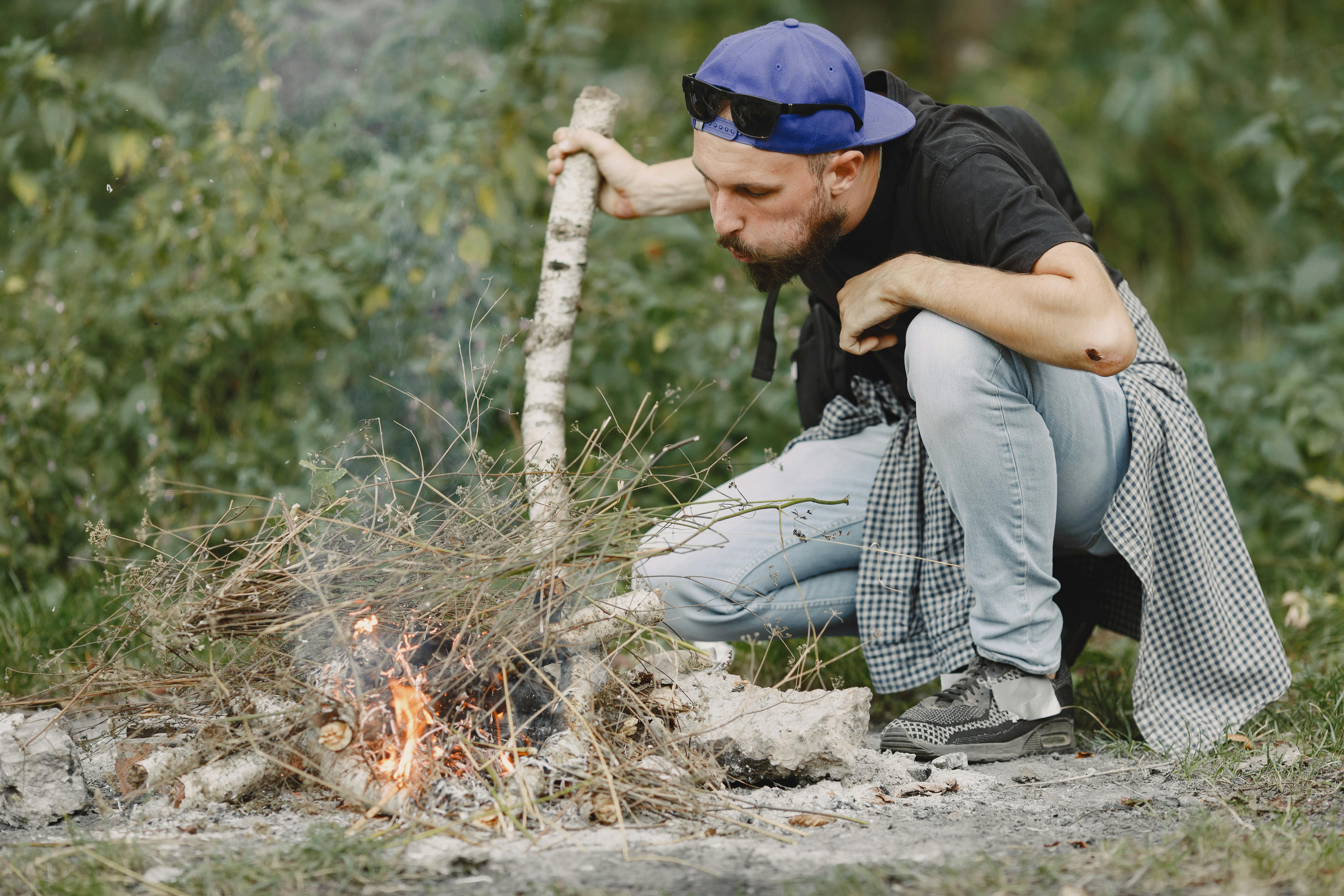
Fire building is classic bushcraft, but beginners do not need friction drills on day one. A simple, safe fire using matches or a ferro rod is a much better place to begin, especially if the goal is comfort, warm drinks, and confidence rather than proving toughness.
Start by understanding tinder, kindling, and fuel wood, and how each size supports the next. Learn where to build a fire legally, how to keep it controlled, and how to extinguish it completely. Those basics matter far more than flashy techniques.
For many older beginners, this skill feels empowering fast. It combines planning, patience, and a visible result, which makes it one of the most encouraging early wins in bushcraft.
Learn Simple Knife Handling

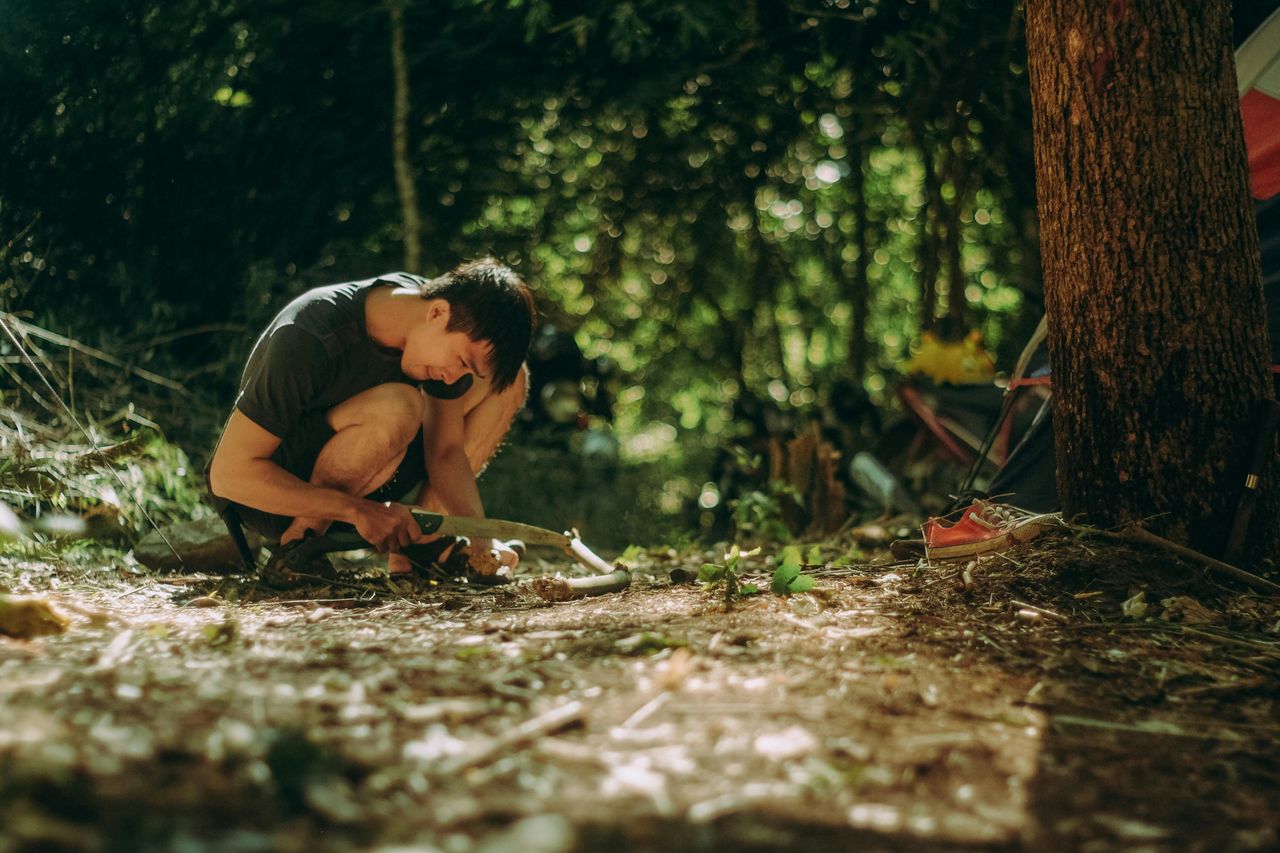
A knife is one of the most useful tools in bushcraft, but for newcomers it should be about control, not bravado. Learning safe grips, carving angles, and cutting positions can turn a potentially intimidating tool into something practical and reassuring.
Focus first on small tasks like sharpening a stick, trimming cordage, or making feather sticks for fire starting. Good technique reduces effort, which is especially helpful for anyone managing stiff hands, reduced grip strength, or just natural caution around blades.
There is a quiet confidence that comes from using a knife well. It encourages slower, more deliberate movement, and that calm, attentive mindset is exactly what makes bushcraft enjoyable for beginners.
Get Comfortable With Basic Shelter Setup
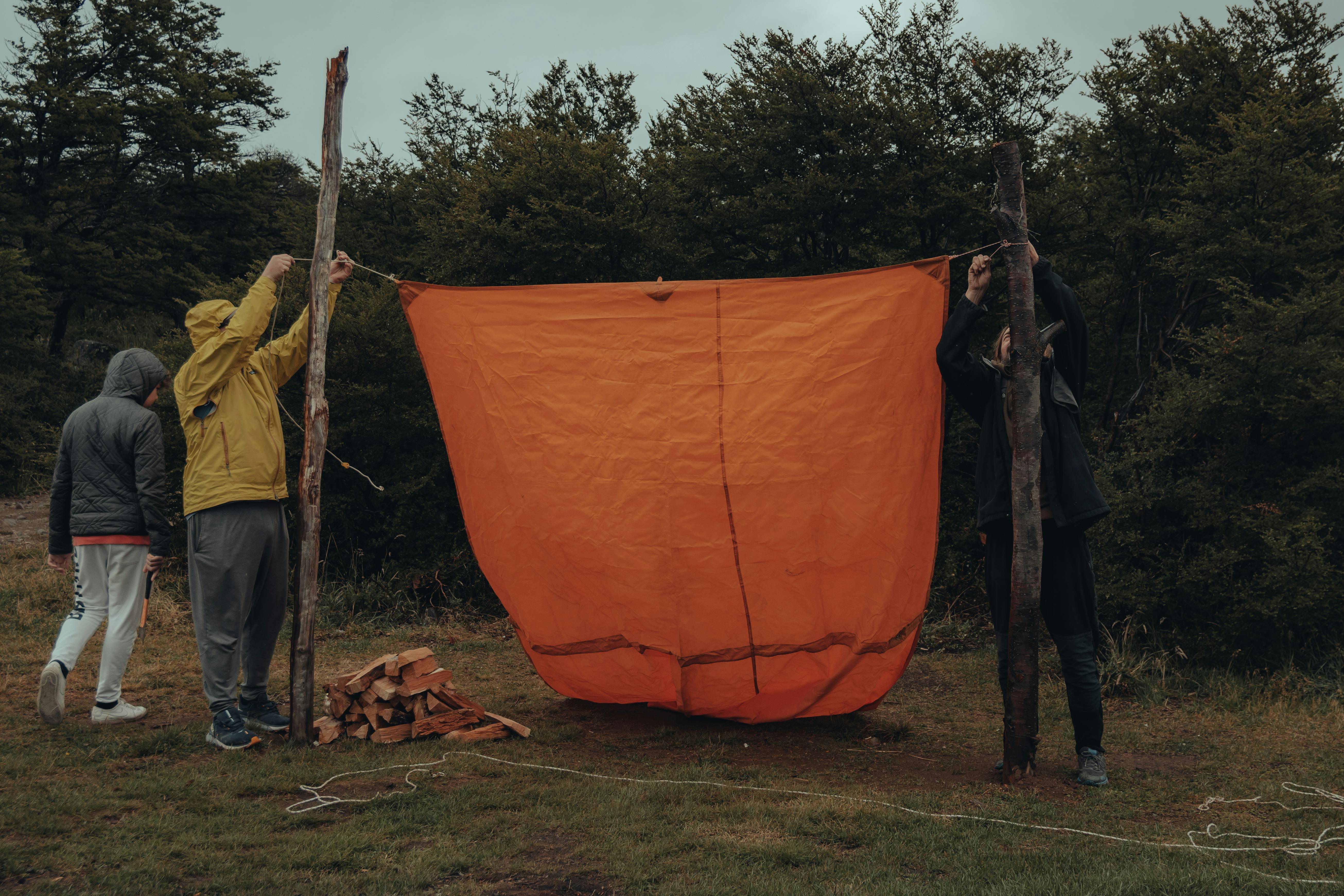
You do not need to build a wilderness hut to learn shelter skills. For complete beginners, pitching a tarp, choosing a dry site, and understanding wind direction are excellent first lessons that offer real comfort without requiring heavy effort.
A basic shelter teaches problem-solving in a very practical way. You begin to think about ridgelines, ground moisture, overhead hazards, and how small adjustments can make a space warmer, drier, and more relaxing. It is bushcraft at its most immediately useful.
This is also a great confidence builder for adults over 50 who may want reassurance before camping overnight. Once you know how to create a simple protective setup, the outdoors starts to feel far more welcoming.
Use Cordage for Everyday Camp Tasks

Cordage is one of those humble skills that opens many doors. When beginners learn a few simple knots and how to tension a line, everyday camp jobs become easier, from hanging gear to securing tarps to organizing cooking areas.
This is a particularly friendly entry point because progress comes quickly. You can practice at home, in the backyard, or at a local park without needing a full camp setup. Even a basic understanding of line management makes outdoor spaces feel more orderly and efficient.
It is also satisfying in a hands-on, low-pressure way. For adults over 50, cordage work often feels approachable because it rewards method and repetition rather than speed or strength.
Cook One Easy Meal Outdoors
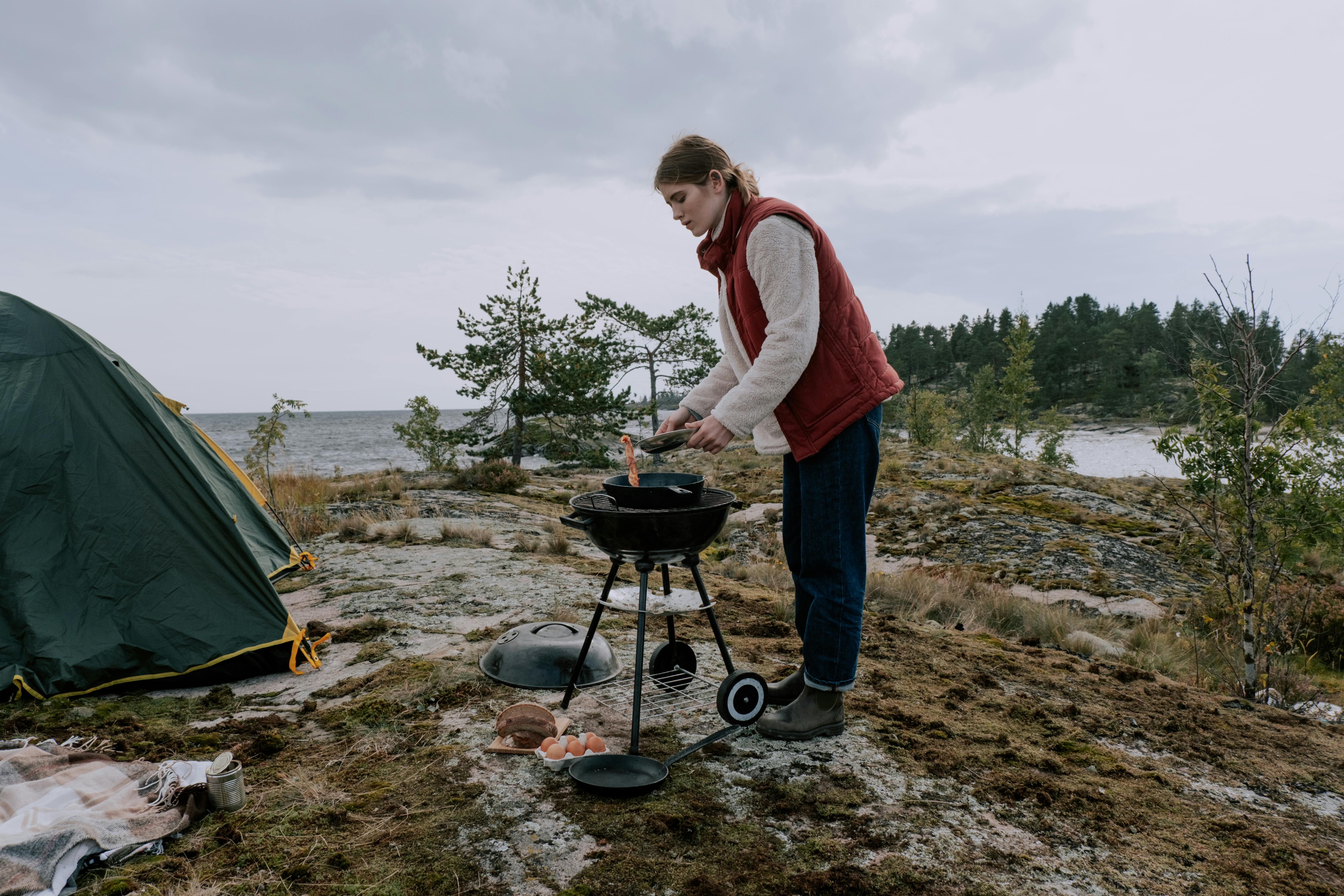
Outdoor cooking is an excellent beginner skill because it turns bushcraft into something welcoming and enjoyable right away. Instead of aiming for elaborate camp cuisine, start with one easy meal or a pot of tea, and focus on heat control, timing, and a tidy setup.
This teaches more than it seems. You learn fuel awareness, safe stove or fire placement, basic cleanup, and how to organize your camp so the process feels calm instead of chaotic. Those habits carry into every other outdoor activity.
For many people over 50, cooking outside is the moment bushcraft really clicks. It feels useful, social, and deeply rewarding, especially when a simple meal tastes better because you made it in the open air.
Identify Useful Natural Materials

Bushcraft often looks more mysterious than it is, but one approachable skill is simply learning which natural materials are helpful. Dry grass, birch bark, dead standing wood, and straight sticks all have practical uses when gathered responsibly and with local rules in mind.
This kind of identification sharpens observation without asking much physically. You begin to distinguish damp from dry, rotten from solid, and useful from ornamental. That knowledge makes fire building, shelter setup, and camp organization much easier.
It also changes the way you walk through the woods. Adults over 50 may especially appreciate how this skill combines curiosity, patience, and experience, turning an ordinary ramble into a more intentional outdoor practice.
Build Confidence With Navigation Basics
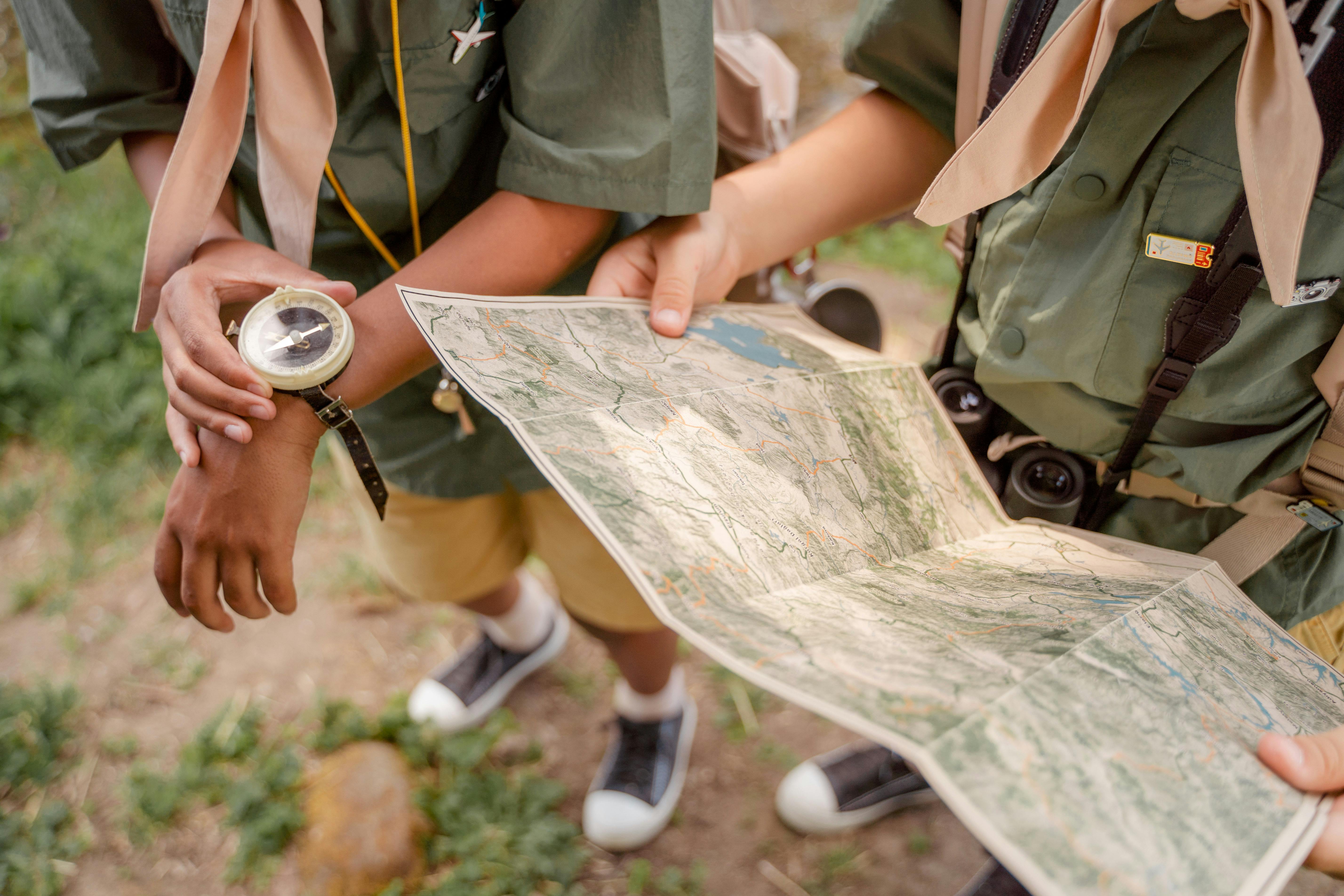
Navigation is a smart beginner skill because it adds independence without requiring intense physical effort. You do not need advanced wilderness travel to start. Reading a simple map, understanding trail markers, and using a compass for basic orientation can transform how secure you feel outdoors.
For complete beginners, the goal is not perfection but familiarity. Learn how to confirm your location, track direction of travel, and notice landmarks before you need them. These habits make short hikes and day trips feel far less uncertain.
Adults over 50 often value this skill because it supports calm decision-making. It is less about adventure for its own sake and more about moving through nature with clarity, awareness, and a stronger sense of control.