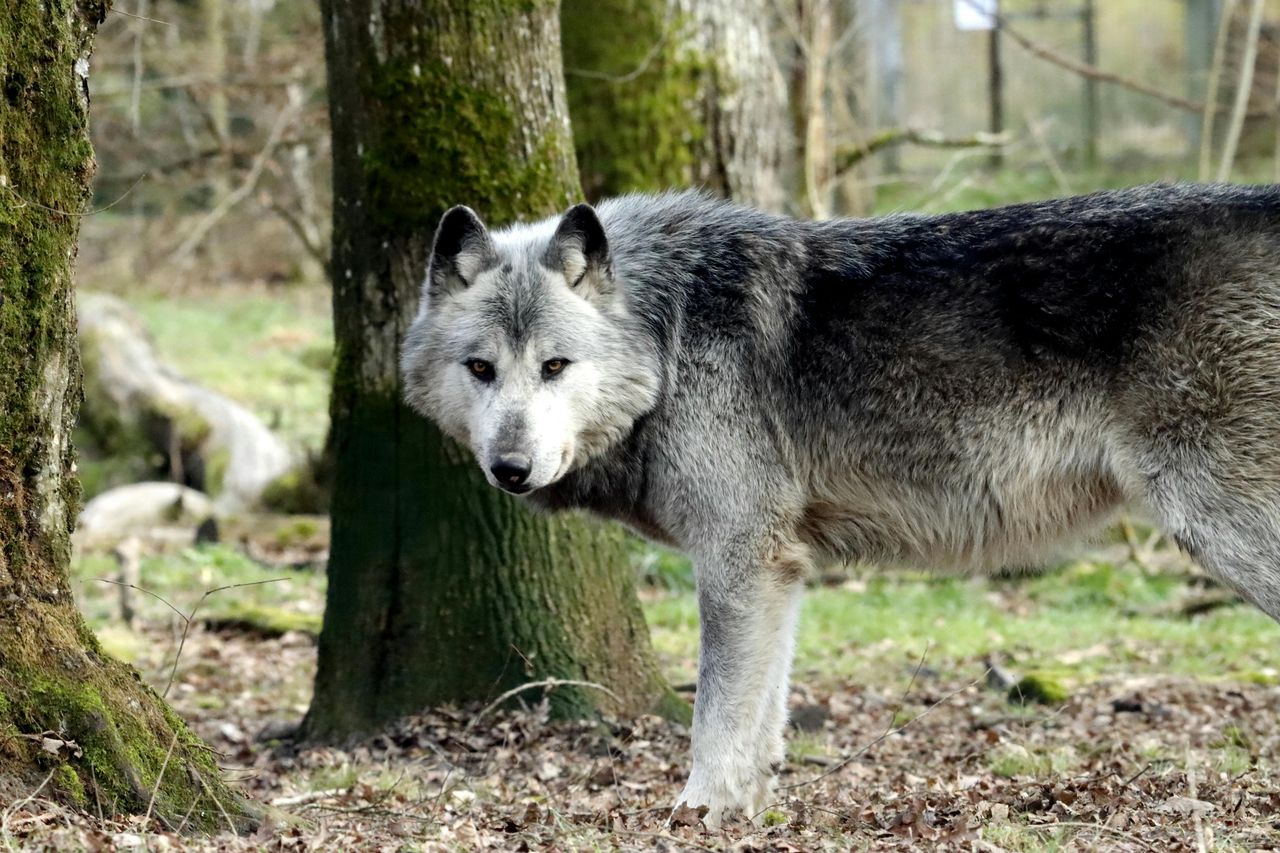
Wolf recovery is one of the most debated wildlife stories in America, and the tension is especially sharp in hunting country. In some states, growing packs and shifting predator policies have left local hunters frustrated over declining game sightings, disrupted seasons, and a sense that wildlife management is changing fast. This gallery looks at 12 states where those conflicts have become especially heated.
Colorado

Colorado is the newest flashpoint because wolf reintroduction there is not just a theory anymore. As releases move forward, many hunters are already worried about what happens to elk behavior in heavily hunted units where pressure is coming from both people and predators.
The concern is less about a single bad season and more about long-term change. Outfitters, rural residents, and backcountry hunters say wolves can push elk into thicker cover, private land, or different migration routes, making hunting less predictable and more expensive.
State officials frame the effort as ecological restoration, but plenty of hunters hear something else. They hear uncertainty, fewer opportunities, and a management experiment playing out in places where hunting traditions run deep.
Idaho
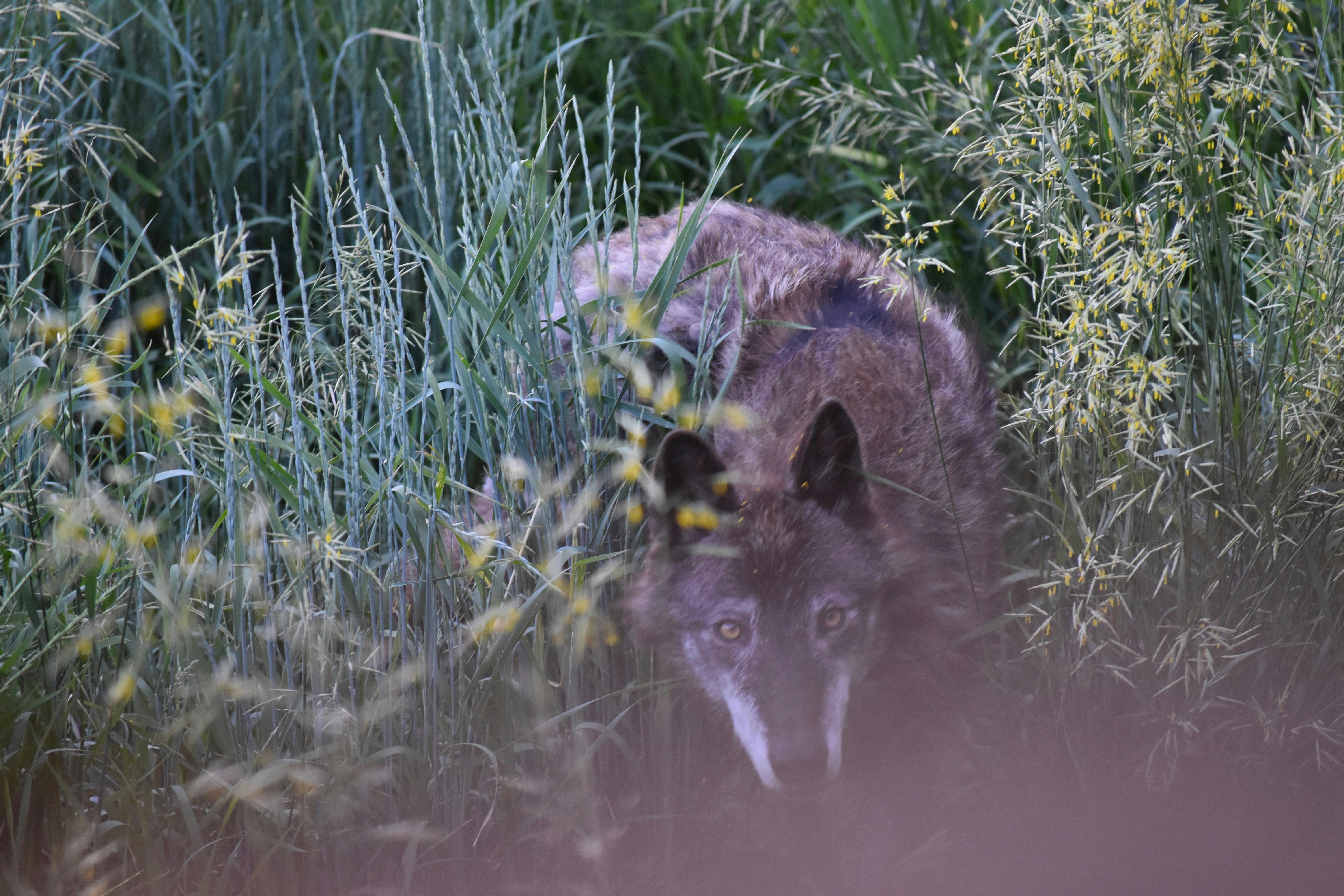
Idaho has spent years at the center of the wolf debate, and hunters there often point to real changes in familiar game country. In some areas, they say elk herds have been harder to locate, less vocal during the rut, and more likely to avoid open ground.
The argument in Idaho is shaped by scale. Vast public land, rugged wilderness, and established wolf populations make predator management a constant issue rather than a short-term controversy.
Hunters who once counted on productive seasons now talk about longer hikes, fewer encounters, and lower confidence in units they knew well. Even with wolf control measures in place, many believe the balance still leans too far away from local hunting interests.
Montana

Montana’s wolf conflict feels personal because it overlaps with some of the state’s most iconic elk and deer country. Hunters regularly describe seeing fewer animals in places that once offered dependable opportunity, especially in harder-hit western and southwestern regions.
Part of the frustration comes from visibility. Wolves are not often seen, but their effects are felt through scattered herds, more cautious prey, and less daytime movement that hunters depend on.
Montana has adjusted seasons and predator rules over time, yet the debate keeps returning. For many hunters, the issue is not whether wolves belong on the landscape at all. It is whether current policies do enough to protect game populations and the hunting economy built around them.
Wyoming

Wyoming has long managed wolves through a patchwork approach, and that alone tells you how politically charged the issue is. Hunters in the state often support aggressive control outside core recovery zones because they believe unchecked packs can hit elk and deer numbers hard.
The concern is especially strong in places where outfitters rely on healthy big game herds and repeat clients. When hunters travel long distances and spend serious money, a poor season tied to predator pressure becomes more than just a local gripe.
Supporters of strong wolf management argue Wyoming has learned the lesson already. In their view, once wolves establish deeply in productive hunting country, restoring confidence among hunters becomes far harder than keeping conflicts contained early.
Washington
Washington shows how wolf expansion can create conflict even in a state not always associated with traditional predator politics. As packs spread, hunters in eastern Washington have voiced growing concern about impacts on deer and elk, especially in areas where game numbers were already under pressure.
What makes the tension sharper is the mix of land ownership and regulation. Hunters say wolves can push animals onto private ground or into denser cover, reducing access and success while making management feel detached from on-the-ground reality.
The debate is no longer limited to ranching complaints. Hunters, rural counties, and some local officials increasingly argue that the state has prioritized recovery goals without fully addressing the practical consequences for hunting communities.
Oregon

In Oregon, wolf numbers remain lower than in some neighboring states, but the anxiety among hunters is familiar. They worry less about today’s exact count and more about what expanding packs could mean for future elk hunting in the eastern part of the state.
Hunters often describe a creeping change rather than a sudden collapse. Animals seem warier, movement patterns shift, and places that once produced consistent encounters start to feel less reliable from one season to the next.
Because Oregon sits between established wolf country and newer expansion zones, it has become a warning-case discussion for many sportsmen. The question they keep asking is simple: can the state protect wolf recovery without gradually hollowing out the hunting experience people have counted on for generations?
Minnesota
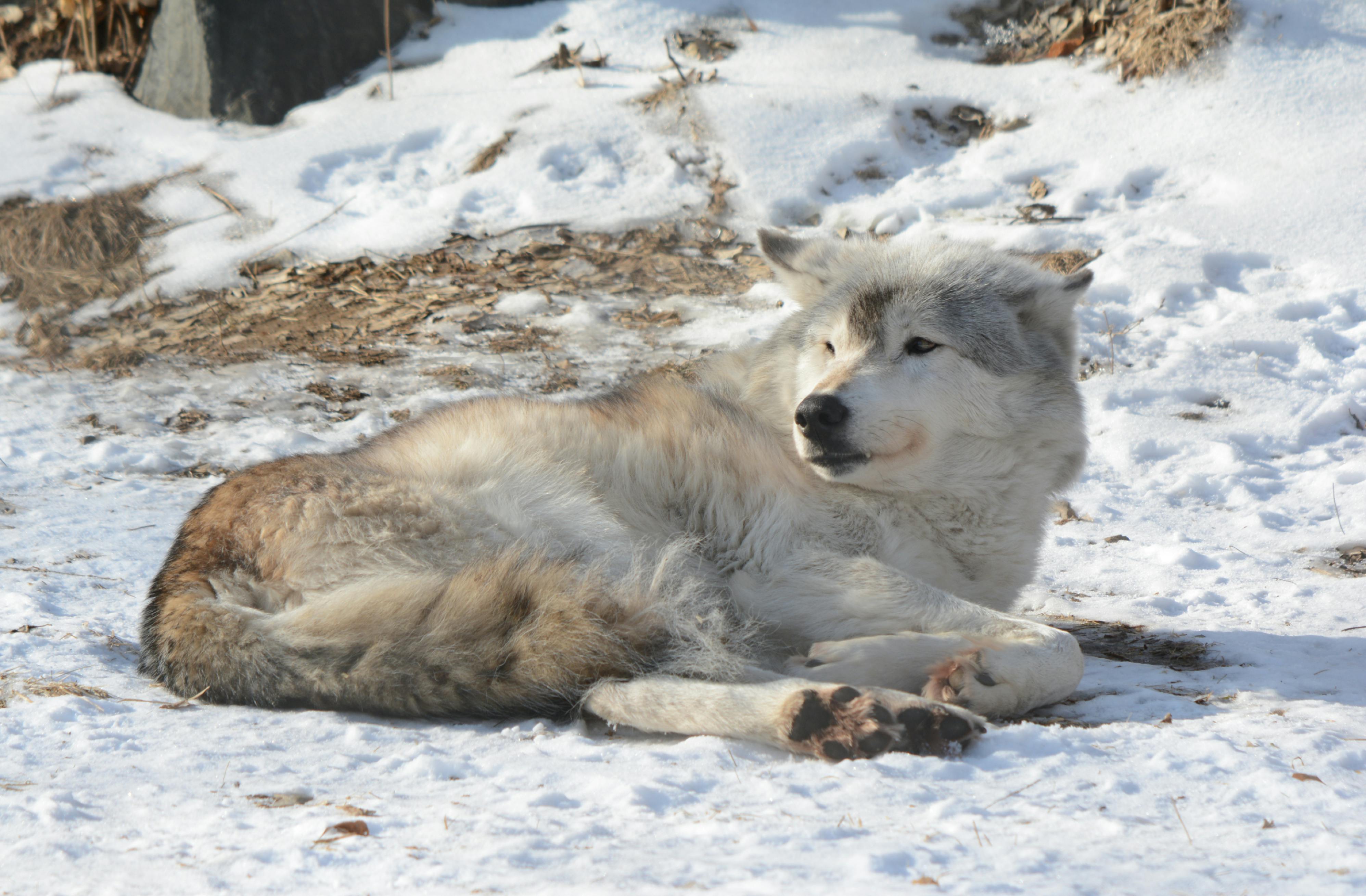
Minnesota is different from the Rocky Mountain states, but wolf conflict there is hardly new. Hunters, especially in the north, have long argued that dense wolf populations can affect deer numbers, calf survival, and the overall quality of seasons in tough winters or marginal habitats.
The state’s debate often centers on deer more than elk, which gives it a slightly different tone. For local hunters, though, the frustration sounds very similar: too many predators, not enough management flexibility, and a feeling that rural observations are brushed aside.
What keeps Minnesota on this list is persistence. The argument has lasted for years because hunters continue to see wolves as a major factor in places where deer hunting is not just recreation but part of family tradition and local identity.
Wisconsin
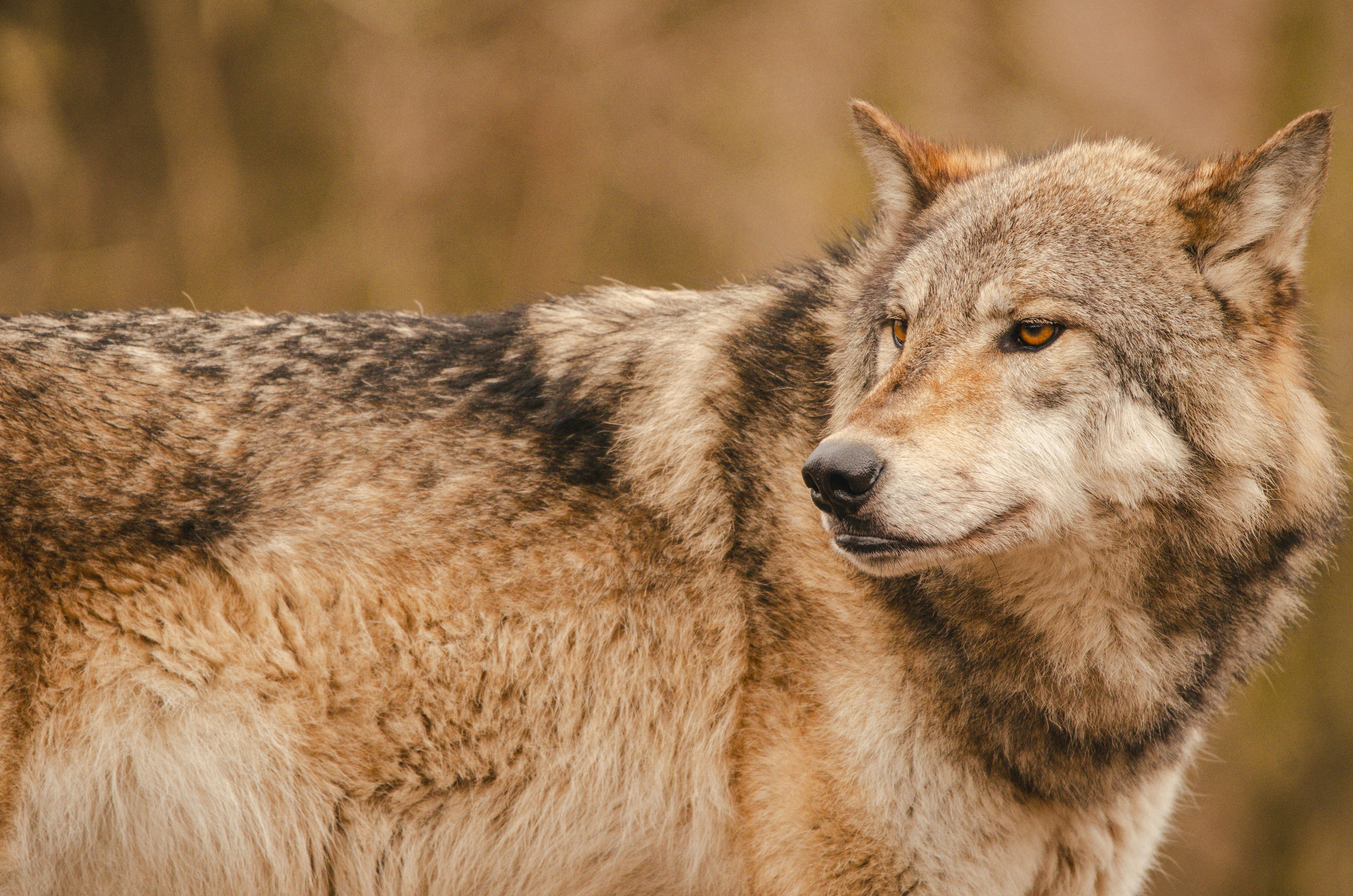
Wisconsin’s wolf issue blends biology, politics, and culture in a way that leaves hunters caught in the middle. In the northern part of the state, many deer hunters say wolf predation adds pressure on herds that already face weather swings, habitat limits, and uneven recruitment.
The controversy has also been shaped by legal and regulatory fights over wolf seasons. That uncertainty frustrates hunters who want management to feel responsive rather than locked in courtroom battles and statewide political messaging.
For many local sportsmen, the problem is not abstract. It shows up in fewer deer sightings, stories from trail cameras, and the growing belief that the state is struggling to reconcile predator conservation with realistic expectations for hunting opportunity in wolf country.
Michigan
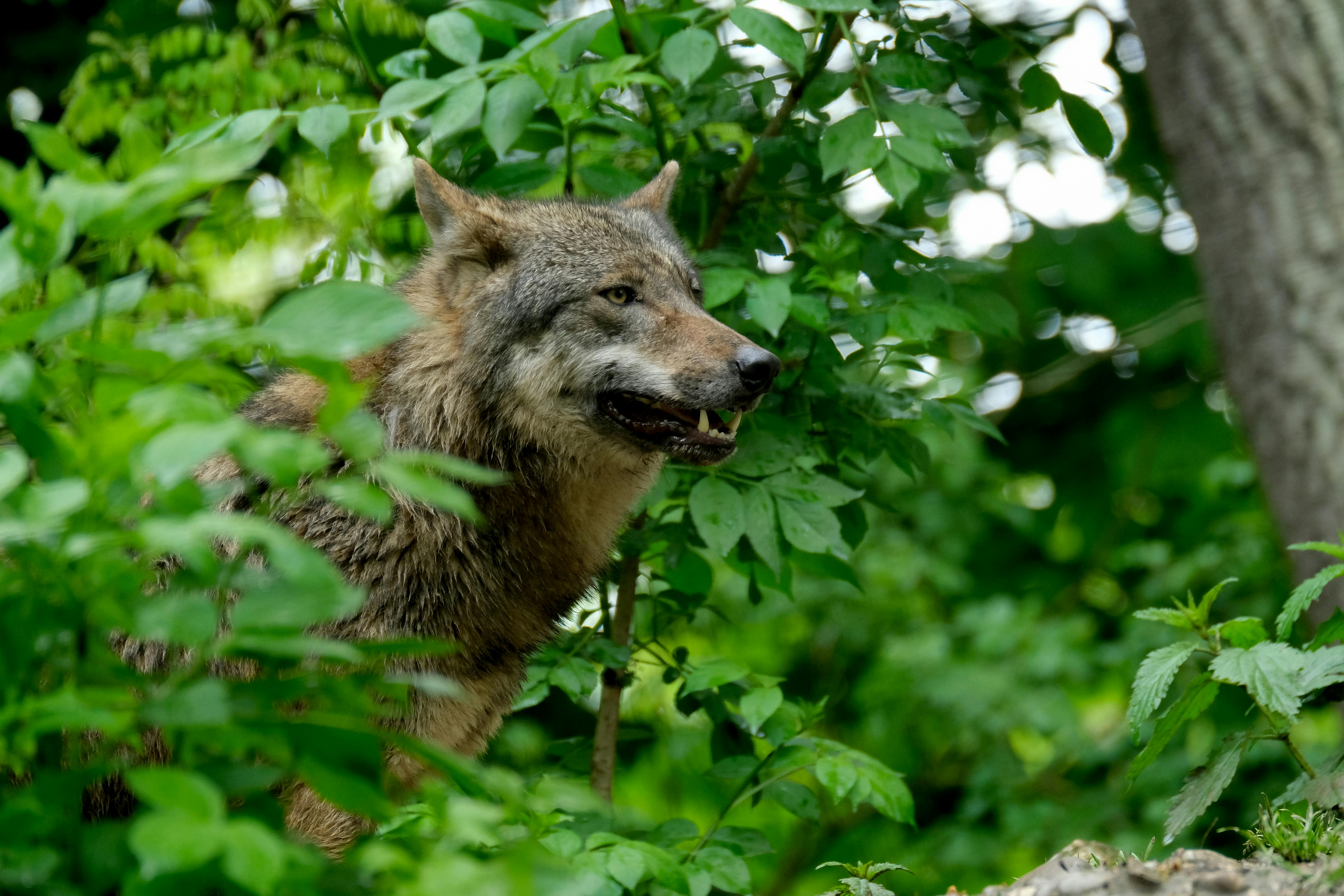
Michigan, especially the Upper Peninsula, has seen recurring conflict over wolves and deer hunting for years. Hunters often argue that severe winters and habitat pressures already make survival tough for deer, and wolves can become the extra strain that pushes local populations down.
The Upper Peninsula gives this debate its emotional charge. In many communities, deer season is deeply woven into the calendar, so any perceived drop in herd health quickly becomes a public issue rather than a niche wildlife argument.
Calls for stronger wolf management regularly return, even when broader policy remains unsettled. Hunters say the state hears their concerns but moves too slowly, leaving them to adapt to shrinking confidence in areas where deer camps once expected a far steadier season.
California
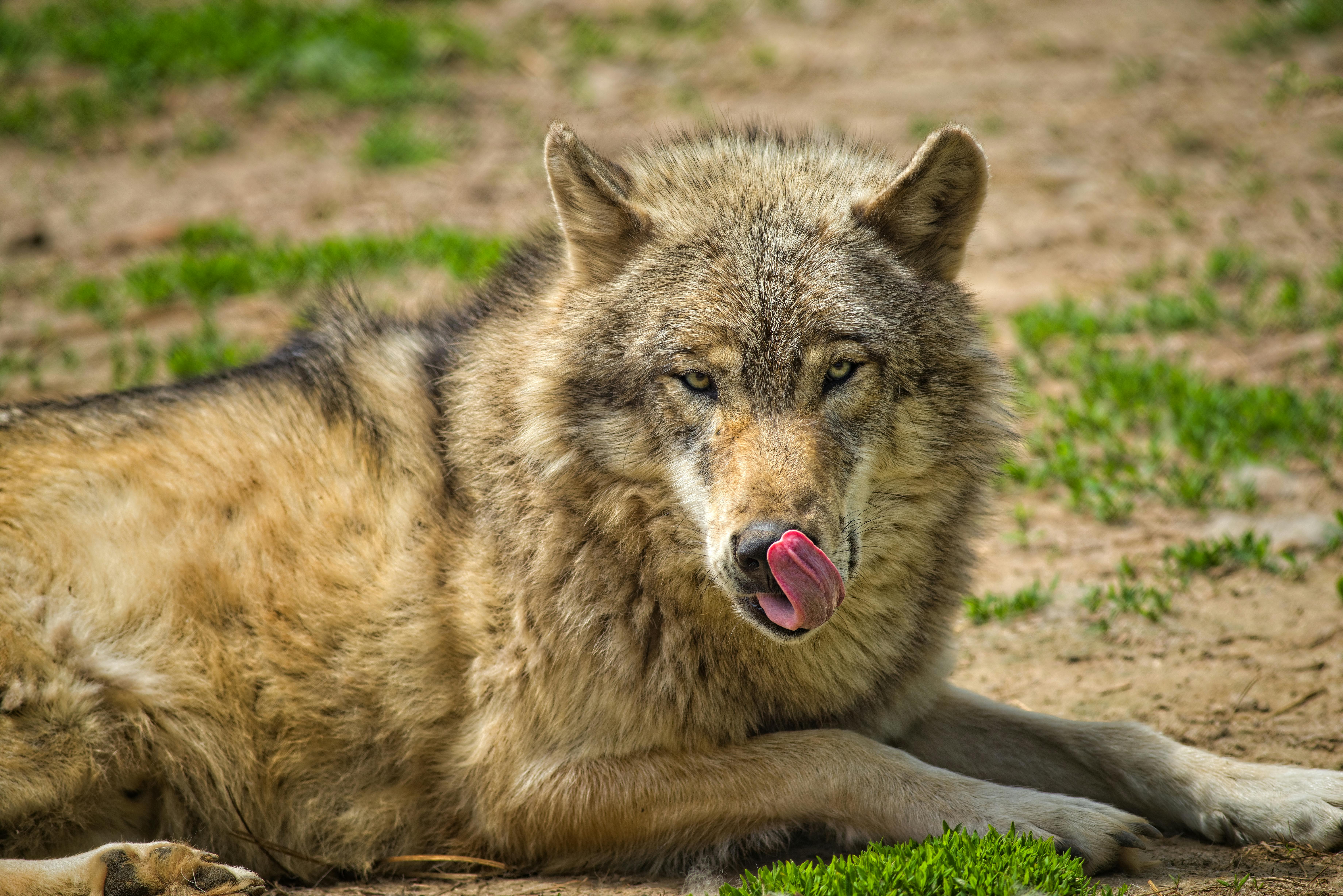
California may surprise some readers, but wolves returning there have generated serious concern in parts of the state with active deer hunting culture. As packs establish and reproduce in northern counties, hunters are watching closely for signs that local herds could face new pressure.
Because California already has strict regulations and many competing land-use priorities, hunters often feel they are entering the debate from a weaker position. They worry wolf recovery will be treated as an unquestioned success even if it complicates deer management in real hunting country.
The conflict is still developing, which is exactly why it matters. Hunters in affected areas are asking whether officials will respond early to problems, or wait until declines and access issues become harder to reverse.
Arizona
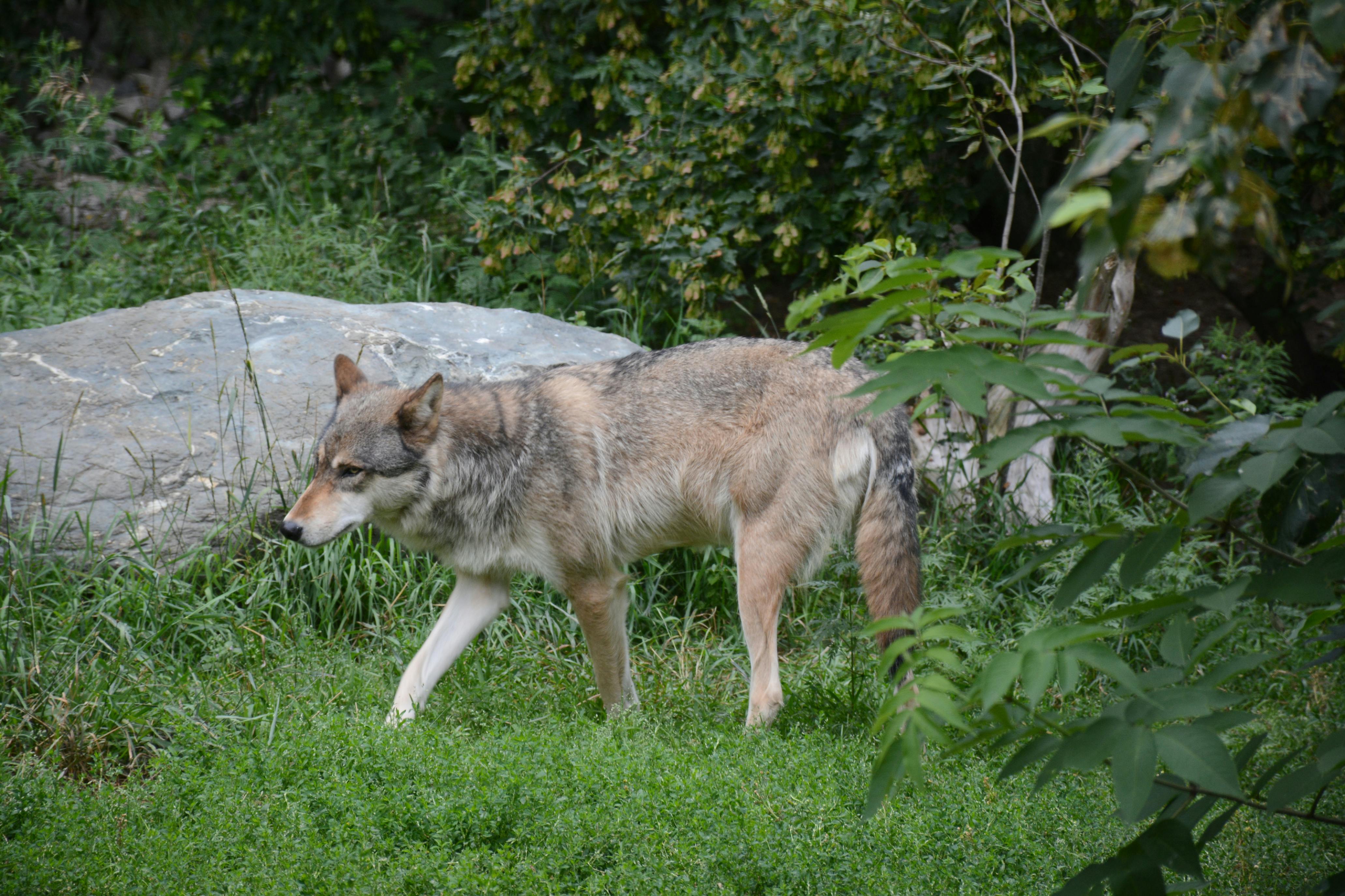
Arizona’s Mexican wolf program involves a distinct subspecies and a very specific recovery effort, but local hunters still see familiar problems. In parts of eastern Arizona, concerns focus on elk calf survival, herd distribution, and how predator pressure can reshape hunting conditions over time.
The landscape matters here. Big country, mixed jurisdiction, and sensitive recovery goals make management unusually complicated, which can leave hunters feeling that practical concerns are constantly secondary to federal objectives.
Even people who support conservation in principle may object to how it works on the ground. Hunters often say they are being asked to absorb the trade-offs while policymakers celebrate recovery milestones from far away. That disconnect has kept Arizona in the middle of a persistent wildlife fight.
New Mexico

New Mexico shares the Mexican wolf debate with Arizona, and hunters there have raised many of the same objections. In elk country, the concern is that growing predator presence can chip away at calf recruitment and make already difficult hunts even less predictable.
The state also reflects a broader frustration with top-down wildlife policy. Hunters and some rural residents argue that recovery targets and legal protections can overshadow what they are seeing in the field season after season.
This is not a simple anti-wolf story. It is a story about competing priorities in landscapes expected to support conservation, recreation, ranching, and local economies all at once. Hunters in New Mexico often feel their role in that equation is becoming less valued.