A lot of people carry every day with strong opinions about ammo. Far fewer can explain hollow points clearly, accurately, and without repeating a myth.
The name alone creates the wrong impression.

The phrase “hollow point” sounds sinister to people who do not know much about ammunition. Even among concealed carriers, the name often suggests something exotic, unusually destructive, or designed to cause needless harm. That misunderstanding starts with language, not physics.
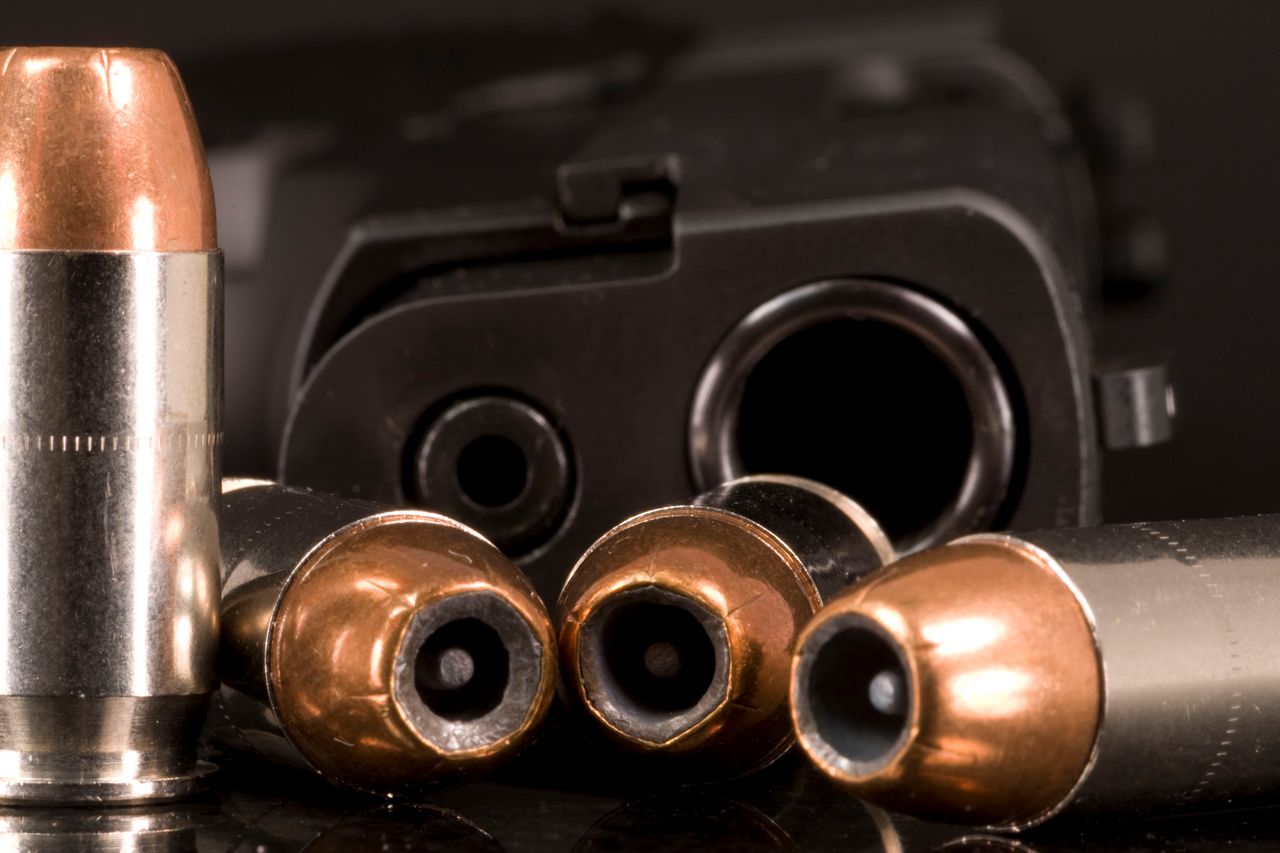
In reality, a hollow point is simply a bullet with a small cavity in the nose. That cavity helps the bullet expand in soft tissue, which changes how it transfers energy and how deeply it penetrates. The goal is not theatrical damage. The goal is a more controlled performance.
This is where many everyday carriers get tripped up. They hear “it opens up” and picture movie effects rather than measurable ballistic behavior. In the real world, quality defensive hollow points are engineered to solve a practical problem: stopping a threat efficiently while reducing the chance that the bullet will exit and endanger someone else.
That practical purpose matters. Most defensive shootings happen in crowded, messy environments such as parking lots, hallways, apartment complexes, and stores. Ammunition that performs more predictably in a human target is not some dark novelty. It is a risk management choice rooted in responsibility.
Movies, marketing, and gun shop folklore blurred the truth
A huge amount of confusion comes from pop culture. Films and television have trained people to think that different bullet types behave like magic spells. One round throws a person backward, another punches through engine blocks, and another is treated like a banned superweapon. None of that helps serious understanding.
Gun culture has its own version of bad information. Plenty of people still repeat old lines such as “carry ball because it feeds better” or “hollow points are too weak to penetrate.” Those claims may have had some relevance decades ago with certain pistols and early bullet designs, but modern duty ammunition has changed the conversation.
Major law enforcement agencies adopted hollow points for a reason. It was not because they wanted something more cruel. It was because expanding ammunition generally offers a better balance of penetration, terminal effect, and reduced overpenetration compared with full metal jacket loads in defensive scenarios.
The folklore survives because simple advice spreads fast. A confident guy at a counter can shape years of habits with one sentence. But ammunition design has advanced through repeated testing in calibrated ballistic gelatin, barrier tests, and field results, and those results consistently show why quality hollow points became the standard defensive choice.
Expansion is not about brutality; it is about consistency

The most important thing most carriers miss is that expansion is mainly a consistency issue. A bullet that expands reliably tends to create a wider wound channel and lose velocity faster inside the target. That combination can increase the chances of stopping the threat without sending the projectile beyond it.
Penetration still matters, though, and that is where careless conversations go off track. Defensive ammunition should penetrate deeply enough to reach vital structures from realistic angles, including through clothing, arms, or partial barriers. According to long-standing FBI testing standards, roughly 12-18 inches of penetration in ballistic gelatin is the benchmark many professionals use when evaluating duty and carry loads.
That surprises people who think hollow points are meant to stop shallow. Good ones are not. Good ones are designed to both expand and still penetrate adequately, which is a much harder engineering challenge than simply drilling deep like a non-expanding round.
This also explains why cheap or outdated hollow points can earn a bad reputation. If a bullet plugs with fabric and fails to expand, or expands too quickly and under-penetrates, performance suffers. Modern bonded and mechanically locked designs were built to address exactly those weaknesses, which is why brand, load, and test data matter so much.
The overpenetration issue is more serious than many carriers admit

Many people who carry handguns talk endlessly about stopping power and barely think about what happens after a miss or pass-through. That is a mistake. In any defensive shooting, every bullet fired brings legal, moral, and practical responsibility.
Handgun rounds are not rifles, but they can still travel through a human body, drywall, doors, and glass with dangerous energy left. Full metal jacket ammunition often increases that concern because it tends not to deform much in soft tissue. That can make it more likely to exit compared with a well-designed hollow point.
This is one reason police departments moved away from ball ammunition for duty use. They had to think not just about the suspect, but also about partners, bystanders, and people behind walls or inside nearby vehicles. Civilian carriers should think the same way because they often carry in even denser public spaces.
None of this means hollow points eliminate overpenetration. They do not. Any handgun round capable of reaching vital organs is dangerous beyond the target. But reducing unnecessary penetration is a meaningful safety advantage, and pretending otherwise usually reflects emotion, not evidence.
Reliability concerns are often stuck in the past.
Some everyday carriers still choose full metal jacket because they were told hollow points are unreliable in semi-automatic pistols. That concern did not appear from nowhere. Older pistols with steep feed ramps, rough chambers, or poor magazine geometry could struggle with some bullet profiles.
But many people never updated their understanding. Most modern defensive handguns from reputable manufacturers are designed around contemporary jacketed hollow point ammunition, and many are tested at the factory with it. Feed reliability today is far better than what shaped the old warnings.
The smart approach is not blind faith in either camp. It is to function-test your chosen load in your actual pistol with your actual magazines. If your carry gun runs 100-200 rounds of a proven defensive hollow point without issue, the old blanket claim that “hollow points do not feed” becomes hard to defend.
There is also a quality gap that people ignore. Premium loads from companies with strong law enforcement track records are built to tighter standards than bargain range ammo. When people say they do not trust hollow points, what they often really mean is they tried one random load once, years ago, in one gun, and never revisited the issue.
Legal fears keep pushing bad decisions.
Another reason hollow points remain misunderstood is fear about courtrooms. Some carriers worry a prosecutor will portray them as bloodthirsty for choosing expanding ammunition. That fear gets repeated so often it sounds like settled wisdom, but it is usually stripped of context.
In many places, hollow points are standard, lawful defensive ammunition used by police and recommended by trainers. That matters because it frames them as normal safety equipment, not evidence of malicious intent. A carry round selected because it reduces overpenetration and performs predictably is easier to justify than one chosen because of internet bragging about “maximum damage.”
Of course, laws vary. A few jurisdictions regulate hollow points in unusual ways, and carriers absolutely need to know their state and local rules. But confusion about those exceptions often mutates into a broader myth that hollow points are generally suspect or legally reckless, which is not true in most of the United States.
What can create real legal trouble is careless language. If someone stocks a respected duty load but talks online about making attackers “explode,” that rhetoric can look ugly later. The problem there is not the ammunition. It is the mindset and the words used to describe it.
What informed carriers should actually do

The best way to understand hollow points is to stop treating them like a symbol and start treating them like equipment. The question is not whether they sound scary or tactical. The question is whether a specific load performs reliably, penetrates adequately, expands consistently, and fits the legal environment where you live.
That means looking at credible testing, not just ad copy or social media clips. Seek out gelatin results, barrier performance, chronograph data, and real evaluations from established trainers and ballistics professionals. Loads such as Federal HST, Speer Gold Dot, and Winchester Ranger lines earned reputations because they performed repeatedly across formal testing and real-world use, not because of dramatic packaging.
It also means testing your own setup. Shoot enough of your chosen carry load to confirm reliability, point of impact, and controllability in your handgun. Recheck it when you change magazines, recoil springs, or guns.
Most of all, carriers should remember what defensive ammunition is for. It is not for fantasy, punishment, or brand tribalism. Hollow points remain misunderstood because too many people talk about them emotionally. The people who understand them best usually see them as the least dramatic thing in the world: a sensible tool chosen to solve a difficult problem responsibly.