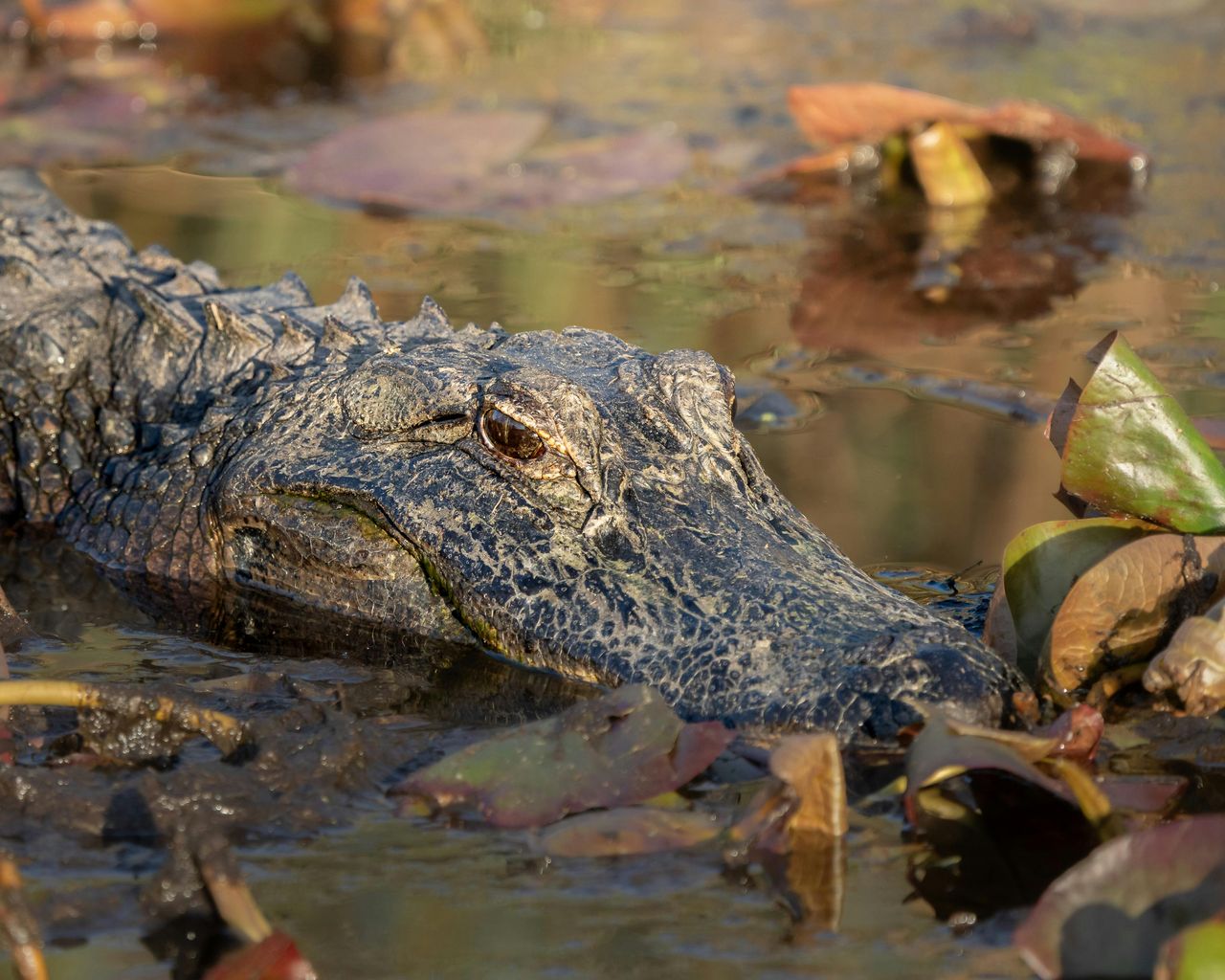
Alligators are no longer just a swamp story. In a growing number of states, these reptiles are showing up in retention ponds, golf courses, and quiet subdivisions that residents never imagined would attract them. As warmer conditions, development patterns, and recovering populations reshape where wildlife lives, surprise gator sightings are becoming part of neighborhood life.
North Carolina
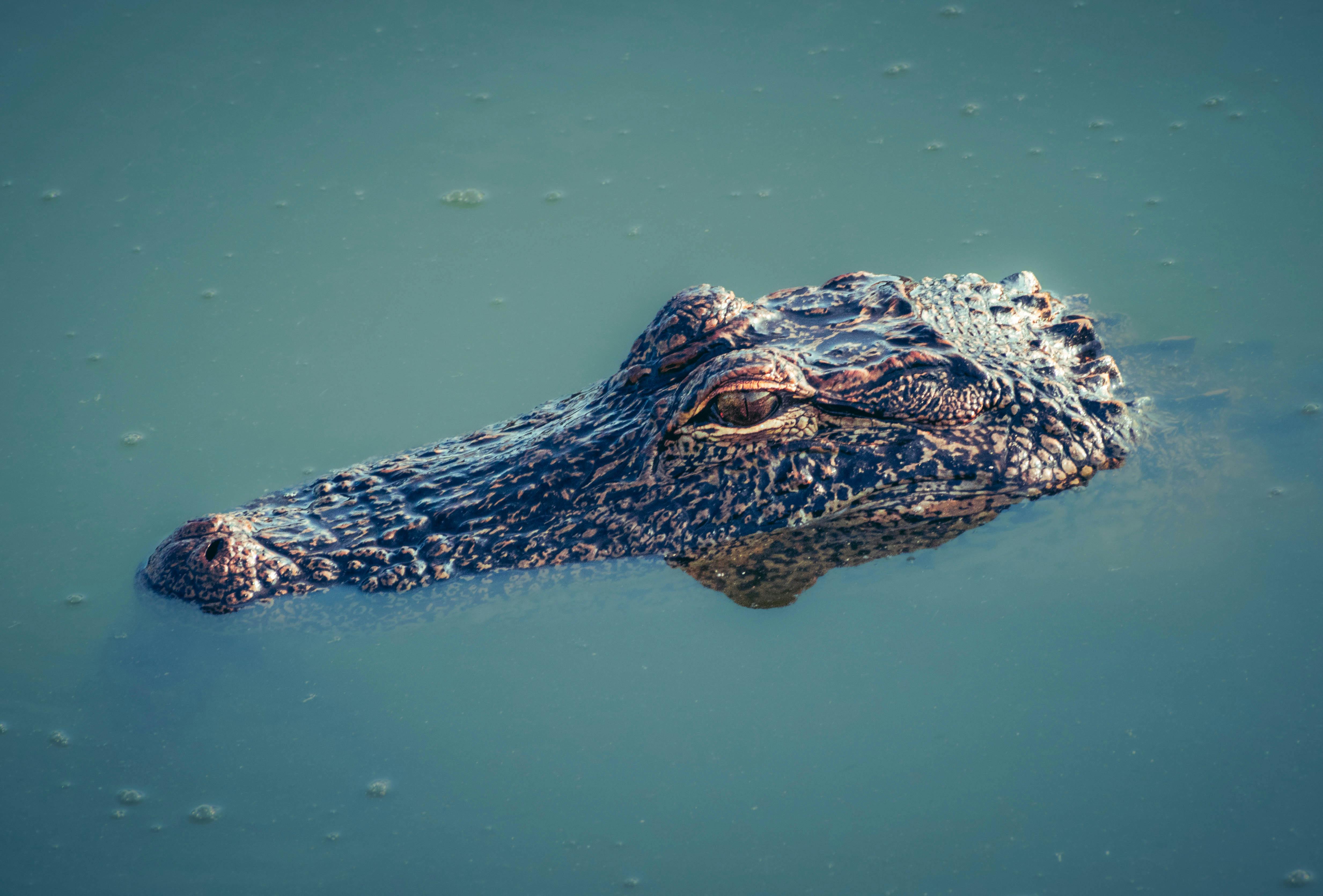
North Carolina has long had alligators along its coastal plain, but more residents are now spotting them in places that feel decidedly suburban. In communities near Wilmington, Jacksonville, and the Outer Banks region, retention ponds and canal systems have become familiar stopovers for wandering gators.
Part of the surprise comes from how ordinary these settings look. A landscaped pond behind a shopping center or a backyard waterway in a planned development does not read as classic alligator country, yet it can offer food, warmth, and easy shelter.
Wildlife officials say many sightings involve dispersing males moving through developed areas. For homeowners, that means the occasional reptile visitor may be less a freak event and more a sign that the state’s habitat map is changing.
Arkansas
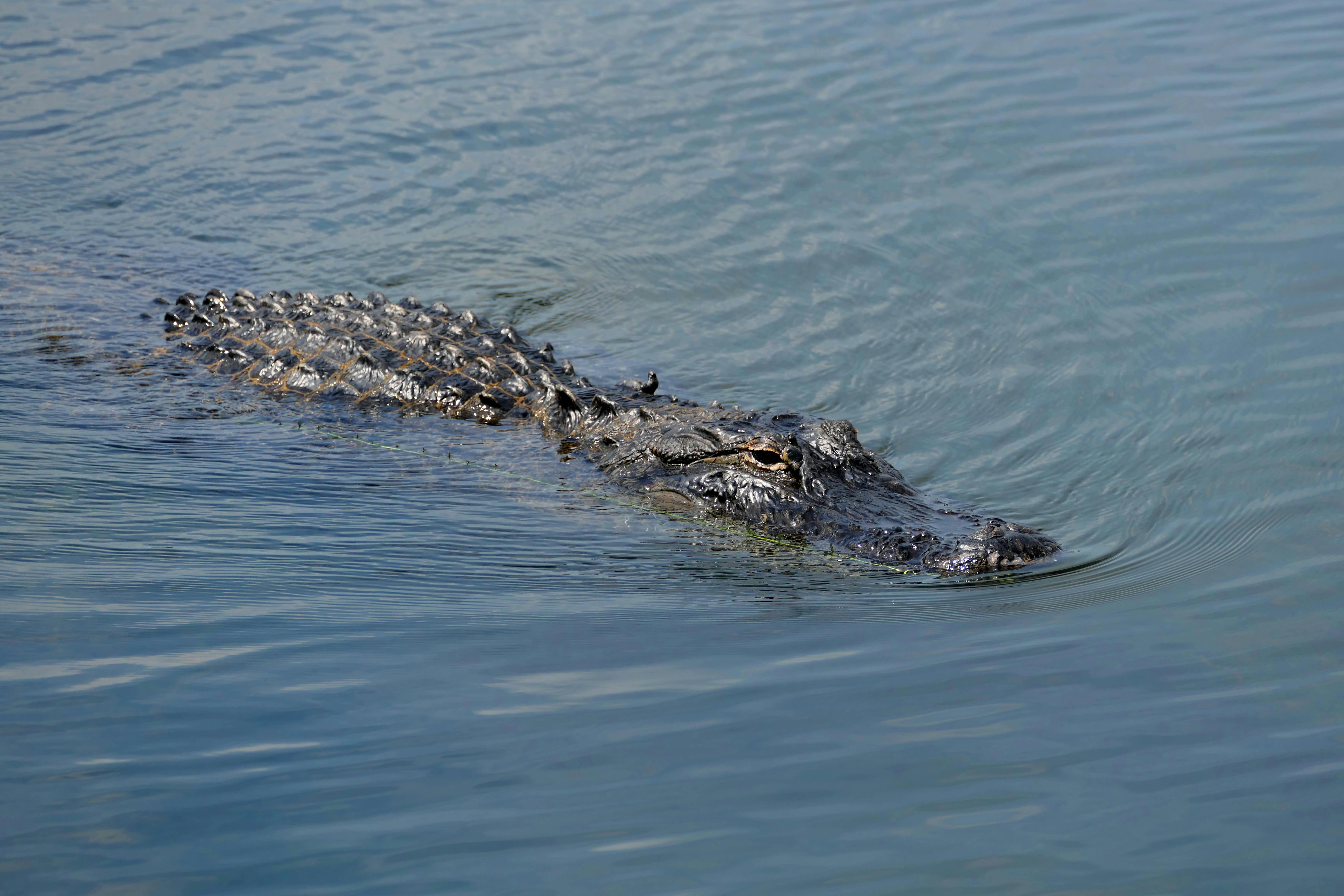
Arkansas is not the first state many people picture when they think about alligators, which is exactly why recent sightings can feel so startling. Yet in the southern part of the state, and increasingly near developed lakeside and semi-rural neighborhoods, alligators are becoming a more visible part of the landscape.
Conservation and restocking efforts helped the species rebound here over time. As those populations stabilize and spread, some animals are turning up near boat ramps, drainage ditches, and residential shorelines that sit close to suitable wetland habitat.
That does not mean alligators are suddenly everywhere in Arkansas. It does mean that residents in areas once considered fringe habitat may need to rethink what kinds of wildlife can appear just beyond the mailbox.
Oklahoma
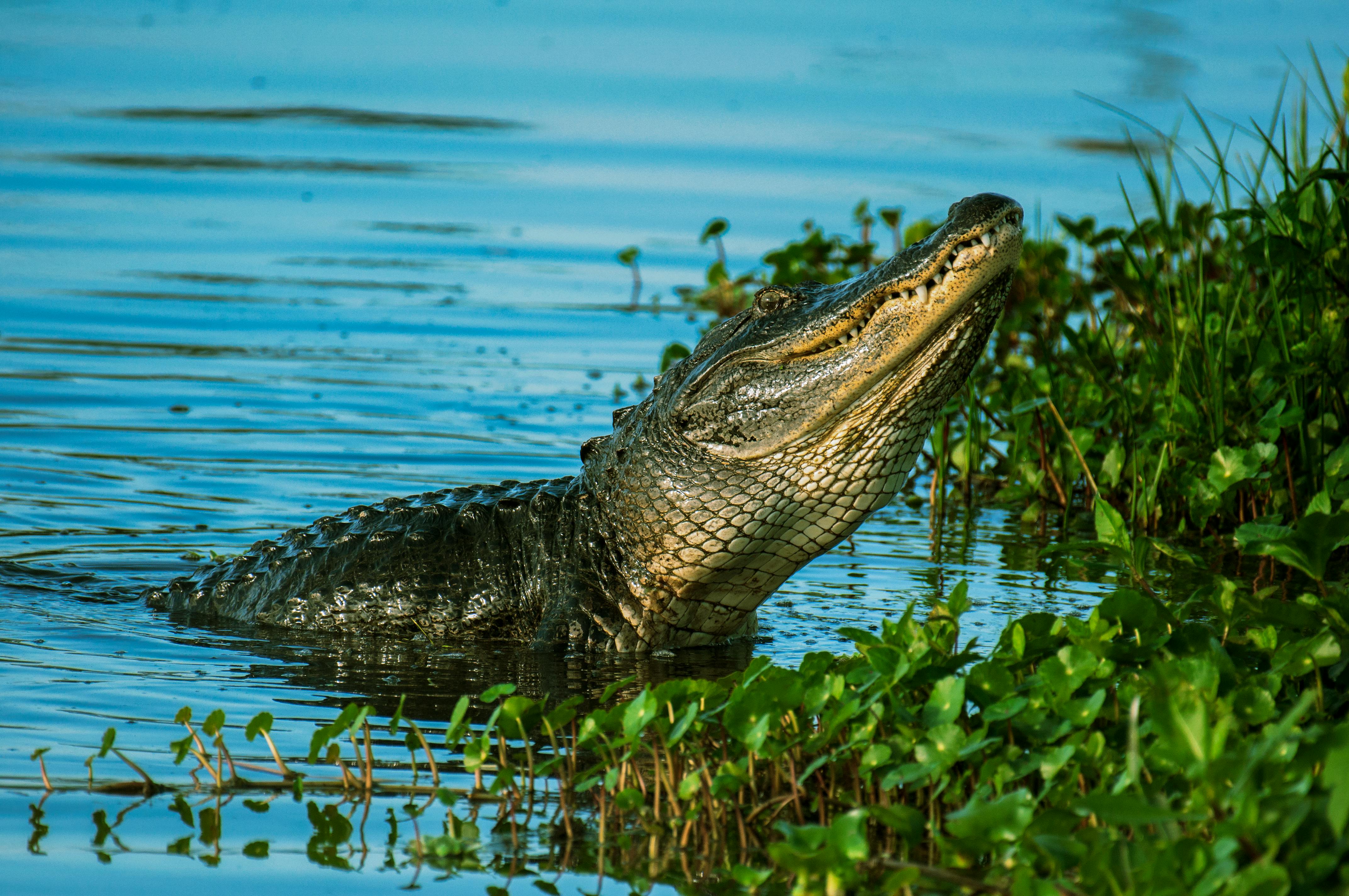
Oklahoma’s alligator story still surprises people, but the species has a foothold in the state’s southeast, especially around marshes and river systems. What is changing is how often reports describe gators close to cabins, small communities, and residential developments near water.
Many of these encounters happen in places that blur the line between wilderness and backyard. A subdivision built near a creek or a lake community with coves and shallow banks can create exactly the kind of edge habitat that roaming alligators use.
Because Oklahoma sits outside the stereotype of alligator country, residents may be slower to recognize the risks of feeding wildlife or letting pets roam beside murky water. The animal may be uncommon, but in the right pocket of the state, it is very real.
Tennessee

Tennessee has seen enough alligator reports in its western reaches to keep wildlife officials paying close attention. The Mississippi River floodplain and connected wetlands remain the most logical habitat, but sightings near neighborhoods and local roads have given the story a distinctly modern suburban twist.
What makes Tennessee notable is the element of surprise. People may expect deer, coyotes, or geese near a subdivision pond, but not a reptile associated with coastal marshes and Deep South bayous. That mismatch is what turns a routine wildlife sighting into neighborhood news.
Experts generally view these appearances as limited but meaningful. They suggest that habitat connectivity and warming conditions could make occasional gator encounters more common in places that still feel, to many residents, outside the species’ usual range.
Virginia

Virginia remains an unusual state in any conversation about alligators, which is why every credible sighting draws outsized attention. In the far southeastern corner, especially near coastal backwaters and developed waterfront communities, the idea of a wandering gator no longer feels entirely impossible.
Some reports are never confirmed, but the broader trend matters more than any single viral photo. As temperatures warm and southern species push the edges of their ranges, areas once considered too marginal may start seeing more temporary visitors or isolated individuals.
For residents, the shift is mostly psychological for now. The point is not that Virginia has become a major alligator state overnight, but that neighborhood wildlife expectations are evolving faster than many people realize.
Georgia
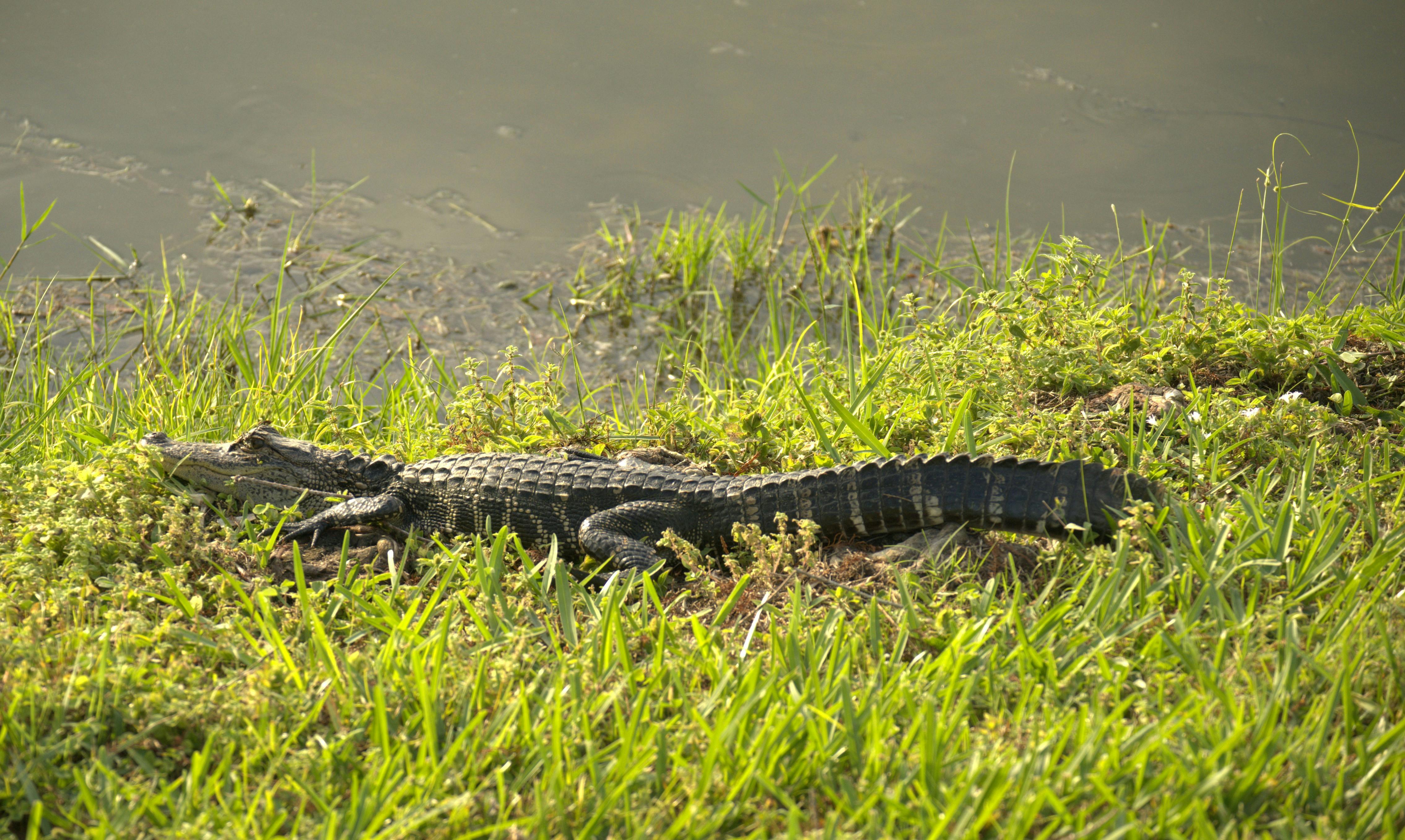
Georgia has always had alligators in its coastal and southern waters, but more of them are showing up in the kinds of manicured places people associate with suburban calm. Think golf course ponds, gated communities, and stormwater basins tucked behind new homes.
This pattern reflects a larger truth about development in the South. Human neighborhoods often expand into wetlands or build water features that mimic them, creating accidental habitat that looks polished to us but practical to a large reptile.
In Georgia, that means residents far from remote swamps may still end up sharing space with alligators. The surprise is not that the animals exist in the state. It is that they are increasingly appearing in the everyday visual language of suburbia.
South Carolina

South Carolina residents are deeply familiar with alligators, yet even here, expansion into dense residential settings has changed the conversation. In fast-growing communities around Charleston, Hilton Head, and inland developments with ponds and lagoons, sightings have become a routine feature of neighborhood life.
What stands out is how close these encounters can be to daily activity. A gator basking beside a walking path or drifting through a backyard pond turns wildlife from a distant concept into a practical concern for pet owners, joggers, and families.
State officials regularly remind people not to feed alligators or approach them, because habituation is often what escalates conflict. In many neighborhoods, the animals are no longer rare intruders. They are part of the local environment residents must learn to navigate.
Texas
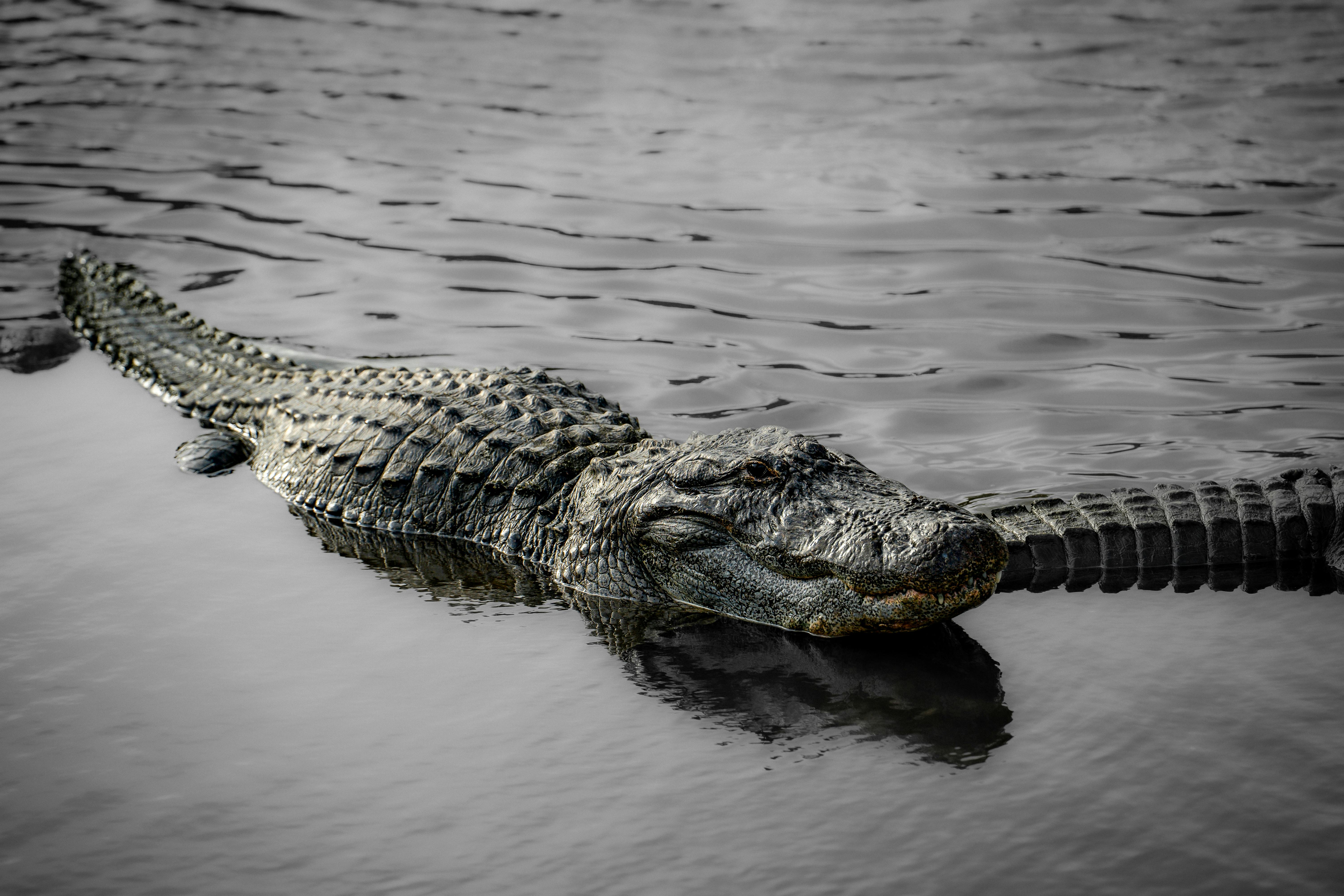
Texas has never lacked alligator habitat along the Gulf Coast, but suburban growth has brought more people into direct contact with the species. In metro edges around Houston, Beaumont, and other coastal communities, gators are appearing in drainage channels, subdivision ponds, and greenbelt waterways.
The Texas version of this story is especially striking because development is so vast. A master-planned neighborhood with jogging trails and decorative lakes may sit right beside marshy habitat, making the transition from wild space to residential space almost seamless for an animal on the move.
That helps explain why a sighting can feel both shocking and inevitable. In parts of Texas, alligators are not invading suburbia so much as adapting to a landscape where suburbia has grown around the water they already use.