Rifle stocks vary in more ways than appearance alone. Some pivot sideways on a hinge, others fold beneath the receiver, and certain designs shorten through telescoping or collapsing mechanisms without folding at all. These distinctions affect a rifle’s overall length, storage footprint, balance, and handling characteristics. The seven examples below highlight distinctive stock configurations from different countries and design traditions, with attention to their actual mechanisms, historical context, and relevant numerical details.
1. AKS-74: A Side-Folding Metal Stock

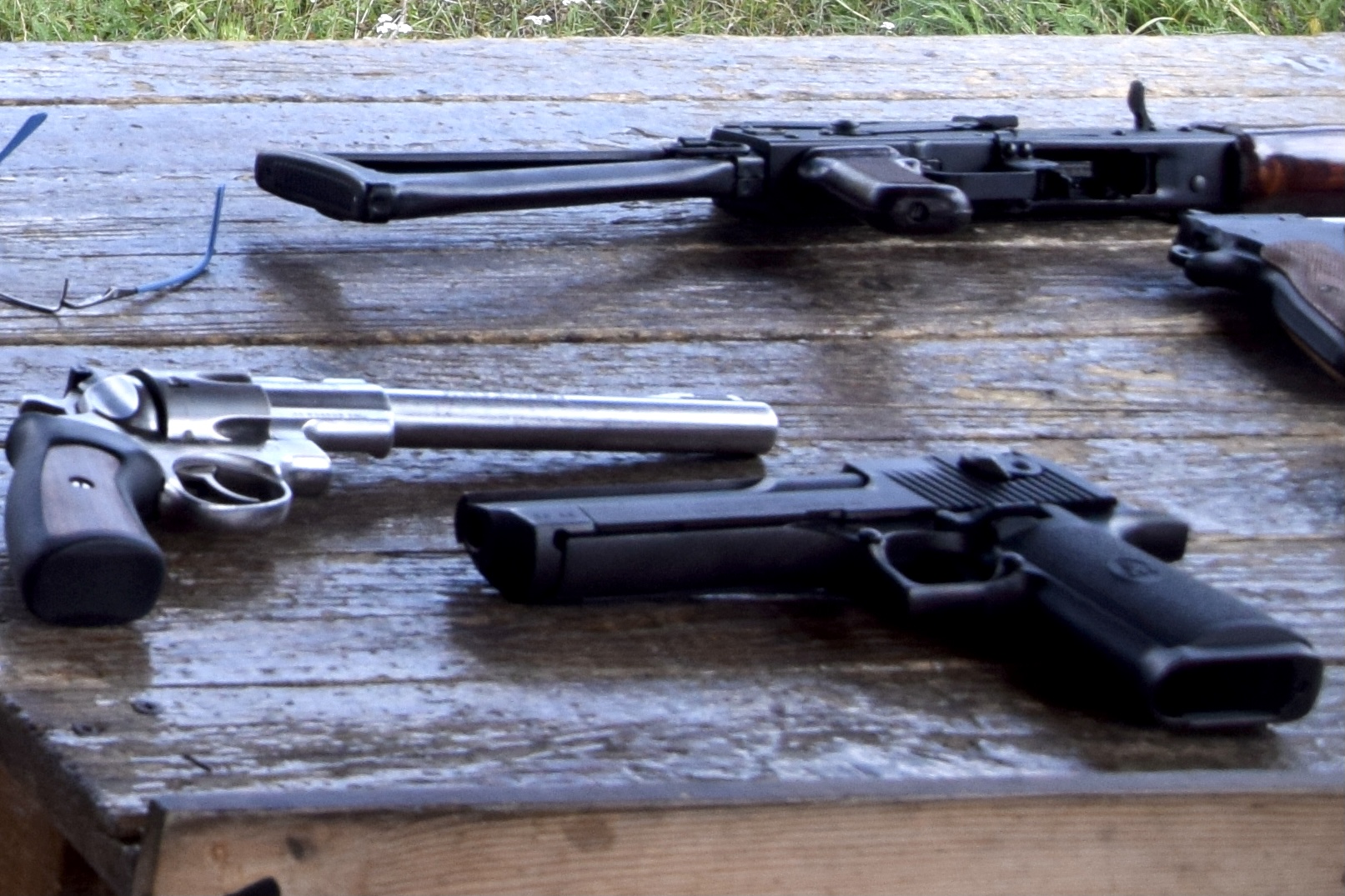
The Soviet AKS-74, introduced alongside the 5.45×39 mm AK-74 family in the 1970s, uses a side-folding stock made from stamped steel struts. Rather than hinging beneath the receiver, its slim frame swings alongside the rifle, leaving the underside clear. The design was intended to reduce the rifle’s length for airborne troops and other users who needed a more compact package. Its skeletal shape keeps material use modest, but offers a different shoulder feel from a broad wooden stock. This is a true folding design, not a telescoping one. Its frame folds flat.
2. Galil: A Tubular Side-Folding Stock
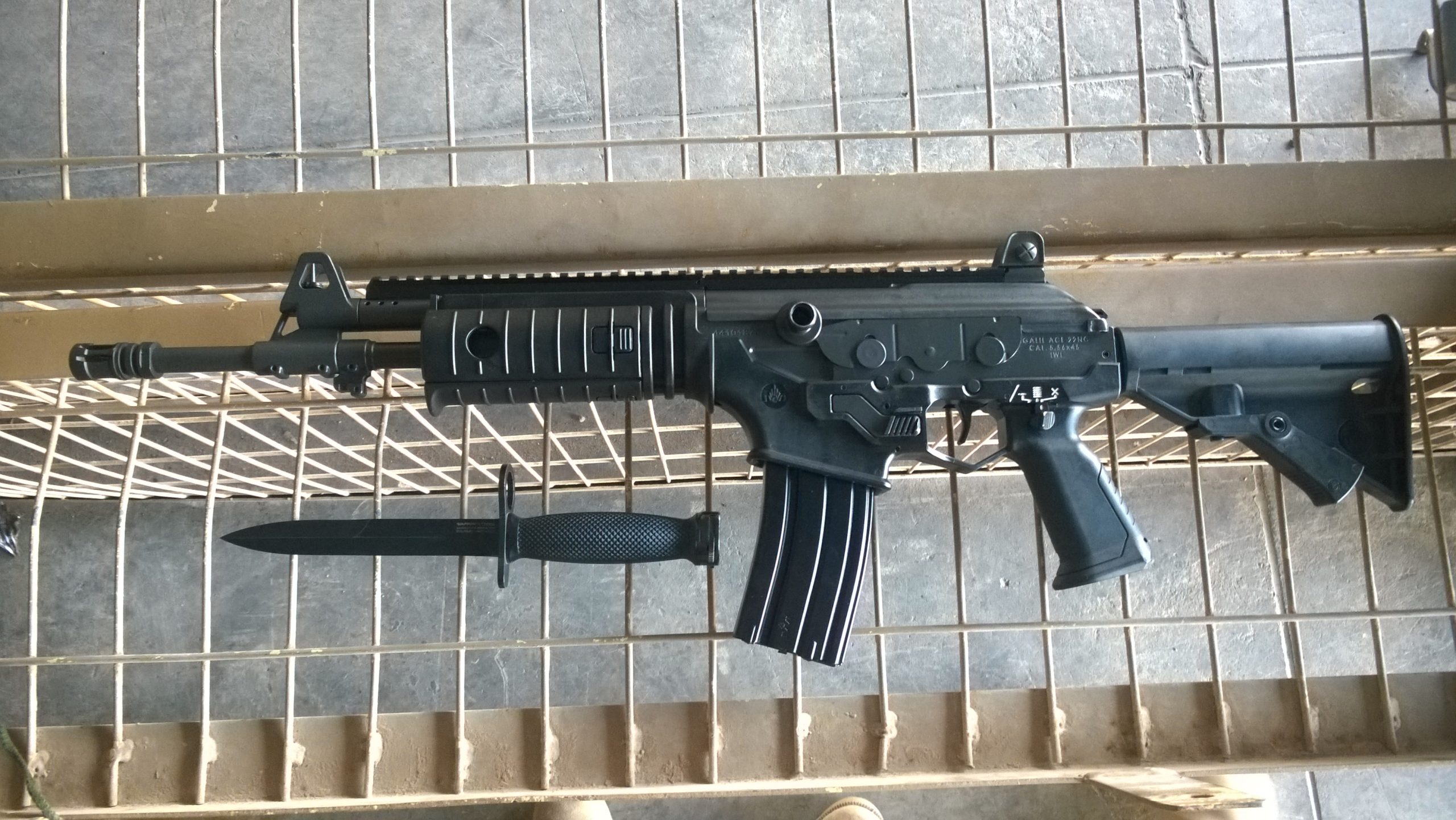
Israel’s Galil rifle adopted a side-folding stock with a distinctive tubular frame, influenced in part by earlier folding-stock designs such as the FN FAL. The stock pivots to the right side instead of sliding into itself, and its open framework looks markedly different from the AKS-74’s stamped-steel struts. In 5.56×45 mm NATO form, the standard Galil AR has a barrel about 460 mm long; folding the stock reduces its overall length from roughly 990 mm to 760 mm. Those figures vary by model, so they should not be applied to every Galil variant.
3. FN FAL Paratrooper: A Hinged Folding Stock
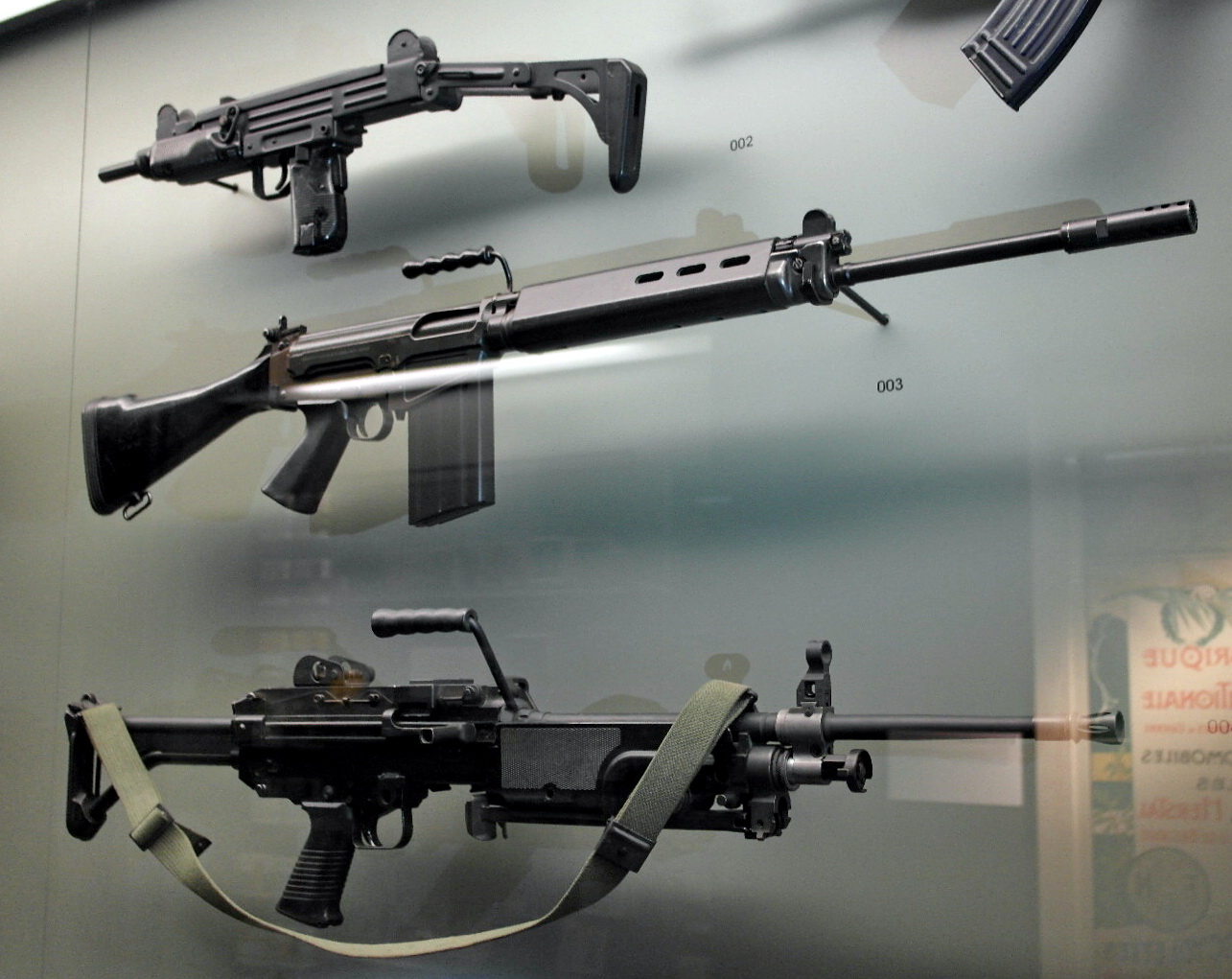
The FN FAL Paratrooper pattern pairs the familiar 7.62×51 mm NATO rifle with a stock that folds sideways on a hinge. Its compact arrangement was developed for airborne and vehicle-borne troops, where a full-length fixed stock could be awkward to stow. The folding assembly uses a metal frame rather than a sliding polymer body, so the change is a pivoting movement, not a collapse. FAL dimensions differ across barrel lengths and national versions, and published overall-length figures are not interchangeable. The key distinction is the side hinge and the stock’s separate locking joint.
4. vz. 58 V: An Understated Folding Frame

The Czech-designed vz. 58 V is the folding-stock counterpart to the standard vz. 58 P, which has a fixed wooden stock. Chambered for 7.62×39 mm, the V model was intended for users such as airborne troops and vehicle crews who benefited from a shorter stored profile. Its metal stock folds to the side on a hinge, giving it a narrow, angular silhouette rather than the tubular look of the Galil. Although it resembles an AK-pattern rifle at a glance, the vz. 58 has a distinct operating design. The stock mechanism is a genuine fold, not a telescoping adjustment.
5. SIG SG 550: A Polymer Stock That Folds

The Swiss SIG SG 550 family is known for a side-folding stock that combines a metal hinge with a substantial polymer body. Instead of collapsing along a tube, the stock swings alongside the receiver, creating a compact carry configuration while retaining a conventional shoulder piece when extended. The SG 550 uses 5.56×45 mm NATO ammunition and has a 20-inch-class barrel on the standard rifle, though measurements vary. Its stock looks more solid and contoured than the wire-like frames on some older service rifles. The defining feature remains the side pivot, not a sliding length adjustment.
6. FN SCAR: Folding and Telescoping Together
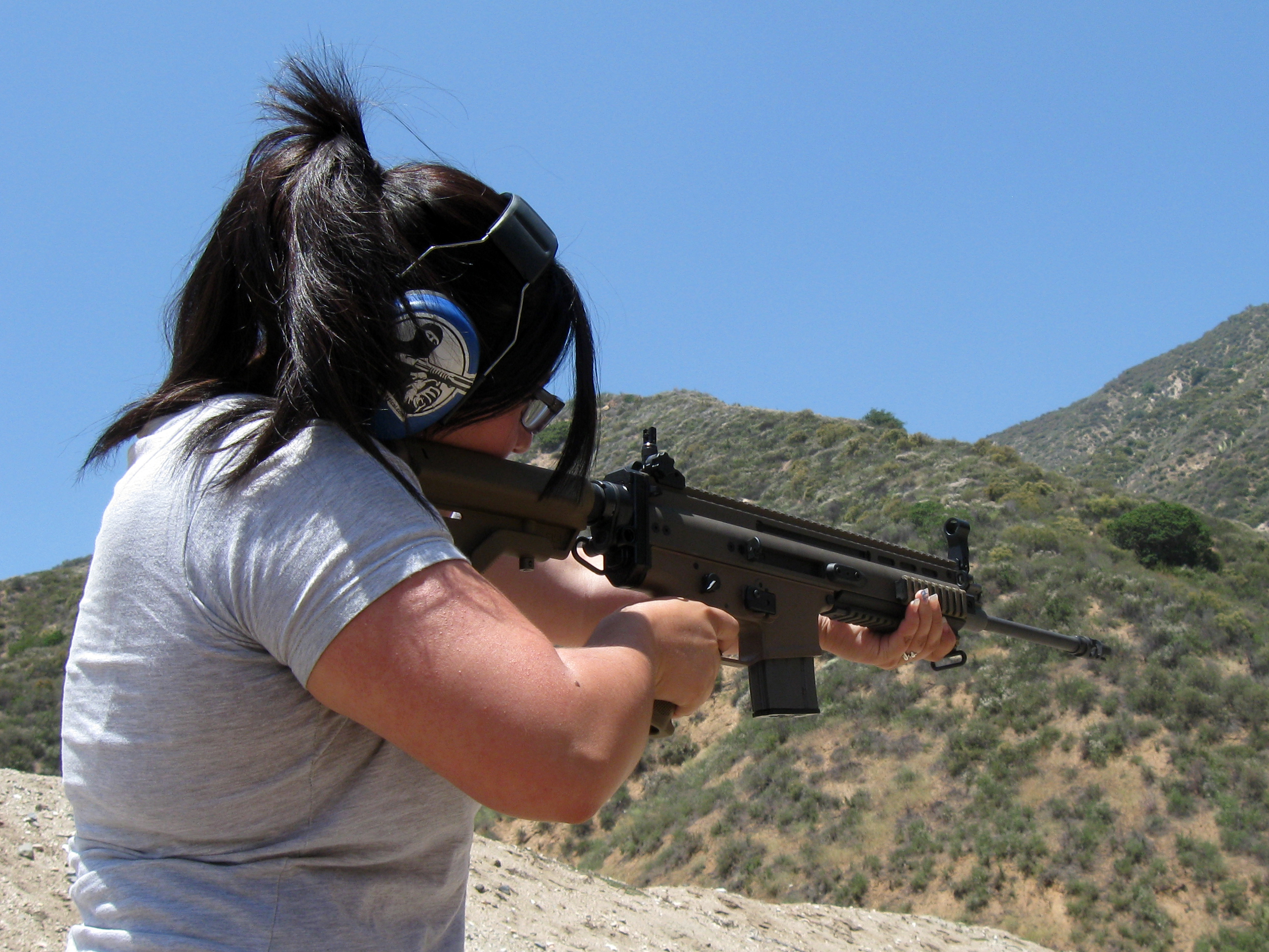
The FN SCAR family shows that a stock can combine mechanisms rather than fit a single category. Its standard adjustable stock can fold to the side and also telescope to change length, so “folding” and “collapsible” describe different actions on the same assembly. The SCAR 16 uses 5.56×45 mm NATO, while the SCAR 17 is chambered in 7.62×51 mm NATO; barrel and overall dimensions depend on the version. The design’s multiple adjustments distinguish it from a simple hinged stock. Because model specifications differ, figures for one SCAR variant should not be assumed for another.
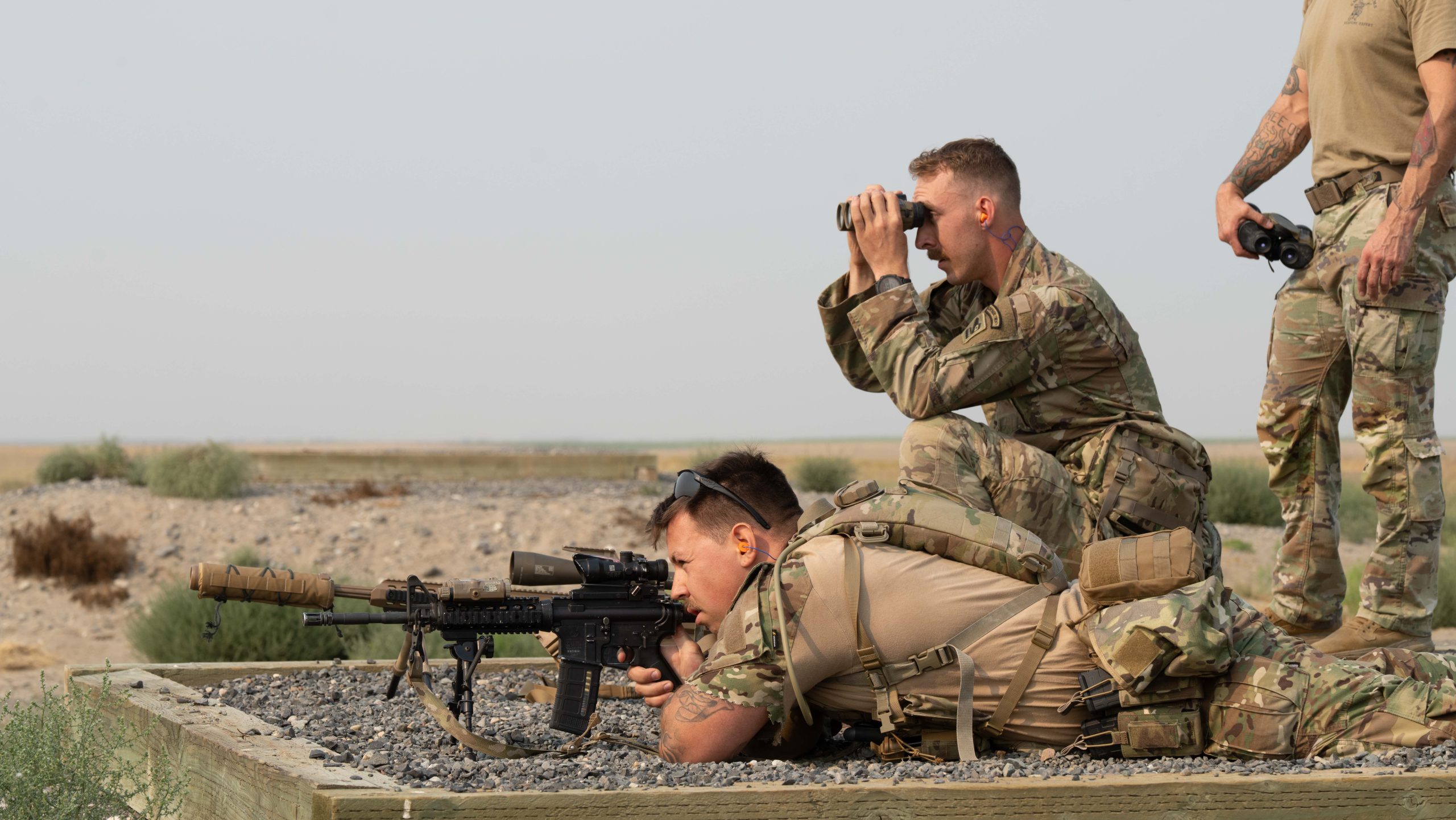
7. M4 Carbine: A Collapsing Stock, Not a Folding One

The M4 carbine provides a useful comparison because its familiar stock normally telescopes along a receiver extension rather than swinging on a hinge. The standard barrel is 14.5 inches, or about 368 mm, and the stock offers several length settings on common versions. Sliding it inward shortens the rifle’s overall length, but the stock remains aligned with the receiver; that makes it a collapsing or telescoping design, not a folding stock. Some aftermarket systems add a folding hinge, but that is a separate feature. This distinction matters when describing a rifle’s actual configuration.