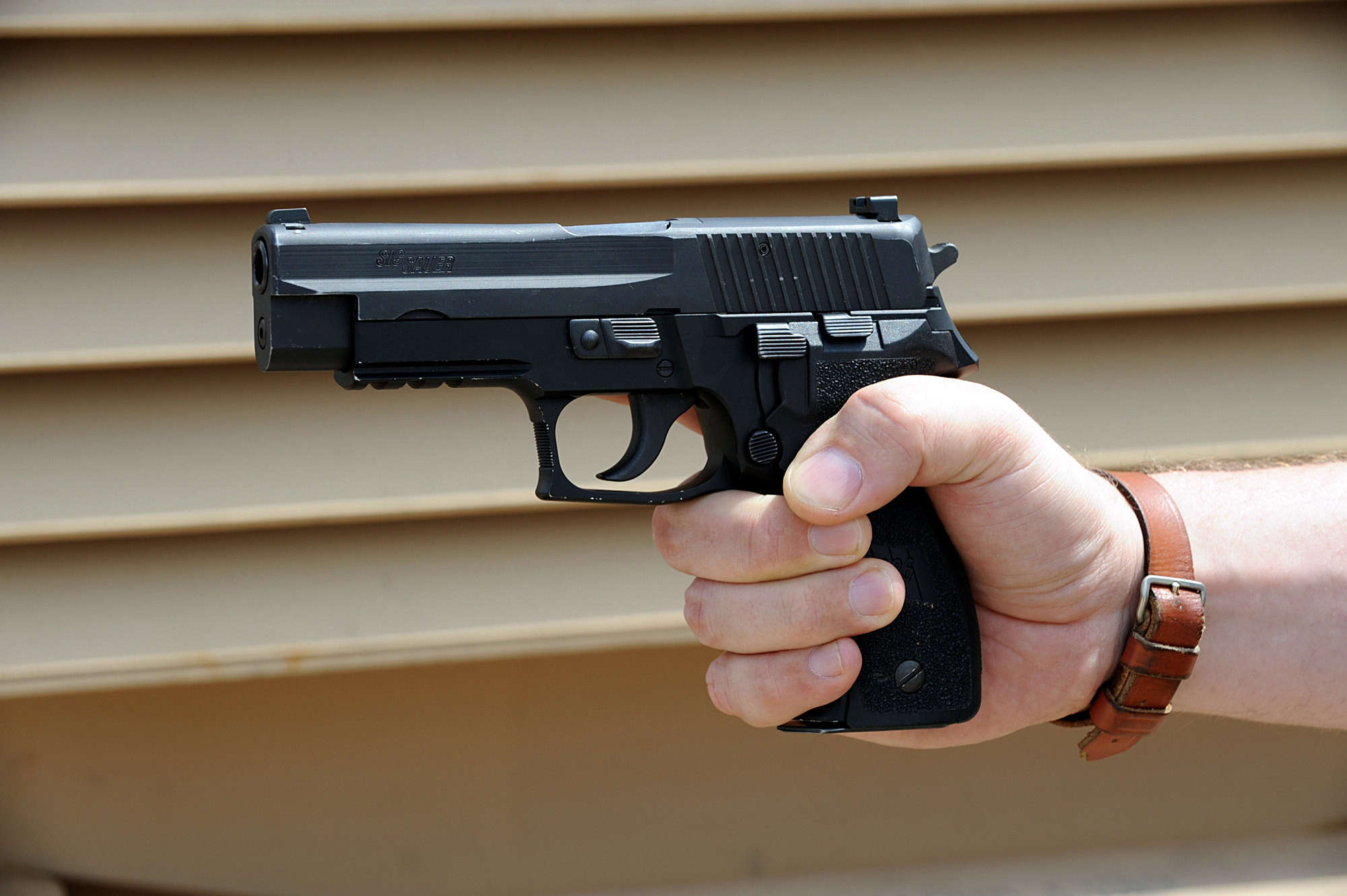
Hammer designs reveal how handgun manufacturers balance traditional mechanics, carry comfort, and trigger operation. Some pistols feature fully exposed hammers, while others use shortened, rounded, or concealed designs to reduce snagging or create a smoother exterior. However, appearance alone does not tell the whole story: a handgun with a hidden hammer may use a different internal mechanism from one with an exposed hammer. The 7 examples below illustrate these distinctions through recognizable models, focusing on their actual operating systems and the practical differences between their designs.
1. Colt Python: The Traditional Exposed Hammer
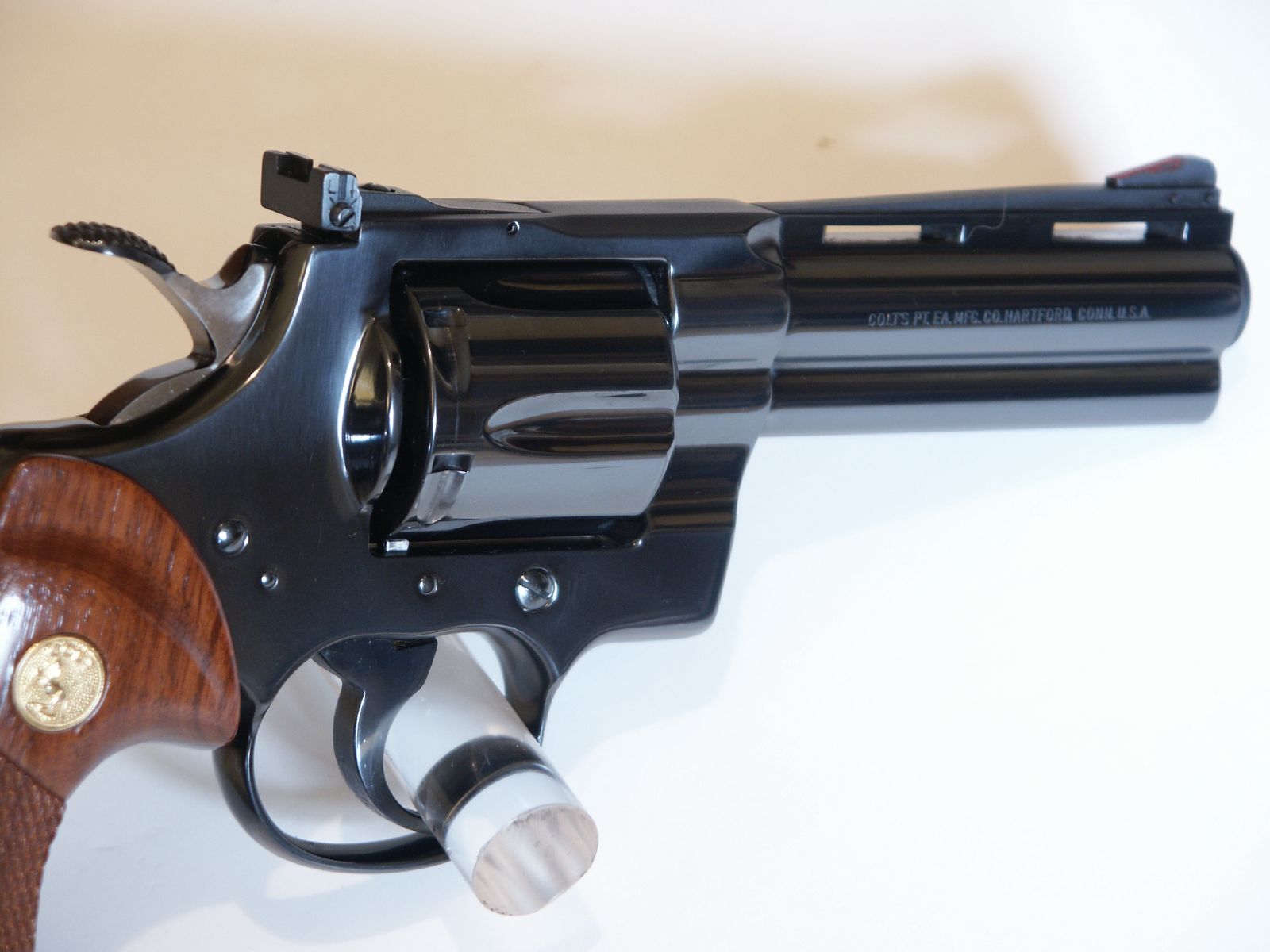
The Colt Python is a classic double-action/single-action revolver with a clearly exposed hammer spur at the rear of its frame. The shooter can operate the trigger in double-action mode or manually cock the hammer for a single-action shot. Its visible hammer makes the mechanism easy to identify, while the revolver’s 6-round cylinder and traditional profile reflect its sporting and service-revolver heritage. The exposed design is distinctive, but it can catch on clothing more readily than a fully enclosed hammer in some carry situations. Its classic outline remains instantly recognizable.
2. Colt Government Model 1911: The Spur Hammer
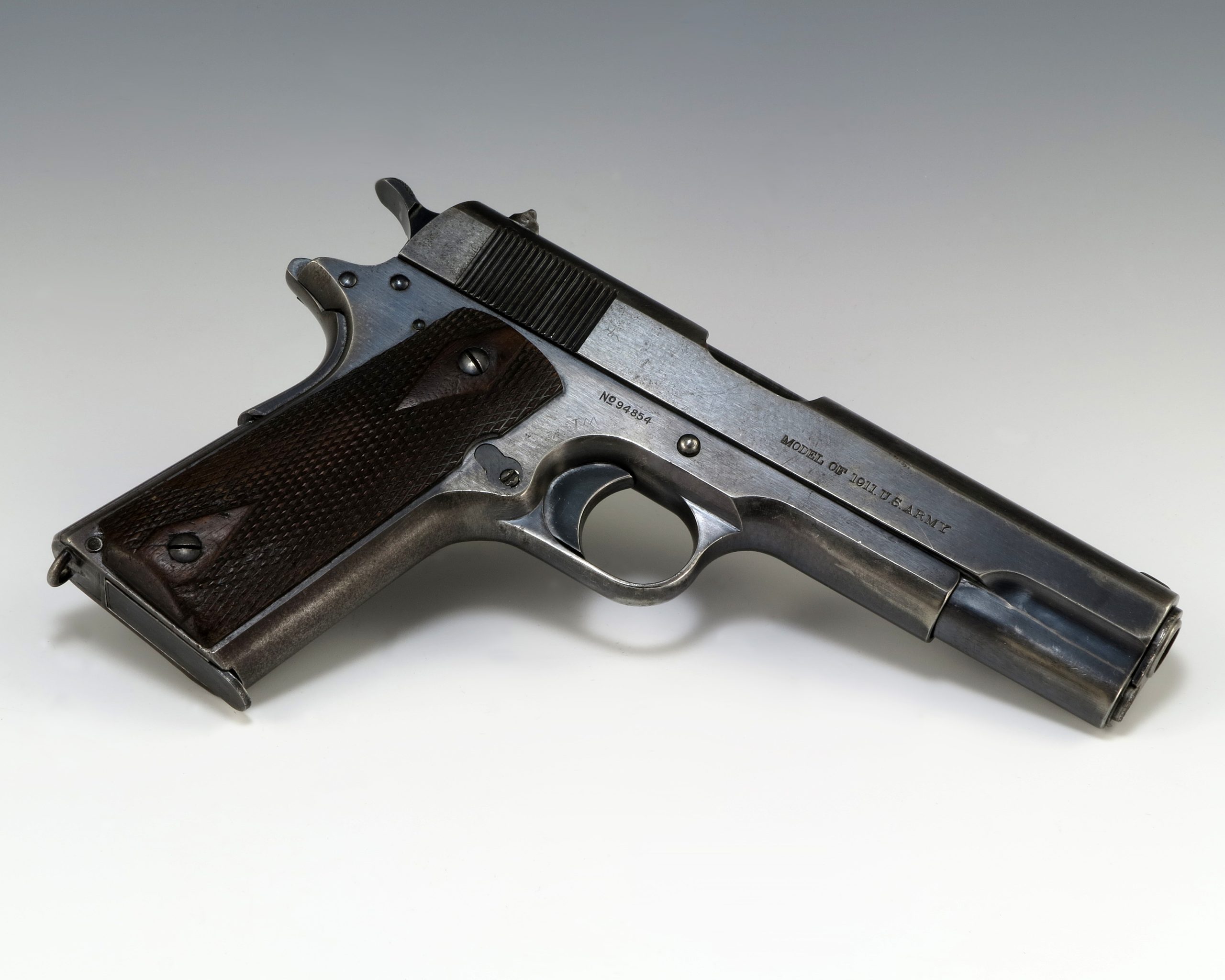
The Colt Government Model 1911 uses an exposed, spur-style hammer and a single-action trigger system. Its hammer must be cocked before the pistol can fire, and the familiar design is closely associated with the platform’s long history. Standard examples commonly use a 7- or 8-round magazine, depending on caliber and configuration. The hammer’s shape and position are easy to see, unlike concealed systems, but this classic layout also means the pistol’s controls and safe handling procedures differ from double-action handguns. It remains a defining feature of the traditional 1911 design.
3. Beretta 92FS: The Exposed Hammer on a Service Pistol
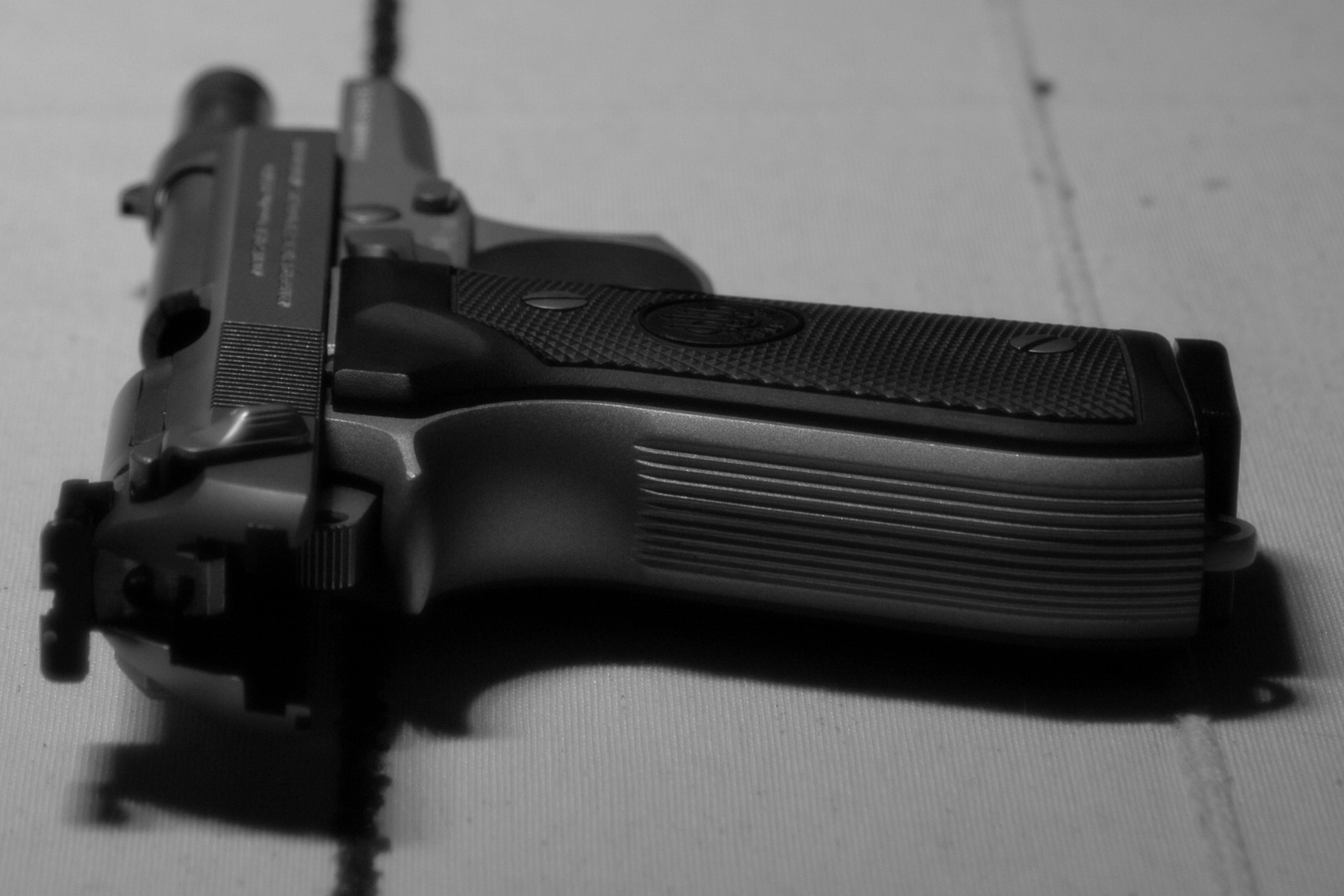
The Beretta 92FS pairs an exposed hammer with a double-action/single-action operating system. The first trigger pull can cock and release the hammer, while subsequent shots operate in single-action mode until the hammer is lowered again. In its common 9×19 mm configuration, the pistol has a 15-round magazine, although capacity varies by market and version. Its broad hammer profile makes the mechanism obvious at a glance, illustrating how an exposed hammer can coexist with a modern service-pistol design. The model also demonstrates that a traditional hammer need not mean an old-fashioned overall design.
4. Taurus Model 605: Exposed and Bobbed Hammer Variants
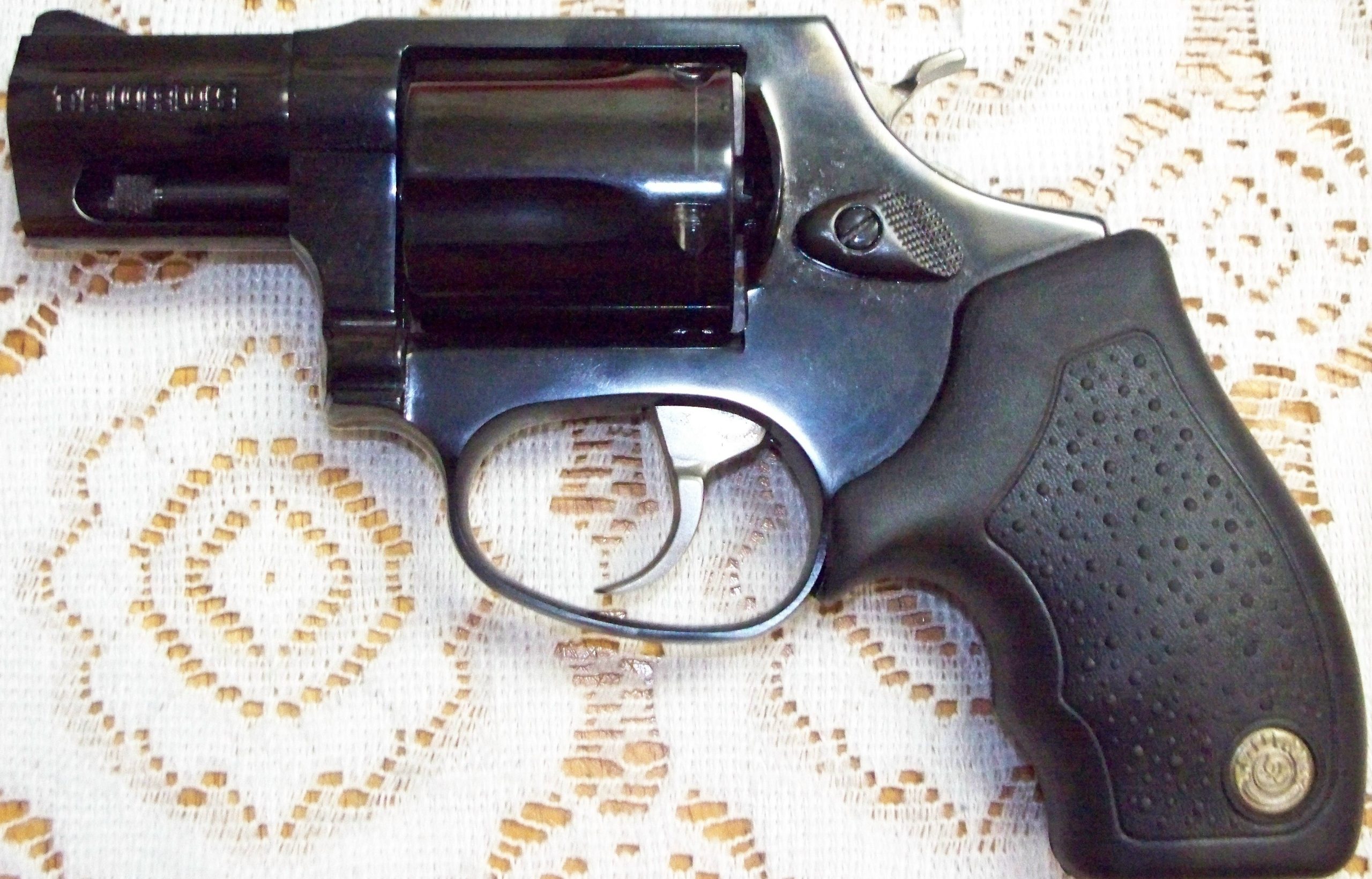
The Taurus Model 605 illustrates how the same revolver family can feature different hammer configurations. This five-shot revolver is chambered in .357 Magnum and also accommodates .38 Special ammunition in compatible versions. Some variants feature a conventional exposed hammer that supports double-action and single-action operation, while others use a bobbed hammer and double-action-only mechanism. A bobbed hammer has a shortened or absent external spur, unlike a concealed hammer, which sits entirely inside the frame. The Model 605 therefore provides a useful comparison of visible and shortened hammer designs, although the exact configuration must be confirmed for the particular version being discussed.
5. Smith & Wesson Model 642 Airweight: The Internal Hammer
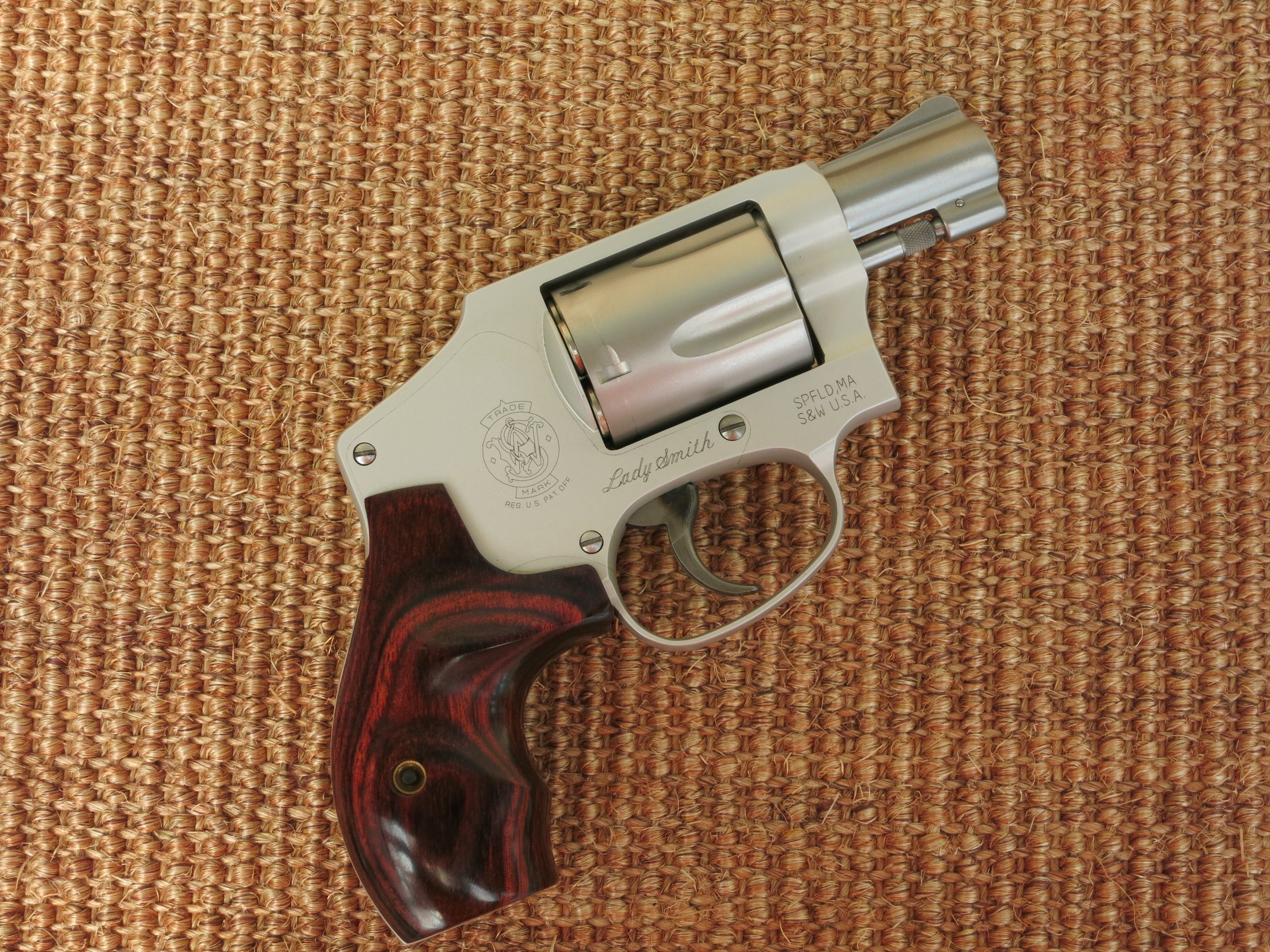
The Smith & Wesson Model 642 Airweight has an internal hammer, giving the revolver a smooth rear profile without an external hammer spur. It operates in double-action-only mode, so the trigger both cocks and releases the hammer mechanism. The lightweight 5-shot revolver is chambered for .38 Special, with ammunition compatibility depending on the exact version. Because the hammer cannot be thumb-cocked externally, its design prioritizes a snag-resistant outline rather than offering the exposed-hammer option found on many traditional revolvers. Its enclosed mechanism creates a distinctly different exterior.
6. Ruger LCR: The Modern Concealed Hammer
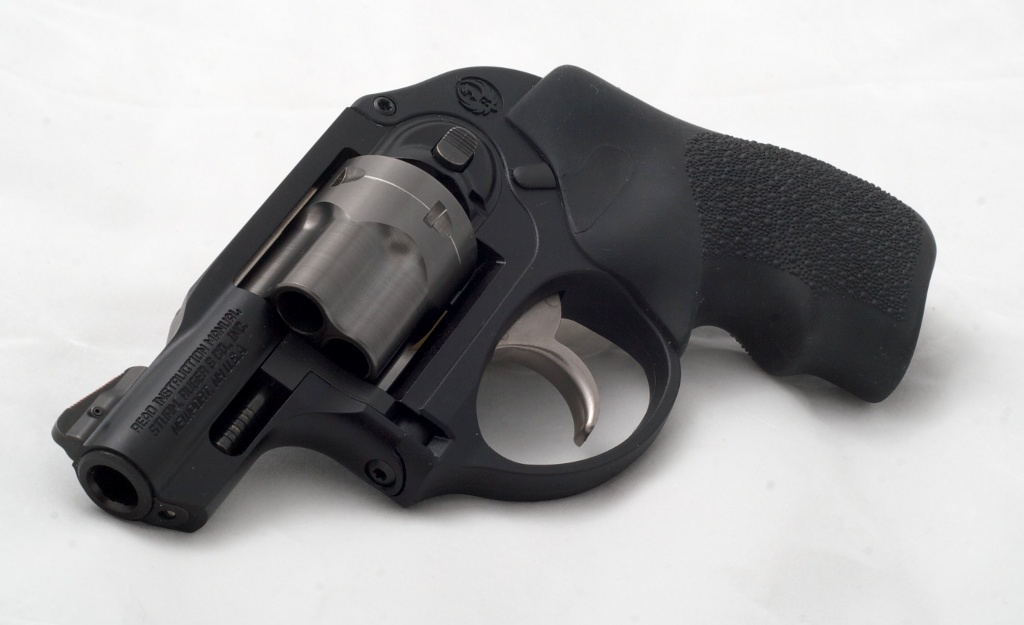
The Ruger LCR uses an internal hammer and a double-action-only trigger, giving it a rounded, snag-resistant exterior. Its polymer-and-metal construction varies by caliber, and common versions hold 5 rounds, though capacity differs across the LCR family. Since there is no external hammer spur, the model illustrates a modern concealed-hammer approach rather than a bobbed hammer, which is a shortened external hammer. The distinction matters: the LCR’s hammer is hidden within the frame, not simply trimmed down for a lower profile. This makes it a useful example of a different mechanical approach.
7. SIG Sauer P226: The Exposed Hammer on a Modern Semiautomatic
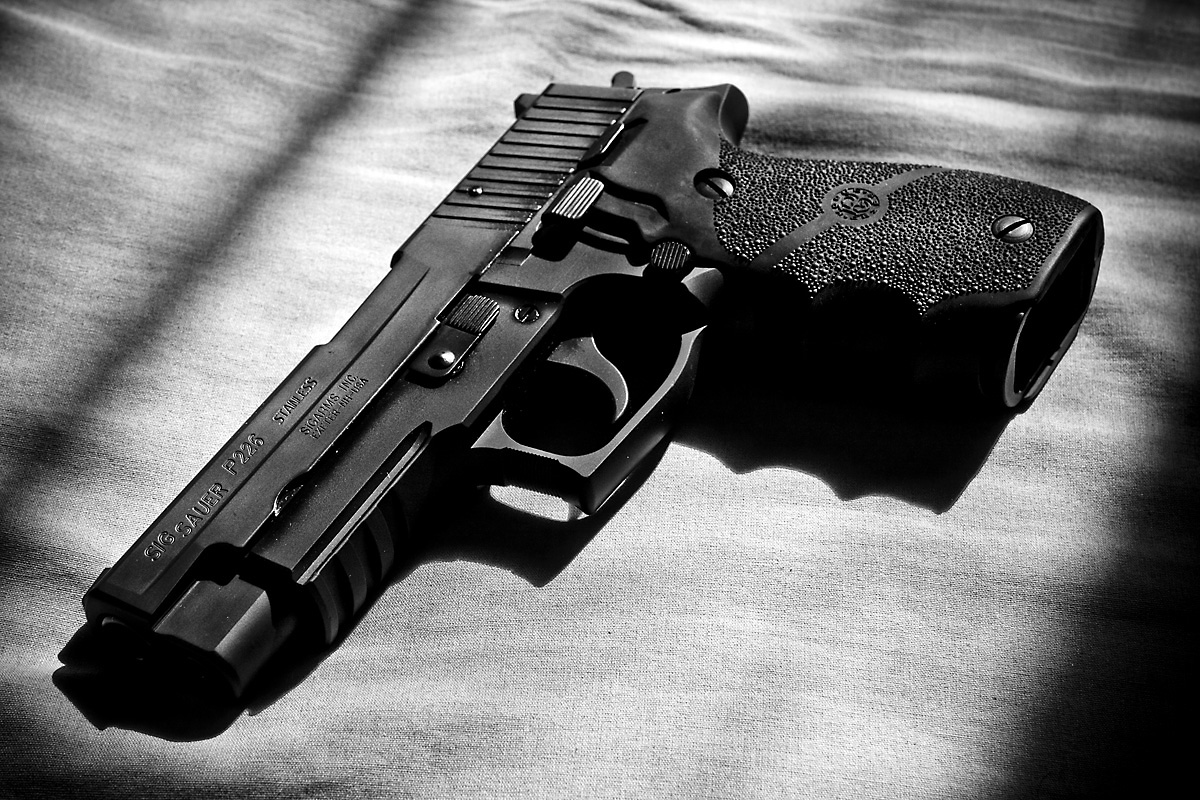
The SIG Sauer P226 is a full-size semiautomatic pistol with an exposed hammer and a traditional double-action/single-action system in common versions. The first shot can be fired with a longer double-action trigger pull; later shots use the single-action mode. Many 9 mm variants use a 15-round magazine, but capacity and controls differ by generation and market. Its external hammer provides a clear contrast with striker-fired pistols, which do not use a conventional hammer at all, even when their slides have similar outlines. The P226 shows how exposed-hammer systems remain relevant in modern pistol designs.