Buying a first firearm can feel straightforward until you step into a gun store and realize how many choices, opinions, and pressures are in play. New buyers often focus on the purchase itself while missing the small decisions that shape safety, comfort, and long-term satisfaction. This gallery breaks down the most common gun store mistakes first-time buyers make so you can shop with more confidence and fewer regrets.
Walking In Without Research
A lot of first-time buyers arrive at the counter hoping to figure everything out on the spot. That sounds harmless, but it often leaves you vulnerable to information overload, brand hype, or buying whatever happens to be most visible in the case that day.
Even a little prep goes a long way. Knowing the basic differences between handgun types, calibers, intended uses, and local rules helps you ask better questions and filter out noise. The goal is not to become an expert before you shop. It is to avoid making a permanent purchase based on a temporary feeling.
Letting the Sales Pitch Decide Everything
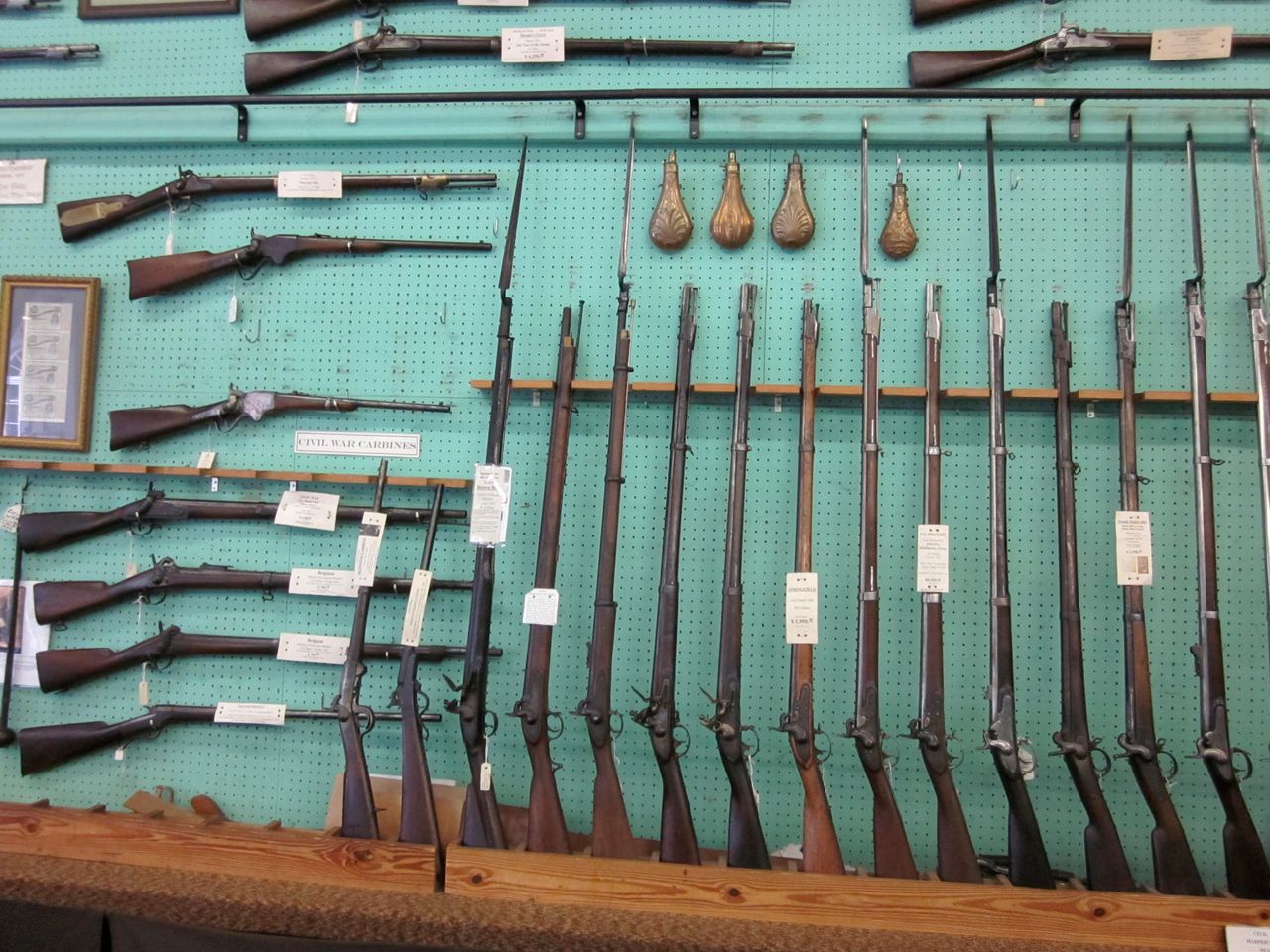
Most gun store employees know a lot, and many genuinely want to help. But first-time buyers can make the mistake of treating every recommendation like a perfect fit, even when the advice may reflect store inventory, personal preference, or what sells fastest.
A good salesperson can explain options, tradeoffs, and handling differences. A smart buyer still pauses, compares, and asks why one model is being suggested over another. If the conversation feels rushed or one-sided, it is okay to step back. The best purchase usually comes from a clear decision, not a persuasive moment at the counter.
Choosing a Gun That Does Not Fit Your Hand
Fit is one of the most overlooked parts of a first firearm purchase. A gun can look great online or have a strong reputation, but if the grip feels awkward, the controls are hard to reach, or the weight seems off, that mismatch will matter every time you handle it.
Comfort is not just about preference. It affects control, confidence, and how consistently you can operate the firearm safely. First-time buyers sometimes chase popularity instead of ergonomics, then end up with something they rarely practice with. Handling several models in person can reveal quickly what actually works for your hand size and strength.
Buying for Image Instead of Intended Use
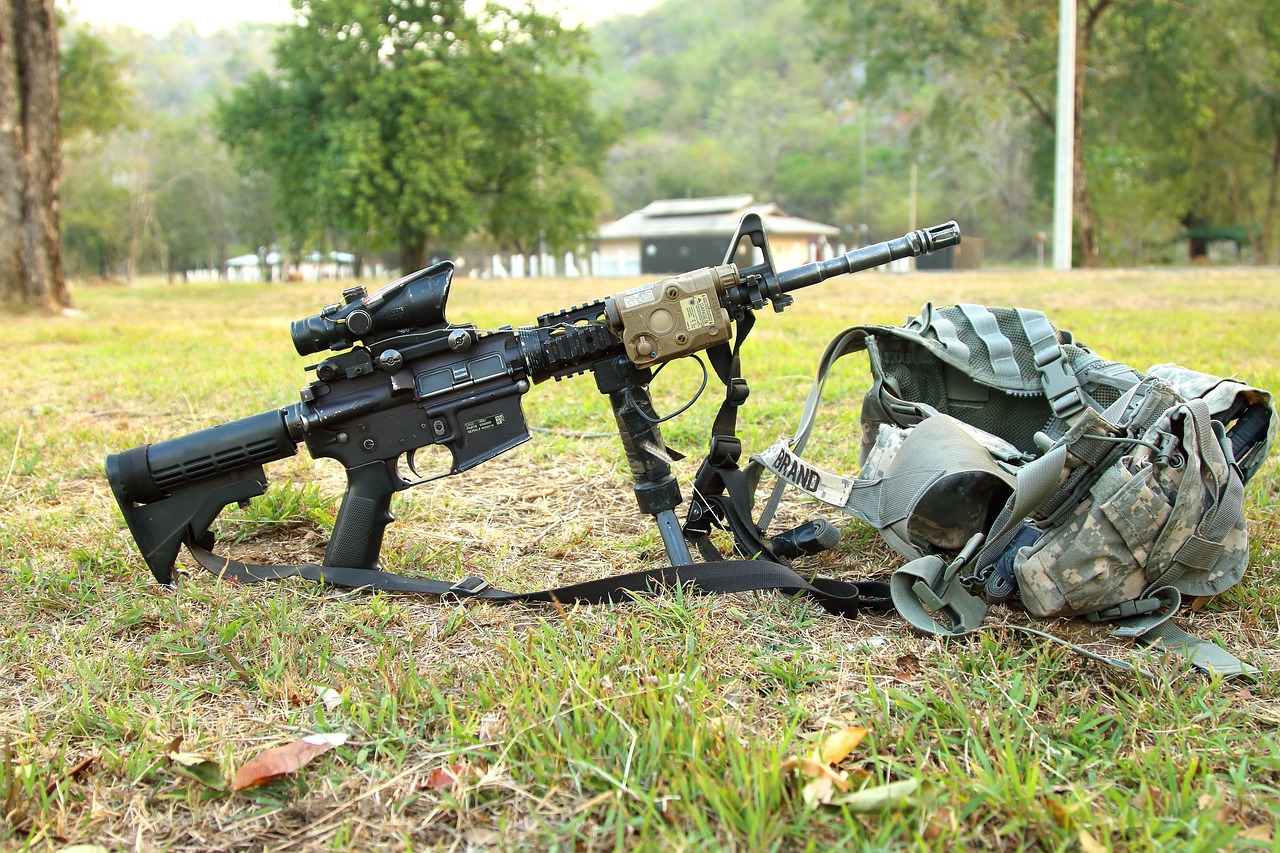
It is easy to be drawn to a firearm that looks impressive, feels powerful, or carries a certain reputation. But a first purchase should match what you realistically need, whether that is home defense, sport shooting, or learning the basics at the range.
When buyers choose for style first, they often end up with something harder to shoot well, more expensive to feed, or less practical for regular practice. The better question is not what seems coolest in the display case. It is what you will be comfortable training with, storing responsibly, and using as intended over time.
Ignoring Ammunition Cost and Availability

The sticker price on the firearm is only part of the story. New buyers sometimes pick a model in a caliber they have barely researched, then discover later that ammunition is pricey, hard to find locally, or simply not ideal for frequent practice.
That matters because skill comes from repetition. If ammo cost makes you hesitate to train, the gun may spend more time locked away than helping you build confidence. Asking about common calibers, local supply, and typical range costs can save frustration later. A more affordable round often means more trigger time, which is usually the better investment for a beginner.
Forgetting the Real Budget Includes More Than the Gun
A first-time buyer may focus so closely on the firearm price that everything else feels secondary. Then the extras begin to add up: safe storage, eye and ear protection, range fees, cleaning supplies, magazines, ammunition, and possibly training classes.
This is one of the easiest ways to overspend or make compromises in the wrong place. Buying the gun but skipping secure storage or delaying practice gear creates an incomplete setup from day one. A smarter approach is to think of the purchase as a full package. The gun is central, but responsible ownership starts with everything around it, too.
Rushing Through the Paperwork and Store Policies

The administrative side of buying a firearm can feel boring compared with handling models in the case, but it deserves close attention. First-time buyers sometimes skim forms, misunderstand waiting periods, or fail to ask about store return policies, transfer procedures, or pickup requirements.
That can create stress after the excitement fades. Small misunderstandings may delay the purchase, complicate the transaction, or leave buyers surprised by rules they assumed worked differently. Taking a few extra minutes to read carefully and ask direct questions is not being difficult. It is part of making a careful, lawful purchase you fully understand.
Not Asking About Training Before Buying
Many new buyers think training comes after the purchase, if it happens at all. In reality, asking about beginner classes, range instruction, and local safety courses before buying can shape a much better decision at the store.
A model that seems manageable in your hand may feel very different once live fire enters the picture. Training also clarifies what features matter and what is just marketing noise. Stores that support education often have useful recommendations, and even a brief conversation about classes can reveal whether you are buying with a realistic plan. Confidence grows faster when instruction is part of the purchase mindset.
Overlooking Safe Storage From the Start
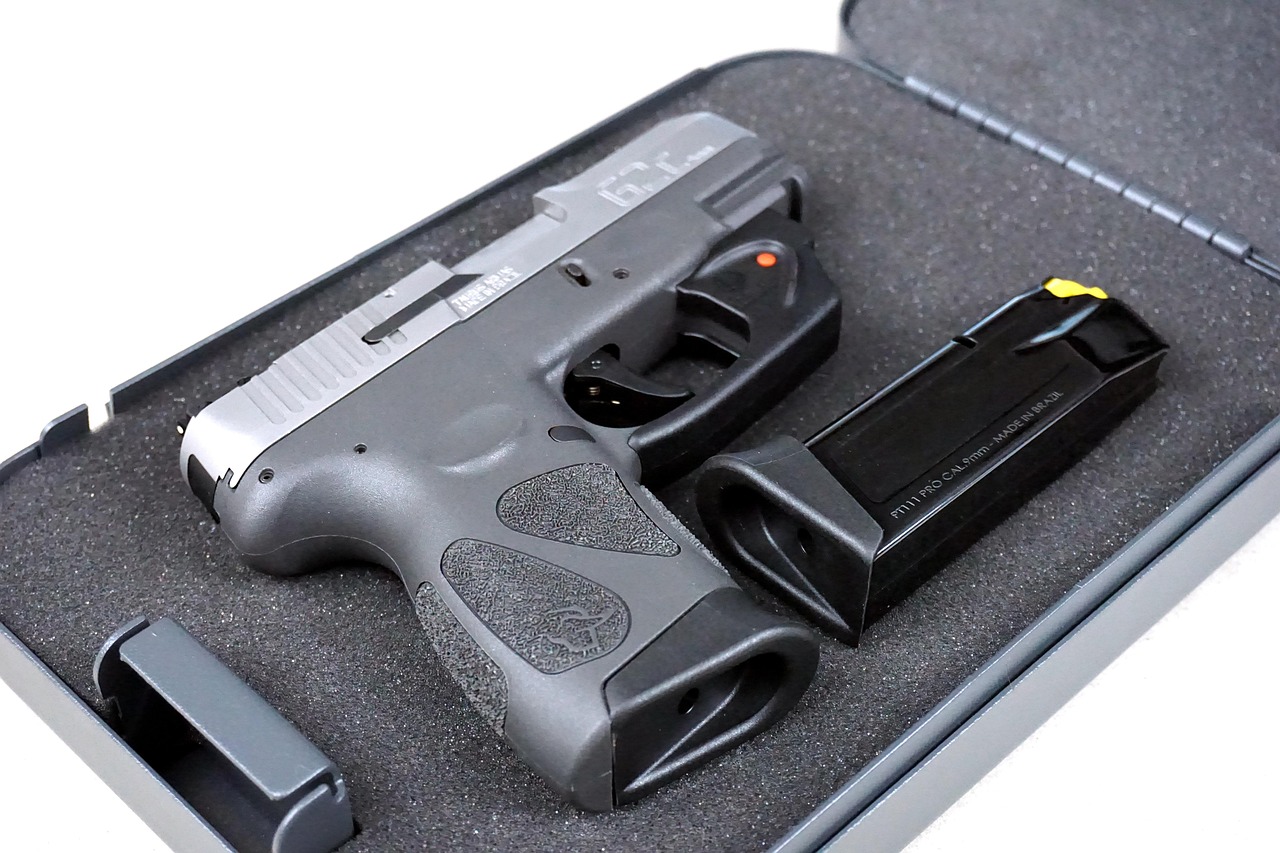
Safe storage is not something to figure out later after the box is already home. First-time buyers sometimes treat it like an accessory purchase, but it is really a core part of ownership, especially in homes with children, guests, or roommates.
The right storage solution depends on your living situation, access needs, and budget, but the key is planning before the sale is complete. Asking about safes, lockboxes, and transport options at the store helps connect the purchase to real daily responsibility. A firearm should never arrive home without a clear answer for where it will be secured.