Shotguns haven’t disappeared, but some kinds that once felt essential now sit overlooked on store racks, auction tables, and used-gun listings. Tastes have shifted toward lighter builds, softer recoil, easier optics mounting, and all-around versatility. This gallery looks at eight shotguns that barely sell anymore, and the mix of design trends, hunting habits, and buyer preferences that pushed them to the margins.
Heavy 10-Gauge Waterfowl Shotguns
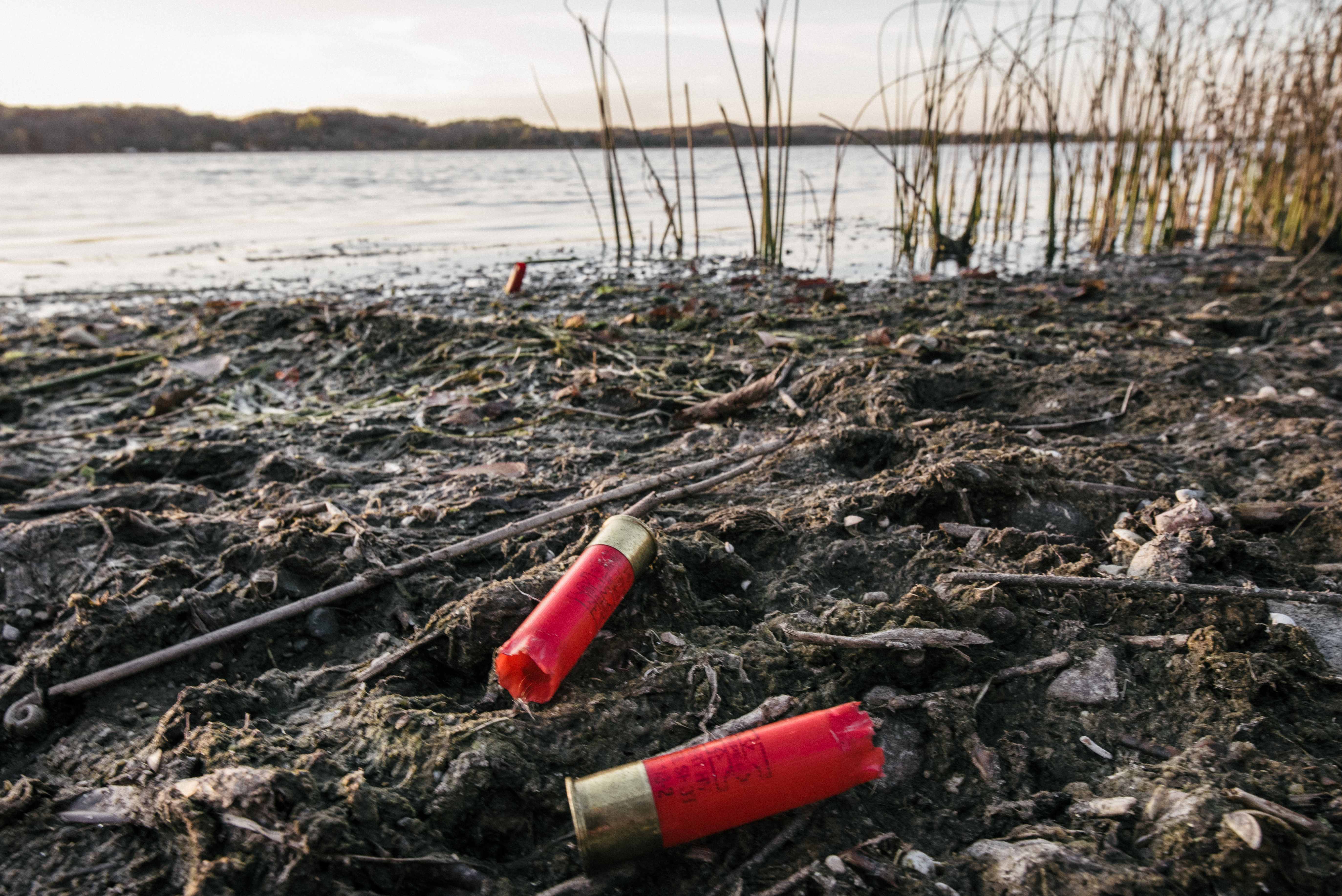
There was a time when the 10-gauge had real bragging rights. Waterfowl hunters liked the extra payload, and a big, long-barreled shotgun projected seriousness in duck blinds across North America. Today, though, that size and weight feel more like penalties than advantages.
Modern 12-gauge loads narrowed the performance gap so much that many hunters stopped seeing a reason to carry a heavier gun. Add pricier ammunition, fewer choices on dealer shelves, and a smaller pool of buyers, and the 10-gauge became a niche tool instead of a mainstream pick.
For most people, “good enough” in a lighter 12-gauge won the argument. The result is a category that still has dedicated fans, but barely moves compared with what it once did.
Single-Shot Break-Action Field Guns
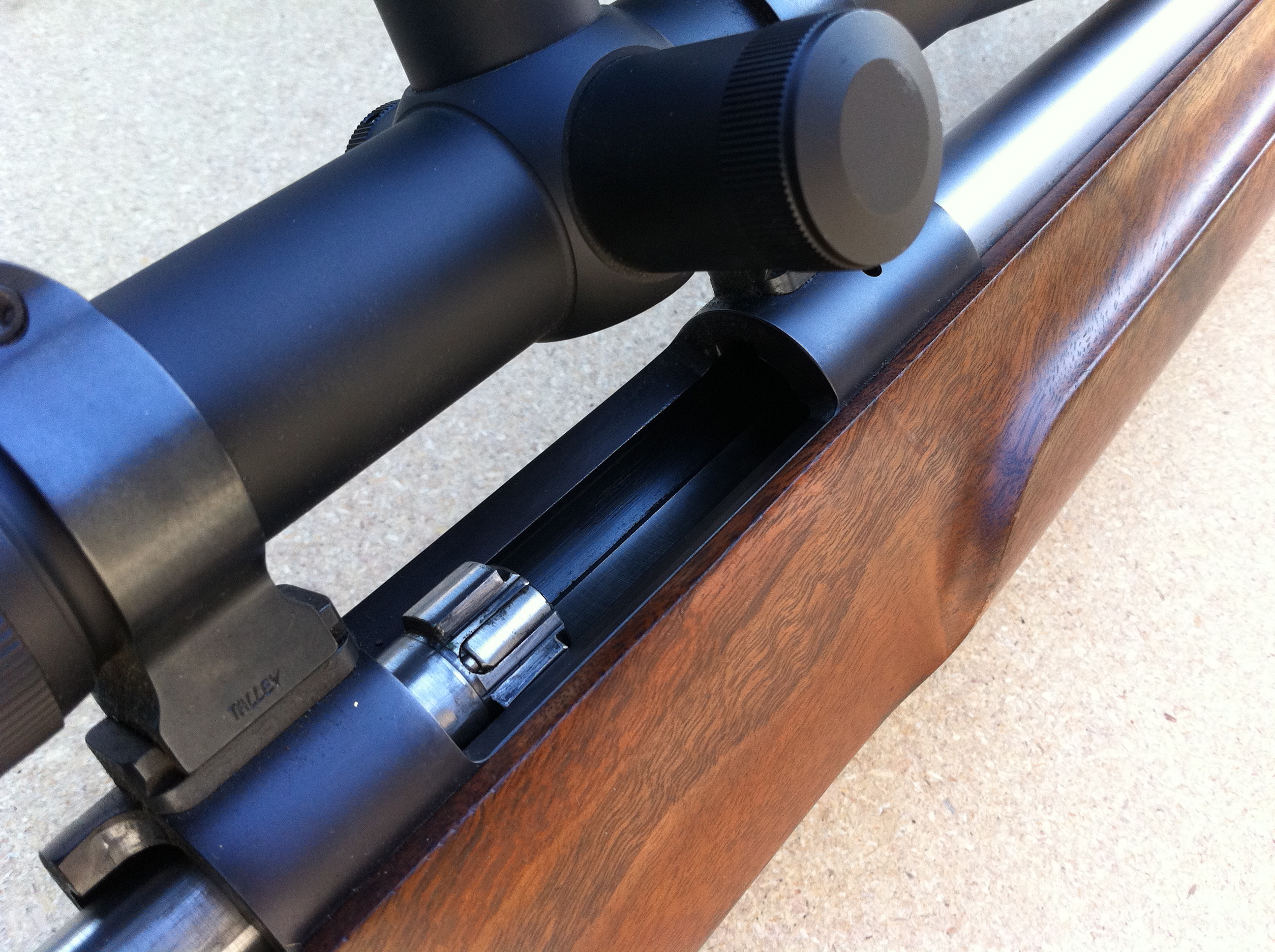
The humble single-shot shotgun used to be everywhere. It was affordable, simple to maintain, and often served as a first hunting gun for generations of new shooters. In rural households, it represented practicality more than prestige.
That practicality now runs into a market full of inexpensive pumps and budget semi-automatics that offer faster follow-up shots and broader appeal. Many buyers simply don’t want to explain away the limitations of one shell at a time, even if the design is wonderfully straightforward.
Single-shots still make sense for certain teaching roles and minimalist hunting styles. But in sales terms, they have become a hard sell, respected, yes, yet usually passed over for something more flexible.
Fixed-Full-Choke Trap Guns

Dedicated trap guns with fixed full chokes once made perfect sense. Buyers often wanted a shotgun built for one job and one job only, and the old formula delivered exactly that, long sighting planes, deliberate handling, and a pattern tuned for clay targets moving away.
The problem is that today’s shooters tend to expect more versatility. Interchangeable choke systems let one gun cover trap, sporting clays, and even some field use without much fuss. A fixed full choke, however effective in its lane, can feel like a commitment modern buyers would rather avoid.
That shift doesn’t mean these guns stopped working. It means the market changed around them, leaving highly specialized models admired by traditionalists but ignored by shoppers who want one shotgun to do nearly everything.
Long-Barreled Goose Guns from the Lead-Shot Era

Extra-long goose guns built for an older era have lost much of their audience. These shotguns were shaped by a time when long barrels, heavy frames, and old ammunition habits defined what hunters expected in the marsh. They looked purposeful because they were.
But steel and other modern non-toxic loads changed the conversation, and so did improved shell technology. Hunters no longer needed the same kind of oversized platform to feel effective in the field. Lighter guns with better handling became easier to justify, especially for people walking long distances or hunting all day.
Today, those old goose guns carry a distinct visual charm, and plenty of nostalgia. Sales-wise, though, they appeal mostly to collectors and a narrow set of hunters who still love the old-school feel.
Black-Powder Style Shotguns for Casual Buyers

Muzzleloading and black-powder style shotguns occupy an unusual place in the market. They offer history, ceremony, and a slower kind of shooting experience that some enthusiasts genuinely enjoy. For the average buyer, though, that charm often fades when cleaning, loading time, and limited convenience come into the picture.
Modern consumers tend to favor gear that works with minimal fuss. A shotgun that asks for specialized components, extra maintenance, and more patience can feel like a hobby within a hobby. That is exciting for devotees, but it narrows the customer base dramatically.
These guns still attract reenactors, traditional hunters, and historical firearms fans. Outside that world, however, they barely sell, not because they lack character, but because convenience usually wins.
Older Side-by-Side Utility Doubles

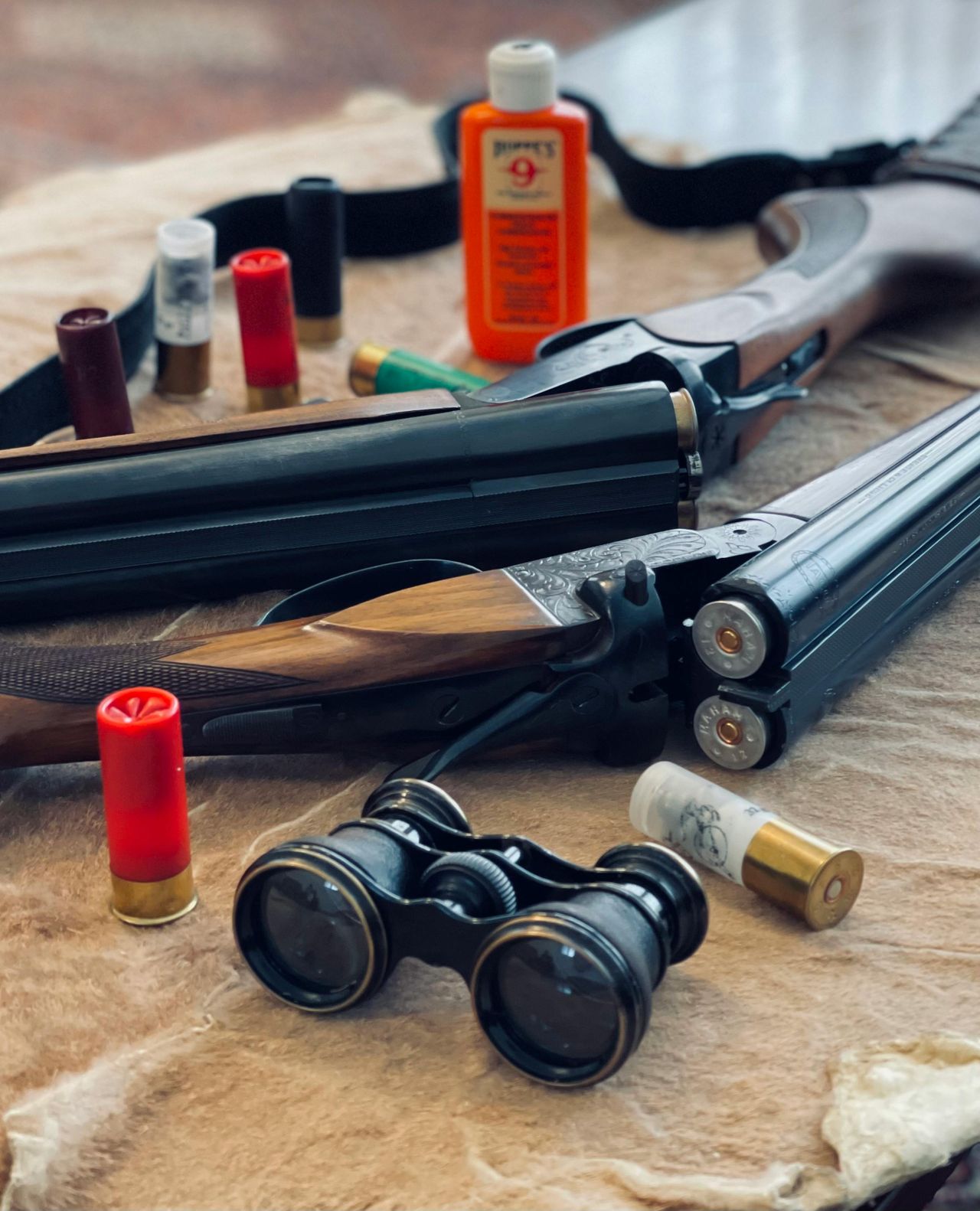
For decades, the side-by-side was the everyday double gun. It rode in trucks, guarded fence lines, and handled birds, rabbits, and chores with unfussy confidence. In its basic utility form, it was once as normal as boots by the back door.
Now, many buyers see older utility doubles as either too old-fashioned or too compromised compared with over-unders and pumps. Some have short chambers, fixed chokes, or stock dimensions that feel awkward to contemporary shooters. Others simply don’t match today’s taste for optics compatibility and interchangeable parts.
Collectors still appreciate the form, and plenty of hunters love the balance and quick feel. But among mainstream buyers, the plain side-by-side has become a sentimental choice more than a hot-selling one.
Early Tactical Shotguns with Limited Features

The first wave of tactical-style shotguns once looked cutting-edge. Extended magazines, matte finishes, and defensive branding gave them a modern edge that appealed to buyers who wanted something more aggressive than a traditional field gun. For a while, that formula sold on image alone.
Then the market matured. Newer defensive shotguns arrived with better ergonomics, improved sights, optics rails, accessory support, and more refined recoil management. Suddenly, the older tactical models felt basic rather than advanced, especially when compared side by side at the gun counter.
That leaves many early tactical shotguns in an awkward middle ground. They are not old enough to feel truly collectible and not modern enough to feel exciting, which is a tough place to be when buyers expect more features for the money.
Commemorative and Collector-Branded Hunting Shotguns

Commemorative shotguns promised to turn a practical firearm into a keepsake. Gold-tone accents, engraved receivers, branded medallions, and special-edition markings were meant to add emotional pull and perceived value. For certain buyers, that combination once felt gift-worthy and distinctive.
The resale market, however, can be much less sentimental. Unless the gun is tied to a truly rare maker, notable event, or highly sought-after configuration, many commemoratives don’t command the premium owners expect. Buyers often prefer a cleaner standard model they can actually use without worrying about decorative wear.
That mismatch between original marketing and current demand hurts sales. These shotguns still catch the eye in display cases, but many linger there, admired briefly and then left behind for more practical choices.