Where you carry a handgun affects comfort, concealment, access, and safety far more than most new carriers expect. This gallery breaks down nine common positions in plain language, including the one many people get wrong because they copy trends instead of considering body type, wardrobe, and daily movement. The goal isn’t to crown a universal winner, but to explain why the best choice is always personal and situational.
Appendix Inside the Waistband

Appendix carry places the handgun inside the waistband at the front of the body, usually around the 12 to 2 o’clock area. It has become hugely popular because it often offers quick access, strong concealment under a simple shirt, and good retention when you are standing or moving through a crowd.
It is also the position most people get wrong. They assume the trend itself makes it ideal, then ignore holster quality, trigger protection, body shape, and comfort while sitting or driving. For some people, it works brilliantly, but for others, it is a miserable fit that prints badly and gets left at home.
Strong-Side Hip

Strong-side hip carry usually sits around the 3 to 4 o’clock position for a right-handed shooter, or the mirrored spot for a left-handed shooter. It remains one of the most familiar and forgiving methods because it balances accessibility, comfort, and concealment without demanding a dramatic change in how most people dress.
This is often the position beginners settle into after trying trendier setups. It tends to feel natural when walking and is usually easier on the body during long days than front-of-waist carry. The tradeoff is that cover garments matter more, and bending or reaching can reveal the grip if the holster rides too far out.
Behind-the-Hip Carry
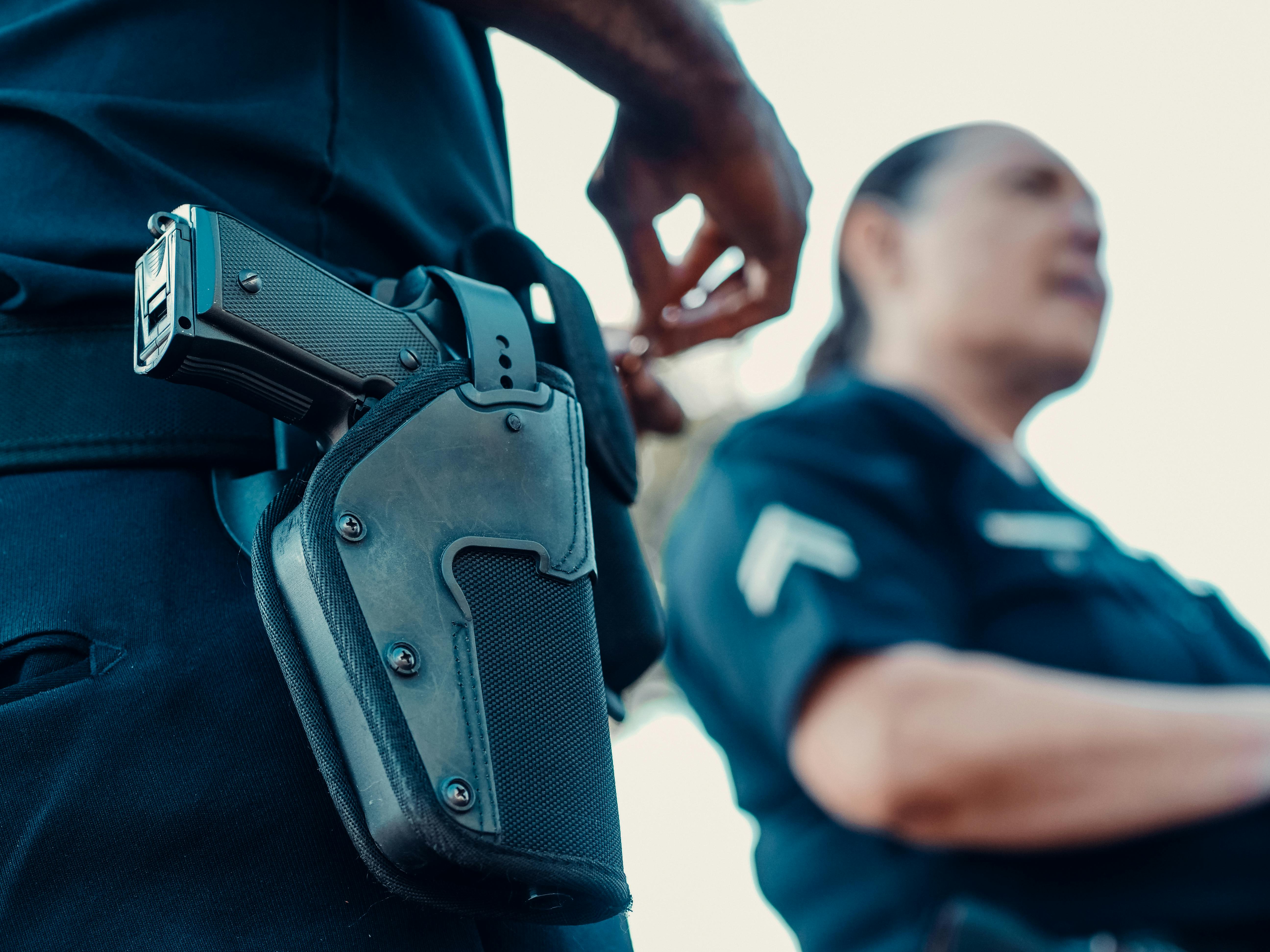
Behind-the-hip carry shifts the holster farther back, commonly around the 4 to 5 o’clock area. Many people like it because the grip can tuck neatly behind the natural line of the torso, making concealment easier under untucked shirts, light jackets, and other everyday clothing.
The downside shows up the moment you sit for long stretches. Chairs, car seats, and armrests can make the gun feel intrusive, and the draw can become awkward if your shoulder mobility is limited. It can still be a very workable option, but it rewards careful holster placement more than people often realize.
Outside the Waistband

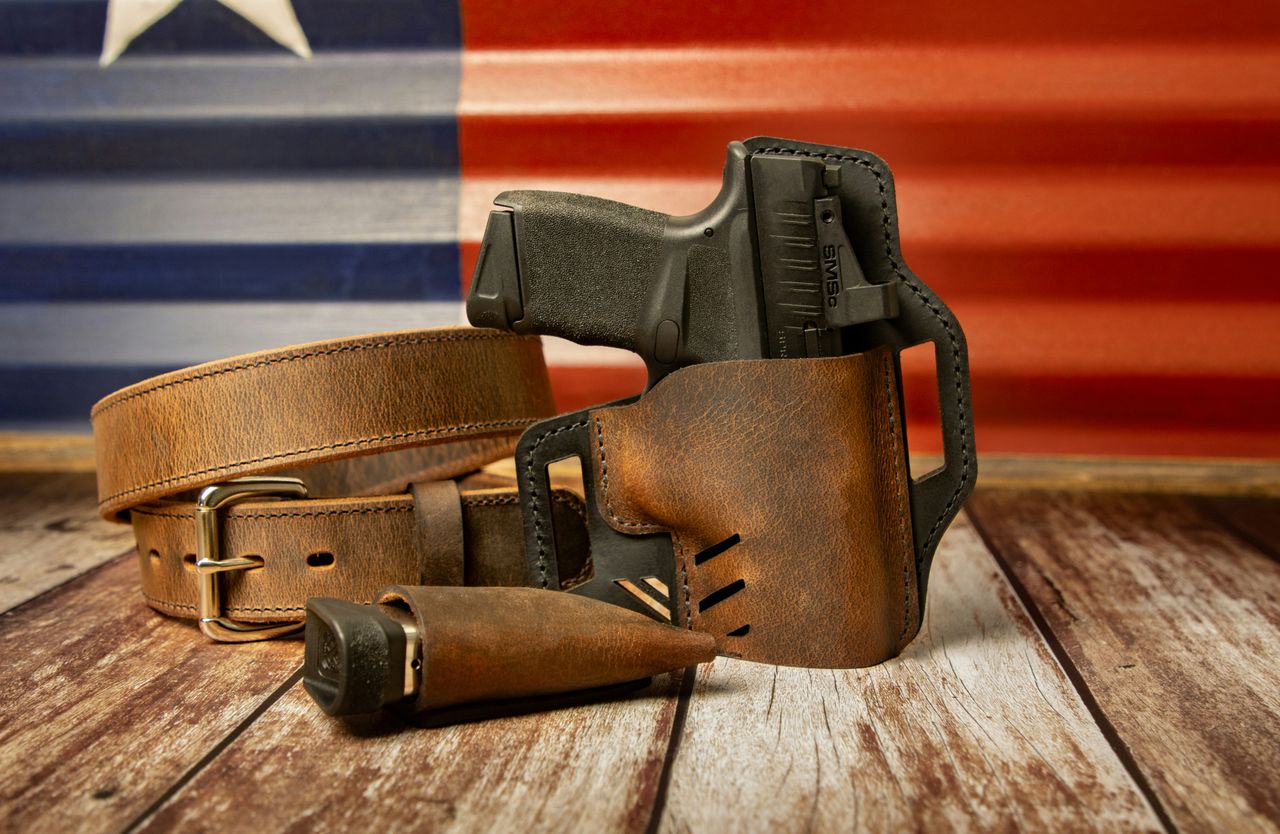
Outside-the-waistband carry puts the holster on the belt outside the pants, usually on the strong side. It is often the easiest method for comfort and the easiest place to draw from cleanly, which is why so many people prefer it for range work, open carry where legal, or concealed carry under heavier layers.
Its challenge is simple: bulk. Unless the holster rides tight and the cover garment is cut generously, the outline can become obvious fast. For cooler weather it can be excellent, but in lighter clothing it demands more planning than inside-the-waistband methods, especially if you want the setup to stay discreet all day.
Pocket Carry

Pocket carry is usually reserved for smaller handguns and works best when paired with a proper pocket holster that keeps the gun oriented and the trigger covered. It appeals to people who want deep concealment, minimal wardrobe changes, and a straightforward way to carry in settings where larger holsters feel too conspicuous.
It sounds effortless, but it comes with limits. Access can be slow from a seated position, some pockets simply are not cut for it, and printing can be more noticeable than people expect. If the gun shares space with keys, coins, or other loose items, the setup has already gone from convenient to careless.
Ankle Carry

Ankle carry places a small handgun around the lower leg, usually on the inside of the support-side ankle. It has long been popular as a backup option and occasionally as a primary carry method for people whose work clothes or seated routines make waistline carry difficult.
It is highly concealable with the right pants, but the draw is slower and more position-dependent than almost any other method. Running, kneeling, or climbing stairs can also make the setup feel less stable if the holster is not excellent. It fills a niche well, though it is rarely the easiest answer for fast, consistent access.
Shoulder Holster

Shoulder holsters suspend the handgun under the arm, supported by a harness across the shoulders and back. They have an old-school reputation, but they remain useful for some drivers, office workers in jackets, and anyone who spends long hours seated and finds belt carry uncomfortable.
The catch is wardrobe dependence. Without a jacket or overshirt, the system is hard to conceal, and the harness requires thoughtful adjustment to keep the gun from shifting. Some people also find the draw less intuitive than waist carry. Done well, it can be comfortable and practical, but it is more specialized than movies make it look.
Cross-Draw Carry
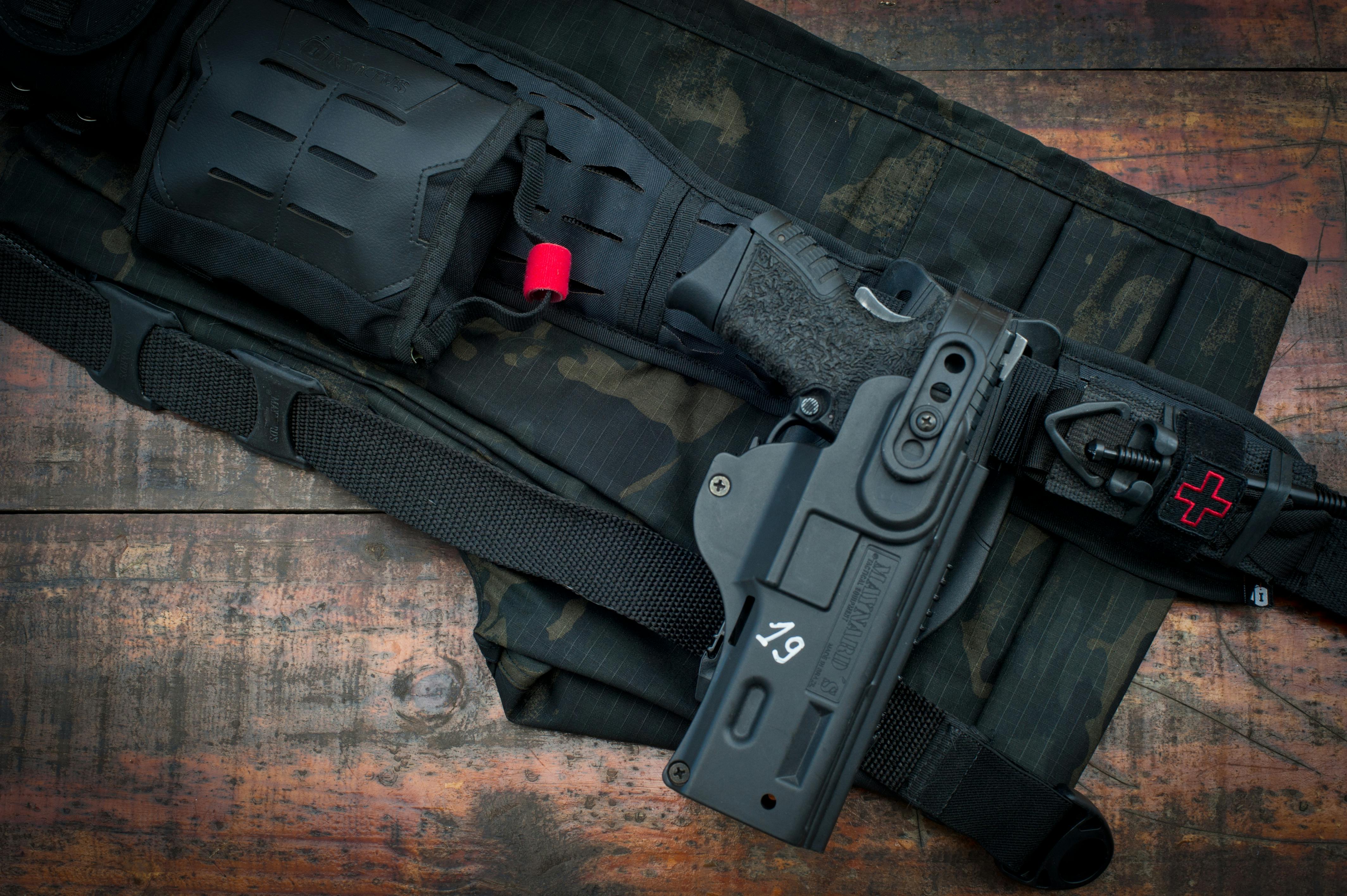
Cross-draw carry positions the handgun on the opposite side of the body so the draw hand reaches across the front. It is not as common as strong-side hip carry, but it can make sense for people who spend long hours seated, drive frequently, or need a setup that feels easier on certain shoulder or back issues.
The method asks for discipline, because the draw path is different and concealment can be trickier depending on grip angle and garment shape. For some body types it feels wonderfully natural, while for others it never quite settles in. Like many carry methods, it solves specific problems rather than all of them.
Choosing the Right Position for You

The best carry position is the one you can wear safely, conceal realistically, and access consistently in the clothes you actually own. That means testing positions while standing, sitting, driving, bending, and moving through an ordinary day instead of judging them in front of a mirror for 30 seconds.
This is why so many people misjudge appendix carry. They hear it is the modern answer, then force themselves into it when a strong-side or behind-the-hip setup would serve them better. A quality holster, a solid belt, and honest self-assessment matter more than copying what looks fastest or most fashionable online.