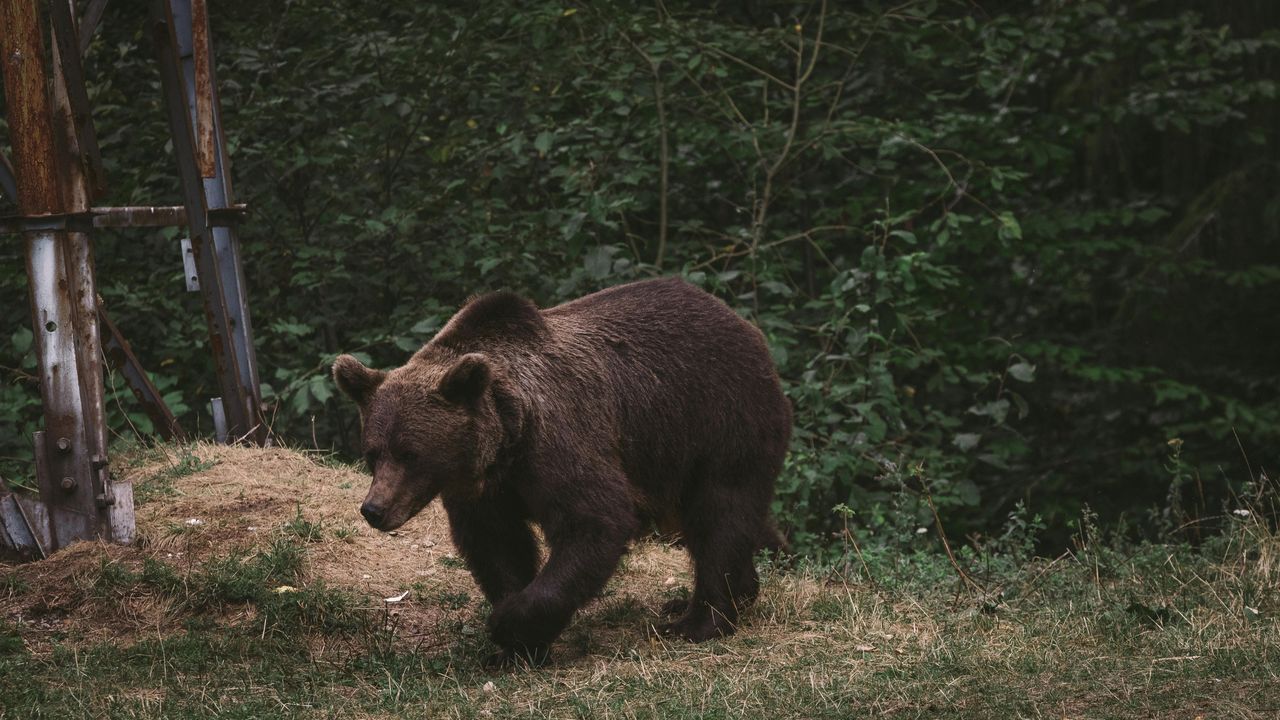
A bear can pass through quietly, but it almost never passes through invisibly. If you own, rent, or visit a cabin in bear country, knowing the early signs can buy you precious time.
Fresh tracks often tell the story first.
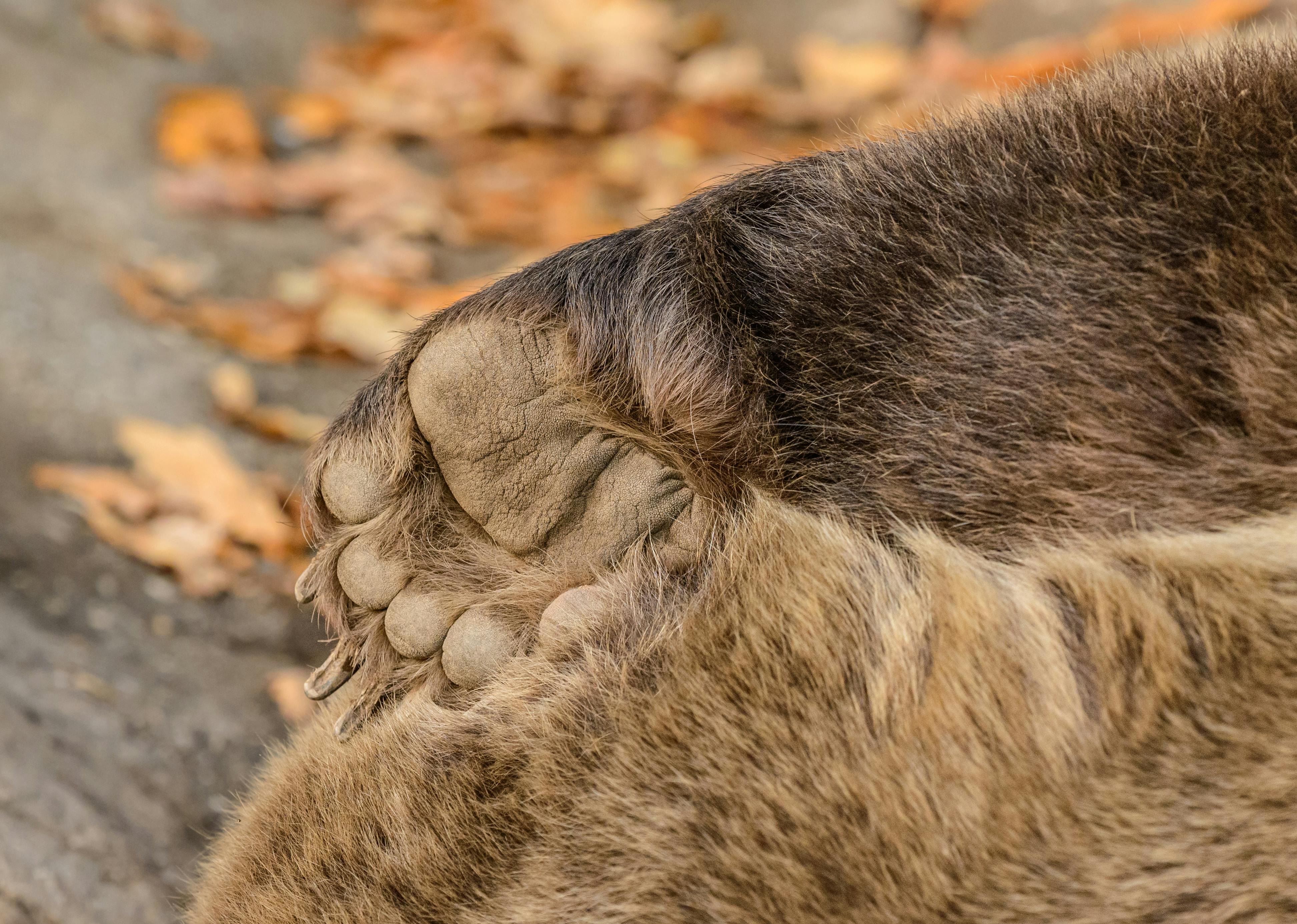
Tracks are one of the clearest signs that a bear has been near your cabin, especially after rain, soft soil, mud, sand, or a light dusting of snow. Black bears usually leave a wide front paw print with five toes and a broad heel pad, while the hind foot can look surprisingly human at a glance. Adult tracks may measure 4-7 inches across, and that size alone can tell you whether you are dealing with a smaller wandering bear or a large, confident adult.
Look around driveways, woodpile edges, gardens, shoreline paths, and the soft ground near steps or decks. Bears tend to follow the easiest route, so game trails, gravel shoulders, and worn footpaths are common places to find prints. A track line moving directly toward trash storage or a grill area is more concerning than a single wandering print in the distance.
Freshness matters as much as size. Crisp edges, visible claw marks, and undisturbed impressions usually mean the bear passed recently. If wind, sun, or insects have softened the print, it may be older, though still worth taking seriously if other signs are present.
Misidentification happens all the time. Large dog tracks can confuse people, but dogs show four toes and usually leave narrower, more oval prints. If you see five toes, a broad pad, and a staggered walking pattern with heavy impressions, you should assume a bear has been nearby until proven otherwise.
Scat, claw marks, and overturned ground add up fast

Bear scat is not pleasant to inspect, but it can reveal both timing and behavior. In berry season, it often appears loose and full of seeds, while in spring, it may contain grass, roots, or insect remains. Near cabins, scat that includes food scraps, corn, pet food, or bits of packaging is a major warning sign that the bear has already associated people with calories.
Location tells you a lot. Scat on a trail 200 yards away is different from scat beside a woodshed, under a window, or near a bird feeder pole. Bears often revisit food-rich areas, so any sign left close to structures should raise your alert level immediately, especially if it looks moist, dark, and fresh.
Claw marks on trees can mean several things, including climbing, marking, or simply testing bark for insects. Vertical gouges 5-7 feet off the ground are a classic clue, especially on soft-barked trees near camp clearings. Torn logs, peeled stumps, and shredded ant hills also point to recent feeding activity.
Pay attention to disturbed ground around compost piles, garbage bins, and outdoor cooking areas. A bear searching for food leaves a powerful mess behind, flipping rocks, flattening brush, and dragging debris aside. One isolated sign might be old, but several signs in the same zone usually mean the animal has passed through recently and may return.
Your nose may detect a bear before your eyes do
People tend to trust what they can see, but smell can be the first warning near a cabin. A strong musky, wet-animal odor around the porch, storage shed, or trail entrance sometimes signals that a bear has been lingering close by. This smell is especially noticeable in humid weather, in still air, or after dark when scent hangs low around buildings.
Garbage odors matter just as much because bears can detect food from remarkable distances. Wildlife agencies regularly stress that unsecured trash, grease traps, fish-cleaning scraps, and even empty drink containers can pull a bear into a yard. If you suddenly notice ripped bags, a stronger-than-usual trash smell, or lid marks on a bin, a bear may already be testing the area.
Listen, too. Bears are quieter than many people expect, but not silent. Huffing, jaw-popping, low woofing, heavy footfalls on leaves, and the clatter of a tipped metal can are all sounds that deserve immediate attention, particularly at dawn, dusk, and overnight.
Dogs and birds often react before people do. A dog that suddenly refuses to go outside, stares into the tree line, or barks in a deep, sustained way may be picking up a scent. Jays, crows, and other birds also mob large animals, and abrupt agitation near the cabin edge can be a useful clue that something big is moving nearby.
Damage around the cabin usually means the bear is getting comfortable
Once a bear starts investigating a cabin, physical damage often follows. Scratches on siding, bent screen doors, paw smears on windows, or teeth marks on coolers indicate more than curiosity. They suggest the bear has gotten close enough to test human structures, and that is the point where a passing visit can become a repeat problem.
Grills are a major hotspot. Even if they look clean, leftover grease and food scent can attract a bear from far beyond the immediate property. Wildlife officers in North America repeatedly note that bears are drawn not just to meat scraps but also to cooking oil, marinades, and drip trays that people forget to empty.
Check bird feeders, livestock feed bins, chicken coops, beehives, and outdoor freezers. A feeder ripped down overnight, or a storage lid peeled back with force, is classic bear behavior. Bears are intelligent, persistent, and capable of remembering easy food sources, which is why one successful raid often leads to more.
Look higher than eye level as well. Bears can stand, climb, and reach in ways that surprise people unfamiliar with them. If branches near a window are broken, hanging fruit is missing, or claw marks appear on deck posts, the animal may have spent more time around the cabin than you realized.
Timing, season, and local patterns help you judge the risk
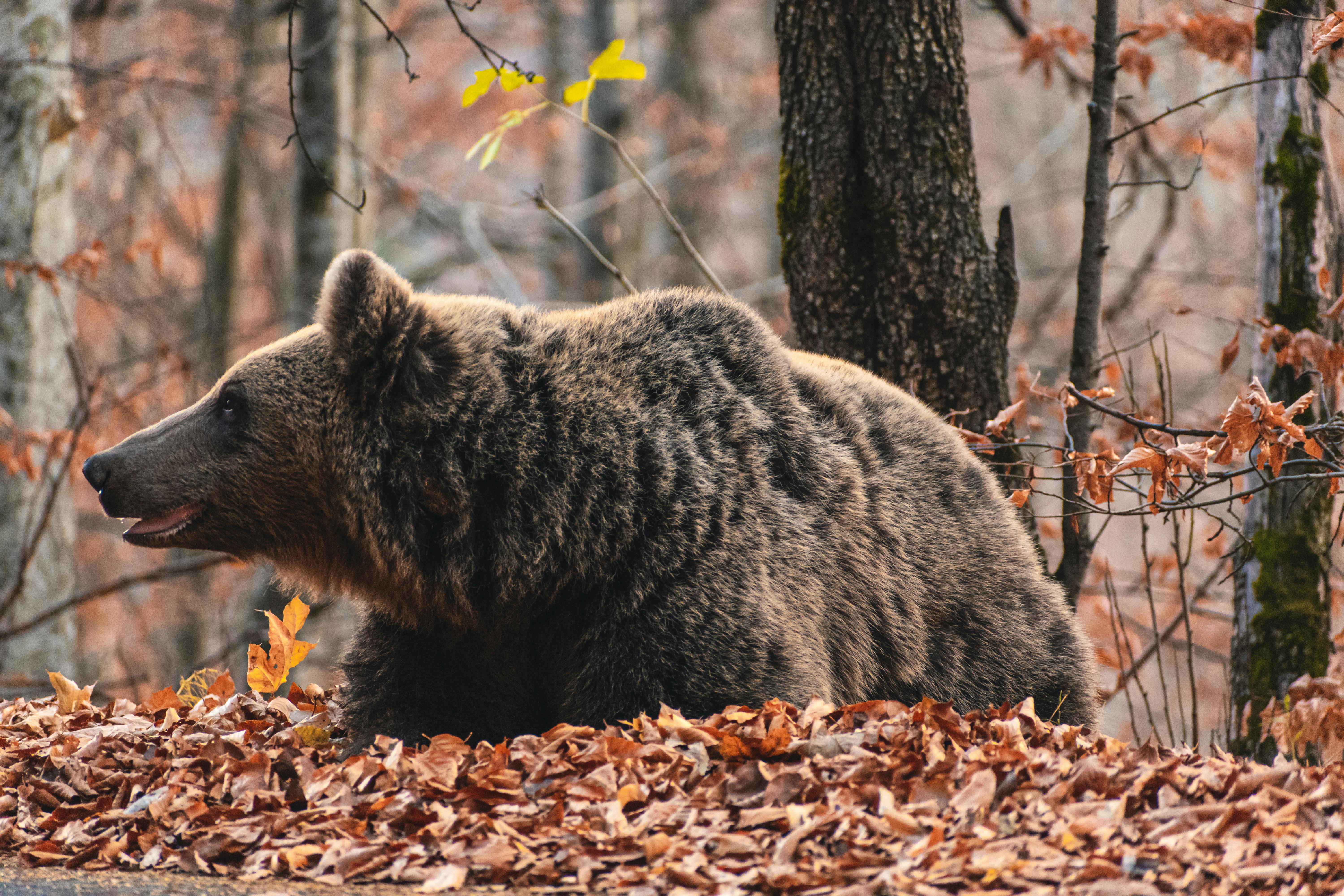
Not every bear sign carries the same urgency. Season changes bear behavior dramatically, and understanding that context helps you react correctly. In spring, bears are hungry after denning and often roam widely for easy calories, while late summer and fall bring intense feeding behavior as they pack on weight before winter.
In many regions, drought, wildfire, failed berry crops, or poor acorn production can push bears closer to people. State and provincial wildlife agencies often warn that natural food shortages lead to spikes in cabin-area sightings. If neighbors have reported recent visits, you should treat even subtle signs as part of a larger local pattern, not an isolated event.
Time of day matters, but do not let it fool you. Bears are commonly active at dawn, dusk, and night, yet food-conditioned bears may show up in broad daylight. A midday sighting near homes or cabins can indicate that the animal is losing caution, which raises the chance of conflict.
Camera evidence can be extremely useful. Trail cameras aimed at garbage storage, driveways, and common access paths can confirm whether a bear is merely crossing through or repeatedly returning. Repeated visits at similar times usually mean the bear has identified a reward and is developing a routine.
What to do immediately when the signs are fresh
If you find fresh signs, your first move is not to investigate deeper into the woods. Get everyone inside or gathered in a known safe area, account for children and pets, and secure food sources right away. A calm, organized response prevents the kind of rushed mistakes that lead to close encounters.
Bring in bird feeders, coolers, pet bowls, and anything scented, including toiletries stored on porches. Lock garbage in a hard-sided vehicle or bear-resistant container if one is available. Clean the grill thoroughly, remove grease trays, and do not leave fish, meat wrappers, or compost accessible overnight.
Scan the area from a secure position rather than walking blind around the property. If you actually see the bear, give it space and never corner it. Make your presence known with a firm voice, keep your distance, and prepare bear spray if you are in a region where carrying it is recommended and lawful.
If the bear has damaged property, returned repeatedly, or shows no fear of people, contact the local wildlife authority promptly. Officials want reports before a bear becomes dangerous, not after. Early reporting can help prevent the animal from being destroyed later because it has become too comfortable around human food.
Prevention is the real difference between a sighting and a crisis

The best way to tell if a bear has wandered near your cabin is to build habits that make signs obvious and visits unrewarding. Walk the property each morning and look for tracks, disturbed trash, broken branches, and new scratches. That routine gives you a baseline, so unusual changes stand out quickly instead of blending into the landscape.
Store attractants as if a bear is already nearby, because eventually one probably will be. That means no trash left outside overnight, no pet food on the porch, and no scented items in unsecured coolers. If you have fruit trees, pick fallen fruit daily, and if you keep livestock or bees, use proven deterrents such as well-maintained electric fencing.
Lighting and noise are not foolproof, but they can help in active living spaces. Motion lights may reveal movement, and simple habits such as closing windows near cooking areas reduce drifting food odor. Cleanliness matters more than gimmicks, because bears come for rewards, not because the woods are dark.
Most importantly, take every sign seriously before it becomes a pattern. A single print, one tipped can, or a musky smell at dawn may be the first chapter of a preventable problem. When you read those clues early, you protect your cabin, your family, and the bear itself.