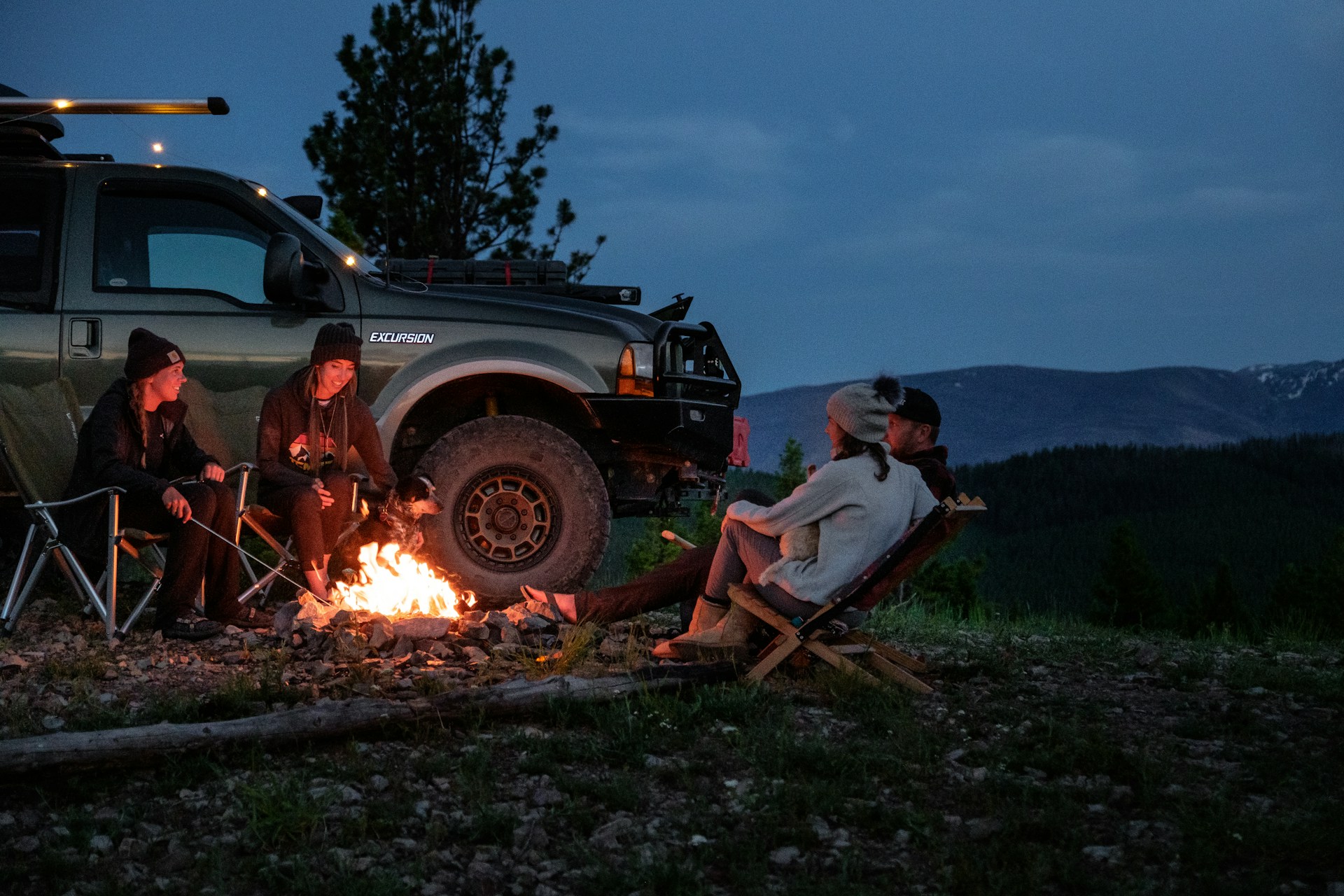
Before smartphones, same-day delivery, and GPS on every screen, everyday life demanded a very different kind of know-how. Boomers often learned practical survival skills because there was no easy backup plan, while Gen Z has grown up in a world built for convenience. This gallery revisits the hands-on habits that once felt ordinary and now seem almost old-fashioned.
Reading a Paper Map
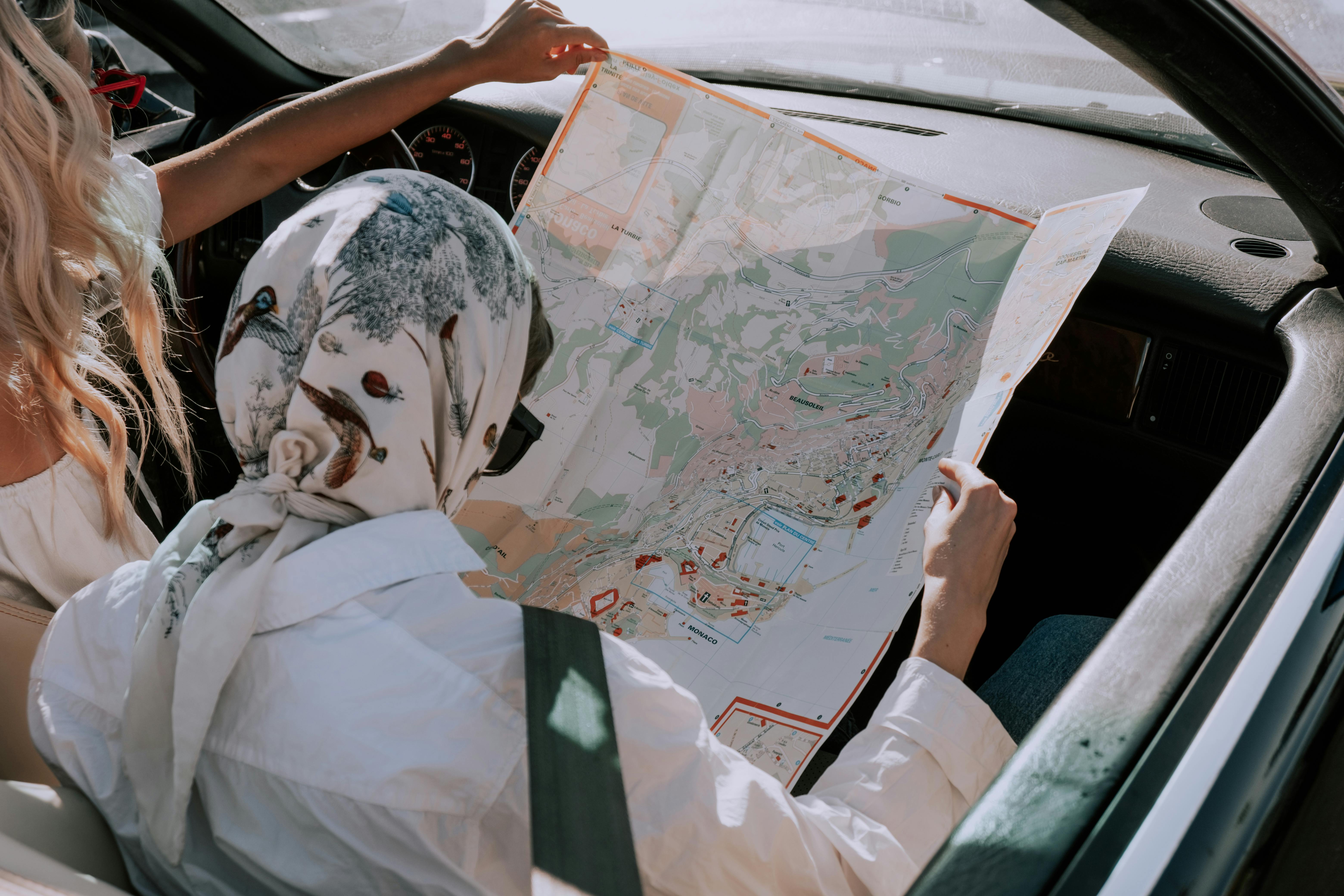
Boomers learned how to get from one place to another with a folded road atlas, a street map, and a good sense of direction. If you missed a turn, there was no calm voice rerouting you in real time. You looked for landmarks, read highway signs carefully, and figured it out.
That skill trained people to notice where they were instead of blindly following a blue dot. Many Gen Z travelers have never had to decode a legend, measure distance by scale, or refold a giant map in the front seat. It is not glamorous, but in a dead battery moment, it is still incredibly useful.
Memorizing Phone Numbers
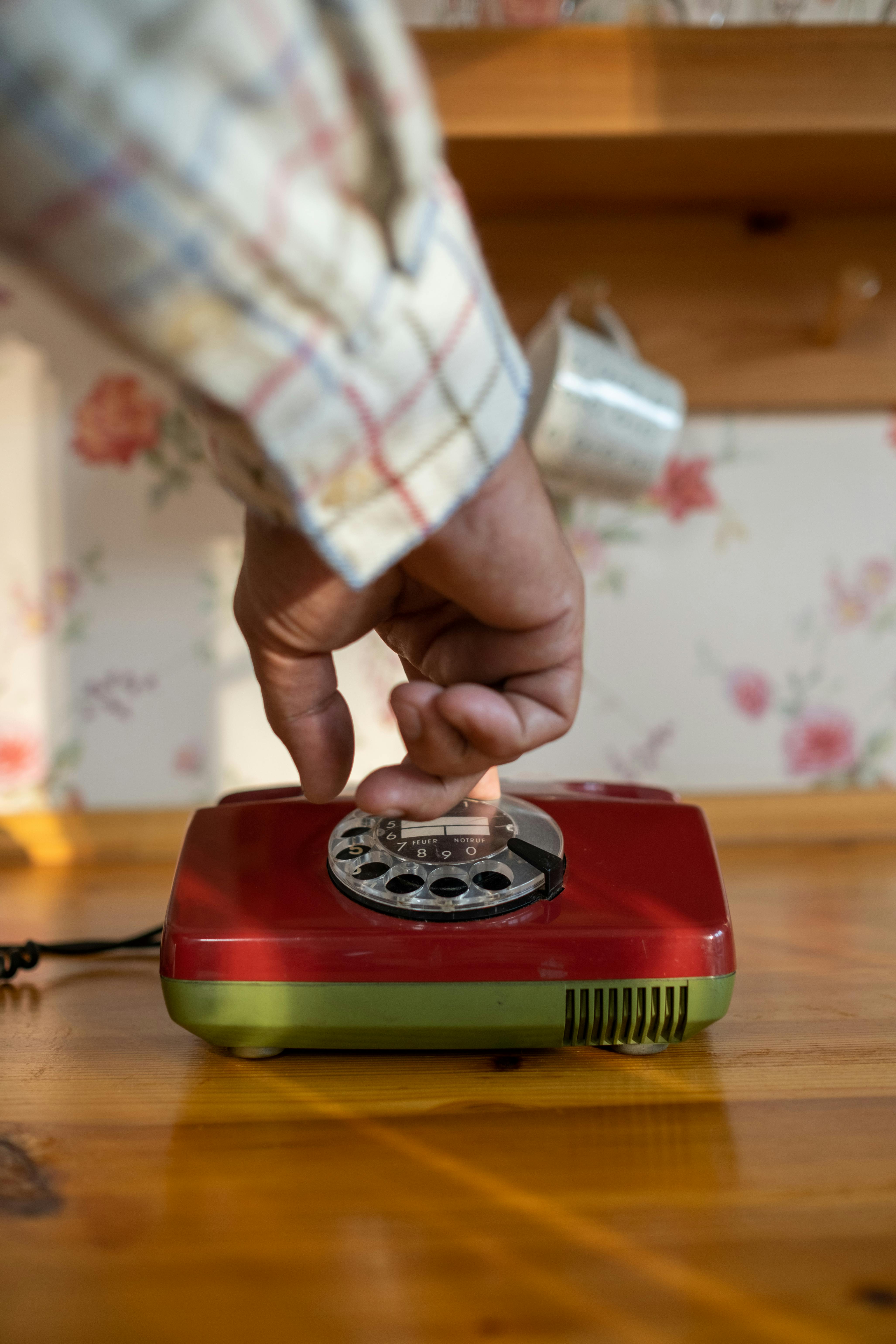
There was a time when people carried the most important numbers in their heads, not in a contacts app. Boomers often knew family, friends, work, and emergency numbers by memory because pay phones, address books, and landlines made that necessary.
That habit created a kind of mental backup system that modern life rarely asks for. Many younger people can text instantly but freeze if their phone is lost and they need to call home from someone else’s device. Memorizing numbers sounds small, yet in a real emergency, it can make the difference between being inconvenienced and being completely stranded.
Cooking From Scratch

Boomers grew up in homes where dinner often started with basic ingredients, not a delivery app or a boxed shortcut. People learned how to stretch a roast into leftovers, make soup from scraps, and put together a meal without checking a video first.
That kind of cooking was about thrift as much as taste. It taught timing, improvisation, and how to feed a household when money was tight. Gen Z has access to endless recipes, but many still rely on convenience foods and takeout. Knowing how to make something hearty from whatever is in the pantry remains one of the most dependable life skills around.
Sewing and Mending Clothes
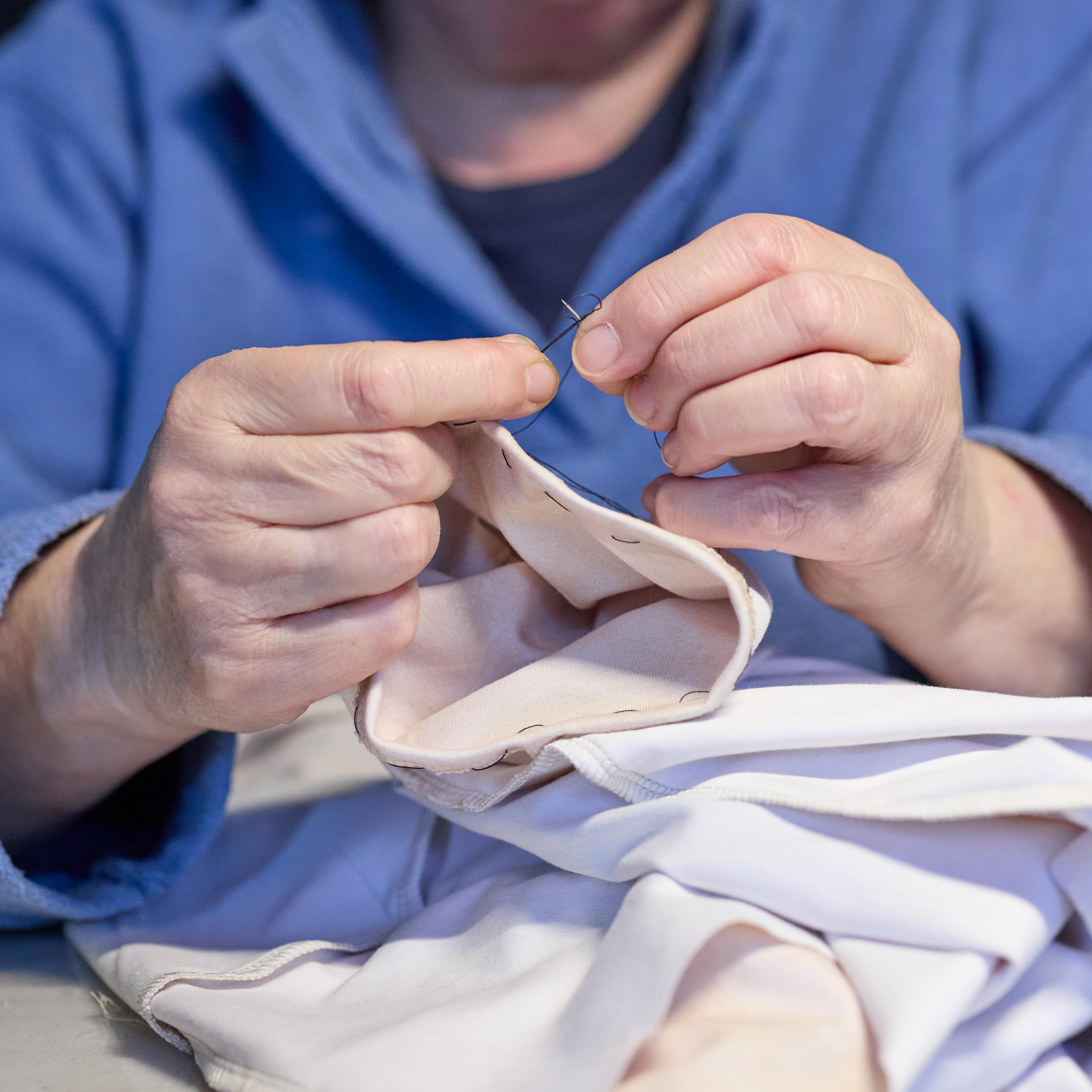
A loose button, split seam, or fallen hem used to mean grabbing a needle and thread, not tossing the item into a donation pile. Boomers were far more likely to learn basic mending at home or in school, and that made clothes last longer.
It was a practical response to a world where people repaired things because replacing them was not always cheap or immediate. Today fast fashion makes minor damage feel disposable. Still, knowing how to stitch a tear, patch denim, or fix a zipper can save money and keep a favorite piece in rotation instead of in a landfill.
Using Basic Tools
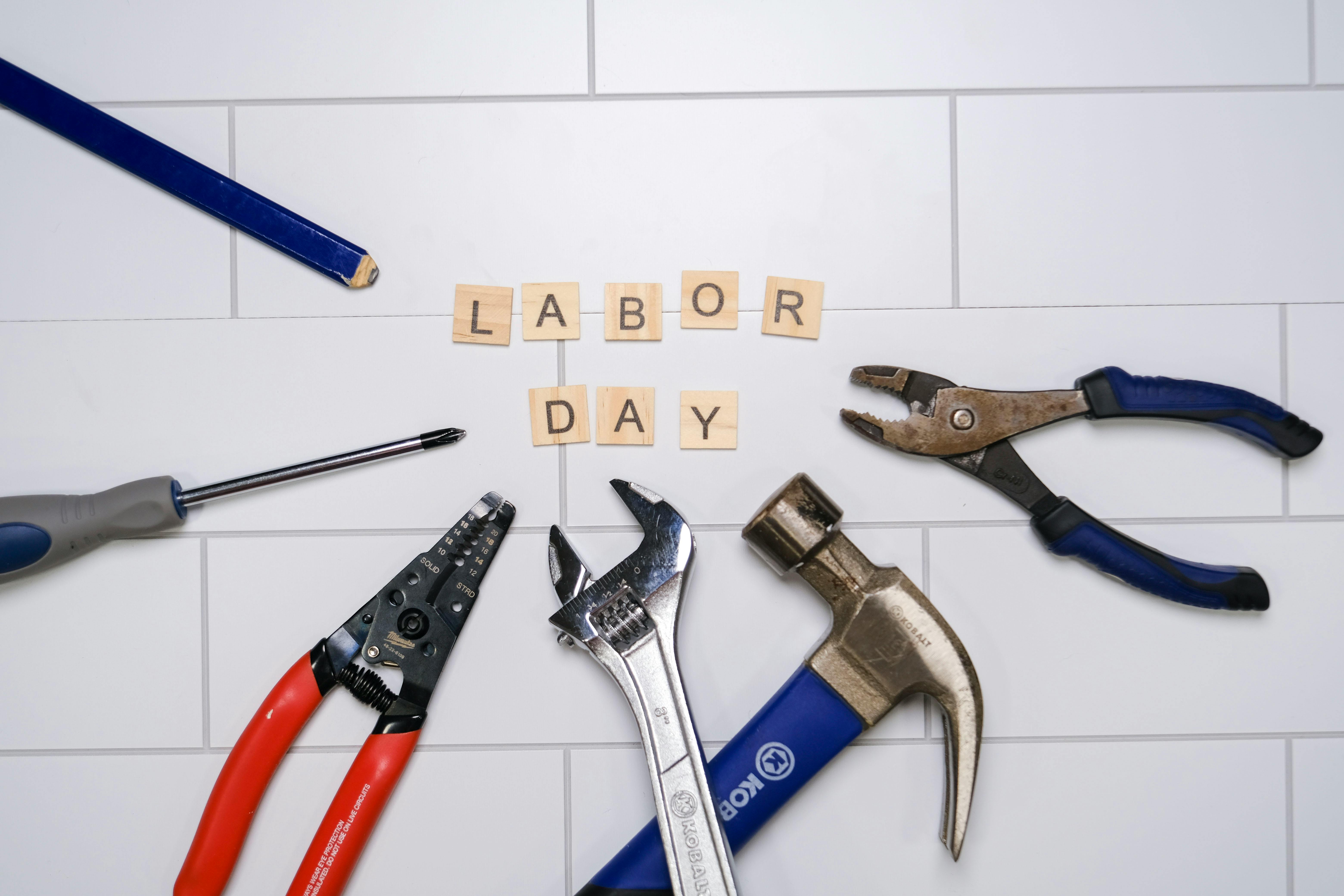
Boomers were often expected to know their way around a hammer, screwdriver, wrench, and pliers. Hanging a shelf, tightening a loose hinge, or fixing a rattling cabinet was part of ordinary adulthood, not an automatic reason to call a professional.
That comfort with tools built confidence as much as competence. You learned by watching parents, neighbors, or trial and error, and over time small repairs became second nature. Gen Z can order almost anything with one tap, but many have had fewer chances to build practical hands-on experience. A simple toolbox still solves more problems than people think.
Growing Food in a Garden

For many Boomers, a backyard garden was not a lifestyle flex. It was a normal way to supplement groceries, save money, and keep fresh produce on the table. Tomatoes, beans, zucchini, and herbs were grown with patience, planning, and a lot of weeding.
Gardening taught people where food actually comes from and how much work goes into producing it. It also created a more seasonal relationship with eating, preserving, and sharing with neighbors. Gen Z may be deeply interested in sustainability, yet many are disconnected from the basics of planting, tending, and harvesting even a small patch of edible food.
Preserving Food
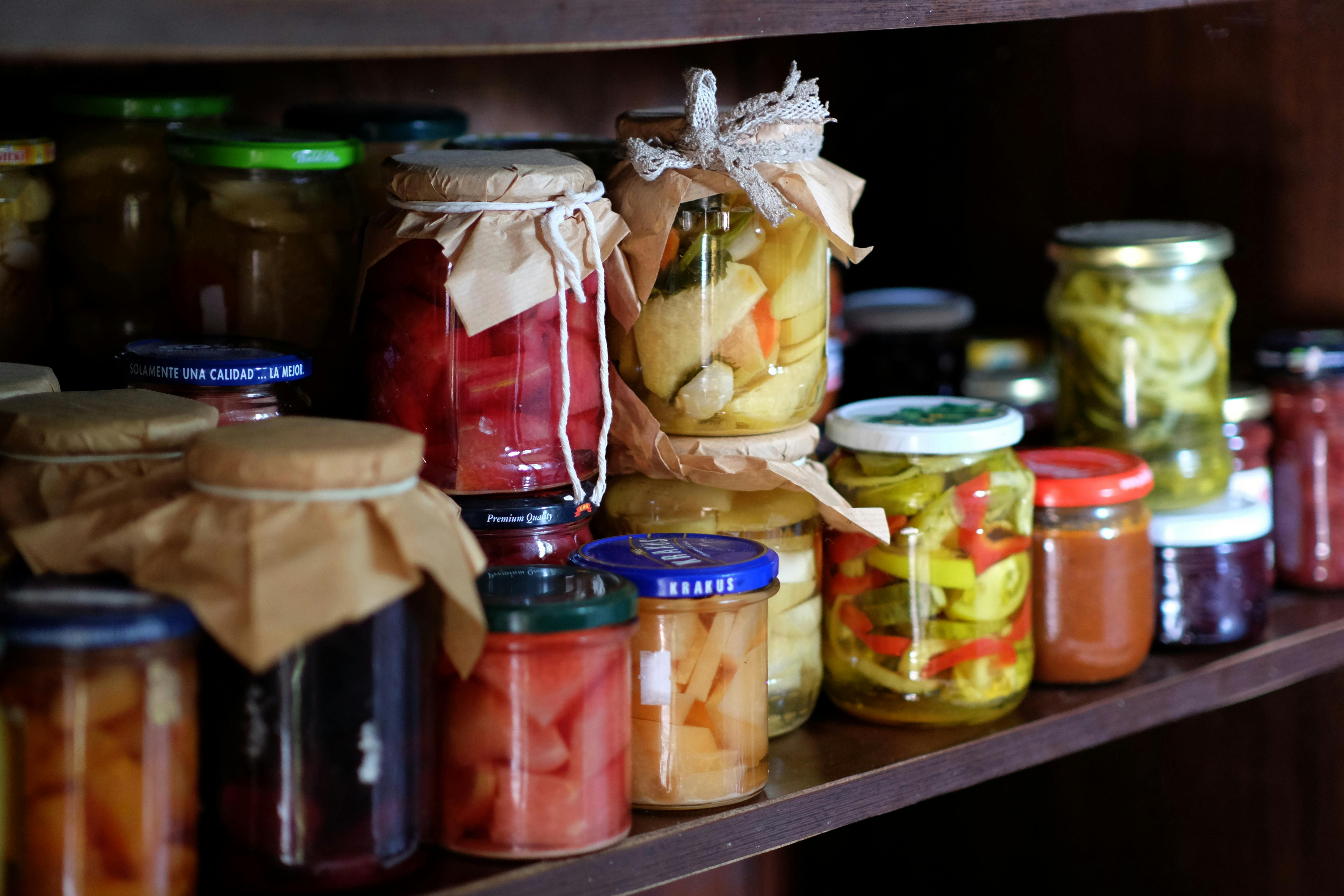
Boomers remember kitchens filled with jars, freezers packed with labeled containers, and the yearly rhythm of canning, pickling, and preserving. When fruit was abundant or a garden produced more than a family could eat, the answer was to save it for later.
This skill combined economy with self-reliance. You wasted less, bought in season, and built up reserves for winter or leaner weeks. Many younger adults know how to order groceries quickly but not how to extend the life of what they buy. Preserving food may feel old-school, yet it is one of the smartest ways to reduce waste and stretch a budget.
Starting a Fire Without Convenience Gadgets
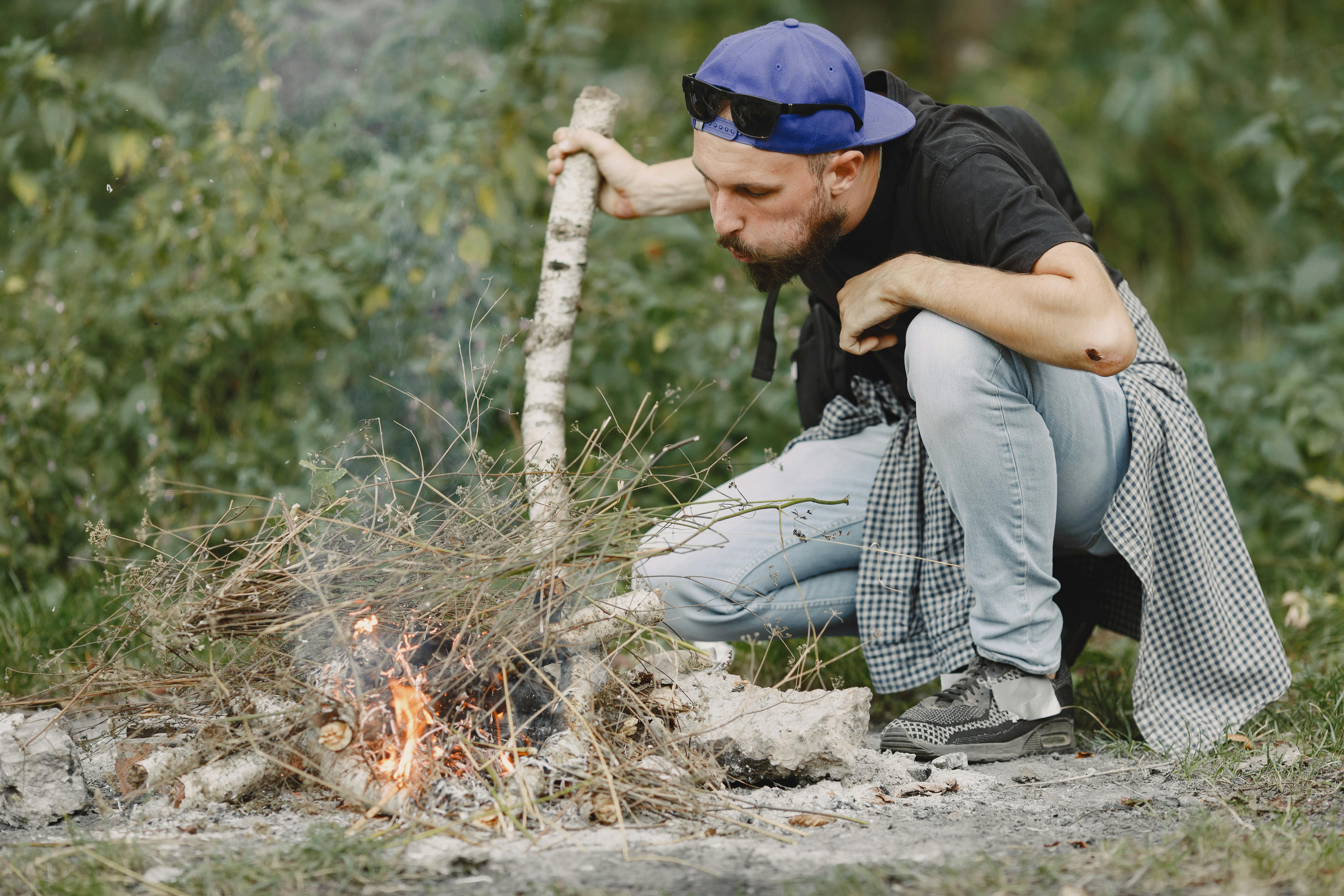
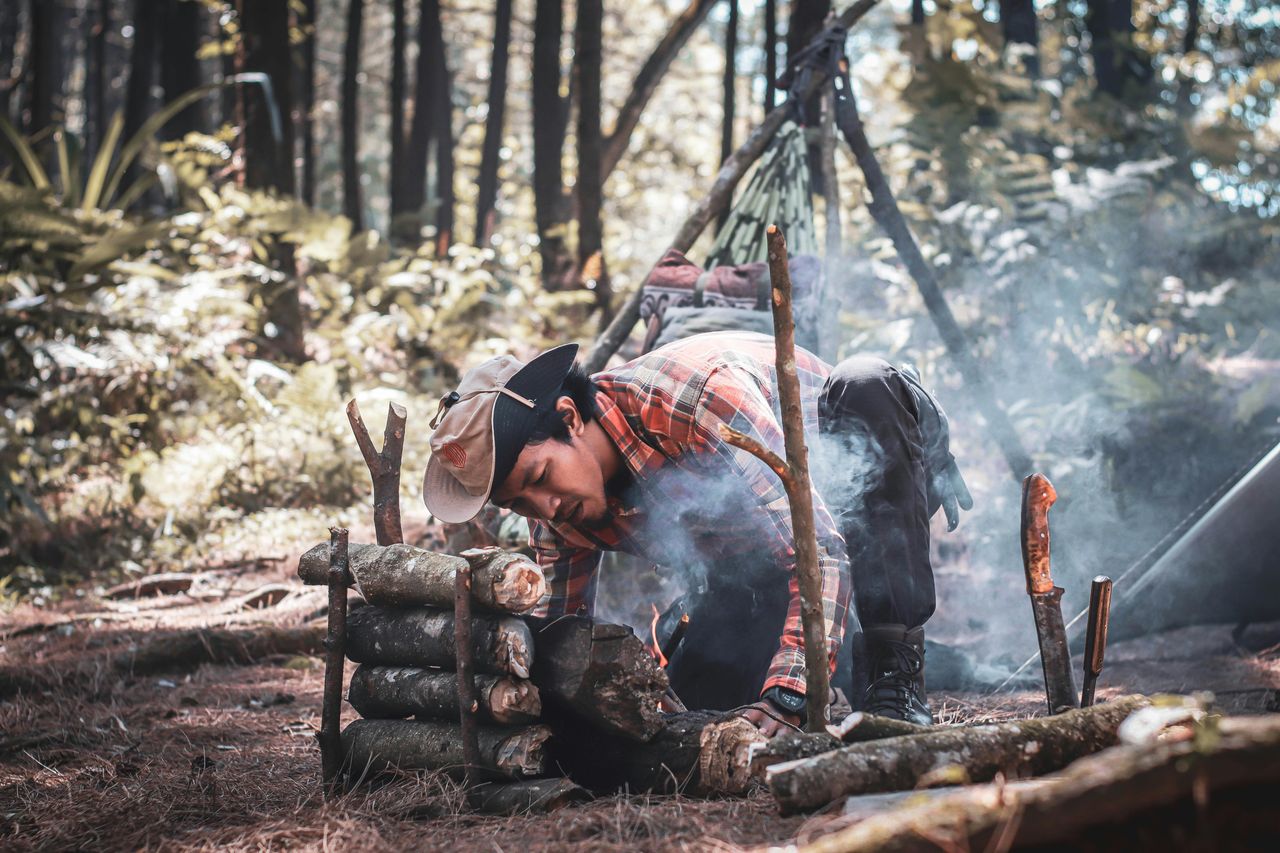
Whether it was a fireplace, campfire, or charcoal grill, Boomers were more likely to know how to build and maintain a real fire. You needed kindling, airflow, patience, and a feel for what would catch and burn steadily instead of just smoking.
That know-how mattered during camping trips, storms, and power outages. It was less about rugged fantasy and more about being able to create heat, cook food, or boil water when needed. Many Gen Z adults have grown up with electric everything, which makes fire-building feel exotic. In the right conditions, though, it is still a deeply practical survival skill.
Navigating Without a Smartphone

Before every errand came with live traffic updates and turn-by-turn directions, people had to plan ahead. Boomers often wrote down directions on a slip of paper, called for landmarks, and paid attention to exits, neighborhoods, and street names along the way.
That created a stronger mental map of the world around them. You remembered where the gas station was, which road curved by the river, and how to get home from the other side of town. Many Gen Z drivers depend so heavily on phones that even familiar routes feel fuzzy without one. Old-fashioned navigation builds awareness no app can fully replace.
Handling a Power Outage
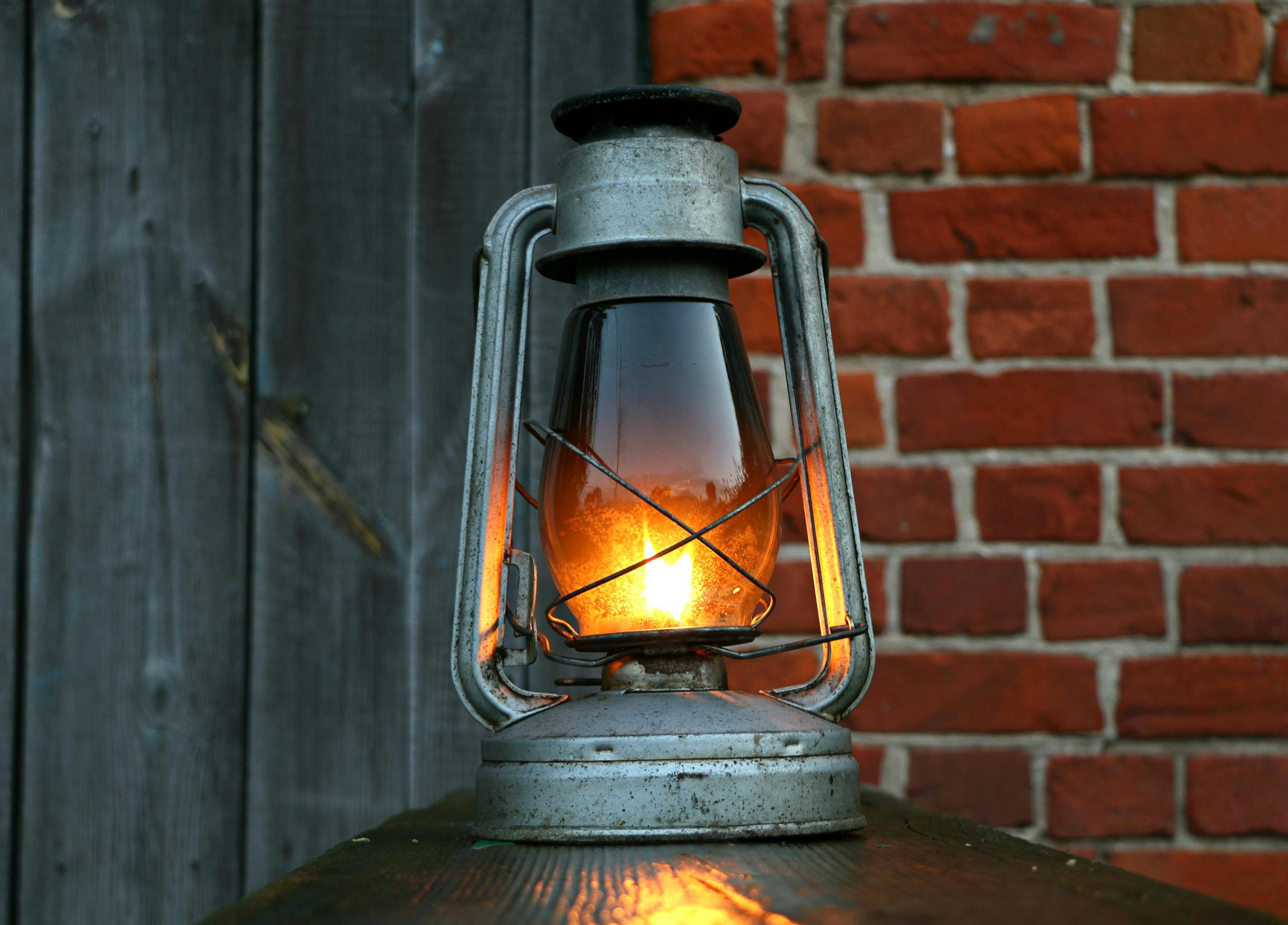
Boomers usually knew the basic drill when the lights went out. Find the flashlight, check the fuse or breaker, keep the fridge closed, gather blankets, and make a plan for the next few hours. A blackout was annoying, but not necessarily paralyzing.
That confidence came from repetition and preparation. Candles, batteries, canned food, and a battery-powered radio were common household staples because interruptions happened and people expected to cope. Gen Z has grown up in a much more plugged-in world, where losing power can feel like losing access to life itself. Knowing how to function offline is a survival skill in its own right.
Doing Basic Car Troubleshooting

Boomers were more likely to know what to do when a car sputtered, overheated, or refused to start. Even if they were not mechanics, many could check the oil, inspect a belt, change a tire, or at least diagnose whether the problem was serious.
Cars were less computerized, but the bigger difference was expectation. Drivers were supposed to understand the machine enough to handle minor trouble on the roadside. Today many younger people call for help the moment a warning light appears. Professional service is valuable, of course, but a little mechanical literacy can turn a crisis into a manageable delay.
Entertaining Themselves Without Screens

Boomers developed a sturdy ability to cope with boredom because there were simply fewer digital distractions. They read magazines, played cards, built models, fixed things, listened to records, and found ways to fill long stretches of time without endless scrolling.
That matters more than it sounds. The ability to sit still, improvise, and create your own fun is a form of resilience. Gen Z is extraordinarily fluent online, but constant stimulation can make quiet moments feel uncomfortable. Knowing how to entertain yourself with simple, offline activities is not just nostalgic. It is a survival skill for attention, patience, and peace of mind.