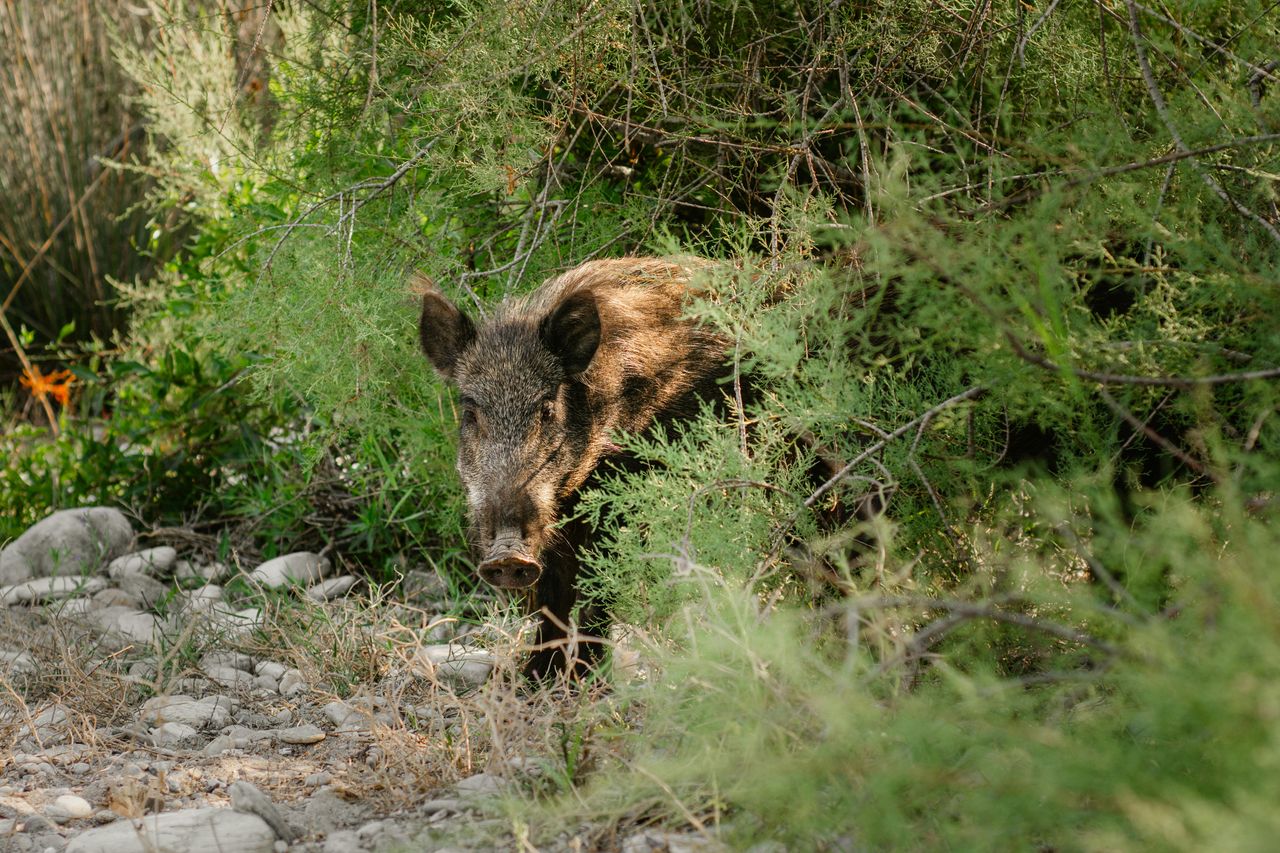
Wild boar may still be widespread in parts of the country, but actually hunting them is not always getting easier. Across the U.S., shifting regulations, access issues, landowner concerns, and changing wildlife strategies are making the pursuit more complicated. This gallery looks at 10 states where boar hunting has become a tougher challenge year after year, whether because of new rules, shrinking opportunities, or growing pressure on the land.
Texas
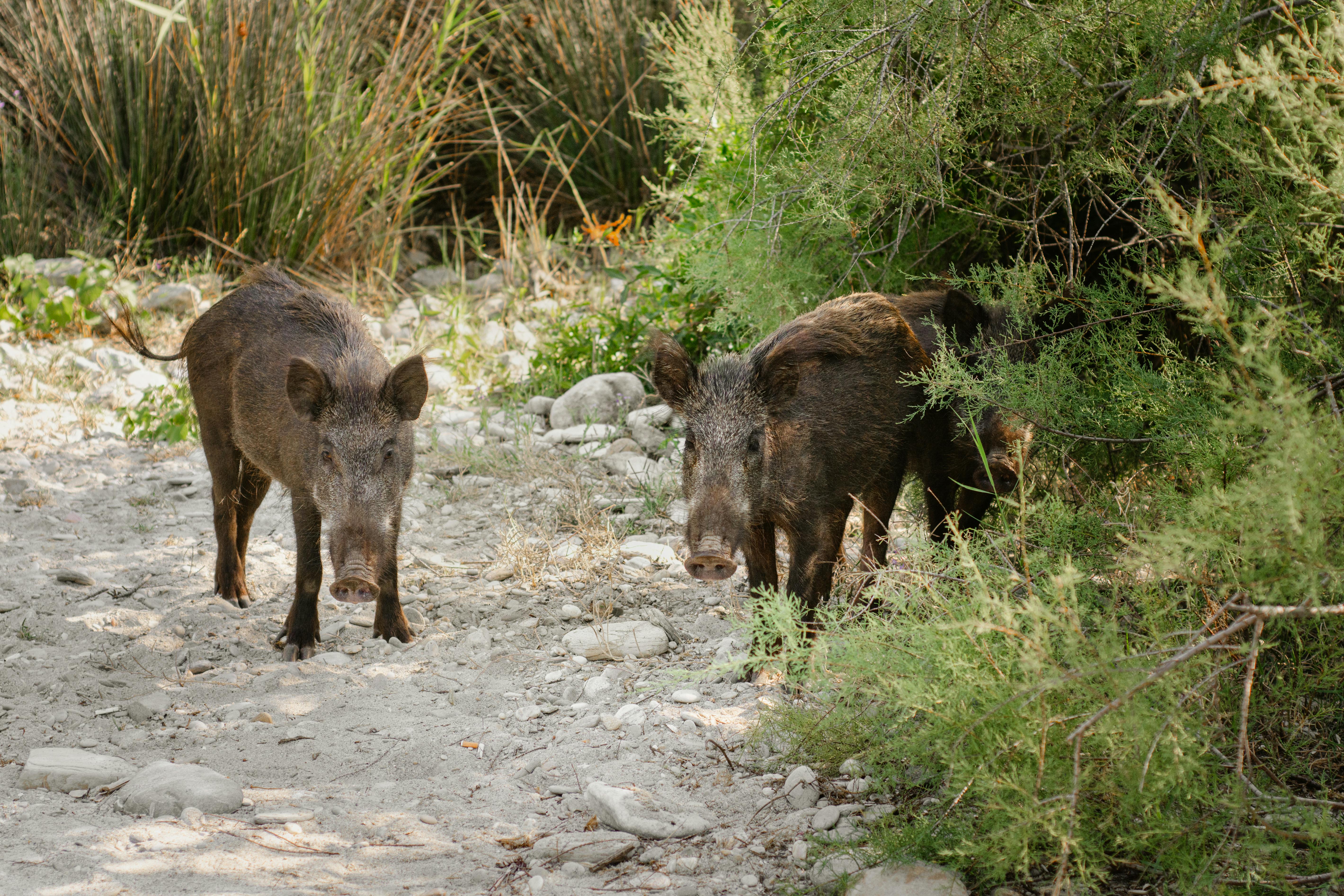
Texas is still the state most people associate with feral hog hunting, but that reputation can be misleading. There are plenty of hogs, yet access is the real obstacle. Much of the best hunting ground sits on private land, and gaining permission has become more competitive and more expensive over time.
At the same time, large-scale control efforts have changed the game. Landowners increasingly rely on trapping, thermal gear, and coordinated removal programs instead of casual hunting. That means hunters may find fewer easy opportunities than they expect, especially on properties managed with a strict eradication mindset rather than a recreational one.
California

California once had a strong reputation for wild pig hunting, but the state has steadily become more demanding for hunters. Rule changes, licensing requirements, and tighter oversight have added more planning to every trip. Even experienced hunters now have to navigate a more regulated landscape than they did years ago.
Access is another major hurdle. Productive pig habitat often lies on private ranchland, and prime spots can be hard to secure without paying for guided access. Public land exists, but pressure can be heavy and success less predictable. In a state with rising costs and close scrutiny of wildlife policy, boar hunting rarely feels simple anymore.
Florida
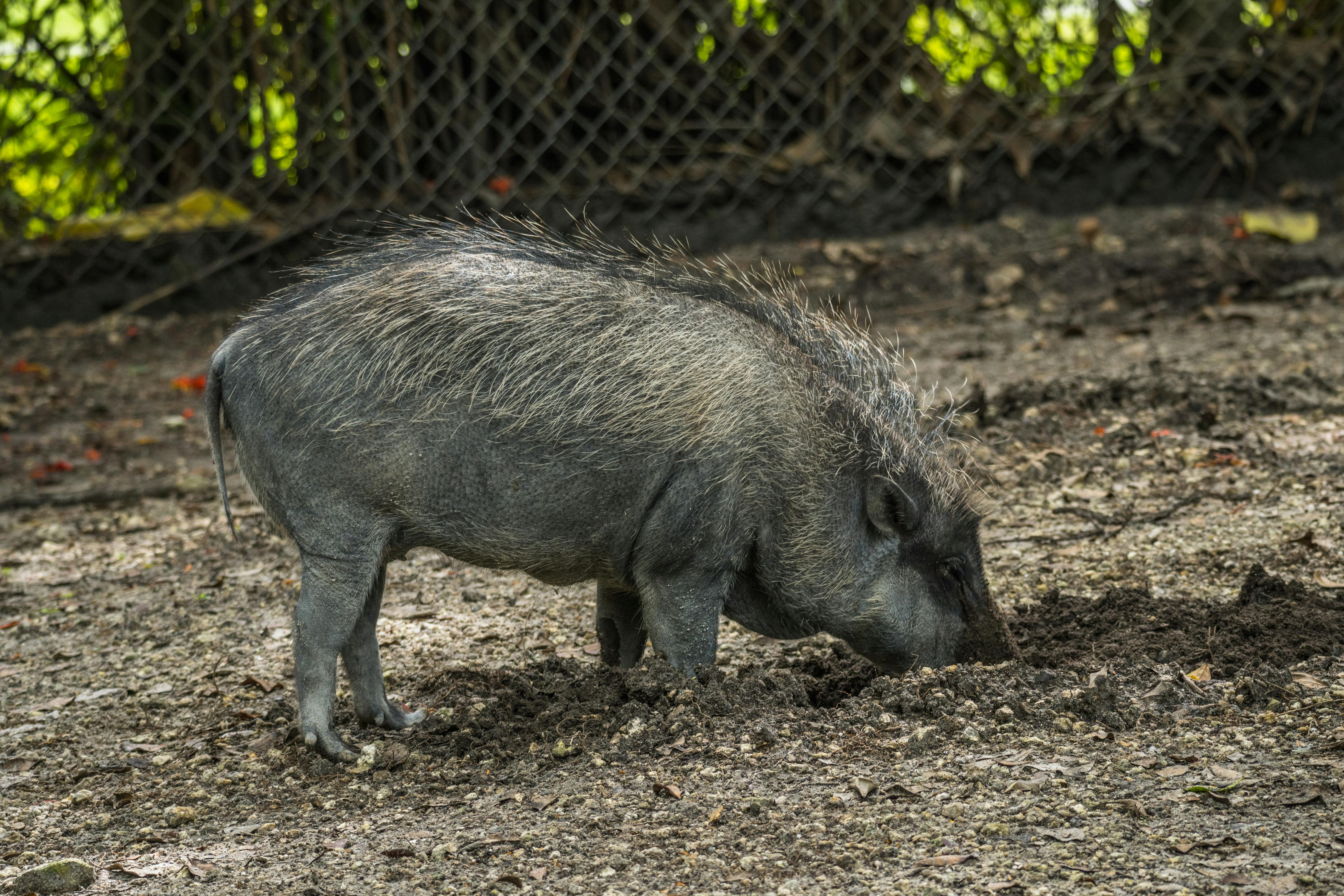
Florida has no shortage of feral hogs, but hunting them can still be more difficult than outsiders assume. Much of the state is a patchwork of public areas, wetlands, agricultural land, and private property, which means opportunities vary sharply from place to place. Knowing where you can legally hunt is now part of the challenge.
Public land seasons, weapon restrictions, and quota systems can narrow the window for success. On private land, access often comes down to relationships or paid hunts. Add in dense cover, swampy terrain, and highly nocturnal hog behavior, and Florida starts to look less like an easy boar destination and more like a puzzle.
Georgia

Georgia remains a notable hog state, but hunters are finding that abundance does not always translate into convenience. Public land rules can differ by wildlife management area, and understanding what is allowed, when, and with what equipment takes more homework than it once did. That complexity alone discourages some casual hunters.
Private land access is also tightening. As landowners focus more on crop protection and liability concerns, they may prefer trusted individuals or organized control efforts over open invitations. Hogs are still out there, but the days of assuming easy entry and straightforward hunting are fading. For many sportsmen, Georgia now rewards preparation far more than spontaneity.
South Carolina
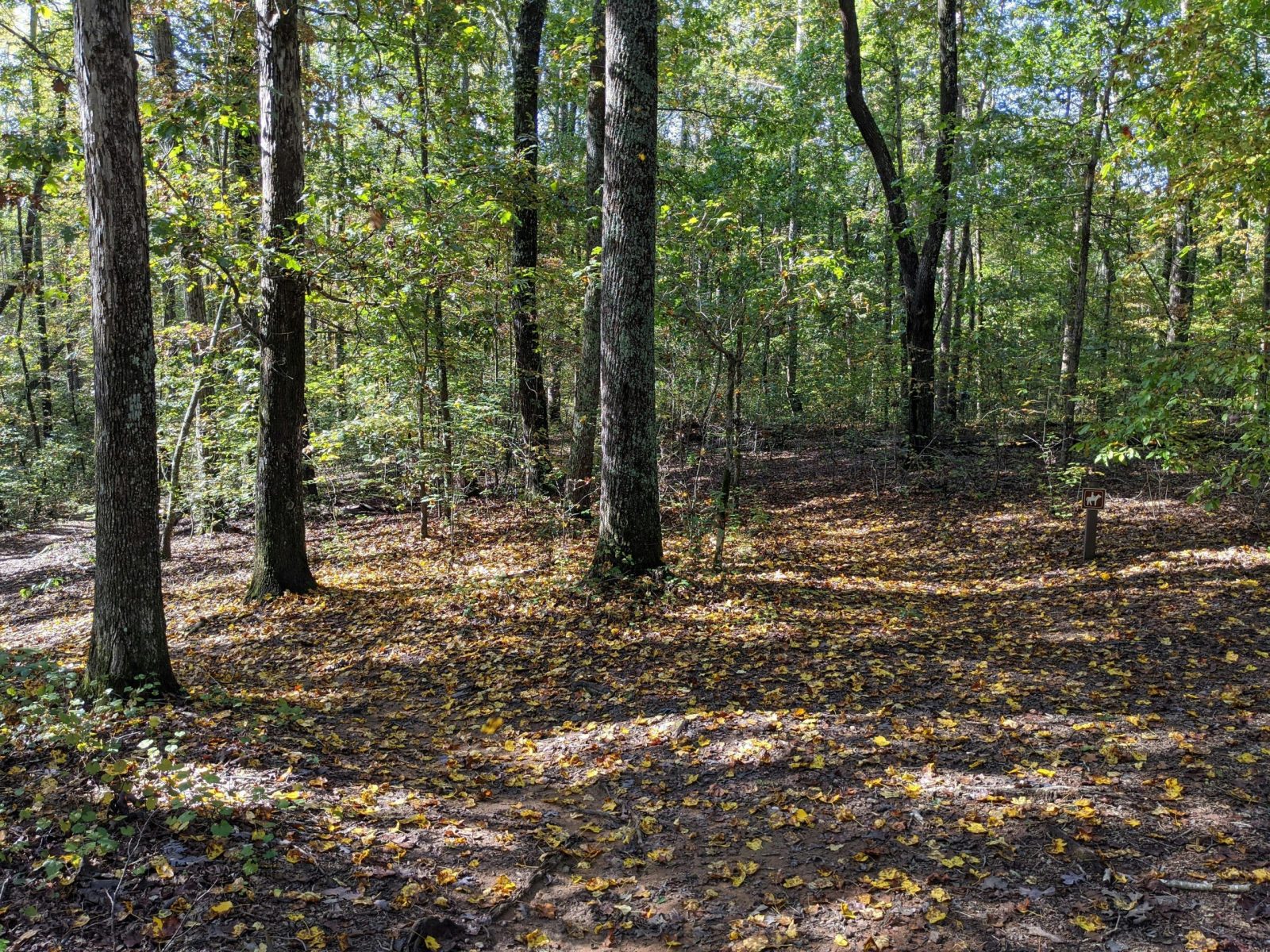
South Carolina offers boar hunting opportunities, especially in lowcountry and agricultural regions, but tougher conditions have crept in year by year. Hunting pressure has increased in known hotspots, and local knowledge matters more than ever. Areas that once felt quietly productive can now be crowded or closely managed.
Weather and habitat also complicate the hunt. Thick cover, wet ground, and shifting food sources can move hogs quickly, leaving hunters one step behind. On top of that, access to quality private land is becoming more selective. The result is a state where boar numbers may remain strong, yet consistent hunting success demands more effort than it used to.
Tennessee
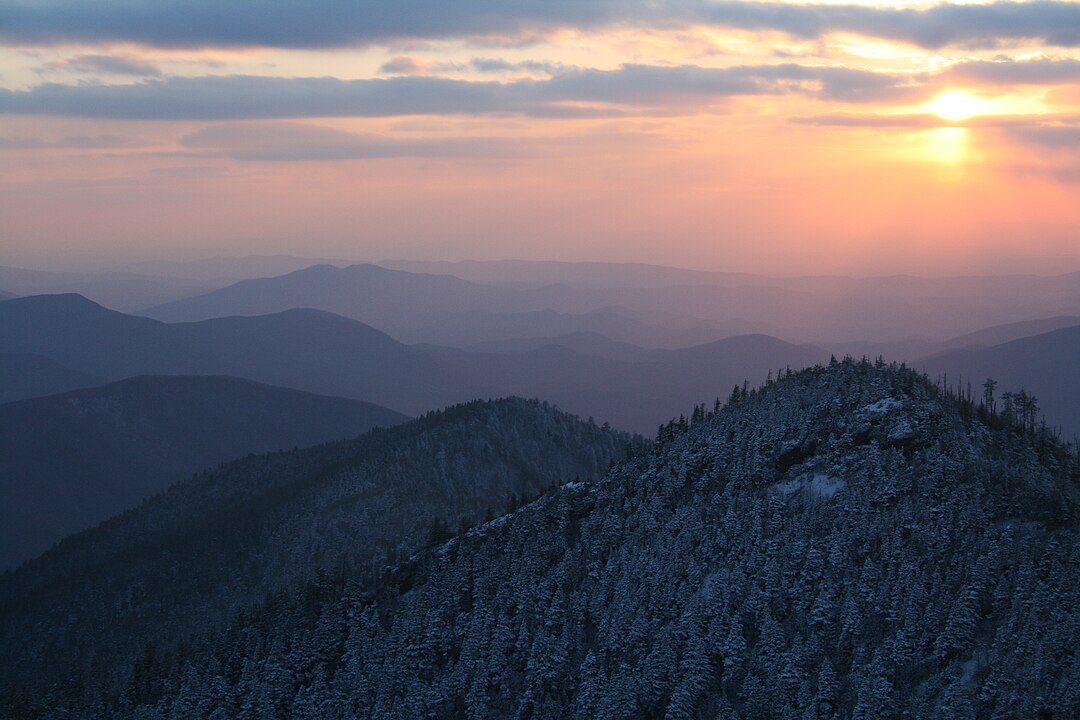
Tennessee has made feral swine management a serious priority, and that has changed the hunting landscape dramatically. State policy has increasingly treated wild hogs as an invasive species problem rather than a traditional game opportunity. For hunters, that shift means fewer broad recreational openings and more emphasis on targeted control.
The reasoning is straightforward: wildlife officials have long worried that unstructured hunting can scatter hogs and make eradication harder. As a result, some hunters have seen opportunities narrow or become more specialized. You may still be able to pursue hogs in certain contexts, but Tennessee is a clear example of a state where policy now shapes the hunt as much as the animals do.
Arkansas
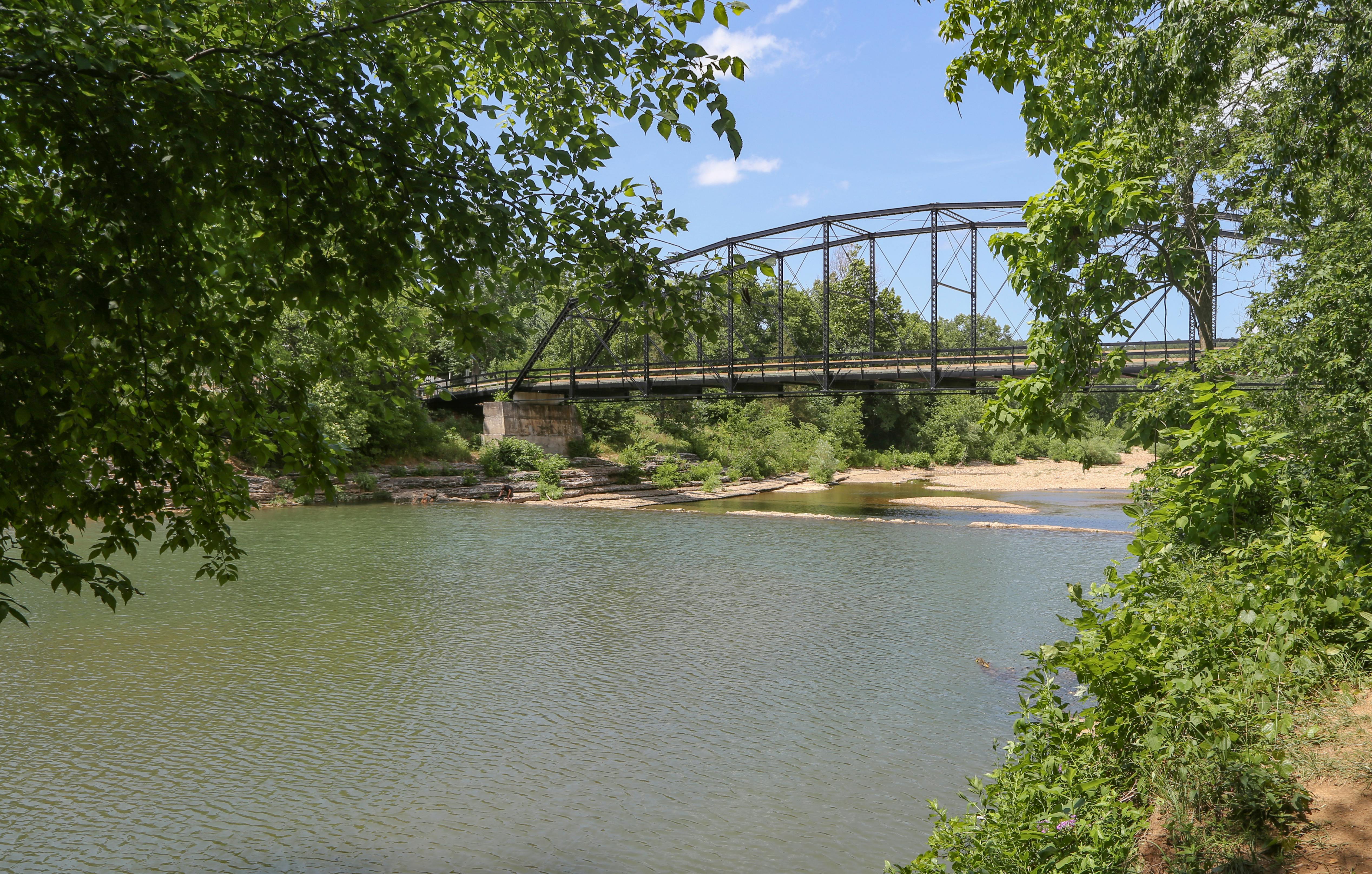
Arkansas has extensive feral hog problems, but that does not mean it is an easy place for hunters to jump in and help. Wildlife managers have become more cautious about recreational hunting because of concerns that moving hogs or pressuring them inefficiently can worsen the problem. That has led to a more controlled environment in some areas.
For hunters, the challenge is not just finding hogs but understanding where pursuit fits into state strategy. Public opportunities can be limited by area-specific rules, and private access remains uneven. Add thick cover and a largely nocturnal pattern, and Arkansas becomes a place where boar hunting often feels more tactical, and less casual, with every passing season.
Mississippi
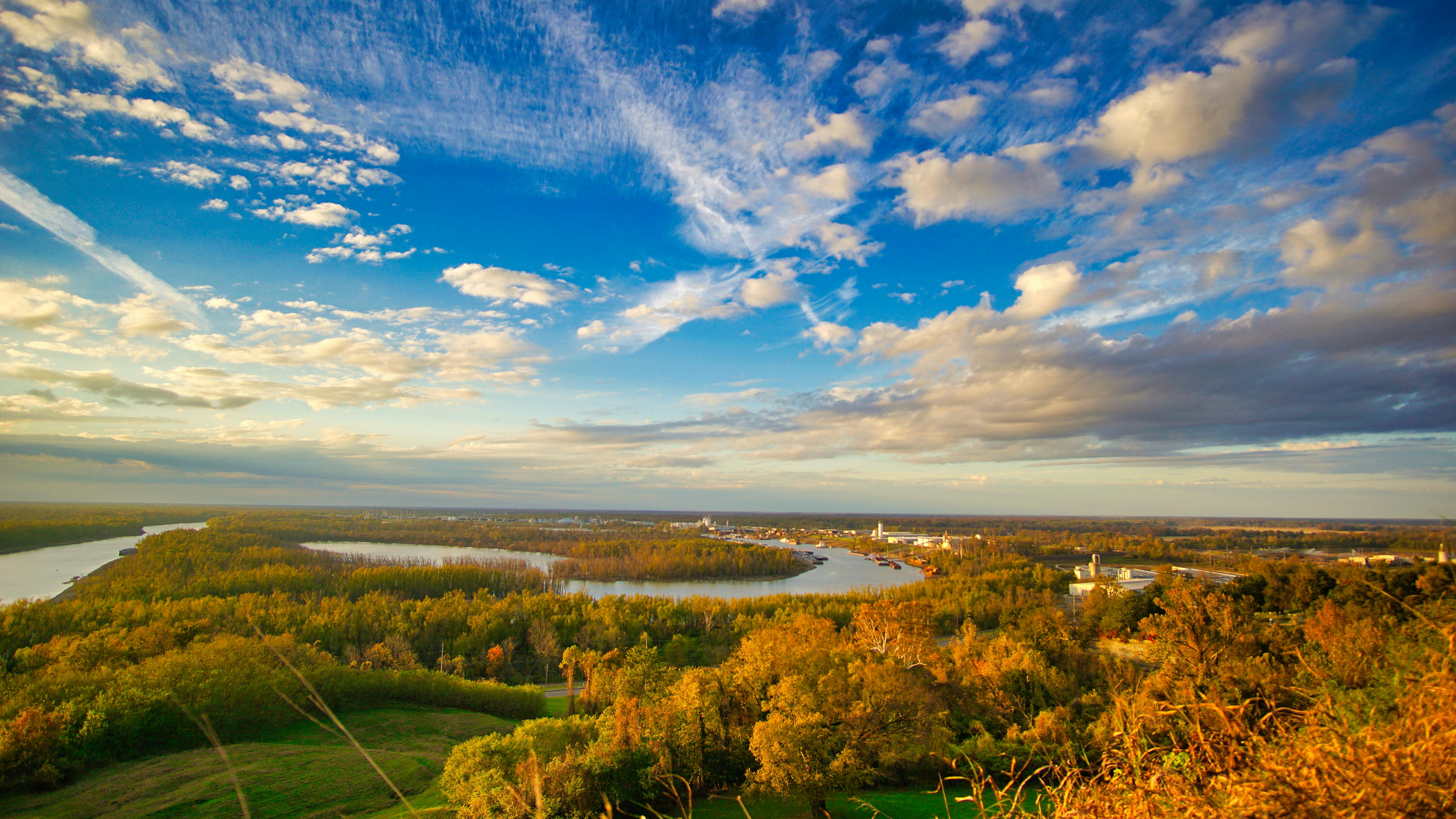
Mississippi has long dealt with feral hog damage, especially in farm country and river-bottom habitat, but hunting them is becoming less straightforward. Productive ground is often tied to private ownership, and permission is increasingly valuable. Hunters without strong local connections can find themselves shut out of the best spots.
Even where access exists, hogs are adapting. Heavy pressure and control programs can make them more nocturnal and harder to pattern. Dense vegetation and seasonal flooding only add to the difficulty. Mississippi still offers opportunity, but it increasingly favors hunters who can scout carefully, move quietly, and work around land access challenges that were easier to solve years ago.
Oklahoma

Oklahoma has a substantial feral hog population, yet hunters are finding that abundance does not guarantee a simple hunt. Access remains the biggest issue, since much of the most productive habitat lies on private land. As landowners become more selective, open-door opportunities continue to shrink.
Meanwhile, coordinated removal efforts are changing expectations. Many land managers now prefer trapping and focused control over casual hunting because those methods can remove entire sounders. That leaves hunters competing for fewer recreational chances, especially on high-value properties. In practical terms, Oklahoma is becoming a place where boar hunting depends less on finding hogs and more on finding the right landowner, the right timing, and the right setup.
Louisiana

Louisiana seems built for feral hogs, with swamps, river corridors, marsh edges, and farmland all offering ideal habitat. But for hunters, that terrain can be as punishing as it is promising. Thick vegetation, standing water, and difficult access routes mean locating and recovering hogs often takes more time and stamina than expected.
Rules can also vary depending on whether you are hunting private land, public land, or specific wildlife management areas. Add heavy local pressure in known zones, and success can feel less certain each season. Louisiana still has plenty of boar activity, but the actual hunt has grown tougher through a mix of tricky habitat, layered regulations, and increasingly cautious access.