Plenty of pistols look great in a gun store display case. Far fewer still impress after 50,000 rounds of real use.
The test that separates reputation from reality

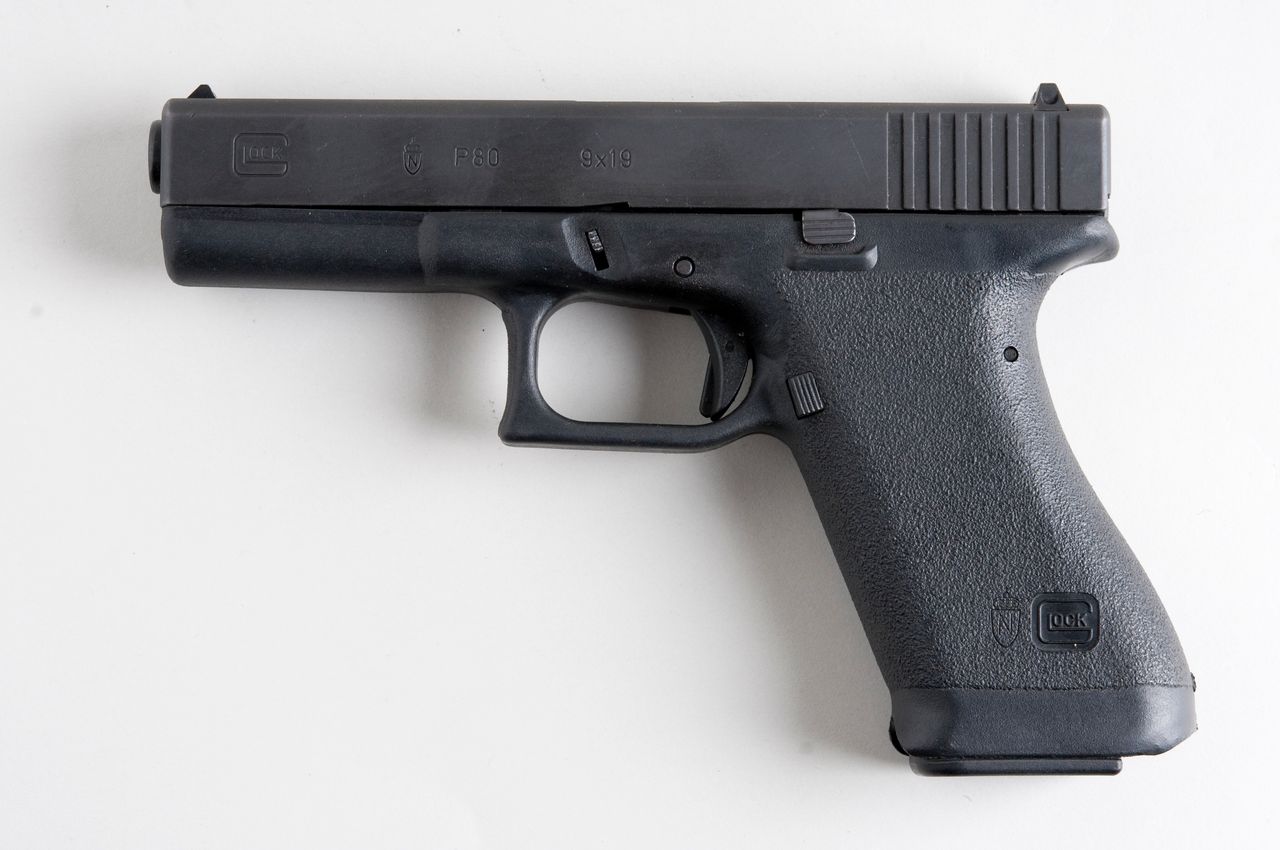
On paper, the Glock 17 and Sig P320 seem like a fair fight. Both are full-size 9mm striker-fired pistols with military and law-enforcement credibility, wide aftermarket support, and strong brand loyalty. For a casual buyer, that often makes the decision feel like a coin flip.
A 50,000-round test changes that fast. At that volume, little annoyances become major trends, and small mechanical differences start to matter. Reliability, parts longevity, heat tolerance, maintenance demands, and shooter fatigue all become impossible to ignore when a pistol is fired this much.
This kind of round count is not fantasy. Training schools, competitive shooters, armorers, and agency range programs can hit those numbers over time, and their experience tends to expose what survives hard use and what merely survives marketing. That is where this comparison gets interesting.
The Glock 17 enters the conversation with a long-established reputation for durability and simplicity. The P320 comes in with modularity, better stock ergonomics for many hands, and a modern design philosophy that has won plenty of fans. But by the end of 50,000 rounds, one of those advantages matters more than the others.
Reliability under pressure tells the real story
When round counts climb into five figures, reliability stops being about a single lucky range day. It becomes a pattern measured across cheap practice ammo, hotter defensive loads, dirty internals, and long firing sessions with minimal downtime. In that environment, the Glock 17 usually shows why it earned its standing.
The Glock’s edge is not that it never breaks. Any machine can fail. Its advantage is that malfunctions tend to be rare, predictable, and easy to diagnose, and the pistol usually keeps running even when fouled, dry, and neglected longer than it should be. That matters more than flashy features when the gun is supposed to work every time.
The Sig P320 can also run very well, especially in newer production examples with updated components. Many shooters report excellent reliability, and in ordinary ownership the pistol often performs just fine. But over very high round counts, the platform has shown more variance from gun to gun, especially when magazines, recoil assemblies, and small parts begin to wear.
That inconsistency is the key issue. A pistol does not need to be bad to lose this contest. It only needs to require more attention, more monitoring, and more confidence-checking than its rival. Over 50,000 rounds, the Glock 17 more often feels like an appliance, while the P320 feels like a system that asks to be managed.
Durability and parts life favor the simpler design

Long-term durability is where the gap becomes harder to ignore. The Glock 17’s internal design is famously uncomplicated, and that simplicity pays off when parts begin aging. Springs wear, locking surfaces polish, and extractors eventually need inspection, but the overall pattern tends to be slow, boring, and manageable, which is exactly what high-volume shooters want.
Armorers have long praised Glock for how easy it is to keep in service. The gun has relatively few parts, replacement components are widely available, and wear intervals are well understood. That means less guesswork and fewer surprises, especially for agencies or shooters who maintain multiple pistols at once.
The P320’s modular fire control unit is innovative and genuinely useful. It allows grip module changes, caliber and slide swaps, and more flexibility than the Glock offers in stock form. But modularity introduces complexity, and complexity can mean more points where tolerance stacking, wear, or assembly issues reveal themselves over time.
That does not make the P320 fragile. It means that after heavy use, the Glock 17 more often ages gracefully. The Sig may still perform, but it tends to reward shooters who stay ahead of maintenance more aggressively. If the question is which pistol shrugs off 50,000 rounds with less drama, the answer is the Glock.
Ergonomics, shootability, and where the Sig fights back

This comparison is not a total landslide in every category. The Sig P320 often feels better in the hand right away, and that matters. Many shooters like its grip shape, higher undercut feel, and generally more natural pointability. For some, the P320 simply arrives easier on target than a stock Glock 17.
The trigger is another area where Sig often earns praise. A good P320 trigger can feel cleaner and more refined than a standard Glock trigger, particularly for new shooters who notice mush and reset quality immediately. In practical terms, that can translate into faster confidence-building and better initial groups at typical handgun distances.
The Glock 17, however, wins shootability differently. It has a lower-feeling maintenance burden, highly predictable cycling, and a recoil impulse that experienced shooters learn quickly. The grip angle remains divisive, but many adapt to it with repetition, and once they do, the pistol becomes exceptionally easy to drive hard in training.
So yes, the P320 scores real points here. If you judge both guns fresh out of the box in a 500-round weekend, many people may prefer the Sig. But over 50,000 rounds, comfort alone cannot erase the value of a pistol that stays consistent with fewer question marks.
Maintenance, cost of ownership, and downtime matter
High round counts turn maintenance from an afterthought into part of the ownership experience. The Glock 17 excels because fieldstripping is simple, internals are familiar to almost every competent armorer, and replacement schedules are straightforward. That reduces downtime and lowers the friction of keeping the pistol operational for years.
Cost of ownership is not just the sticker price. It includes spare magazines, recoil springs, small parts, labor, and the hidden cost of confidence lost when a gun starts acting unpredictable. Glock parts and magazines are generally abundant and competitively priced, and the ecosystem around the pistol is mature in a way few platforms can match.
The P320 also has strong support, but the total ownership picture can become less tidy over time. Depending on the configuration, owners may be tempted into module changes, slide options, trigger upgrades, and compatibility questions that complicate what should be a straightforward service pistol experience. Flexibility is appealing, but it can encourage tinkering instead of training.
For individual shooters, that might be part of the fun. For departments, instructors, and serious high-volume users, it can be a drawback. After tens of thousands of rounds, the gun that asks less of its owner usually wins, and in this matchup the Glock 17 keeps winning that quiet, practical battle.
Real-world trust is built on boring consistency
The most valuable trait in a hard-use handgun is not excitement. It is predictability. The Glock 17 has spent decades proving that it can endure ugly conditions, long training cycles, inconsistent ammo quality, and neglect that would embarrass most owners. That history is not just folklore; it is reinforced by the pistol’s continued presence in professional use worldwide.
The Sig P320 has impressive credentials too, including major military adoption and broad commercial success. It is accurate, adaptable, and clearly capable in serious hands. But the platform has also faced more public scrutiny over design concerns, upgrade discussions, and confidence issues than Glock has in the same broad service-pistol role.
Even when some of those concerns are addressed, reputation matters because trust is cumulative. People who run guns hard tend to value the pistol that generates the fewest conversations. They want fewer caveats, fewer model-year disclaimers, and fewer reminders to verify which parts revision they have before class or duty use.
That is where the Glock 17 pulls ahead decisively. It may not be glamorous, and it rarely feels revolutionary, but it inspires the kind of trust that only comes from repeated, uneventful success. At 50,000 rounds, uneventful is exactly what experienced shooters are looking for.
The clear winner after 50,000 rounds
If the contest were based on modularity, stock ergonomics, and out-of-box trigger feel, the Sig P320 would make this a much tighter race. In some categories, it arguably wins. It is a thoughtful modern pistol with real strengths, and dismissing it would be lazy analysis.
But 50,000 rounds is a different standard. At that level, the best pistol is the one that keeps working with the least intervention, the fewest surprises, and the smallest total maintenance headache. That is where the Glock 17 separates itself from the P320 in a meaningful way.
The winner is the Glock 17 because durability and reliability remain the foundation of a serious handgun. Everything else, from grip texture to modular chassis appeal, matters only after the gun proves it can endure punishing use without becoming a project. Across that full-distance test, Glock’s simple formula still beats Sig’s more ambitious one.
That does not mean the P320 is a bad choice for every shooter. It means that if you are judging these pistols by what happens after the honeymoon period, after the upgrades, and after 50,000 rounds of hard evidence, the Glock 17 is the one that earns the stronger long-term verdict.