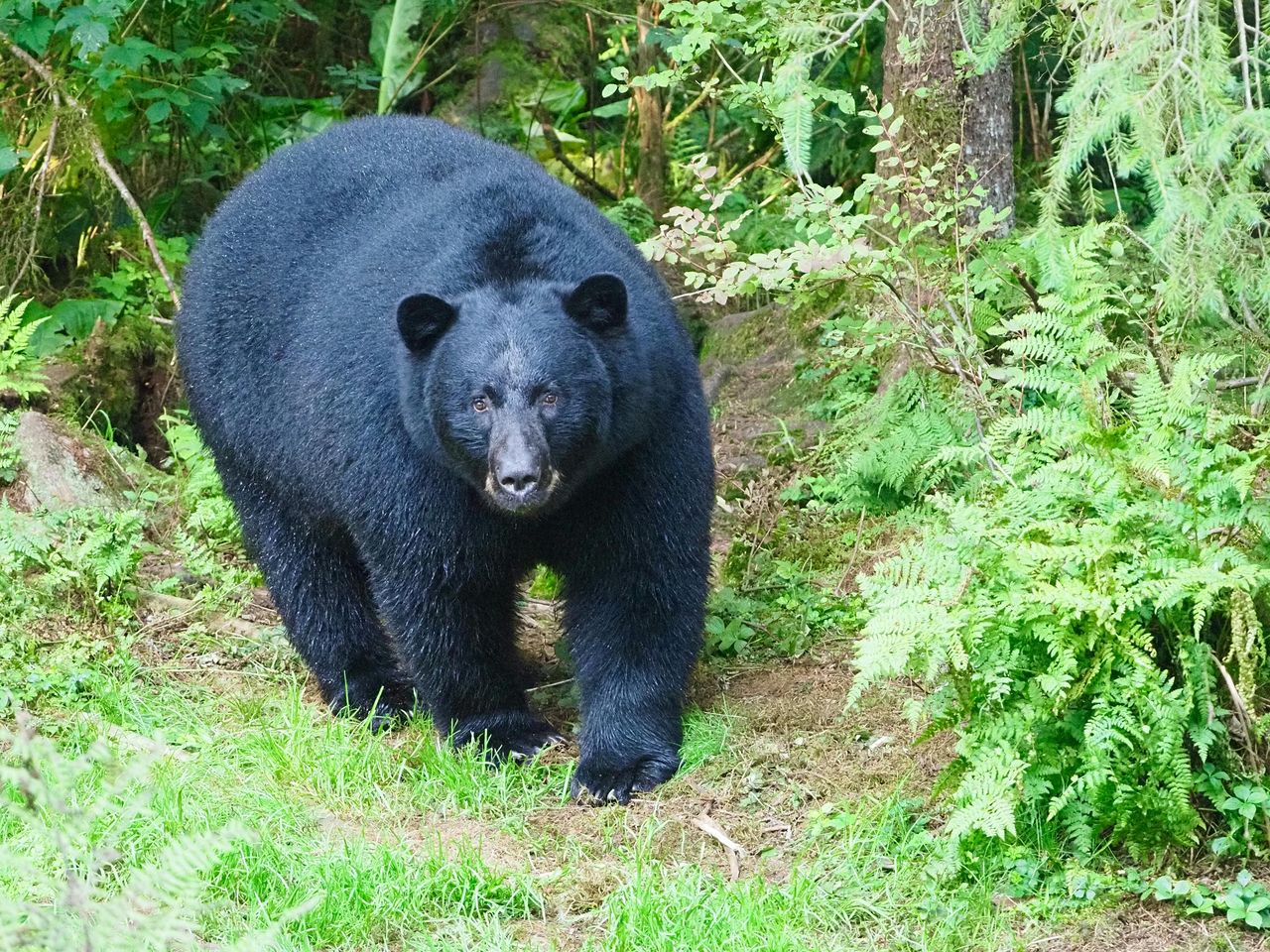
Black bears are often associated with a handful of wilderness-heavy states, but their range and numbers stretch farther than many Americans realize. In some places, healthy populations live surprisingly close to suburbs, vacation towns, and busy roadways. This gallery highlights 12 states where black bears are more common than their public image suggests, and why that matters for residents and travelers alike.
Pennsylvania

Pennsylvania has one of the most robust black bear populations in the country, yet many people still think of it primarily as deer-hunting territory. In reality, the state’s mix of forests, ridges, and rural farmland creates ideal bear habitat across wide stretches of the map.
Bears are especially common in the north-central and northeastern regions, but sightings also pop up closer to developed areas than newcomers expect. That surprise factor is part of what makes Pennsylvania stand out.
State wildlife managers have spent decades balancing conservation with public safety, and the result is a healthy, visible bear presence. For plenty of residents, seeing a black bear is less a once-in-a-lifetime event and more a memorable part of living near the woods.
North Carolina

North Carolina is home to an impressive black bear population, with animals spread across both mountain country and parts of the coastal plain. That geographic range surprises people who assume bears are limited to the Appalachian west.
The state is especially notable because some of its bears grow exceptionally large, thanks to rich habitat and abundant food sources. In eastern counties, the landscape may look more like wetlands and farmland than classic bear country, but the animals thrive there all the same.
For visitors driving the Blue Ridge Parkway or exploring coastal refuges, black bears are a real possibility. North Carolina quietly proves that bear country can wear more than one kind of scenery.
New Jersey

New Jersey rarely enters the national conversation about black bears, which is exactly why its population feels so unexpected. Despite its density and suburban reputation, the state supports a well-known bear presence, particularly in the northwest.
The combination of wooded habitat, patchwork development, and easy food access has brought bears into frequent contact with people. That has made the state a case study in how wildlife adapts even in heavily populated regions.
For residents in bear-prone counties, securing trash and bird feeders is a normal part of life. New Jersey is a reminder that a state doesn’t need vast, remote wilderness to host a surprisingly visible black bear population.
Tennessee

Tennessee’s black bears are often overshadowed by the state’s music cities and scenic byways, but they are a major presence in the eastern part of the state. The Great Smoky Mountains region, in particular, is one of the most reliable places in the South to encounter bear habitat.
What makes Tennessee surprising is how often bears turn up around cabins, campgrounds, and tourist areas. Visitors may arrive expecting waterfalls and mountain views, then discover that responsible food storage is just as important as hiking boots.
As bear numbers have remained healthy, public education has become central to coexistence. In Tennessee, black bears are not just deep-forest animals; they are part of the everyday rhythm of mountain travel.
Georgia
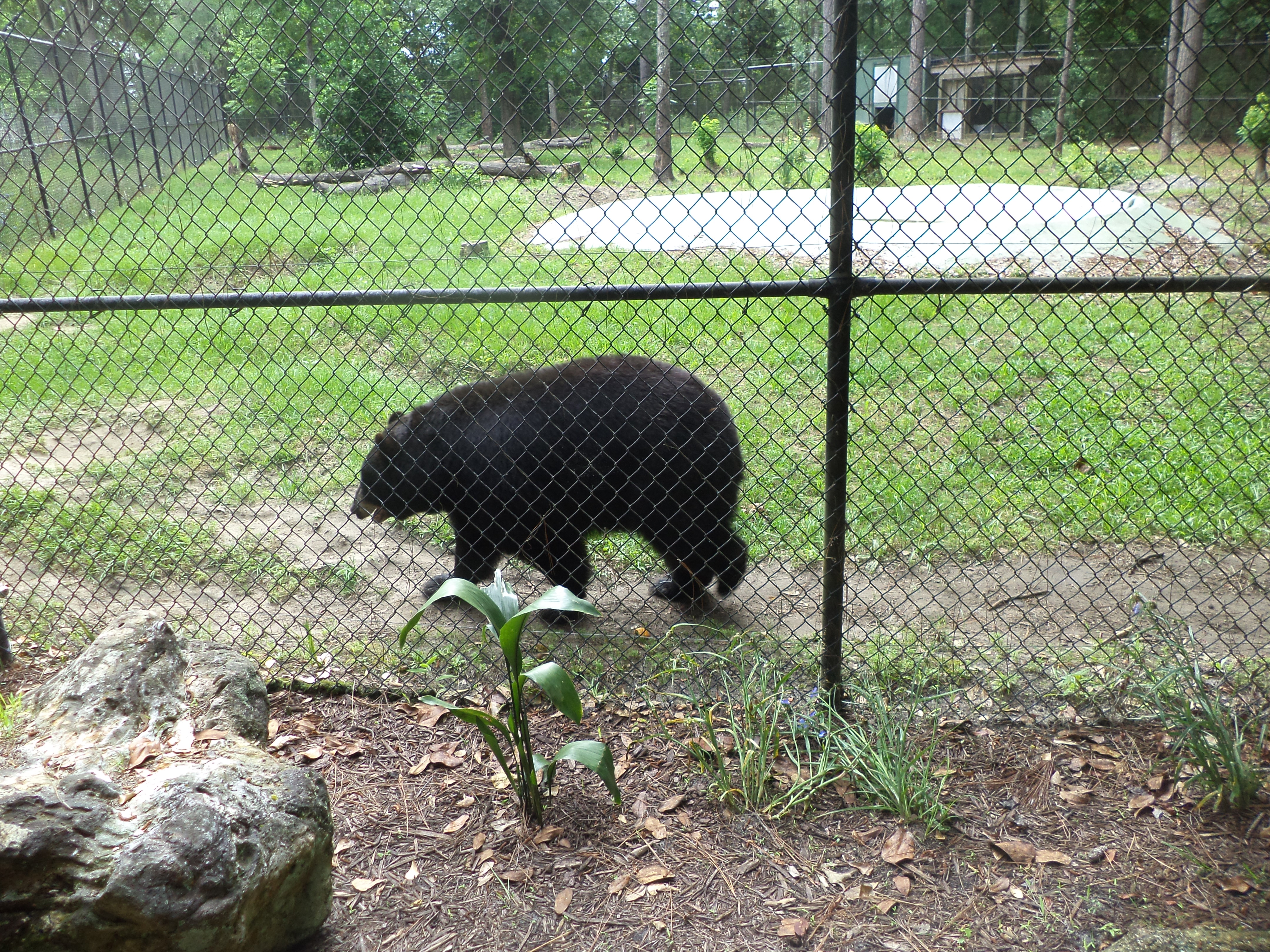
Georgia doesn’t always register as major bear country, but its black bear population is more established than many people assume. Bears are found in the mountains of north Georgia, in central swampy areas, and even in parts of the southern coastal region.
That spread across three distinct bear zones makes the state especially interesting. It also helps explain why sightings can occur in places that don’t fit the classic image of rugged wilderness.
For hikers and homeowners alike, the lesson is the same: black bears are highly adaptable. Georgia shows how a state better known for peaches, pine forests, and Atlanta traffic still supports a notable wild bear presence.
Florida

Florida may be famous for beaches, theme parks, and alligators, but black bears are part of the state’s wildlife story too. The Florida black bear, a regional subspecies, lives in several parts of the state where forests, swamps, and conservation lands remain connected.
Because development is so extensive, bear encounters often happen near roads, neighborhoods, and recreation areas. That contrast makes the population feel surprising to people who associate bears with cooler climates and mountain terrain.
In reality, Florida’s bears have adapted to a very different environment, one defined by heat, humidity, and rapid growth. Their continued presence says a lot about the resilience of wildlife in one of America’s busiest states.
Virginia

Virginia has a strong black bear population that stretches beyond the Blue Ridge image many people know. Bears are especially common in forested western counties, but they also appear in central regions and on the edges of expanding communities.
That widening footprint has made black bears a familiar subject for wildlife agencies and local news alike. For many Virginians, bear sightings are not remarkable in the abstract; they are happening in backyards, along roads, and during weekend hikes.
The state’s mix of public lands and private woodlots gives bears room to move, forage, and den. Virginia’s bear story is less about remote isolation and more about how large wildlife persists alongside everyday human life.
West Virginia

West Virginia feels like obvious bear country once you picture its ridgelines and deep forests, yet its black bear abundance still catches outsiders off guard. The state has become a stronghold for bears in the Appalachian region, with animals thriving across broad, rugged landscapes.
Part of the surprise comes from how little national attention the state gets compared with larger tourism magnets nearby. But for hunters, campers, and rural residents, black bears are very much part of the natural backdrop.
As habitat conditions improved over time, bear numbers rebounded impressively. West Virginia now stands as a reminder that wildlife success stories often unfold in places that aren’t constantly in the spotlight.
Maryland
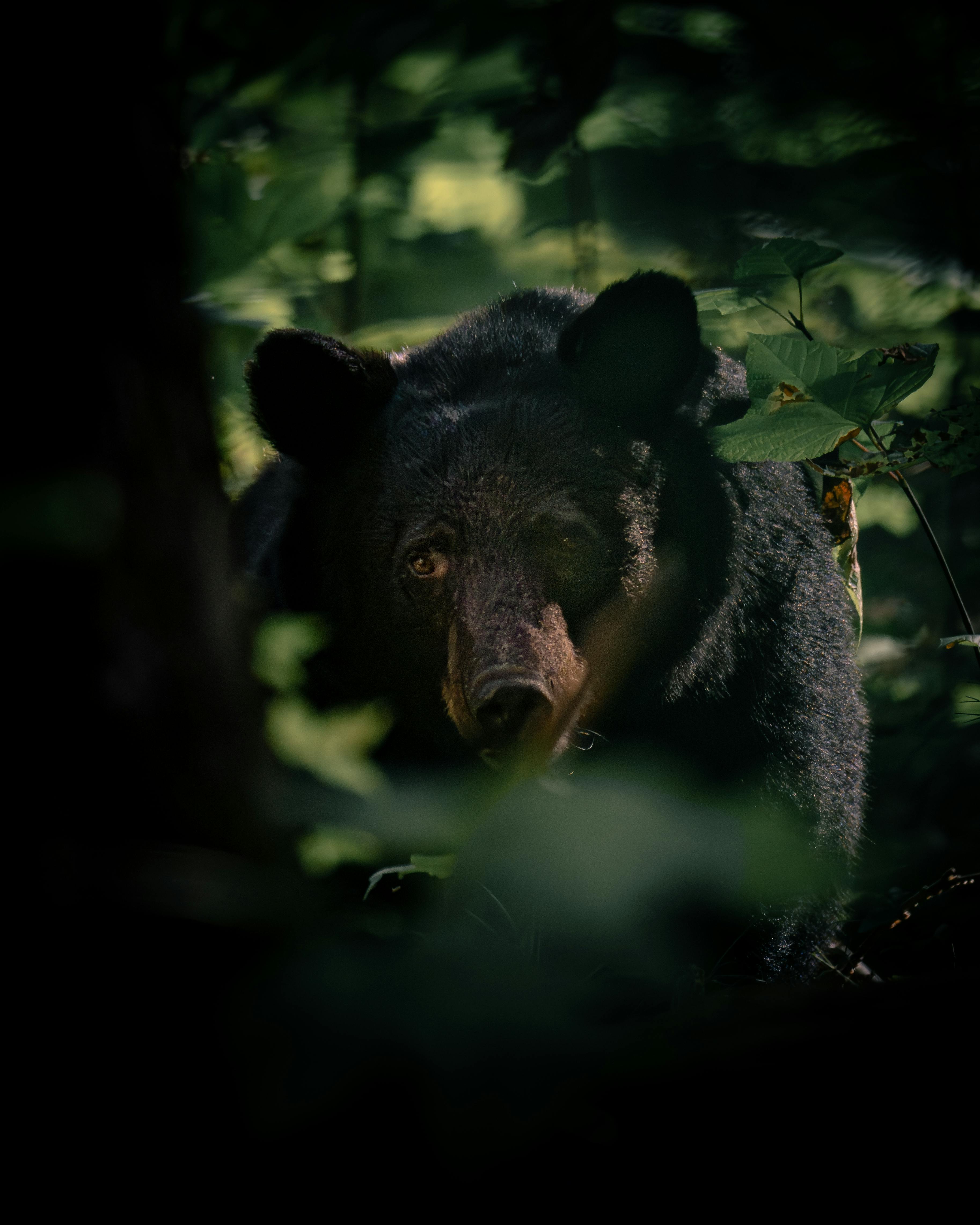
Maryland is small enough that many people don’t imagine it supporting a meaningful black bear population, but western Maryland tells a different story. In the state’s more mountainous and forested counties, bears have established a steady and visible presence.
What makes Maryland notable is the contrast between dense urban corridors in one part of the state and viable bear habitat in another. That split can make the state’s wildlife profile easy to underestimate from afar.
Bears are not spread evenly statewide, but where habitat remains favorable, they are increasingly familiar to residents and outdoor visitors. Maryland proves that even compact states can hold surprisingly wild corners with room for large mammals.
Kentucky
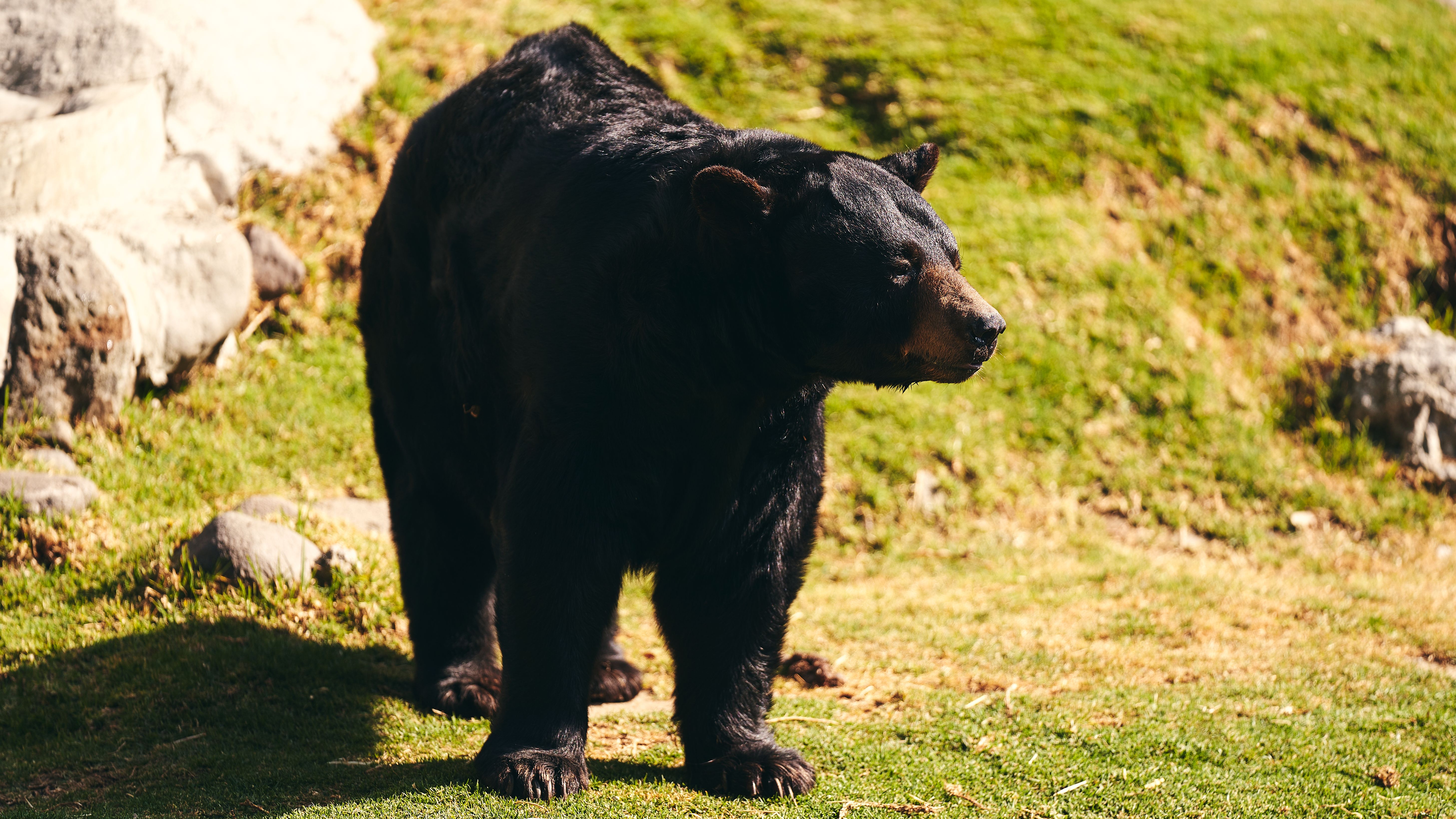
Kentucky is better known for horses, bourbon, and bluegrass than for black bears, which is why its growing population feels like a quiet surprise. Eastern Kentucky, with its forested mountains and reclaimed habitat, has become a meaningful zone for bear recovery and expansion.
In recent years, sightings have drawn attention because bears are appearing in more places and crossing into areas where they were once rare. That shift reflects successful wildlife management as well as the species’ natural ability to disperse.
For people in the region, black bears are becoming less of a historical footnote and more of a present-day reality. Kentucky’s comeback story shows how wildlife can return when habitat and protection align.
Arkansas
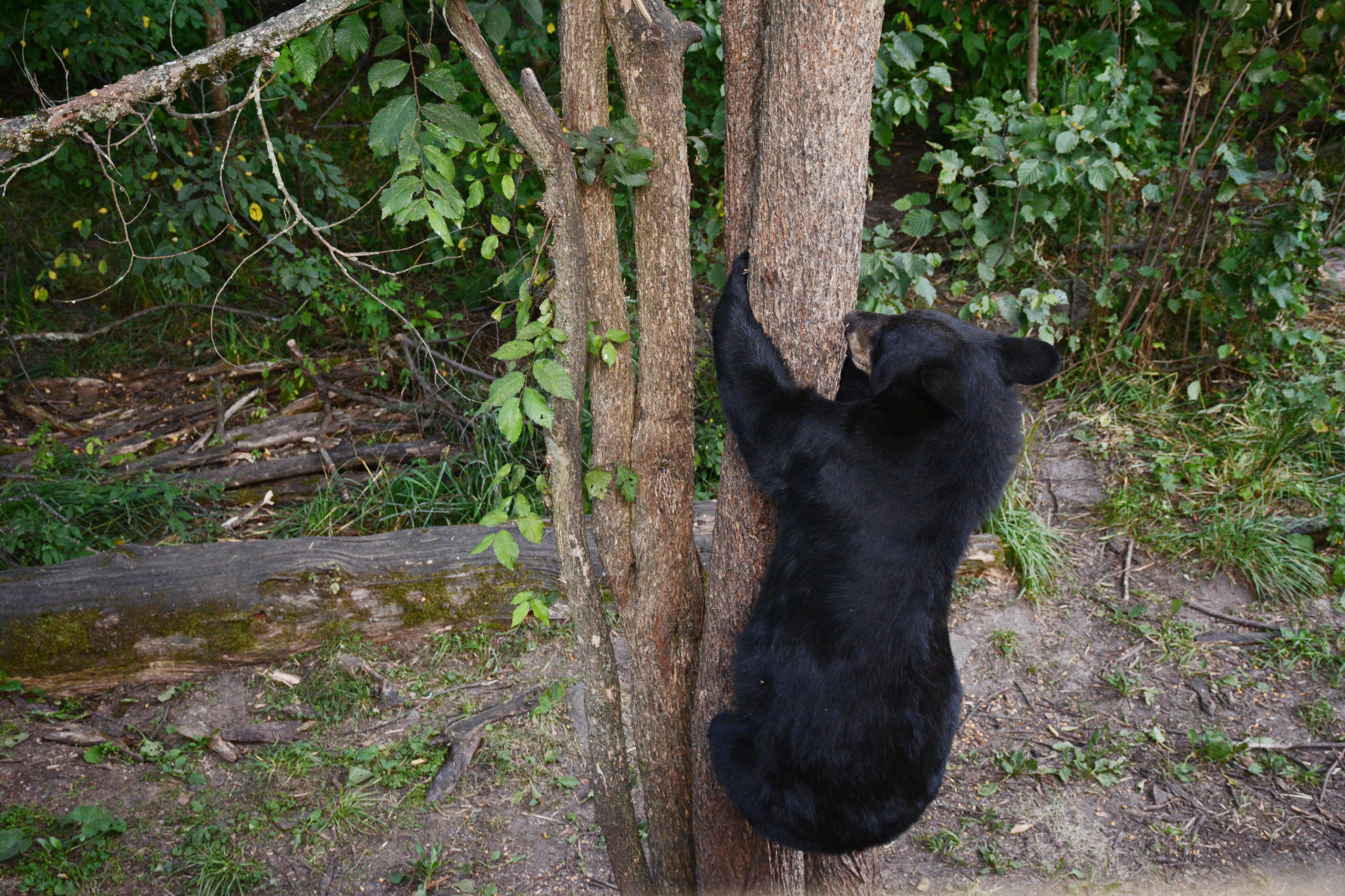
Arkansas has one of the more overlooked black bear stories in the country. Once reduced dramatically, the state’s population rebounded so successfully that the black bear now feels like a natural emblem of Arkansas wilderness rather than a rarity.
The Ozarks and Ouachitas provide excellent habitat, with forest cover, varied terrain, and enough space for bears to spread. For travelers who only think of the state in terms of rivers, small towns, or southern culture, that can come as a genuine surprise.
Today, black bears are established enough that sightings are not unusual in the right regions. Arkansas illustrates how conservation work can reshape public expectations about where large mammals truly belong.
Missouri

Missouri is not the first state many people would name for black bears, but the species has made an impressive return there. The southern part of the state, especially the Ozark region, now supports a growing and increasingly discussed bear population.
This resurgence has changed the conversation around wildlife in Missouri, where bear sightings once felt extraordinary. As animals disperse, more residents are learning the basics of coexistence, from securing attractants to giving bears plenty of distance.
The state’s experience reflects a broader trend: black bears can reclaim suitable habitat even where generations grew up thinking they were largely gone. Missouri’s bears are a modern reminder that nature is often more dynamic than public memory.