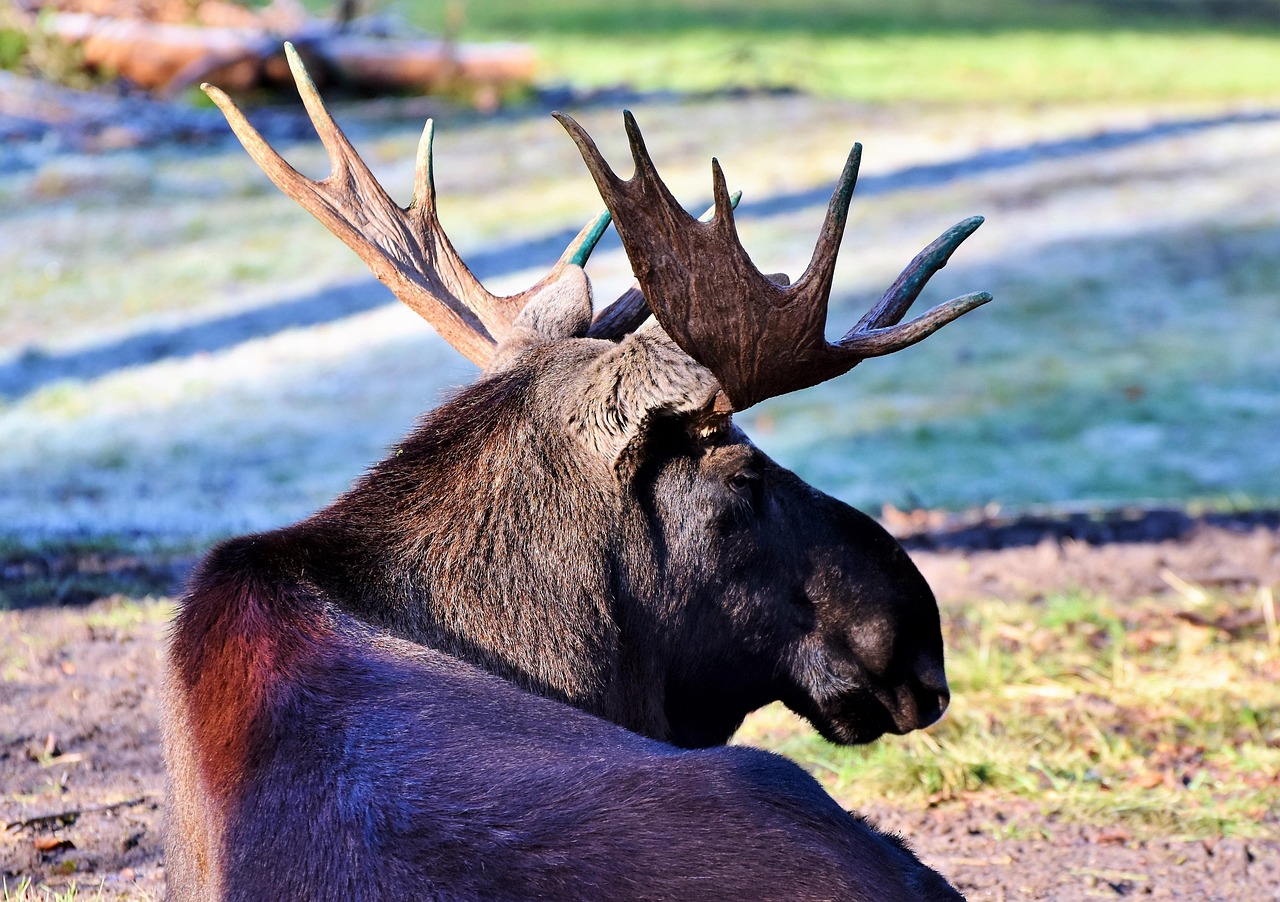
A first moose season has a way of humbling people fast. The animal looks slow and almost cartoonishly oversized, right up until it decides you are too close.
The Statistic That Surprises First-Time Hunters
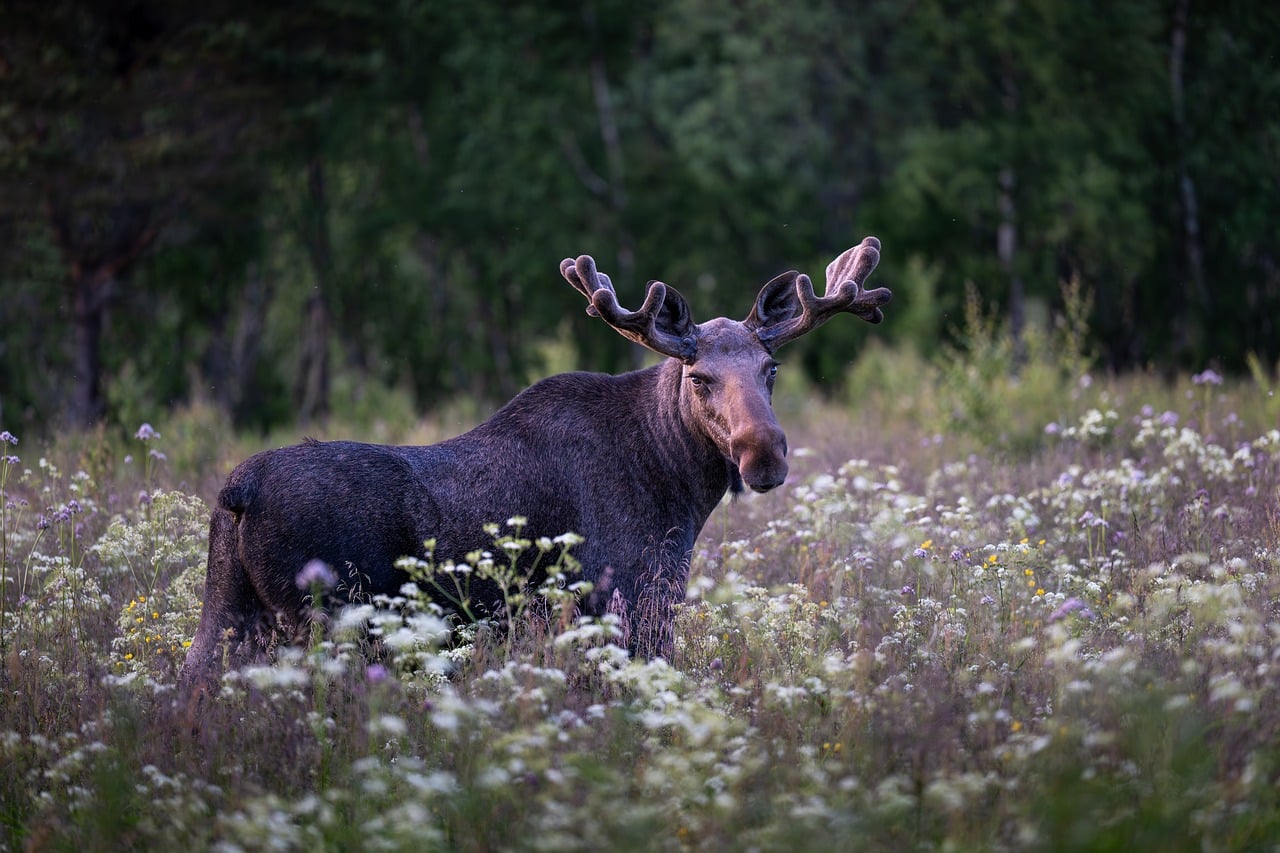
Most new hunters picture bears as the obvious backcountry emergency. In reality, wildlife agencies in moose country have spent years warning that moose injure people more often than many hunters assume, and in Alaska the Department of Fish and Game says more people are injured by moose than by bears. That single comparison flips a lot of beginner assumptions on their head.
Part of the confusion is that moose do not fit the public image of a classic predator. They do not stalk, they do not roar, and they are not usually looking for a fight. But danger in the woods is not only about predation. It is often about size, reaction distance, and how violently an animal responds once it feels crowded, cornered, or separated from an escape route.
Utah wildlife officials made a similar point in May 2026, noting that in some parts of the United States, agencies report more people are injured by moose than bears each year. Alaska’s long-running public safety messaging says the same thing in plainer terms. For a first-time hunter, that matters because it means the most statistically likely large-animal problem may be the one you mentally filed under “big deer” instead of “serious threat.”
Why Moose Encounters Go Bad So Fast
A moose creates danger through raw mechanics. Adult bulls can weigh well over 1,000 pounds, cows are still massive, and even a young calf can injure a person. Alaska officials note that moose do not usually bite like bears. They kick and stomp, and those are exactly the tools that make close-range encounters so ugly.
That matters because the attack pattern is different from what many hunters rehearse in their heads. Bear safety is talked about constantly, so people think in terms of spray, noise, food storage, and reading predatory versus defensive behavior. Moose incidents are often simpler and more sudden. You drift too close, pass between a cow and calf, push a tired animal in deep snow, or keep approaching after the animal has already told you no.
Moose also have the height and leg length to strike in ways people underestimate. A hunter who thinks, “I can just back off if it acts up,” may already be inside the danger zone. According to Alaska biologists, defensive cows are the usual problem, but any moose that feels pressed can charge. Once one closes distance, the reach of those front hooves changes everything in a heartbeat.
Hunters Often Meet Moose At The Worst Possible Distance

A first-season hunter is not usually seeing moose from the safety of a car window or a boardwalk turnout. He is calling, glassing, sneaking timber edges, following tracks into cover, and moving quietly through willows, creek bottoms, and black spruce. Those are exactly the kinds of situations where distance disappears and surprise increases.
During the rut, the risk calculation gets even worse. The National Park Service notes that bulls may go roughly 2 weeks without eating during the rut and can lose up to 20% of their body weight. That is a stressed, distracted, hormonally charged animal already operating on a thin margin. A hunter trying to close the distance on a bull that sounds responsive may accidentally step into a confrontation instead of a clean setup.
Dense cover makes all of this more dangerous. Moose prefer riparian areas, wet thickets, lake margins, and brushy transition zones where visibility can collapse to a few yards. That means a hunter may not recognize pinned ears, raised hackles, lip licking, or a head-lowered warning until the animal is already deciding whether to come. The beginner mistake is assuming the first clear look at a moose is the start of the encounter. In reality, the moose may have been judging you for the last 30 seconds.
Cow Moose, Calves, And The Defensive Trap

If there is one pattern wildlife agencies repeat over and over, it is this: cows with calves are the most predictable human injury setup. Alaska, the National Park Service, and multiple state agencies all emphasize that mothers are extremely defensive of young calves. Hunters sometimes hear that warning and file it under spring hiking advice, but it matters in hunting season too.
Calves are still with cows well into the fall, and thick cover can hide that second animal until the last second. A hunter may spot a cow standing broadside in brush, keep easing forward for a better look, and suddenly realize he has drifted between mother and calf. At that point, he is no longer just another creature passing through. He is an immediate problem that must be removed.
This is where moose danger becomes statistical rather than dramatic. Many incidents do not involve reckless people doing obviously foolish things. They involve normal field movement, bad visibility, a dog, fresh snow, or a hunter trying to circle for wind. Alaska officials specifically warn that people and pets often trigger attacks. The first-season hunter who prides himself on moving quietly may actually be increasing his odds of a close defensive encounter.
Roads, Camp Access, And The Danger Outside The Hunt Itself
Moose risk does not begin at first light and end when you unload your rifle. One of the biggest threats tied to moose is the drive in and out. The Federal Highway Administration has long treated collisions with large animals as a major safety problem, and in Maine, its report found 82% of wildlife-vehicle collisions involved moose in the state dataset it summarized.
That is not just a property-damage issue. Moose are tall, dark, and long-legged, which makes them especially dangerous to motorists because impact can take out the legs and drive the body into the windshield area. Maine transportation officials warn that May and June are peak moose collision months there, while federal research has also found moose-vehicle collisions are more likely in darkness, with one Anchorage-area study cited by FHWA showing they were 2.6 times more likely during dark periods.
For hunters, that means the hazard window often includes the most normal parts of the trip: predawn departure, exhausted late-night return, and remote roads with limited lighting. In other words, plenty of “moose danger” happens before the stalk and after the pack-out. A newcomer focused only on firearm safety can miss the fact that the statistically riskiest moose encounter of the whole trip may come through the windshield.
Why New Hunters Misread Moose Behavior
Beginners often confuse “not acting like a bear” with “not dangerous.” Moose body language is easy to dismiss if you have never spent real time around them. A moose that stops feeding, locks onto you, lays its ears back, or starts walking stiff-legged may already be escalating. Because it is not snarling or sprinting, people talk themselves into one more step, one more photo, one more attempt to slip around.
Another problem is that moose in some places become unusually tolerant of people until they suddenly are not. Utah’s current moose plan notes that moose are generally more tolerant and less afraid of humans than other wild ungulates, which increases interaction. That false calm can teach bad lessons. A first-time hunter may see two or three moose ignore him and assume the fourth will do the same.
Experienced hunters learn to respect thresholds, not moods. If a moose is making you think about whether it is irritated, you are already too engaged with it. Alaska’s guidance distinguishes normal defensive behavior from the rare truly abnormal animal, but for the person in front of the hooves, that distinction barely matters. The practical takeaway is simple: if a moose is focused on you, you need space more than certainty.
What Smart First-Season Hunters Do Differently

The best hunters treat moose like heavy equipment with instincts. They keep brush, terrain, and escape lanes in mind before they ever move in. They do not crowd a standing animal for a better angle, and they assume every cow may have a hidden calf nearby. They also understand that backing out early is not cowardice. It is usually the most professional choice available.
Good habits are plain but effective. Scan for a second animal before approaching the first. Avoid calling or stalking into ultra-thick cover unless you have a clean retreat route. Give extra room in creek bottoms, willow tangles, and trail bottlenecks. If a moose pins its ears, swings its head, or starts toward you, get behind solid cover like a tree and keep moving away instead of trying to “win” the stare-down.
Most of all, first-season hunters should stop ranking danger by teeth alone. According to Alaska officials, moose already lead bears in human injuries there, and years of public warnings across moose country point to the same lesson. The animal does not have to be a predator to be your most realistic large-game threat. It only has to be big, close, surprised, and unwilling to yield.