Designing a firearm on paper is one challenge. Turning that design into thousands of consistent, affordable examples is another. Some engineers pushed for unusual mechanisms, advanced materials, new ammunition or exceptionally precise construction, only to discover that factories could not easily reproduce their ideas at the required scale. Others entered production but had to be simplified along the way. These 7 firearms reveal how manufacturing limits, material shortages, cost and industrial capacity could reshape even the most ambitious designs.
1. FG 42
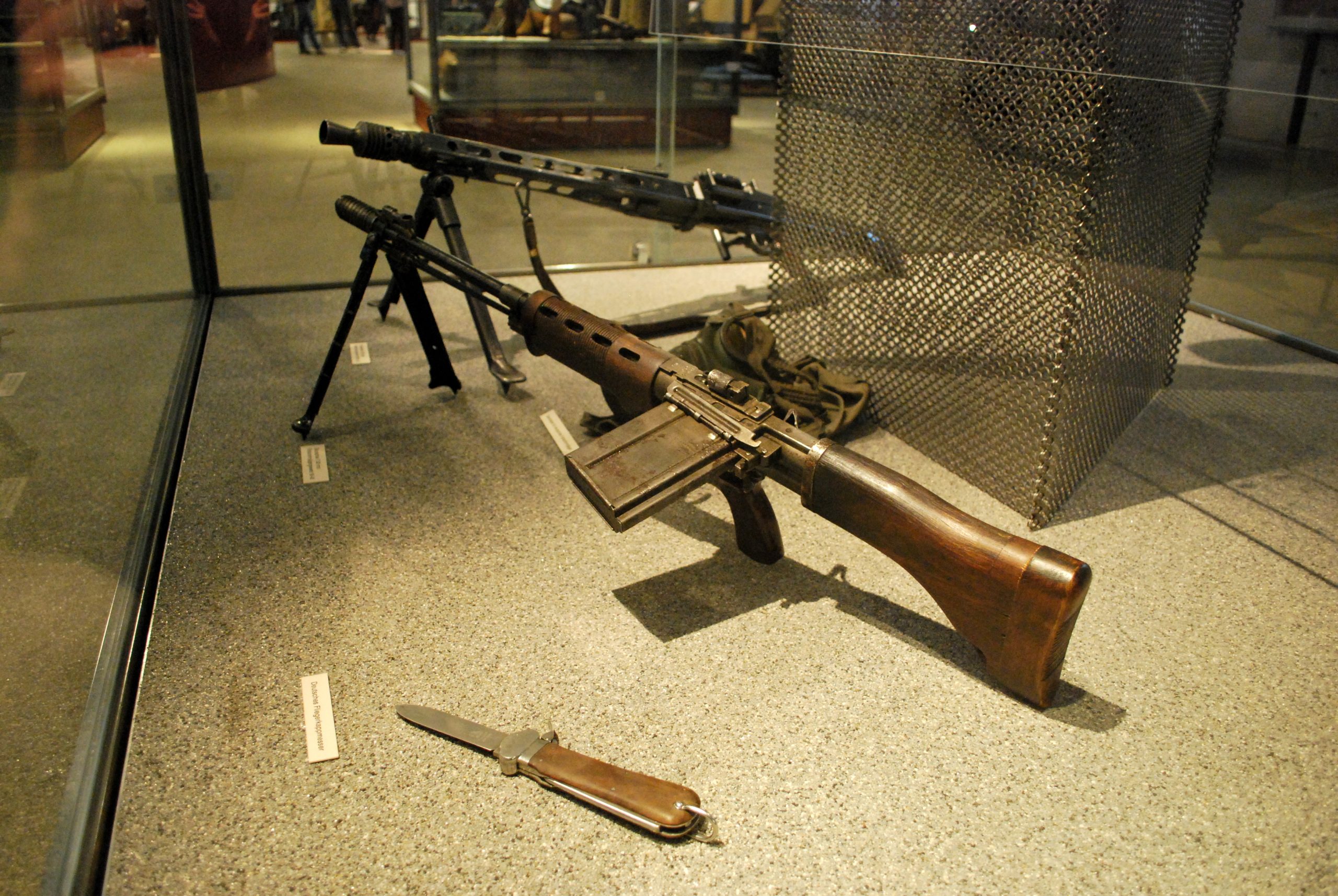
The FG 42 tried to give German paratroopers one rifle that could cover several jobs, but manufacturing realities kept fighting the concept. Its early version used a complex milled receiver and demanding components, while wartime shortages made suitable steel harder to obtain. The design was then revised into a later pattern that used more stamped construction and other changes intended to ease production. Even so, output stayed tiny, with about 7,000 rifles generally estimated for the entire war. The FG 42 shows how an ambitious design can be technically impressive yet remain difficult to build in meaningful numbers for wartime service in Germany.
2. HK G11
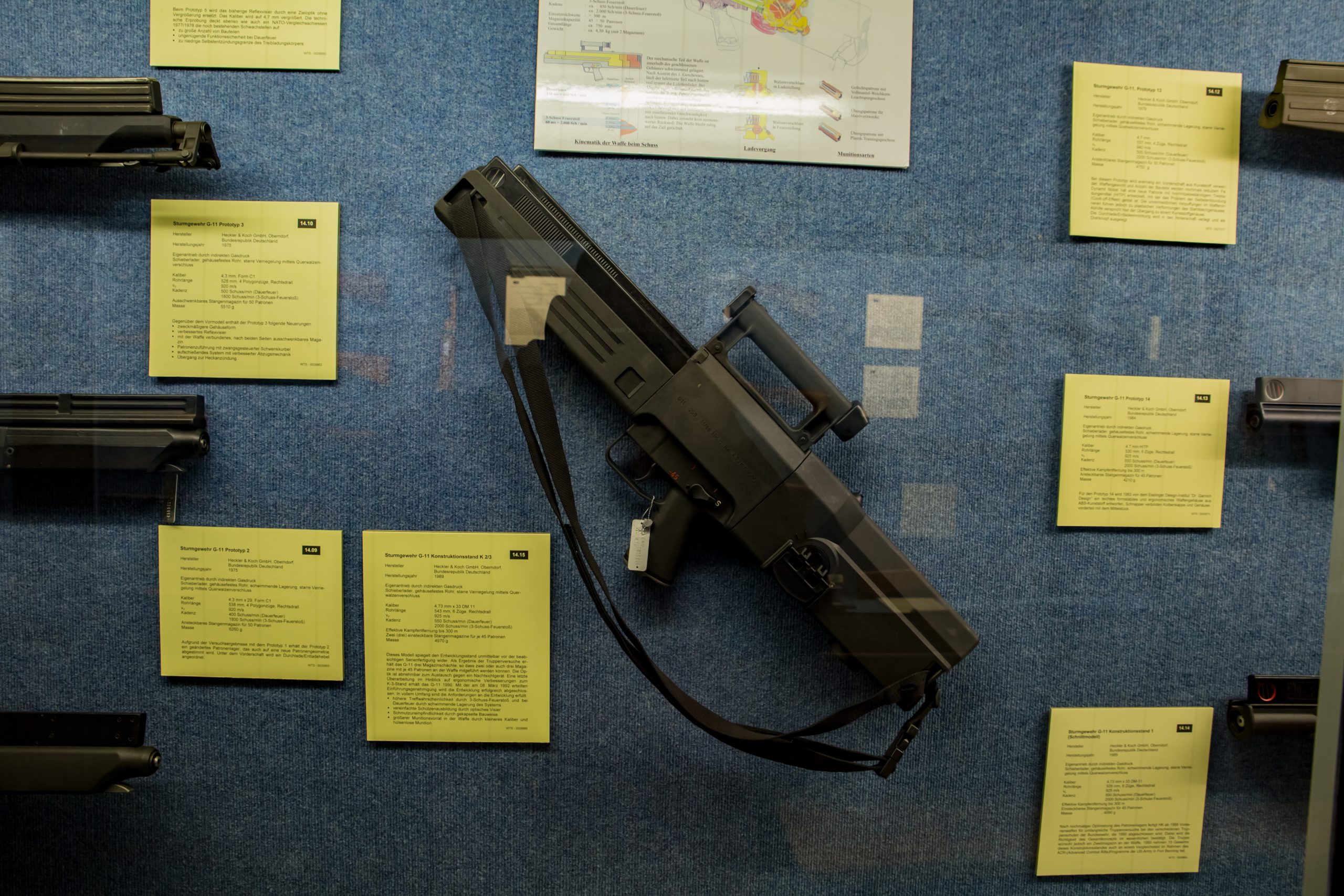
The HK G11 was an attempt to redesign the infantry rifle around caseless ammunition, but the ammunition and weapon had to work as one tightly integrated system. Engineers faced difficult problems involving propellant durability, chamber heat and precise feeding of the unusual block-shaped rounds. The project reached advanced prototypes and trials, but it never became a mass-produced service rifle. Germany’s Bundeswehr ultimately selected the G36 instead, ending a development effort that had stretched across roughly 20 years. The G11 is a striking example of a design whose manufacturing demands were inseparable from its radical ammunition concept.
3. Chauchat
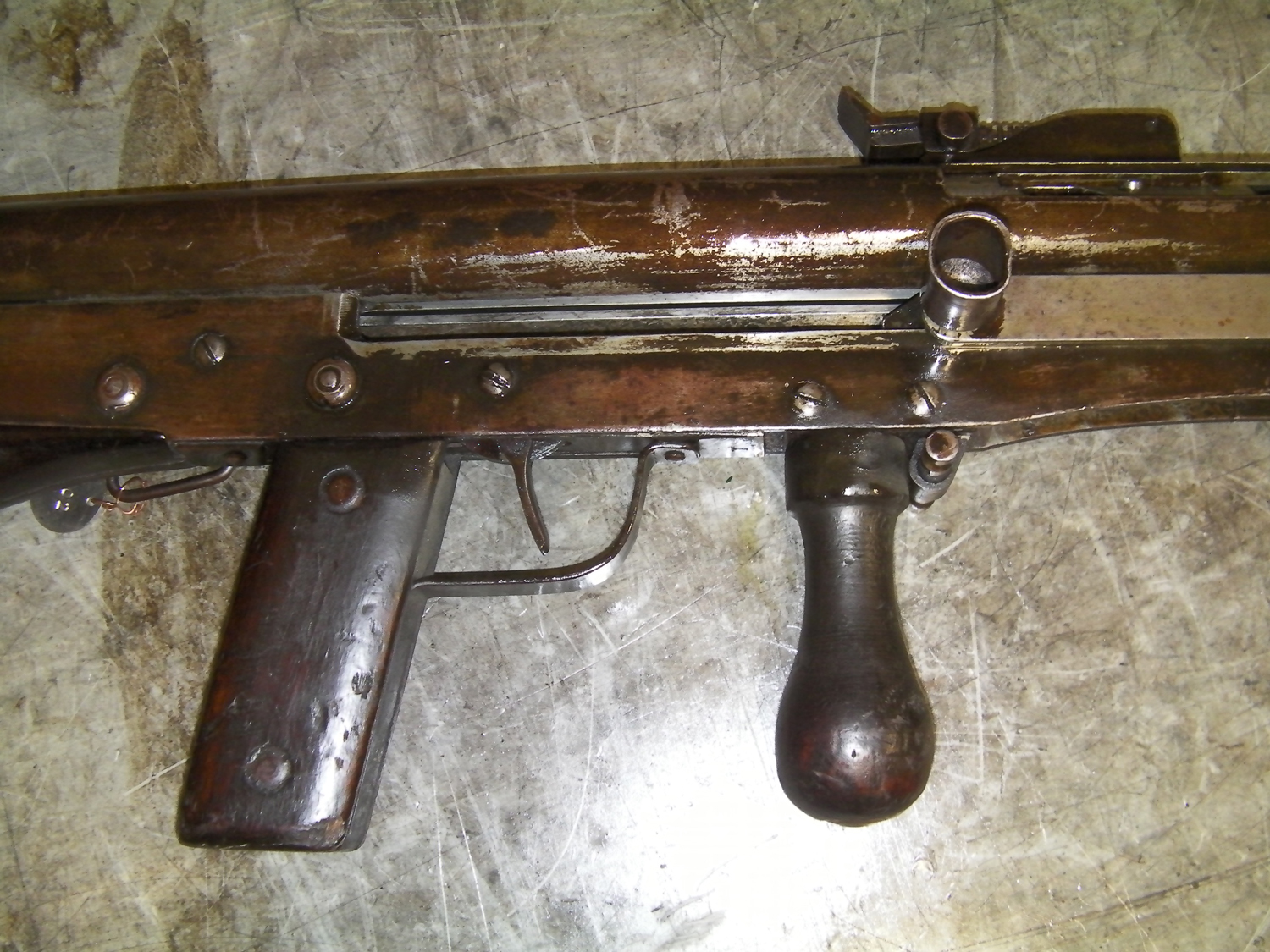
The French Chauchat was intended to provide portable automatic fire during World War I, but its production story exposed the danger of building a weapon under extreme wartime pressure. The original design mixed machined components with stamped and simplified parts so factories could produce it in large quantities. More than 260,000 were made, yet production quality varied between manufacturers and batches. The American version, chambered for .30-06, created additional compatibility and reliability problems. The Chauchat demonstrates that simplifying a design on paper does not automatically make consistent mass production easy when factories, materials and quality control differ.
4. Bren Gun
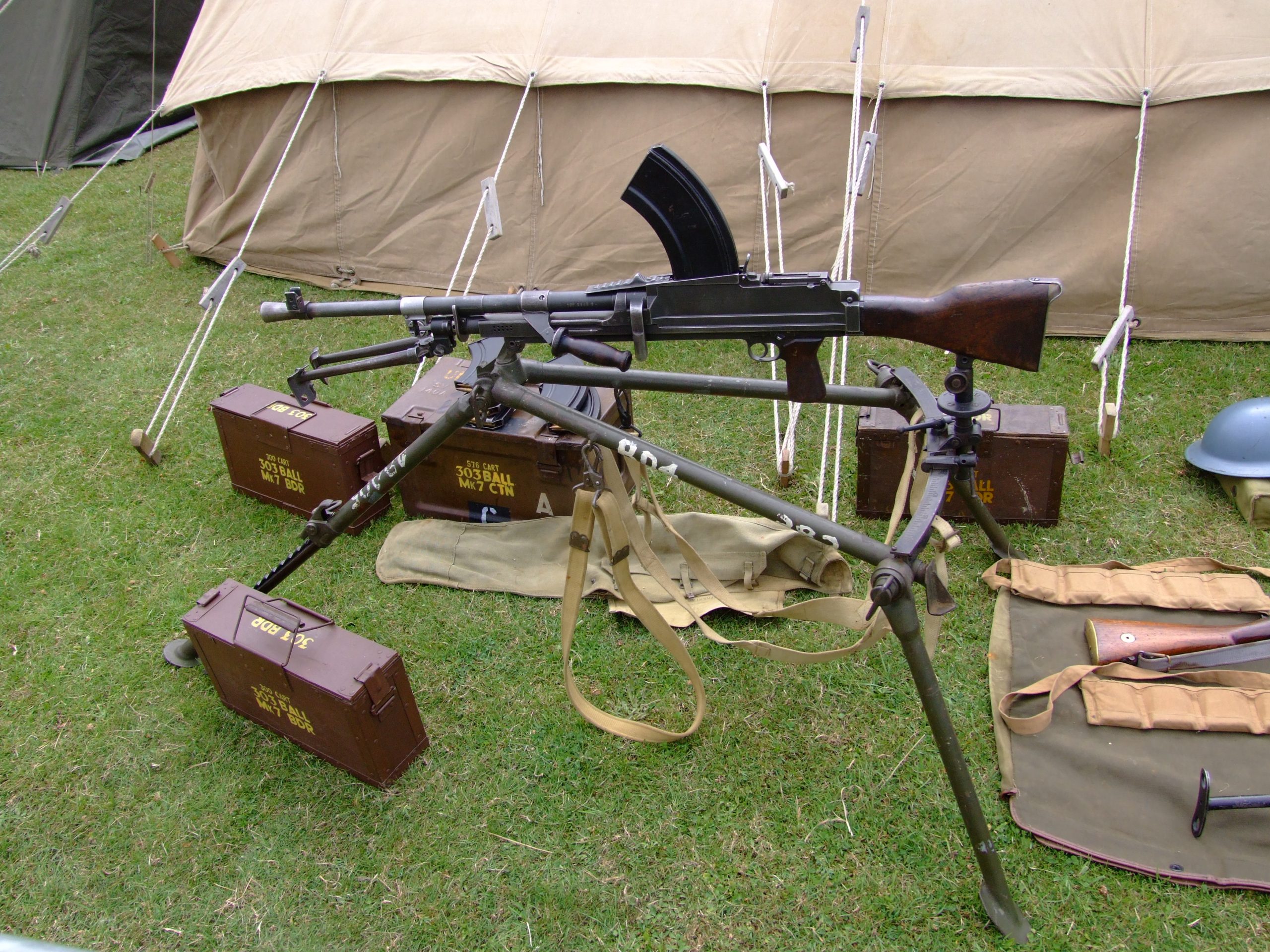
The Bren gun was respected for its quality, but that quality came with a manufacturing burden that Britain eventually had to reconsider. Early production relied heavily on machining and careful fitting, making the gun more expensive and time-consuming to produce than simpler wartime designs. After the 1940 Dunkirk evacuation, Britain needed faster output, so later marks removed or simplified several machining-intensive features. The changes reduced production demands while retaining the core operating system. The Bren remained in service for decades, showing that a successful firearm can survive only when its manufacturing method evolves with the demands placed on industry.
5. Gyrojet
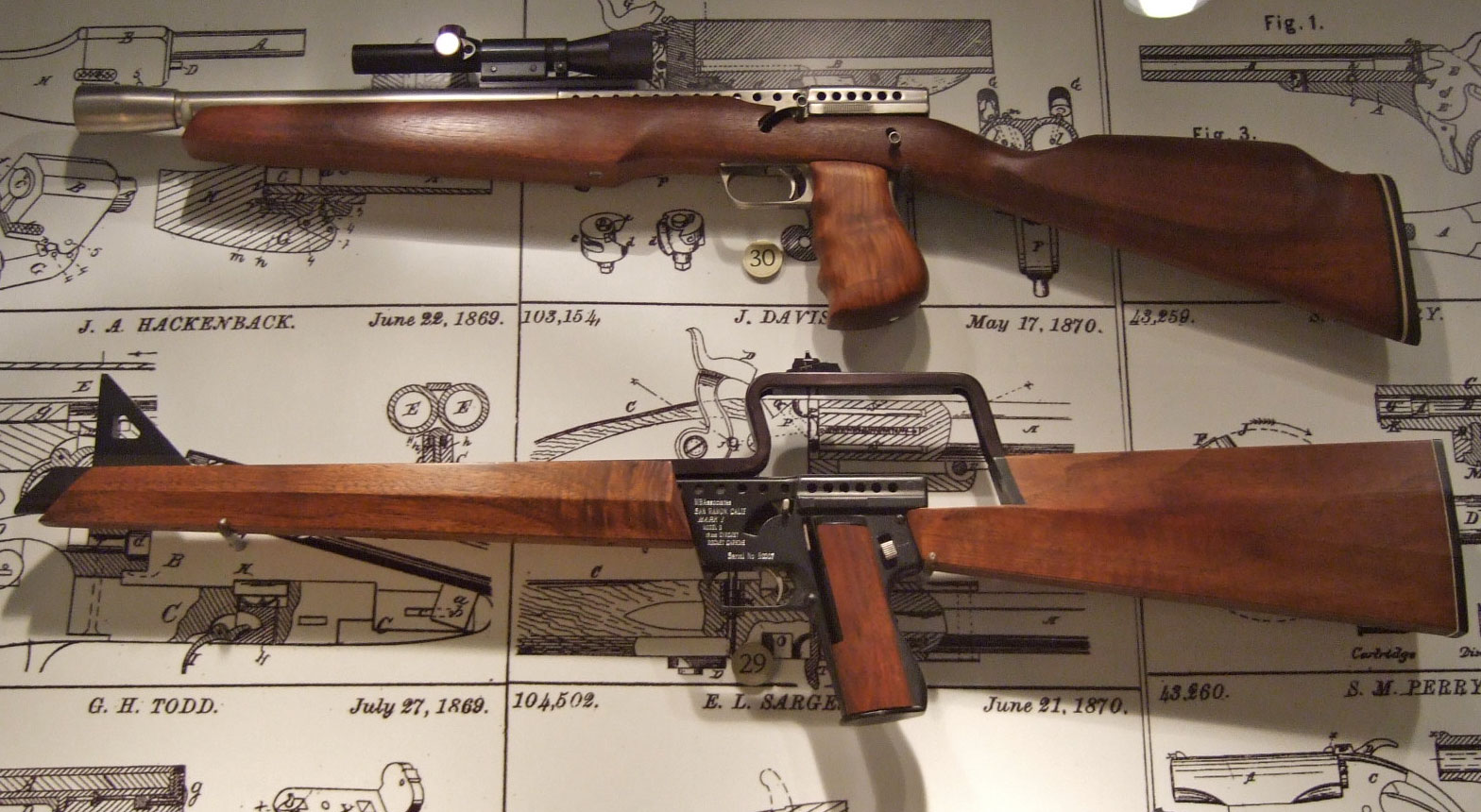
The Gyrojet looked like a futuristic pistol because it used small rocket-propelled ammunition instead of conventional cartridges, but that novelty created manufacturing challenges of its own. Each round combined a projectile and propellant in an unusual package, while the launcher had to handle ammunition unlike ordinary handgun cartridges. Production began in the 1960s, but the system never approached conventional handgun scale. Only limited quantities were made, and ammunition availability became a lasting weakness. The Gyrojet is a useful example of how abandoning familiar cartridge technology can make both the firearm and its supply chain harder to produce economically.
6. EM-2
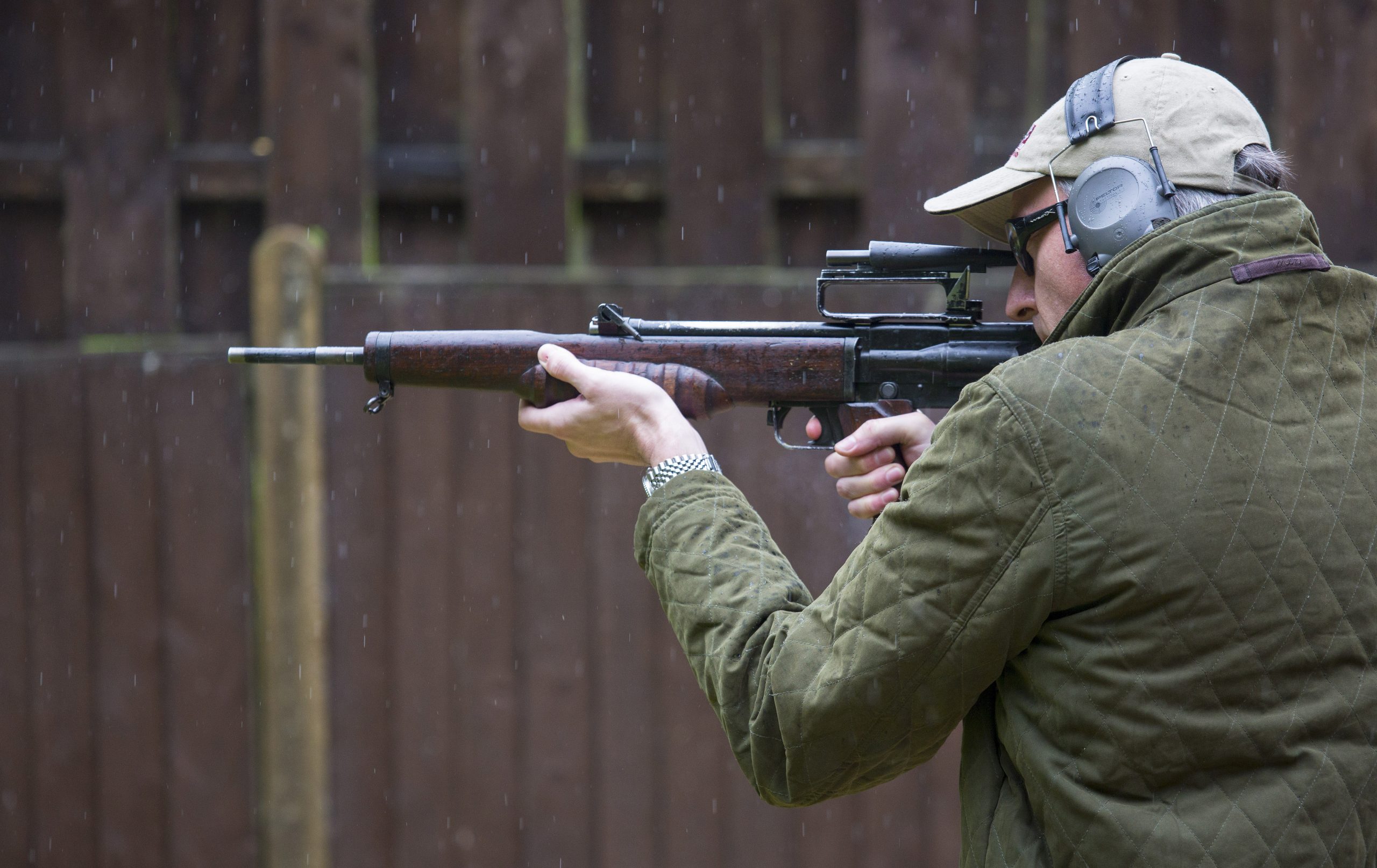
The EM-2 was an ambitious British bullpup rifle designed around the .280 British cartridge, but turning the advanced concept into a practical production weapon proved difficult. Its compact layout, optical sight arrangement and unusual internal architecture demanded careful engineering, while Britain was also dealing with the cost of changing its entire rifle and ammunition system. The rifle was formally adopted in 1951, but that decision lasted only briefly in practical service before policy changed and the 7.62 NATO cartridge became the priority. Fewer than 1,000 EM-2 rifles were ultimately produced, leaving it as a fascinating near-miss. It never reached scale.
7. M1941 Johnson Rifle
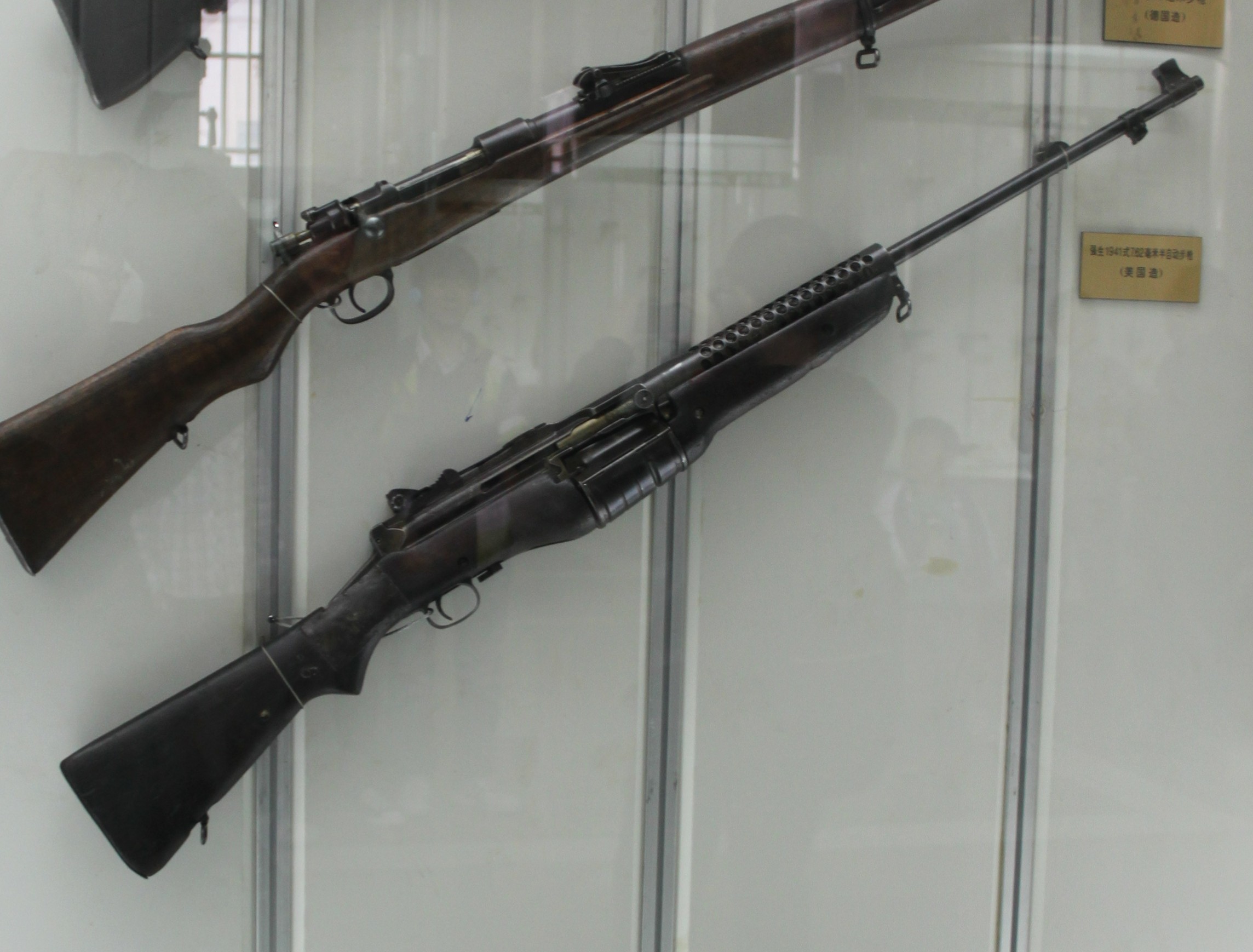
The M1941 Johnson rifle offered American designers an alternative to the M1 Garand, but its manufacturing path was never straightforward. Its distinctive short-recoil system, rotary magazine and unconventional layout required specialized production arrangements, while Johnson initially lacked his own factory. Production was established through Cranston Arms, and the rifle remained a small-scale military arm. Factory records show 21,988 Model 1941 rifles were manufactured by the time production ended. The Johnson’s story shows how an innovative firearm can reach service users yet struggle to gain the industrial momentum enjoyed by a competing design already backed by a large network.