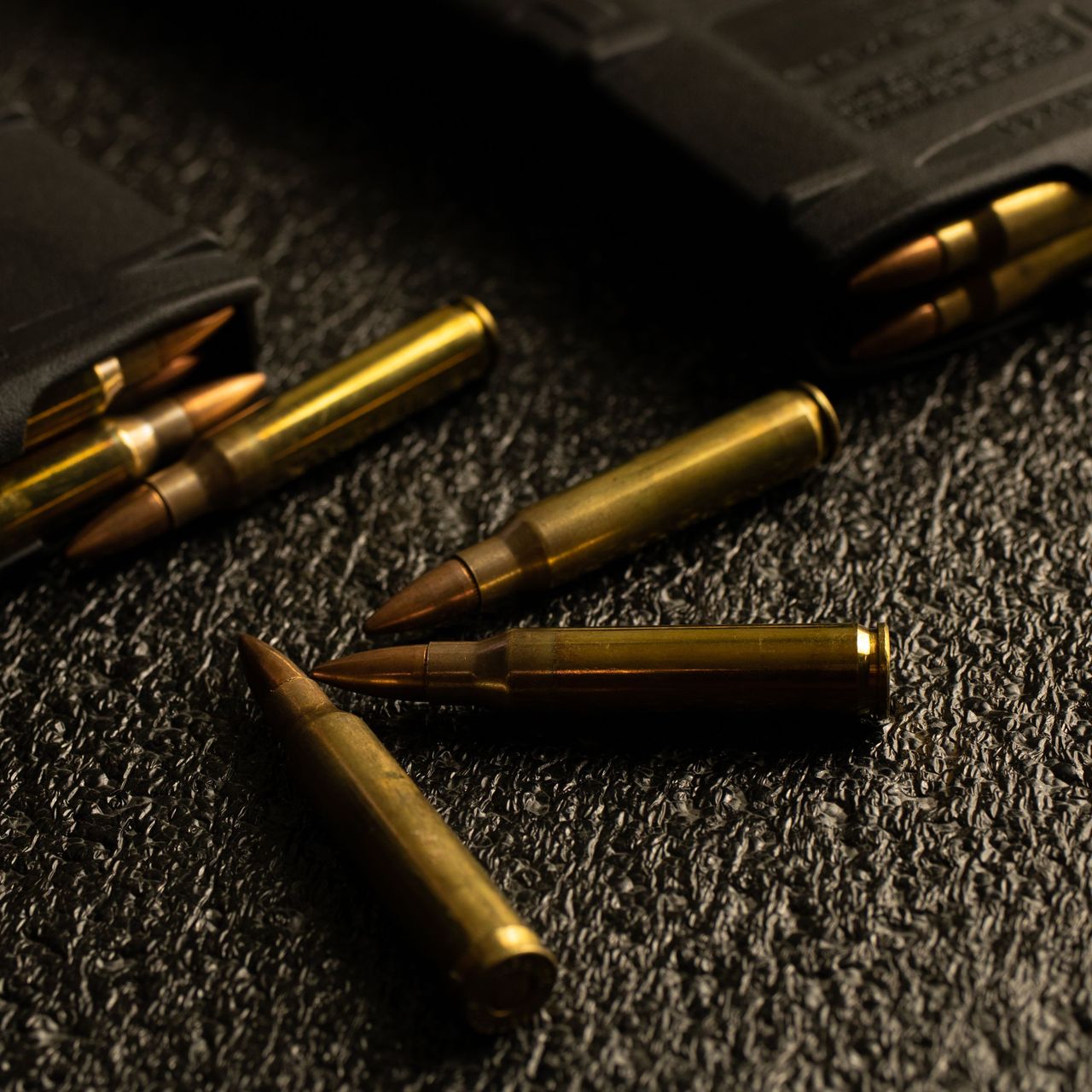
Ammunition can last an impressively long time, but only if it is protected from the real enemies: moisture, wild temperature swings, dust, and physical damage. That is why preppers and serious shooters obsess over the container almost as much as the rounds themselves. In this gallery, we look at nine storage options that are repeatedly praised for helping ammo stay dry, organized, and dependable for decades.
Military Surplus Steel Ammo Cans
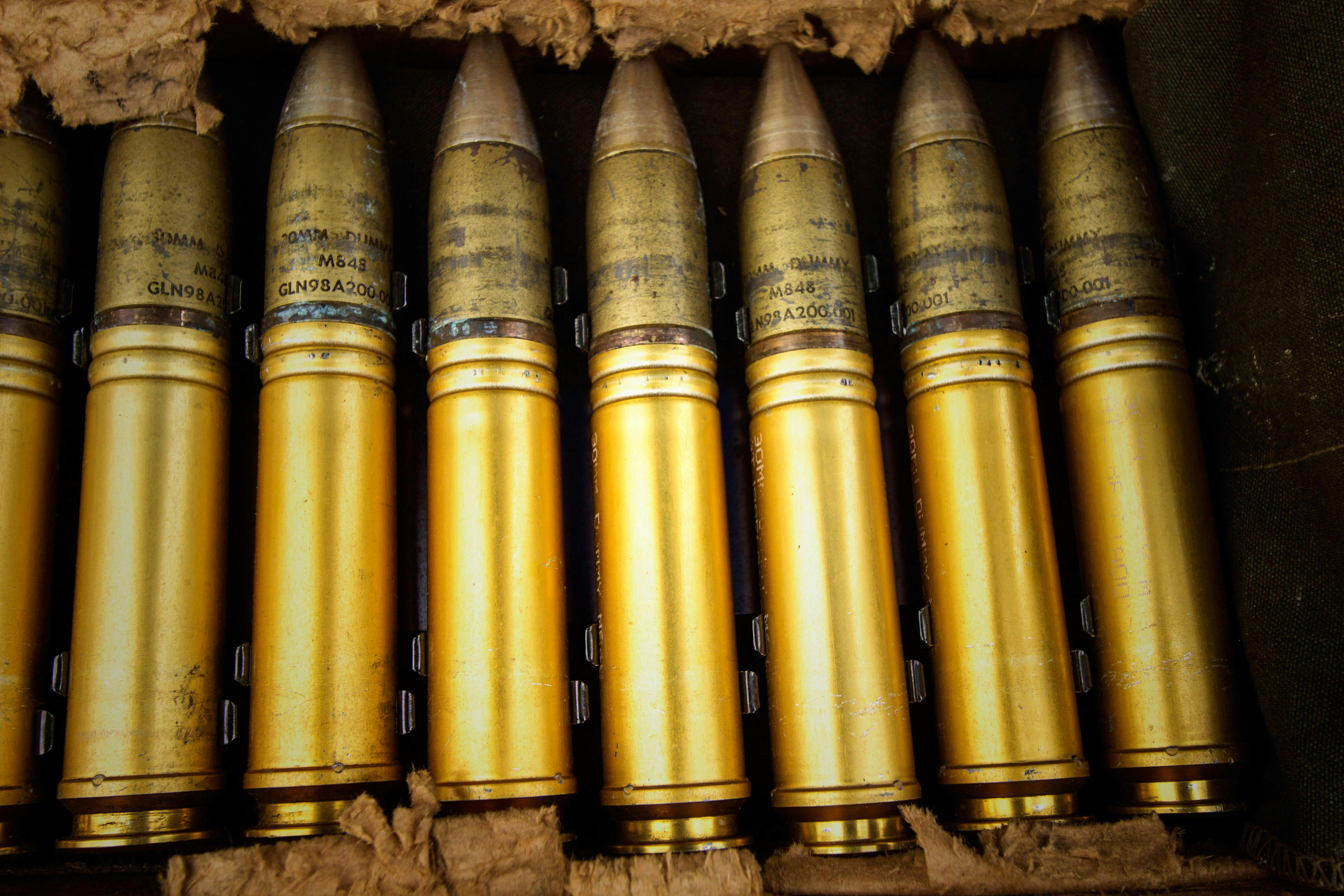
If you ask longtime shooters what they trust most, many still point to the classic steel military surplus ammo can. It has a reputation built over decades, with thick walls, a strong latch, and a rubber gasket that creates a tight seal when the can is in good condition.
The appeal is simple: these cans are tough, stackable, and proven in harsh conditions. Preppers like that they can shrug off bumps, garage storage, and years on a shelf without feeling flimsy.
The catch is that condition matters. Rust, dents around the lid, and worn seals can compromise the whole setup, so experienced buyers inspect them carefully before trusting them with long-term storage.
New Production Steel Ammo Cans
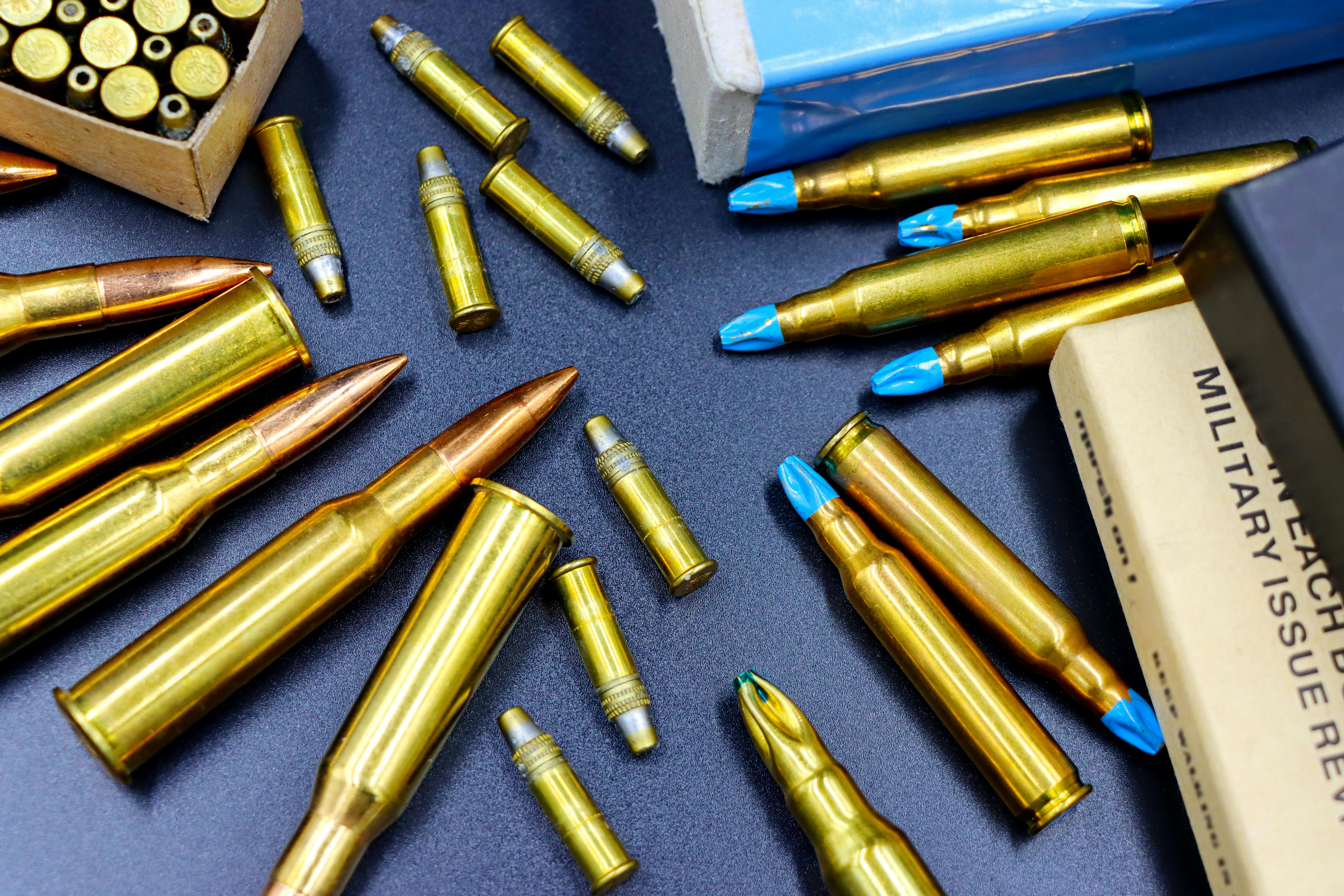
For people who love the military can design but do not want the uncertainty of used gear, new production steel cans are an easy upgrade. They deliver that same familiar clamp-down lid and rugged feel, but without the guesswork that comes with surplus finds.
Many serious owners prefer starting with fresh metal, fresh paint, and an unworn gasket. That gives them more confidence when they are packing away defensive ammo, hunting rounds, or long-term emergency reserves.
They also look cleaner and more uniform on storage shelves, which matters more than you might think when labels, calibers, and dates need to be easy to read at a glance.
Heavy-Duty Polymer Ammo Cans

Polymer ammo cans have won over plenty of shooters who want something lighter than steel but still built for real storage. The better versions use thick plastic, reinforced hinges, and gasketed lids that keep out moisture surprisingly well when closed correctly.
Their biggest advantage is convenience. They are easier to carry when loaded, less likely to scratch floors, and immune to rust, which makes them attractive for basements, utility rooms, and vehicles.
Not all plastic cans are equal, though. Experienced owners tend to stick with heavy-duty models from established brands, because flimsy bargain versions can warp, crack, or lose their seal long before the ammo inside should.
Gasket-Sealed Dry Boxes

Dry boxes are a favorite among people who store more than just ammunition, because they bring a little extra versatility to the job. With a solid seal and roomy interior, they can hold boxed ammo, loaded magazines, documents, and small essentials in one protected container.
What makes them stand out is their resistance to damp conditions. In cabins, boats, and humid garages, a well-made dry box can add a layer of confidence that ordinary bins simply do not provide.
They are not always as compact or stack-friendly as dedicated ammo cans, but for preppers who value flexibility and weather resistance, they are often a smart and dependable choice.
Rubber-Gasketed Tool Cases

A tough tool case with a rubber gasket may not be marketed for ammunition, but many careful shooters use them exactly that way. The appeal is obvious once you handle one: rigid shell, secure latches, and enough interior space to organize several calibers with room for desiccant packs.
These cases are especially popular with people who transport ammo between home and range. They offer more impact protection than many standard storage boxes and often have better carry handles too.
The main thing is picking a model with a real sealing edge, not just a snap-shut lid. Done right, a quality tool case can serve as a long-term storage vault in disguise.
Waterproof Hard Cases

Waterproof hard cases are the premium option for owners who want serious protection from impact and moisture at the same time. They are often associated with cameras and electronics, but their sealed construction and crush-resistant shells make them excellent for high-value ammunition storage too.
Shooters who travel, hunt, or keep gear in unpredictable environments often appreciate the extra security. Foam inserts can be removed or customized, while the strong latches and pressure seals help the case feel nearly bombproof.
They are usually more expensive than standard ammo cans, so they tend to be used for specialty loads, precision rounds, or smaller reserve stocks rather than bulk stashes.
Sealed Ammunition Battle Packs

Some of the most admired long-term storage solutions come straight from the factory in the form of sealed battle packs. These military-style packs are designed to keep ammunition isolated from moisture and rough handling, often with a tough outer wrap that stays intact for years.
Collectors and preparedness-minded buyers love them because they reduce variables. If the original seal is unbroken and the pack has been stored well, there is a strong sense that the ammunition remains exactly as it left the manufacturer.
They are less convenient once opened, of course, and not every caliber is easy to find this way. But for deep storage, battle packs have a devoted following for good reason.
Vacuum-Sealed Mylar Bags Inside Rigid Containers

For people who take long-term storage very seriously, vacuum-sealed Mylar bags inside a rigid can or box create a layered defense system. The bag helps limit exposure to air and humidity, while the outer container protects against punctures, crushing, and everyday handling.
This method is especially popular among preppers building deep reserves that may sit untouched for years. Adding desiccant packs and clear labels turns the system into something that feels methodical and reassuring.
The key is not treating the bag alone as the final answer. Without a strong outer shell, sealed packs can still be damaged, so experienced users rely on both parts of the system together.
Lockable Fire-Resistant Document Chests

A fire-resistant document chest is not the first thing most people picture for ammunition, yet some owners use them for smaller quantities they want protected from heat, moisture, and unauthorized access. These chests usually seal tightly and add a useful layer of household security.
They are most practical for boxed defensive ammo, important records, and compact emergency supplies kept together in one place. That combination makes sense for people who value organization as much as durability.
No container can promise perfect survival in every fire scenario, and these chests are not ideal for heavy bulk storage. Still, for modest amounts of ammo in a home setting, they can be a thoughtful option.
Climate-Controlled Safes with Sealed Interior Boxes

The most cautious shooters often combine a larger secure environment with smaller sealed containers inside. A climate-controlled safe paired with steel cans, polymer cans, or dry boxes creates a layered setup that protects ammo from humidity, temperature swings, and casual access all at once.
This approach is less about one miracle container and more about a complete storage system. Dehumidifiers, desiccants, and consistent organization help reduce the slow wear that can affect primers, cases, and packaging over many years.
It is the kind of method that appeals to serious collectors and high-volume owners who think in decades, not seasons. When done carefully, it offers both peace of mind and real-world practicality.