
Movies are built around drama, speed and spectacle, so firearm scenes often bend real-world physics for entertainment. That can create memorable moments, but it also leaves viewers with some surprisingly inaccurate ideas about how guns, ammunition, and impacts actually behave. From supposedly silent suppressors to endlessly firing pistols, these myths become so familiar that they can feel believable. Here are 8 of the most common misconceptions, with the real-world principles that explain why Hollywood gets them wrong.
1. The “Silencer” Makes a Gun Silent
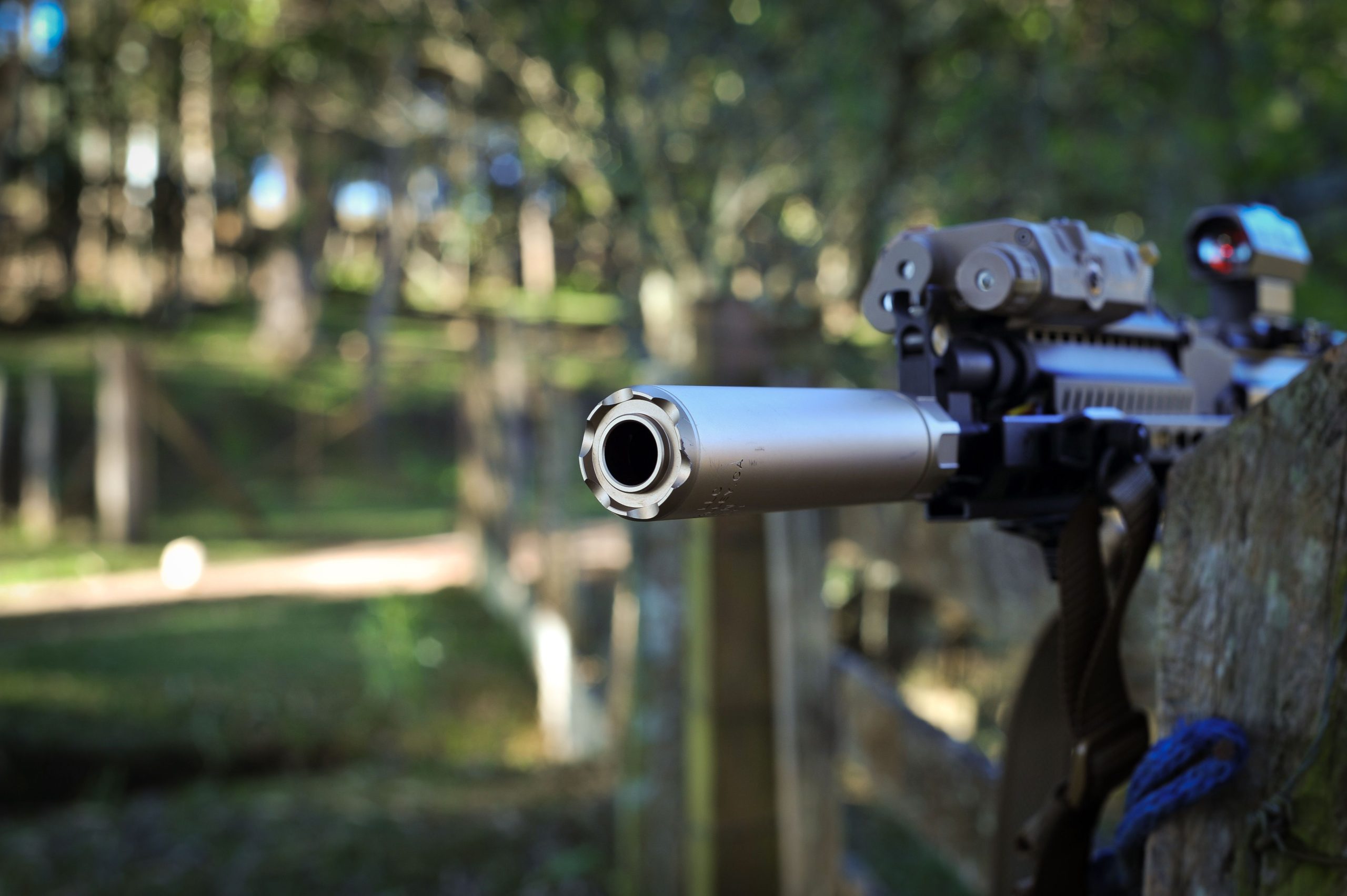
Movies turn a suppressor into a magic mute button, with a pistol producing a tiny “pfft” and almost no other sound. Real suppressors do not work that way. They mainly reduce muzzle blast from expanding propellant gases, while the action, bullet impact, and, when applicable, a supersonic projectile still create noise. A suppressed firearm can remain distinctly loud. The main change is a reduction in the sharp report, not total silence. That is why the cinematic effect is so misleading. The 1 key point is simple: quieter does not mean silent. Always.
2. One Trigger Pull Means Endless Bullets
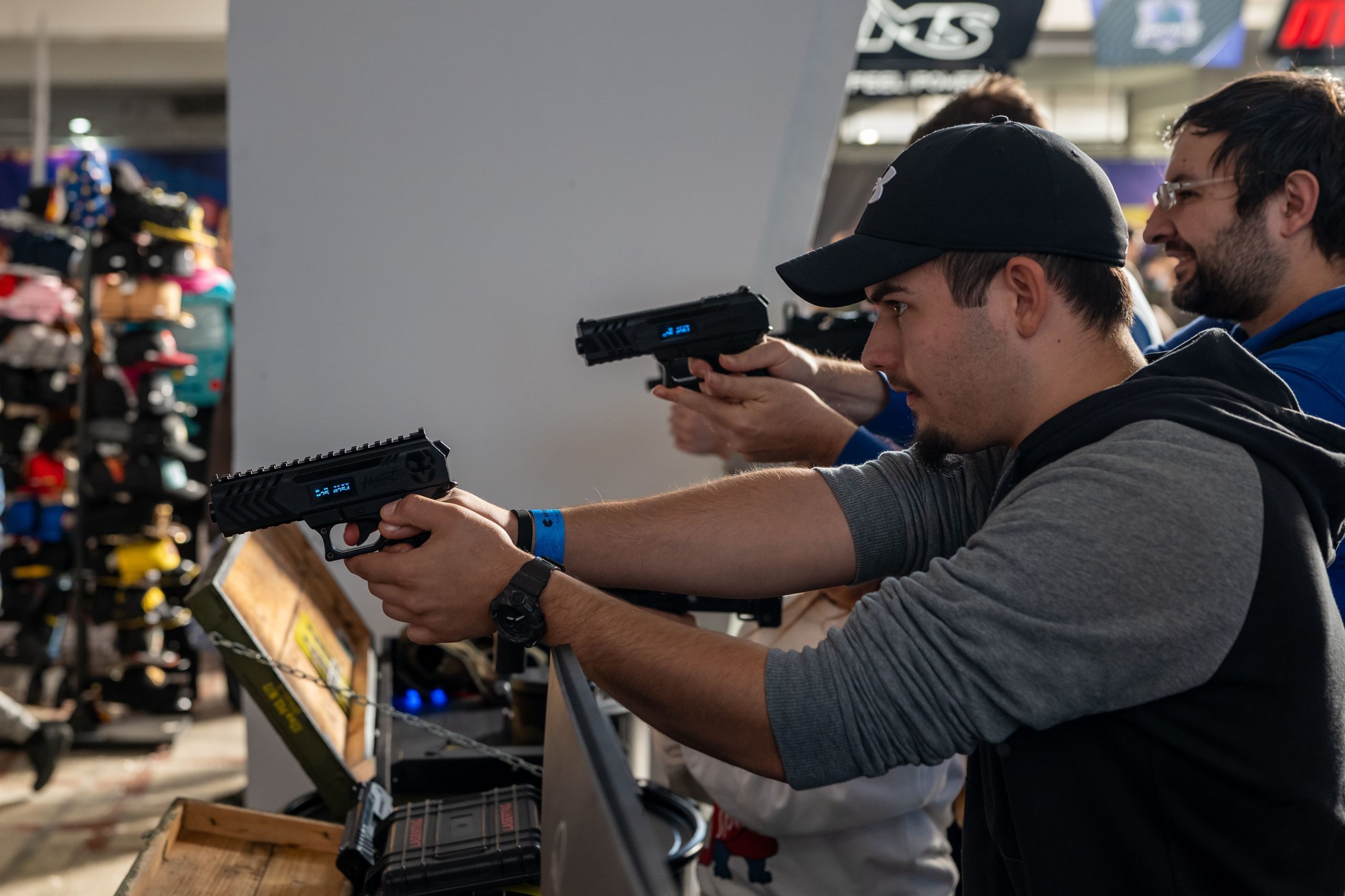
Action films sometimes show a handgun firing continuously as if a trigger were connected to unlimited ammunition. A conventional semiautomatic firearm fires one shot per trigger cycle, then requires the trigger to be released and pressed again for another shot. A magazine also has finite capacity. A 15-round magazine, for example, cannot become 30 rounds because a scene needs more action. Real firearms depend on ammunition supply, mechanical cycling,ng and deliberate trigger operation, all of which impose limits that movies routinely ignore. That is the 1 basic limit.
3. Guns Never Need to Be Reloaded
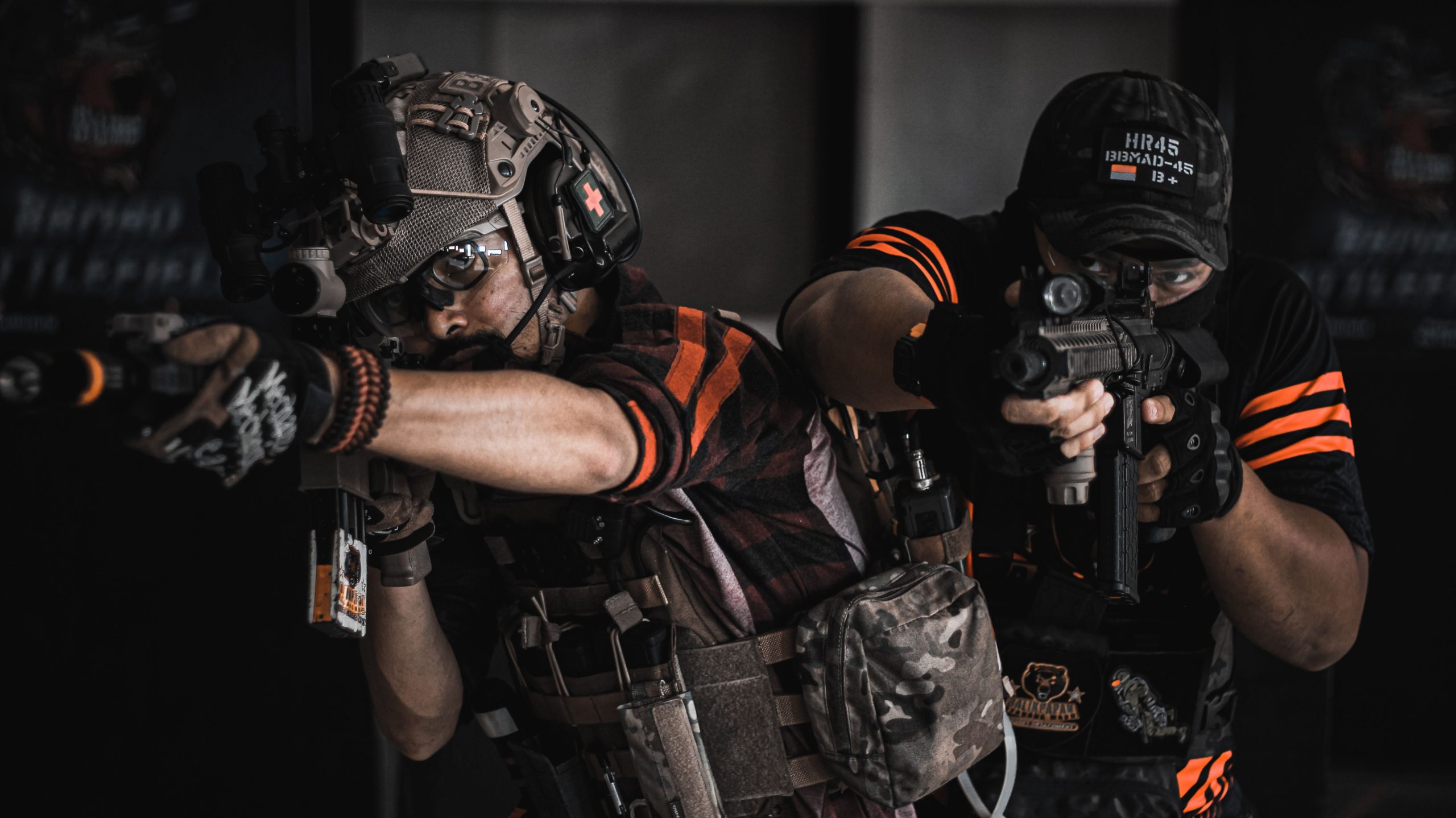
A hero may fire dozens of rounds in one sequence without changing magazines, opening the cylinder,der or acknowledging ammunition. That is a storytelling shortcut, not normal firearm operation. A handgun with a 10-round magazine still has only 10 rounds available before a reload is required. Revolvers likewise have a fixed cylinder capacity, commonly around 5 or 6 cartridges. The exact capacity varies by model, but the principle does not. Every cartridge fired consumes ammunition, so extended movie shootouts often ignore one of the most basic constraints of a firearm.
4. Bullets Always Send People Flying
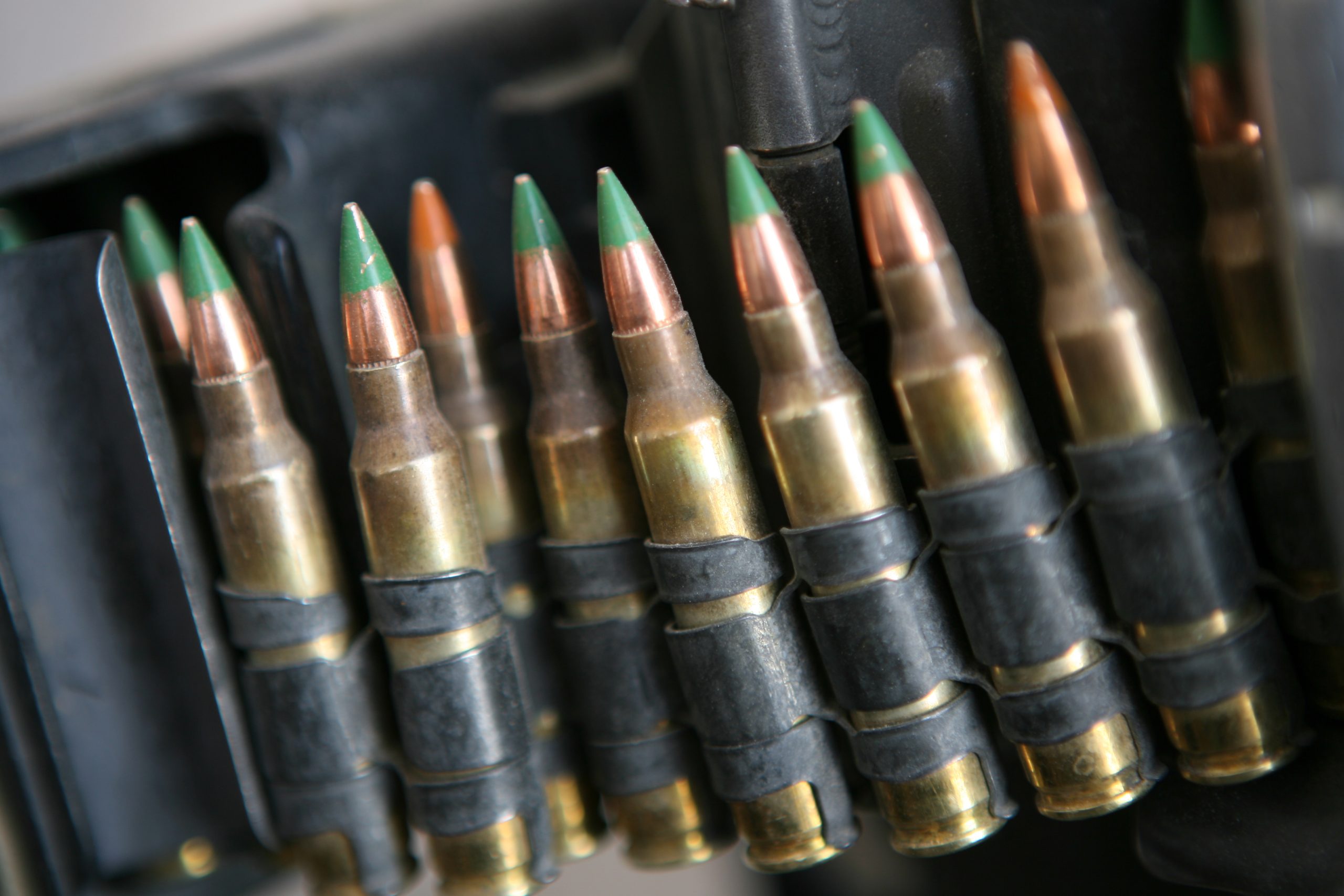
Film characters can be launched backward several feet after being hit, creating dramatic but misleading physics. A projectile transfers momentum to its target, but the target’s mass matters greatly. A bullet cannot simply deliver enough backward momentum to throw an adult through a room while leaving the shooter unaffected. If that much momentum were transferred, the firearm and shooter would experience an important reaction too. Real injuries can be severe, but the exaggerated flying-body effect is primarily a visual convention, not a normal consequence of being struck.
5. A Car Explosion Needs Only One Bullet

Another familiar scene has a character shoot a vehicle and trigger an enormous fireball. Ordinary gasoline is not simply a high explosive waiting for a bullet. For combustion, fuel and air must mix within an appropriate range, and an ignition source must be present. A bullet striking a normal fuel tank does not guarantee a Hollywood-style explosion. Cars contain many components, including fuel systems and electrical equipment, but cinematic fireballs are usually created for spectacle. The dramatic result is far less predictable in real-world conditions.
6. Shooting at a Gas Tank Creates a Fireball
Movies often portray fuel containers as if any bullet strike instantly produces flames. In reality, gasoline generally needs the right mixture of vapor and oxygen, plus an ignition source, to burn. A projectile striking a tank may cause damage or leakage, but fire is not automatic. The size and behavior of a real fire also depend on ventilation, fuel quantity, and ignition conditions. The familiar giant orange blast is therefore a visual shorthand. It communicates danger quickly, but it does not represent a dependable physical response in ordinary circumstances.
7. A Handgun Can Shatter Any Lock Instantly
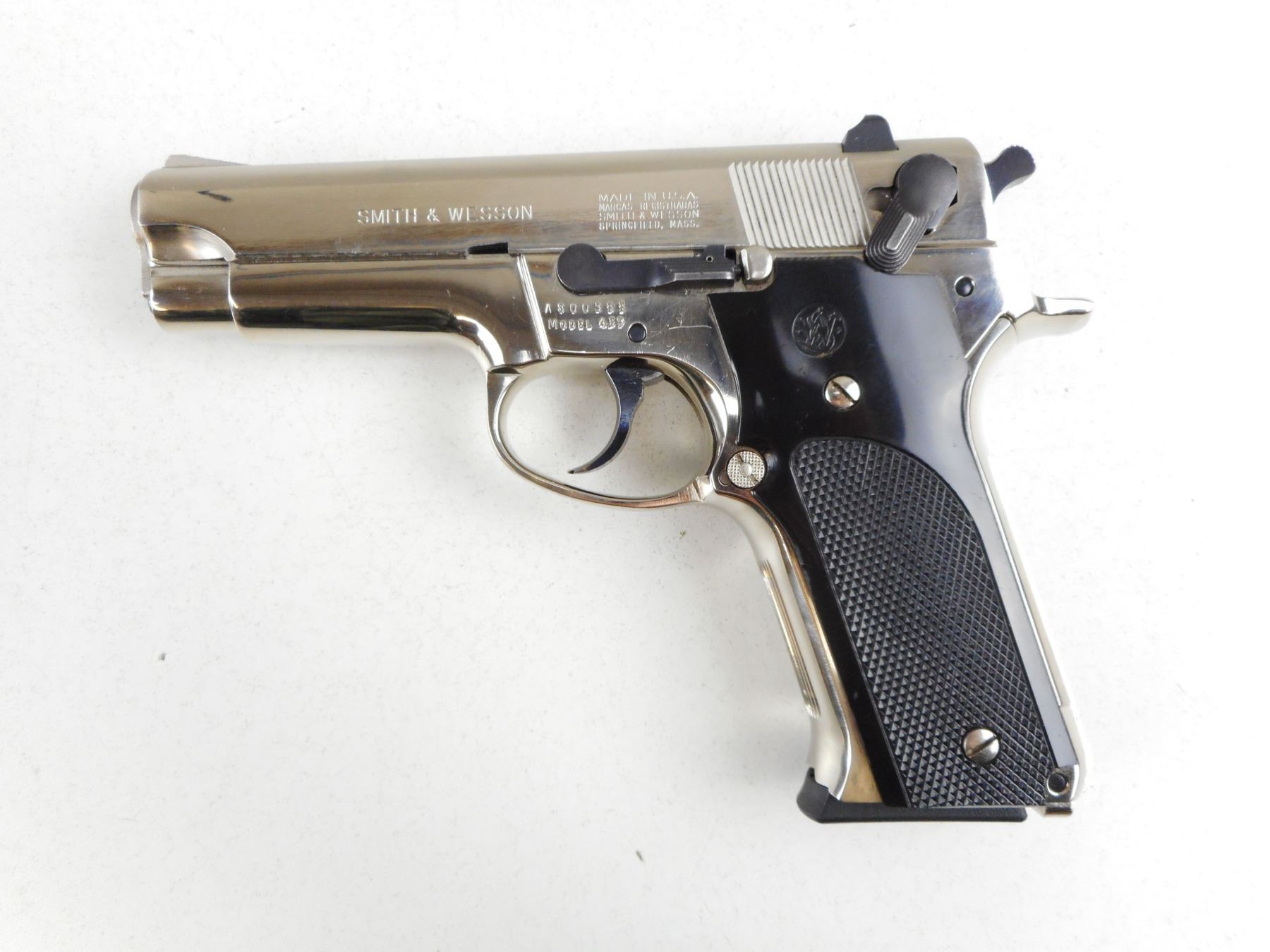
Cinema treats a firearm as a universal key, with a single shot instantly blasting open almost any lock or door. Real doors and locking systems vary greatly in construction, and a projectile’s effect depends on the materials involved and the exact point of impact. Some doors contain wood, steel, glass, composite materials,s or reinforced hardware. A bullet striking one component does not guarantee the entire locking system will fail. The movie version removes those variables so the story can move forward in a few seconds. The result depends on construction, not movie logic.
8. Bullets Automatically Hit Exactly Where Aimed

Movie shooters can fire while running, falling,ng or barely looking at their target and still score perfect hits. Real accuracy depends on the firearm, ammunition, sighting system, distance, shooter technique, and environmental conditions. Even experienced shooters cannot treat every shot as guaranteed. A scene showing five rapid hits from an unstable position may look convincing because editing hides the difficulty involved. The key myth is that cinematic characters can routinely ignore the physical factors that make precise shooting challenging. Accuracy is never guaranteed.