You may never plan to face a sudden storm, but nature rarely asks for permission. When bad weather hits, knowing a few bushcraft basics can make all the difference. These skills combine practicality with problem-solving, allowing you to stay calm, safe, and resourceful outdoors. By learning to build shelter, manage fire, and find essentials, you gain confidence to handle nature’s worst with clear focus and steady hands.
Building a Quick Shelter

Creating a dry place to wait out heavy rain or wind is one of the first priorities in a storm. A simple lean-to or debris shelter made from branches, bark, and leaves can block cold air and retain warmth. Position the opening away from the wind and add insulation underneath to stay off the wet ground. Even a basic structure helps conserve energy and protect your body temperature.
Starting a Fire in Wet Conditions
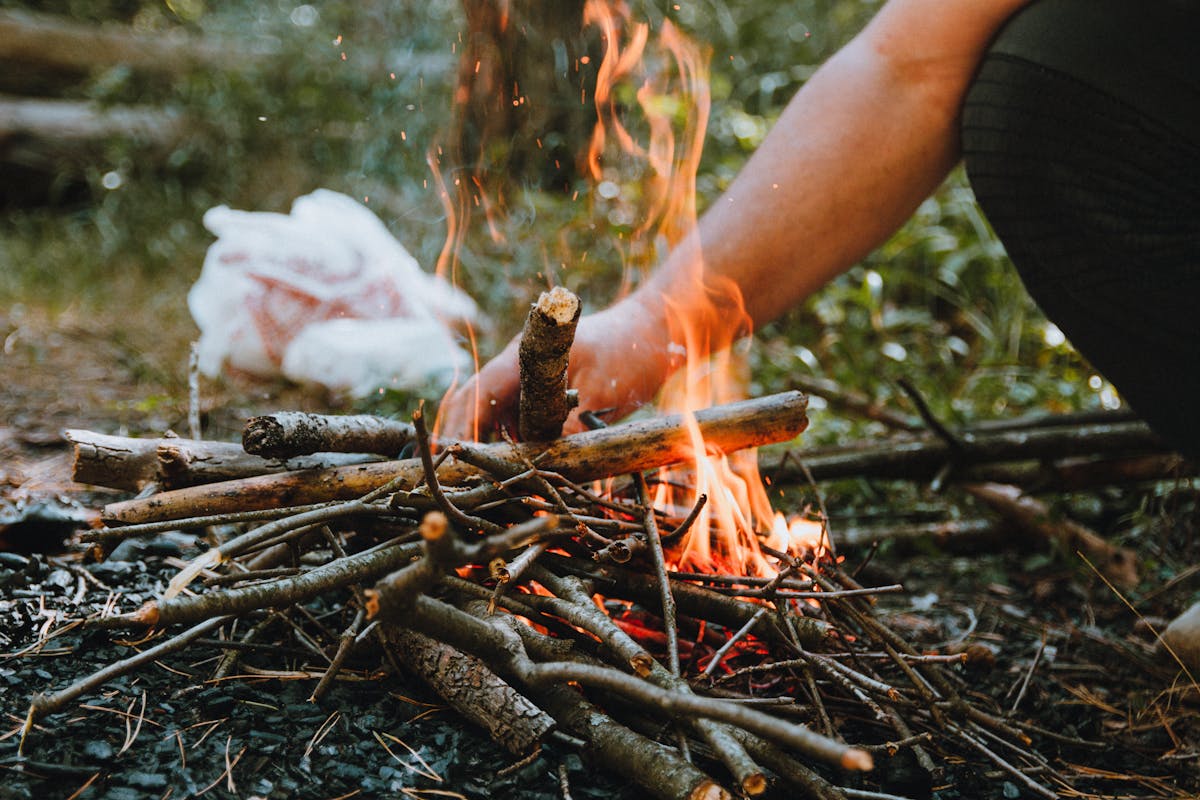
Fire becomes more than comfort when the weather turns rough; it’s survival. The key is finding dry material beneath logs or inside bark. Birch bark, resin, and fine twigs ignite quickly, even when damp. Building a base of dry wood and keeping sparks shielded from rain increases your success. Once the fire catches, it provides warmth, a way to dry clothes, and a morale boost in tough conditions.
Finding and Purifying Water

Heavy rain might make water seem abundant, but not all sources are safe. Collect runoff using tarps or containers, or gather from puddles filtered through cloth. Boiling remains the most reliable purification method, killing harmful microbes. If you can’t boil, use natural filters made from sand, charcoal, and moss. Staying hydrated keeps your body and mind strong throughout the storm.
Navigating When Landmarks Disappear

Visibility drops quickly when fog or rain rolls in, making navigation tricky. Using natural indicators like wind direction, slope angles, and tree growth helps keep orientation. Creating simple markers as you travel ensures you can retrace your steps if needed. When possible, find a stable point and wait for clearer skies before continuing. Staying aware of surroundings prevents disorientation and panic.
Staying Warm and Dry
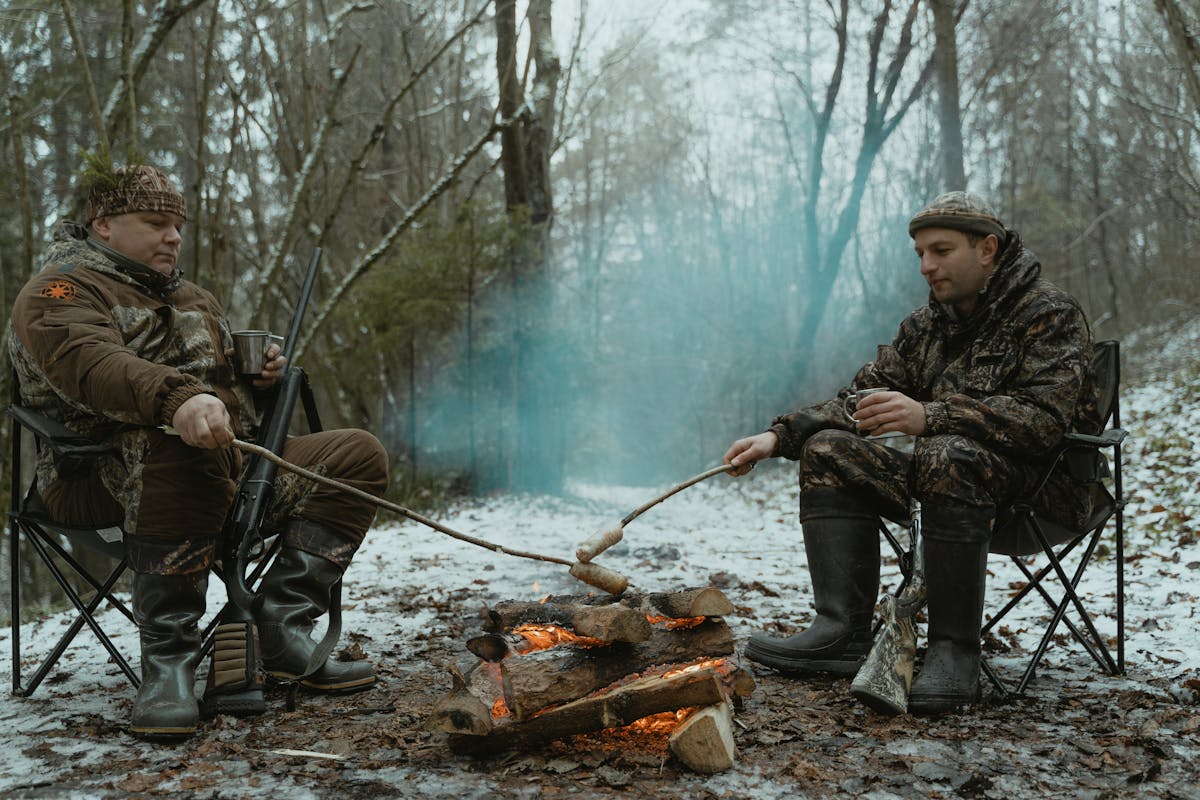
Body heat loss is one of the biggest threats in stormy weather. Layer clothing properly, keeping the driest materials closest to your skin. Use foliage, bark, or even moss to create extra insulation when supplies are limited. Avoid sweating by moving efficiently but not excessively. Maintaining warmth and dryness can make survival manageable until conditions improve.