You may never see the hog that busted you.
But chances are, it smelled you first.
Wild Hogs Live by Their Nose More Than Their Eyes
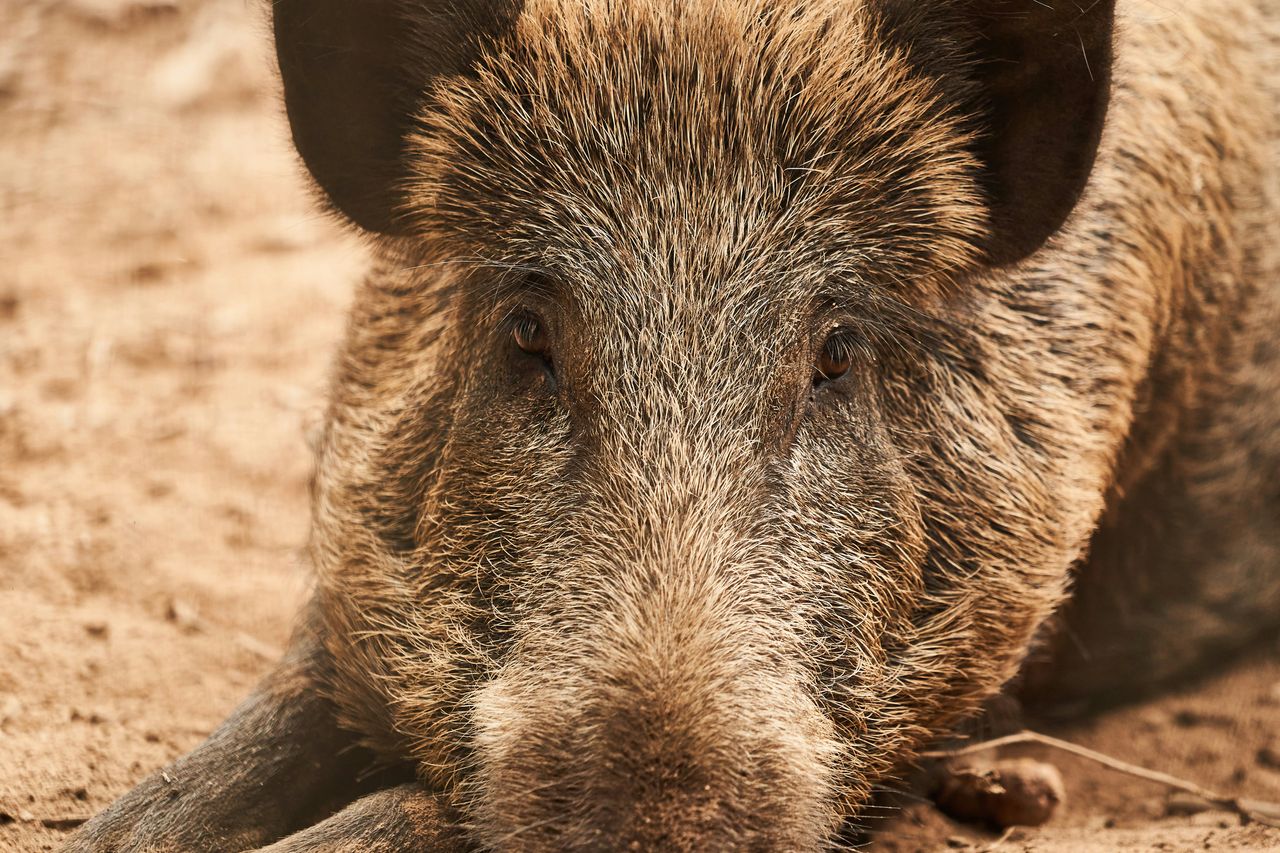
Anyone who has spent real time around feral hogs learns the same lesson fast: these animals trust their nose more than almost anything else. Texas A&M AgriLife materials describe feral hogs as having poor eyesight but excellent hearing and smell, and that tracks with what hunters, trappers, and wildlife managers see in the field year after year. When a hog feels pressure, it often reacts to scent before sound and long before a person gets a visual.
That matters because smell is the earliest-warning system a hog has. A deer may lift its head and stare. A turkey may freeze and listen. A hog is more likely to sort the world through odor, constantly reading air currents for food, danger, and other hogs. In thick cover, at night, and in humid bottoms where visibility is limited, that sensory strategy makes perfect sense.
Texas A&M has even noted that wild pigs can detect some odors from several miles away under favorable conditions, though that does not mean they identify every human at that range with total precision. It does mean their odor detection ability is exceptional, especially when scent is concentrated and moving steadily. For a hunter, the practical takeaway is simple: if your scent reaches them, the hunt may be over before it begins.
Their Biology Gives Them a Serious Scent Advantage

This is not just campfire talk. Pig biology helps explain why hogs are so scent-driven. Research on the pig olfactory system has found that swine possess one of the largest olfactory receptor repertoires studied in mammals, giving them a broad capacity to detect and distinguish odors. One study on the swine olfactory subgenome reported an expanded odor-receptor library, while later work on pigs and wild boar emphasized how central smell is to feeding, social behavior, and environmental awareness.
In plain English, hogs are built for chemical detection. They are processing a world made of drifting particles: human skin odor, detergent residue, gasoline traces, boot leather, bug spray, tobacco, food wrappers, and disturbed soil. Hunters often think of “human scent” as one thing, but to a hog it is probably a layered odor plume full of separate signals.
Wild boar research also points to strong olfactory structures and gene expression tied to smell. One paper noted that swine are considered to have especially well-developed olfactory ability and linked that to both brain anatomy and the size of the receptor-gene family. So when hunters say a hog can smell danger from far off, they are not describing magic. They are describing an animal that is neurologically and genetically wired to be good at exactly that job.
Wind Turns Human Scent Into a Moving Warning Flag
The phrase “under the right wind conditions” is the key to the whole idea. Scent does not move like a laser beam. It travels as a plume, and wind speed, direction, humidity, terrain, temperature, and vegetation all shape that plume. If the breeze is steady and carrying your scent down a drainage, across a sendero, or along the edge of a food plot, a hog may intercept that odor long before it gets anywhere near your stand.
USDA work on odor transport in swine environments shows how airborne volatile compounds can move and change with wind velocity. The exact setting is different from hunting, but the same atmospheric principle applies: odor molecules disperse, drift, and concentrate differently depending on airflow. A soft, stable wind can carry scent surprisingly far without shredding it completely.
That is why one evening a hunter gets away with everything, and the next evening gets busted at a distance that feels absurd. If a hunter is sitting above a creek bottom with cool air draining downhill and a steady crosswind turning into a direct stream toward bedding cover, the hogs may receive a clean ribbon of scent. At that point, it is less about how quiet you are and more about whether your odor entered their world.
Nearly a Mile Away Sounds Big, but Conditions Matter

Let’s be careful here. Claiming a hog can smell a hunter from nearly a mile away does not mean every hog does it every day. Distance claims in hunting culture often get stretched. But authoritative government material does support the idea that feral swine can detect humans from very long range. A USDA APHIS environmental impact document states that feral swine have been observed to smell humans from nearly a half-mile away and then avoid or even jump nearby traps.
That half-mile figure is important because it comes from a management context, not just storytelling. Wildlife-control programs deal with trap avoidance, bait shyness, and repeated behavioral patterns across many properties. When those professionals say scent contamination matters, hunters should pay attention. It means hogs are consistently using odor to make survival decisions.
Could the effective distance stretch farther under rare, ideal conditions? It is certainly plausible as an inference from the broader evidence on odor transport and pig olfaction. A long, uninterrupted scent channel, wet air, low turbulence, and a highly alert sounder in open country could create detection ranges that feel unbelievable. But the smart way to say it is this: nearly a mile is possible talk around ideal wind and terrain, while documented long-range human detection by hogs is already impressive well before that.
Terrain, Moisture, and Temperature Make the Difference
Hunters often focus only on wind direction, but terrain can matter just as much. Scent does not simply blow in a straight line across a flat map. It pools in creek bottoms, swirls on ridge points, slides downhill with cooling evening air, and hangs in shaded timber longer than many people realize. In broken country, one bad eddy can carry your odor into the exact pocket where hogs are staging.
Humidity also plays a role. Moist air can help scent linger and remain easier to detect, while extremely dry, gusty conditions tend to scatter odor more aggressively. Early morning and late evening can be especially tricky because thermal changes create subtle shifts that hunters may not feel on their face but animals absolutely exploit. A stand that seems safe at 6:30 p.m. can become risky by 7:15 if cooling air starts draining toward a feeder or wallow.
Then there is ground scent. Boots through mud, brush against grass, contact with gates, and even the path an ATV took into the field can all add to the odor picture. Hogs root close to the ground and live in a world of nose-level information. Even if your elevated stand keeps body scent above them for a while, your entry route may tell on you first.
How Hunters Accidentally Broadcast Their Presence
Most hunters think they smell “normal,” which is exactly the problem. To a hog, normal human odor is loud. Laundry detergent, deodorant, fuel, coffee, sunscreen, insect repellent, and food grease all ride into the woods with you. Add sweat from a hot walk to the stand and the scent plume gets even richer. You do not need to stink by human standards to smell obvious to a hog.
The other mistake is movement through the wrong corridor. A hunter may do a decent job with scent control but still walk straight across the downwind side of a bait site, trail crossing, or bedding edge. Once hogs hit that odor, they do not always blow out dramatically. Sometimes they simply melt away, circle, or go nocturnal. That quiet avoidance is why people think hogs “disappeared.”
Pressure compounds everything. On heavily hunted ground, hogs learn quickly. Texas A&M’s feral hog materials repeatedly stress how adaptable and wary these animals are under control pressure. When hogs connect human odor with danger, they do not need to wait for visual confirmation. That is what makes mature boars and educated sounders so frustrating: they are not just smelling you, they are interpreting what that smell means.
Beating a Hog’s Nose Starts With Playing the Wind Honestly
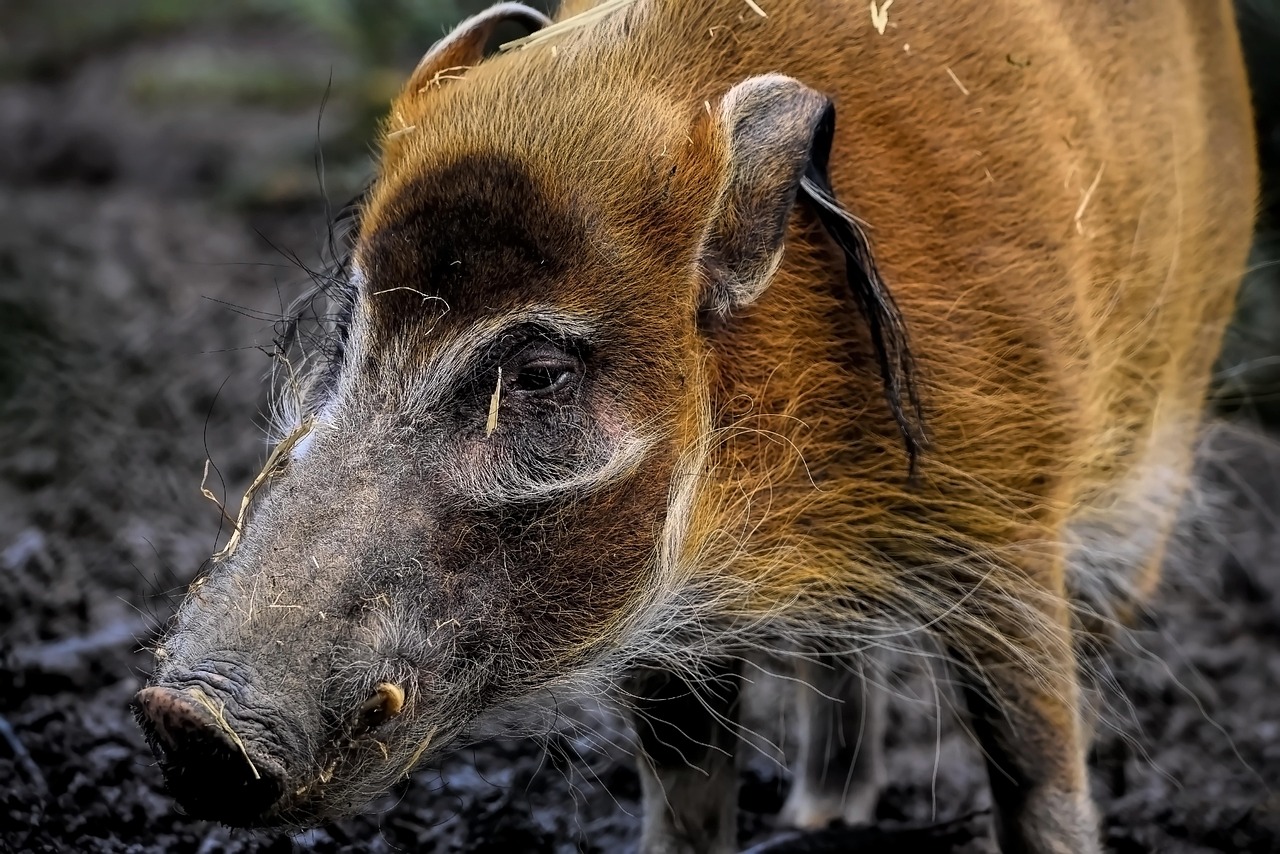
No hunter completely beats a hog’s nose. The real goal is to avoid giving it a usable scent stream. That starts with stand placement based on where hogs are likely to be before they appear, not just where you expect a shot. If your scent drifts into bedding cover, a travel lane, or a creek crossing, you are already behind. Better to hunt fewer setups with favorable wind than force a bad one and educate the entire sounder.
Scent-control products can help at the margins, but they are not magic shields. Clean clothes, reduced contamination, and careful gear handling may lower your odor signature, yet none of that overrides a direct downwind plume. Wind discipline matters more than sprays. Quiet access, less sweating, and keeping vehicles, fuel, and food odors away from the final approach usually do more than people want to admit.
The hunters who consistently kill wary hogs tend to think like air currents, not just shooters. They watch thermals, approach from low-impact routes, and leave a setup the moment the wind starts cheating. That is the heart of the issue. Wild hogs can smell a hunter from startling distances because they are built for scent, and the wind is happy to do the introductions.