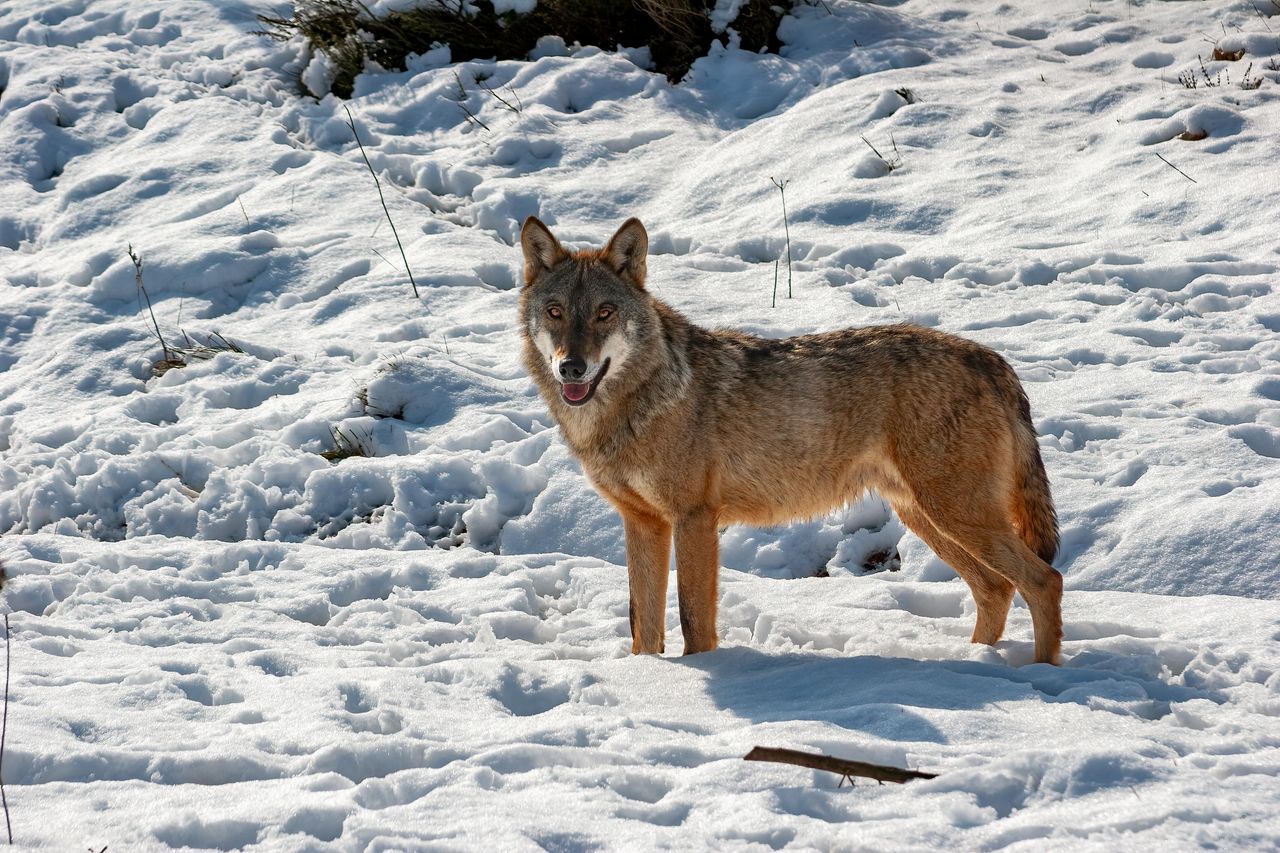
Gray wolves have staged one of America’s most dramatic wildlife comebacks, returning to landscapes they once ruled. But in ranching communities, that recovery often comes with a harder reality: missing calves, stressed herds, and rising tension between conservation goals and daily survival. This gallery explores nine states where wolves are back on the map and livestock producers are feeling the impact.
Montana

Montana has some of the country’s most established wolf country, with packs spread across forested valleys, mountain foothills, and working ranchlands. In places where cattle graze on vast open allotments, finding the source of a loss can be difficult and emotionally draining.
Producers here often describe the issue as more than confirmed kills. They talk about scattered cattle, lower weight gain, and animals pushed off preferred pasture by the presence of predators nearby.
State officials track wolf numbers and depredation reports closely, but the debate rarely cools. In Montana, wolves are no longer a rare sight in many regions, and that keeps the livestock question front and center.
Idaho

Idaho’s rugged backcountry offers prime wolf habitat, and that same remoteness can make ranching losses especially hard to document. Cattle and sheep often range across large, steep landscapes where carcasses may never be found, even when producers suspect wolf activity.
That uncertainty fuels much of the frustration. Ranchers argue that official tallies can understate the real burden because indirect effects, from stress to reduced grazing efficiency, are harder to measure than a confirmed kill.
At the same time, wolves remain firmly established in the state, and management debates are intense. Idaho has become one of the clearest examples of how predator recovery can collide with the economics of rural life.
Wyoming

In Wyoming, wolves occupy a landscape shaped by both iconic wildlife and deeply rooted ranching traditions. Areas around the Greater Yellowstone ecosystem are especially known for predator activity, and that proximity has made livestock conflicts a recurring issue.
Ranchers here often say the challenge is not only losing animals but adapting every part of the operation. More riders, more monitoring, and more pressure during calving season can drive up labor and costs quickly.
Wyoming’s management system has long reflected the tension between preserving wolves in some zones and controlling them in others. Even with those distinctions, the practical conflict on the ground remains stubbornly familiar.
Oregon

Oregon’s wolf population has grown steadily, especially in the eastern part of the state, where cattle country overlaps with expanding pack territory. For many ranch families, the issue has evolved from a distant concern into a routine part of annual planning.
Producers and wildlife managers have experimented with deterrents like range riders, fladry, and hazing, but success can vary depending on terrain, season, and how determined a pack becomes. No single tool works everywhere.
That leaves Oregon in a complicated middle ground. Wolves are still recovering, yet livestock operators in affected areas say the impacts are already very real, and often arrive faster than policy can keep up.
Washington

Washington has seen wolves reestablish in several regions, particularly in the northeast, where forest, rangeland, and livestock operations meet. That geography creates repeated friction, especially when packs den or travel near summer grazing areas.
The state has drawn attention for its use of both nonlethal deterrence and, in some cases, lethal removals after chronic depredation. Each decision tends to spark fresh arguments from ranchers, conservationists, and local officials.
What stands out in Washington is how public the conflict has become. Wolf management is not just a field issue there; it is a statewide political and cultural debate, with livestock losses often serving as the most visible measure of the stakes.
Colorado

Colorado is the newest major battleground in the wolf-livestock conversation, thanks to the state’s recent reintroduction effort. Wolves are still early in the process of reestablishing, but many ranchers are already bracing for what other states have experienced for years.
That anticipation matters. Producers worry not only about direct losses but about whether compensation programs and response systems will be strong enough once packs spread into more cattle and sheep country.
Colorado’s situation feels different because people are watching the conflict form almost in real time. Supporters see a historic restoration, while skeptics see a warning playing out before the first long-term patterns are even settled.
Minnesota
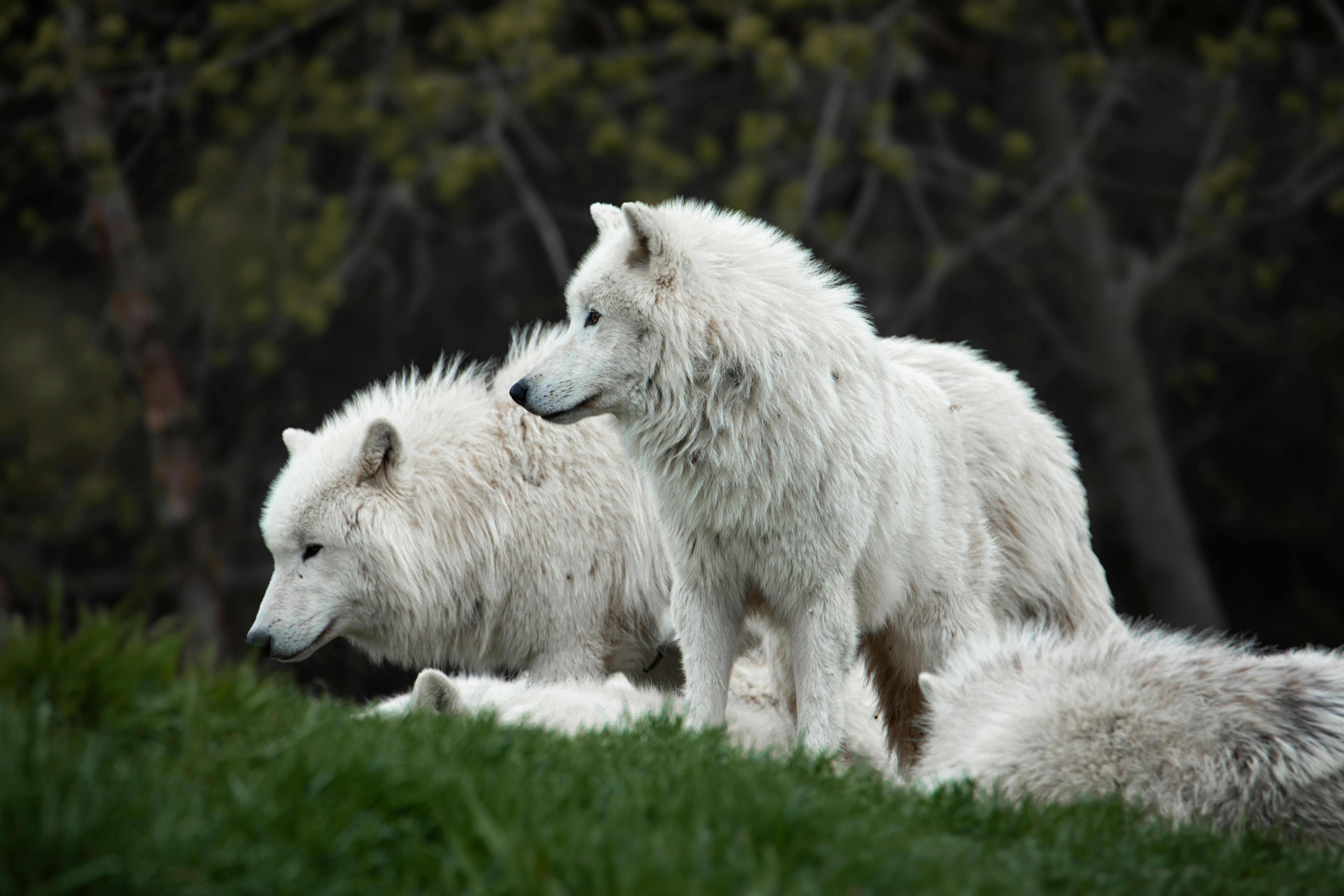
Minnesota is often overlooked in national wolf coverage, but it has long held the largest wolf population in the lower 48. In the northern part of the state, livestock producers have dealt with wolf conflicts for generations, especially in areas where farms border thick woods and wetlands.
The pattern here is different from the open-range West. Smaller operations and mixed landscapes can make predators harder to spot and livestock more vulnerable in wooded pasture or near brushy edges.
Because wolves never fully disappeared from Minnesota, the state offers a reminder that coexistence is not a new experiment. It is an ongoing negotiation, and one that still leaves some producers feeling outmatched when losses occur.
Wisconsin

Wisconsin’s wolf debate has grown sharper as packs have expanded in the northern part of the state. While much of the public focus lands on hunting policy and legal battles, farmers in affected regions are often more concerned with the immediate reality of protecting calves and other livestock.
The state’s mix of forest, farmland, and rural homesteads can create close contact between wolves and domestic animals. That means livestock producers may face losses that feel intensely personal as well as financial.
Wisconsin also illustrates how quickly wolf issues spill beyond biology. Questions about trust in management, compensation, and local voice can become just as important as the number of confirmed depredations on the books.
Michigan

In Michigan, most wolf activity is centered in the Upper Peninsula, where ranching and farming exist alongside large tracts of forest. Livestock losses there may not command the same national attention as in western states, but they matter deeply to the producers dealing with them.
The challenge is often one of scale and isolation. Smaller farms can be hit hard by even a limited number of attacks, and producers may feel they have fewer tools and less visibility than larger western operations.
Michigan’s experience underscores an important point: wolf conflict is not just a big-sky issue. It can show up in quieter, more fragmented rural landscapes too, where every animal lost carries outsize weight.
What happens next for ranchers and wolves
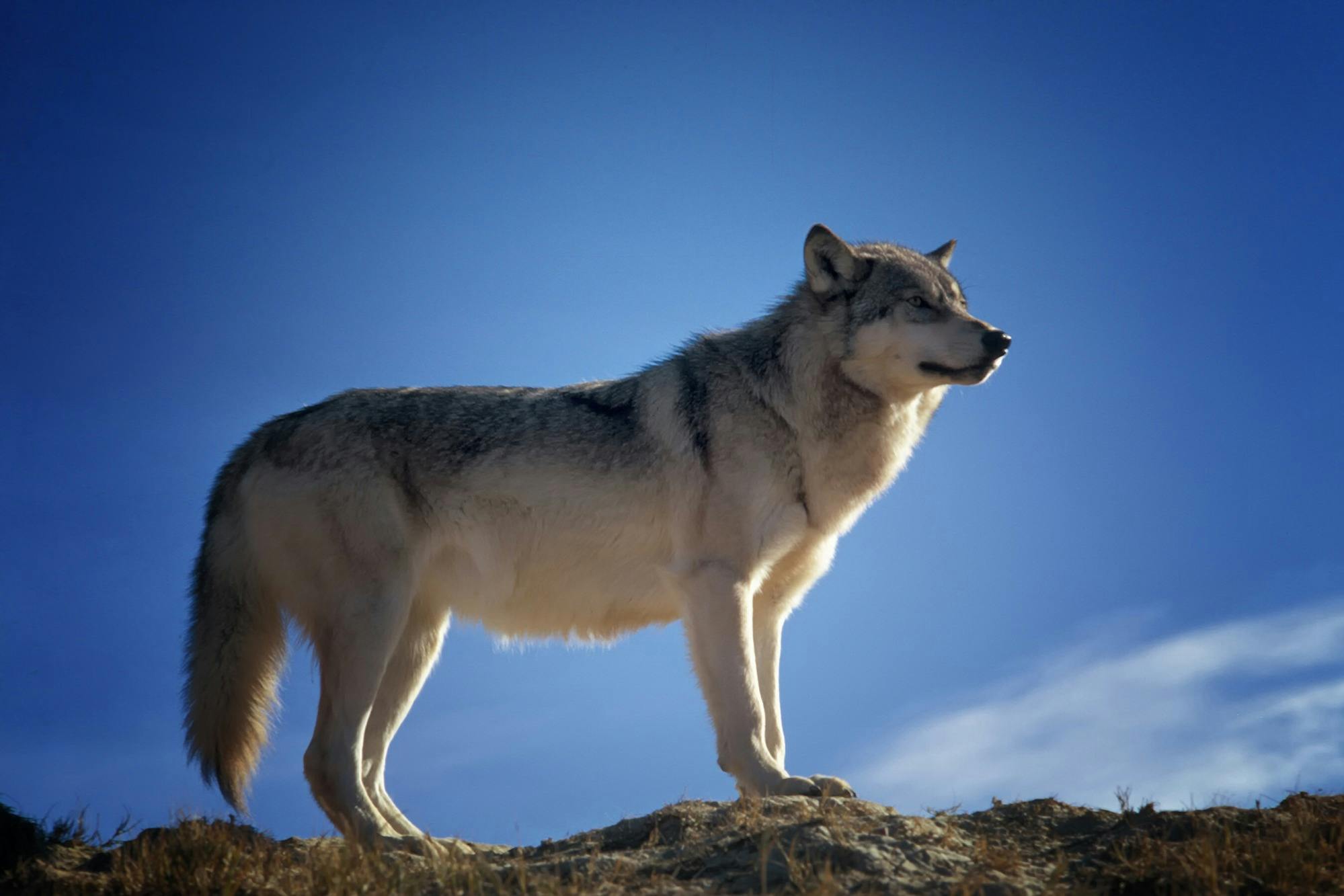
The future of wolf management will likely depend on how seriously states treat the people living with the consequences. Compensation helps, but many producers say payment alone does not cover missing animals, extra labor, or the long shadow of herd stress.
Wildlife agencies are increasingly leaning on layered strategies, combining monitoring, deterrence, rider programs, and targeted removals. Even so, those tools work unevenly, and every region brings its own terrain, politics, and tolerance for risk.
What is clear is that wolves are no longer just a comeback story. In these nine states, they are part of an ongoing test of whether conservation success can coexist with the economic realities of modern livestock country.