Some dogs greet every visitor like a long-lost soulmate. Others make it very clear that your social calendar is not their concern. These breeds are often deeply loyal, highly protective, or simply reserved by nature, which can make winning over your friends a long game, if it happens at all.
Akita
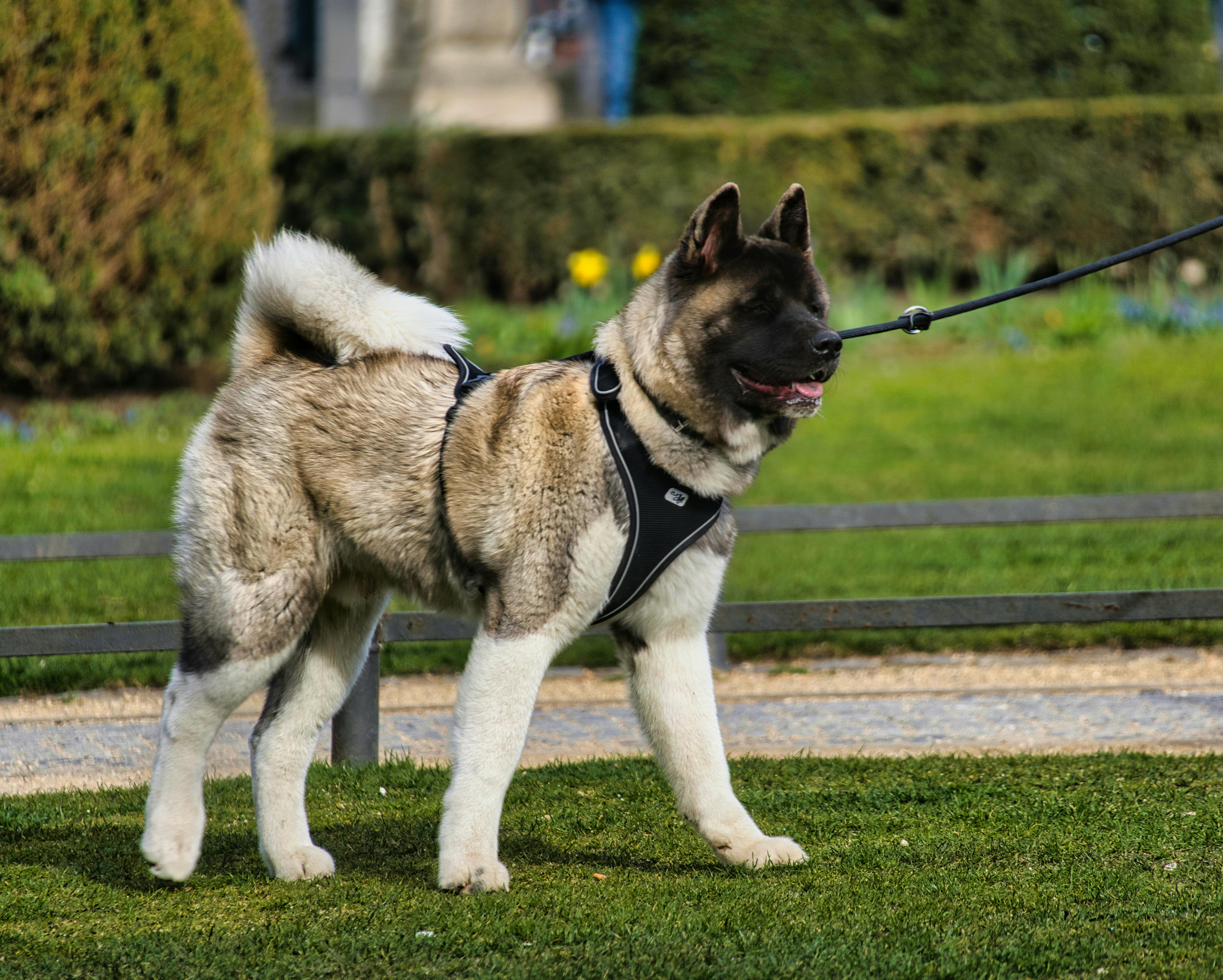
The Akita has a reputation for profound loyalty, and that devotion is usually concentrated on its immediate family. Around strangers, this breed often stays cool, observant, and completely unimpressed by friendly chatter or offered treats. It is not necessarily aggression you are seeing, but a dog that prefers caution over instant charm.
That reserve can be striking in social settings. While some Akitas learn to tolerate frequent visitors politely, many never become the kind of dogs that bounce over for belly rubs from every guest. Their instincts lean toward watchfulness, and that steady, serious nature is exactly why admirers love them.
Chow Chow
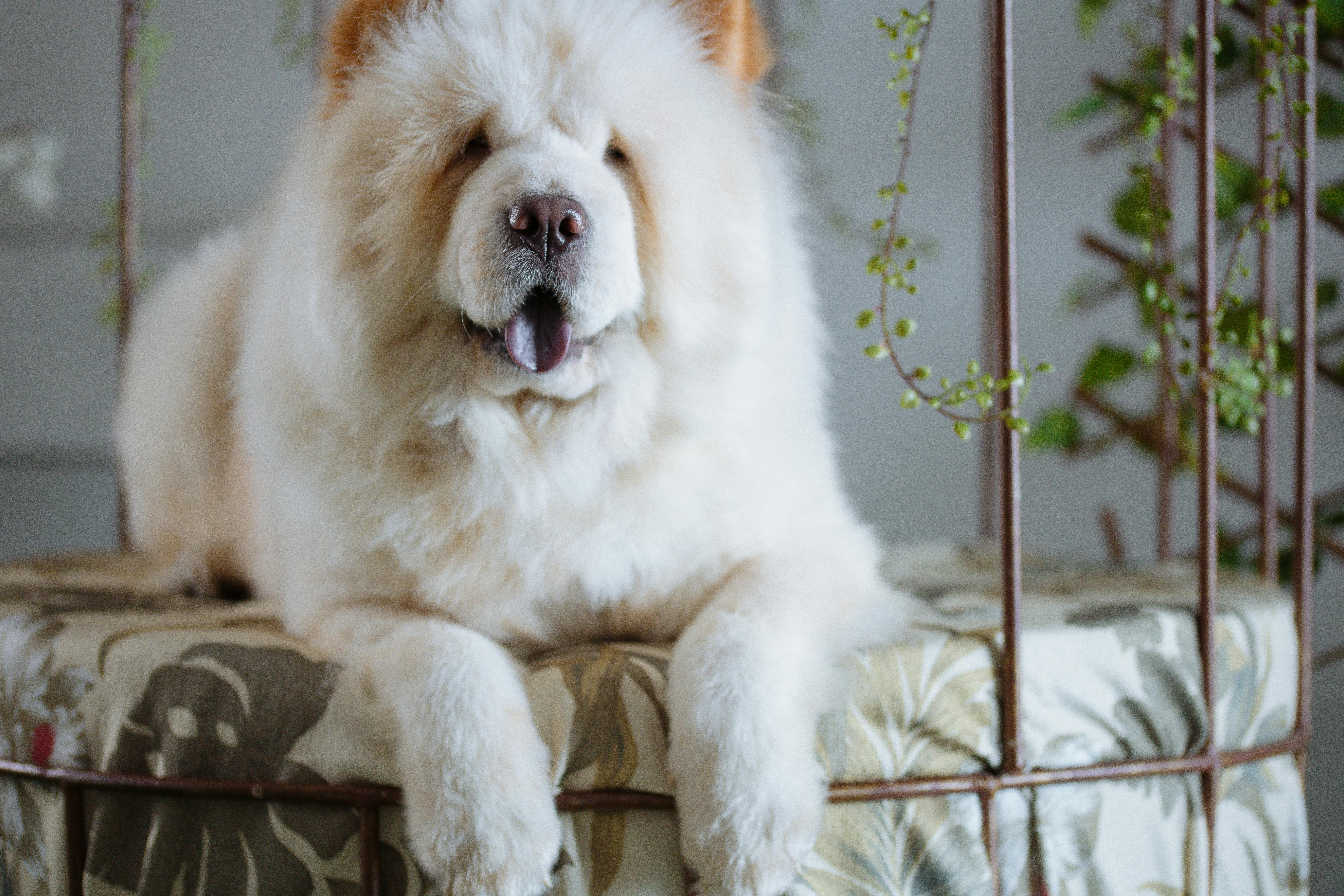
Few breeds wear emotional distance quite like the Chow Chow. With its lion-like mane and famously dignified attitude, this dog often approaches strangers with a mix of skepticism and utter indifference. Many Chows are affectionate with their people, but they rarely feel compelled to expand that circle just because someone new walked in.
Guests expecting a cuddly teddy bear are usually in for a reality check. The Chow Chow tends to value personal space and can seem almost cat-like in its social preferences. If your friends want instant validation, this breed is likely to offer a cool glance and then move on with its day.
Shiba Inu

The Shiba Inu may be compact and foxlike, but its social style often reads as highly selective. This breed is smart, self-possessed, and not especially interested in performing friendliness on command. A house full of visitors may simply register as an inconvenience rather than an exciting opportunity to make new admirers.
Shibas often prefer to assess people from a distance before deciding whether interaction is worth their time. Even then, warmth can be subtle and brief. They are not usually clingy, and that independent streak means your best friend may visit for years and still get little more than a respectful side-eye.
Rottweiler

A well-bred Rottweiler can be calm, stable, and deeply affectionate, but this breed was not designed to hand out trust freely. Rottweilers tend to read people carefully and often remain reserved until they are convinced a newcomer belongs in the home. That can make casual visitors feel as if they are being quietly evaluated from across the room.
For many owners, that seriousness is part of the appeal. Rottweilers are often devoted companions who take family life very seriously, which means they may never greet your friends with carefree enthusiasm. Respect, structure, and time can help, but easygoing social butterfly energy is not their default setting.
Doberman Pinscher

The Doberman Pinscher is elegant, athletic, and famously devoted to its household. That loyalty often comes with a strong instinct to monitor unfamiliar people, especially in the home. Even a well-socialized Doberman may stand close to its owner and keep a sharp eye on guests rather than joining the party.
This breed often bonds intensely with its core people and can be slow to extend that trust outward. Your friends may earn tolerance, and in some cases genuine affection, but it usually happens on the dog’s timeline, not theirs. The Doberman’s guarded posture is less about theatrics and more about instinctive vigilance.
German Shepherd
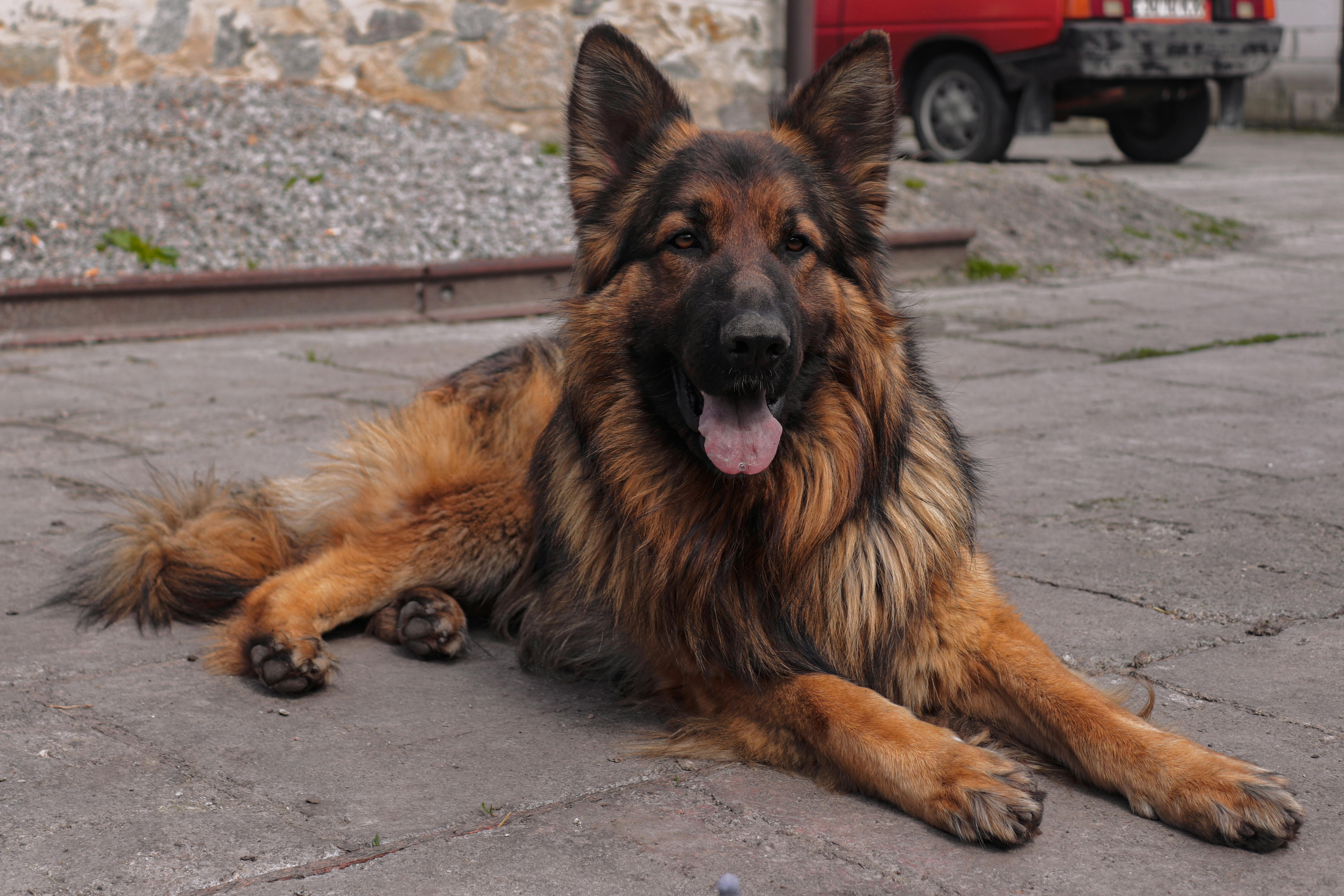
German Shepherds are versatile, trainable, and often excellent family dogs, but many remain notably reserved with outsiders. Their working history favors discernment, not automatic friendliness, so they often greet unfamiliar people with seriousness instead of wagging enthusiasm. To some guests, that can feel intimidating even when the dog is behaving appropriately.
This breed usually wants a reason to trust, and repeated positive exposure matters. Still, plenty of German Shepherds keep visitors at arm’s length emotionally, even after they learn household routines. They may accept your friends, but acceptance and affection are very different things in the mind of a loyal shepherd.
Cane Corso

The Cane Corso is powerful, intelligent, and famously protective, which means social grace with strangers is not always high on the list. This breed often approaches new people with intense scrutiny, especially when those people enter the home uninvited or act overly familiar too quickly. Its whole demeanor suggests that trust should be earned, not assumed.
Owners who know the breed well understand that neutrality can be a win. A Cane Corso does not need to adore every guest to be a stable companion, and many never do. What looks cold to visitors is often the breed’s natural seriousness, paired with an unwavering commitment to its family.
Belgian Malinois

The Belgian Malinois is brilliant, intense, and wired for work, which can make casual socializing seem beside the point. These dogs are often more interested in their handler, their environment, or the next task than in charming houseguests. Strangers may find them distant, especially if they expect the breezy friendliness common in more easygoing breeds.
Because the Malinois is so alert, it tends to notice every movement and every shift in energy. That can translate into a dog that never fully relaxes around unfamiliar people, even after repeated visits. Admiration from across the room is usually safer than assuming this breed wants a new best friend.
Tibetan Mastiff
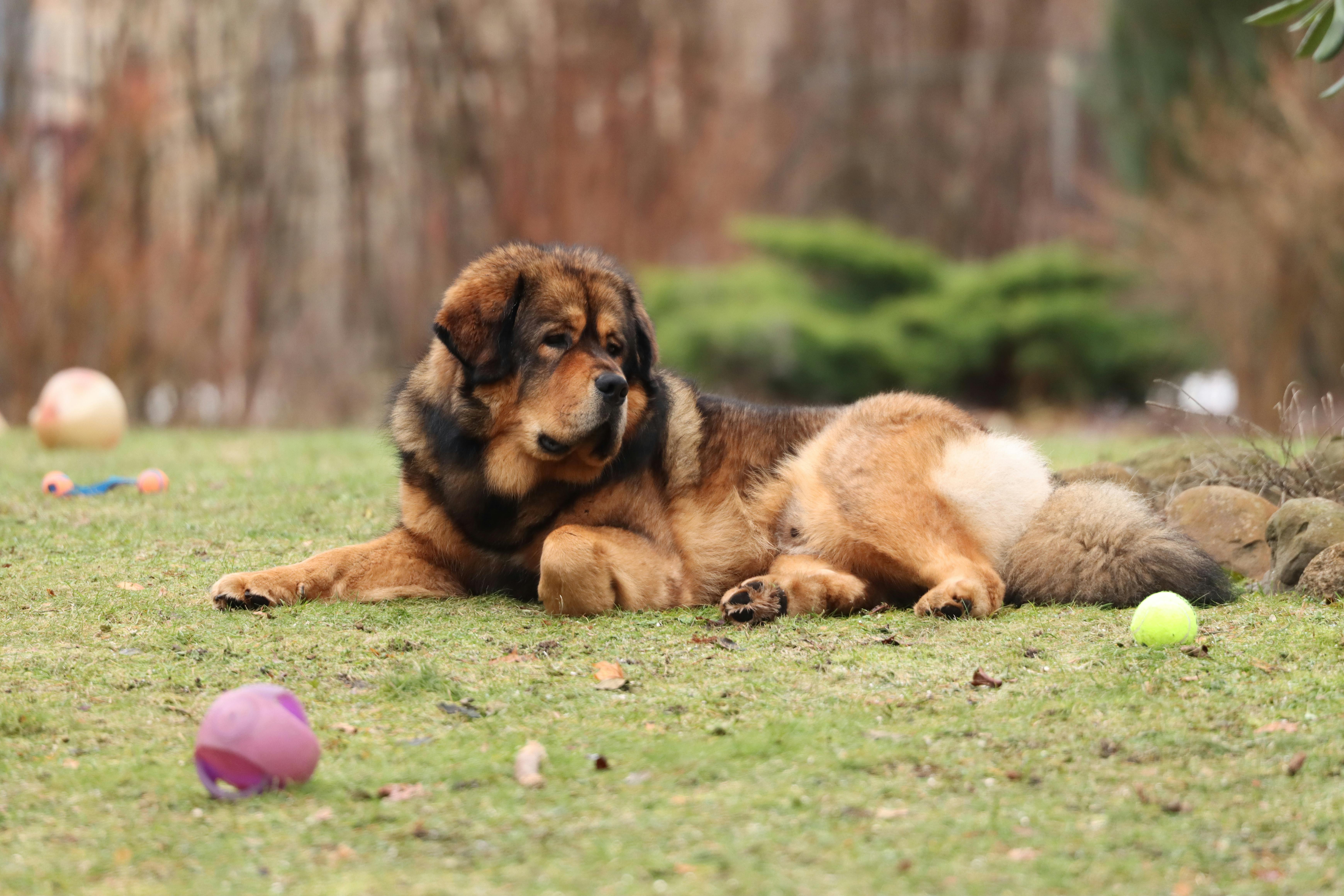
The Tibetan Mastiff was developed to guard, and that heritage still shows in a big way. This breed is often independent, territorial, and naturally suspicious of unfamiliar people, particularly on its home turf. While undeniably impressive, it is not the sort of dog that typically melts when guests arrive with cheerful voices and good intentions.
Many Tibetan Mastiffs decide very quickly who belongs and who does not, and they are rarely eager to revise that opinion. Even when well managed, they can remain aloof and emotionally unavailable to outsiders. For the family, that can feel reassuring. For your friends, it can feel like a very formal audience.
Basenji

The Basenji is often described as clever, curious, and a bit enigmatic, and that mystery extends to its social habits. Unlike dogs that treat every visitor like entertainment, the Basenji can be distinctly selective about human interaction. It may coexist politely with guests while making no effort whatsoever to invite them into its inner world.
That emotional restraint can surprise people who expect a small dog to be automatically outgoing. Instead, the Basenji often acts self-contained and discerning, almost as if it is preserving energy for things it actually finds worthwhile. Your friends might eventually earn a sniff or brief lean-in, but adoration is far from guaranteed.