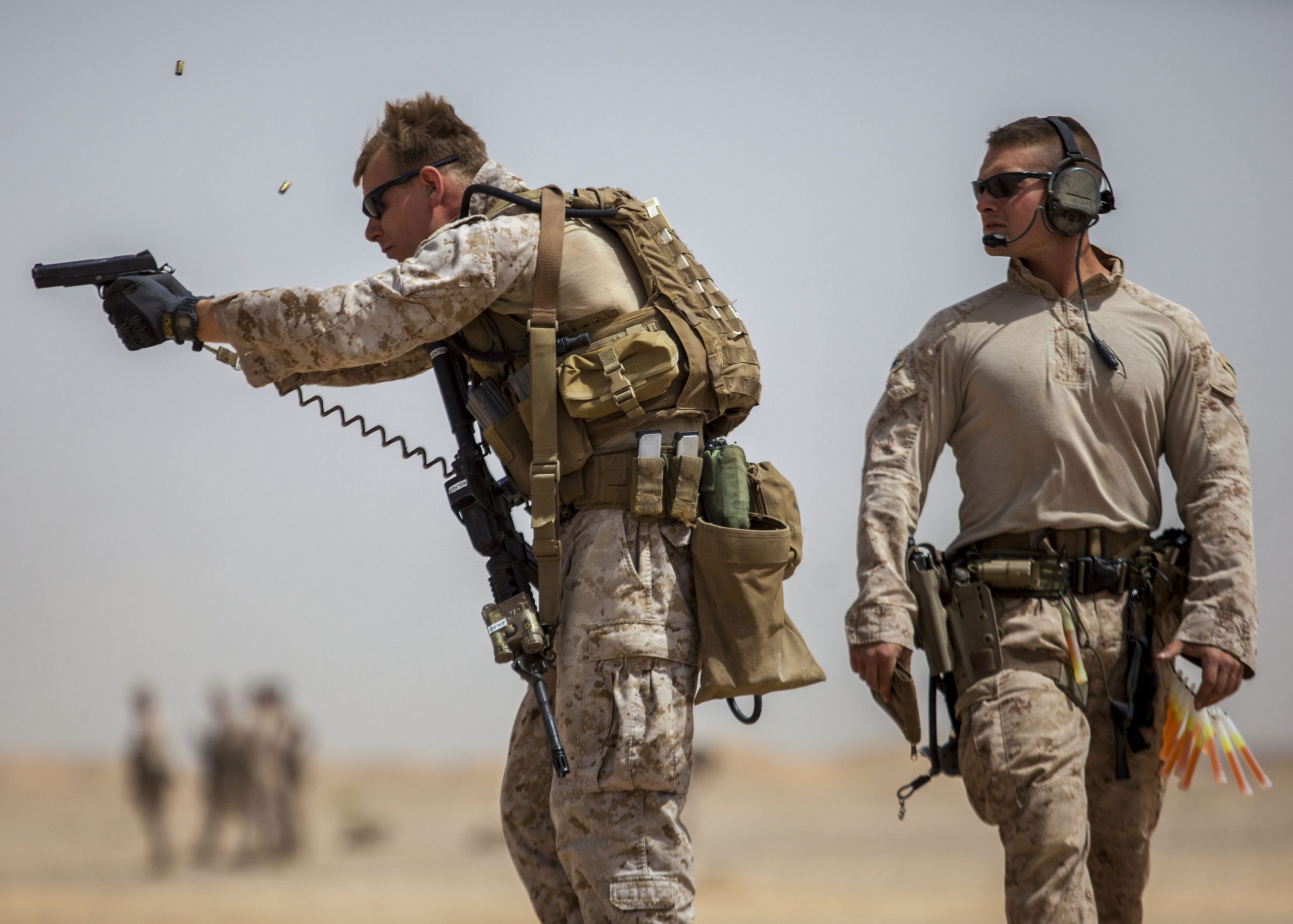
Some of the smartest firearm ideas were not flashy breakthroughs. They were quiet design changes that made guns easier to carry, faster to run, safer to handle, and more reliable under stress. This gallery explores ten designs that addressed frustrations many shooters had simply learned to live with, and shows why those solutions still matter today.
The swing-out revolver cylinder

Early revolvers often made reloading a slow, awkward chore. Shooters had to work around fixed cylinders, loading gates, and ejector rods one chamber at a time, which was acceptable until someone asked a simple question: why not make the whole cylinder easier to access?
The swing-out cylinder changed the pace completely. With one motion, the shooter could expose every chamber, eject spent cases, and reload far faster than older designs allowed.
It solved a problem many people had normalized, especially in defensive or duty use where seconds matter. Today it feels obvious, but at the time it turned the revolver from a sturdy tool into a much more practical one.
The double-action trigger
Single-action handguns worked well, but they asked shooters to do more under pressure. Cocking the hammer manually before firing added time, added motion, and added one more chance for fumbling when nerves were already high.
The double-action trigger addressed that friction in a very human way. It let the shooter draw, press through a longer trigger stroke, and fire without stopping to thumb back the hammer first.
That longer pull also introduced a built-in layer of safety for carry. What looked like a mechanical compromise turned into a practical answer to speed, simplicity, and peace of mind, especially for police service revolvers and early defensive handguns.
The self-loading pistol magazine
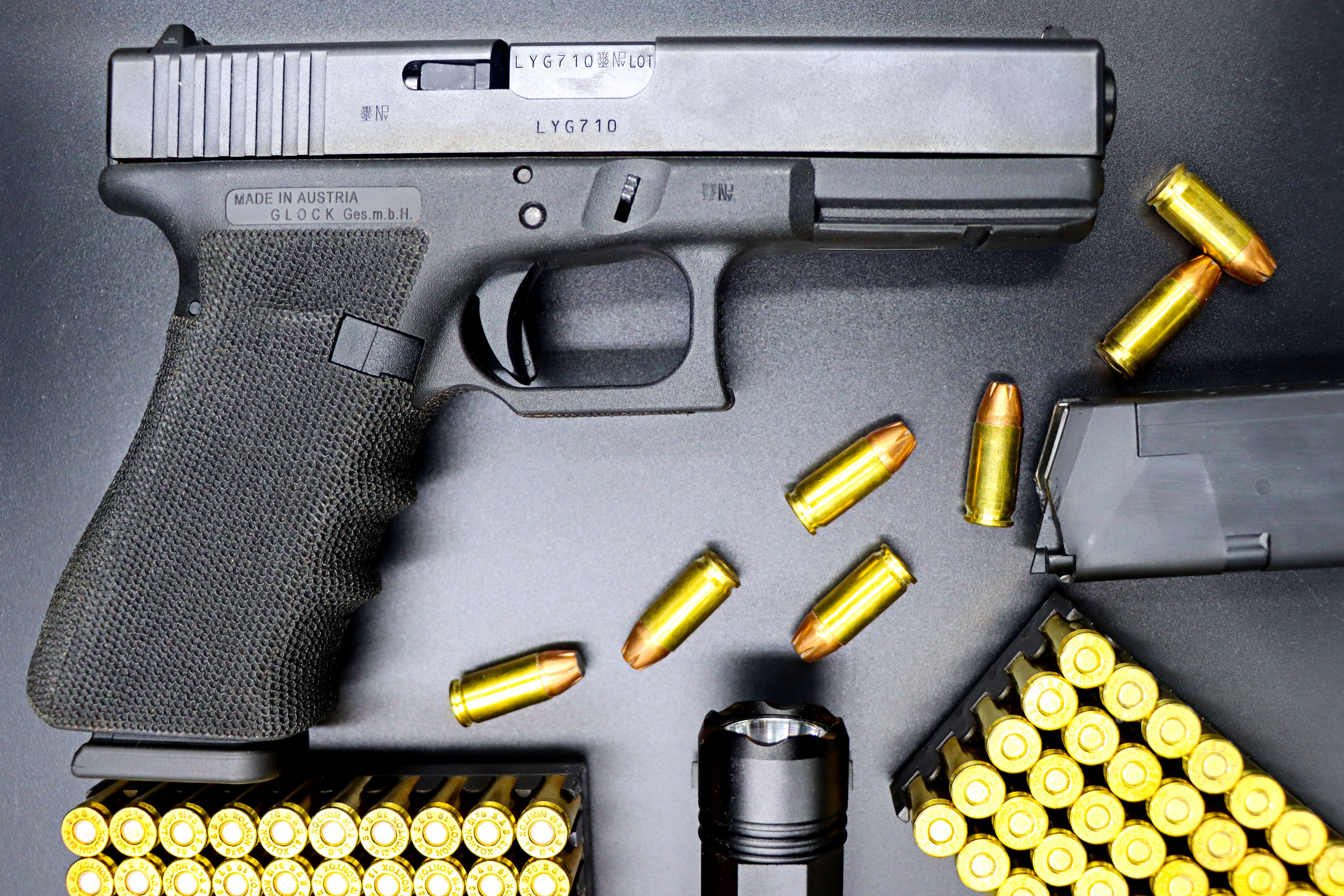
Before detachable box magazines became standard in pistols, carrying enough ammunition meant carrying loose rounds or accepting a slower reload. For many shooters, that was simply part of the deal, even if it was inconvenient and limiting.
The detachable magazine solved more than capacity. It made reloads cleaner, faster, and easier to perform with consistency, which mattered enormously once pistols became serious duty sidearms.
It also changed how people thought about training. Instead of treating reloading as an awkward interruption, shooters could practice magazine changes as a repeatable skill. That shift helped make the semi-automatic pistol the dominant sidearm of the modern era.
The pump-action shotgun
Shotguns were already powerful and versatile, but early repeating systems often struggled with complexity, ammunition sensitivity, or cost. Shooters wanted more than one shot without sacrificing ruggedness, and the pump answered that need neatly.
The pump-action gave users a simple, dependable way to cycle shells under all kinds of conditions. Mud, rain, mixed loads, and hard use mattered less when the shooter supplied the operating force directly.
What it really solved was uncertainty. Hunters, homeowners, and law enforcement all benefited from a design that was easy to understand and easy to trust. That confidence helped make the pump shotgun one of the most enduring practical firearms ever built.
The break-action shotgun with ejectors

Break-action shotguns were already elegant and dependable, but extracting empty shells by hand slowed the rhythm of shooting. On a hunt or a clay field, that small delay added up more than people liked to admit.
Automatic ejectors brought speed to a platform known for simplicity. Instead of plucking out each spent shell, the shooter could snap the gun open and reload with much less interruption.
It was a quality-of-life improvement before that phrase existed. The basic shotgun remained familiar, but the experience became quicker and more fluid, especially when fast follow-up shots or repeated pairs were part of the day’s plan.
The bolt-action rifle with a detachable magazine
Bolt-action rifles earned their reputation on strength and accuracy, but many fed from internal magazines that were reliable yet slow to refill. Topping off with loose cartridges or stripper clips worked, though it was hardly the fastest system in the field.
A detachable magazine did not change the bolt action’s core personality. It simply made ammunition management easier, especially for shooters moving between transport, hunting positions, and quick reload situations.
That mattered more than it first appeared. The design reduced fumbling, simplified unloading, and gave users a cleaner way to keep rifles safe and ready. Sometimes the smartest innovation is the one that removes hassle without changing what people already love.
The semi-automatic shotgun gas system
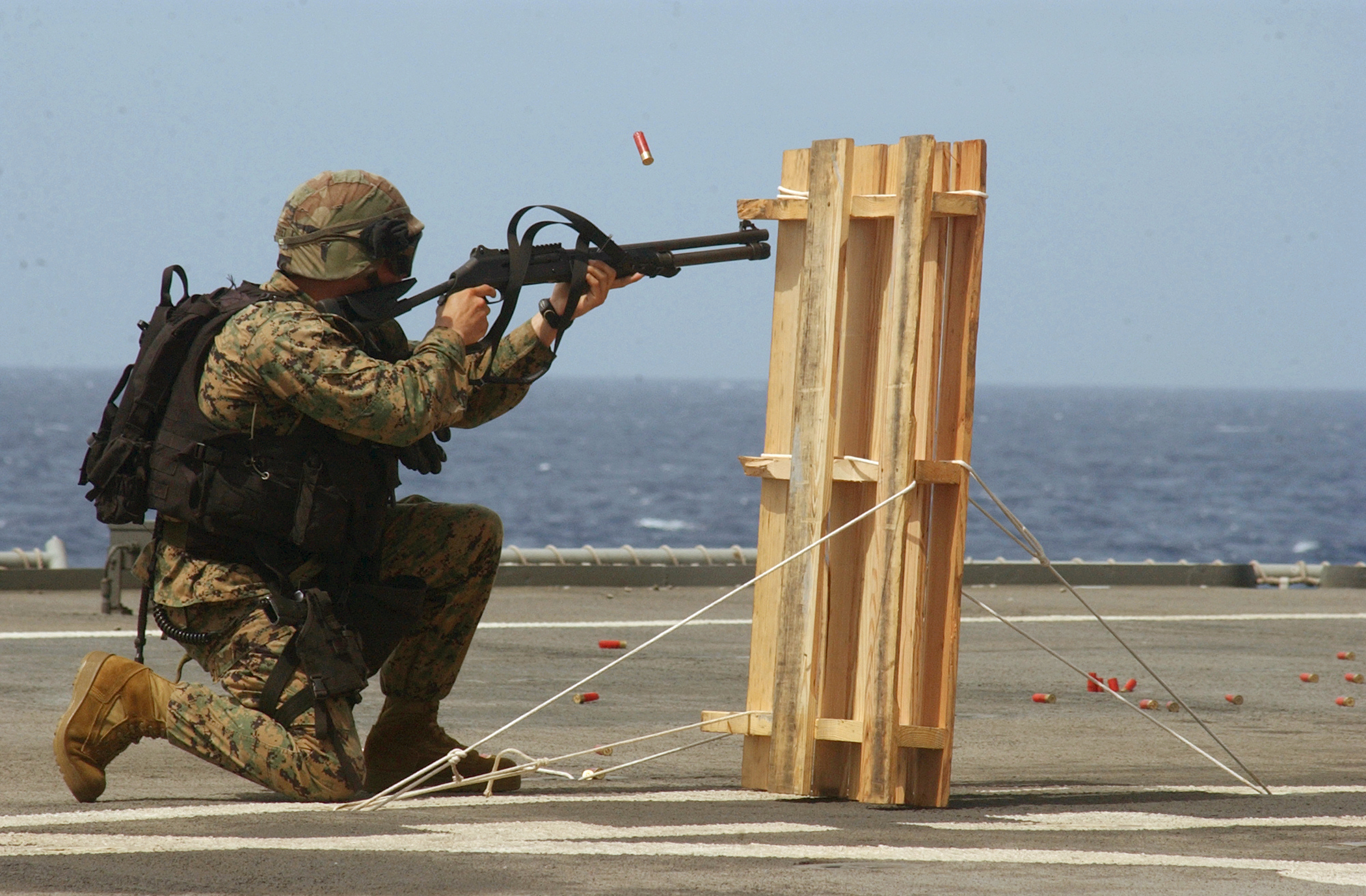
Recoil is one of those things many shooters accept until a better idea arrives. Traditional shotguns hit hard, especially during long days in the field or on the range, and that punishment could wear down both confidence and performance.
Gas-operated semi-automatic shotguns helped soften the experience by using part of the fired shell’s energy to cycle the action. The result was not just faster follow-up shots, but a noticeably gentler shooting feel.
That solved a hidden problem: fatigue. Less recoil meant better habits, better concentration, and often better accuracy over time. For many shooters, the revelation was not that the gun fired itself faster, but that it made shooting easier to enjoy for longer.
The striker-fired pistol
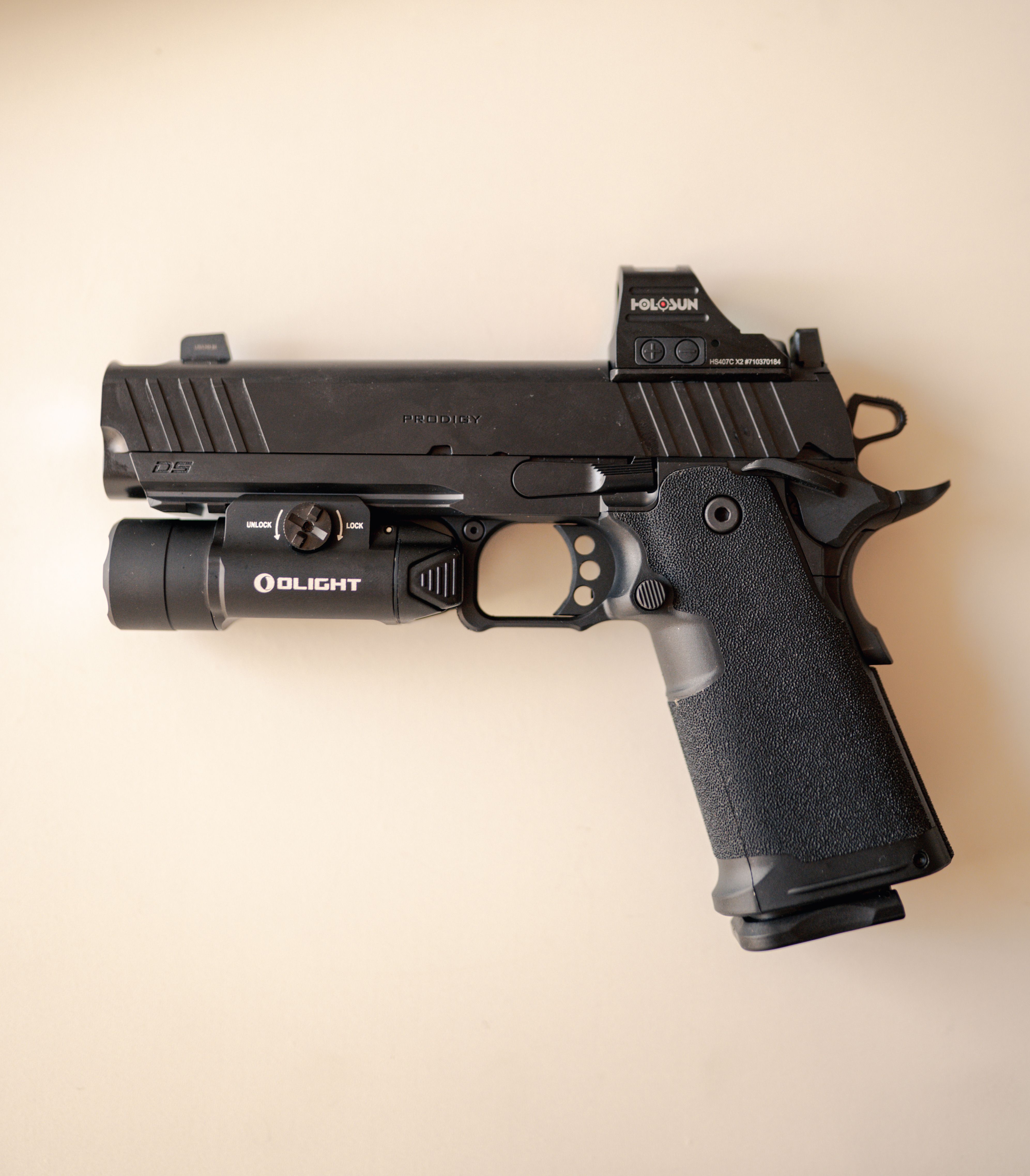
Traditional hammer-fired pistols gave shooters several things to think about: decockers, safeties, hammer position, and different trigger pulls from the first shot to the next. None of that was impossible to master, but it asked for attention at every step.
The striker-fired pistol simplified the manual of arms. A consistent trigger pull, fewer external controls, and a clean profile made these handguns easier to teach and easier to run under stress.
Its biggest contribution may have been reducing decision clutter. Shooters could focus more on grip, sights, and trigger press, and less on which lever needed attention. That straightforwardness helped reshape the service pistol market in a very big way.
The polymer pistol frame
For decades, handguns were expected to feel heavy because durability was associated with steel or alloy. Weight was just part of ownership, whether you were carrying all day on duty or simply spending hours on the range.
Polymer frames challenged that assumption. They cut weight, resisted corrosion, and often lowered manufacturing costs without giving up practical toughness in normal use.
The real problem they solved was cumulative strain. A few ounces may not sound dramatic at the counter, but on the belt for ten hours or in repeated handling, it matters. Lighter guns also broadened accessibility, making daily carry and regular practice more manageable for a wider range of shooters.
The suppressor-ready threaded barrel

For a long time, adding a suppressor was treated like a niche concern rather than a practical feature. Yet many shooters deal with blast, concussion, and noise levels that make training more tiring than it needs to be, even with hearing protection.
The threaded barrel made suppression far more accessible on factory firearms. It turned what used to be a custom project into a plug-and-play option for those who wanted a calmer shooting experience.
This design solved a comfort issue that also affects performance. Reduced blast can improve communication, lower flinch, and make range sessions more pleasant. In that sense, suppressor-ready guns answered a problem people had endured for years without expecting an easier fix.