At a glance, many firearms can look surprisingly similar, especially on a store shelf. The real differences often show up in the hidden mechanical details that affect reliability, longevity, feel, and consistency over time. This gallery breaks down eight features that commonly separate premium guns from budget models, in plain language for curious readers.
Tighter Machining Tolerances

One of the first things enthusiasts notice in a premium gun is how precisely the major parts fit together. The slide, frame, barrel, and locking surfaces usually move with less slop, which can make the gun feel smoother and more refined in the hand.
That tighter fit is not just about pride of ownership. Better tolerances can improve consistency from shot to shot and reduce odd wear patterns over time. Budget models often function perfectly well, but they are more likely to show looser part fit because wider manufacturing allowances help keep costs down and production moving.
Superior Barrel Construction
A premium barrel often reflects more care in steel quality, rifling uniformity, crown finishing, and chamber dimensions. Those details matter because the barrel is where accuracy begins, and even small inconsistencies can influence how predictably a gun performs.
On higher-end models, barrels may also receive better polishing and more consistent heat treatment, which can help with longevity and ease of cleaning. Budget guns usually use perfectly serviceable barrels, but premium versions tend to deliver tighter groups and a more polished shooting experience because the barrel work receives closer attention during manufacturing.
Refined Trigger Components

Trigger quality is one of the clearest mechanical differences between price tiers. Premium guns often use better-finished sears, hammers, trigger bars, and springs, creating a pull that feels cleaner, more predictable, and easier to control.
That does not always mean a lighter trigger. It often means less grit, a more distinct break, and a shorter, crisper reset. Budget models may still be safe and dependable, but their triggers can feel heavier or rougher because the parts receive less hand fitting and less polishing before they leave the factory.
More Durable Surface Treatments
Finish is not just cosmetic. Premium guns frequently use tougher coatings or treatments that resist corrosion, holster wear, moisture, and repeated handling better than basic finishes found on entry-level models.
That extra durability can matter a lot in the real world, especially for a carry gun or a firearm that sees heavy range use. A better surface treatment also protects critical contact points and exposed metal from premature wear. Budget guns may look fine when new, but premium finishes often stay looking and functioning better after years of friction, sweat, and cleaning solvents.
Stronger Lockup Design
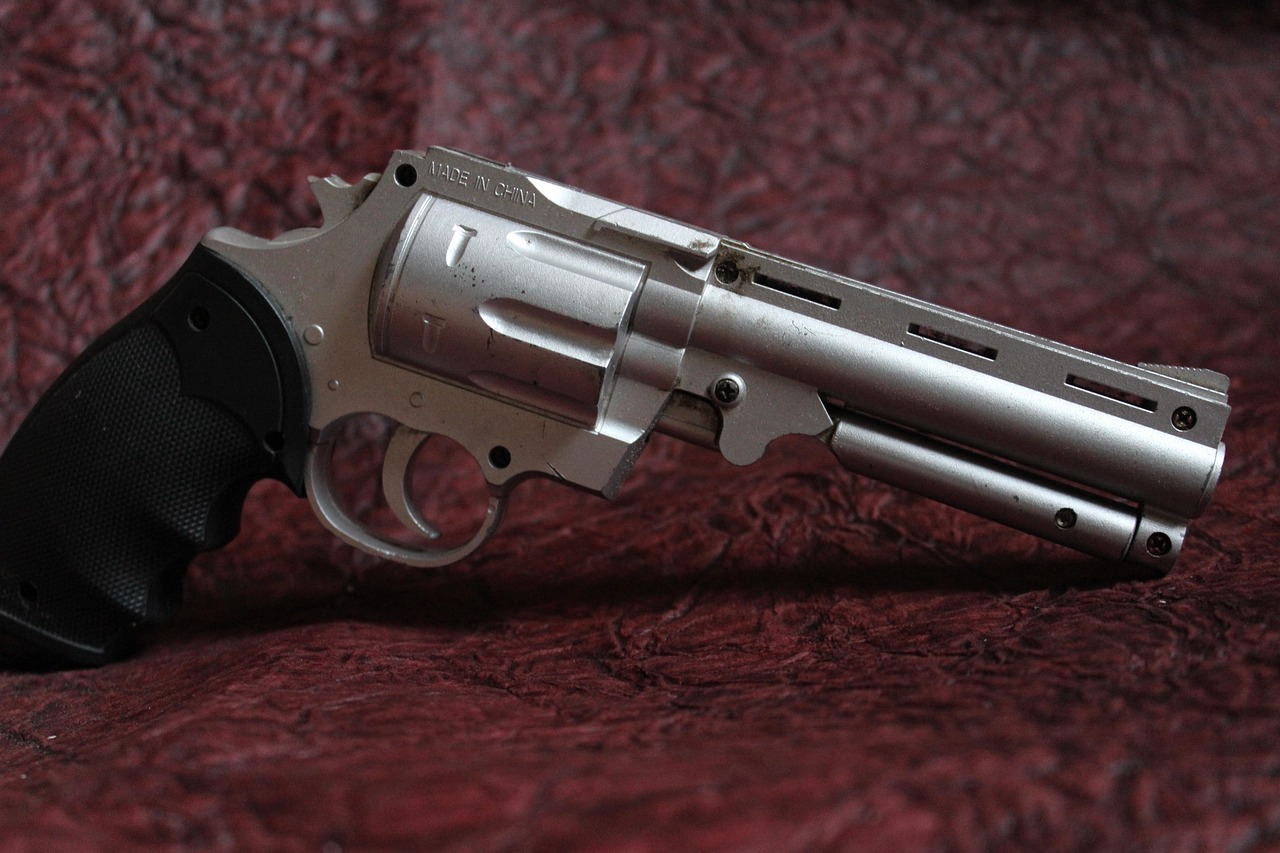
Lockup refers to how the barrel and slide, or other major components, secure together when the gun is in battery. In premium firearms, that lockup is often more consistent, with carefully machined engagement surfaces that return to the same position shot after shot.
This kind of repeatability can support better accuracy and smoother cycling. It also reduces the feeling that the gun is rattling or settling differently each time it closes. Budget guns can still be reliable, but premium models usually show more attention to the geometry and finishing of those locking surfaces that do the hardest work.
Higher Quality Springs and Small Parts
The little parts inside a gun rarely get the spotlight, but they often reveal where money was spent. Premium models tend to use better springs, pins, extractors, plungers, and other wear items that hold tension and shape more consistently over long use.
These components influence reliability in subtle but important ways. A stronger extractor, a more consistent recoil spring, or a better heat-treated pin can make the gun run more smoothly across thousands of cycles. Budget firearms often save money here because small parts are easy to overlook, even though they are essential to long-term durability.
Better Feed Ramp and Chamber Finishing

Feeding reliability often comes down to surfaces most owners barely see. Premium guns typically have more carefully polished feed ramps and more consistently cut chambers, helping cartridges move from magazine to chamber with less drag or hesitation.
That does not guarantee a gun will digest every load on earth, but it can improve reliability across a wider range of ammunition. Budget models may function well with common rounds yet become pickier with hollow points or unusual bullet shapes. Premium finishing work helps smooth out those transitions and reduces the chance of stoppages caused by rough contact points.
More Consistent Recoil System Tuning

A premium gun often feels different in recoil not because physics changed, but because the moving parts are better balanced. Manufacturers may spend more time tuning spring rates, slide mass, guide rod fit, and timing so the action cycles in a controlled, predictable way.
That tuning can make the gun feel flatter, smoother, and easier to track between shots. It also reduces the sense of harshness that some budget models develop when their recoil systems are designed mainly around cost and broad compatibility. The result is a firearm that feels more composed, especially during fast strings or extended range sessions.