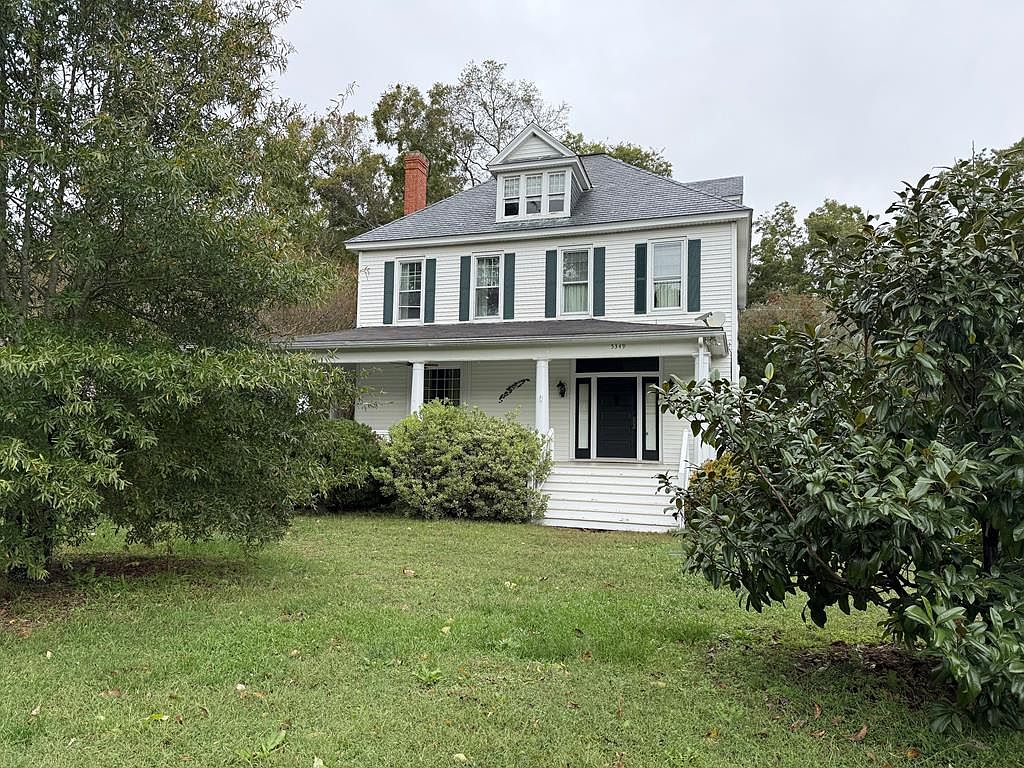
Long-range shooting used to feel like a rich person’s hobby. Then Ruger showed up with a factory rifle that made the barrier to entry look a lot less intimidating.
Before the RPR, precision usually meant paying custom-rifle money.
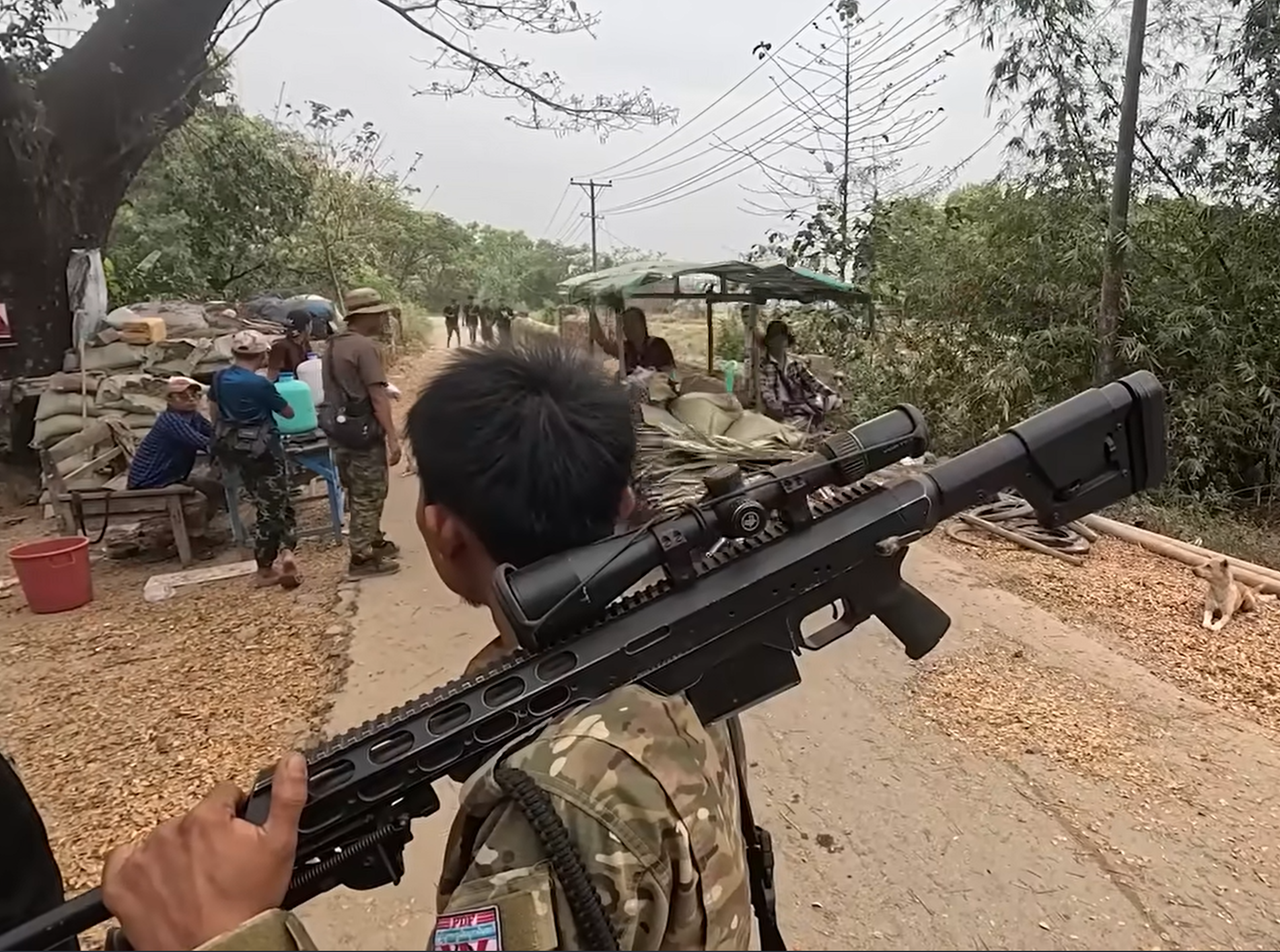
For years, getting into long-range shooting at a meaningful level often meant buying your way past several hurdles at once. A shooter needed a heavy-barreled rifle, a stock or chassis that actually fit the body, a trigger clean enough for distance work, magazines that fed reliably, and a rail system that gave enough elevation for dialing. Those features existed, but they were usually scattered across expensive factory rifles or custom builds.
That matters because long-range performance is not about one magic part. It is about a complete system. Before 2015, a lot of factory rifles could shoot well, but many still required aftermarket upgrades before they felt truly competition-ready or class-ready. By the time a shooter added a better stock, detachable magazines, bedding work, and optics mounting solutions, the final bill had a way of creeping upward fast.
That is why the Ruger Precision Rifle landed so loudly. When Ruger introduced it on July 17, 2015, the company positioned it as a purpose-built long-range rifle rather than a hunting rifle adapted for target work. According to Ruger and early NRA coverage, it arrived with an MSRP of $1,399, while early street pricing was commonly described as closer to $1,100 to $1,200. In a space where comparable precision rigs were often framed as $3,000-and-up propositions, that was a major shift in the value equation.
Ruger bundled expensive features into one factory package.

What made the RPR disruptive was not simply that it was cheaper. It was that Ruger packed in the kind of features shooters were used to paying extra for. The original rifle shipped with a folding, fully adjustable stock, an in-line recoil path, a 20 MOA Picatinny rail for added elevation, a cold hammer-forged barrel, and compatibility with common box magazines. Those were not cosmetic upgrades. They were exactly the things serious shooters wanted.
The adjustable stock was a bigger deal than it sounds to non-shooters. Long-range shooting rewards consistency, and consistency starts with fit. Being able to set the length of pull and comb height without immediately shopping for a replacement stock saved buyers both money and frustration. The same goes for the trigger. Ruger’s Marksman Adjustable trigger meant many owners did not feel forced to replace it on day one.
The chassis-style layout also mattered culturally. It made the rifle look and feel modern, closer to the precision rifle trend that had been building in competition and training circles. American Rifleman described the gun as bringing custom-style modularity to a production rifle price, and that was exactly the appeal. Instead of buying a basic rifle and budgeting for a long upgrade path, shooters could start with a platform that already spoke the language of distance.
It arrived at exactly the right moment in shooting culture.
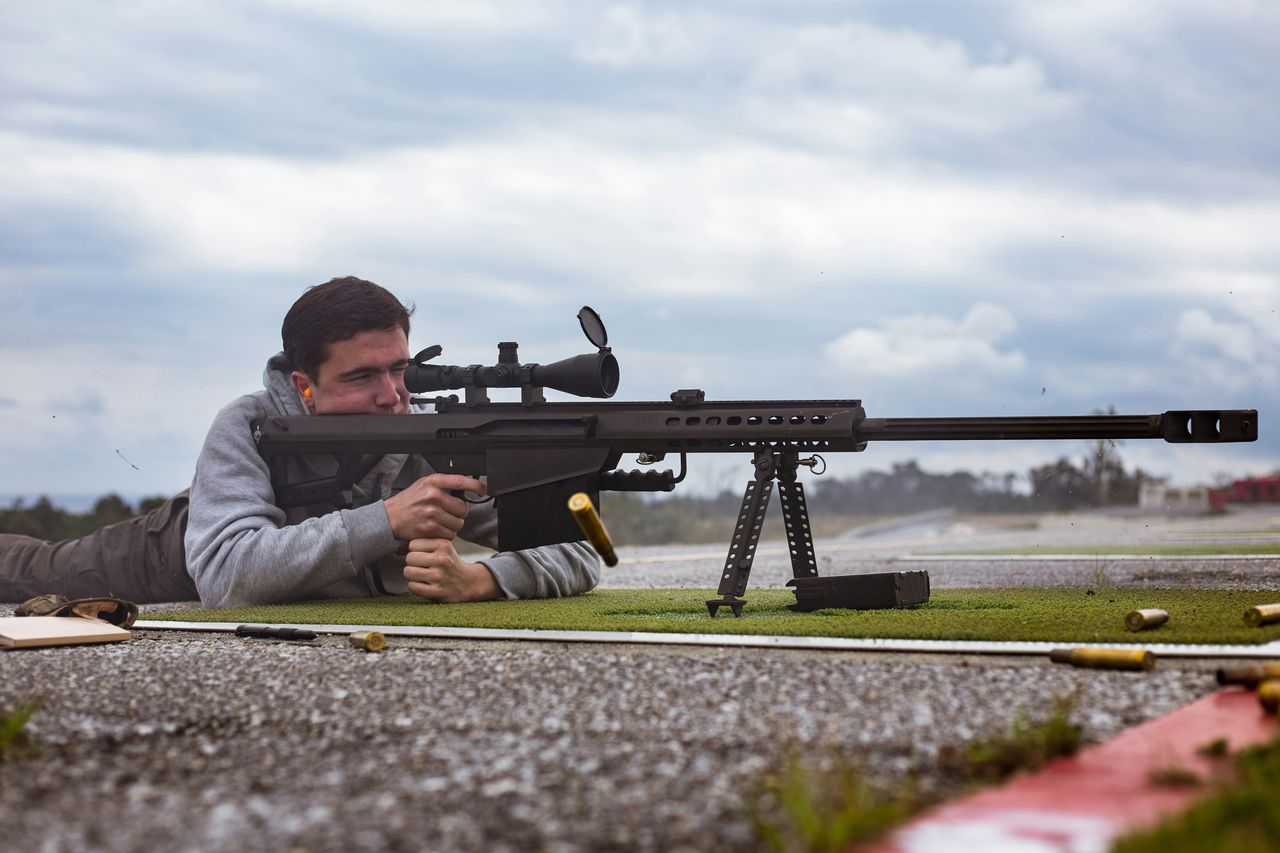
Timing helped make the RPR a phenomenon. The 2010s saw a broad surge of interest in practical long-range shooting, precision rifle matches, and training classes aimed at ordinary enthusiasts rather than only hardcore specialists. The Precision Rifle Series, founded in 2011, has since described itself as the premier competition organization in the space, and by 2024 the sport had grown to more than 13,000 PRS competitors according to PrecisionRifleBlog’s recent reporting on participation trends.
At the same time, 6.5 Creedmoor was becoming the cartridge that made long range feel more approachable. Hornady introduced it in 2007 as a true match cartridge, and later coverage from NRA publications tracked how it went from niche competition round to mainstream success. Lower recoil than many .30 caliber alternatives, excellent ballistic efficiency, and strong factory ammunition support made it easy to recommend to new distance shooters.
Ruger was smart enough to ride both waves. Early RPR rifles were offered in calibers that included .308 Winchester and 6.5 Creedmoor, and today Ruger still lists versions in .308 Win., 6.5 Creedmoor, 6mm Creedmoor, and 5.56 NATO/.223 Rem. The rifle did not create the long-range boom by itself, but it gave that boom a factory-built centerpiece people could actually afford.
The real savings were bigger than the sticker price.
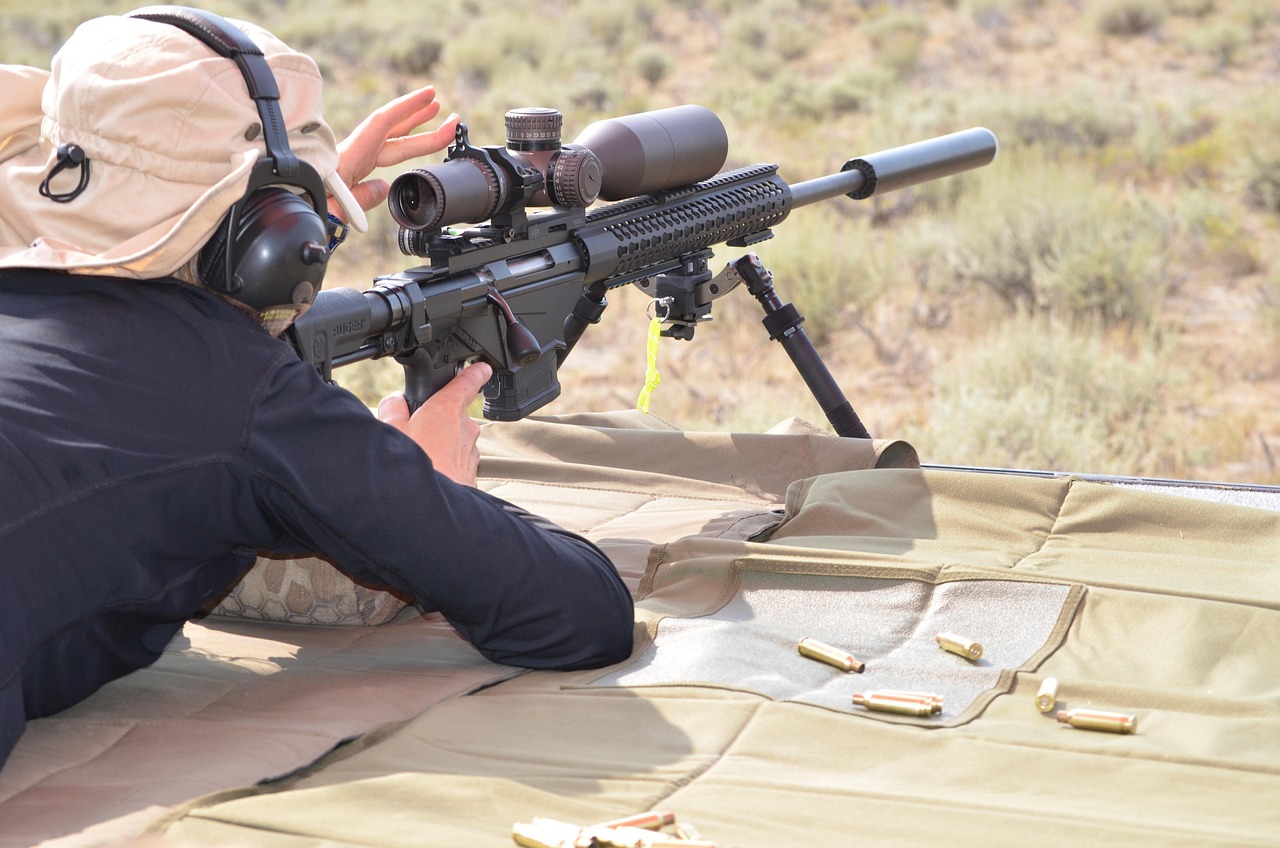
The most important change the RPR delivered was psychological, but the practical savings were real too. A shooter looking at a traditional entry route into long range often had to think in layers: rifle cost, stock replacement, bottom metal or magazine conversion, trigger upgrade, scope base, maybe even gunsmith labor. The RPR collapsed many of those costs into one purchase and let buyers spend more of the budget on ammunition, a bipod, and quality glass.
That last point is critical because experienced shooters will tell you the rifle is only one part of the budget. Optics, ammunition, range time, and training are what actually build skill. A cheaper rifle that still performs can be more valuable than a pricier rifle if it frees up money for a scope that tracks correctly and enough rounds to learn wind, recoil management, and positional shooting. In that sense, the RPR did not just lower rifle cost. It lowered the cost of becoming competent.
NRA coverage at the time repeatedly called the gun a game-changer and emphasized sub-MOA performance at a price far below many established precision platforms. That message resonated because it matched what buyers were seeing. For a huge number of shooters, the RPR made serious practice feel financially possible instead of permanently aspirational.
It pushed the entire market to rethink value.e
Once a rifle like the RPR exists, competitors cannot pretend customers have not seen it. That is one of the clearest ways it changed the market. After Ruger proved shooters would respond to a factory precision rifle with a chassis, adjustable ergonomics, detachable magazines, and strong accuracy at an approachable price, the entire category started moving faster toward feature-rich, value-oriented offerings.
You can see the effect in how people now talk about entry-level precision rifles. Expectations are much higher. Buyers do not just ask whether a rifle is accurate. They ask whether it has an adjustable cheekpiece, whether it accepts common magazines, whether the rail is canted, whether the barrel profile supports longer shot strings, and whether the platform is modular. In other words, the RPR helped turn premium features into baseline expectations.
Even commentary looking back years later has framed the rifle as a pivot point. American Hunter noted that when Ruger delivered a rifle with street pricing under $1,000 and accuracy well under 1 MOA, the industry changed. That is probably the cleanest summary of the rifle’s significance. It forced manufacturers to compete harder on complete-package value rather than leaning on tradition or prestige alone.
The rifle was not perfect, but that almost helped its case
The RPR was never beyond criticism, and that is actually part of why its impact is so instructive. Some shooters found it heavy. Others eventually wanted smoother custom actions, higher-end barrels, or more specialized match features. As the precision rifle world became more competitive, serious PRS shooters often graduated to more expensive rigs optimized for speed, balance, and recoil control. That was always going to happen at the top end.
But the RPR never needed to be the final rifle for every expert. It needed to be the first real rifle for thousands of developing shooters. In that role, it excelled. It gave people a legitimate platform for classes, local matches, steel targets at distance, and careful range work without demanding that they first become amateur gunsmiths or spend custom-shop money.
There is also a broader lesson here about product design. Ruger identified what most shooters actually needed to get started seriously, then cut away the prestige tax that often surrounded the category. The result was a rifle that felt ambitious but attainable. That balance is why it mattered more than many technically better rifles that cost substantially more and reached far fewer people.
Why its legacy still matters today
Today, the RPR no longer shocks the market the way it did in 2015, partly because the market has caught up to the template it helped normalize. Ruger’s current lineup still presents the rifle as an out-of-the-box long-range platform, and the broader industry now offers many rifles that borrow the same logic: factory precision, modular design, and fewer mandatory upgrades. That normality is itself proof of the RPR’s influence.
Its deeper legacy is that it changed who felt invited into the sport. Long-range shooting became less about access to boutique equipment and more about disciplined learning. People who once would have stayed on the sidelines could buy a credible rifle, mount a solid optic, and start building real skills. That shift broadened the audience for matches, training programs, and the precision-shooting community itself.
In plain terms, the Ruger Precision Rifle changed the cost of getting serious because it changed the definition of serious. It told the market that a shooter did not need to start with a custom invoice to deserve a capable rifle. For a sport built on precision, that was a remarkably precise disruption.