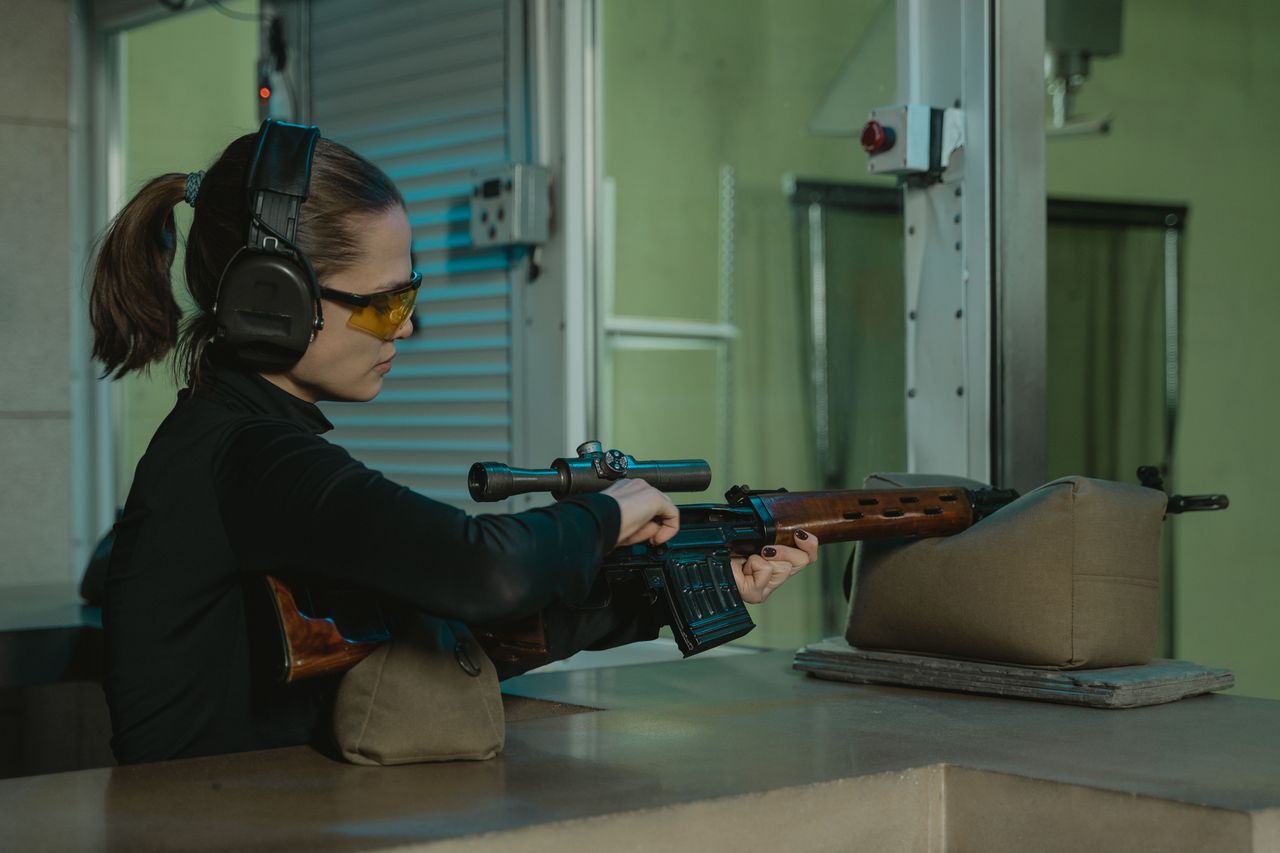
A lot of first-time rifle buyers think the review winner is the obvious choice. Then range day happens, and the confidence disappears fast.
Reviews often reward excitement, not long-term fit
A rifle can earn glowing reviews for all kinds of reasons that have little to do with a beginner’s actual experience. Reviewers often focus on innovation, premium finishes, unusual features, or how a gun compares with five others they tested that month. That makes sense for enthusiasts, but it can distort what matters most to a new owner.
A first-time buyer usually needs something simple, predictable, and easy to live with. That means manageable recoil, controls that feel intuitive, affordable magazines, and a setup that does not punish mistakes. A rifle praised as “advanced” or “feature-rich” can actually feel confusing when the owner is still learning basic handling, maintenance, and sighting.
There is also the honeymoon problem. Many published reviews are based on short test periods, sometimes a few range sessions, and a few hundred rounds. That can reveal accuracy and initial reliability, but it does not always show what ownership feels like after six months of cleaning, carrying, storing, modifying, and feeding the gun on a budget.
According to market analysts and retailer surveys, new gun buyers are often influenced by top lists, star ratings, and personality-driven video reviews. The regret starts when they realize a rifle that impressed a seasoned reviewer in a controlled test does not necessarily suit a beginner’s hands, needs, or wallet over time.
The rifle that groups well on paper may still feel wrong

Accuracy sells rifles, and review culture loves tight groups. A rifle that prints excellent 5-shot groups from a bench can look like a clear winner, especially to someone shopping online. But bench accuracy is only one slice of ownership, and often not the slice that defines satisfaction for a beginner.
The first surprise many new buyers face is weight. A rifle that feels stable and soft-shooting on a sandbag may feel front-heavy, awkward, or tiring when carried around a property or held standing for more than a minute. That matters a lot if the buyer imagines practical use rather than just slow fire from a bench.
Stock shape, trigger reach, cheek weld, length of pull, and safety placement matter just as much as raw precision. A reviewer with larger hands or years of rifle experience may adapt instantly to a design that feels clumsy to a smaller-framed shooter. What looks like a minor ergonomic difference in a review can become a major source of frustration after purchase.
This is why in-store handling and, when possible, range rentals matter so much. Two rifles with similar scores and similar price tags can feel completely different once a new shooter shoulders them. Regret often comes from discovering too late that a well-reviewed rifle fits the internet better than it fits the person who bought it.
Beginners often underestimate the true cost of ownership
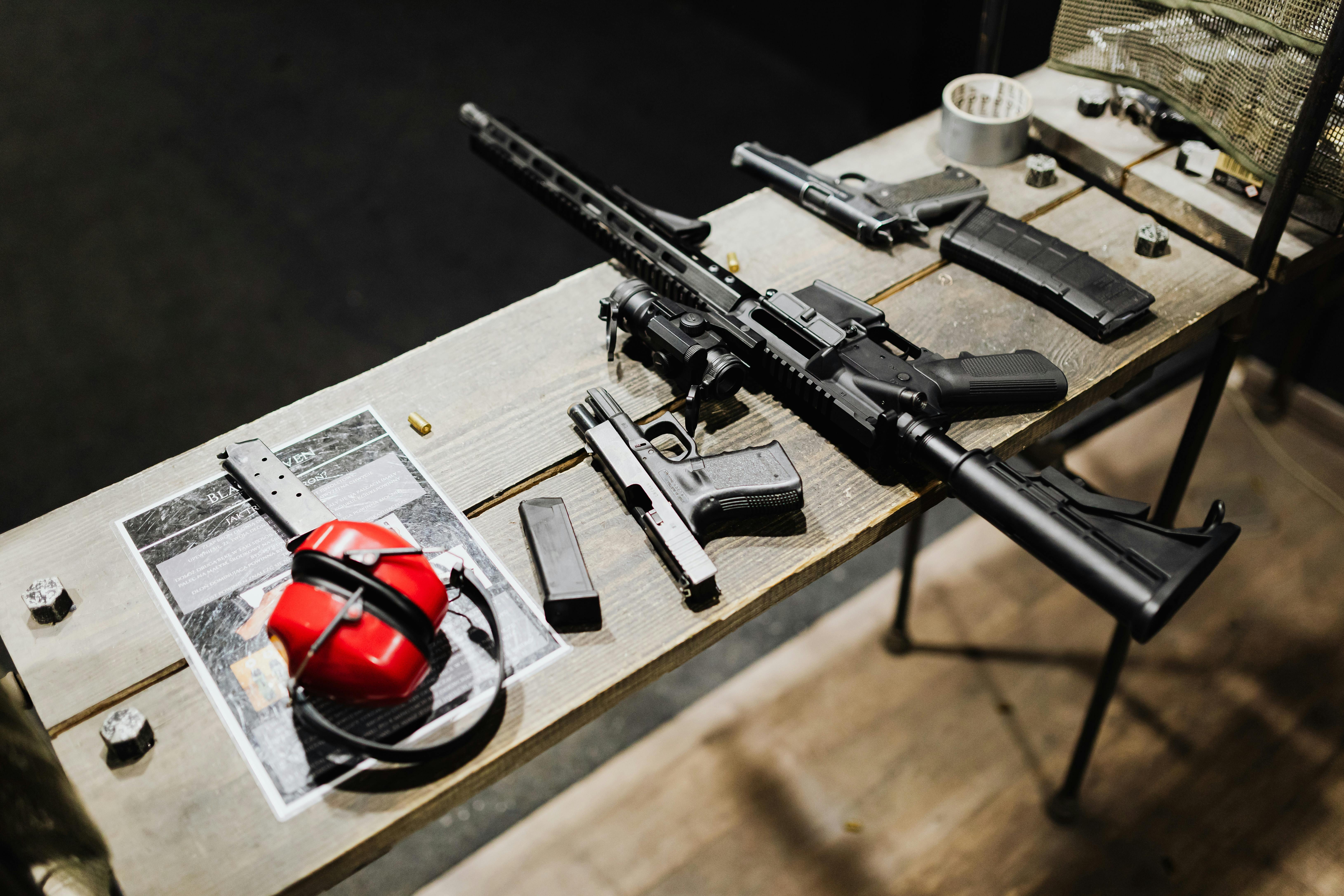
A rifle’s sticker price is only the opening number. First-time buyers often stretch their budget to get the gun with the strongest reputation, then realize they still need an optic, sling, case, magazines, cleaning gear, safe storage, and ammunition. The “best-reviewed” rifle can become the one that empties enthusiasm because nothing is left for practice.
A common example is the buyer who chooses a premium platform in caliber with expensive ammo. On day one, it feels like a smart investment. By month three, range trips are shorter, practice becomes irregular, and confidence never develops because every trigger press feels costly.
Maintenance and parts support matter too. Some rifles have broad aftermarket support and easy-to-find replacement magazines. Others earn high marks for design but come with proprietary parts, sparse accessory options, or costly factory extras. Experienced reviewers may accept that tradeoff because they already own multiple rifles, while a beginner often needs one rifle to do everything reasonably well.
Industry sales data has repeatedly shown that affordable, well-supported platforms tend to generate higher long-term use among budget-conscious owners. That pattern makes sense. The rifle that gets used, practiced with, and maintained comfortably usually creates more satisfaction than the one that won comparison charts but quietly became too expensive to enjoy.
Reviewers are not always testing for a beginner’s goals

A reviewer may be testing for competition potential, hunting performance, suppressor compatibility, or tactical refinement. A first-time buyer may simply want a reliable rifle for range use, home preparedness where legal, property defense, or learning fundamentals. Those are not the same goals, and they do not point to the same ideal rifle.
This mismatch shows up constantly in feature discussions. Adjustable gas systems, ultra-light handguards, match triggers, folding mechanisms, or caliber-specific upgrades can sound impressive in reviews. But many beginners would benefit more from a rifle that is durable, forgiving, and easy to zero with standard parts.
There is also the problem of skill masking. Experienced shooters can run around quirks that frustrate a novice. They can compensate for stiff controls, diagnose feeding issues, and tune accessories quickly. A rifle that feels “totally manageable” to an expert might feel unreliable or intimidating to someone who has no frame of reference.
The result is a bad translation from review language into buying decisions. “Great platform if you know what you want” often gets heard as “great first rifle.” That misunderstanding fuels regret. The buyer did not necessarily pick a bad gun. They picked a gun optimized for somebody else’s mission and somebody else’s experience level.
Internet praise can hide quality-control variability.
One of the most frustrating realities in the rifle market is that reviews often describe a sample, not the entire production run. A reviewer may receive a rifle that is unusually well-assembled, carefully inspected, or simply representative of a better batch. A first-time buyer may then purchase the same model and receive one with rough machining, feeding issues, or inconsistent finish quality.
This is not rare in categories where brands scale production quickly after a popular launch. Initial reviews generate demand, demand strains factories, and consistency can suffer. Buyers usually do not see that part of the story until owner forums, gunsmith reports, and warranty departments begin filling in the gaps.
Experienced gun owners often know how to spot and solve small issues early. They notice extractor tension, sight alignment problems, loose fasteners, or magazine sensitivity before a range trip turns into a disappointment. Beginners, by contrast, may only conclude that they bought the wrong rifle and now feel stuck with an expensive mistake.
That is why broad ownership feedback matters more than polished launch coverage. Patterns across hundreds of users tell you more than a single glowing test. Regret grows when first-time buyers trust the review headline but never investigate long-term reliability trends, return rates, or how a company handles customer service when something goes wrong.
Social pressure pushes buyers toward identity purchases

A lot of first rifle purchases are shaped by image, not just utility. Buyers absorb signals from friends, forums, YouTube personalities, and gun-counter conversations about what a “serious” rifle looks like. The gun with the strongest reputation can start to feel like the only respectable choice, even if it is too heavy, too expensive, or too specialized.
This is especially common among buyers who do not yet trust their own judgment. They fear being told they bought the wrong thing, so they choose the rifle least likely to be criticized online. Ironically, that social safety blanket often becomes the source of private regret once they start using the rifle in real life.
Behavioral economists have long noted that consumers use reviews as protection against uncertainty. In firearms, that effect can be stronger because the purchase feels consequential and highly visible within enthusiast culture. A buyer may be choosing not just a tool, but an identity as a hunter, defender, competitor, or collector.
The smart move is to separate performance from status. A rifle does not have to impress strangers to serve its owner well. New buyers tend to be happiest when they buy for fit, budget, and realistic use instead of chasing the model that earns the loudest approval from people who will never shoot it.
The best first rifle is usually the one that leaves room to learn
The most satisfied first-time buyers are rarely the ones who bought the most celebrated rifle in the category. They are usually the ones who bought a dependable, easy-to-operate rifle that gave them room to train, make small mistakes, and figure out what they actually value. Experience changes preferences fast.
Someone may think they want maximum modularity, only to discover they care more about balance and simplicity. Another buyer may chase extreme accuracy, then realize low ammo cost and easy maintenance matter more because they shoot every weekend. A first rifle is not a final identity statement. It is the start of a learning curve.
That is why many instructors recommend boring reliability over headline features. A rifle with common magazines, manageable recoil, straightforward controls, and strong aftermarket support often serves a beginner better than a design that dazzles in reviews. Confidence grows from repetition, not from owning a rifle with the most impressive spec sheet.
The real lesson is simple. Reviews are useful, but they are not a substitute for honest self-assessment. First-time buyers regret the best-reviewed guns when they confuse popularity with suitability. The better question is not “What rifle won the internet?” It is “What rifle will I actually practice with, afford, and trust?”