For decades, the Beretta 92 earned loyalty through reliability, shootability, and unmistakable style, but many owners also felt the platform changed at a stubbornly slow pace. The 92X finally answered a lot of those complaints with practical updates that made the pistol feel more current without abandoning what made the original famous. For longtime 92 fans, that balance is exactly why the 92X stands out.
A Vertec-style grip that feels more contemporary
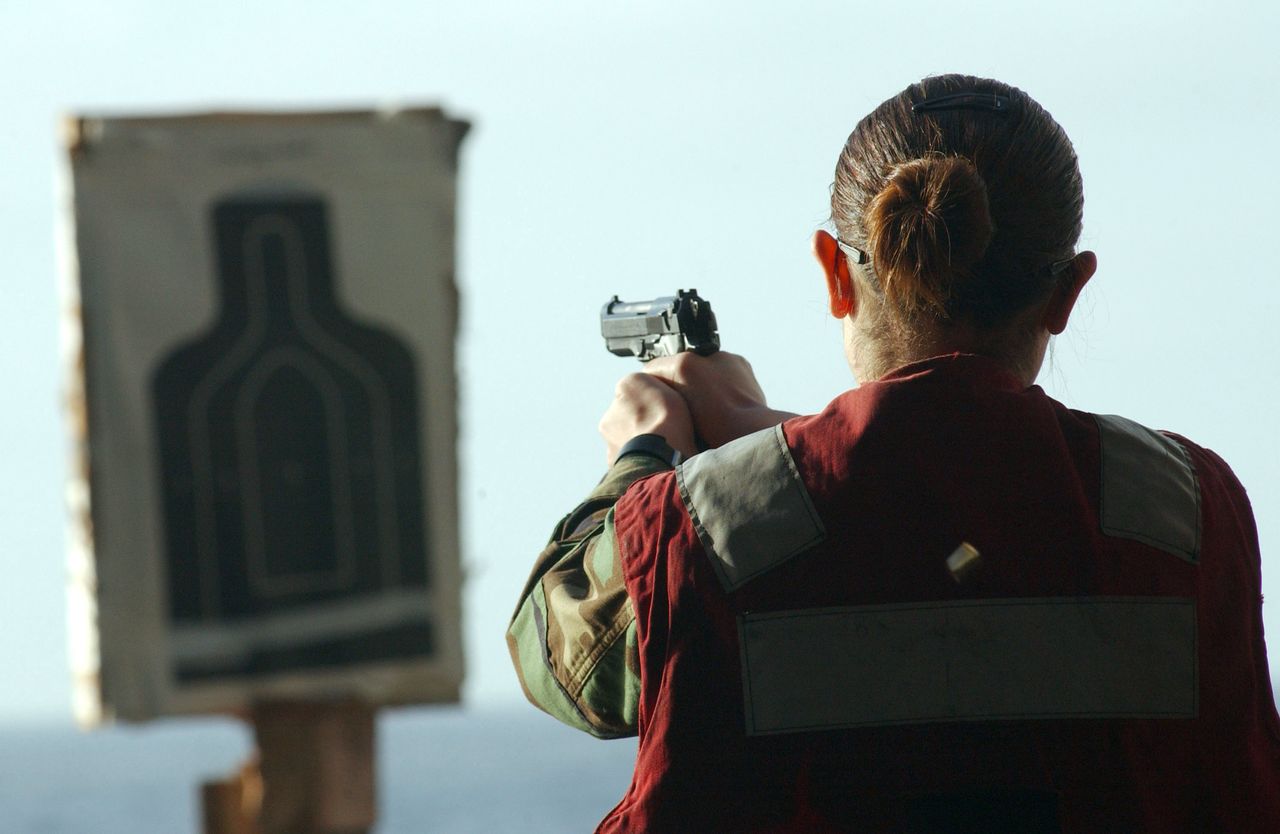
One of the biggest shifts longtime 92 owners notice immediately is the grip shape. The older 92 profile had a famously full handful, which some shooters loved and others merely tolerated. The 92X leans into a straighter, more Vertec-like backstrap that feels closer to modern service pistols.
That change matters because it helps more hands reach the trigger comfortably, especially in double action. Owners who always respected the 92 but never quite bonded with its bulk often describe the 92X as the first version that truly fits them.
It still feels like a Beretta in the hand, just less locked into 1980s ergonomics.
Interchangeable grip options add flexibility
Classic 92 models were known for a fairly fixed feel. If the grip worked for you, great. If it did not, there was only so much you could do without aftermarket experiments. The 92X changed that conversation by offering a more adaptable setup.
Longtime owners often point to the wraparound and panel options as a subtle but meaningful upgrade. It lets shooters tune the pistol to either preserve a traditional Beretta feel or slim things down for better control and easier trigger access.
That kind of user choice is now expected in modern handguns, and for many 92 fans, it was overdue here.
A dovetailed front sight finally brings easier upgrades

For years, one of the most common complaints about older 92 variants was the front sight setup. On many models, it was integral to the slide, which limited customization and made sight changes far less convenient than they should have been.
The 92X finally embraces a dovetailed front sight, and longtime owners tend to talk about that move with real relief. It opens the door to night sights, fiber optics, and different height options without the sense that the pistol is fighting the user.
It is a small feature on paper, but in practice it makes the platform feel dramatically more current.
The slide is built with modern optics use in mind
Even traditionalists have had to admit that pistol optics are no passing fad. The classic 92 line was slow to enter that world, which made the platform feel increasingly dated as red-dot-ready handguns became common across duty, competition, and defensive use.
The 92X family helped move Beretta into that modern conversation. Owners who once assumed the 92 would always remain an irons-only gun now see a path toward optics compatibility that keeps the platform relevant.
For many longtime fans, that is less about chasing trends and more about knowing their preferred pistol no longer feels left behind.
A rail makes the pistol more useful today
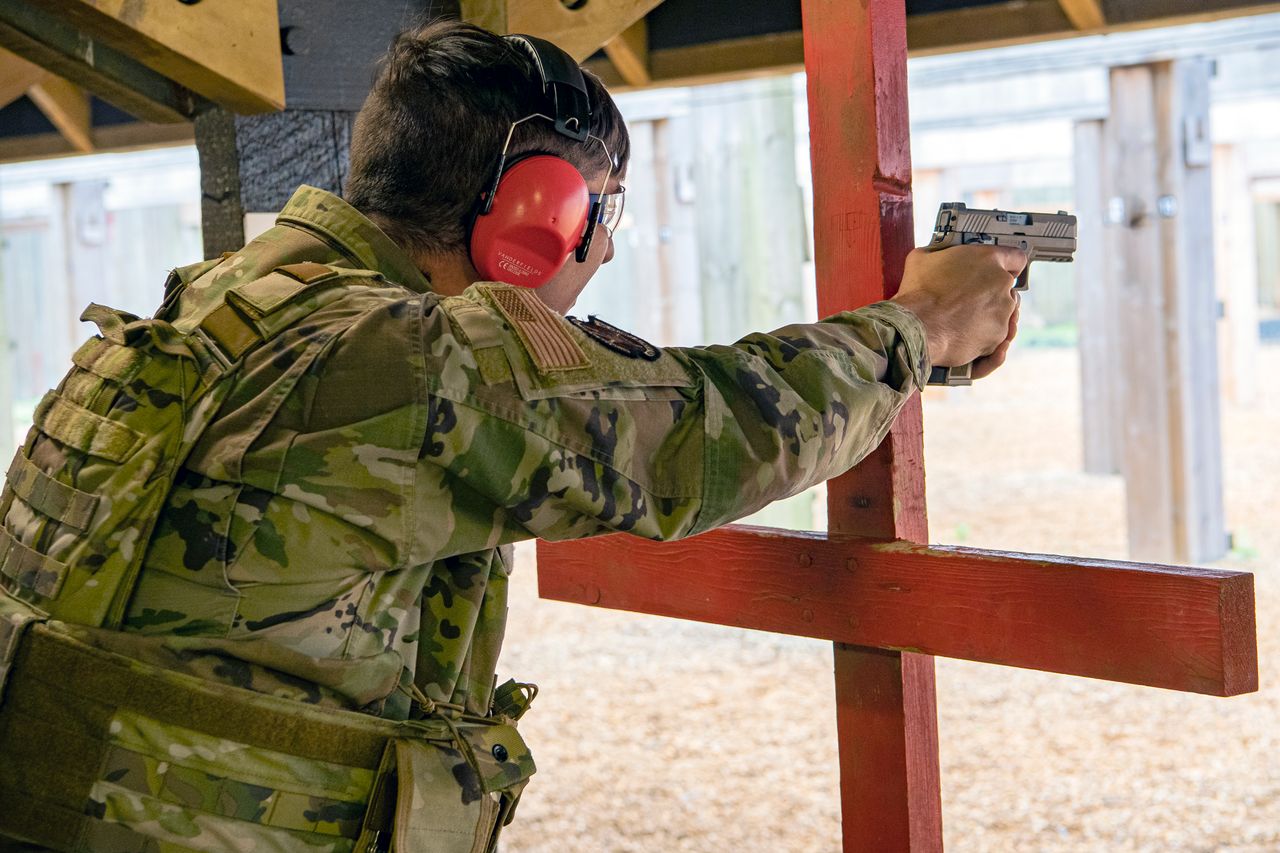
Accessory rails are standard on modern fighting handguns, but older 92 fans remember when that was not guaranteed on the platform. Earlier versions often reflected a different era, before weapon lights became such a routine part of home defense, duty carry, and range setups.
The 92X benefits from a railed frame that makes practical use much simpler. Longtime owners often say this is one of those updates that seems obvious now, yet it took too long to become central to the 92 experience.
Mounting a light no longer feels like forcing an old design into a new role. It just works the way people expect.
Front strap and backstrap texturing improve control
Older 92 variants were often praised for smooth shooting, but not always for aggressive traction. In hard practice, humid weather, or fast strings, some shooters wanted more purchase than the classic frame provided.
The 92X answers that with more deliberate texturing on the frame, giving the gun a steadier, more planted feel without turning it into a cheese grater. Longtime owners often describe it as one of those upgrades that becomes obvious only after a few magazines.
The pistol still recoils with that familiar soft Beretta character, but now it stays better anchored in the hand when the pace picks up.
The trigger feels closer to what enthusiasts wanted
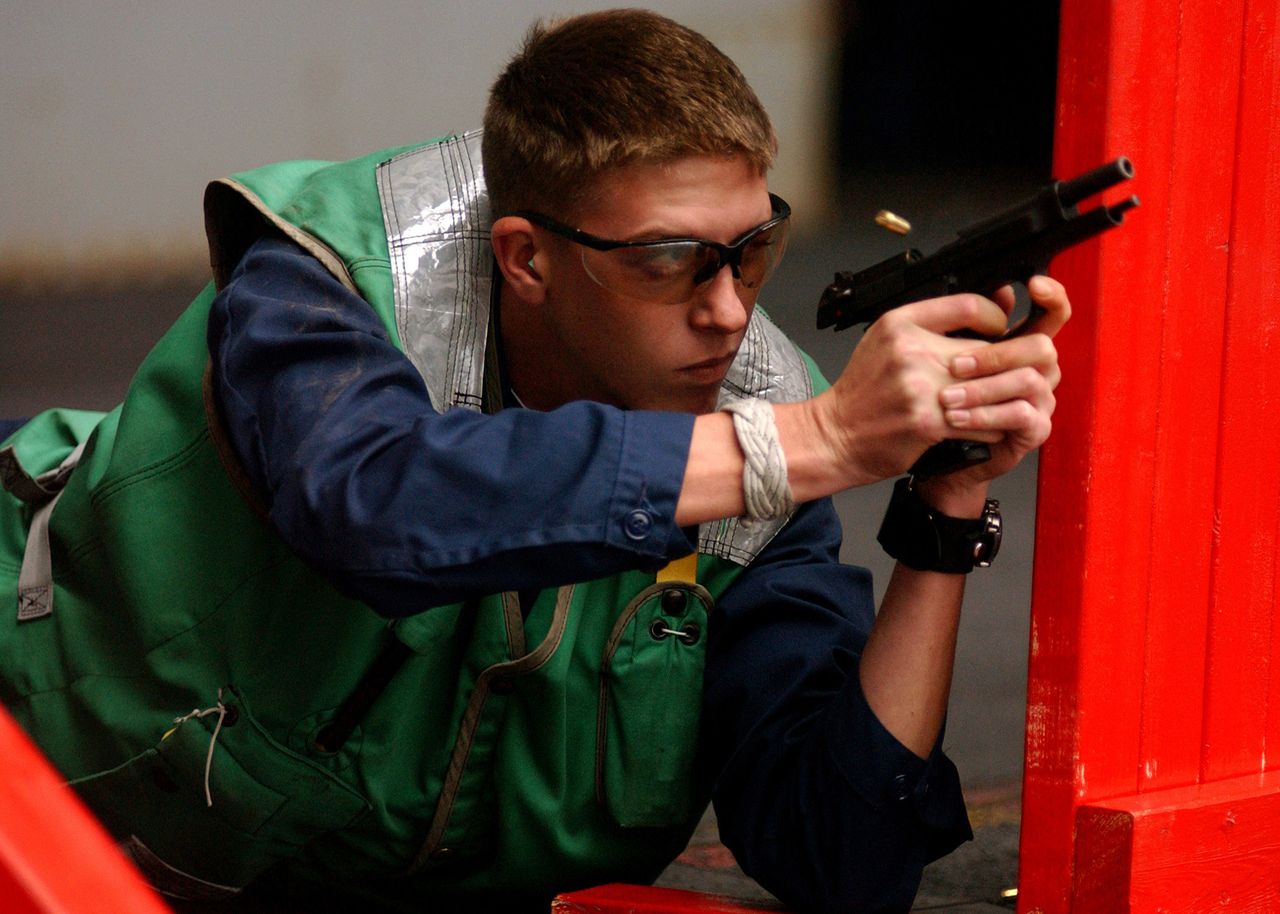
A lot of 92 devotees spent years tinkering with springs and parts to get the trigger they thought the platform deserved. The 92X arrives with a more enthusiast-friendly feel, and that alone has won over owners who were used to planning upgrades before they even bought the gun.
Double action still has the deliberate character expected from the series, but many shooters find it smoother and easier to manage. Single action gets praise for being cleaner and more confidence-inspiring than older stock setups.
It does not erase the traditional DA/SA personality. It simply presents it in a way that feels more polished from the factory.
The controls feel more shooter-focused
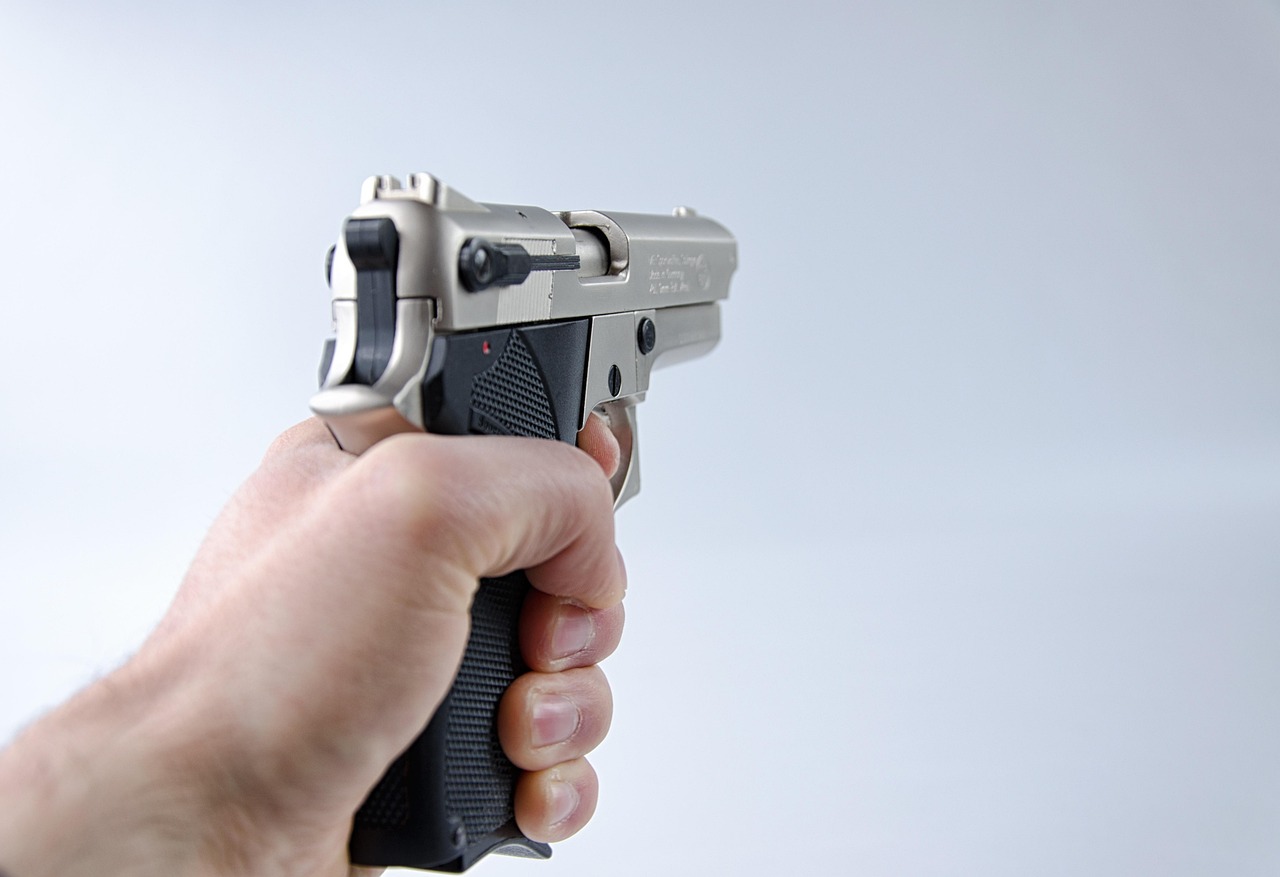
Longtime Beretta users know the 92 manual of arms well, but that does not mean every legacy control layout felt ideal. Depending on the variant, levers and interfaces could seem like holdovers from another generation rather than refinements shaped by current user preferences.
The 92X made a point of feeling more shooter-centered, with configurations that better suit contemporary expectations. Owners often mention that the pistol feels less like a museum piece updated by committee and more like a handgun designed to be run hard today.
That is a subtle distinction, yet it changes the whole impression once the pistol is drawn, manipulated, and fired.
The overall styling looks cleaner and more current
The 92 has always had undeniable visual identity, but some later variants carried a mix of old and new cues that never fully came together. The 92X tends to strike longtime owners as more cohesive, with lines and finishes that preserve the Beretta silhouette while trimming away some dated visual baggage.
It still looks unmistakably like a 92, which matters to fans of the platform. At the same time, it projects a more current personality, less ceremonial sidearm and more serious modern working pistol.
For many owners, that visual refresh mirrors the mechanical updates. The gun finally looks as updated as they had wanted it to feel.