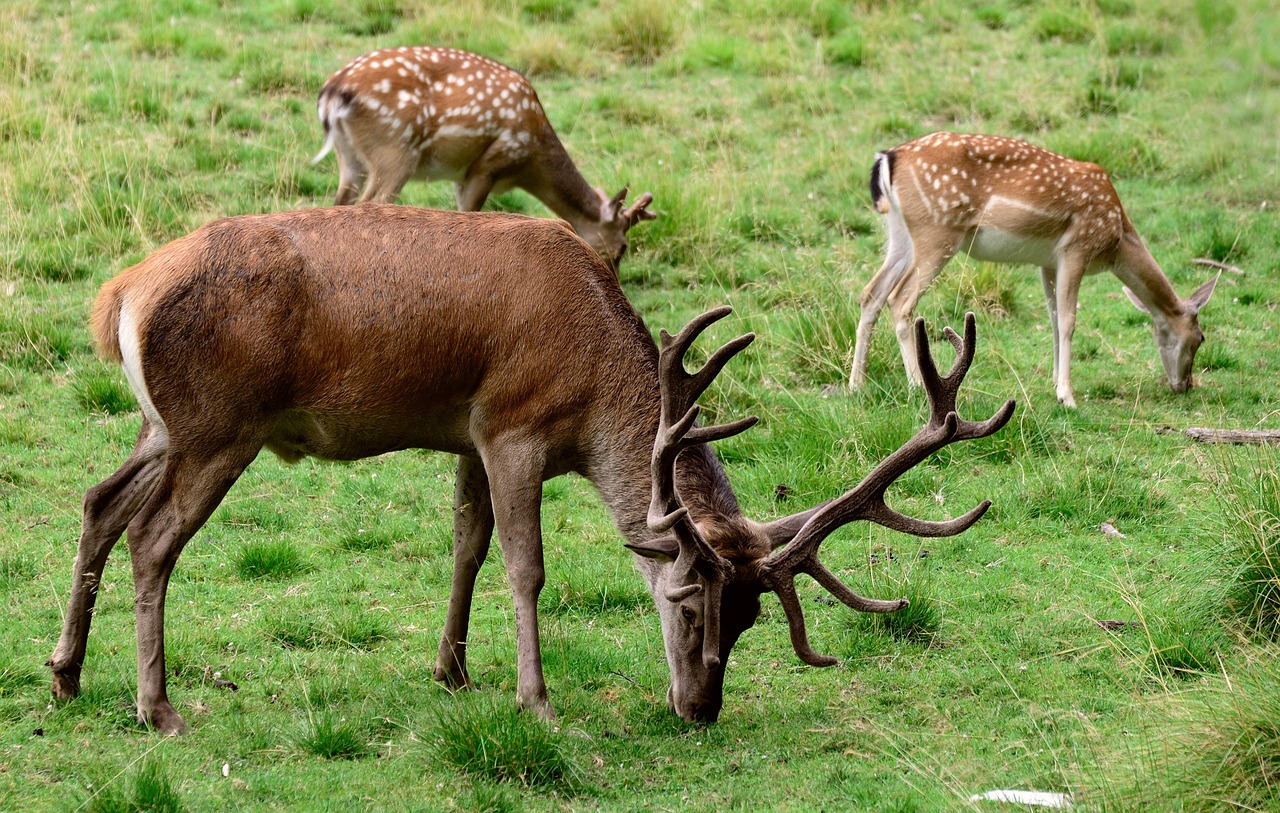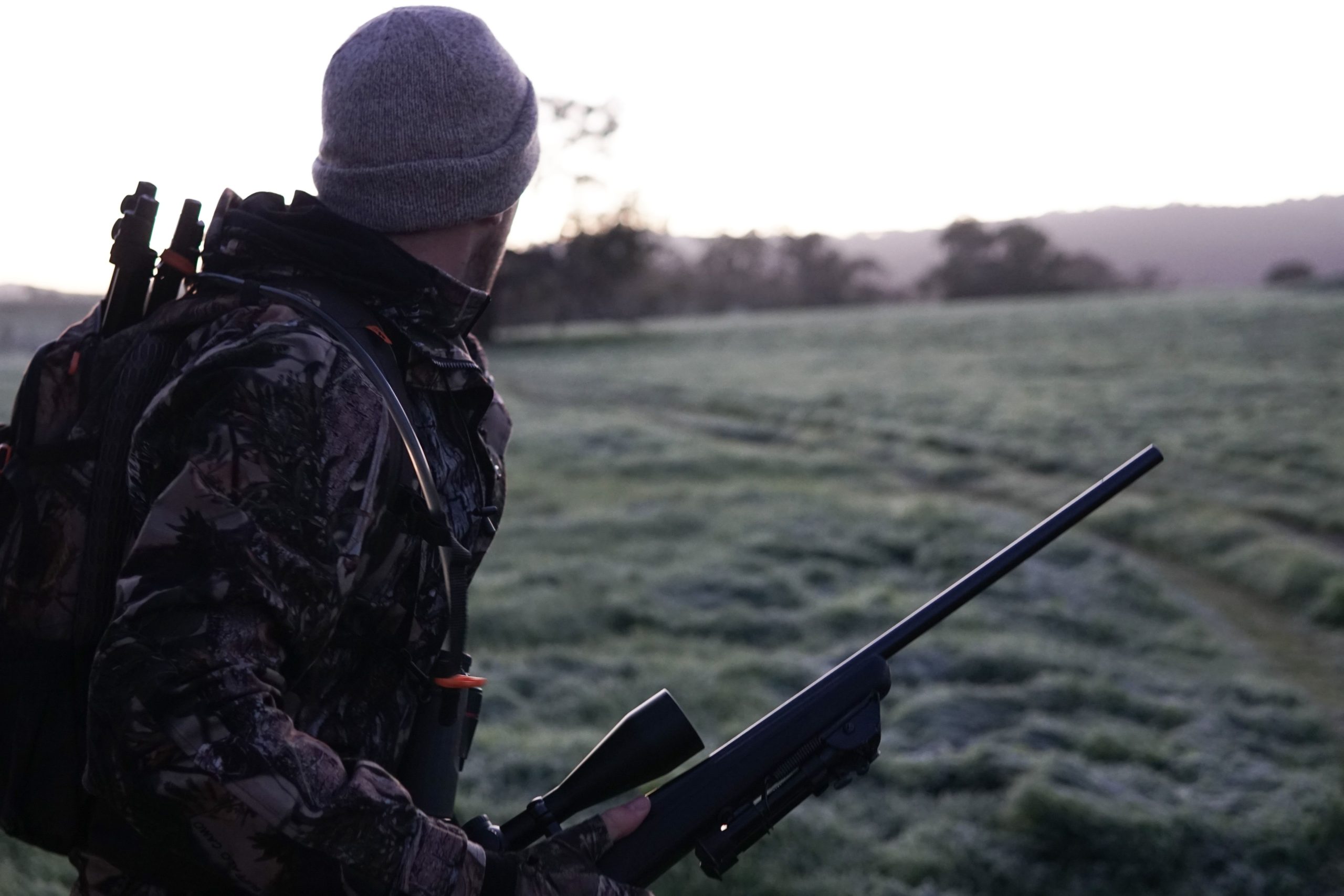
Wildlife encounters can be memorable, but many dangerous situations begin with surprisingly ordinary human choices. Leaving food outside, approaching an animal for a photograph, or allowing a pet to chase wildlife can gradually remove the distance that keeps both people and animals safe. Wildlife agencies consistently emphasize prevention, distance, and removing attractants as key ways to reduce conflict.
1. Feeding a Wild Animal Up Close
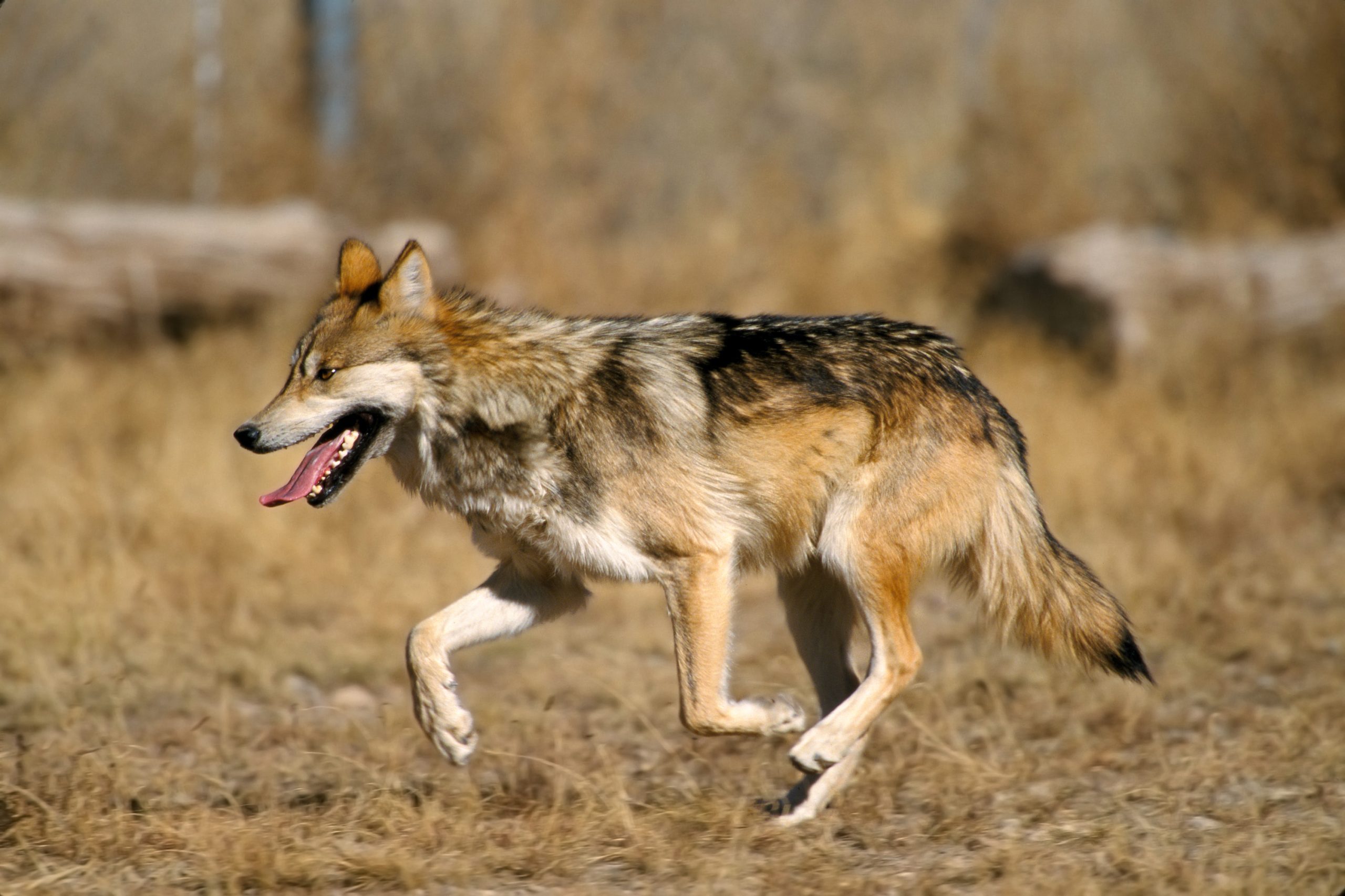
A snack can turn a calm sighting into a repeat visit. Wildlife agencies warn that feeding animals, whether by hand or through scraps, teaches them to associate people with food. That can make them bolder around homes, trails, and campsites. Even birdseed can attract raccoons, bears, rodents, and predators. Keep food secured, clean spills, and watch from a distance. One simple rule matters: never turn a wild animal into a regular customer. Official guidance consistently links feeding with increased conflict. The same principle applies at parks, picnic areas, and trailheads.
2. Leaving Trash Where Animals Can Smell It
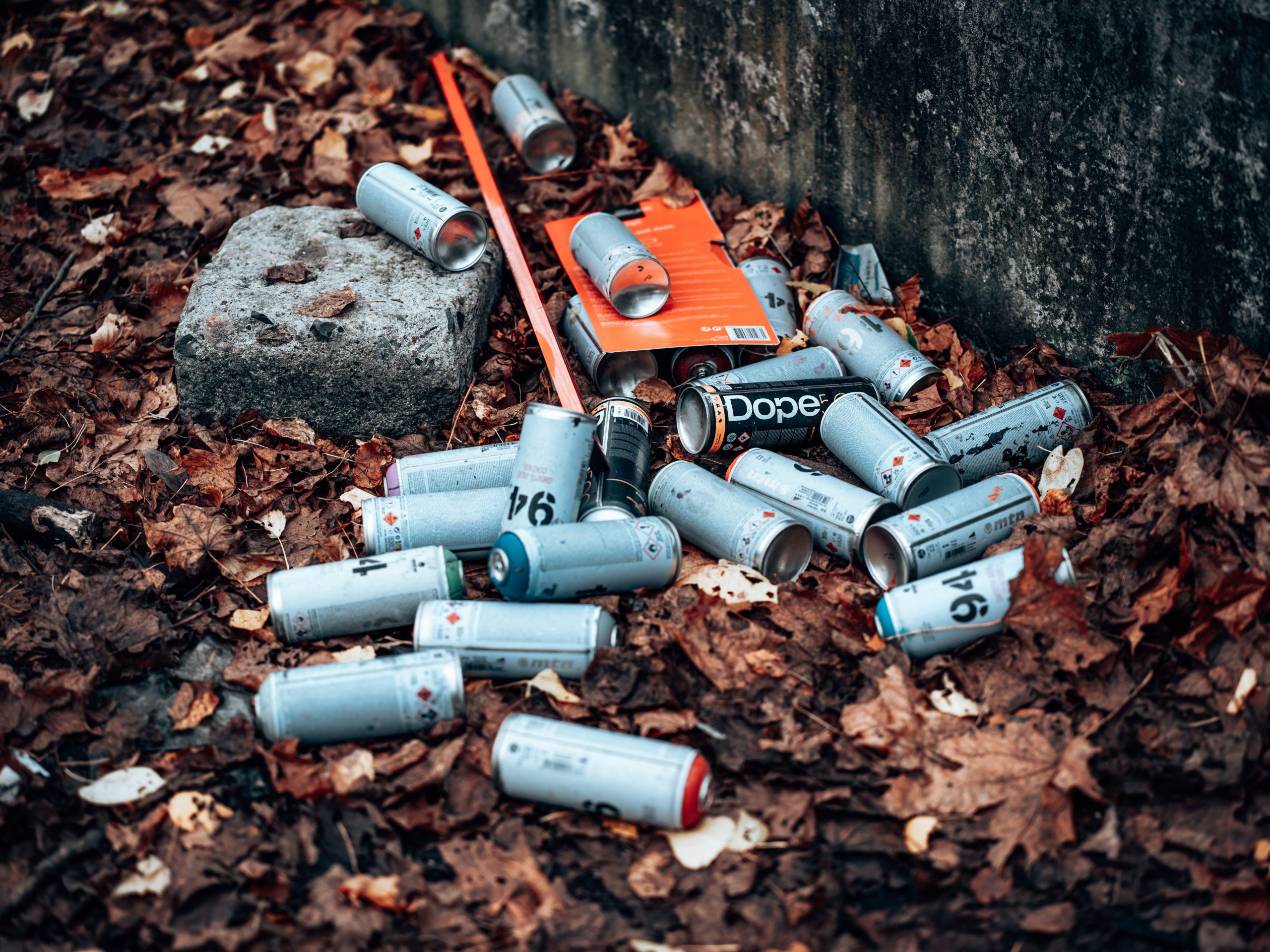
A tied trash bag is not necessarily a secure trash bag. Bears, raccoons, coyotes, and other animals can follow strong food smells to campsites, porches, or vehicles. Wildlife officers often point to unsecured garbage as a preventable attractant. Use a tight-lidded or wildlife-resistant container, keep it secured until collection day, and clean food residue from bins. In bear country, stronger storage may be required. One overlooked bag can teach an animal that a human property is an easy food source. Treat every unsecured food source as an invitation, especially overnight.
3. Approaching a Wild Animal for a Better Photo
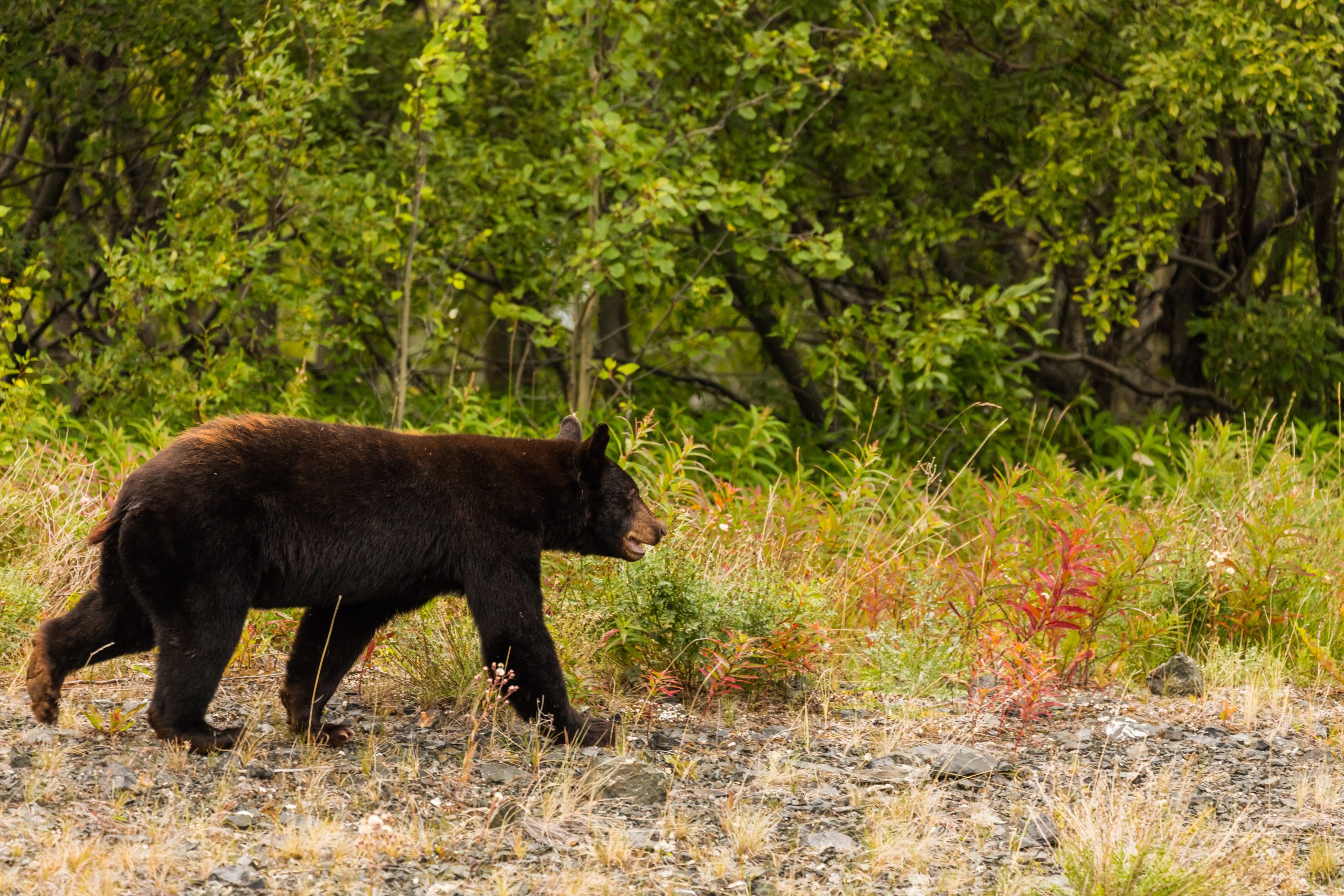
Getting closer can feel harmless when an animal appears relaxed, but its calm behavior is not permission to approach. Wildlife may react defensively when surprised, cornered, protecting young, or guarding food. Agencies advise using binoculars or camera zoom instead. Never crowd an animal simply to improve a photograph. A useful safety benchmark is 300 feet for grizzly bears under U.S. Fish and Wildlife Service guidance. Distance gives the animal an escape route and gives you time to leave. For other species, follow the distance rules posted by the local wildlife agency.
4. Letting Dogs Chase or Confront Wildlife
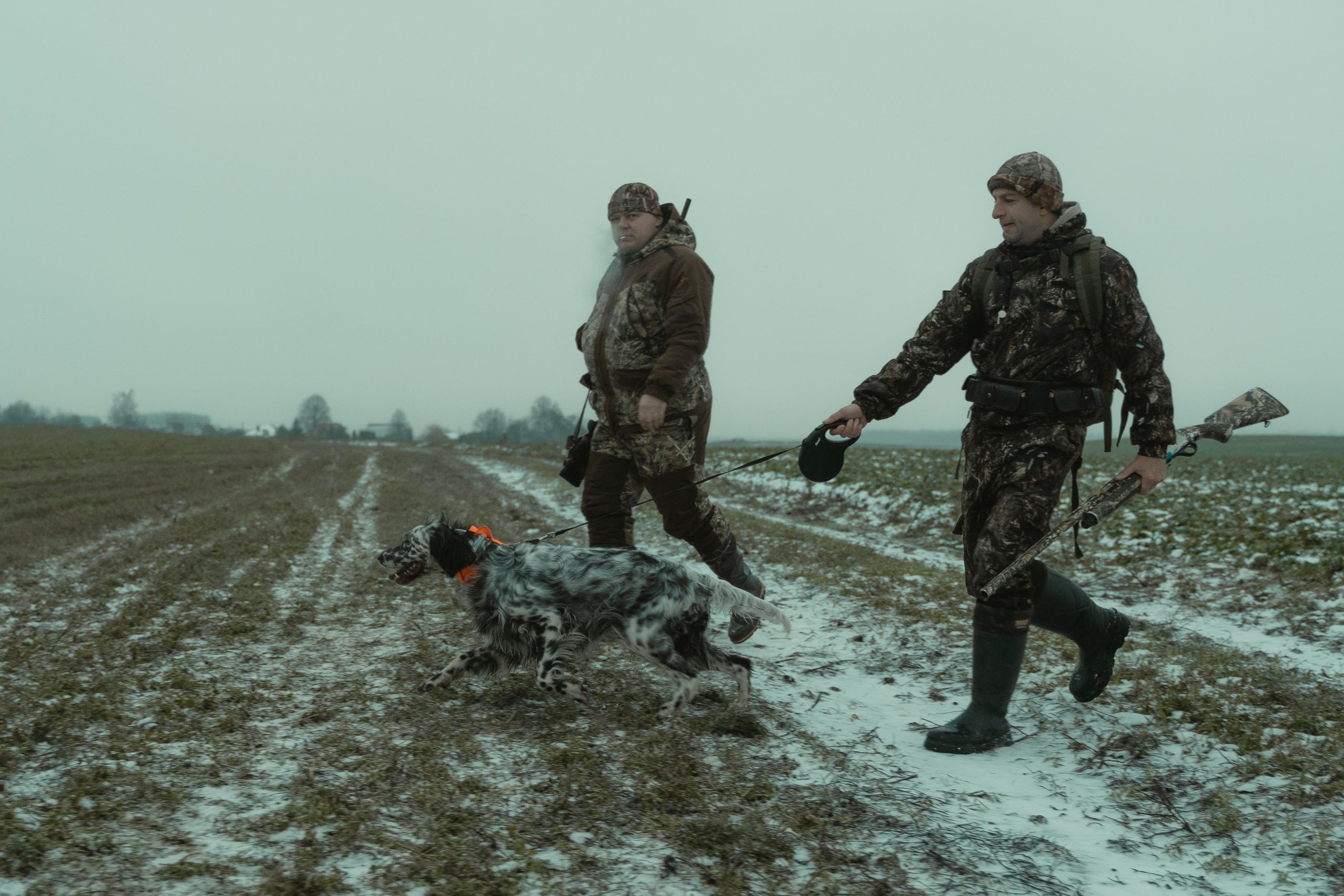
A roaming dog can turn an ordinary wildlife sighting into a dangerous confrontation within seconds. A deer, coyote, bear, or mountain lion may defend itself when chased, while the dog may return to its owner with the animal following behind. Keep pets leashed where required, supervised outdoors, and secured at home. Wildlife agencies also recommend keeping pet food indoors because it can attract predators. One controlled dog is far easier to manage than one that has already started a chase. A leash and a little extra distance can prevent that chain reaction.
5. Trying to Rescue a Young Animal
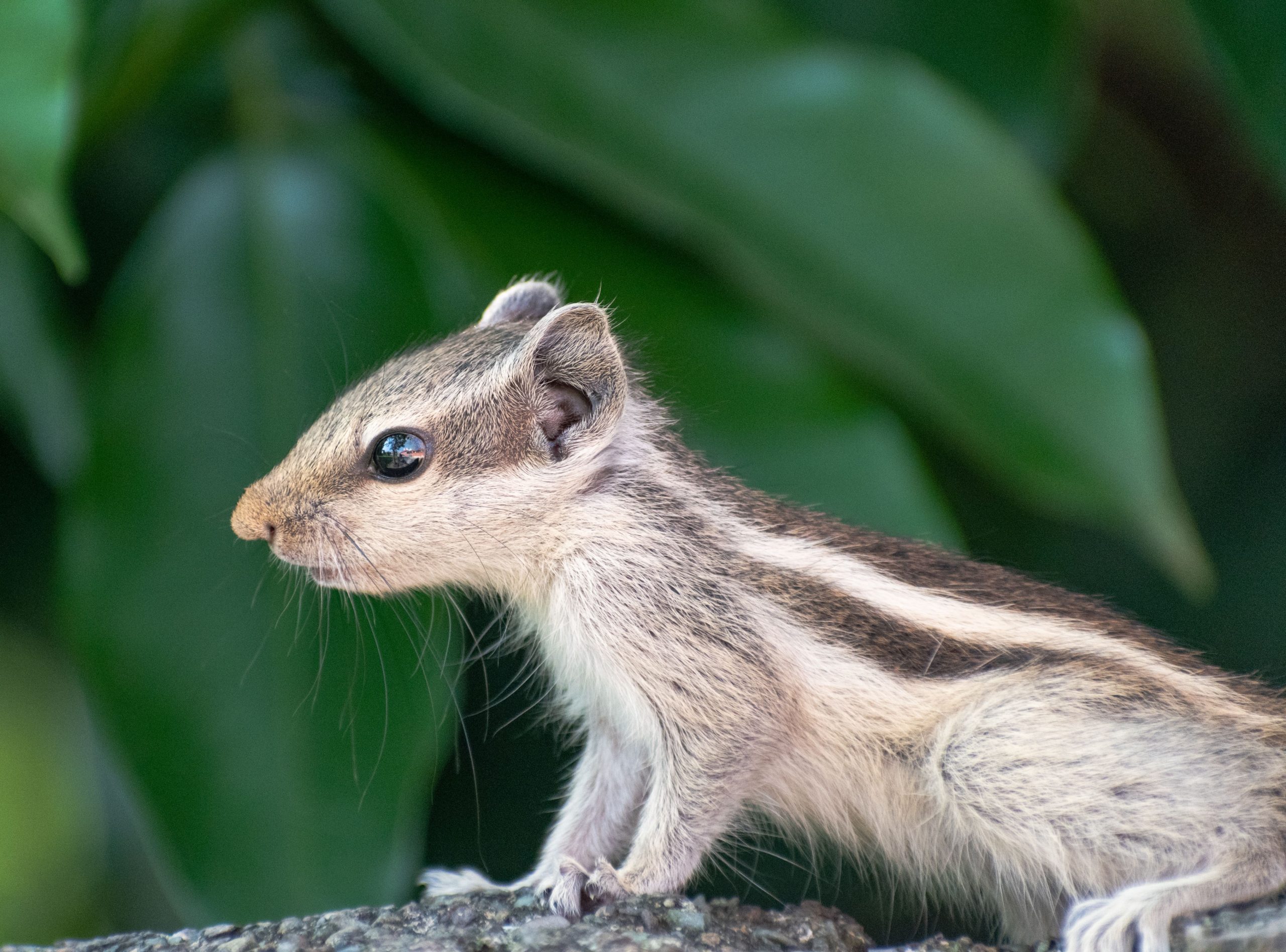
A small animal alone does not automatically mean it has been abandoned. Young wildlife can remain hidden while a parent searches for food, and human interference may separate them permanently. Agencies advise leaving healthy-looking young animals alone unless clearly injured or in immediate danger. Do not feed, carry, or attempt home treatment. Instead, contact a licensed wildlife rehabilitator or the appropriate local agency. One wrong rescue can do more harm, especially when the parent is nearby. Keep children away too, because a parent animal may react to protect its young.
6. Blocking an Animal’s Escape Route
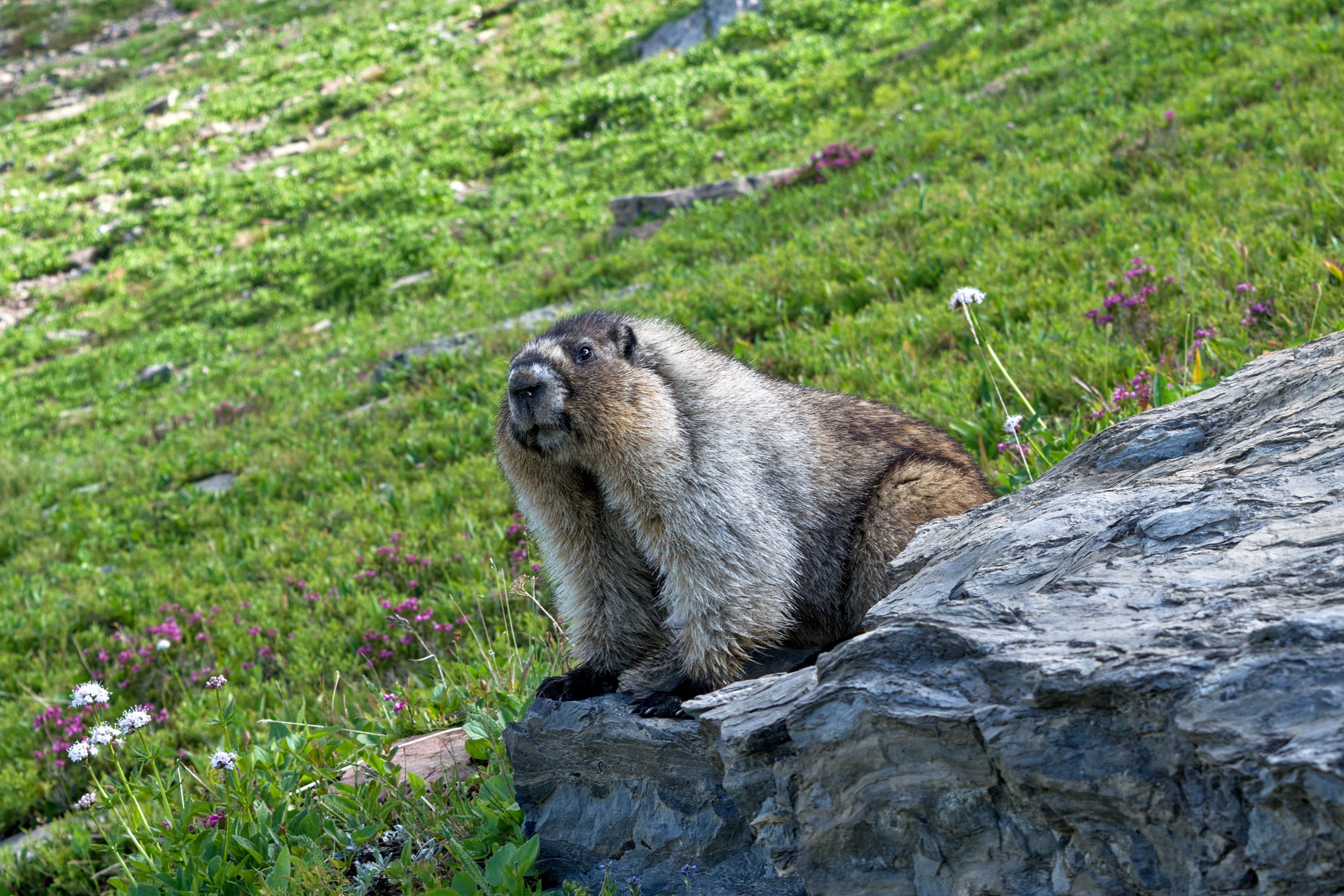
Many tense encounters become worse when people crowd an animal against a fence, wall, vehicle, or narrow trail. Wildlife needs space to move away, and a frightened animal may defend itself when it feels trapped. If an animal appears nearby, stop advancing, give it a clear route, and slowly increase your distance. Do not surround it for photographs or try to force it toward another person. One open escape path can change the situation completely. The safest goal is not to control the animal, but to give it room to leave. Never stand between the animal and the habitat it is trying to reach.
7. Hiking Without Watching the Trail Ahead

Wildlife encounters are easier to avoid when people notice animals before getting too close. Stay alert around bends, dense vegetation, streams, and fresh tracks or feeding signs. In bear country, official guidance recommends staying on maintained trails, hiking in groups, and making noise where appropriate. Avoid moving quietly through thick cover where visibility is poor. One simple habit helps: scan ahead before stepping around a blind corner. Awareness creates distance before an encounter becomes a surprise. A companion can spot movement sooner than a distracted hiker. Two alert hikers can also communicate quickly if wildlife appears ahead.
8. Leaving Pet Food or Bird Feeders Out
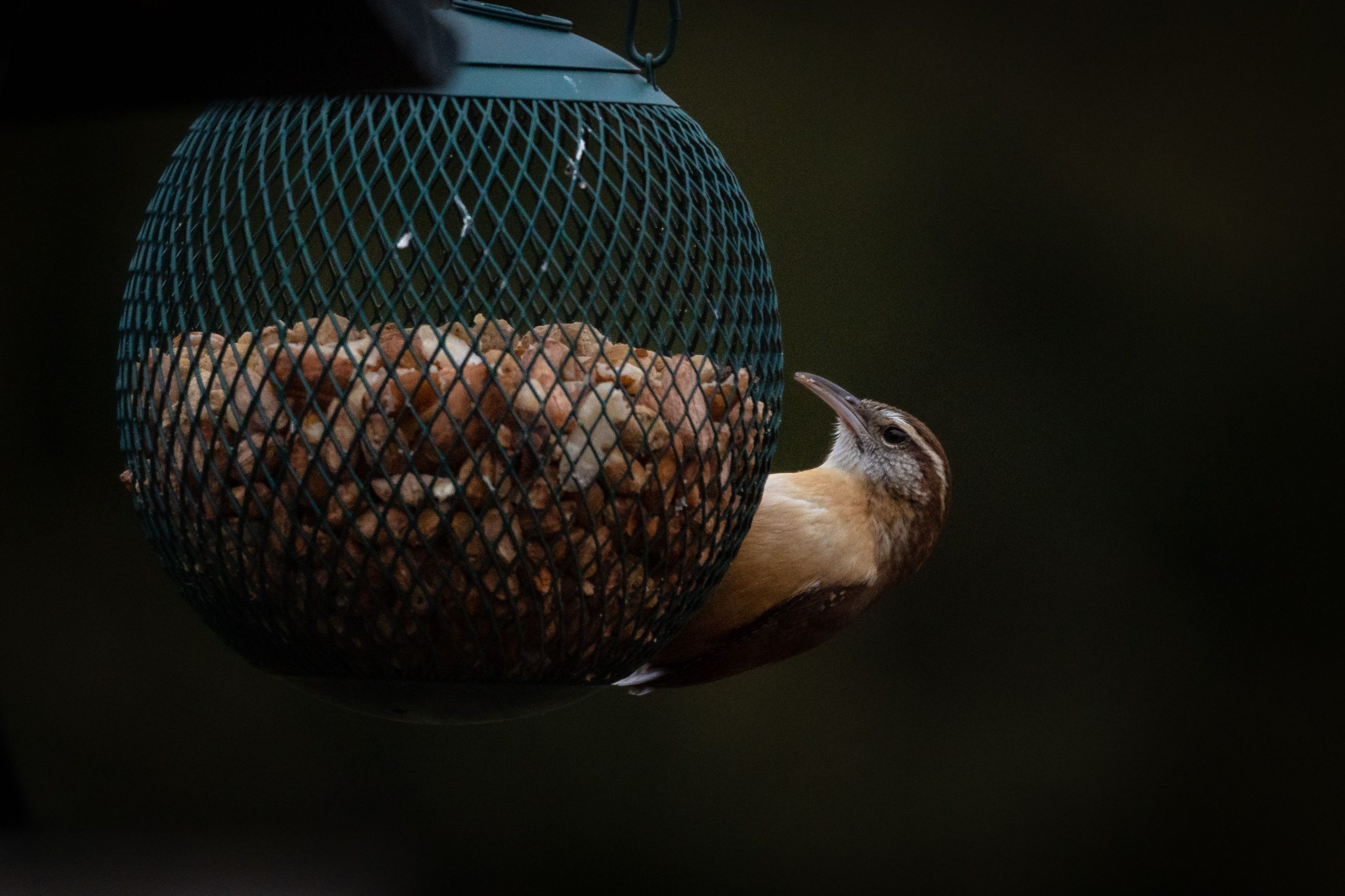
A backyard buffet can attract far more than the species you hoped to see. Pet food, spilled seed, unsecured water, and feeders can draw raccoons, rodents, coyotes, bears, and other wildlife closer to homes. Agencies recommend feeding pets indoors and cleaning leftovers immediately. If a problem animal appears, remove the attractant instead of rewarding repeated visits. One feeder may seem minor, but repeated access can teach animals that a property provides food, increasing conflict. If bears are present, feeders may need to be removed completely. Removing the food source is often the first practical step.
9. Ignoring a Repeat Wildlife Visitor
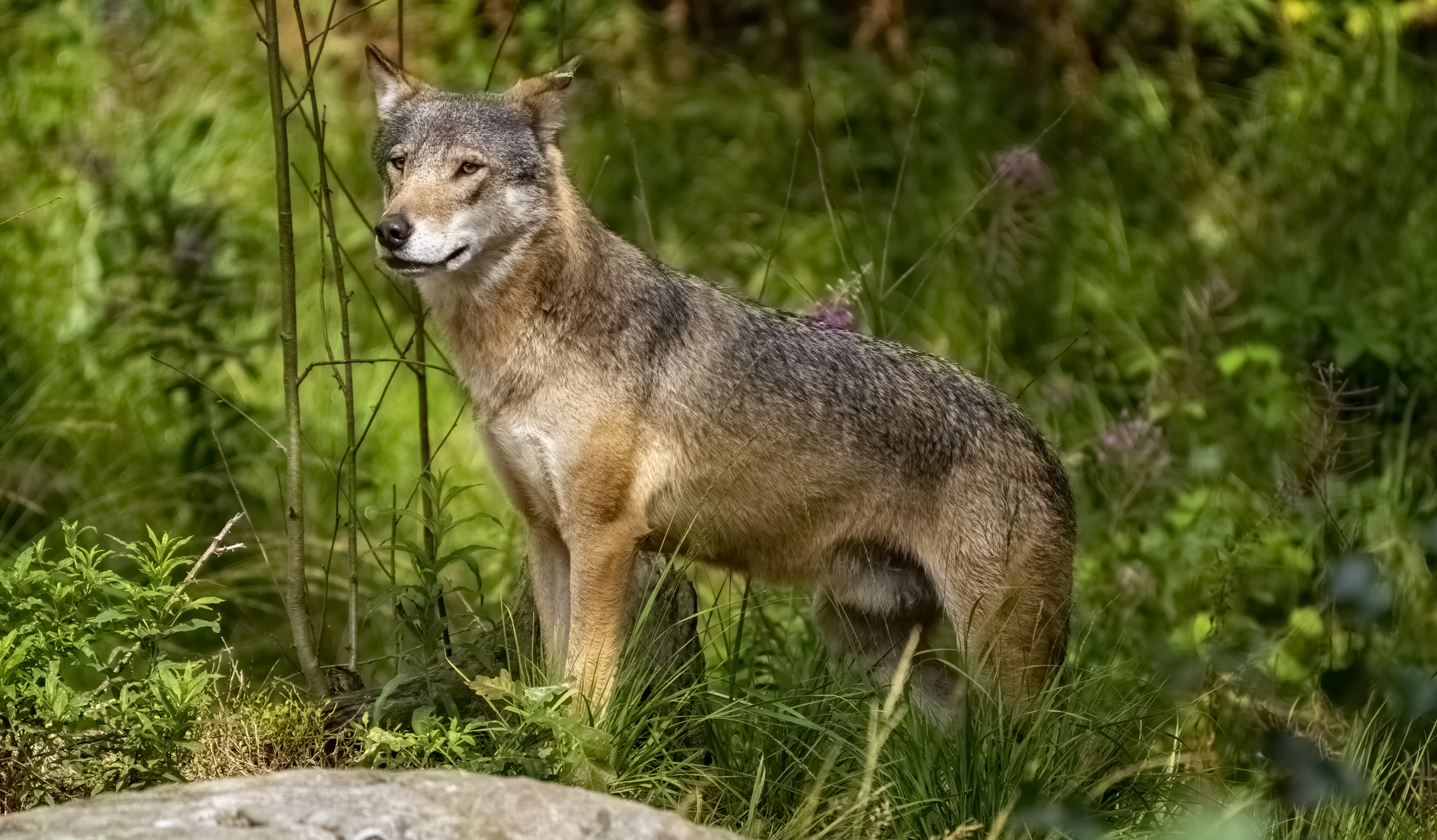
A first visit may be harmless, but repeated appearances deserve attention. An animal returning to the same yard, campsite, porch, or livestock area may have learned that food, shelter, or water is available there. Remove attractants, secure buildings, protect livestock, and report aggressive or unusual behavior to wildlife authorities. Do not wait for the animal to become bold before changing your habits. A few preventive steps after visit number one can reduce the chance of a serious encounter later. Early action also helps keep wildlife from becoming accustomed to people.