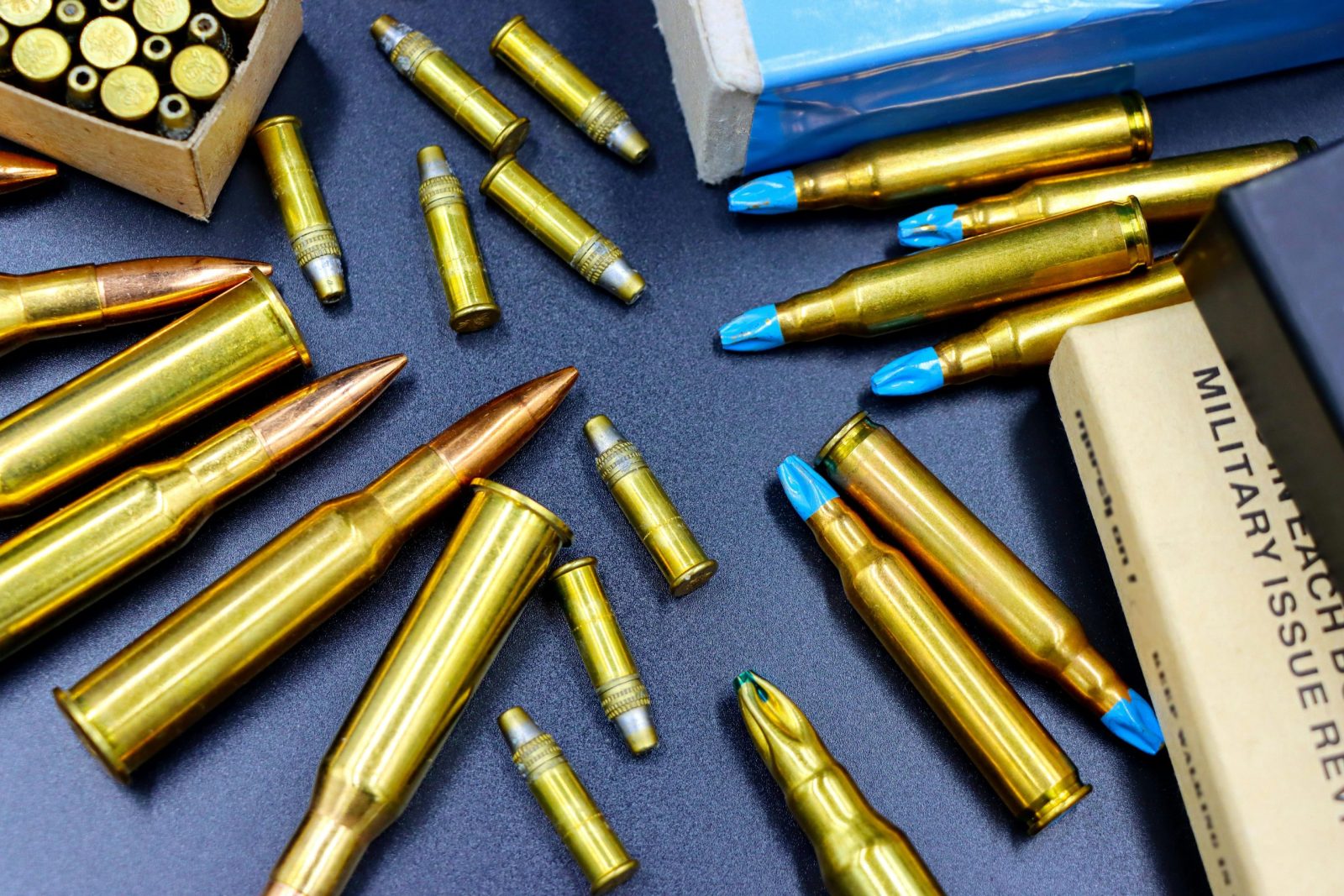
Rimfire ammunition has played a major role in the development of sporting firearms, target shooting, and small-game rifles. Its defining feature is a priming compound contained within the cartridge’s rim, rather than in a separate central primer. Since the 19th century, manufacturers have introduced rimfire cartridges in different sizes and power levels to suit changing demands. Some became enduring standards, while others remain fascinating examples of early ammunition design. These eight cartridges illustrate how rimfire technology evolved and why certain historical designs still interest collectors today.
1. .22 Short
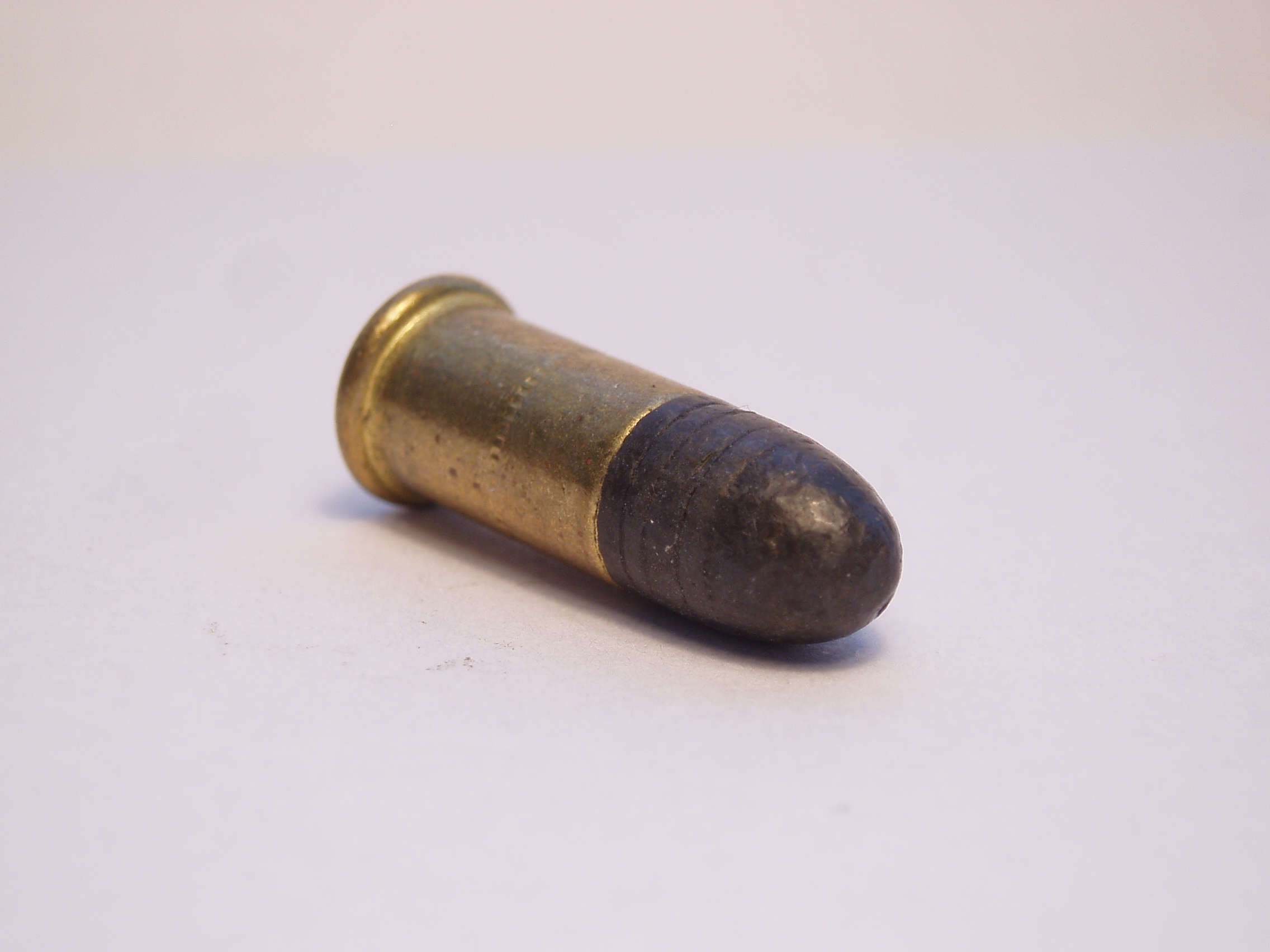
Introduced by Smith & Wesson in 1857 for its Model 1 revolver, the .22 Short is one of the most historically significant rimfire cartridges. Its original load used a short, heeled bullet and black powder, reflecting the manufacturing methods of the period. The cartridge measures approximately 0.695 inches overall in common specifications and uses a bullet around .222 inches in diameter. Later smokeless-powder versions extended its sporting life. Although overshadowed by newer .22-caliber ammunition, the .22 Short remains an important link between early cartridge revolvers and modern rimfire firearms.
2. .22 Long
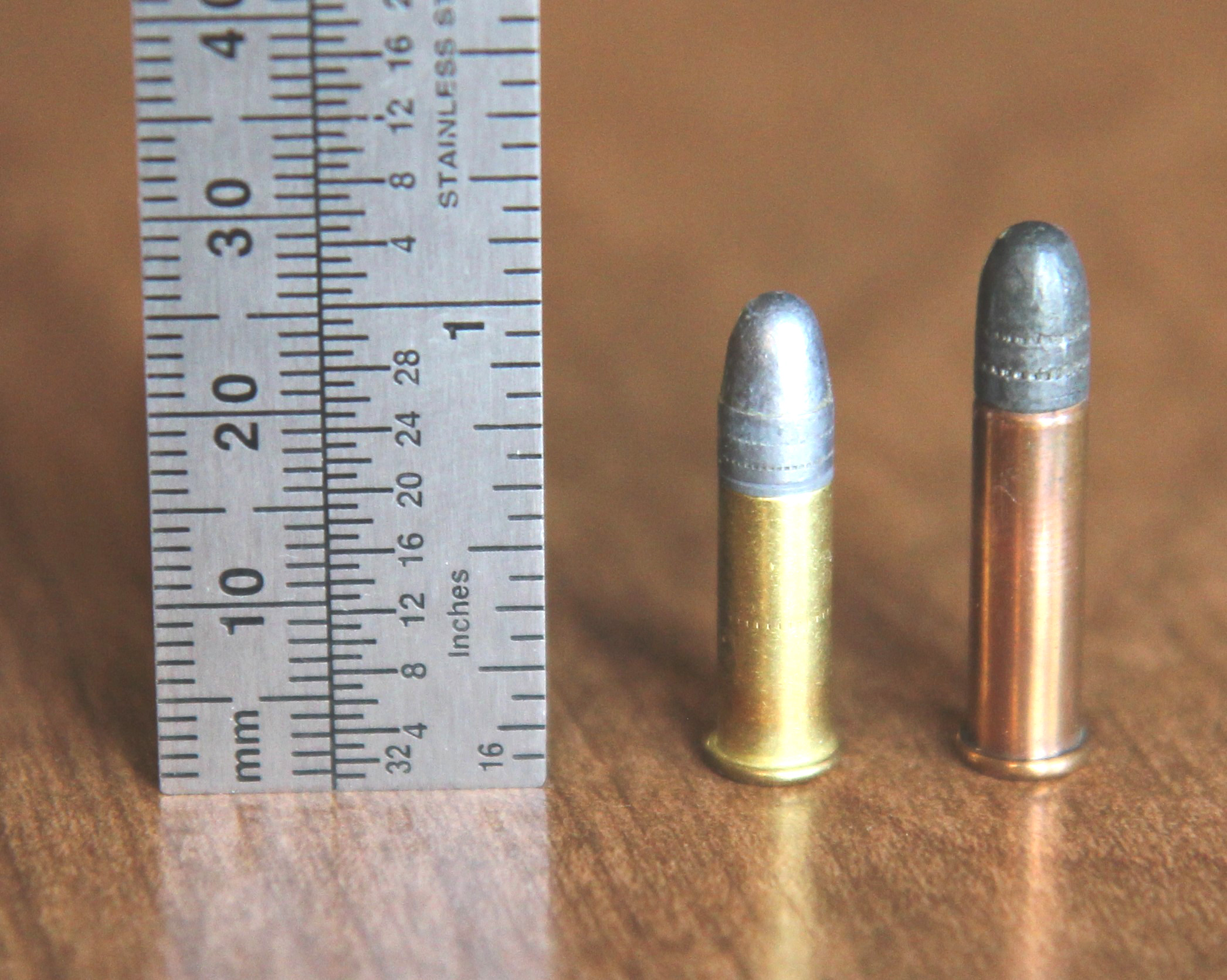
The .22 Long emerged in the 19th century as an extended version of the .22 Short, combining a longer case with a bullet of similar diameter. Introduced around 1871, it originally offered a different balance of bullet weight and powder capacity for contemporary rimfire firearms. Its case is approximately 0.613 inches long, compared with about 0.423 inches for the .22 Short. The .22 Long helped establish the idea that small changes in cartridge dimensions could broaden a firearm’s sporting uses. Although less prominent today, it remains a useful example of incremental ammunition development.
3. .22 Long Rifle
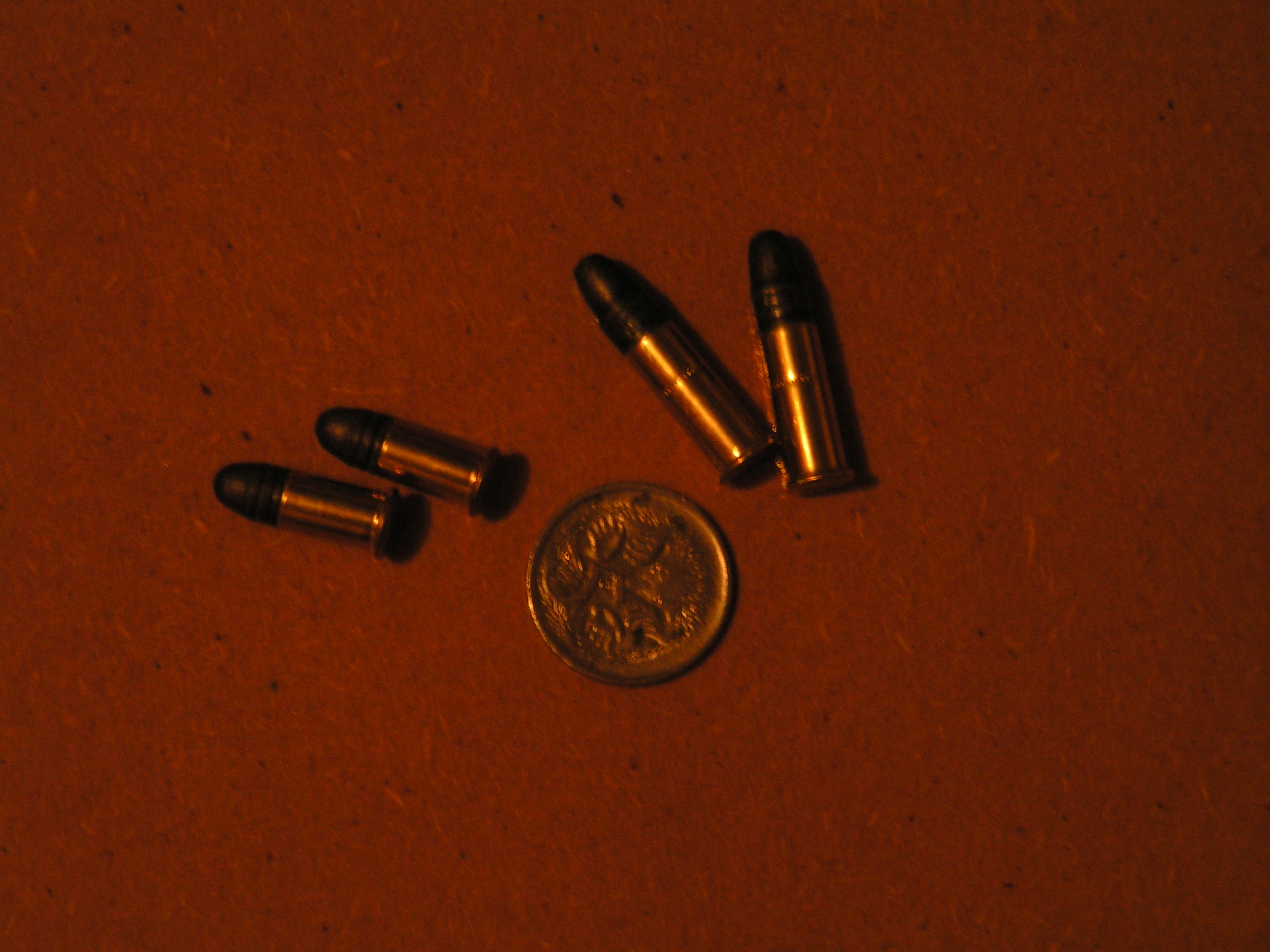
Introduced in 1887, the .22 Long Rifle became the dominant modern rimfire cartridge because of its versatility and broad firearm compatibility. Its case measures approximately 0.613 inches, and the standard bullet diameter is about .223 inches, although individual specifications can vary. Available in multiple bullet weights and load types, it serves recreational shooting, competition, and small-game hunting where legal. Its popularity also created a vast range of rifles and handguns built around the same cartridge designation. More than a century after its introduction, the .22 LR remains a central part of rimfire history and sporting culture.
4. .22 Winchester Rimfire
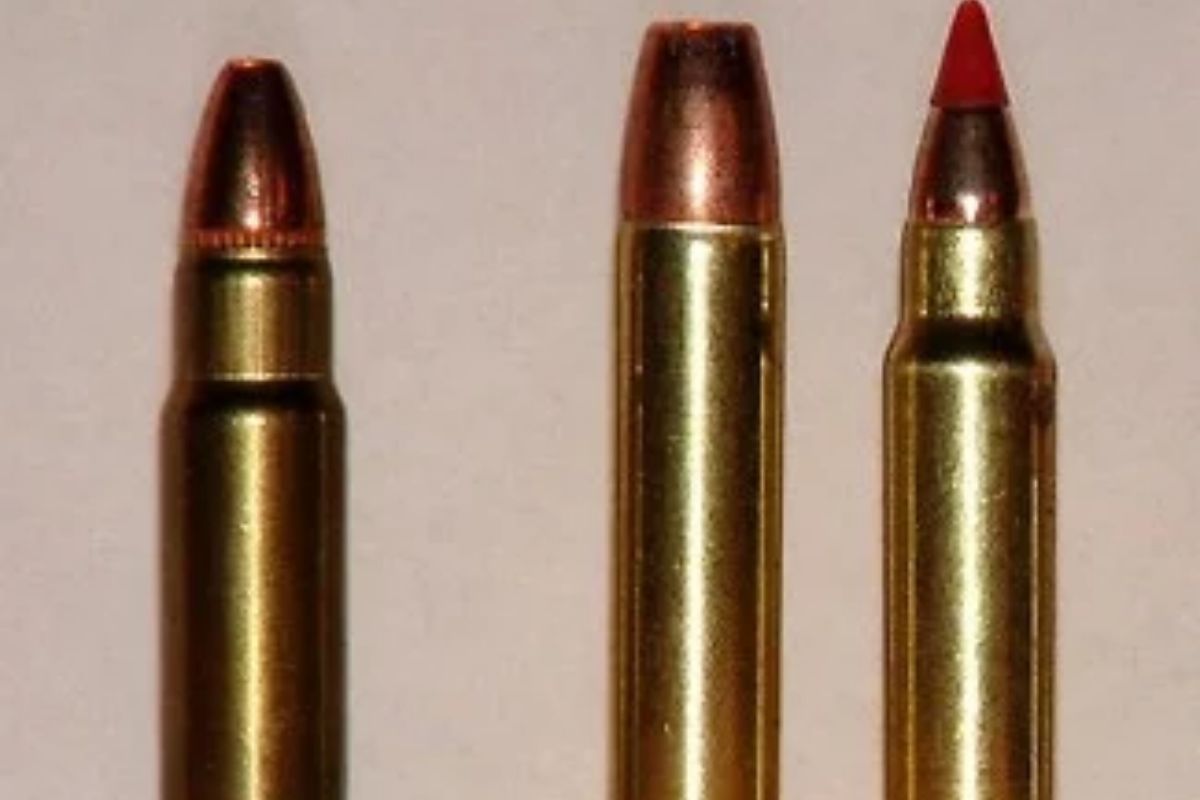
The .22 Winchester Rimfire, commonly called .22 WRF, appeared in 1890 and offered a more powerful alternative to smaller traditional rimfire rounds. It uses a case approximately 0.965 inches long and a larger-diameter bullet than the .22 LR, making cartridge compatibility especially important. The design was associated with Winchester’s sporting rifles and later appeared in other suitable firearms. Although its popularity declined as newer rimfire cartridges gained ground, the .22 WRF occupies an interesting position in the transition toward more capable sporting ammunition. Its historical importance lies in its distinct dimensions and period-specific firearm designs.
5. .22 Winchester Magnum Rimfire
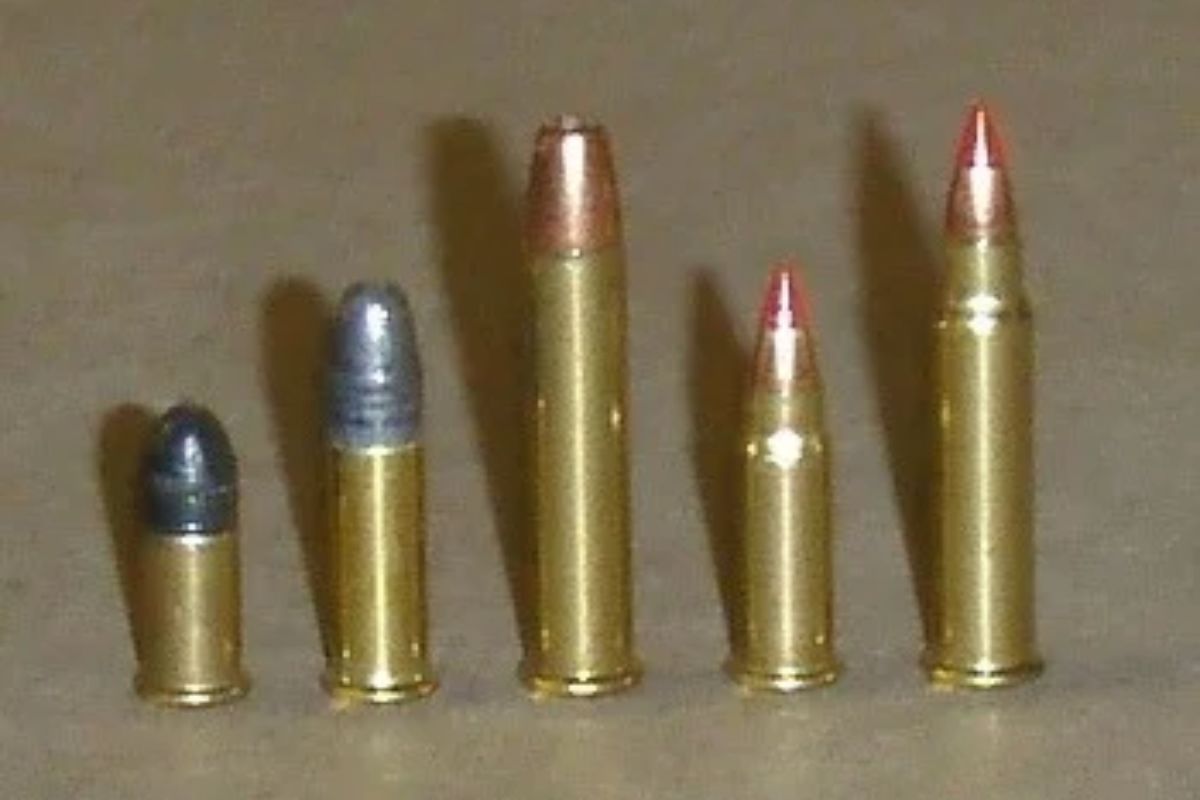
Introduced in 1959, the .22 Winchester Magnum Rimfire, or .22 WMR, brought a substantial performance step beyond traditional .22-caliber rimfire cartridges. Its case is approximately 1.055 inches long, and it uses a larger case diameter than the .22 LR. Commercial loads vary in bullet weight and construction, so published velocity and energy figures depend on the specific ammunition and test barrel. The cartridge helped renew interest in rimfire designs for small-game hunting and sporting use. Its separate dimensions mean it must not be confused with .22 LR or .22 WRF ammunition when identifying firearms.
6. .17 Hornady Magnum Rimfire
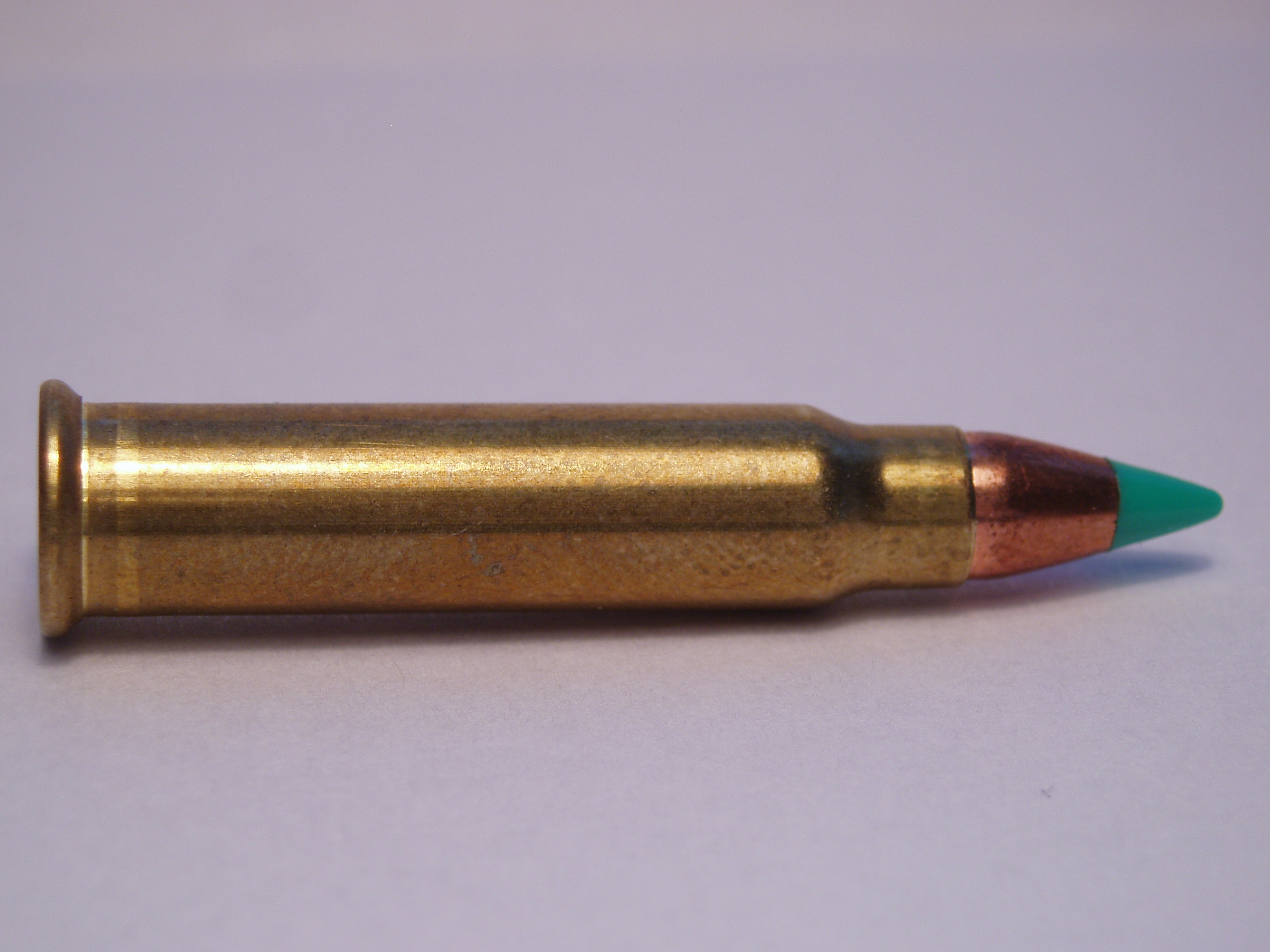
Released in 2002, the .17 Hornady Magnum Rimfire, usually abbreviated .17 HMR, adapted the .22 WMR case to a smaller .17-caliber projectile. Many factory loads use bullets weighing 17 grains, with advertised muzzle velocities around 2,550 feet per second, depending on the load and barrel. Its relatively flat trajectory at suitable distances helped distinguish it from traditional .22-caliber rimfire cartridges. The introduction also demonstrated that established case designs could support new sporting applications. Its specialized bullet diameter and chamber dimensions make correct ammunition identification essential for collectors and owners.
7. .17 Mach 2
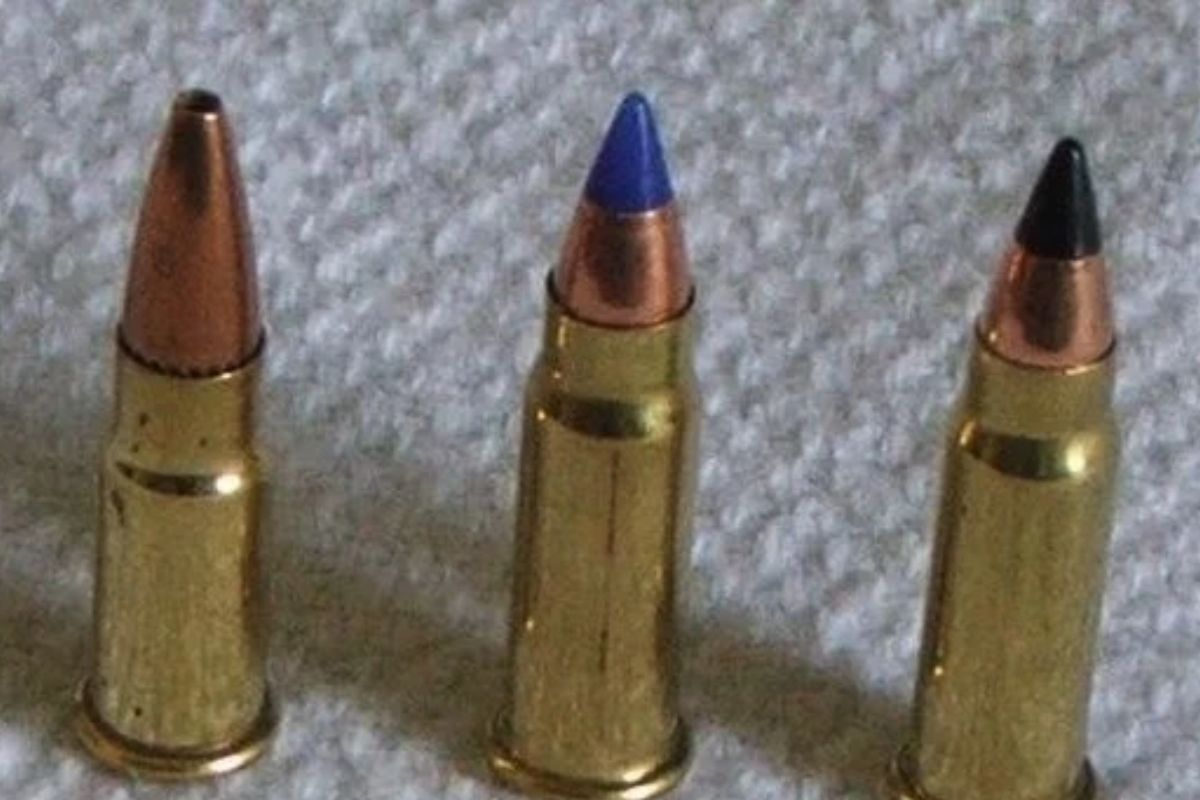
Introduced in 2004, the .17 Mach 2, also known as .17 HM2, brought small-caliber, high-velocity performance to a cartridge based on the .22 Stinger case. Typical commercial loads use a 17-grain projectile, with advertised muzzle velocities near 2,100 feet per second. Its design offered an alternative to conventional .22 LR ammunition while retaining a compact rimfire format. The cartridge attracted interest from shooters seeking a different balance of velocity and projectile size, though its market presence has been more limited than that of the .22 LR. It remains a notable example of early-21st-century rimfire experimentation.
8. .46 Rimfire
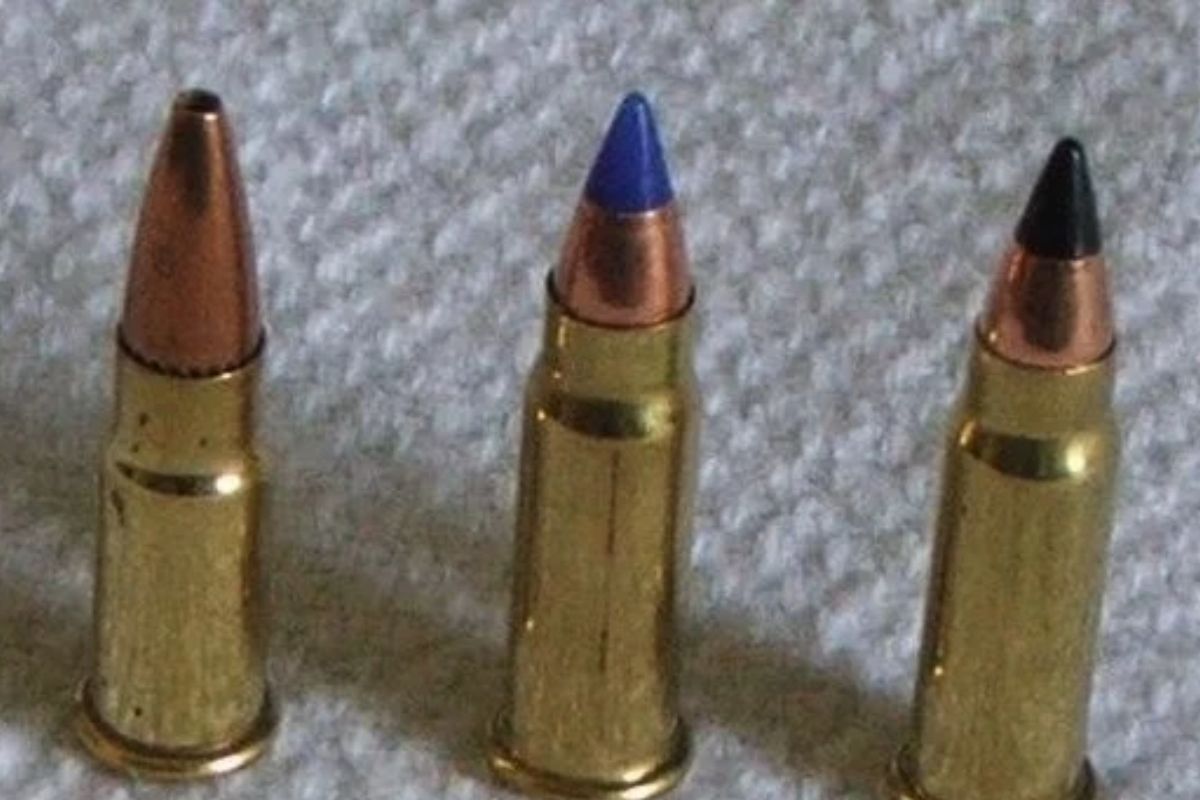
The .46 rimfire belongs to an earlier era of American firearms history, when large-caliber rimfire cartridges served rifles and revolvers before modern centerfire ammunition became widespread. The designation covers historical ammunition associated with particular firearm patterns, rather than a single universally interchangeable modern specification. Large rimfire designs illustrate how manufacturers once explored substantial bullet diameters using rim-primed cases. Surviving examples are now mainly of historical or collecting interest, and original firearms may have age-related safety concerns. Its significance lies in showing how different 19th-century rimfire systems were from today’s predominantly small-caliber sporting cartridges.