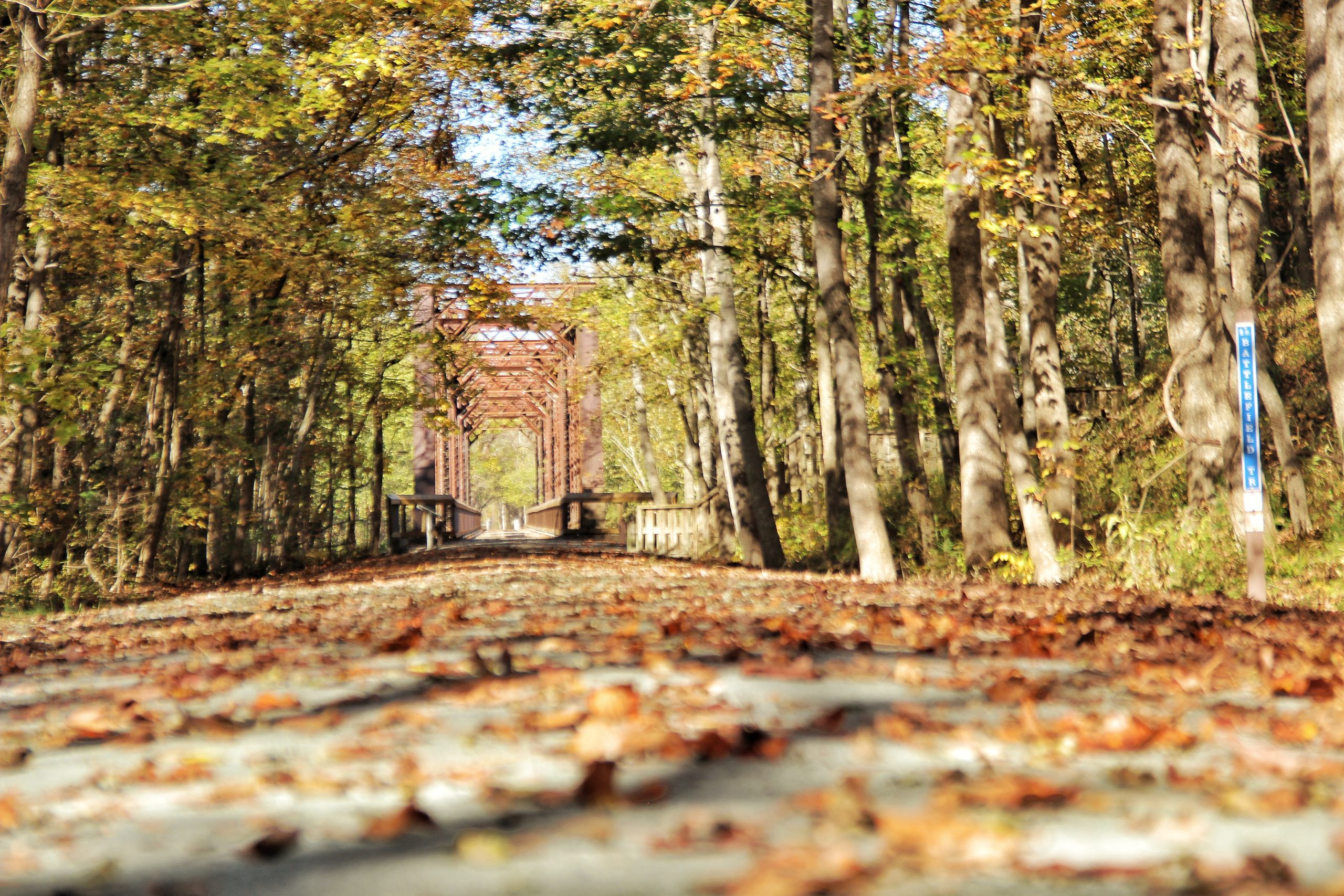
Virginia’s landscapes are layered with stories from America’s fight for independence, and many of those moments are still traceable along its hiking trails. From mountain passes used by scouts to quiet riverbanks where armies once crossed, these routes allow modern hikers to step directly into Revolutionary War history. Each trail blends scenic beauty with the echoes of a defining era, offering an outdoor experience that feels both grounding and deeply educational.
1. Great Dismal Swamp Washington Ditch Trail
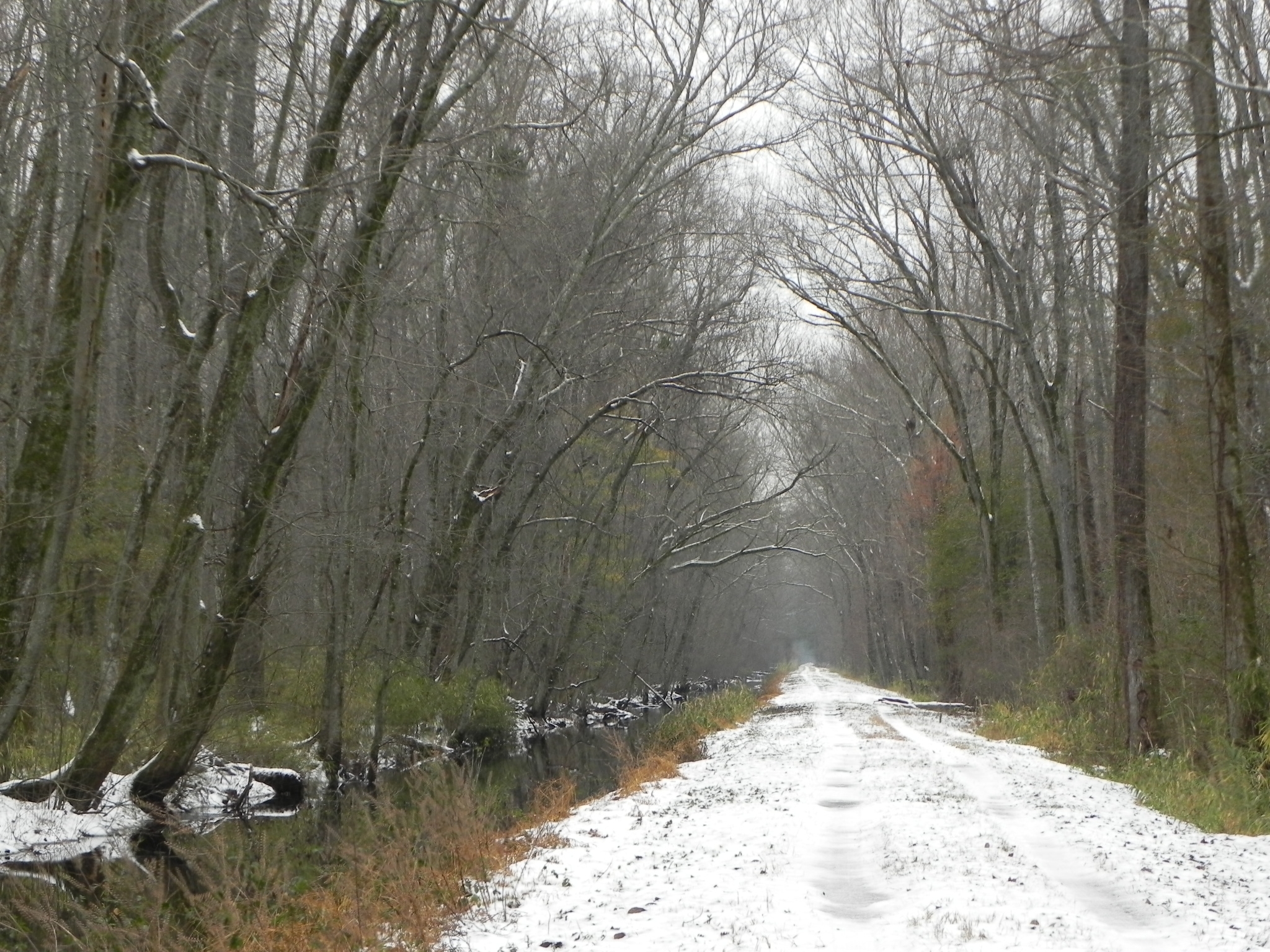
The Washington Ditch Trail cuts straight through one of Virginia’s most mysterious and historic landscapes, offering hikers a rare look at terrain once explored during early colonial surveying efforts. The route later became significant as part of the paths used by freedom seekers who navigated the swamp’s dense cover for refuge. Today, the flat, quiet trail leads deep into the heart of the swamp, where wildlife, still waters, and towering cypress create an unforgettable, immersive atmosphere.
2. Colonial Parkway Footpaths
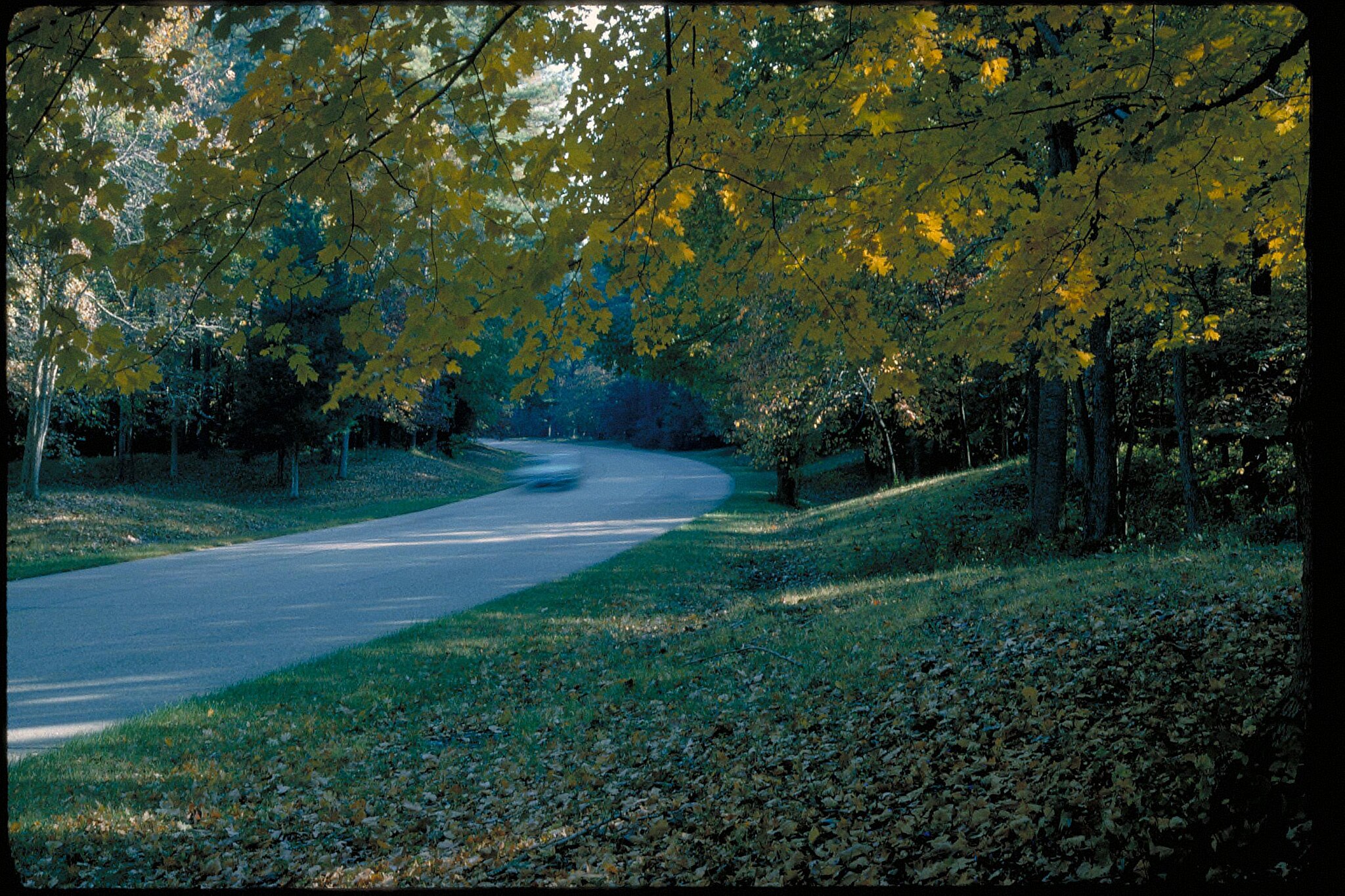
The Colonial Parkway connects Jamestown, Williamsburg, and Yorktown with scenic pull-offs and walkable paths that follow early colonial and Revolutionary-era routes. These footpaths offer a chance to explore forests, wetlands, and shoreline areas used by settlers and soldiers. While strolling along the calm stretches, hikers can imagine militia units traveling these same corridors as Virginia transformed from a colony into a central hub of independence activity.
3. Great Bridge Battlefield & Veterans Park Trails
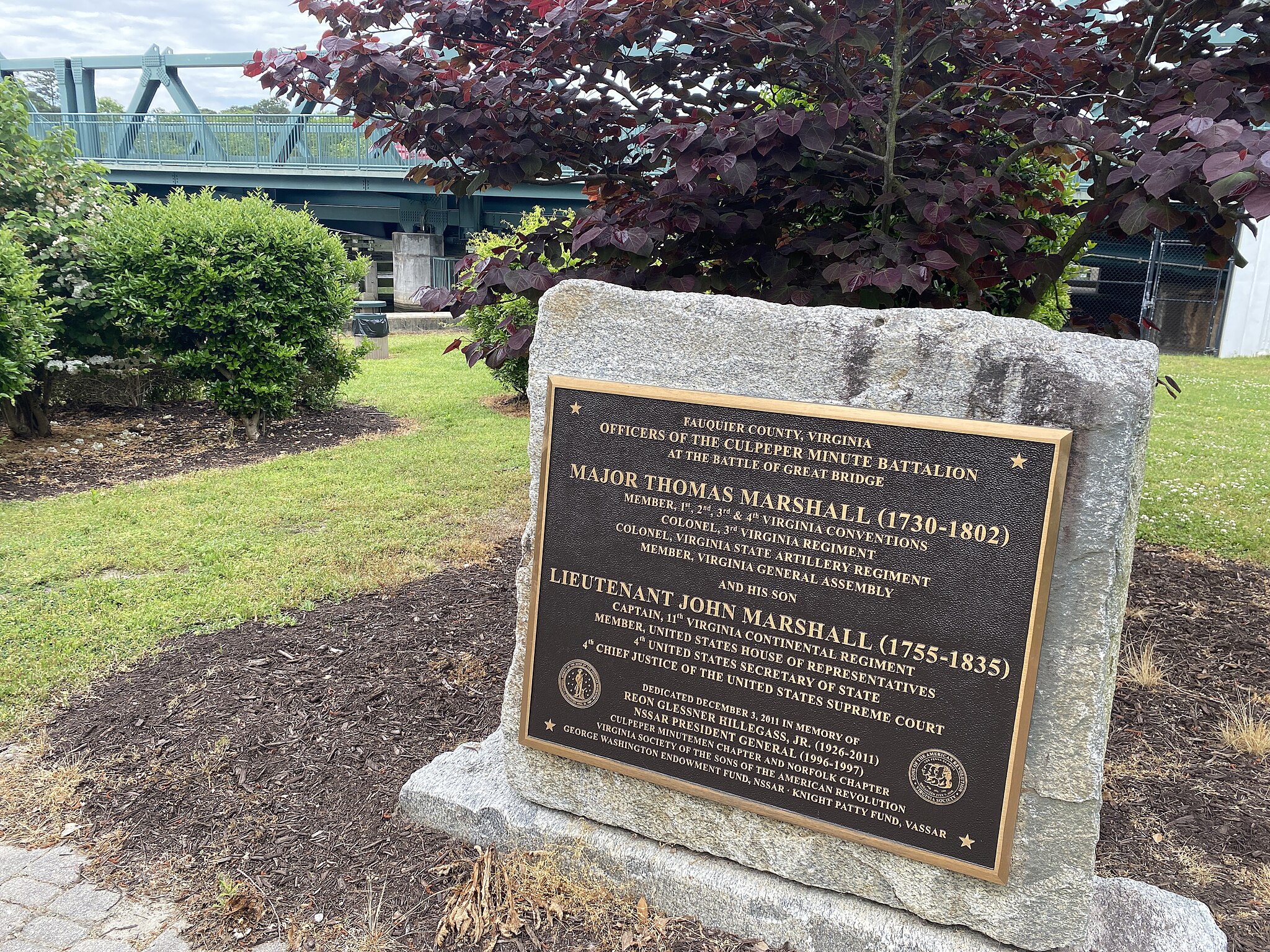
This peaceful park near Chesapeake preserves the site of the 1775 Battle of Great Bridge, a crucial early Patriot victory. The trails pass wetlands, boardwalks, and viewpoints where British and Loyalist forces once tried to hold control. Interpretive panels outline the strategic significance of the battle, helping visitors appreciate how this early success secured southeastern Virginia for the Patriot cause and protected Norfolk from further British influence.
4. Wilderness Road Trail
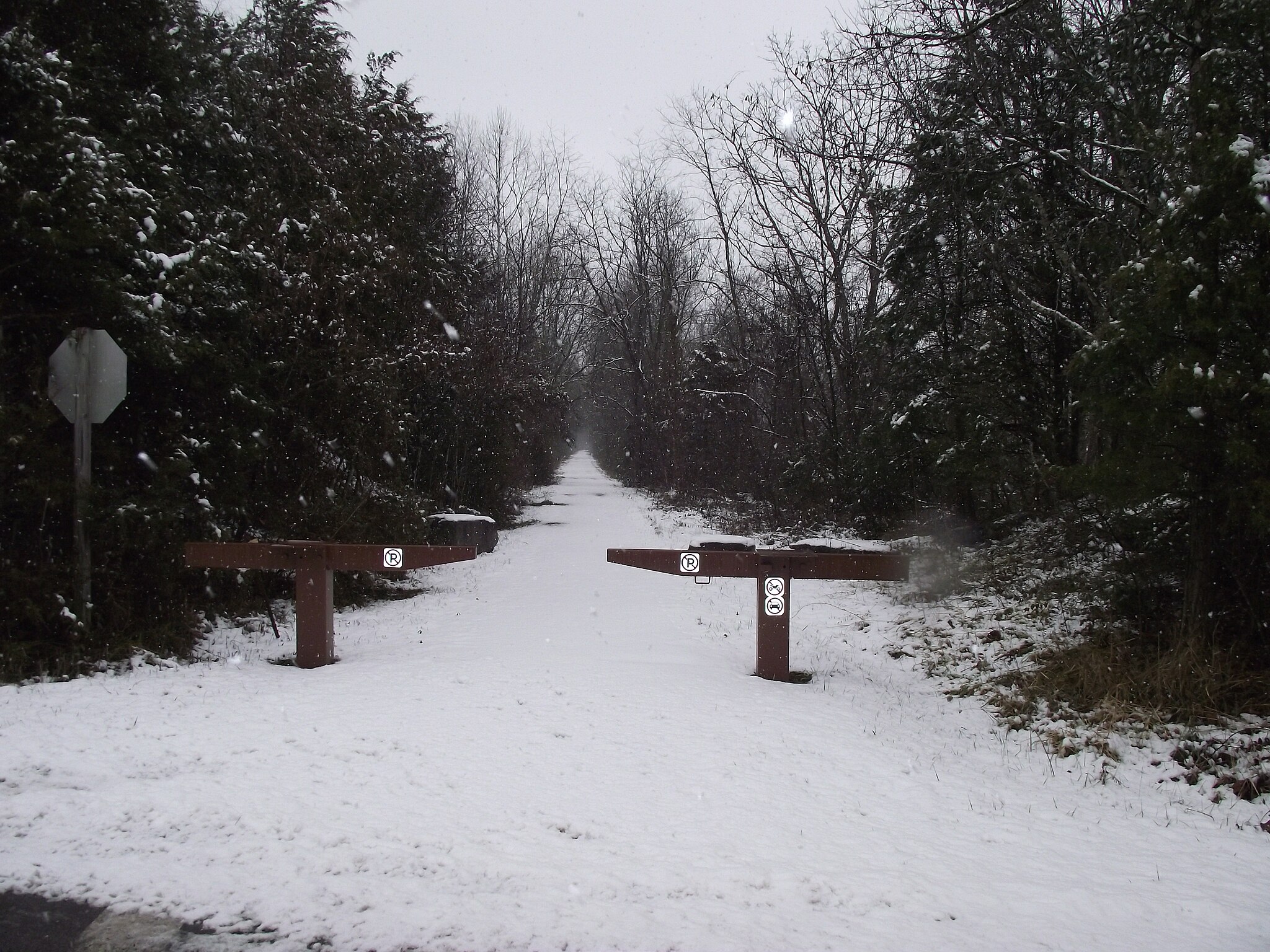
Set along the historic route used by settlers and scouts, the Wilderness Road Trail traces Daniel Boone’s famous passage through southwest Virginia. During the Revolutionary era, this corridor served as a crucial migration and supply route. Hiking it today means traveling through quiet forests and rolling ridgelines where frontier families moved westward in search of new opportunities. The trail offers both scenic beauty and a vivid sense of early American resilience.
5. Prince William Forest Park Trails
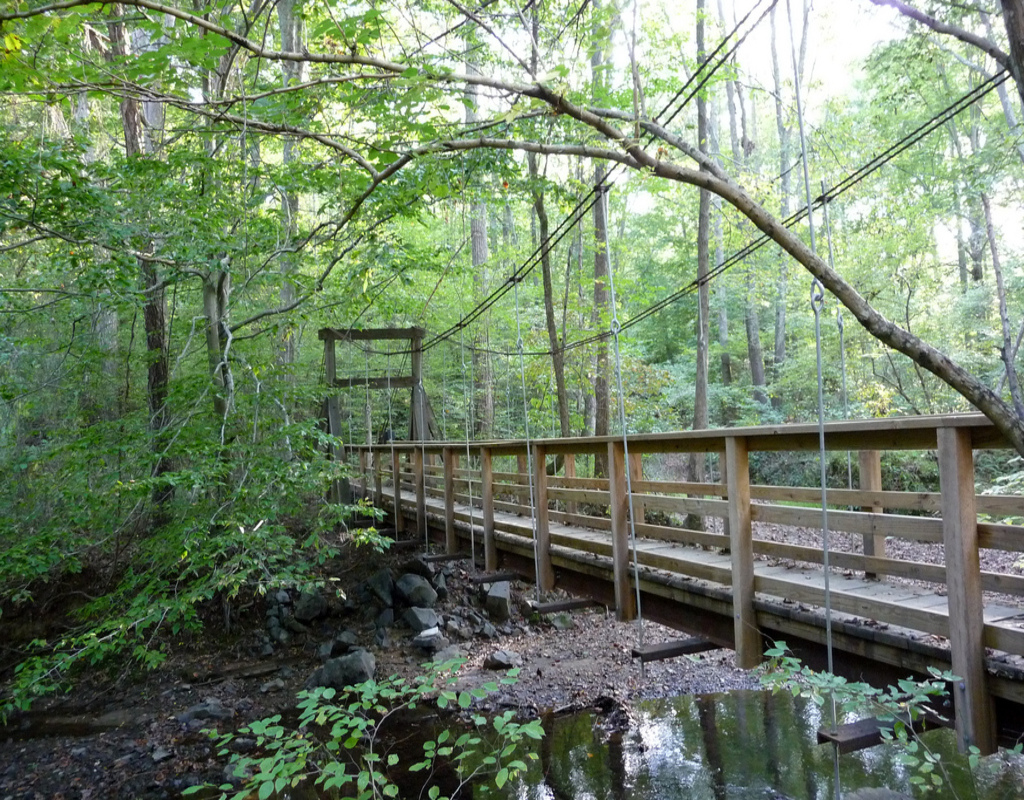
During the Revolution, the area now known as Prince William Forest was home to small settlements and routes used by local militias. Its modern trail network winds through hardwood forests, creeks, and historic cabin sites. As hikers move along the shaded paths, they can reflect on how early American communities supported the war effort through communication routes, foraging grounds, and informal networks that helped sustain the fight for independence.
6. Blue Ridge Center Legacy Loop
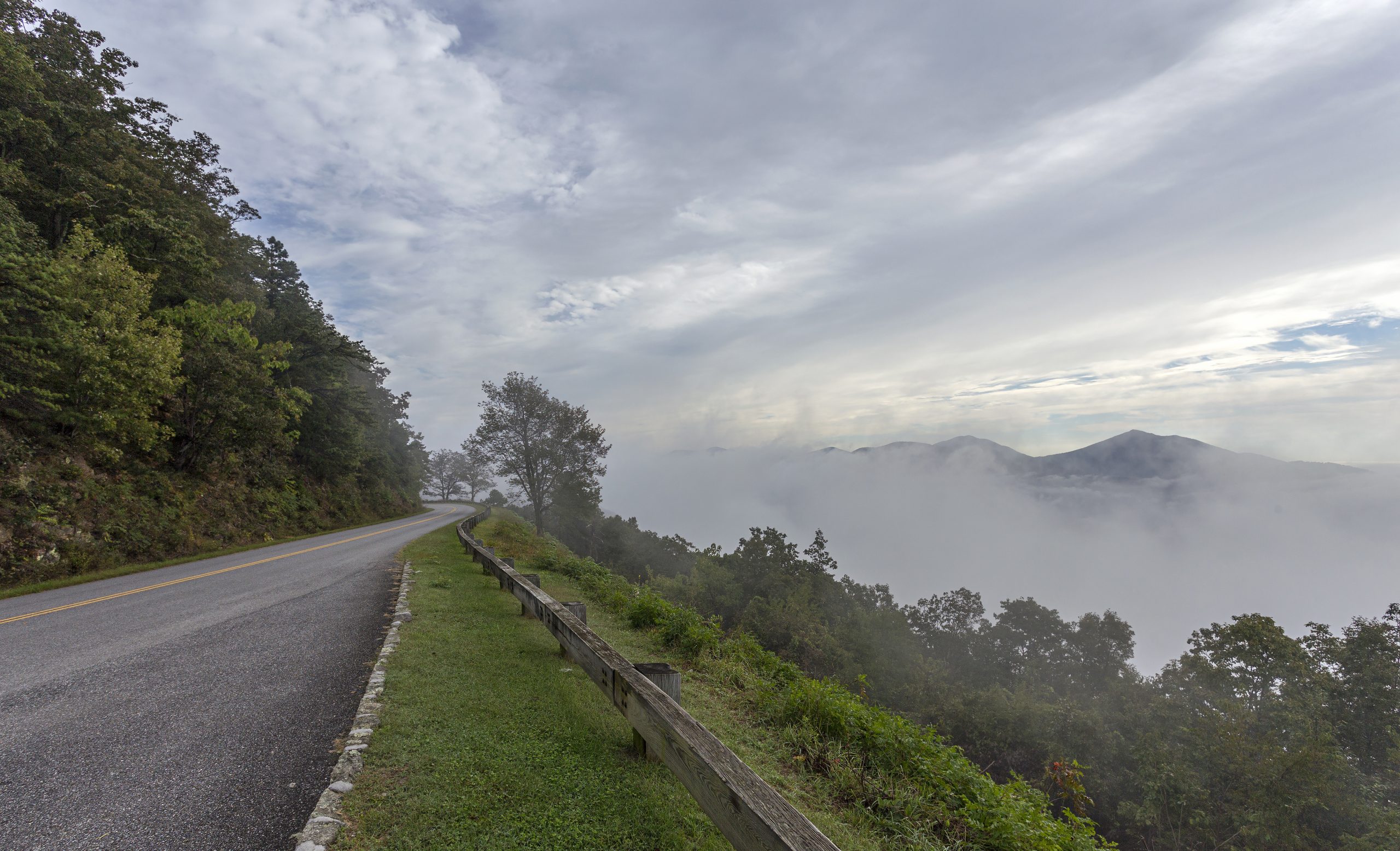
The Legacy Loop at the Blue Ridge Center immerses hikers in a landscape shaped by centuries of Appalachian settlement. As you follow wooded paths, you’ll pass remnants of old homesteads, stone walls, and farm structures that hint at rural life during the Revolutionary and early American periods. Interpretive signs help bring these stories to life, explaining how families worked the land and supported independence-era communities. With gentle elevation and peaceful forest scenery, it’s both a reflective and rewarding hike.
7. Fincastle Turnpike & Heritage Trails
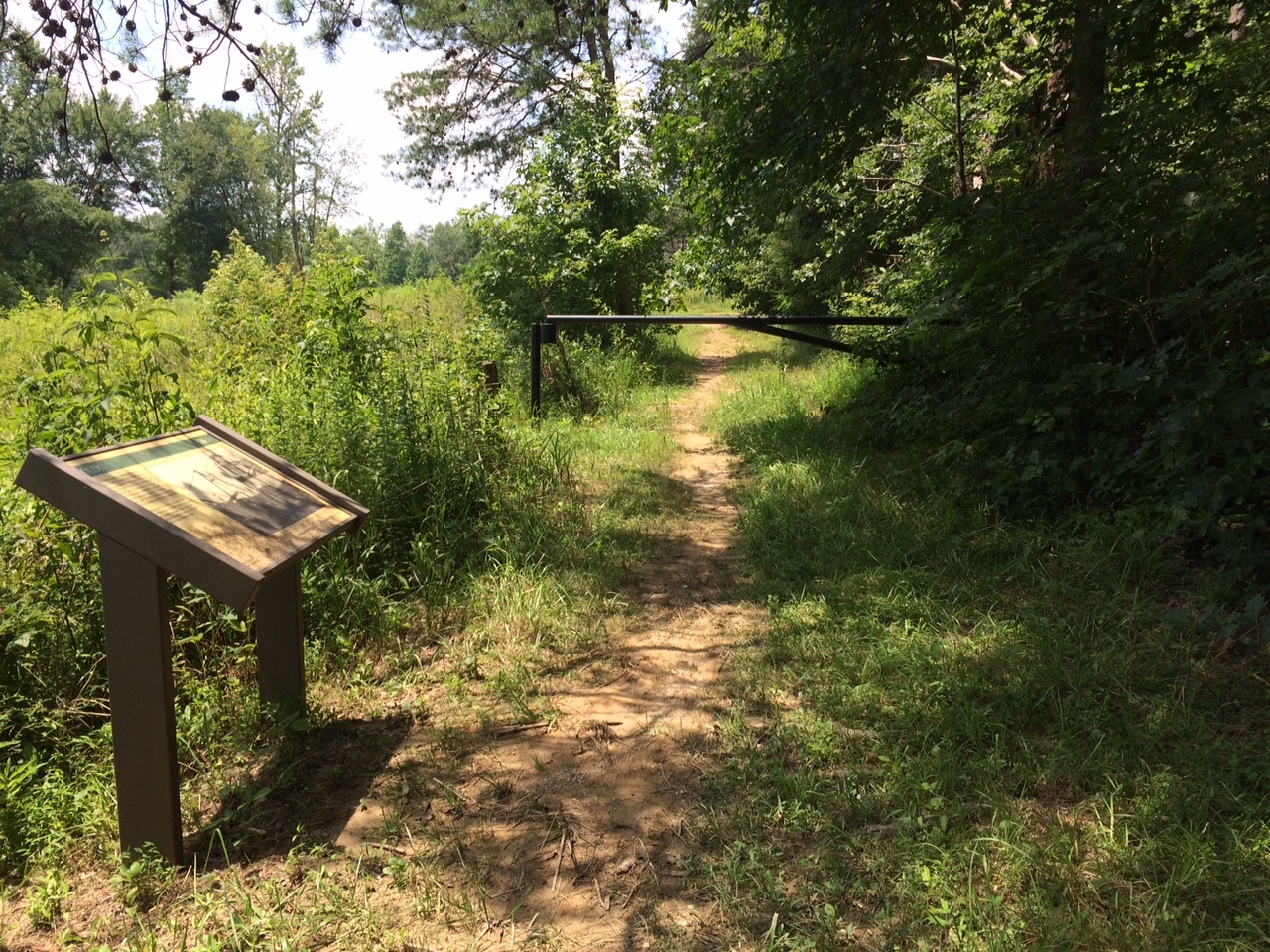
Fincastle served as an important region for frontier leadership, militia organization, and supply planning during the Revolution. Today’s heritage trails follow portions of old roads used by Patriot leaders and regional volunteers. Passing through farmland, forest, and historic markers, the paths highlight how backcountry communities contributed manpower and resources that supported Virginia’s military efforts and helped shape early American civic identity.
8. Stony Point Battlefield Trail
Overlooking the James River, Stony Point was a strategically valuable landscape during the Revolutionary War. The short, scenic trail climbs through wooded terrain to historic overlooks where patriots monitored movements along the river. The site’s natural elevation offered a defensive advantage, and hikers today can still appreciate how its geography shaped regional control. Interpretive displays help connect the surrounding beauty to its wartime importance.
9. Mount Vernon Forest Trail
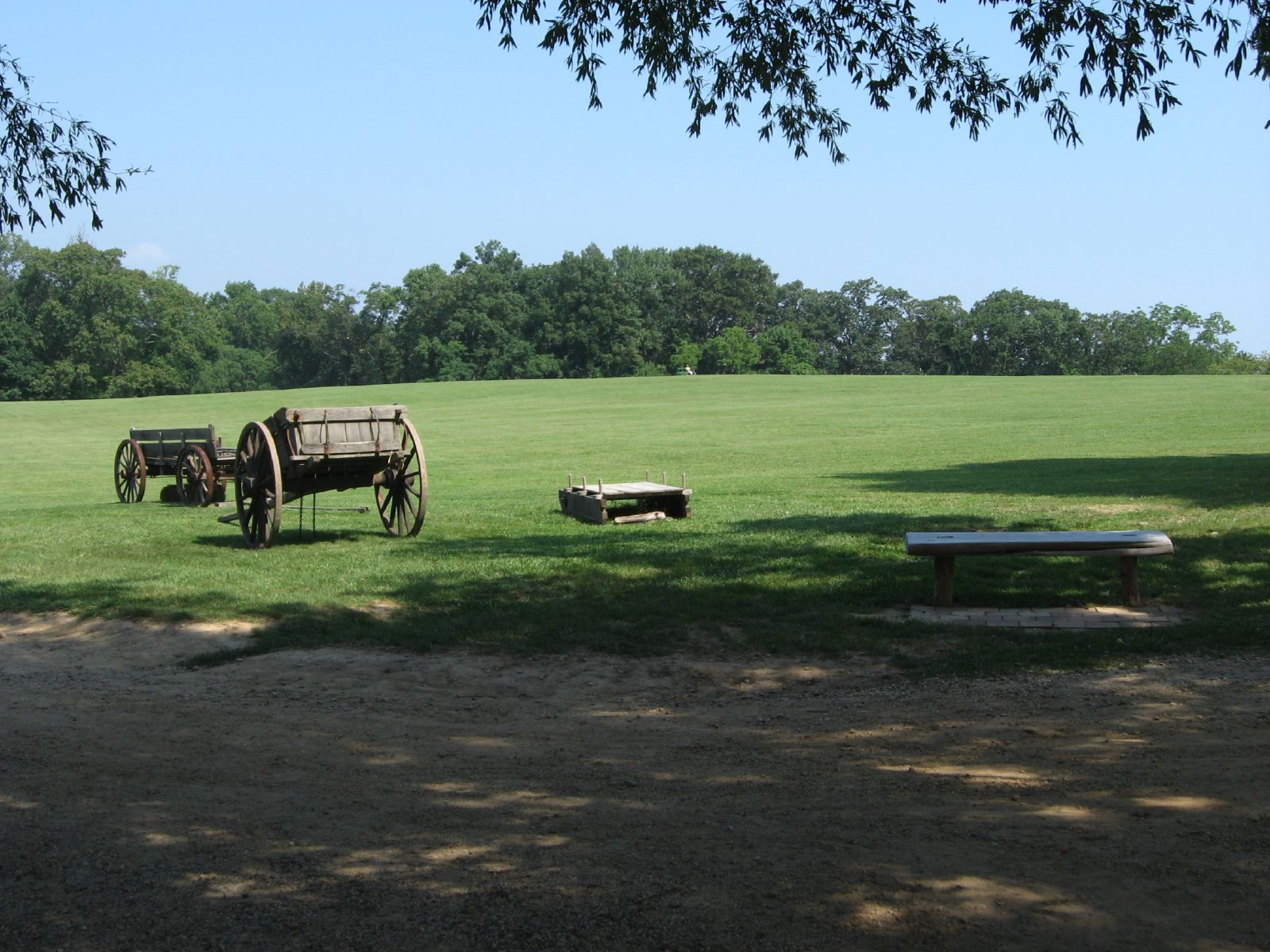
The Mount Vernon Forest Trail winds through peaceful woodlands surrounding George Washington’s iconic estate, offering a quieter way to connect with Revolutionary-era history. As you walk the shaded path, you’re exploring land Washington once managed, farmed, and surveyed. Interpretive signs highlight his role as both a military leader and a hands-on landowner, while river overlooks and wildlife sightings round out the experience.
10. Belle Isle Historic Loop

The Belle Isle Historic Loop blends scenic riverfront views with echoes of America’s early conflicts, making it a compelling stop for hikers exploring Revolutionary-era sites. Though better known for its Civil War history, the island also played a role in earlier industrial development that supported the young nation. The loop leads past rocky outcrops, old quarry remnants, and rushing James River rapids, creating an atmospheric walk filled with both natural beauty and layered history.