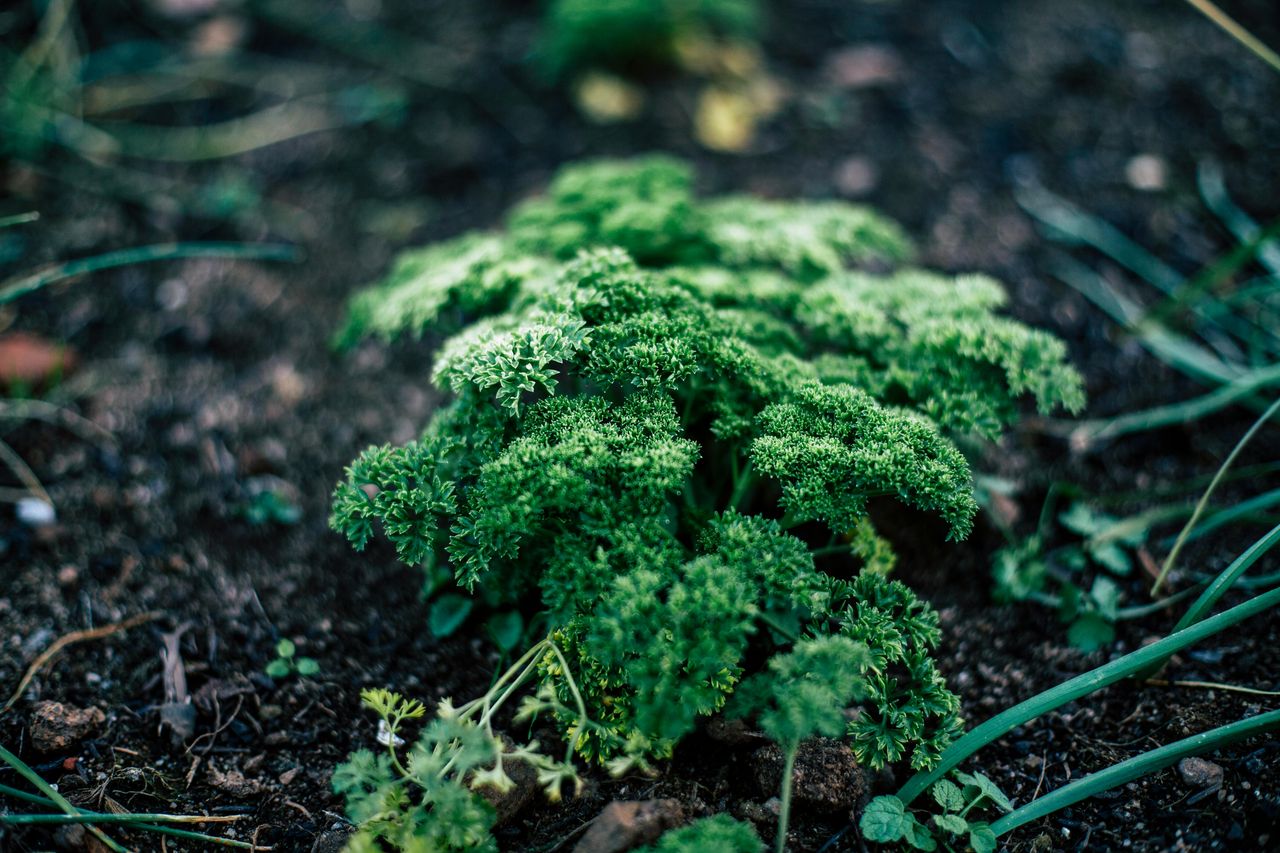
When bugs show up in force, survivalists often look for simple, low-tox solutions that pull double duty in the garden and around camp. Certain plants are prized not just for flavor or fragrance, but for the strong oils and scents insects tend to avoid. This gallery highlights 12 popular choices that can help discourage pests naturally while adding beauty, usefulness, and resilience to your space.
Lavender

Lavender is one of the first plants many survival-minded gardeners reach for because it is attractive, drought-tolerant, and famously fragrant. That strong floral scent is lovely to people, but it can help discourage mosquitoes, moths, fleas, and some flies from lingering nearby.
It works especially well planted along walkways, near seating areas, or close to entry points where insects tend to drift indoors. The dried stems and flowers are useful too, making lavender a practical choice for sachets in storage areas, cabins, or gear closets.
As a bonus, it thrives in sunny spots with well-drained soil and does not demand much once established. For anyone building a low-maintenance bug defense, lavender earns its reputation quickly.
Citronella Grass

Citronella grass is widely associated with natural mosquito control, and for good reason. The plant contains aromatic oils that give off the lemony scent found in many outdoor candles and repellents, which is why it is a favorite in warm-weather gardens.
Survivalists like it because it can be grown as a useful living barrier around patios, camps, and outdoor work areas. When the leaves are brushed or crushed, the scent becomes even stronger, making the plant feel more active than passive in the landscape.
It does best in heat, sun, and rich soil, so it is especially handy in southern climates or containers moved seasonally. Even where it is not hardy year-round, it remains a smart natural option.
Marigolds

Marigolds are cheerful, easy to grow, and surprisingly tough when it comes to helping with pest pressure. Their pungent scent is often said to deter mosquitoes and certain garden pests, and many gardeners tuck them between vegetables as a simple companion plant.
What makes marigolds appealing to survivalists is how much value they bring for very little effort. They bloom heavily, tolerate heat, and can brighten practical spaces like food plots, greenhouse edges, and raised beds that might otherwise feel purely utilitarian.
French marigolds are especially popular for mixed planting, while larger types can create vivid borders around vulnerable crops. They are not magic, but they can be a useful part of a layered, chemical-free strategy.
Basil

Basil is best known as a kitchen favorite, but it is also valued for its insect-repelling qualities. The strong aroma can help discourage mosquitoes and houseflies, which makes basil especially handy near doors, windows, and outdoor dining spaces.
For survivalists, that combination of culinary use and pest control is exactly the point. If a plant can flavor food, grow fast, and help keep bugs at bay, it earns valuable space in a practical garden.
Basil prefers warmth, sunlight, and regular picking, which actually encourages fuller growth. Pots of basil on a porch or clustered around a prep table can be both beautiful and functional during peak bug season.
Mint

Mint has a bold, cooling scent that many people love and many insects seem to avoid. It is commonly used to help discourage mosquitoes, ants, and even rodents in some settings, which is why it often shows up in survivalist herb patches.
The catch is that mint grows aggressively, sometimes far more enthusiastically than its owner expects. That is why experienced gardeners often keep it in containers, where it can still do its job without taking over nearby herbs or vegetables.
Placed near doorways, sitting areas, or outdoor work stations, mint offers a fresh smell and easy harvests for tea and cooking. It is one of those plants that feels useful the moment you brush against it.
Rosemary

Rosemary brings a woodsy, resinous scent that can help repel mosquitoes and some flying insects while also serving as a hardy culinary herb. For survivalists, it checks several boxes at once: edible, aromatic, drought-tolerant, and long-lasting in the right climate.
It shines in dry, sunny spots where other tender herbs may struggle, and it can be planted along paths or in containers near gathering areas. Some people even toss a few sprigs onto outdoor fires, where the fragrant smoke adds another layer of bug-deterring appeal.
Beyond pest control, rosemary gives a garden structure and permanence. It feels less like a seasonal filler and more like a dependable tool built into the landscape.
Lemongrass

Lemongrass is often confused with citronella grass, but it is a standout plant in its own right. Its crisp citrus scent makes it a popular choice for gardeners hoping to make outdoor areas less inviting to mosquitoes while also growing something useful for the kitchen.
Survivalists appreciate plants that multitask, and lemongrass fits that mindset perfectly. It can be harvested for soups, teas, and broths, while its tall, arching form adds privacy and texture around patios, paths, or camp kitchens.
In warm climates it becomes a dramatic, easy-care clump, and in cooler regions it performs well in containers. Either way, it brings a fresh, clean scent that feels especially welcome in humid summer weather.
Catnip

Catnip may be irresistible to cats, but many insects are far less impressed. It is often cited as a strong natural repellent for mosquitoes, thanks to compounds in the plant that create a scent profile bugs tend to dislike.
That makes it a favorite among gardeners who want an inexpensive, easy-growing herb with a practical edge. It is not flashy, but it is productive, resilient, and well suited to informal herb beds, perimeter planting, or tucked-away corners near outdoor seating.
The one obvious downside is neighborhood cats, which may discover it before you do. Still, for a survivalist who values function over fuss, catnip can be a clever addition to a broader natural pest-control setup.
Sage

Sage has a savory, earthy fragrance that does more than season food. It is often used to help deter mosquitoes and some other insects, especially when planted near gathering spaces or burned lightly in outdoor settings where smoke can carry its scent.
For survivalists, sage has an appealing old-school practicality. It is hardy, useful in cooking, and easy to dry for later use, which makes it feel right at home in gardens designed for self-reliance rather than pure decoration.
Its soft gray-green leaves also hold up well in hot, sunny spots, giving it ornamental value without being delicate. If you want a plant that looks calm and understated but works hard, sage is a strong candidate.
Thyme

Thyme is low-growing, fragrant, and easy to overlook until you brush a hand or boot against it and release its scent. That aromatic quality is one reason it is often planted to help discourage mosquitoes and other small pests around paths and patios.
What survivalists like most is its efficiency. Thyme can fill gaps between stones, edge raised beds, and provide culinary value without demanding much water or pampering once it settles in.
It is a quiet workhorse rather than a dramatic showpiece, but that can be an advantage in practical landscapes. A patch of thyme underfoot or spilling from a container offers beauty, utility, and subtle natural bug resistance in one compact plant.
Bee Balm

Bee balm is famous for attracting pollinators, but its strong scent can also make it useful in gardens where natural pest management matters. The aromatic leaves are often associated with discouraging mosquitoes while adding a burst of color and movement to summer beds.
This plant appeals to survivalists who understand that a resilient garden is not just about driving pests away. It is also about supporting bees and beneficial insects that help the whole system stay healthier and more productive.
Bee balm does best with decent airflow and enough space to spread, and it rewards that room with bright, shaggy blooms that look almost wild by design. It brings life to a garden without sacrificing function.
Garlic

Garlic is one of the most practical plants on this list because its usefulness goes far beyond insect control. The pungent sulfur-rich smell is thought to help deter mosquitoes and some garden pests, while the bulbs themselves are pantry staples in any self-reliant household.
For survivalists, few plants make a stronger case for earning their keep. Garlic stores well, grows in relatively small spaces, and fits easily into vegetable beds where scent can become part of a wider companion-planting strategy.
It does not create the showiest display, but its value is hard to overstate. A row of garlic offers food security, planting versatility, and one more natural layer of defense against unwanted bugs in the garden.