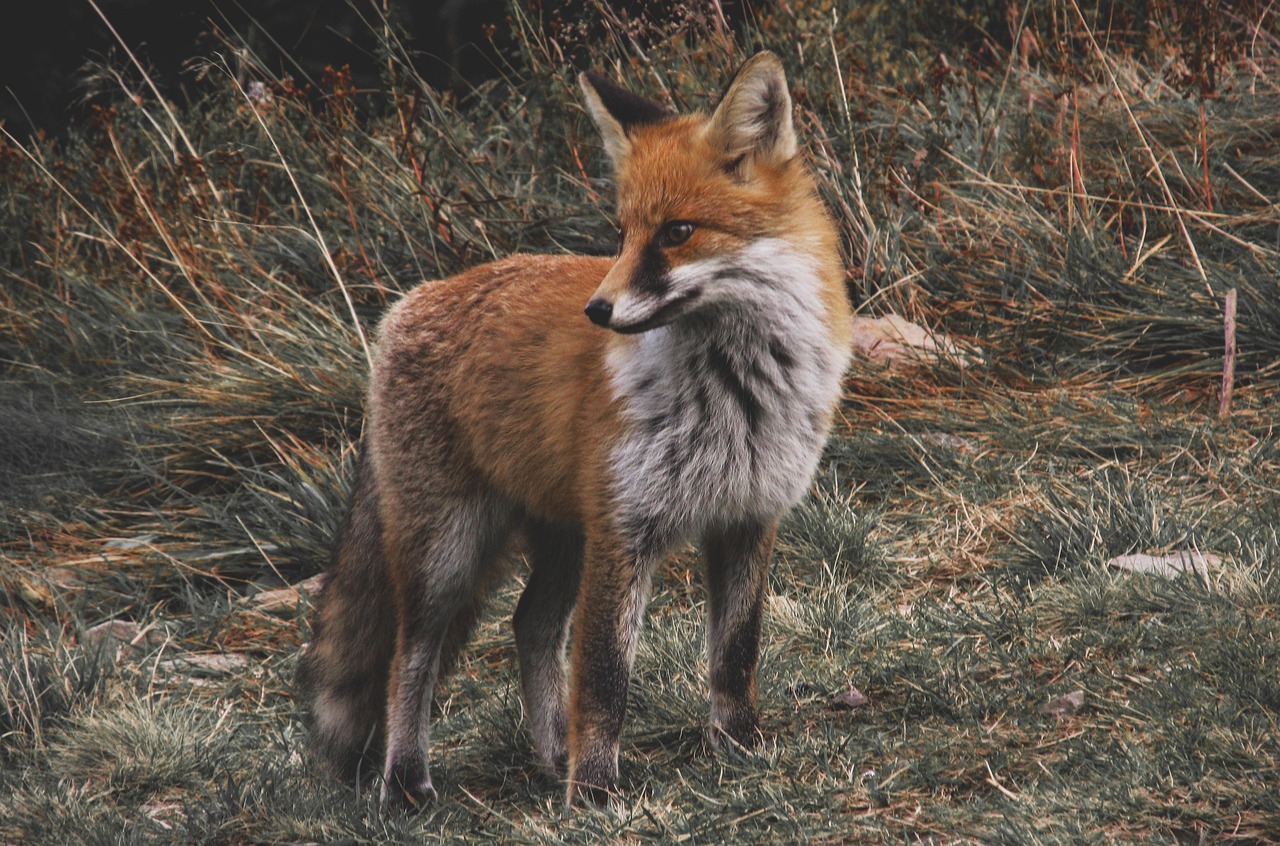
Fur trapping is back in a place many people assumed it had already left: the center of a public fight. What changed is not just the traps, but the politics, the public mood, and the ground on which the debate is happening.
The Issue Never Really Went Away

For years, many national animal welfare and conservation groups shifted attention toward factory farming, trophy hunting, climate policy, biodiversity loss, and the pet trade. Fur trapping did not vanish, but it often felt like an older fight, especially after major anti-fur retail campaigns and state restrictions made it seem less urgent than it once was.
That sense of closure turned out to be misleading. According to the U.S. Fish and Wildlife Service, trapping remains permitted on some federal refuge lands and is regulated across much of the country under a patchwork of state and federal rules. The agency says it views trapping as a management tool, a recreational activity in some places, and, in certain cases, a way to control invasive species or protect habitat.
That ongoing legal status matters because it means the issue can return quickly when policy shifts. When agencies expand access, revise refuge rules, or lean harder into state-led wildlife management, groups that had put their energy elsewhere suddenly see a familiar problem reappearing in a new setting.
What looks like renewed opposition is really a reactivation of networks that never fully disbanded. They still had the lawyers, campaign infrastructure, veterinarians, and public education playbooks. They were simply waiting for a moment when trapping moved from a marginal issue back into broader public view.
Public Lands Have Reignited The Fight
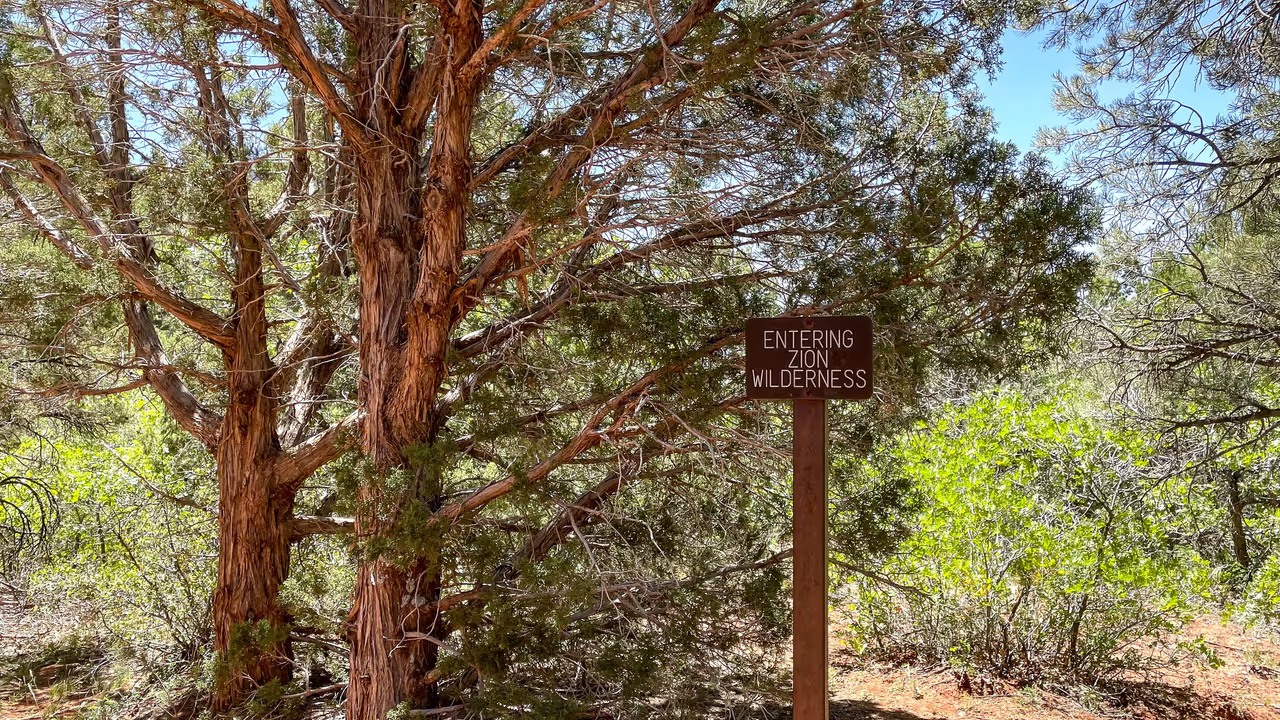
A major reason trapping is drawing fresh fire is that the argument is no longer limited to remote fur harvest or niche state seasons. It is increasingly tied to public lands policy, especially federal refuges. In May 2026, the Department of the Interior announced what it called the largest proposed expansion of hunting and sport fishing opportunities in Fish and Wildlife Service history, saying more than 92 million acres, or over 95% of National Wildlife Refuge System lands, would be available for hunting under the proposal.
That kind of move has an outsized political effect even when trapping is only one part of a larger package. Groups that may not organize entire campaigns around trapping alone will mobilize quickly when they believe public wildlife refuges are becoming more open to body-gripping traps, snares, or broader predator control practices.
The opposition also gains force from symbolism. Refuges are widely understood by the public as places for protection, birding, hiking, and wildlife watching. When trapping enters that picture, critics argue the government is blurring the line between conservation land and extraction-oriented use.
Organizations such as the Animal Welfare Institute and the Center for Biological Diversity have leaned into that tension. Their argument is not simply that trapping is cruel, but that it clashes with what many Americans think protected public lands are for. That framing widens the coalition beyond traditional animal rights activists.
The Old Cruelty Argument Now Lands Differently

The ethical case against trapping is not new. What is new is how well it travels in a media environment shaped by viral images, smartphone video, and a public that is generally less tolerant of visible animal suffering than it was decades ago. Steel-jaw leghold traps, neck snares, and body-gripping devices are hard to soften rhetorically once people see what they do.
Animal Welfare Institute materials aimed at refuge policy describe these traps as nonselective and emphasize risks to pets and non-target wildlife. PETA and Born Free USA have long used similar arguments, but today those messages reach audiences that are less tied to older rural-versus-urban assumptions and more responsive to welfare language across species.
The pet issue is especially potent. Critics do not need to convince suburban voters to care deeply about muskrats, foxes, or coyotes before they care about a dog caught on a trail. Stories involving companion animals can instantly turn a technical wildlife regulation into a kitchen-table issue.
Even some people who accept hunting as part of wildlife management draw a line at trapping methods they see as prolonged and indiscriminate. That is one reason opposition now includes not only long-standing anti-fur organizations, but also people whose main concern is humane treatment rather than a blanket rejection of all wildlife harvest.
The Politics Of Wildlife Management Have Shifted
Another reason groups are returning to the issue is that trapping now sits inside a larger political argument about who controls wildlife policy. State agencies, federal land managers, rural lawmakers, animal protection groups, and biodiversity advocates are increasingly fighting over the same terrain, and trapping has become a proxy for that broader struggle.
Supporters frame trapping as tradition, predator management, and a legitimate use of public land. Federal messaging has reinforced that view. Fish and Wildlife Service policy documents and public statements in 2025 and 2026 stressed aligning federal access more closely with state regulations and reducing barriers to hunting and related outdoor uses.
Opponents hear something different. They hear deregulation, diminished public review, and a stronger presumption in favor of lethal control. That is why organizations that might otherwise focus on endangered species, habitat, or public process are stepping back into trapping debates. To them, this is not one isolated cruelty fight. It is part of a larger rollback in how wildlife decisions are scrutinized.
The legal response reflects that. Conservation groups have been using litigation and administrative challenges more aggressively in public lands and wildlife cases, not because trapping alone dominates their agenda, but because trapping has become one visible front in a wider conflict over environmental governance.
The Cultural Ground Has Moved Under Fur
The fur trade itself also looks different from what it once did. In popular culture, fur no longer carries the mainstream status it had in earlier decades, and the moral vocabulary around animals has changed. That weakens the social insulation trapping once had, especially when pelts are framed less as necessity and more as luxury or hobby.
California’s 2019 law prohibiting trapping of furbearing and nongame mammals for recreation or commerce in fur was an early signal of this cultural shift. The state also moved against raw fur sales from covered animals taken there. The practical effect was limited to one state, but the symbolic effect was national: a major state had declared the practice out of step with modern values.
At the same time, ballot fights and state campaigns have kept predator and trapping issues in public conversation. Colorado voters rejected Proposition 127 in November 2024, which would have banned the hunting and trapping of mountain lions, bobcats, and lynx, but the campaign still showed how animal issues can attract millions in spending and national attention.
Losing a ballot fight does not mean the underlying movement fades. Often it does the opposite. It leaves behind donor lists, message testing, volunteer networks, and a stronger sense that wildlife policy can be contested in mainstream politics rather than left entirely to agency specialists.
This Is Also About Non Target Animals

One of the strongest drivers of renewed opposition is the non-target catch problem. Traps do not always catch the intended animal, and critics have become more effective at making that point concrete. A device set for coyote, beaver, or raccoon can catch a fox, raptor, otter, or dog instead. That unpredictability is politically damaging because it undercuts claims of precision.
The Animal Welfare Institute has highlighted companion animal injuries and deaths linked to trapping on or near lands used by the public. Once that enters the discussion, the issue broadens beyond the fur trade and into recreation safety, trail access, and what families should expect on land managed in the public interest.
This helps explain why the opposition is drawing in groups that historically worked on adjacent issues rather than trapping itself. Bird advocates worry about refuge character. Pet welfare groups worry about dogs. Conservation litigators worry about non-target species and endangered wildlife. Animal rights groups worry about suffering. Suddenly, a once narrow campaign has several entry points.
That coalition effect is powerful. It changes trapping from a specialized dispute between trappers and anti-fur activists into a wider public values conflict. And once that happens, groups that had moved on to other priorities find they have reasons to come back.
Why The Opposition Is Likely To Keep Growing
The most important thing to understand is that renewed opposition does not depend on fur becoming a dominant consumer issue again. It only requires trapping to stay visible at the intersection of public lands, animal welfare, and wildlife politics. Right now, that is exactly where it sits.
As agencies propose wider access, as advocacy groups challenge lethal wildlife control, and as more Americans encounter these debates through public land controversies instead of fashion campaigns, trapping becomes relevant to audiences that would not have followed an old anti-fur protest. That is a much bigger stage.
There is also a strategic logic at work. For groups that had largely moved on, trapping offers a rare issue where cruelty arguments, biodiversity concerns, legal process claims, and public land identity can all reinforce one another. Few wildlife controversies provide that many overlapping ways to mobilize supporters.
So the renewed opposition is not nostalgia for an old cause. It is a response to new conditions. Fur trapping has reentered the argument not because activists ran out of other issues, but because this one now touches many of them at once.