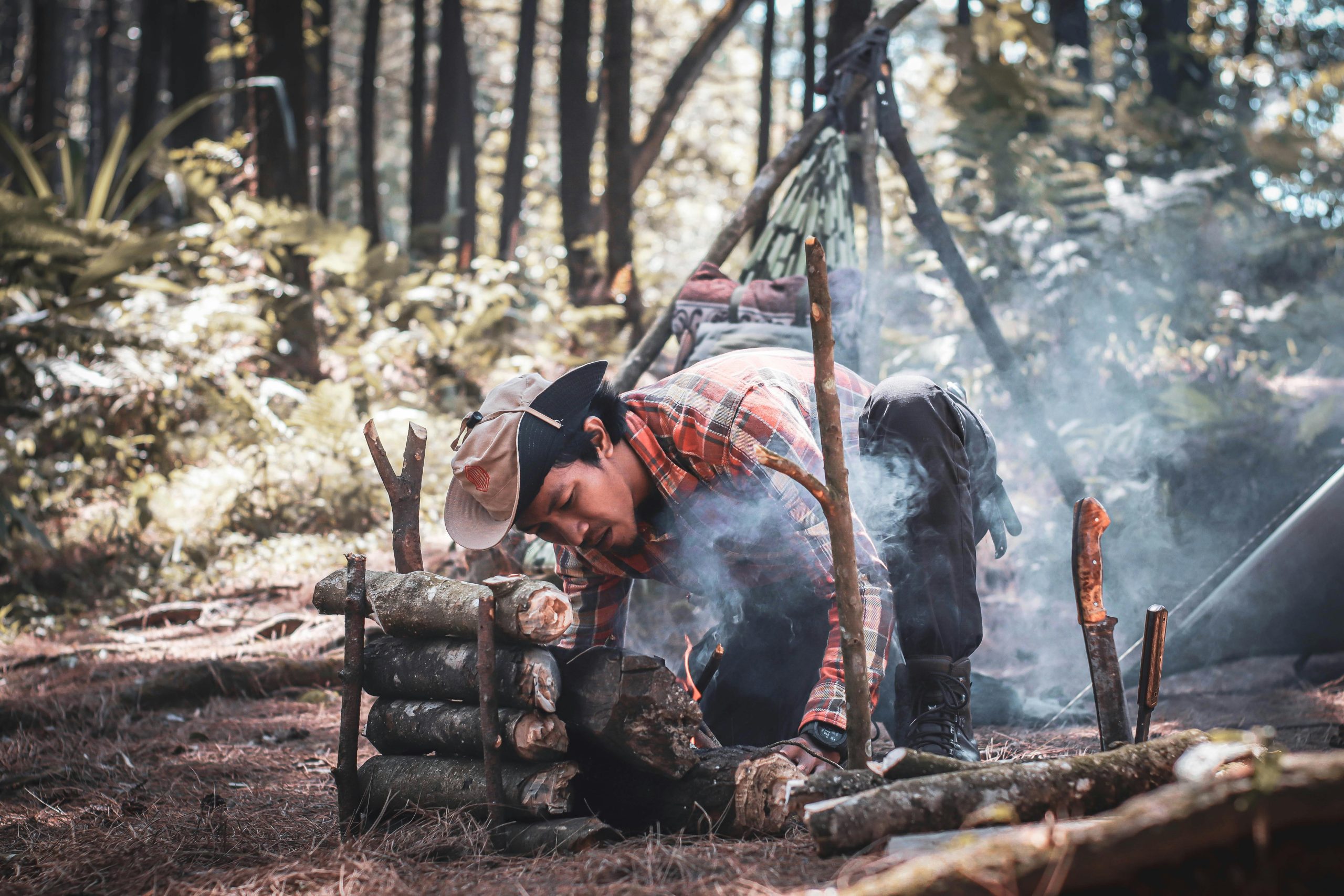
Michigan’s deer woods have always been full of opinions. This year, one new rule has turned those opinions into a full-blown fight.
What Michigan’s one buck rule actually does
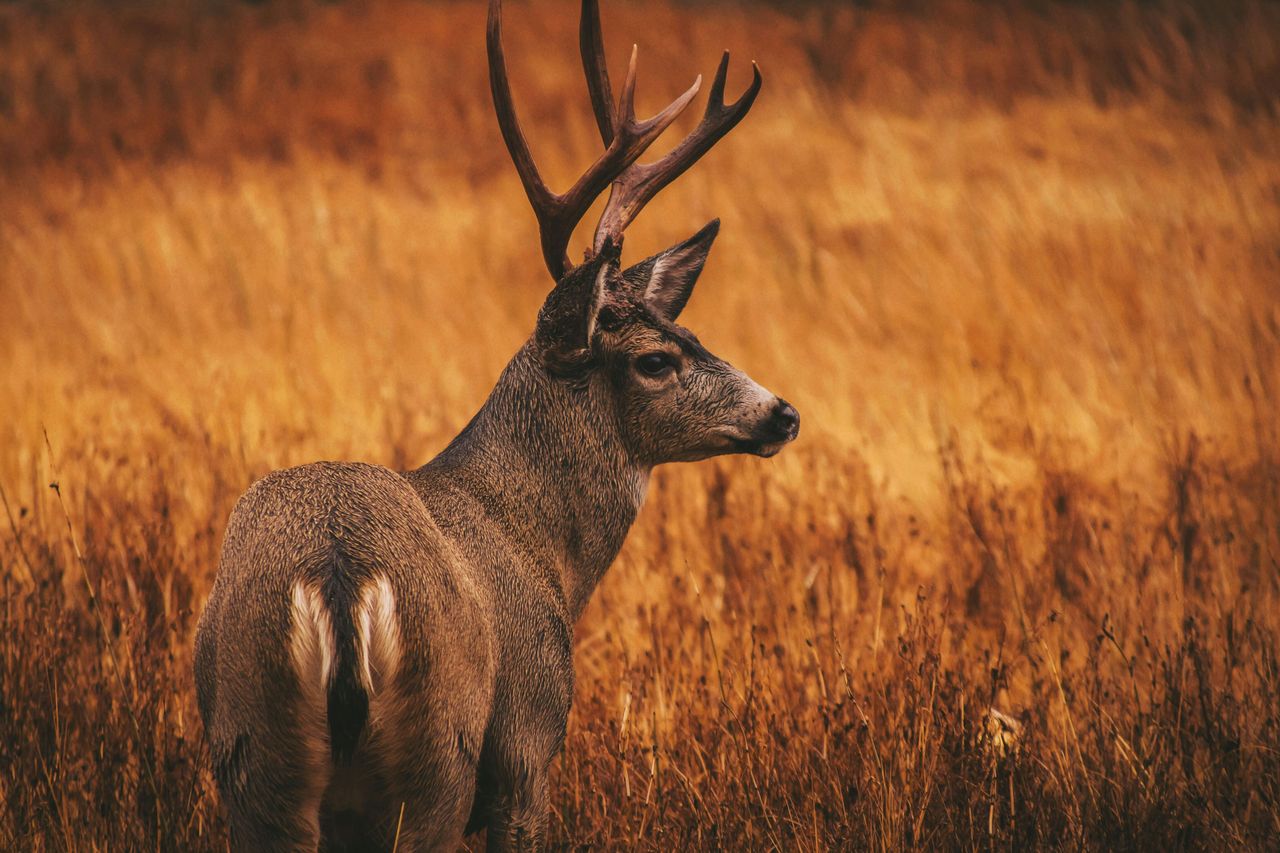
Michigan’s Natural Resources Commission approved the new deer regulation package in May 2026 after a lengthy public debate, and the headline change was simple: starting with the 2027 deer season, hunters in the Lower Peninsula will be limited to one antlered deer per hunter. The Upper Peninsula was left out of that change, which is one reason the issue immediately became regional as well as personal.
The details matter. According to the Michigan Department of Natural Resources, a single deer license in the Lower Peninsula will be valid for one deer with at least three antler points on one side or for one antlerless deer. A combo license will allow one antlered deer and one antlerless deer, or two antlerless deer. Existing deer management unit antler point restrictions stay in place.
The state also paired the change with an “earn a second buck” pilot program in the southern Lower Peninsula, or Zone 3, beginning in 2027. Under that program, a hunter must first harvest an antlerless deer before becoming eligible for a second buck that meets a four-point restriction on one side. The DNR said counties and final program details would be set later.
So while people call this a oone-buckrule, it is really a broader restructuring of incentives. Michigan is trying to make the second tag less about another buck and more about another doe. That is why supporters see it as management, while critics see it as the state quietly rewriting the culture of deer season.
Why wildlife officials say the rule is needed

The state’s argument starts with a long-running imbalance in harvest patterns. Michigan officials have said for years that the state is unusual in the Great Lakes region because hunters routinely harvest more antlered deer than antlerless deer. In the rule amendment itself, the DNR said the goal is to shift harvest away from that persistent bias toward bucks and toward more antlerless harvest.
That matters because deer management is not just about how many deer are on the landscape. It is also about sex ratio, age structure, crop damage, disease concerns, and collisions with people and vehicles. The DNR’s nuisance deer guidance warns that feeding and overconcentration of deer can increase crop damage, landscaping damage, disease transmission, and vehicle collision risk, especially in the Lower Peninsula.
Supporters of the change argue that too many hunters focus on bucks while too few target does, even in places where doe harvest is badly needed. Michigan Public reported that state officials framed the rule as a way to encourage doe harvest, reduce overpopulation pressure, and improve the doe-to-buck ratio.
In other words, the state is not claiming this rule alone will magically solve every deer problem. It is trying to nudge hunter behavior. Officials believe that if hunters know they only get one buck opportunity, some will spend the rest of the season filling the freezer with antlerless deer instead of holding out for another rack.
The science behind it is real, but modest.
One reason this debate is so heated is that the biological promise of the rule is not revolutionary. In the DNR’s own rule document, agency analysts said only about 4% to 7% of antlered deer harvested over the past decade, averaging just under 32,000 bucks statewide, were second bucks taken by the same hunter. That means the rule targets a real slice of harvest, but not the bulk of it.
The same document is even more revealing on impact. The DNR wrote that the immediate effects of a one-buck rule on Michigan’s buck-to-doe ratio and age structure would likely be modest. Over time, though, officials expect more meaningful change if hunters adapt by increasing antlerless harvest and by passing younger bucks.
That nuance gets lost in the public shouting. Supporters hear “older bucks” and “better structure” and imagine a transformed deer herd. Opponents hear “modest” and conclude the state is restricting opportunity without enough payoff. In a way, both sides are responding to something real.
There is evidence that many hunters themselves have wanted some version of this. In a DNR-posted report on hunter retention barriers, multiple respondents specifically asked for a one buck limit, often tying it to better buck age structure and a more balanced herd. But even that survey also showed the flip side: other hunters dislike added restrictions and fear the state is making deer hunting more complicated, not more appealing.
Why do many hunters strongly support the change

For backers, this is about quality, not punishment. They believe Michigan has lagged behind neighboring states in producing older age-class bucks because too many young antlered deer get harvested early. A one-buck limit, in their view, gives more yearling and 2 1/2-year-old bucks a chance to mature, which improves both herd structure and hunting satisfaction over time.
Some also see it as a culture reset. Michigan has long offered broad opportunity, but supporters argue that opportunity has sometimes come at the expense of discipline. If the state wants a healthier age structure and a better balance between bucks and does, they say rules have to reinforce those goals rather than hoping voluntary restraint will do the job.
There is also a fairness argument from supporters that rarely gets enough attention. Because only a minority of hunters take two bucks in a season, many backers view the old system as something that mostly benefits a smaller, more successful, or better-situated group of hunters. Limiting everyone to one buck, they argue, spreads opportunity more evenly across the field.
And to many hunters, the rule is not anti-hunting at all. It is pro-future. They believe fewer second-buck opportunities today could mean better rut activity, older bucks, and more rewarding seasons a few years down the road. For that camp, the rule feels less like a loss and more like delayed gratification.
Why opponents think the state got it wrong

Critics are not all angry because they want to shoot more bucks. Many are upset because they think the state is attacking the wrong problem. If Michigan wants more doe harvest, opponents say, then the answer is better access, simpler antlerless rules, lower costs, stronger local programs, and fewer barriers for the average hunter, not another statewide restriction on antlered deer.
Some hunters also object on principle. They already choose to harvest one buck or none at all, and they resent being told that everyone must follow the same approach. To them, the rule feels like the state replacing hunter judgment with a one-size-fits-all policy that does not reflect the huge differences between farm country, northern forests, suburban edges, and heavily managed private land.
There is a regional fairness complaint, too. The final rule applies to the Lower Peninsula starting in 2027, while the Upper Peninsula keeps its hunter’s choice model. That compromise may have been politically necessary, but it also gives critics an easy talking point: if this is clearly the best biological answer, why not apply it everywhere?
Then there is the participation issue. Michigan has worried for years about hunter retention, recruitment, and aging license buyers. Opponents fear that every new complication chips away at enthusiasm, especially for casual hunters and families. If people feel the rules are too confusing or too restrictive, some simply stop buying tags.
The deeper fight is about what hunting should be
At its core, this argument is not just about one buck. It is about competing visions of hunting. One vision treats deer season mainly asa maximum opportunity within safe and legal bounds. The other treats hunting as a management tool first, where rules should steer behavior toward long-term population goals even if that reduces individual choice.
That is why the debate has become emotional so quickly. For one group, the rule honors conservation by asking hunters to think more selectively and harvest more does. For another, it turns a tradition built on freedom and local knowledge into a top-down experiment. Both sides believe they are defending the future of hunting, which is why neither side sees itself as selfish.
Michigan officials clearly recognize the tension. The DNR’s May 2026 announcement said the commission tried to balance healthy deer populations, hunter opportunity, and public feedback. That balancing act explains why the state adopted the Lower Peninsula rule, preserved Upper Peninsula differences, and added a limited earn-a-second-buck pilot instead of imposing a cleaner statewide model.
In short, the final policy looks like a compromise because it is one. And compromises often make everyone feel half heard. Supporters think the state did not go far enough. Opponents think it went too far in exactly the wrong direction.
What happens next for Michigan hunters
The most important thing to understand is timing. The one buck limit does not start until the 2027 deer seasons in the Lower Peninsula, even though the regulation package was approved on May 13, 2026. State officials said part of the delay was practical, since some hunters had already bought licenses and the DNR needed time to build the final framework.
Between now and then, hunters will be watching the details. The earn-a-second-buck pilot in southern Lower Peninsula counties could become a major test case. If it leads to stronger doe harvest without a sharp drop in participation, supporters will claim proof that the strategy works. If it confuses people or fails to move harvest patterns much, critics will say they warned everyone.
The bigger test, though, will take several seasons. The DNR itself has acknowledged that immediate biological effects are likely to be modest. Real judgment will depend on whether antlerless harvest rises, whether more bucks reach older age classes, and whether hunters stay engaged enough to make the system function.
That is why Michigan’s one buck rule has hunters divided. It is not just a new limit. It is a bet on changing behavior, changing expectations, and maybe changing the identity of deer hunting in the Lower Peninsula. For some, that sounds overdue. For others, it sounds like a risky trade.