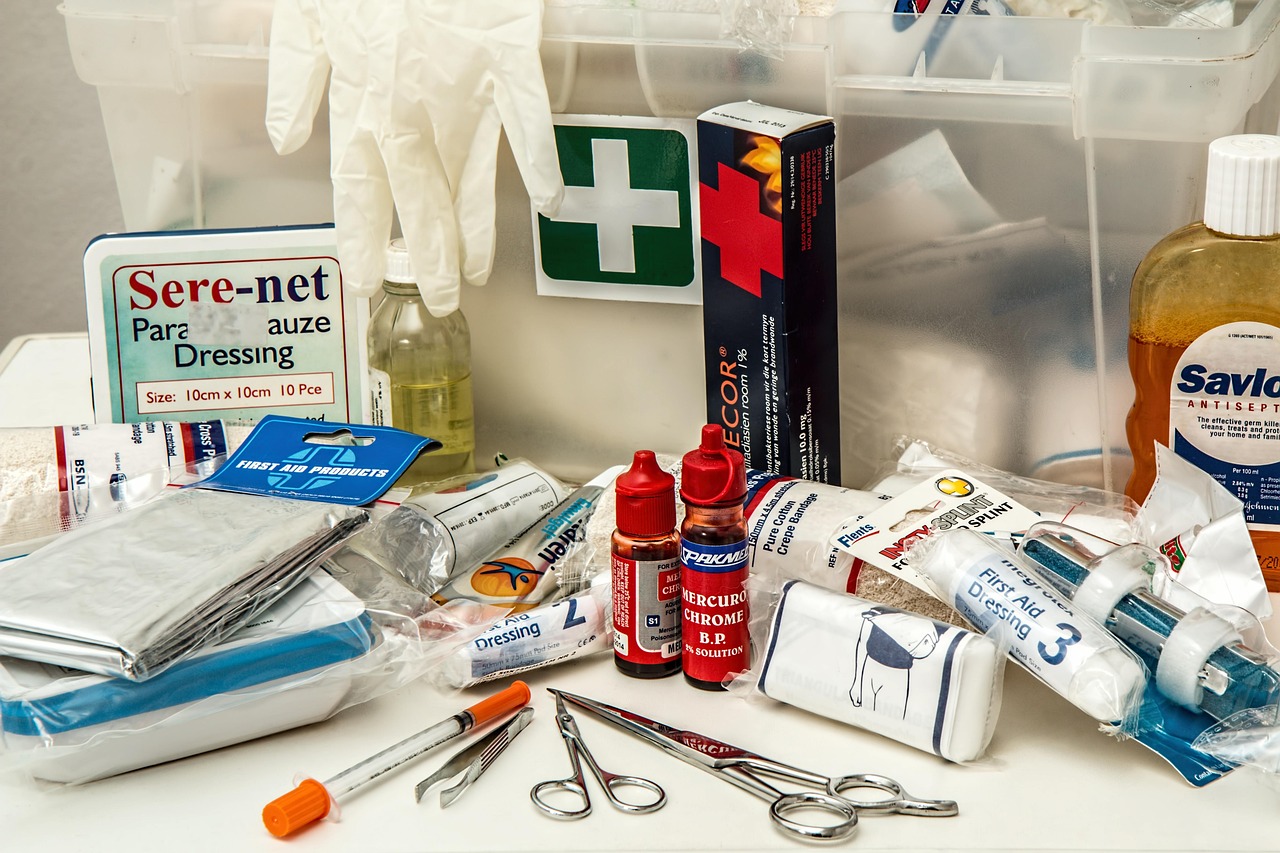
Venturing into the backcountry requires more than courage and planning; it demands readiness for unexpected medical situations. A comprehensive first aid kit becomes your lifeline when professional help is miles away. In remote terrains, even minor injuries can escalate quickly. Knowing what to carry ensures you can handle emergencies efficiently and stabilize any condition until proper care is available.
1. Adhesive Bandages and Sterile Gauze Pads
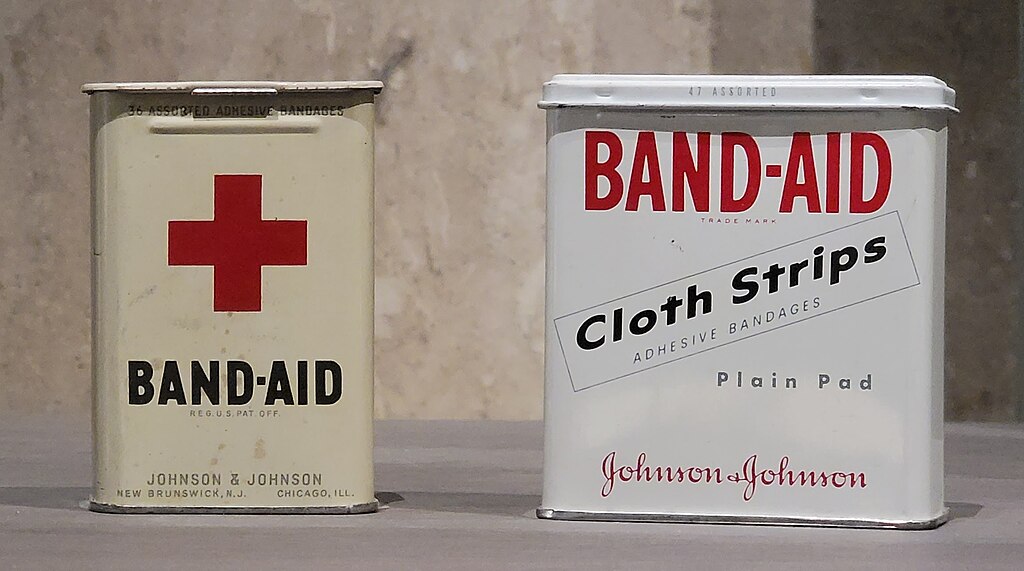
Cuts, blisters, or scrapes can occur easily on rugged terrain. Adhesive bandages seal wounds against dirt and infection, while sterile gauze pads protect larger injuries and absorb fluids. Include various sizes for flexibility and secure them with hypoallergenic tape. Changing dressings regularly keeps wounds clean and promotes faster healing during multi-day backcountry travel.
2. Antiseptic Wipes and Ointment
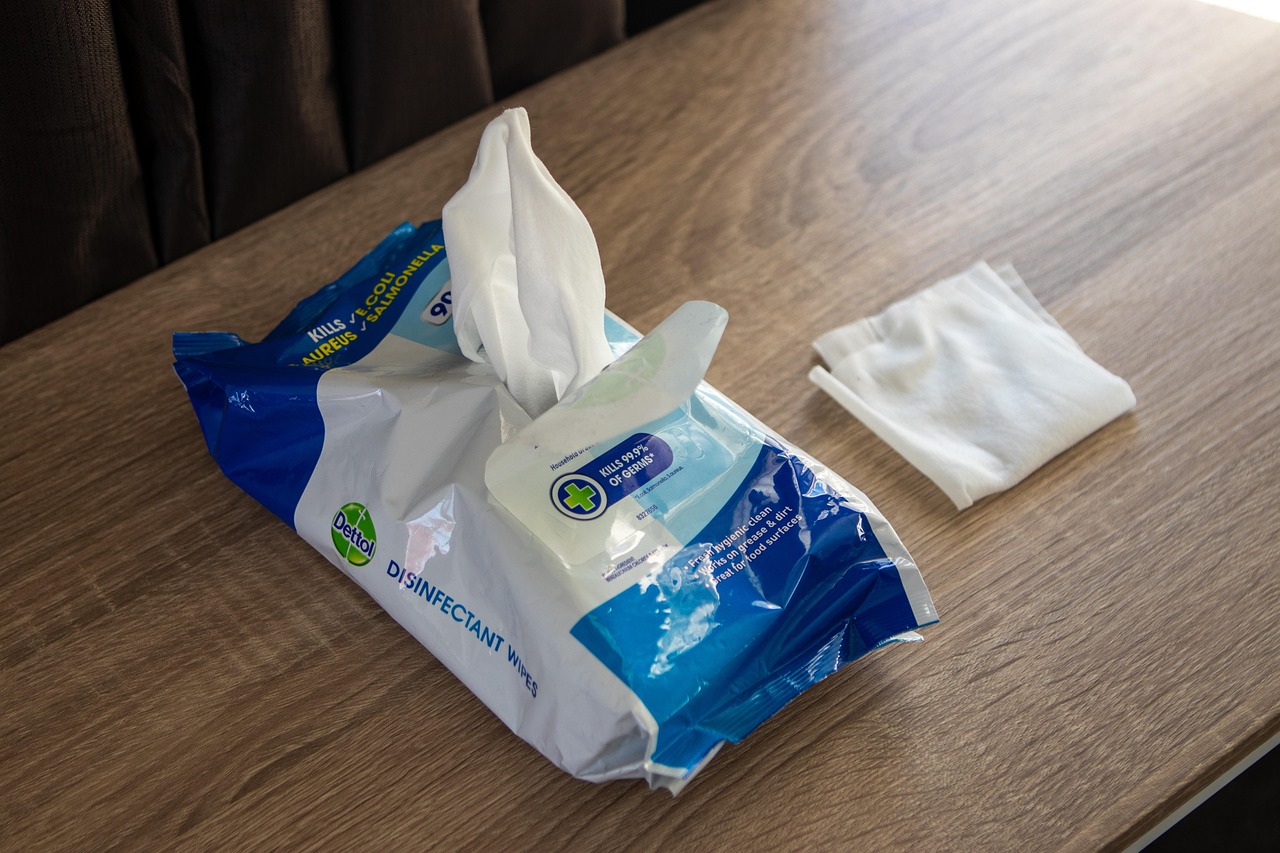
In remote areas, maintaining hygiene is vital to prevent infections. Antiseptic wipes disinfect wounds when clean water is unavailable, while antibiotic ointment creates a protective barrier against bacteria. Always clean the wound thoroughly before applying ointment. A few compact packets weigh little but can significantly reduce the risk of serious infections or inflammation in the wilderness.
3. Elastic Bandage and Medical Tape

Elastic bandages are indispensable for wrapping sprains, supporting joints, or securing dressings. Medical tape holds gauze or splints firmly in place, even during strenuous movement. Choose breathable, waterproof varieties for better durability. These two items can stabilize injuries, minimize swelling, and offer reliable support until professional medical evaluation becomes possible.
4. Tweezers and Small Scissors

Tweezers are essential for removing splinters, thorns, or ticks that may burrow into the skin. A sharp pair of medical scissors is equally important for trimming tape, gauze, or clothing in emergencies. Both tools should be stainless steel and kept sanitized in a sealed pouch. Their precision and reliability make them small yet powerful additions to any field kit.
5. Pain Relievers and Anti-Inflammatory Drugs
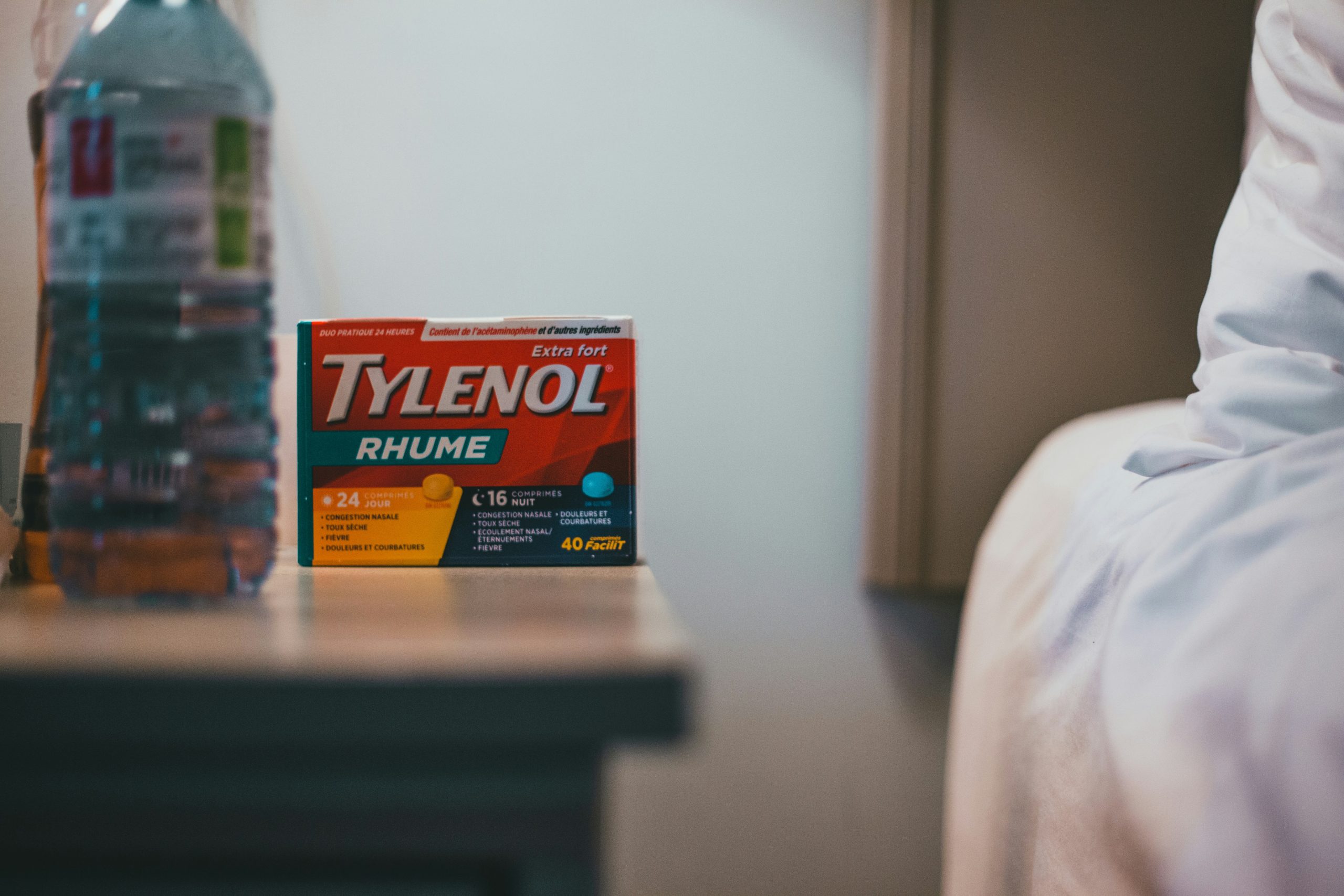
Pain relievers such as acetaminophen or ibuprofen reduce pain, swelling, and fever, allowing you to stay functional in tough conditions. Pack enough for the duration of your trip and store them in waterproof containers. Including antihistamines is also wise they control allergic reactions from insect bites, stings, or unknown plants encountered along remote trails.
6. Antihistamines
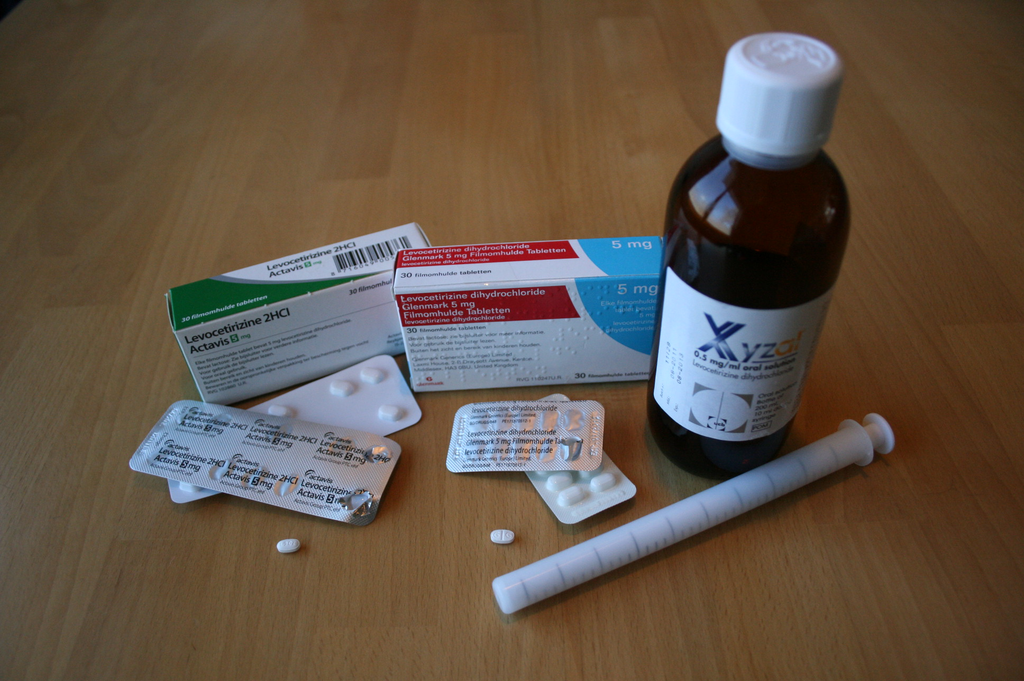
Allergic reactions from insect bites, stings, or unexpected food can escalate quickly. Antihistamines help calm swelling, itching, and breathing issues in mild cases. They’re lightweight and take up almost no space, yet their value is huge when your airway or comfort is at risk. If anyone in your group has known allergies, consider also packing an epinephrine auto-injector for emergencies.
7. Sterile Gloves and Hand Sanitizer

Proper hygiene while administering first aid prevents infection and cross-contamination. Sterile gloves protect both you and the patient during wound care, while hand sanitizer ensures cleanliness when water isn’t available. Always pack multiple glove pairs and use a fresh set for every incident. Maintaining hygiene standards in the field safeguards overall health and safety.
8. CPR Mask and Emergency Blanket
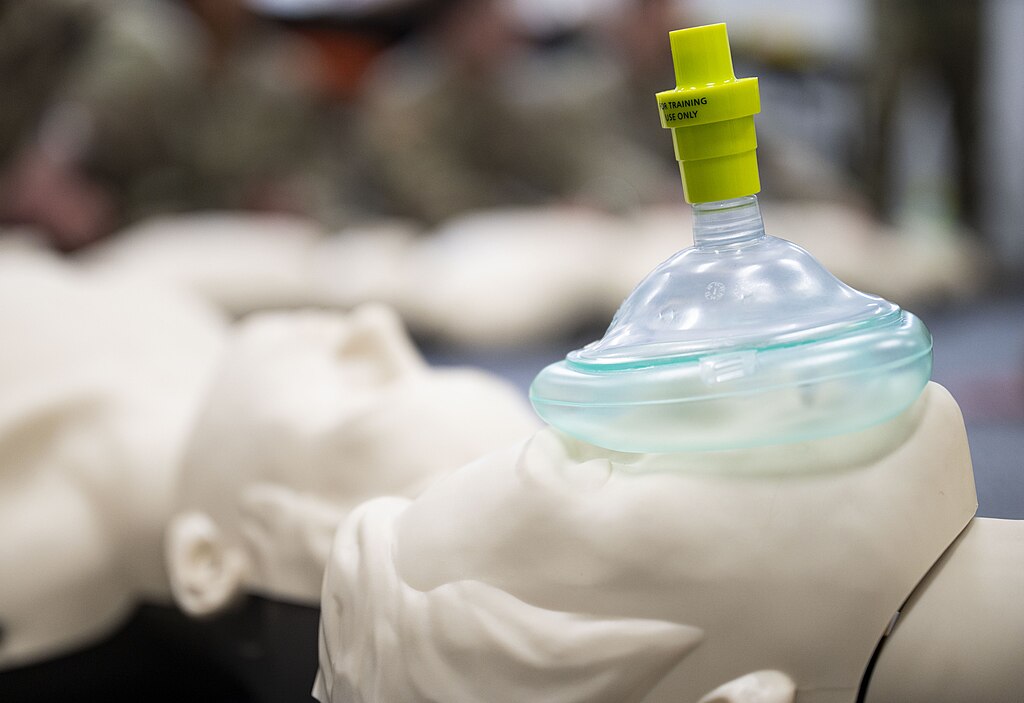
Emergencies in the wild may require CPR or temperature management. A CPR mask provides a safe barrier during resuscitation, preventing disease transmission. An emergency blanket helps retain body heat and counteract hypothermia during shock or exposure. Compact and lightweight, these two essentials offer critical support when facing severe medical situations far from civilization.
9. Medical Splint and Triangular Bandage

Fractures and sprains demand quick stabilization to prevent further damage. A foldable medical splint can immobilize injured limbs, while a triangular bandage doubles as a sling, head wrap, or pressure dressing. Learning basic splinting techniques is invaluable in backcountry environments. Both items provide structural support and help ensure safe evacuation from rugged terrain.
10. Personal Medications and Medical Information Card

Never overlook personal prescriptions such as inhalers, insulin, or allergy medications. Store them in labeled, waterproof containers and monitor expiration dates before travel. Carry a laminated medical information card listing allergies, conditions, and emergency contacts. This ensures quick, accurate assistance from rescuers or companions in case you become unresponsive during an emergency.