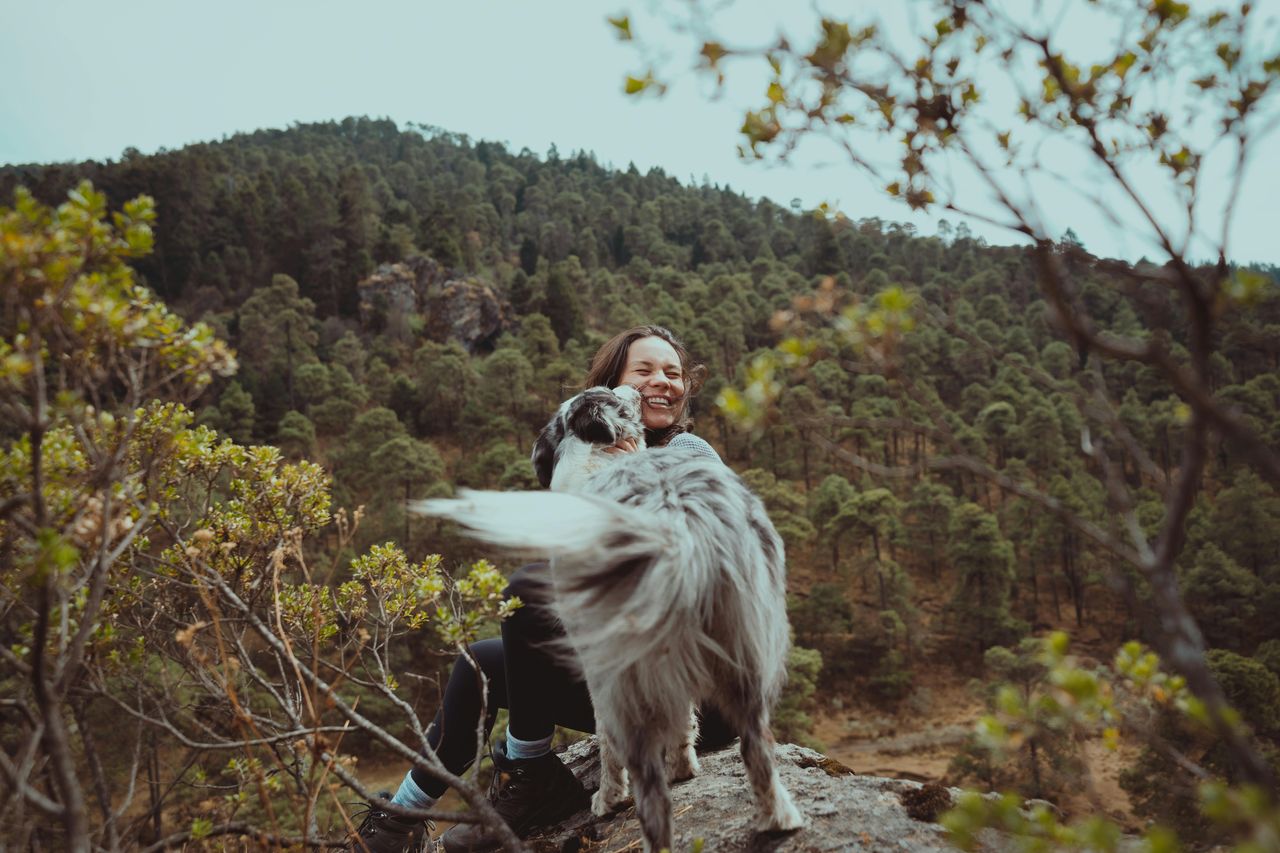
A lot of people imagine a dog trotting beside them through the backcountry like a movie sidekick. In real life, the dogs most likely to stay with you are chosen carefully, managed honestly, and trained relentlessly.
Start With the Right Question, Not the Coolest Breed
If your real goal is “a dog that won’t disappear after a squirrel, scent trail, or deer,” you are not really shopping for toughness. You are shopping for attachment to a handler, impulse control, and a natural tendency to check back in. That immediately changes the kind of dog you should be considering.
Breed does matter, even if it is not destiny. The American Kennel Club has pointed to research showing that trainability tends to be higher in herding, pointer-spaniel, and retriever lineages, while stronger prey drive is more common in some hunting and terrier lines. A 2022 Scientific Reports study also noted meaningful breed differences in inhibitory control, a trait that matters when a dog has to resist bolting after movement.
That does not mean a husky, hound, or terrier cannot love you. It means many of those dogs were historically selected to range out, follow scent, chase, or work independently from the handler. In the wild, those instincts are not character flaws. They are exactly what you asked genetics to preserve.
So the first honest question is simple: do you want a dog that explores boldly, or a dog that orients to you by default? If “stay with me” is the priority, that narrows the field fast.
Prioritize Temperament Traits That Keep a Dog Close
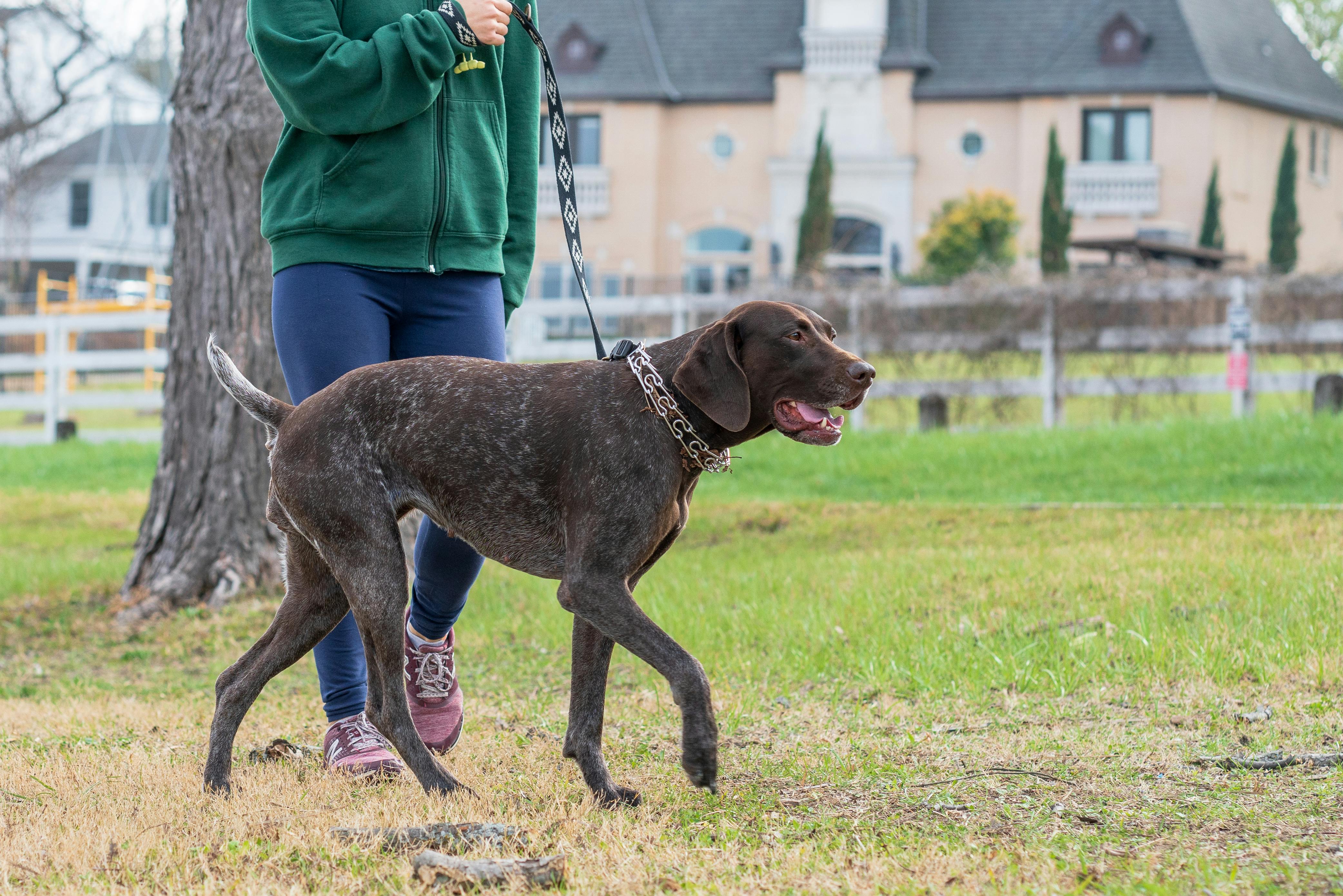
Gabe’s dot photos. The single best predictor of whether a dog stays near you is not size, coat, or “wolfy” looks. It is the dog’s working relationship with people. You want a dog that notices where you are, cares where you are, and finds that more rewarding than every smell in the environment.
Look for what trainers often call biddability. That means the dog responds readily to guidance, recovers quickly from distraction, and checks in without being begged. Dogs bred for close cooperation with handlers, especially many retrievers and herding breeds, often shine here because their historical jobs rewarded staying mentally connected to a person.
You also want lower prey intensity and lower roaming tendency. Recent research on chasing behavior suggests breed is only part of the story, with personality traits like impulsivity also playing a major role. In practical terms, a calm dog with moderate curiosity is usually a safer wilderness partner than a hyper-alert dog constantly scanning for motion.
Confidence matters too. A dog that startles easily may bolt. A dog that is socially stable and environmentally steady is much more likely to pause, orient, and wait for your cue when something unexpected happens.
Breeds and Types That Usually Make Better Wilderness Followers
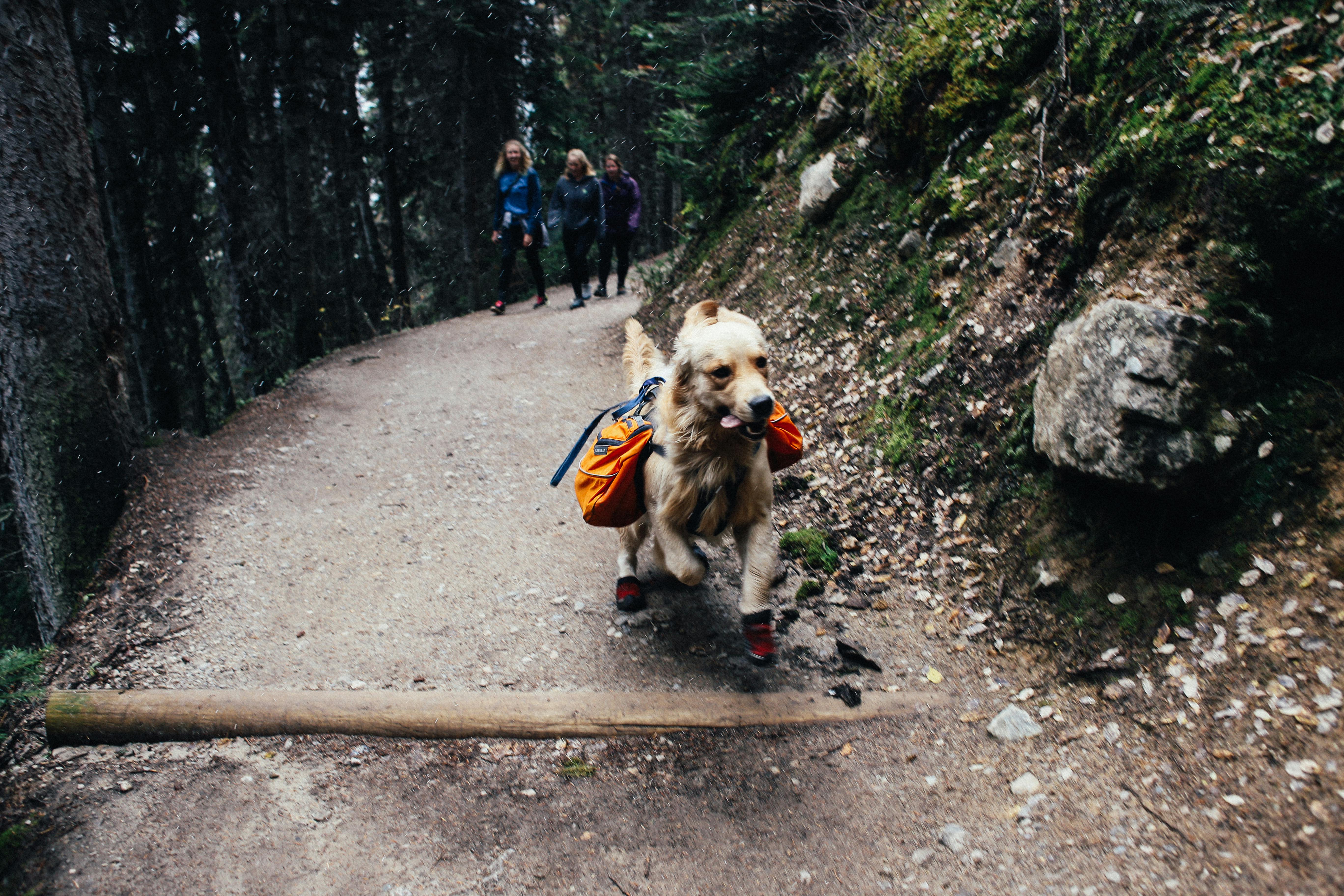
If your standard is “sticks with me naturally,” sporting retrievers are often near the top of the list. Well-bred Labrador Retrievers and Golden Retrievers are commonly chosen for trainability, social bonding, and willingness to work in partnership. They are not perfect, but they often give owners a strong foundation for recall and handler focus.
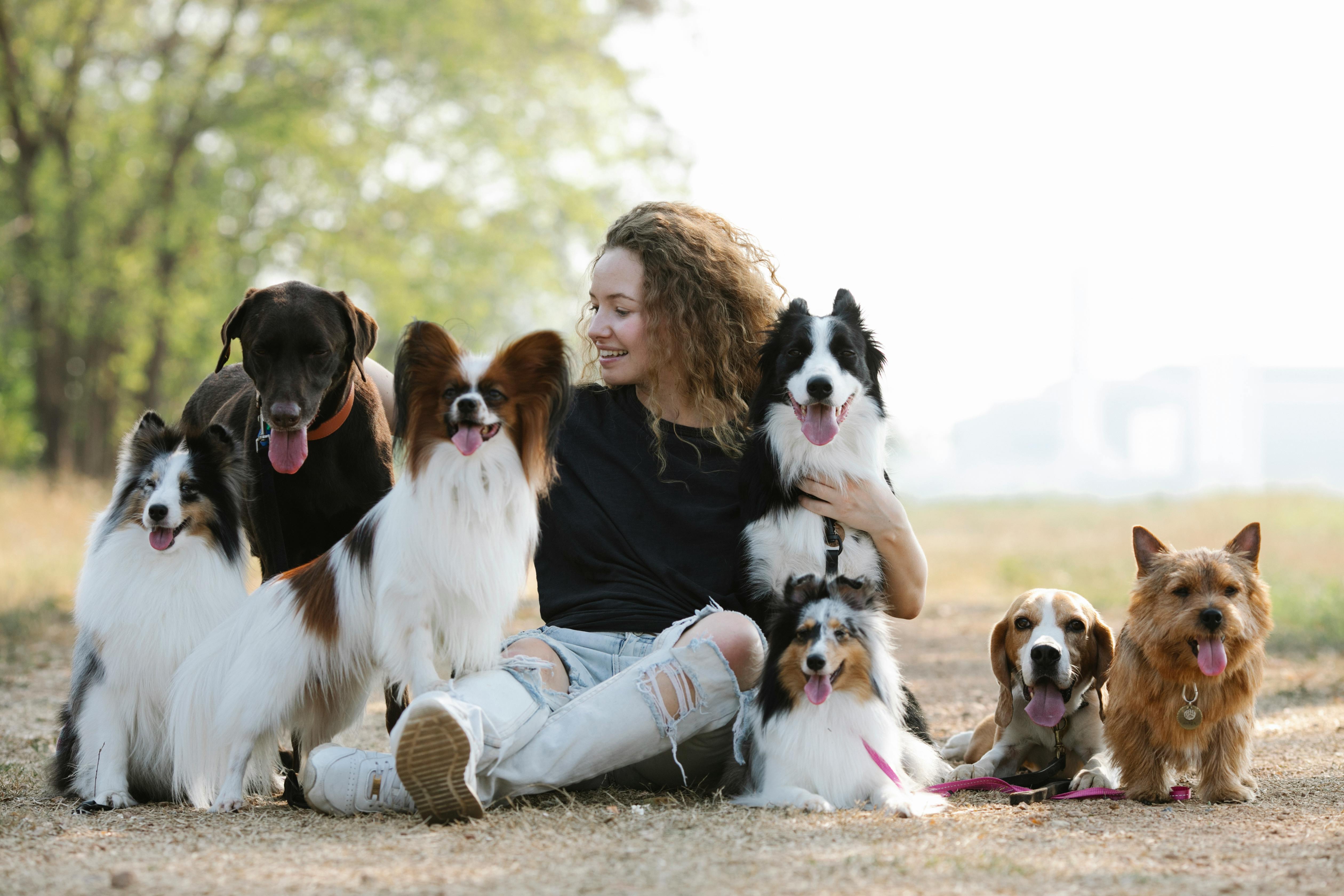
Many herding breeds can also be excellent, especially individuals from lines selected for responsiveness over frantic intensity. A rough or smooth Collie, some Australian Shepherds, and some Border Collies can become deeply handler-oriented. The caution is that very high-drive herding dogs may stay mentally with you, yet still be a lot of dog for a casual owner.
Standard Poodles are underrated in this conversation. They are intelligent, athletic, trainable, and often strongly bonded to their people. Some spaniels can also be very attentive companions, though field-bred lines may have more range and bird interest than you want.
Dogs that more often challenge the “stay with me in the wild” dream include many scent hounds, northern breeds such as Siberian Huskies and Malamutes, and many terriers. These groups can be wonderful dogs, but independent hunting, tracking, and roaming tendencies are exactly what make them risky choices if close-range wilderness reliability is your top criterion.
Meet the Individual Dog, Because the Breed Label Is Not Enough
After breed selection, individual evaluation becomes everything. Two dogs of the same breed can feel completely different outdoors. One checks in every 20 seconds. The other is mentally gone the moment a rabbit moves. If you skip this step, you are gambling.
When you meet a breeder’s litter or a foster dog, watch what happens after novelty wears off. Does the dog repeatedly reorient to the person nearby, or does it drift outward and stay outward? A useful sign is voluntary check-in: the puppy or adult explores briefly, then returns on its own without panic or bribery.
Test recovery from distraction. Drop a harmless new object, move through uneven terrain, or introduce mild environmental novelty. A good candidate notices it, processes it, and reconnects. A poor candidate spirals into fear, fixation, or frantic overarousal.
Also, ask hard questions about the parents. Did they have reliable recall? Were they known wanderers? Responsible breeders and good rescues can often tell you whether the dog tends to shadow people, range out, chase wildlife, or struggle with arousal. Those answers are more useful than any romantic breed stereotype.
Why Training and Management Matter More Than Fantasy
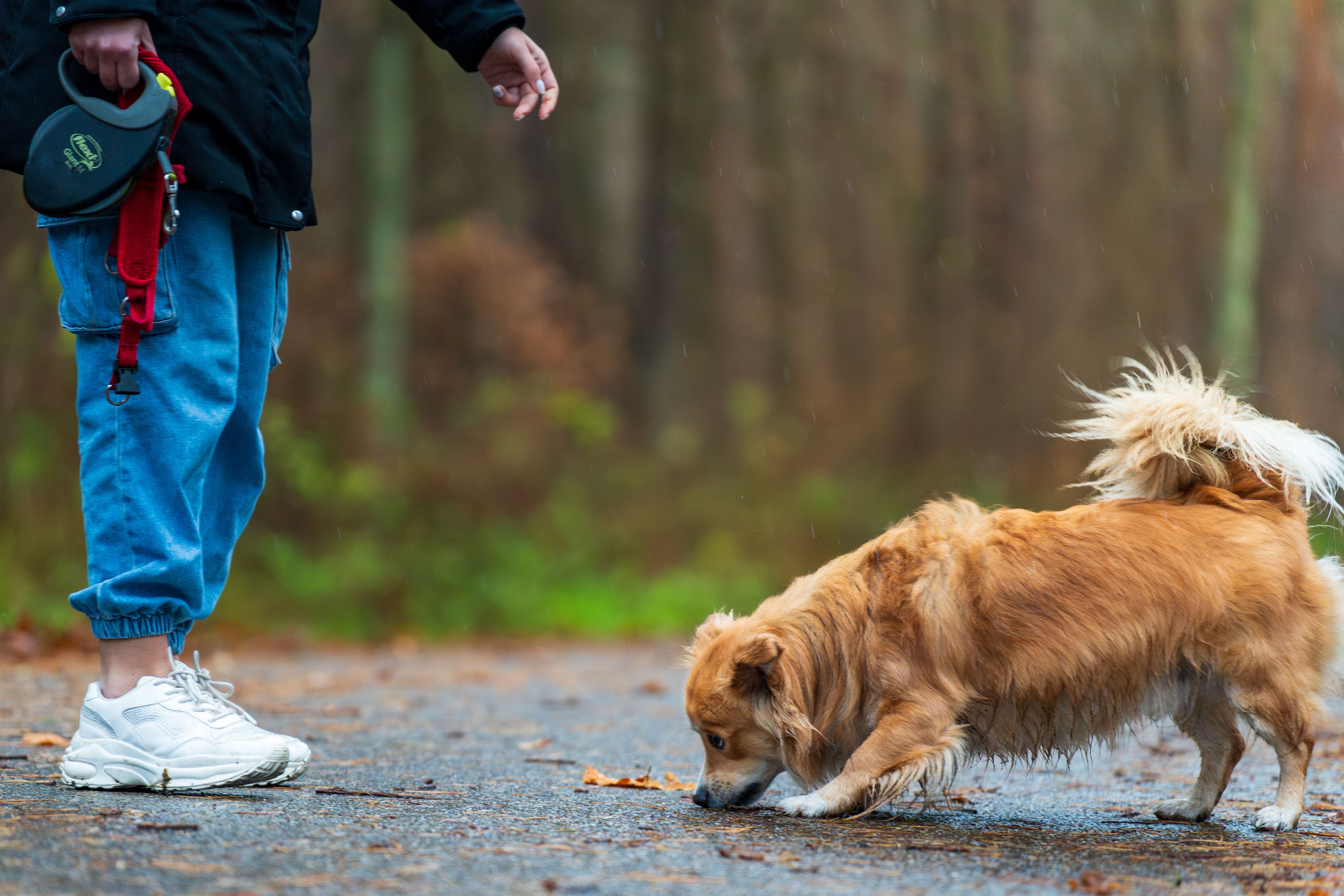
Even the right dog should not be treated like a telepathic wilderness partner. Reliability is built, not assumed. A dog may be affectionate at home and still vanish after game scent outdoors if recall has never been proven against real distractions.
Start with a long line, not blind trust. Teach recall as a reflex that pays extremely well every single time. Build automatic check-ins, emergency stops, and a strong reinforcement history around choosing you over motion, smell, and distance. The wild is where weak training gets exposed immediately.
Management is part of responsible ownership, not a sign of failure. The AVMA has emphasized preventing pets from roaming, and its rabies client guidance advises supervising or leashing dogs outside; spaying or neutering may also reduce the urge to roam. For hiking and travel, AVMA materials also recommend bringing a leash and planning water and safety supplies for the dog.
In other words, the best dog for staying close is still a dog. You do not graduate from leashes and long lines because your dog seems loyal. You graduate only when behavior has been tested in conditions that resemble the real world.
Understand the Wild Changes the Rules Fast
A dog that stays close in a suburban park may behave very differently around elk, porcupines, snakes, cliffs, rivers, or unfamiliar dogs on the trail. Wildlife, scent richness, and sudden terrain changes amplify instinct. That is why owners consistently overestimate off-leash reliability.
There is also a safety issue that gets ignored when people romanticize freedom. The CDC notes that any animal can bite or scratch when threatened, and loose or frightened dogs are more likely to be injured and more likely to bite. In practical terms, a dog that ranges away from you is not just at risk of getting lost; it is at risk of conflict with wildlife, other dogs, livestock, and strangers.
Rabies exposure is another serious concern. CDC guidance says bites and scratches from animals require immediate cleaning and medical attention, and unfamiliar aggressive animals should be avoided rather than confronted. If your dog disappears into the brush and returns injured, your wilderness adventure can become a veterinary and public health emergency very quickly.
So when you ask which dog will “actually stay with you,” the answer includes one uncomfortable truth: the safest dog is often the one you are still willing to restrain.
The Best Real-World Choice Is Usually Boring in the Best Way
The ideal wilderness companion is rarely the most dramatic breed. It is usually a dog that is stable, people-oriented, trainable, and a little bored with the environment. That sounds unglamorous until you realize “boring” means the dog notices a deer and still decides you matter more.
For most people, that points toward a well-bred retriever, a moderate herding dog, a standard poodle, or a mixed-breed dog with proven handler focus and low roaming habits. Adults from rescues can be especially smart choices because their recall tendencies, prey drive, and check-in patterns are already visible. With puppies, you are making an informed prediction. With adults, you often see the truth.
The wrong choice is a dog selected for image alone: wolf look, survival mystique, extreme independence, or social media cool. In the wild, those traits often translate into range, chase, and selective hearing.
If you want a dog that stays with you, choose for closeness, not fantasy. The best backcountry partner is the one bred and trained to treat you as home base, even when the whole landscape is asking it to leave.
Custom footer at the end of the article.