Most trespassing conflicts do not begin with dramatic intent. They usually start with a small, preventable mistake that leaves people confused about where they can and cannot go. This gallery breaks down the most common reasons these situations escalate, and why clarity matters more than most property owners realize.
Boundaries are never clearly marked

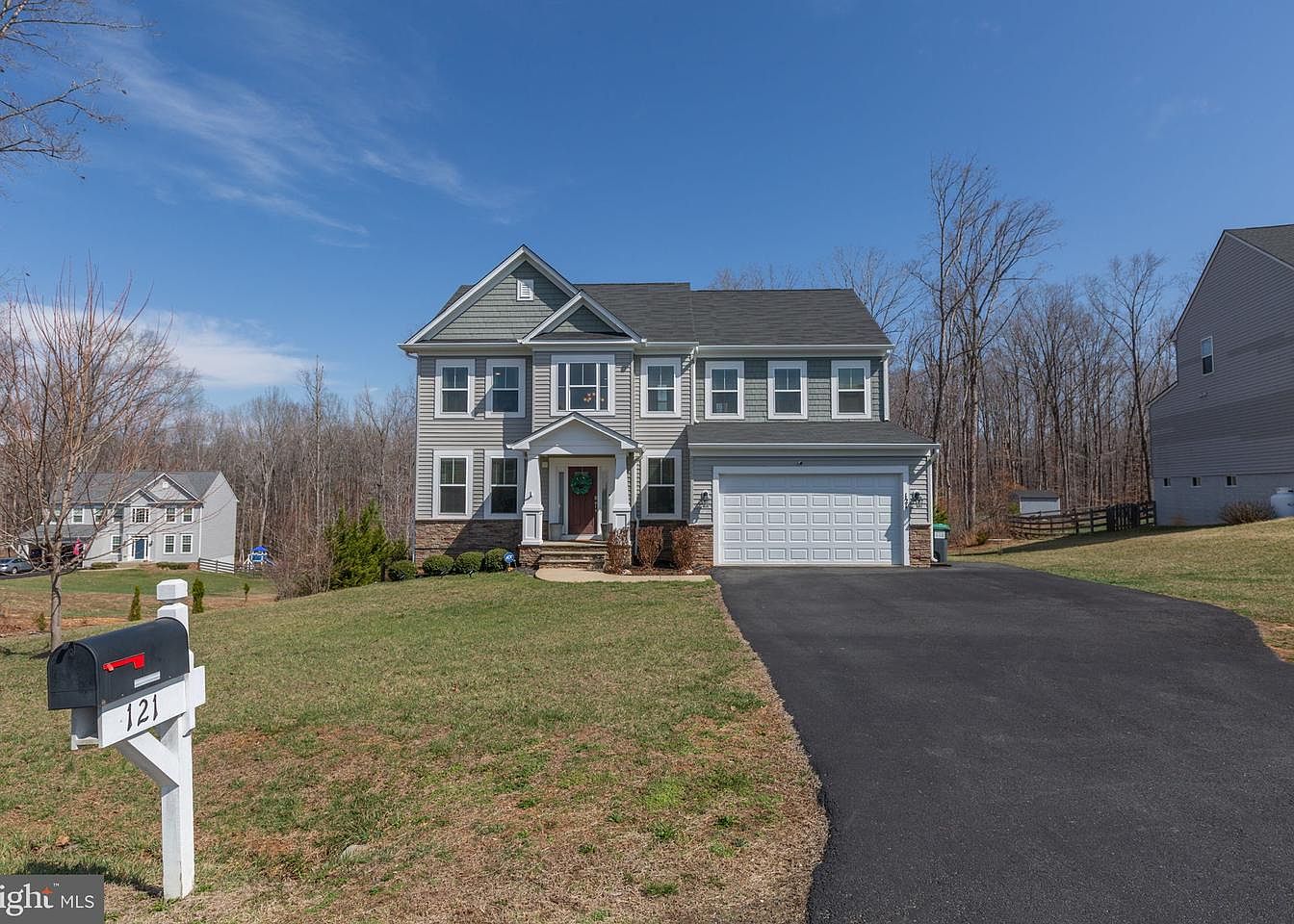
A surprising number of trespassing problems begin when property lines are obvious to the owner but invisible to everyone else. What feels clear on a survey map can look completely different on the ground, especially in wooded lots, shared driveways, or open land with no fence.
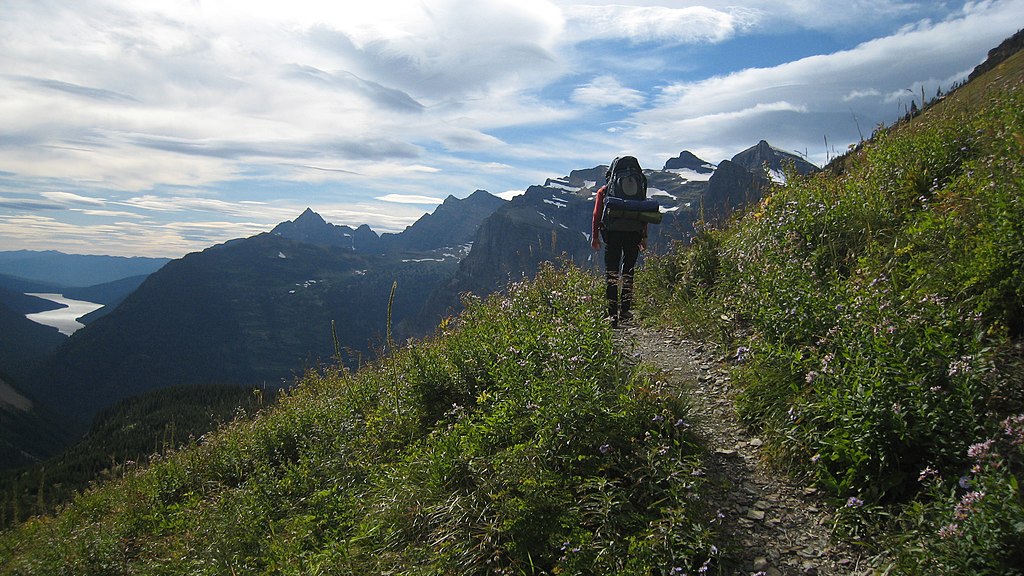
When there is no marker, gate, hedge, or sign to help people read the space, they make assumptions. Neighbors, delivery drivers, hikers, and even guests often follow the path that looks most natural.
That is where a simple misunderstanding becomes a conflict. If people cannot easily tell where private property starts, the first mistake is usually not malice. It is uncertainty left unaddressed.
Signs are missing, hidden, or too vague

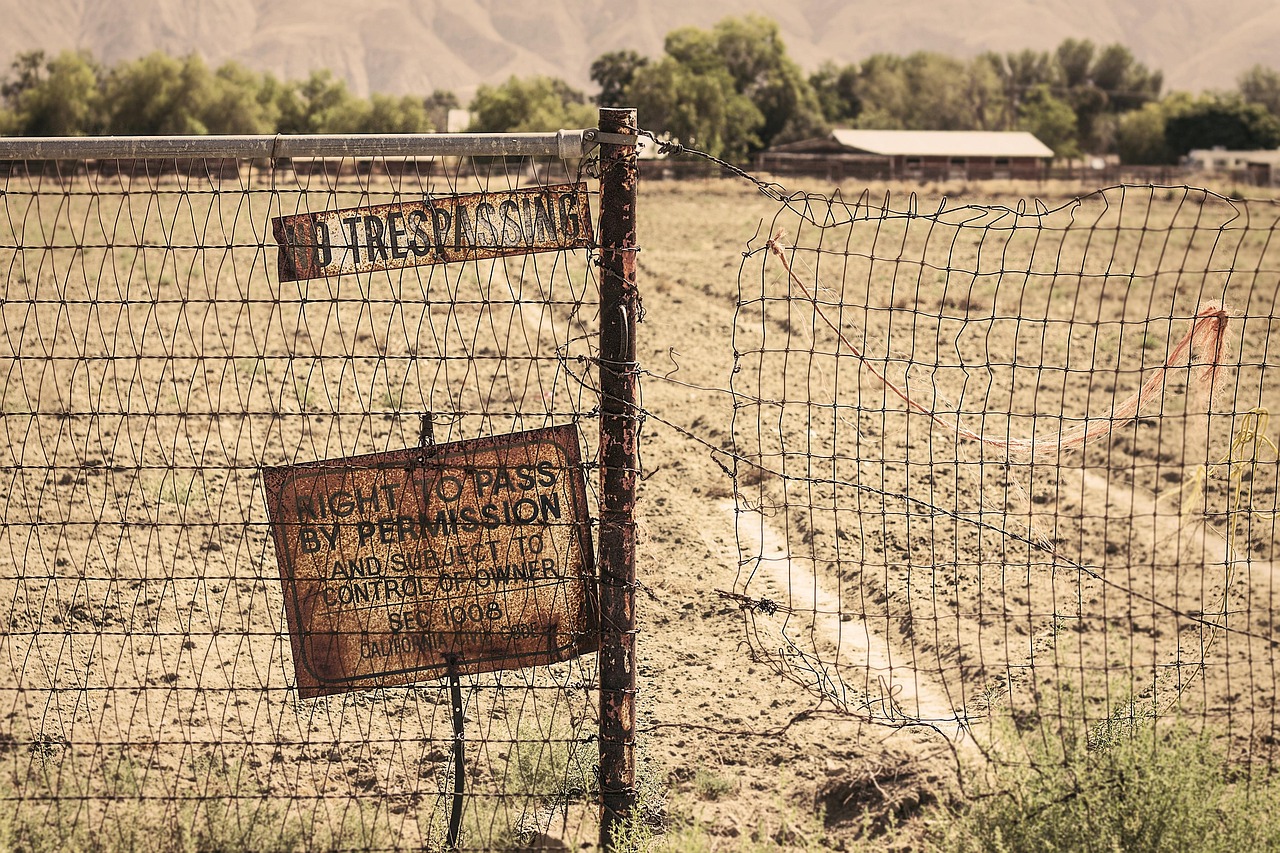
Many owners believe a single weathered sign covers the issue, but signs only work if people can actually see and understand them. A notice tucked behind bushes or posted far from the real entry point does very little to stop someone from wandering in.
Vague wording can also create trouble. If a sign is faded, handwritten, or placed where visitors have already crossed onto the property, it acts more like an afterthought than a warning.
Clear communication prevents needless friction. A visible, readable sign placed at likely access points does more than announce ownership. It removes the excuse of confusion before it has a chance to grow.
The property looks open to the public

Appearance matters more than many people realize. If a yard blends into a park, a driveway resembles a road, or a path looks maintained for foot traffic, visitors may read the space as shared even when it is not.
People tend to follow visual cues. An open gate, a worn trail, or a wide entrance without any signal of restriction quietly invites movement. Most of the time, they are reacting to the design of the space, not trying to challenge ownership.
That is why presentation can be the first mistake. When private land looks publicly accessible, owners end up fighting assumptions that were created by the property itself.
Neighbors rely on old habits

Some trespassing issues are less about strangers and more about familiarity. A neighbor who has crossed a corner of the yard for years may see the route as normal, even if ownership changed or patience ran out.
Custom can feel like permission, especially in communities where people have informally shared access for a long time. What one person sees as kindness, another may later view as a boundary violation.
The mistake is letting old patterns continue without a conversation. Once habits are established, changing them becomes emotionally charged. People do not just hear a new rule. They hear that a routine they trusted is suddenly unwelcome.
Owners send mixed messages

Nothing creates confusion faster than inconsistent enforcement. If some visitors are waved through, some workers are told to use a side entrance, and others are scolded for entering the same area, the rules stop feeling real.
People learn from what they see. An unlocked gate, a friendly verbal okay, or repeated tolerance can signal access even when the owner believes the boundary still stands.
That mixed message often sits at the center of a dispute. By the time someone is accused of trespassing, they may honestly think they are doing what others have done before. Inconsistency turns private expectations into public guesswork.
Access points are left wide open

A gate that never closes, a broken fence section, or a driveway with no clear stop point can invite casual entry without a word being spoken. Open access has a powerful psychological effect. It suggests movement is expected, or at least tolerated.
This is especially true in places where people are making quick decisions, like drivers turning around, walkers cutting through, or customers confusing a private lot for overflow parking. They follow convenience first.
The common mistake is assuming ownership alone will discourage entry. In practice, physical cues matter. If the path in is easy, visible, and uninterrupted, many people will take it before they ever stop to question it.
People mistake convenience for permission

Trespassing often starts with a shortcut. Someone is trying to save a few minutes, avoid traffic, reach a trail, or cut between buildings, and private property becomes the easiest route. Convenience has a way of making boundaries feel less important.
Most people do not frame the choice as a serious violation. They tell themselves it is harmless, temporary, or something everyone does. That small internal justification is often the moment the problem begins.
The mistake is underestimating how often people prioritize ease over rules they cannot immediately see. If a property solves a problem for passersby, some will treat access like a practical option instead of a legal line.
No one addresses the issue early

A minor boundary problem rarely stays minor when it is ignored. What starts as one person crossing a lot or parking in the wrong place can quickly become a pattern others copy, especially when no correction comes right away.
Delay sends its own message. It can suggest consent, uncertainty, or a lack of concern, and once that impression settles in, reversing it becomes much harder. People grow attached to access they believe has been accepted.
This is the same mistake in its final form: unclear communication. Early, calm action often prevents bigger disputes later. When boundaries are explained promptly and consistently, far fewer trespassing situations ever get the chance to harden into conflict.