Listing land can look simple from the outside, but many owners discover the real work starts before the first post goes live. A few early decisions can shape price, buyer interest, and how smoothly the sale unfolds. These are the prep steps landowners most often wish they had handled first.
They clarified exactly what they were selling

One of the biggest regrets comes from assuming buyers will understand the property as easily as the owner does. Before posting, smart sellers define the parcel clearly, confirm boundaries, and gather the legal description so there is no confusion from the first inquiry.
That clarity also helps avoid awkward conversations later. If access, easements, shared drives, or excluded acreage are part of the picture, it is far better to explain that up front than to correct expectations after a buyer is already emotionally invested.
A clean, confident listing starts with knowing exactly what is on the table and how to describe it plainly.
They researched zoning and use restrictions

Many landowners post a property with broad claims about what can be built there, only to realize later that zoning tells a different story. Buyers ask detailed questions, and vague answers can quickly cool interest or make a listing feel unreliable.
Checking county zoning, deed restrictions, floodplain details, and utility limitations before listing gives sellers a stronger position. Instead of saying a parcel has potential in a general way, they can speak with precision about what the land can realistically support.
That kind of homework builds trust. It also helps attract the right buyers rather than a wave of inquiries from people whose plans were never going to fit the property.
They gathered the documents buyers always ask for

Nothing slows momentum like scrambling for paperwork after interest starts coming in. Experienced sellers often wish they had assembled surveys, tax records, utility information, access details, and any soil or perc test results before posting the property publicly.
Buyers tend to move faster when basic questions are answered early. A listing backed by organized documents feels more credible and saves everyone from long pauses while information is tracked down through old files or county offices.
It also signals that the seller is serious and prepared. In land sales, that can make a meaningful difference because buyers are often comparing several parcels at once and looking for the one with the fewest unknowns.
They priced the property with local land comps

A common mistake is pricing land like a home, with more emotion than evidence. Owners know what the property means to them, but buyers are usually comparing acreage, access, terrain, utilities, and recent local sales with a much cooler eye.
Before posting, the best move is to study comparable land sales and active listings in the immediate area. Even a beautiful parcel can sit for months if the price ignores road frontage, topography, development limits, or market demand.
Overpricing often leads to stale listings and repeated reductions, which can weaken buyer confidence. A realistic price from the start gives the property a stronger debut and usually creates better conversations with serious prospects.
They invested in better photos and a stronger listing

Land is harder to market than a house because there is no kitchen or living room to do the selling. That is why many owners later admit they should have waited until they had strong photos, a useful map, and a listing description that actually painted a picture.
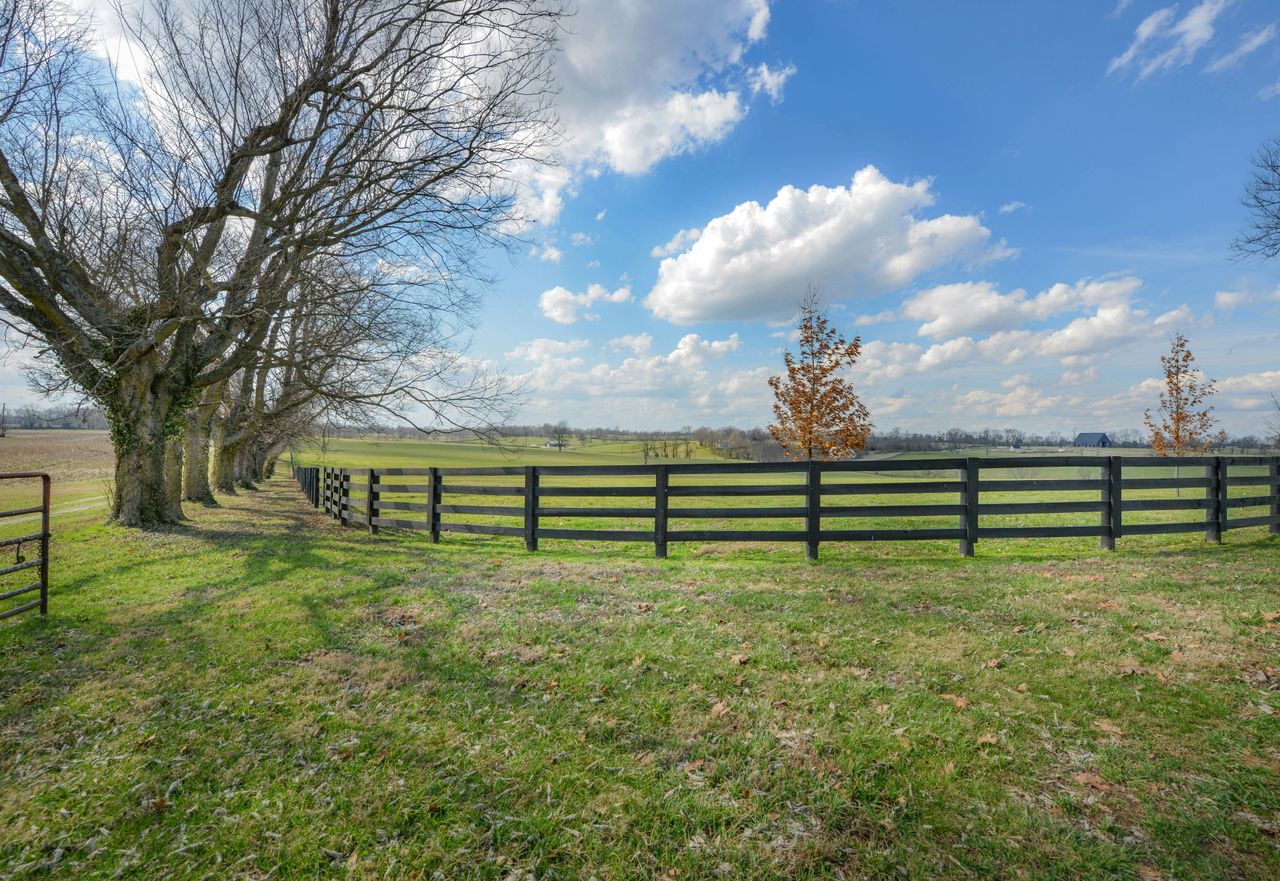
A few phone snapshots and a vague sentence about great potential rarely do the job. Buyers want to see road access, terrain, tree cover, views, water features, and how the parcel sits in relation to nearby landmarks.
Good visuals and clear writing create confidence before the first call. They help buyers imagine the land in real life, which is often the difference between a quick scroll past and a serious inquiry.