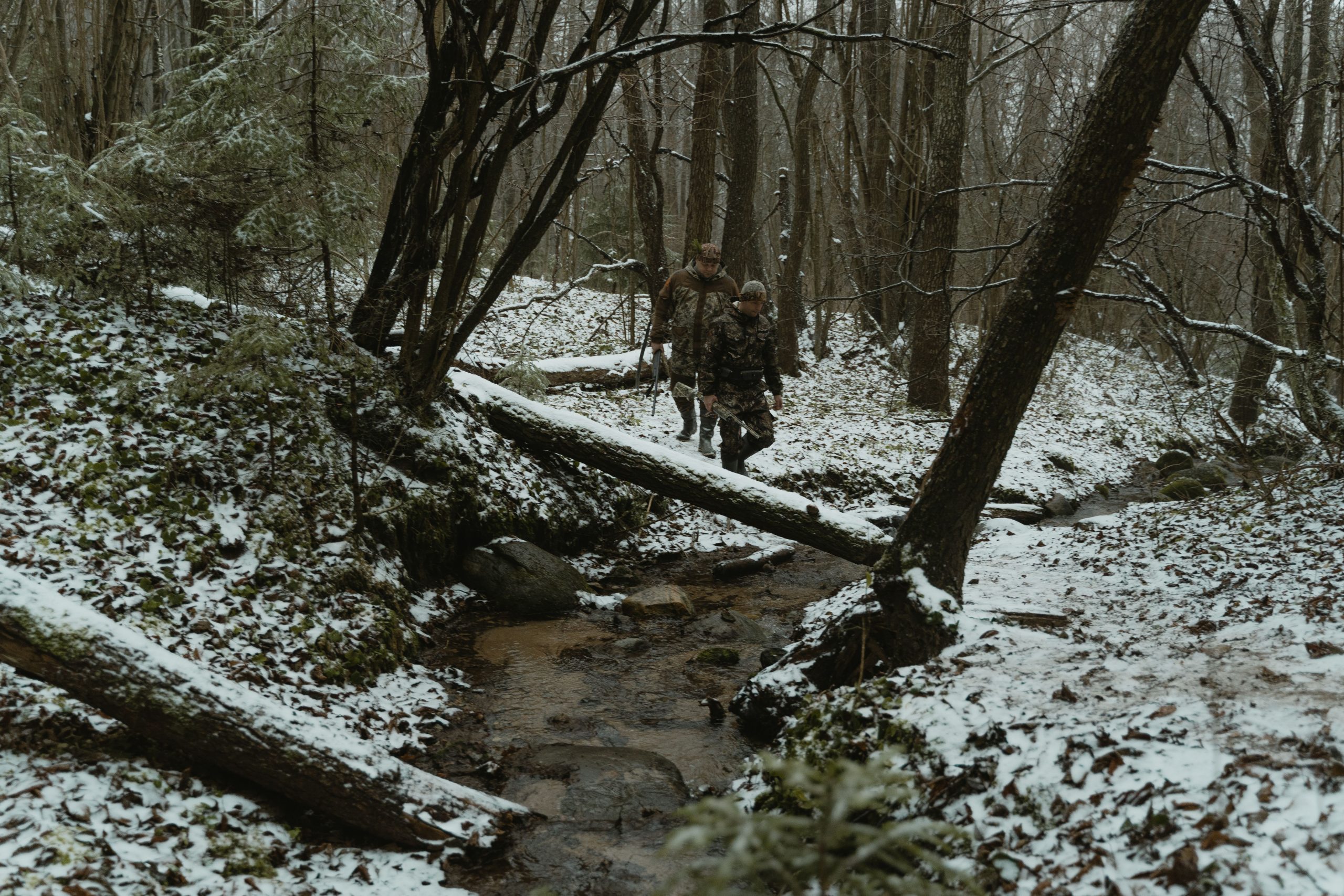
Weather can transform a familiar hunting area in just a few hours. Rain softens the ground, wind scatters leaves, fresh snow covers older tracks, and rising temperatures change how animals move throughout the day. Even experienced hunters can struggle when conditions alter the appearance of tracks or erase useful clues. Deer, elk, wild turkeys, and other game animals each leave different signs, but those signs become harder to interpret when the weather changes suddenly. Understanding how precipitation, temperature, and wind affect tracks helps explain why yesterday’s clear trail may be difficult to recognize today.
1. White-Tailed Deer
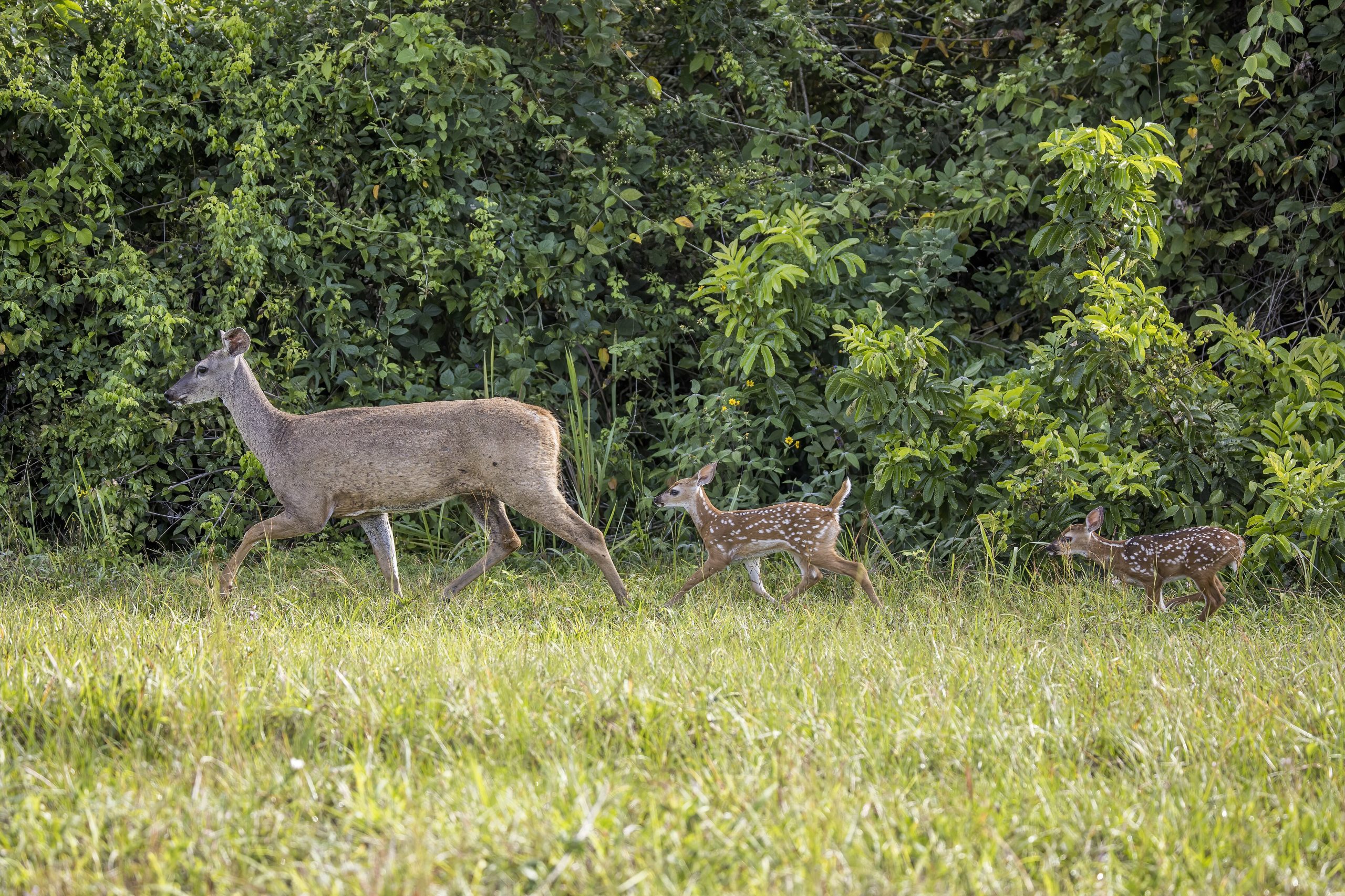
Rain can flatten a deer’s delicate hoof marks, while drying wind quickly hardens the edges and makes shallow impressions less obvious. A sudden snowfall can bury tracks made only minutes earlier, leaving hunters unable to separate fresh sign from older trails. White-tailed deer may also change movement as temperature and wind shift, so tracks near a feeding area at dawn may not show the route used later. Each hoof leaves 2 pointed halves, but mud, leaves, and frozen ground can distort that familiar shape. Look also for disturbed leaves beside the trail.
2. Elk
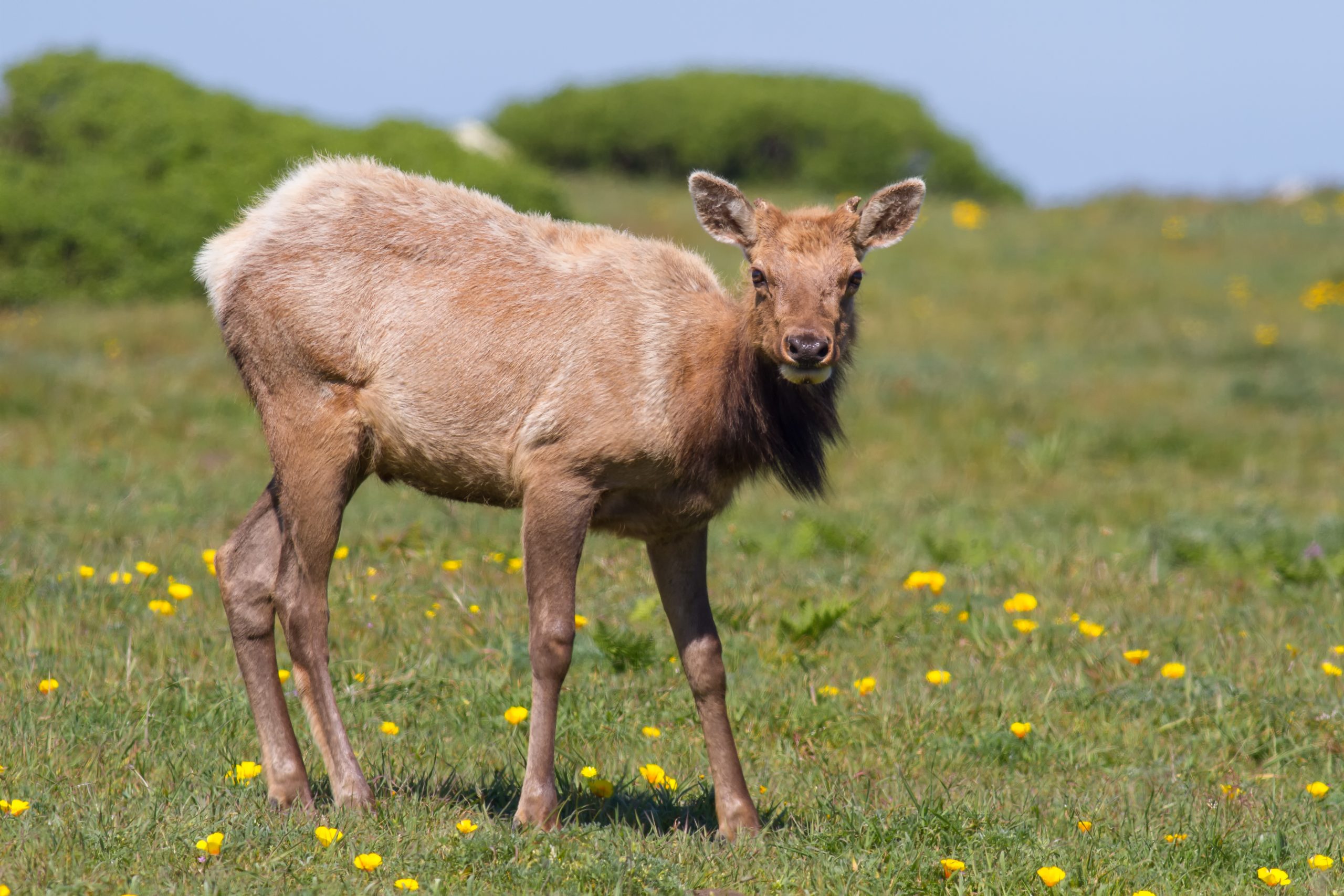
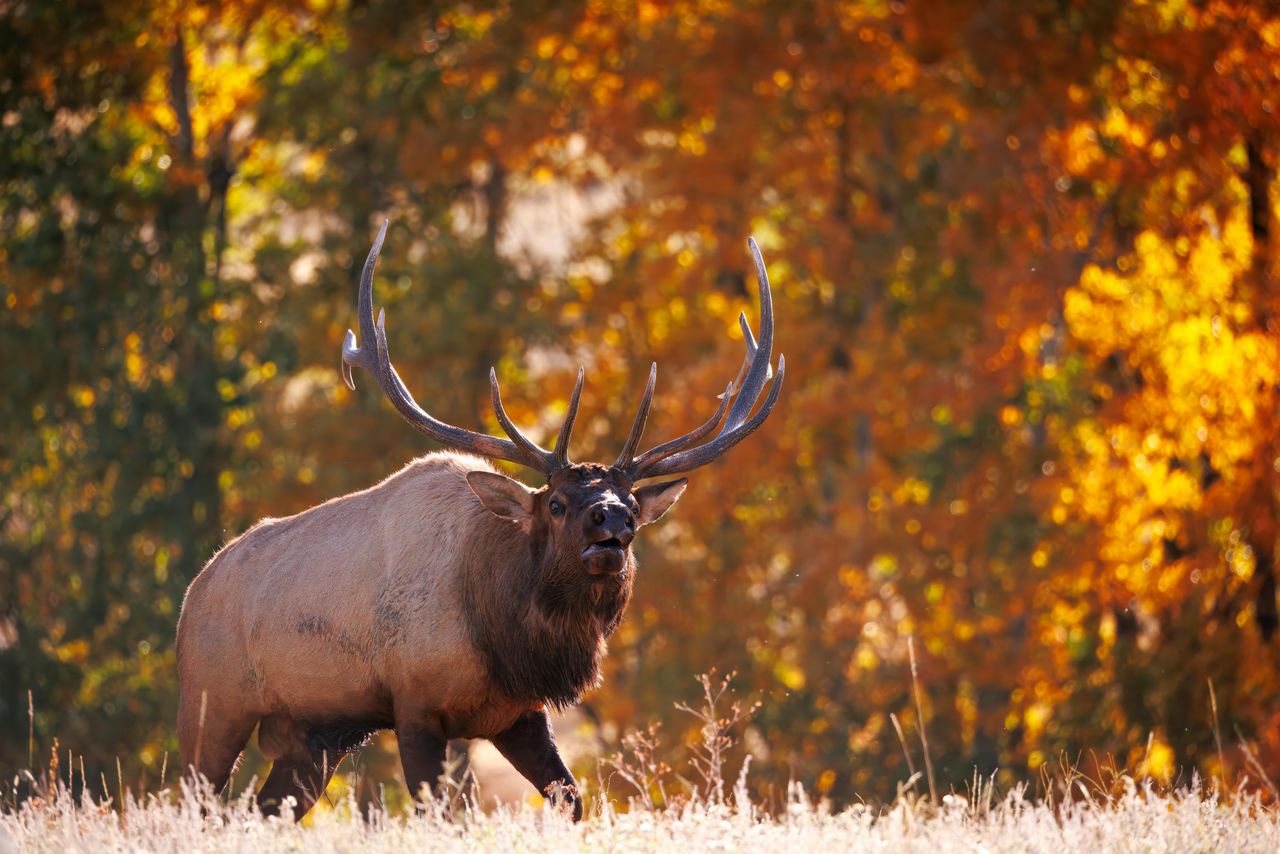
Elk leave larger, often clearer hoofprints than deer, yet a weather change can make their trails surprisingly difficult to read. Heavy rain fills depressions and washes away edges, while new snow can cover a track line before its direction is established. During warm spells, elk may alter when they feed or travel, making yesterday’s timing less useful. An adult elk’s hoofprint can measure roughly 4 to 5 inches long, but size alone cannot confirm how recently the animal passed or whether several animals used the same route. Recent rain and snow can make that distinction especially uncertain.
3. Wild Turkey
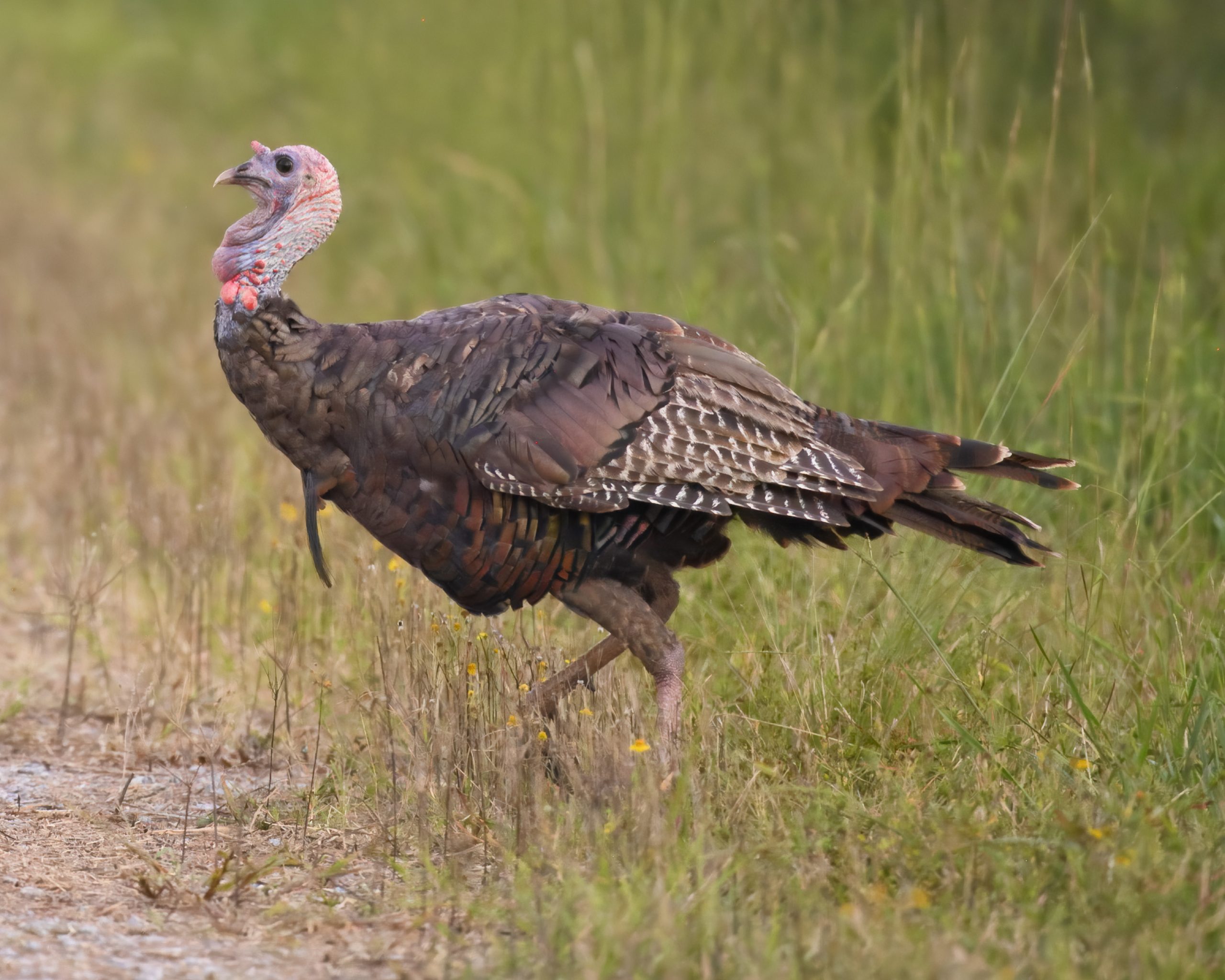
Wild turkeys leave three forward-pointing toes and a shorter rear toe, but rain can soften the edges until separate prints merge into marks that are hard to identify. Wind-driven leaves may cover tracks on woodland floors, and a fresh layer of snow can hide earlier movement. Turkeys also spend time on the ground and in trees, so a trail may appear to stop where the birds roost. A typical adult footprint is around 4 to 5 inches long; compare several prints rather than relying on one weather-damaged impression. Footprints may also overlap where a flock crosses a narrow path.
4. Snowshoe Hare
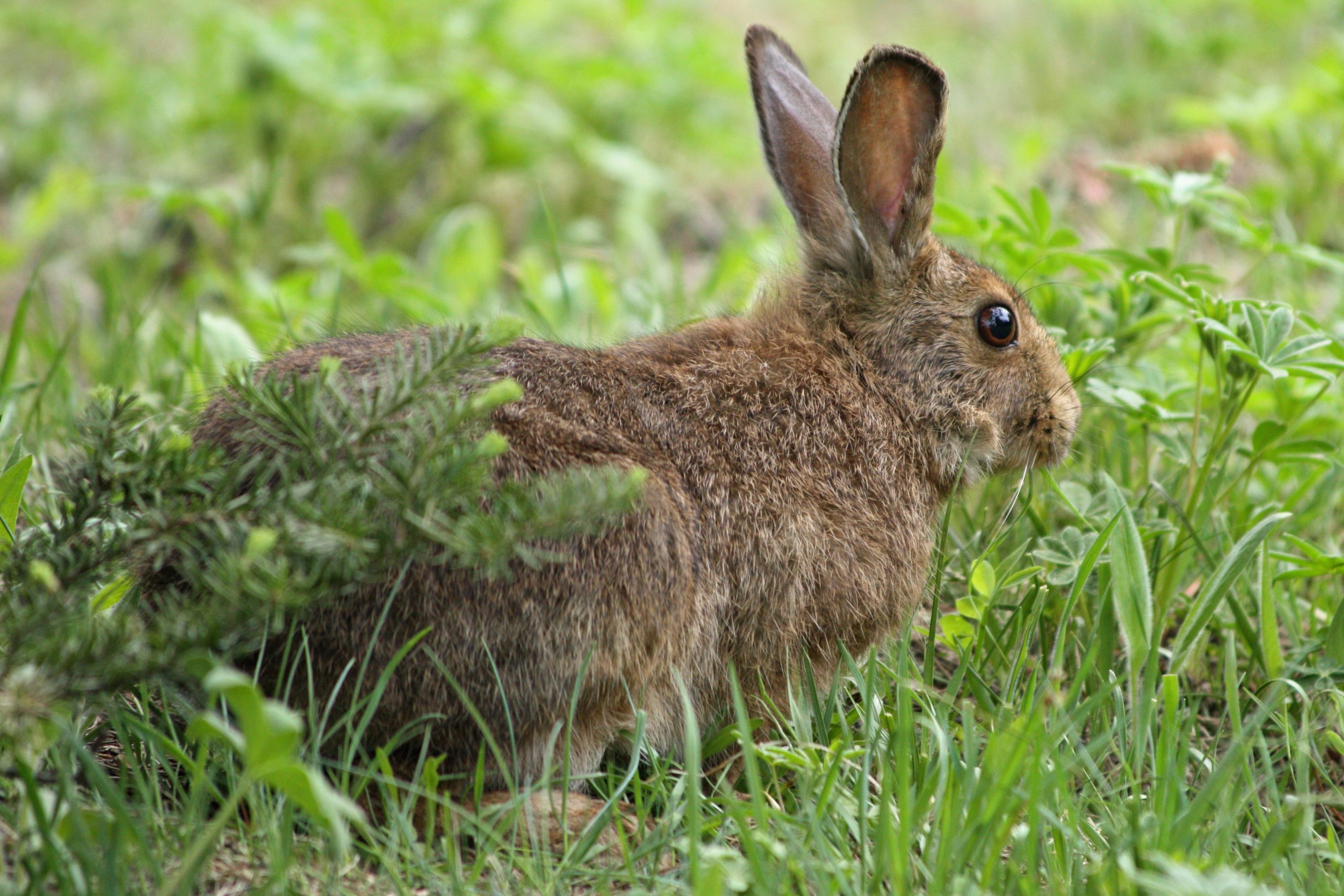
Snow can make snowshoe hare tracks easy to spot at first, then difficult to interpret when temperatures rise and the surface crusts over. Meltwater rounds the edges of old prints, while fresh snowfall can nnwgisboig conceal the route. Hares often travel in bounding patterns, with the larger hind-foot impressions landing ahead of the smaller front feet, but wind-blown powder can blur that arrangement. A single sequence may stretch several feet between groups of prints, so check repeated patterns and nearby cover instead of treating one shallow mark as a reliable trail.
5. Wild Hog
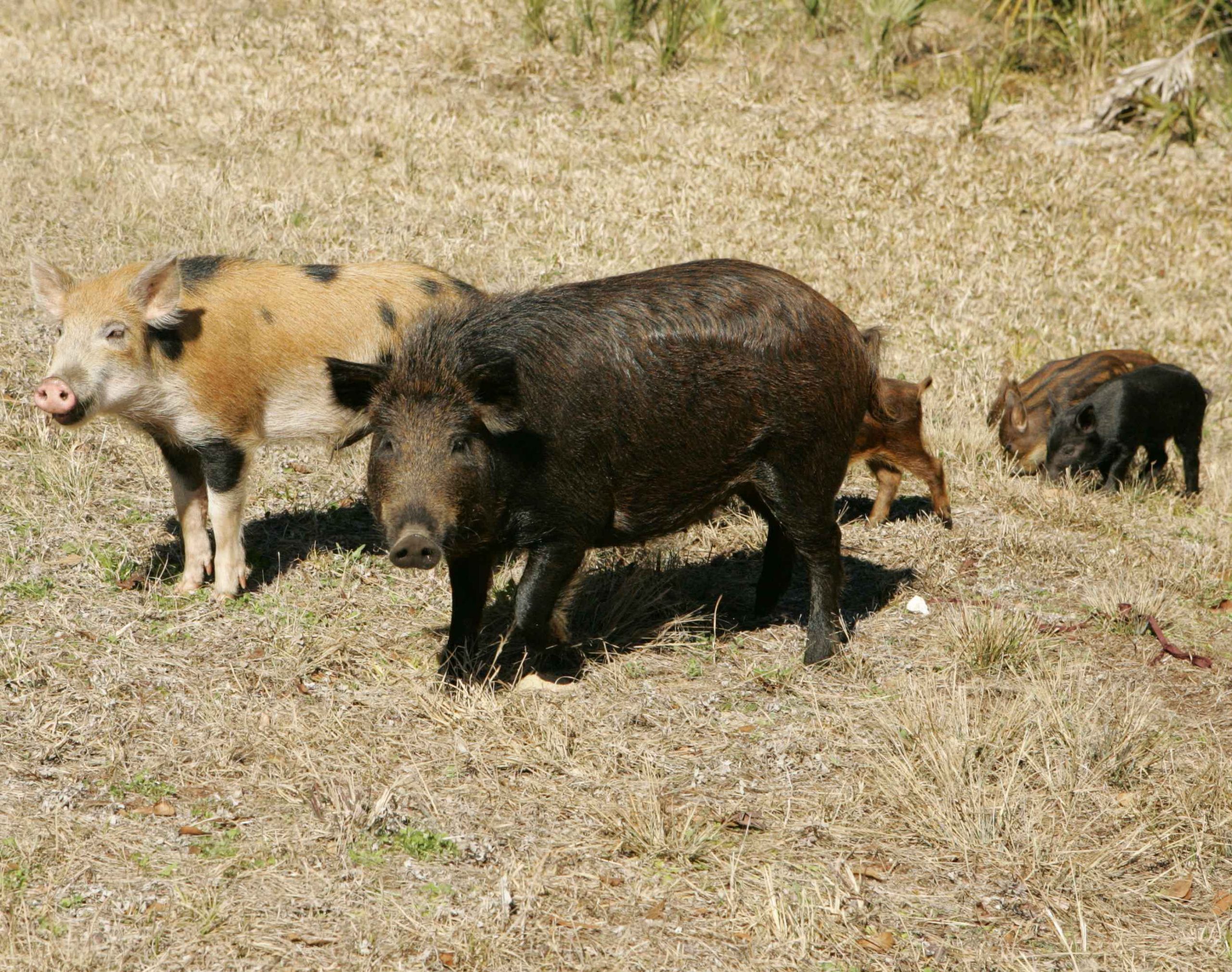
Wild hog tracks can lose their distinctive shape after rain turns firm soil into soft mud or washes sediment into the hoof marks. Their two main toes may leave rounded impressions, sometimes with dewclaw marks in soft ground, but details vary with the substrate. A dry, windy change can also cover tracks with dust or fallen vegetation. Each hoofprint is often around 2 to 3 inches long, though animal size and ground conditions affect measurements. Muddy wallows and disturbed soil may remain visible after individual tracks disappear.
6. Black Bear
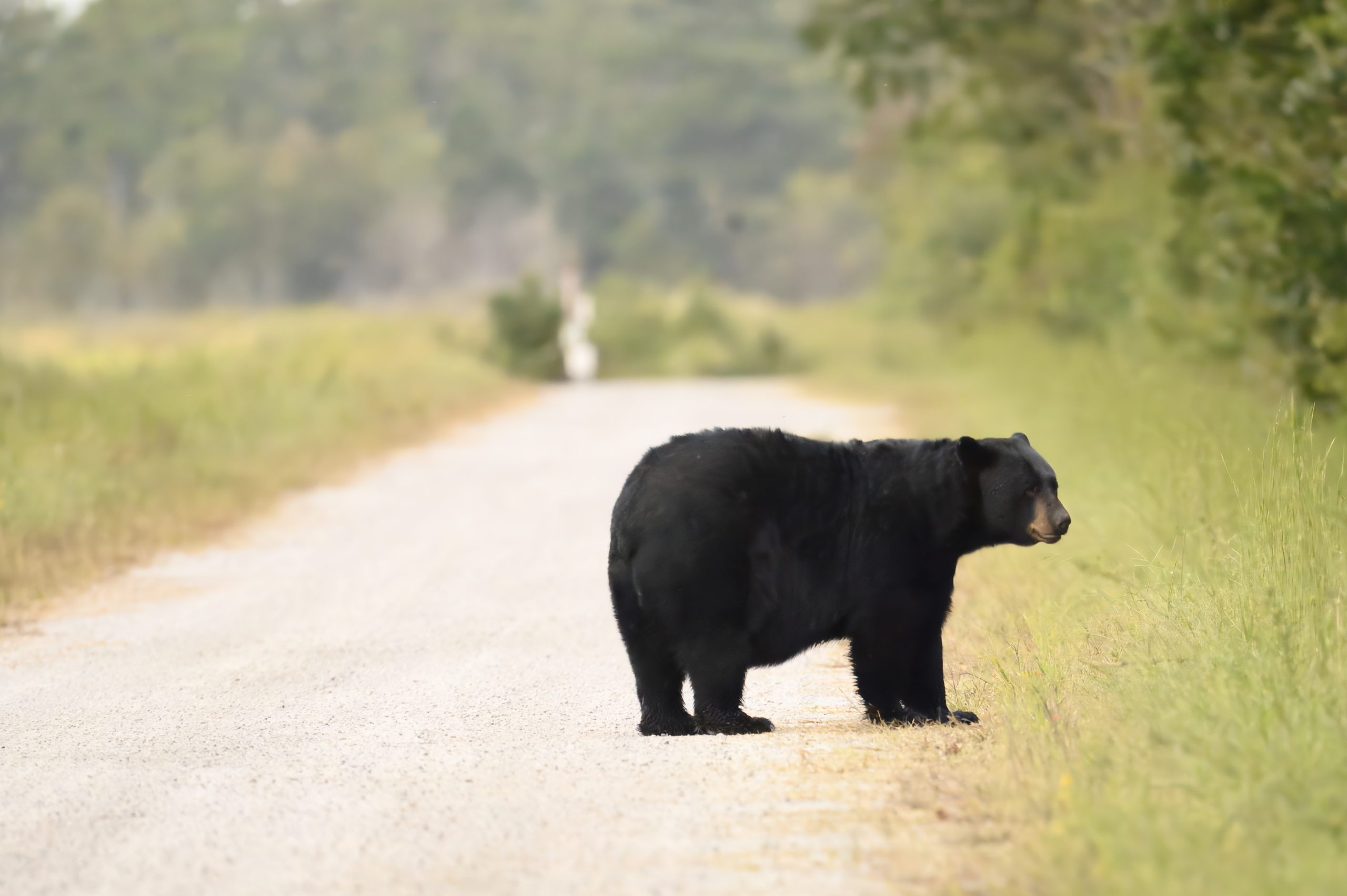
A black bear’s broad paw prints can be easy to recognize in damp soil, yet rain may fill the depressions and soften the outlines of the toes. New snow can hide older tracks, while a thaw can turn crisp impressions into shapeless hollows. Bears may also change their movements as temperatures and food availability shift, so a trail used on one day may not be used the next. A front print can be roughly 4 to 5 inches wide in an adult, but print size varies; weather-worn marks should never be treated as a precise measure of age or direction. Check the surrounding ground, too.
7. Pheasant

Pheasants leave three forward-facing toes that can show clearly in damp soil, but rain blurs the narrow lines, and wind scatters grass or leaves across them. A sudden snowfall can cover ground-level tracks, while thawing snow may collapse the edges and make several prints appear connected. Because pheasants often move through crop edges, grass, and brush, changes in moisture can alter how visible their tracks are from one patch to the next. A footprint may be about 2 to 3 inches long; look for a sequence of prints rather than judging one faint mark.