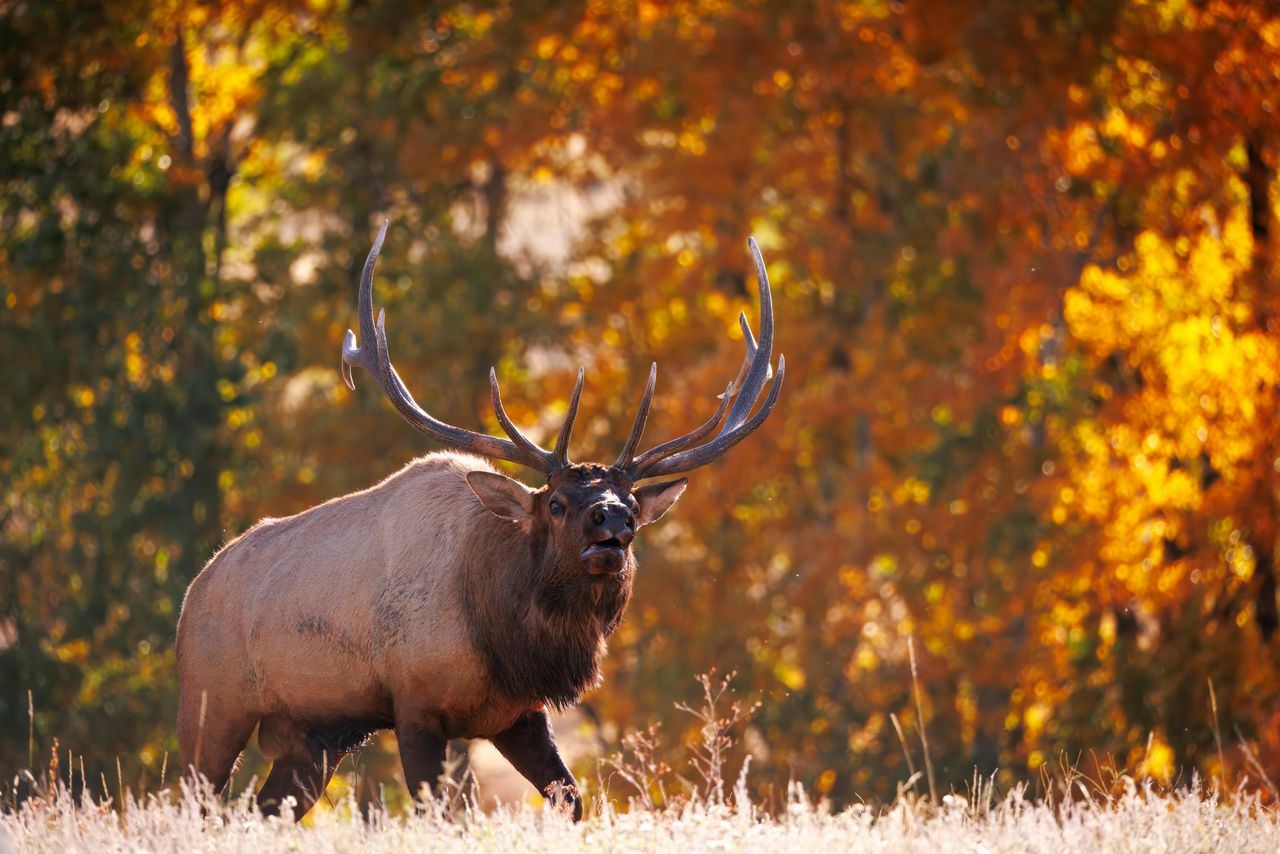
Across the West and beyond, elk are still iconic, but in some places the picture is getting murkier by the season. Hunters keep hearing about predators, drought, habitat loss, and shifting management goals, yet the explanations often feel partial or inconsistent. This gallery looks at 11 states where concern over shrinking herds is growing, and why the public still feels stuck between warning signs and vague reassurances.
Colorado
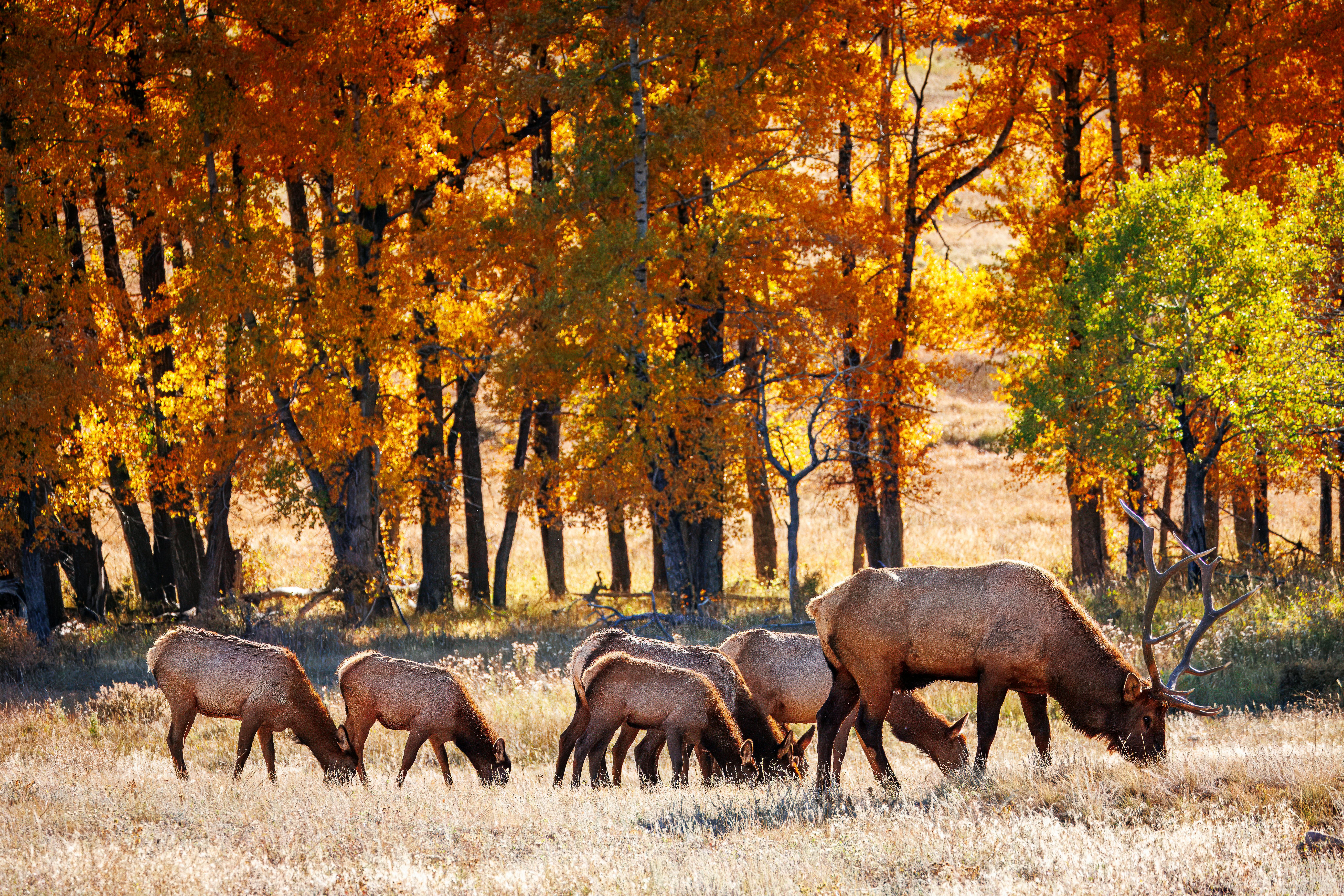
Colorado still holds the largest elk population in the country, which can make any talk of decline sound exaggerated at first. But hunters in several units say the issue is not whether elk exist somewhere in the state. It is whether local herds are stable where they have traditionally hunted, and whether calf recruitment is keeping up.
State managers point to mixed regional trends, severe winters in some years, drought in others, and changing habitat conditions. Hunters often hear a different mix of explanations depending on who they ask, which creates frustration. When tags, access, wolves, and herd objectives all enter the conversation at once, people feel like the real answer is always just out of reach.
Wyoming
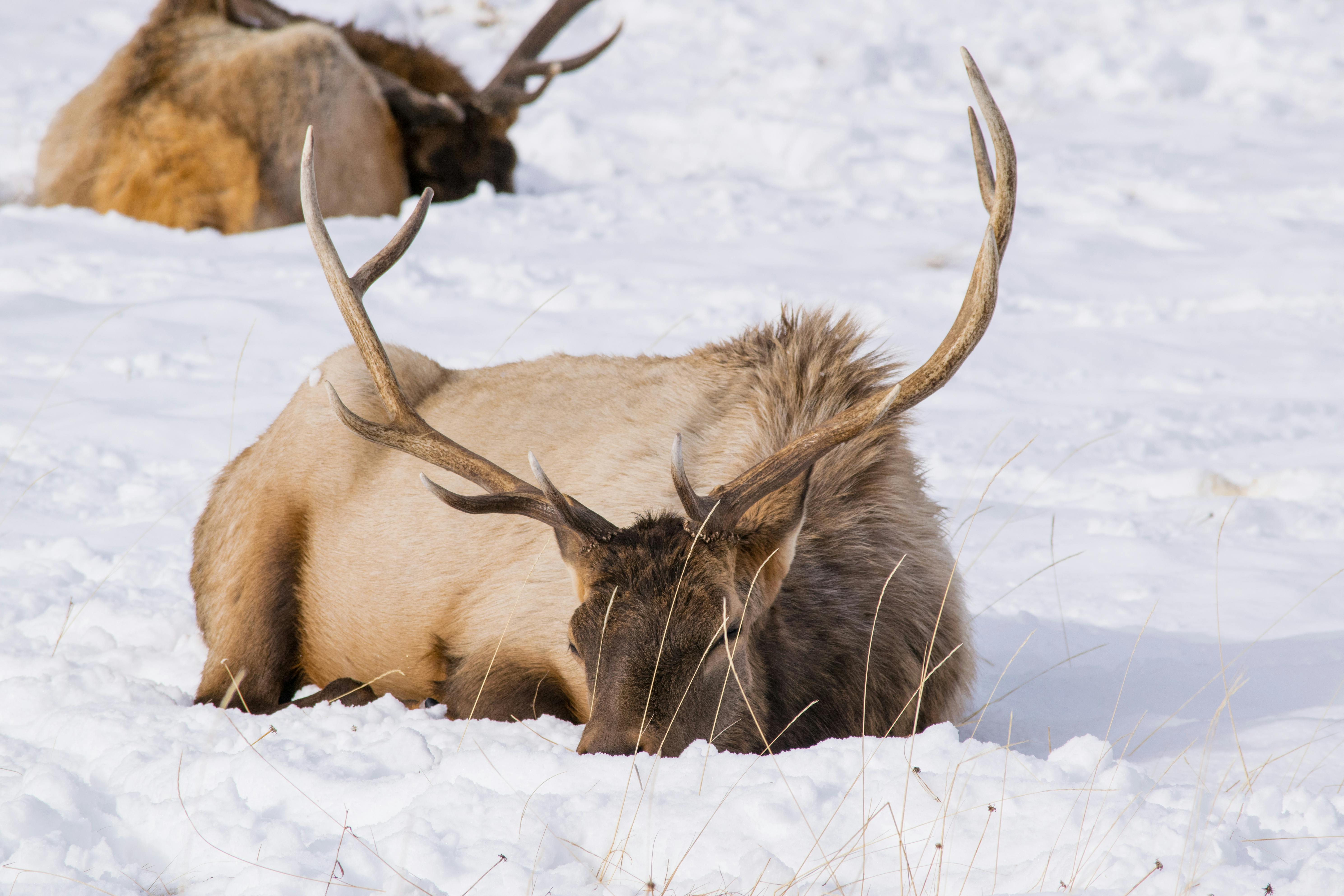
Wyoming remains elk country in the popular imagination, but that broad reputation hides a more uneven reality. Some herds are doing fine, while others face pressure from harsh winters, disease concerns, migration bottlenecks, and growing conflicts on private land where elk can pile up away from hunters.
What frustrates sportsmen most is the sense that every explanation comes with a qualifier. If numbers dip, they hear weather mattered, or predation mattered, or habitat mattered, but rarely in a way that produces a simple plan. The result is a familiar cycle of reduced optimism, rising tag anxiety, and a public that feels it gets fragments instead of a full picture.
Montana
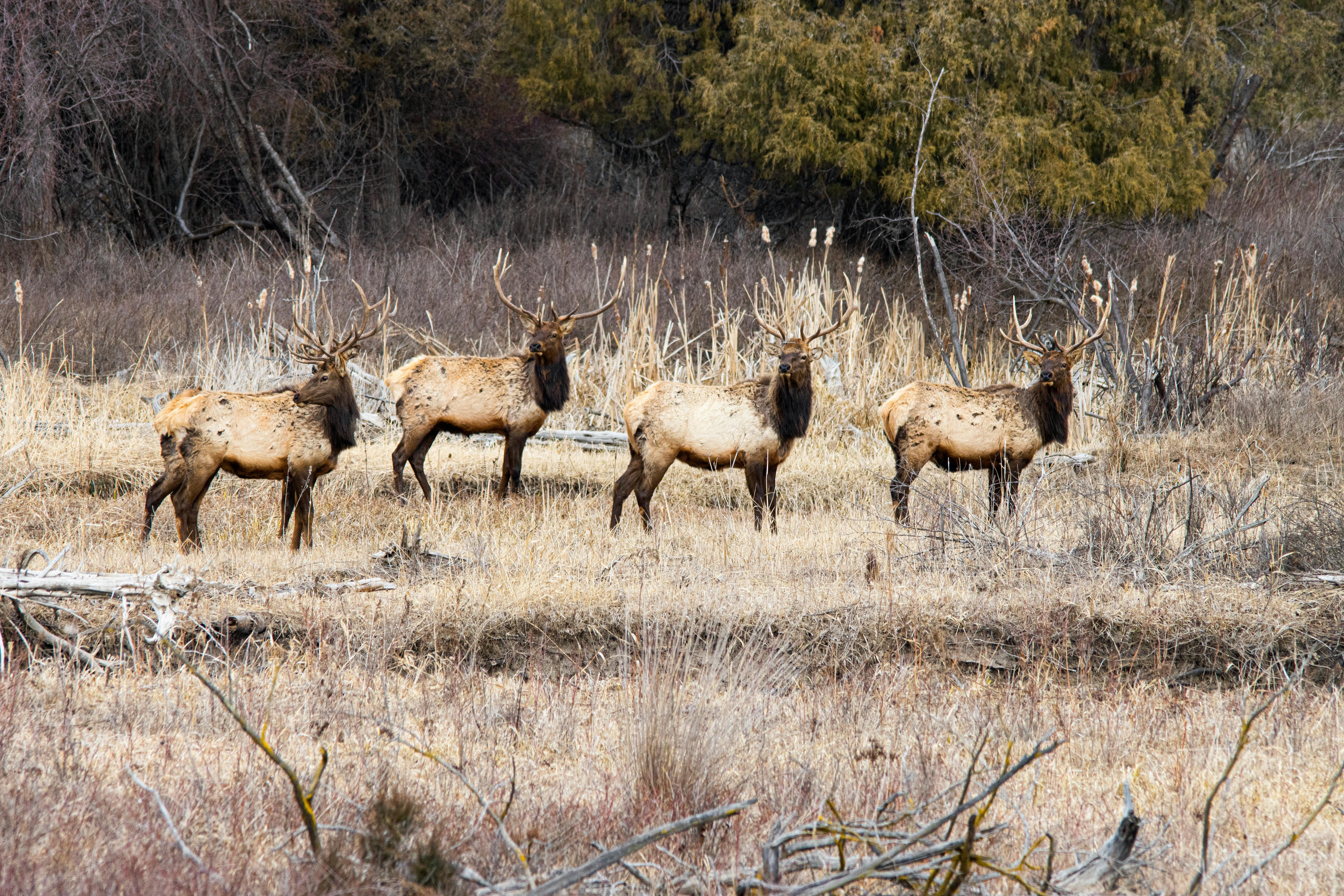
Montana has no shortage of elk headlines, yet abundance in one valley can coexist with real concern in another. Hunters talk about herds shifting distribution, spending more time on refuge-like private ground, and becoming harder to locate on public land even when official counts do not suggest a collapse.
That disconnect is where mistrust starts. Residents hear about stable statewide estimates, then compare them with empty drainages, lower success, or fewer calves on the landscape. Add wolves, grizzlies, wildfire, timber changes, and access problems, and the story quickly gets muddy. People are not always asking for certainty. They just want clearer acknowledgment that local herd declines can be real even inside a state known for elk.
Idaho
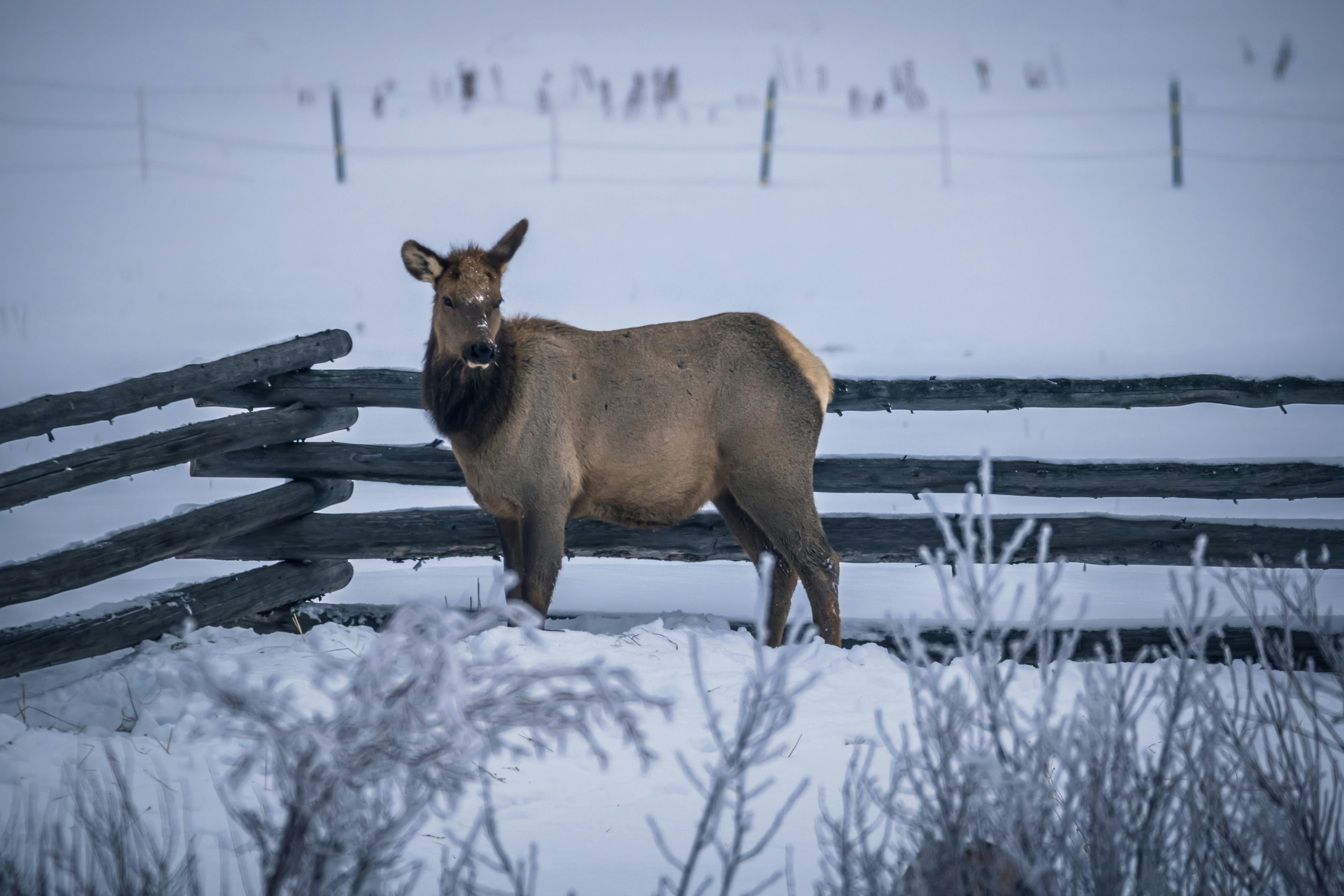
In Idaho, elk discussions often turn into a tug-of-war between broad numbers and local experience. Hunters in some zones report fewer animals, lower calf ratios, and more effort for less opportunity. Meanwhile, official messaging can sound more measured, emphasizing that the state contains many herds with very different trajectories.
That may be true, but it does not always answer what people are seeing on the ground. Predator debates, especially involving wolves, tend to dominate the public conversation, yet habitat quality, fire cycles, and backcountry access also shape outcomes. When every factor seems possible, no single explanation feels satisfying. For many hunters, the hardest part is not bad news. It is the sense that the story keeps changing depending on who is speaking.
Washington
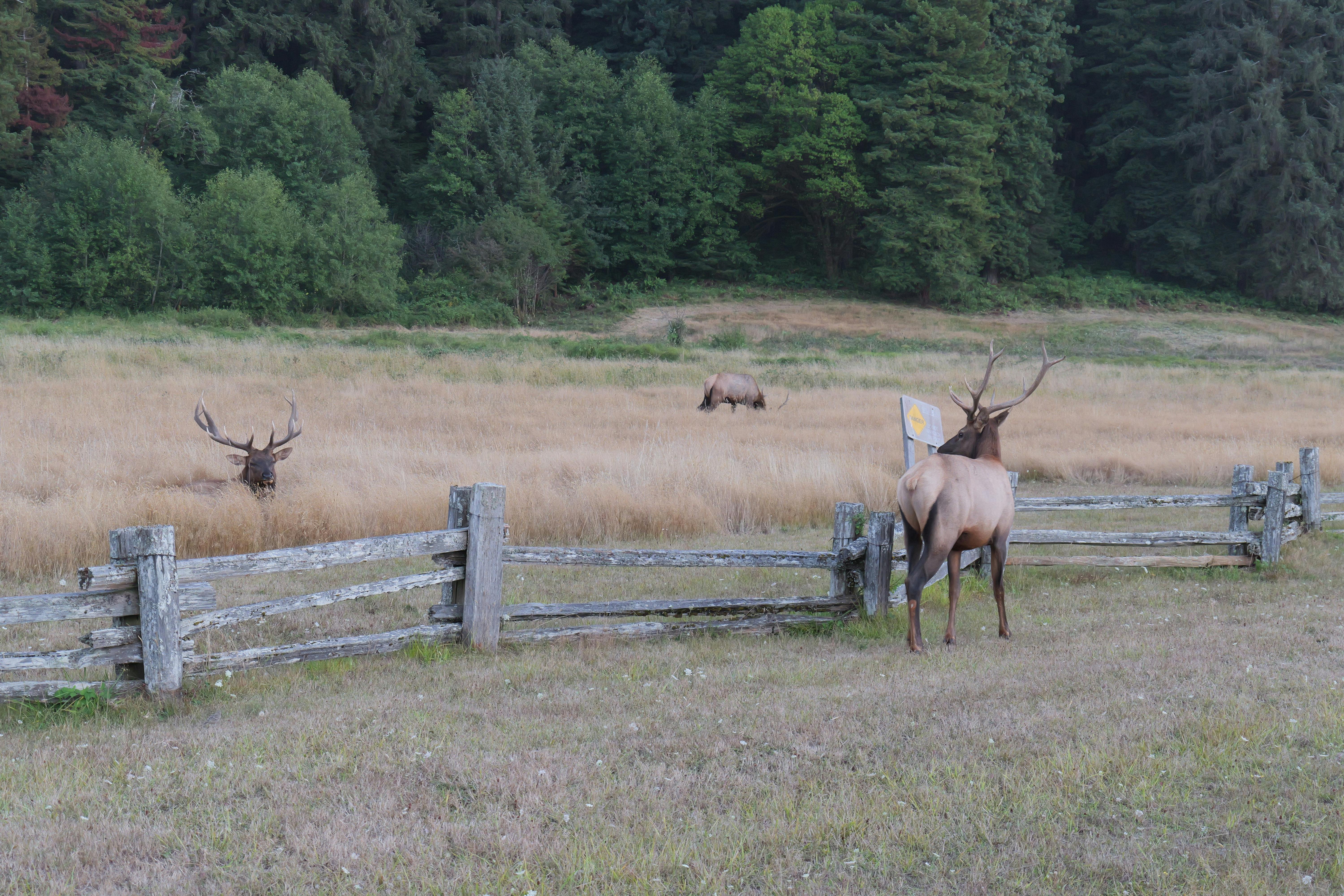
Washington’s elk picture is often described as complicated, and that word does a lot of work. Western and eastern herds face different challenges, from habitat fragmentation and agricultural conflicts to predation, human development, and weather swings that can alter survival from one season to the next.
Hunters and rural residents say the messaging can feel especially unclear when agencies discuss herd goals, damage issues, and limited hunting opportunity in the same breath. If elk are causing problems in one place but seem harder to find in another, people naturally start asking whether counts are keeping up with reality. The answers are rarely straightforward. That leaves room for doubt, and doubt tends to grow when visible animals do not match the official narrative.
Oregon

Oregon hunters have long talked about patchy elk numbers, and those worries have not disappeared. In some areas, the concern is less about a dramatic statewide crash and more about a quiet, persistent thinning of local herds, especially where drought, changing forage, and human pressure have altered the landscape.
Roosevelt and Rocky Mountain elk occupy very different environments here, which adds another layer to every conversation. Biologists may emphasize regional nuance, while hunters want practical answers about why success feels tougher and sightings seem down. Predators enter the debate, so do wildfire patterns and access restrictions. The public is left sorting through competing explanations, none of which fully resolves the feeling that something important has shifted on the ground.
Utah

Utah has invested heavily in wildlife management, but that has not insulated it from elk worries. In some units, hunters describe lower numbers, changing age structure, or elk that seem to concentrate in places where hunting pressure and access do not line up with management expectations.
The state often points to habitat work, moisture cycles, and herd objectives, all of which matter. Still, those explanations can feel abstract when license costs are high and a long-awaited tag produces fewer encounters than expected. Drought in particular has cast a long shadow over western big game, and Utah is no exception. When conditions improve slowly and herd responses lag, sportsmen start wondering whether the official outlook is more hopeful than honest.
New Mexico
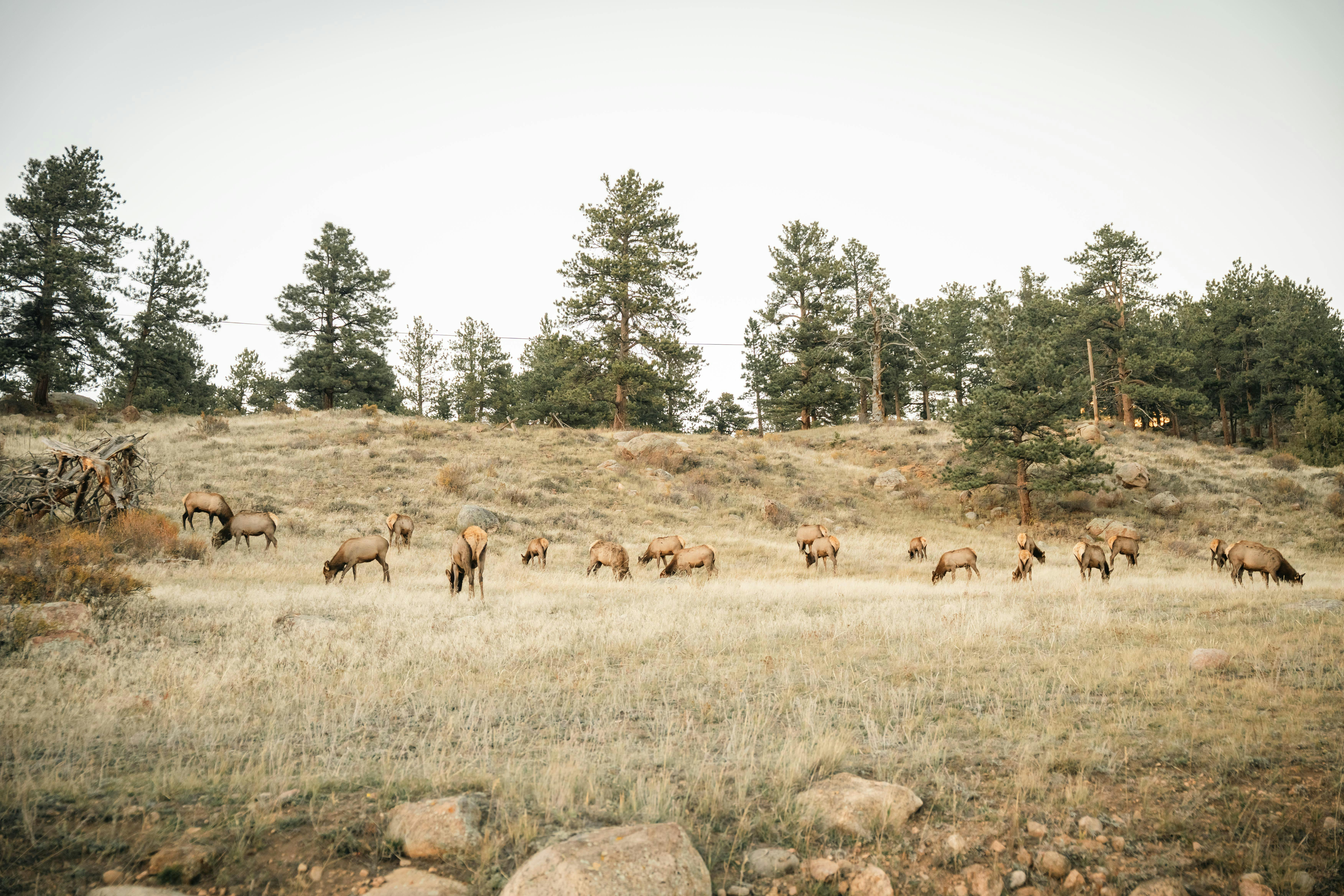
New Mexico’s elk are central to the state’s hunting identity, yet water stress and habitat pressure have made the outlook feel less certain in some regions. Drought is an obvious part of the story, but it is rarely the only one. Fire, forage quality, land use changes, and shifting animal distribution all shape what hunters actually see.
That creates a familiar disconnect between maps, quotas, and field experience. A unit may still carry a solid reputation while locals insist it is not what it was a decade ago. Managers tend to speak in trends and objectives, while hunters talk in terms of empty glassing points and fewer bugles. Both perspectives can be true, but the gap between them leaves plenty of room for suspicion.
Arizona
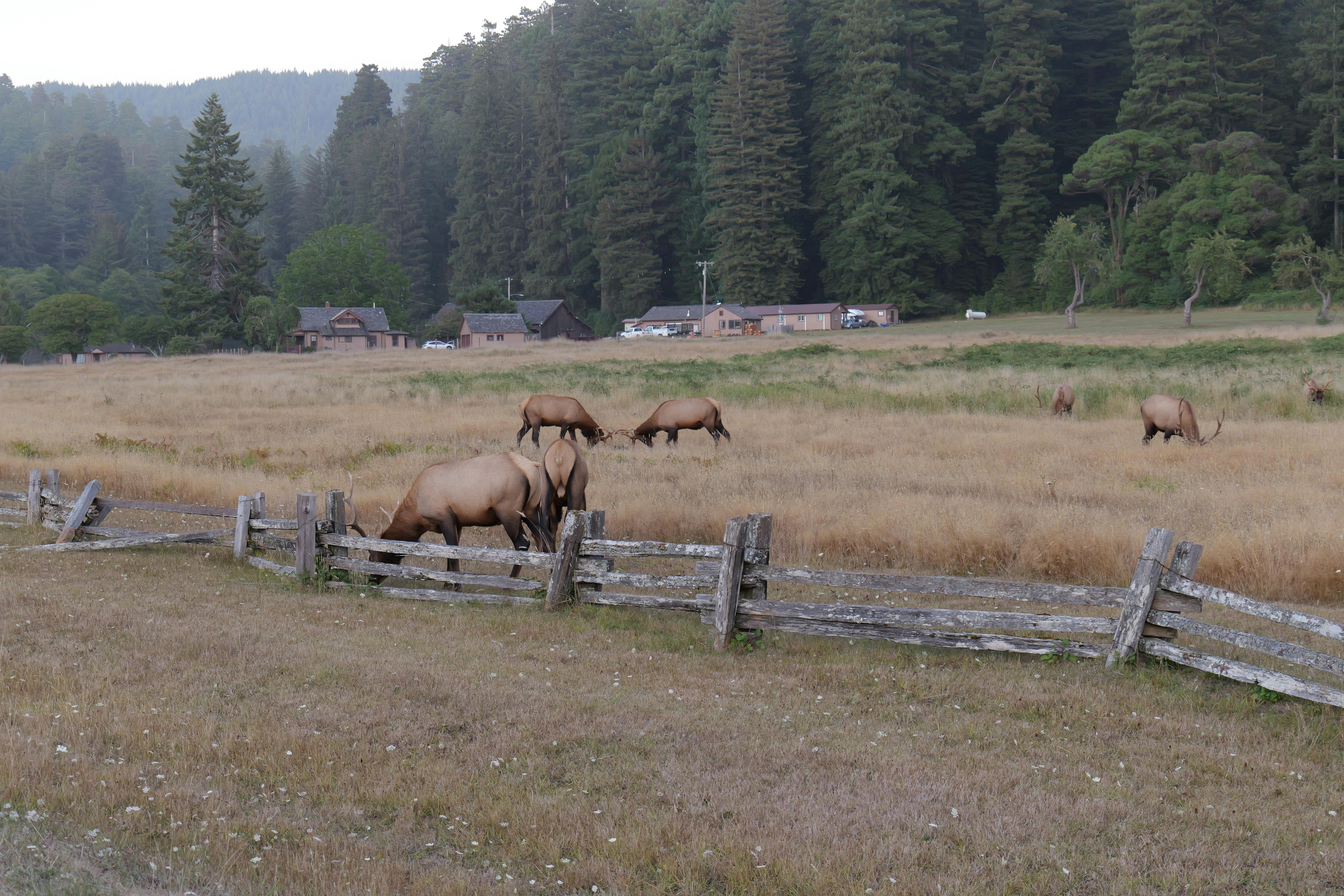
Arizona is not usually the first state people mention in a national elk conversation, but it has become an important destination with highly managed opportunity. That makes any sign of herd stress especially noticeable. In a dry state where water and habitat can change quickly, even modest declines can trigger bigger concerns.
Hunters often hear that elk remain in good shape overall, yet some still report fewer sightings and more scattered animals in places with a strong reputation. Drought, wildfire aftermath, and forage variability all get cited, sometimes in the same explanation. Because tags are hard to draw and expectations are high, vague answers land poorly. People understand elk management is complex. What they resent is feeling like the complexity becomes an excuse for not saying more.
Pennsylvania

Pennsylvania’s elk herd is far smaller and more localized than western populations, which makes every trend feel magnified. Residents closely watch calf survival, habitat conditions, and the balance between conservation, tourism, and hunting. When numbers flatten or slip in key areas, the public notices quickly.
Because the herd is managed so carefully, people often expect exceptionally clear communication. Instead, they sometimes hear layered explanations involving weather, parasites, land management, and reproductive performance that do not add up to a crisp takeaway. That does not mean agencies are hiding anything. It means complex wildlife problems are hard to package neatly. Still, in a state where elk carry outsized cultural weight, uncertainty can feel like its own kind of bad news.
Kentucky

Kentucky built one of the East’s most remarkable elk restoration stories, which is exactly why signs of strain get attention. The herd remains a point of pride, but hunters and observers have raised questions about whether growth has slowed and whether some areas are not producing the same kind of opportunity they once did.
Reclaimed mine lands, forest succession, and changing habitat conditions all factor into the conversation. So do weather, disease concerns, and the challenge of managing a herd across a landscape that is still evolving. Officials tend to frame the issue in measured terms, which can sound reassuring or evasive depending on the audience. For many hunters, the ask is simple. Tell us what is changing, and tell us plainly.
Michigan
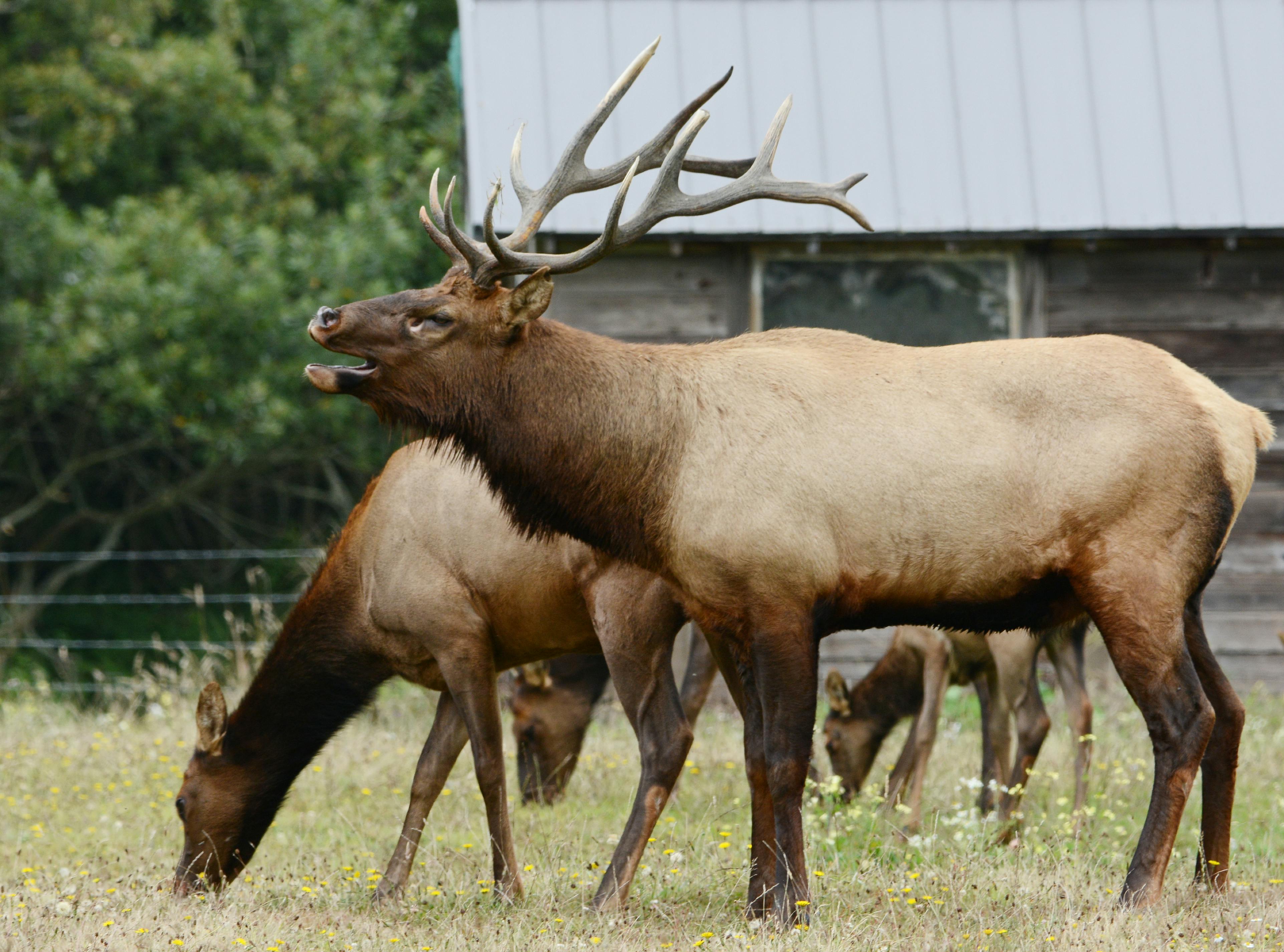
Michigan’s elk herd occupies a unique place in the national picture. It is not large, but it is historic, heavily watched, and important well beyond the hunting community. That makes even subtle population concerns feel significant, especially when habitat shifts and severe winters become part of the discussion.
In states with smaller herds, public confidence often depends on how clearly managers explain what they know and what they do not. Michigan faces that challenge too. If numbers look stable on paper but people see changing distribution or lower visibility, questions follow. The issue is not always a dramatic decline. Sometimes it is a quiet erosion of trust caused by cautious language that never quite answers the concern people thought they asked.