A lot of shooters talk about this switch like it is magic. It is not magic, but it can absolutely change what happens when you stretch shots in real field conditions.
The biggest change is not raw precision.

Many shooters expect 6.5 Creedmoor to turn an average rifle into a laser. That is usually the wrong way to think about it. If your .308 Winchester already shoots 3/4 MOA groups with quality match ammo, a 6.5 Creedmoor rifle of similar quality may not suddenly cut that in half. Mechanical accuracy is often closer than internet arguments suggest.
Where the difference starts to show is in external ballistics. A typical 6.5 Creedmoor load, such as a 140-grain bullet around 2,700 fps, usually carries a higher ballistic coefficient than common .308 loads like a 168-grain or 175-grain bullet. That means it holds velocity better, drops less, and resists wind more effectively as distance increases.
In the field, that translates into a wider margin for error. A slightly imperfect range estimate, an uneven shooting position, or a hurried wind call hurts less with the 6.5. According to years of practical rifle competition results and hunting reports, forgiveness is what many shooters actually notice first, not smaller groups on paper at 100 yards.
Less wind drift is where the advantage becomes obvious

At long range, wind is usually the real problem. Bullet drop can be dialed once you know the distance, but wind keeps changing. It can switch speed and direction between you and the target, and that is where 6.5 Creedmoor often gives a meaningful edge over .308 Winchester.
With comparable match loads, a 6.5 bullet generally drifts less in a 10 mph full-value wind at 600, 800, and 1,000 yards. The exact amount depends on the load, barrel length, and atmosphere, but the pattern is consistent. The 6.5 often cuts several inches of drift compared with .308, and sometimes more as the range grows.
That matters because field shooting rarely happens from a perfect bench with unlimited time. If your wind call is off by 2 mph, the miss with .308 is often larger. On steel, that may mean an edge hit or a complete miss. In a game where the ethical target zone is limited, that reduced wind drift can make the difference between a clean hit and no shot taken at all.
Recoil changes what you see after the shot.
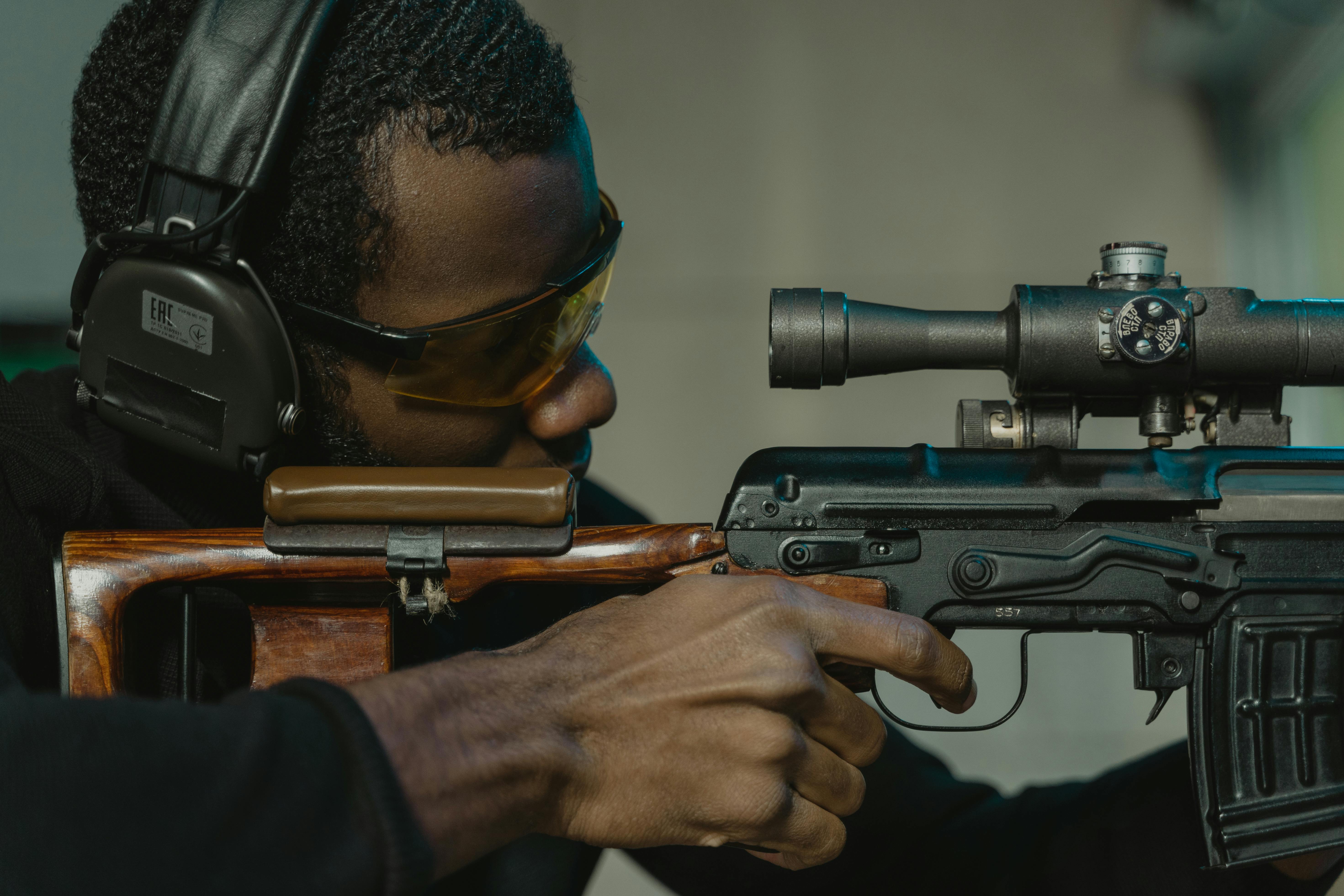
One of the most practical reasons shooters improve with 6.5 Creedmoor is recoil. It usually produces less recoil than the .308 Winchester in rifles of similar weight. The difference is not tiny to the person behind the gun, especially over a full day of practice or from less stable field positions.
Lower recoil helps you stay in the optic through the shot. That is a major advantage because seeing your own impact, splash, or miss gives you instant feedback. If the rifle jumps less, you can spot where the bullet landed and make a faster correction without waiting for someone else to call it.
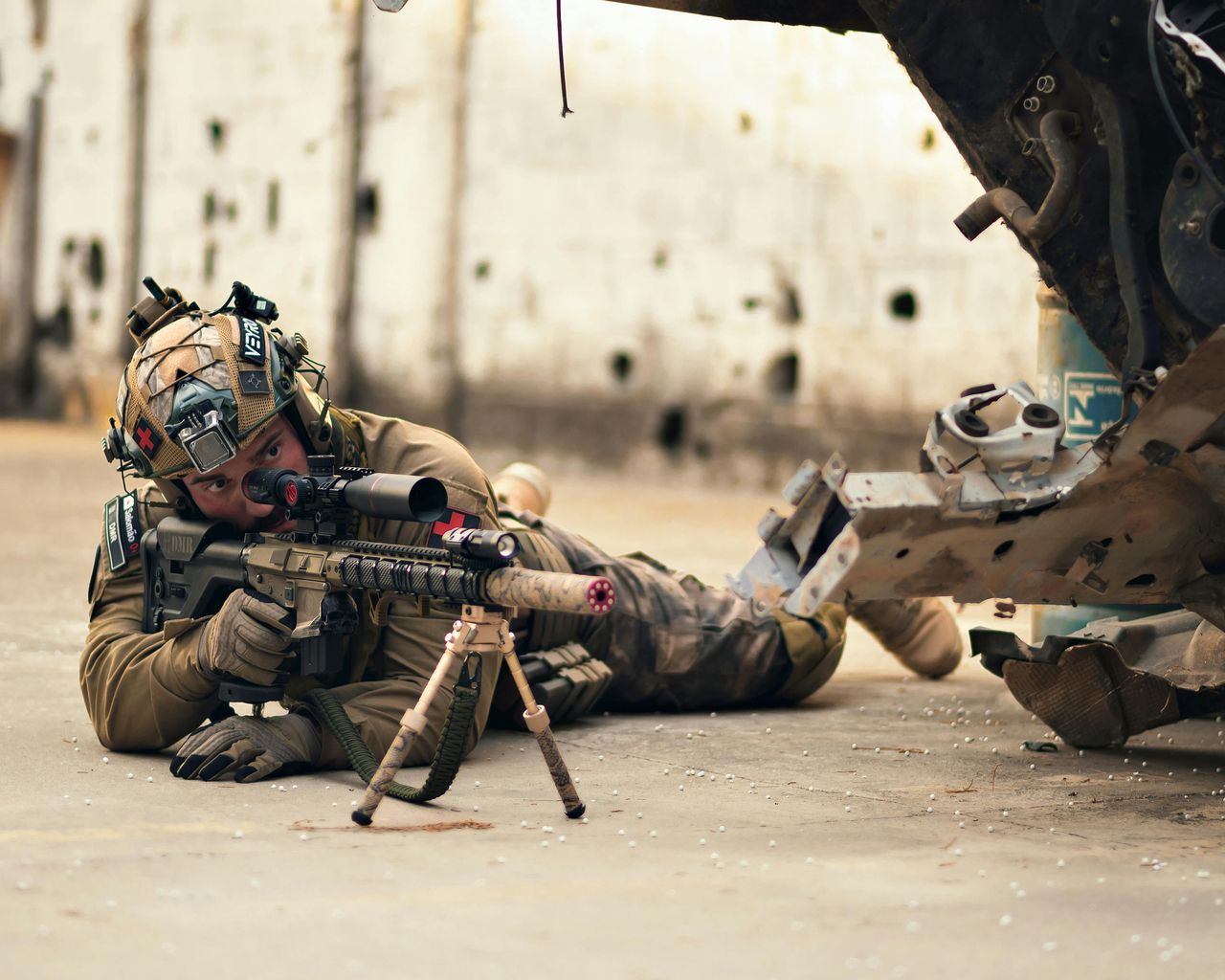
This is especially important outside the square range. Prone over a pack, kneeling behind a tripod, or shooting off a barricade all make recoil management harder. In those situations, the softer behavior of 6.5 Creedmoor can raise practical hit percentage even if both cartridges are theoretically capable of the same group size from a machine rest.
Trajectory gets flatter, but that is only part of the story
Yes, 6.5 Creedmoor usually shoots flatter than .308 Winchester at long range. That means less elevation correction at distance and a little more tolerance for range estimation errors. Shooters often like this because the holds are simpler and the numbers feel friendlier once the target gets well past 500 yards.
Still, a flatter trajectory by itself is often overstated. Modern rangefinders and good ballistic solvers have reduced the old advantage of guessing less drop. If you know the exact distance and have solid data, either cartridge can be dialed accurately. The field benefit appears when conditions are rushed, awkward, or imperfect.
For example, if a target is farther than expected and you need a quick hold instead of a careful dial, 6.5 Creedmoor gives you a bit more breathing room. Combined with lower wind drift, that flatter flight path makes misses less severe. It is not that .308 stops working. It is that 6.5 often makes a competent shooter’s job easier.
Barrel life, ammo availability, and real-world tradeoffs still matter

No cartridge gives free advantages without tradeoffs. .308 Winchester remains popular for good reasons. It has long barrel life, broad ammo availability, strong performance from shorter barrels, and a proven track record in military, law enforcement, hunting, and competition use. It is also often easier to find in remote stores and during supply swings.
6.5 Creedmoor, while common now, can still be more load-sensitive depending on your rifle and intended use. Barrel life is generally shorter than .308, though not disastrously short for most recreational shooters. If you train heavily, compete often, or simply value maximum service life from one barrel, that cost matters over time.
There is also the issue of bullet behavior in-game and barrier performance in certain roles. .308 carries more frontal area and often more bullet mass, which some hunters and tactical users still prefer. So while 6.5 may help long-range hit probability, it does not automatically replace .308 as the better all-purpose answer for every shooter or every field task.
The field results depend on your skill level more than caliber debates admit
If you are already excellent at reading wind, building stable positions, and breaking clean shots, you will likely notice the benefits of 6.5 Creedmoor quickly. You can exploit the better ballistics and lower recoil because your fundamentals already support consistent long-range hits. In your hands, the cartridge advantage becomes visible sooner.
If you are new to long-range shooting, the switch may still help, but it will not cover up weak fundamentals. Poor natural point of aim, bad trigger control, sloppy range estimation, and weak wind judgment still cause misses. A lot of shooters buy a new caliber when what they really need is better data collection and more honest practice.
This is why experienced instructors often say 6.5 Creedmoor is more forgiving, not necessarily more accurate in a vacuum. Forgiveness is valuable, but only when paired with skill. The better your technique, the more you can cash in that ballistic advantage. Without that, you may simply spend more money to miss with a different recoil impulse.
So what actually changes when you make the switch
In practical field terms, switching from .308 Winchester to 6.5 Creedmoor usually gives you four things. You get less wind drift, less recoil, a flatter trajectory, and better ability to spot your own shots. Together, those factors often raise first-round hit probability at longer distances, especially beyond 600 yards.
The improvement is most obvious when the shot is not perfect on paper. Uneven terrain, improvised support, changing wind, time pressure, and shooter fatigue all expose the strengths of 6.5 Creedmoor. Under those conditions, it tends to be easier to shoot well. That does not mean it is automatically deadlier, smarter, or better for every mission.
If your priority is stretching distance with more forgiveness, the switch is real and worthwhile. If your priority is ammo availability, lower long-term barrel cost, shorter-barrel efficiency, or a more general-purpose rifle, .308 still makes a powerful case. The truth is simple: 6.5 Creedmoor usually makes long-range field accuracy easier, but the shooter still decides the result.