Some rifles fade into nostalgia. Lever-actions never really did.
A design that still feels right in the hands
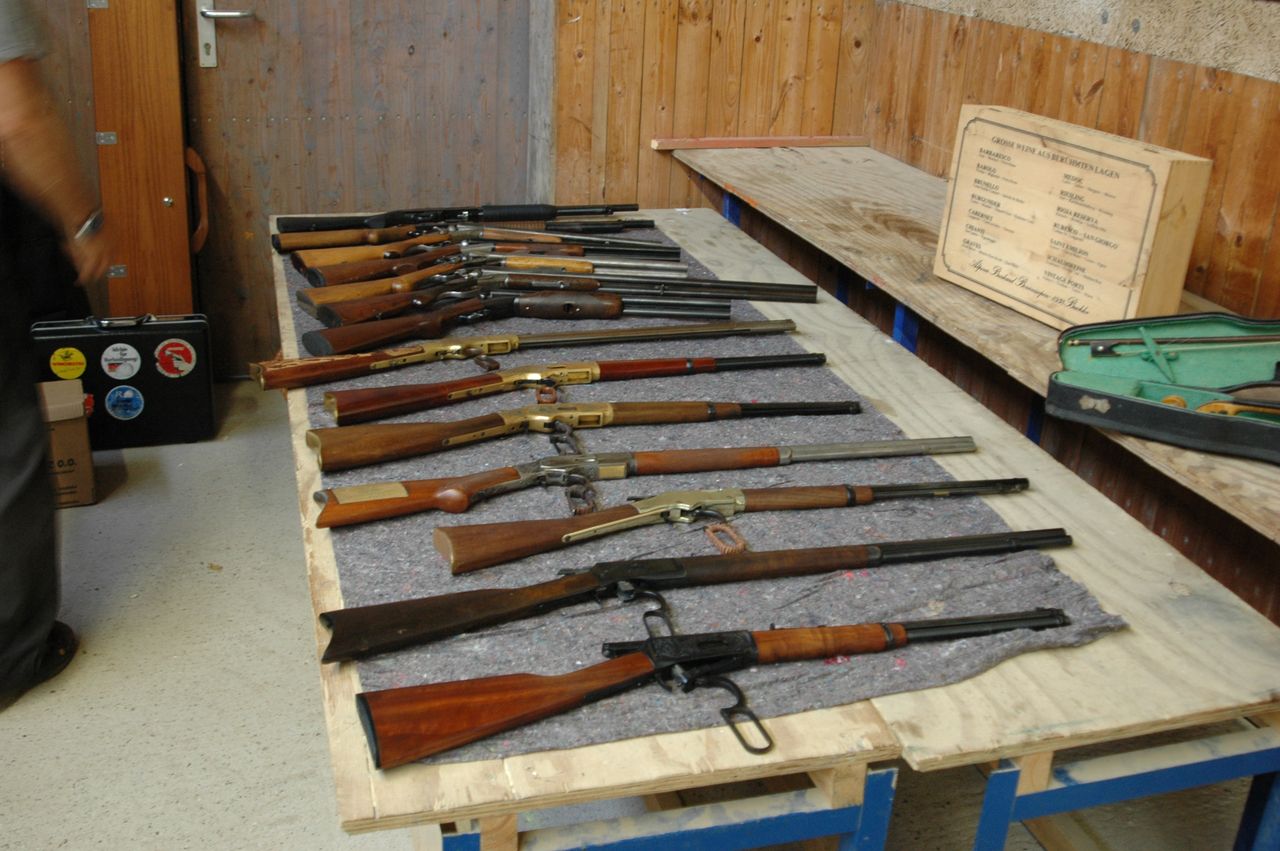
Lever-action rifles survive for one simple reason: they still work exceptionally well for the kinds of shooting many people actually do. In thick timber, on a ranch, or at the range, a light, quick rifle with natural balance remains hard to dismiss. The lever gun’s slim profile and easy carry keep it relevant.
That handling advantage is not just romantic talk. A good lever-action comes to the shoulder fast, points naturally, and cycles without the bulk many shooters associate with heavier modern platforms. For hunters covering ground on foot, that matters more than spec-sheet bragging rights.
Manufacturers clearly know the demand is real. Henry Repeating Arms describes itself as the world leader in the lever-action category and says it employs more than 800 people across three U.S. facilities, while Ruger has continued expanding Marlin-branded lever offerings after bringing the line back under its ownership.
Modern buyers want tradition, but not outdated performance
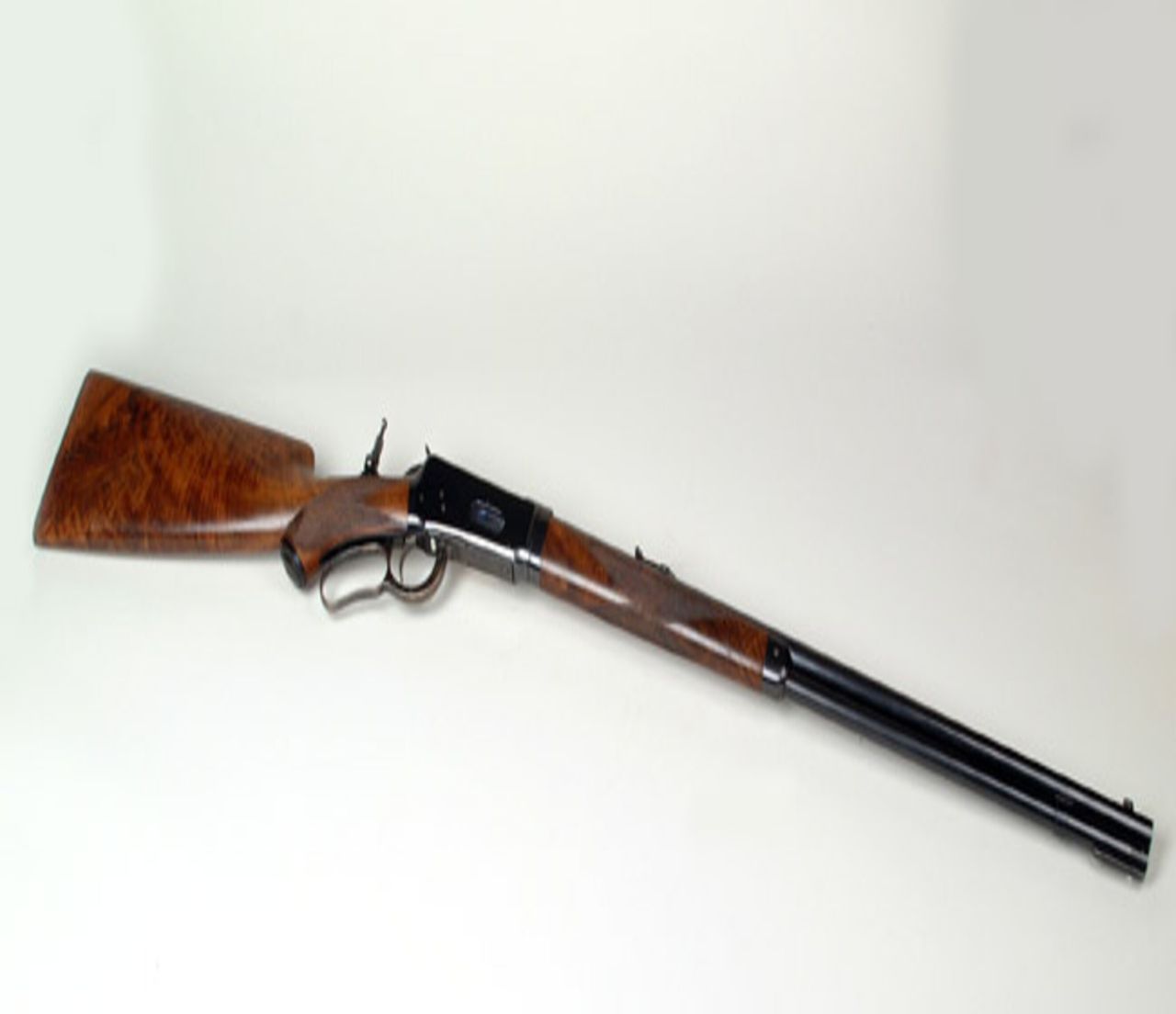
The smart way to understand the lever gun today is to stop thinking of it as a museum piece. Modern examples are better fit, better finished, and often drilled for optics, threaded, or chambered for cartridges that suit current hunting and defensive preferences. The category has adapted instead of standing still.
That evolution is part of why the platform still sells. Ruger highlighted Marlin lever-action rifles, including the 1895 Dark Series and 336 models, among key products in 2024, showing that major companies see the format as commercially important, not ceremonial.
Henry has made a similar point from the other side of the market, emphasizing broad model selection and modern production while leaning into customer service and lifetime support. Buyers are not just purchasing nostalgia; they are buying rifles meant to be used hard, carried often, and kept for decades.
The hunting niche is bigger than outsiders think
If you want to know where lever-actions earn their keep, start in deer country. Short- to medium-range hunting remains one of the platform’s sweet spots, especially where brush, rolling woods, and quick shots matter more than extreme distance. In that environment, compact rifles in .30-30, .35 Remington, .44 Magnum, or .45-70 still make perfect sense.
The broader hunting and shooting market also supports their staying power. NSSF reports that more than 52.7 million people in the United States participated in sport and target shooting activities in 2024, a reminder that practical, approachable rifle categories still have a large audience.
Lever guns also fit hunters who want straightforward controls and manageable field carry. They are often legal and culturally familiar in places or camps where black rifles are less welcome, and they bridge generations in a way few firearm designs can.
Culture matters, and lever guns own their identity
Few firearms have a clearer identity than the lever-action rifle. It is tied to American history, Western imagery, deer camps, horseback scabbards, and family gun cabinets. That kind of cultural footprint has real market power, especially when a product also remains genuinely useful.
Henry openly leans into that heritage, calling the lever-action “America’s rifle” and building its branding around domestic production. The company says every firearm it sells is made in the United States, a message that resonates strongly with buyers who value craftsmanship and national manufacturing.
Importantly, heritage alone would not sustain the category if the rifles were disappointing. They are not. The continued revival of Marlin and Henry’s long-running success suggests that emotional appeal works best when paired with reliability, accuracy, and a smooth action people can feel immediately at the gun counter.
They offer a different experience from tactical rifles
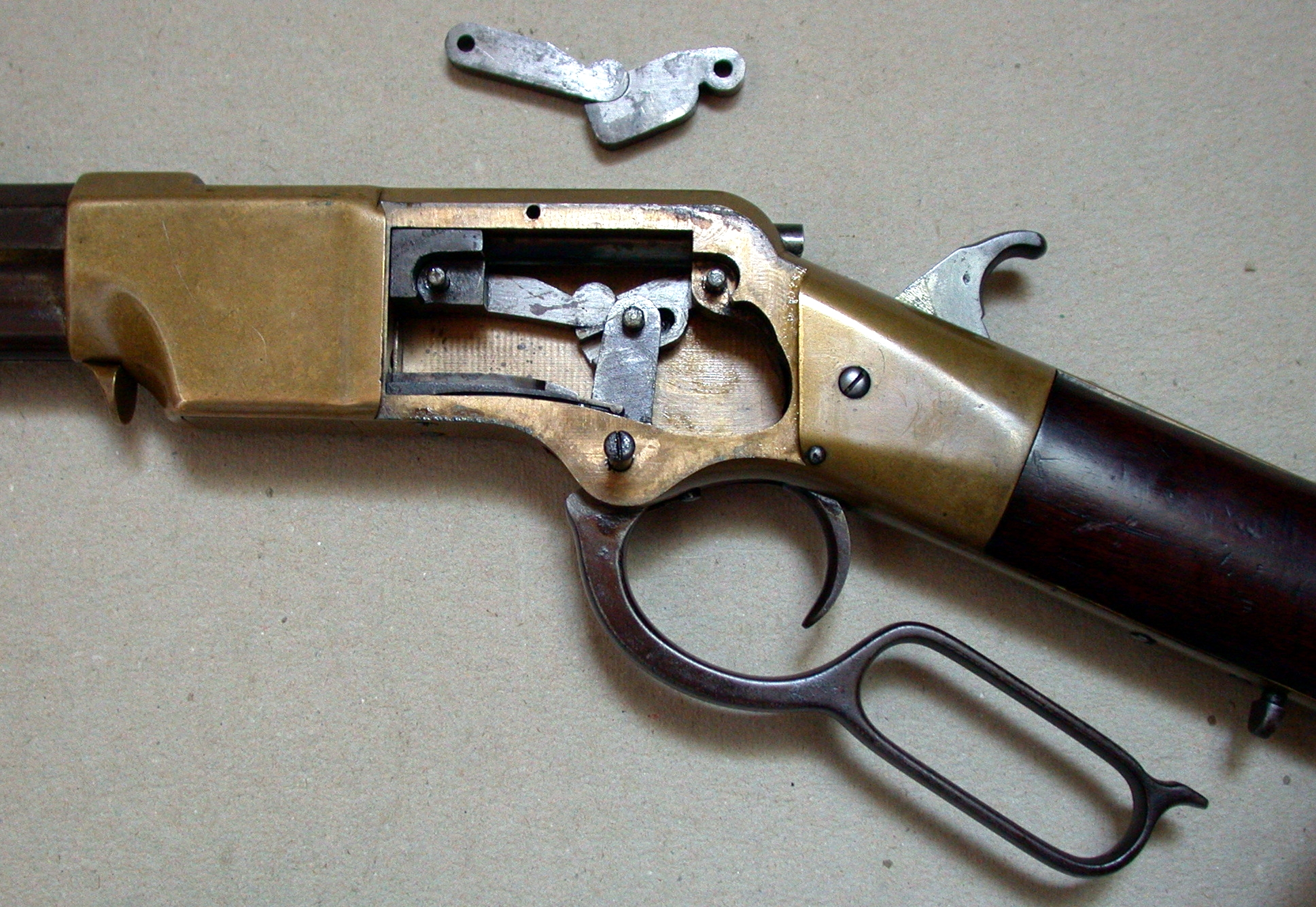
A lever-action asks the shooter to participate more directly in the rhythm of the rifle. There is a mechanical satisfaction to running the action, topping off a tubular magazine, and firing a gun that feels lively instead of clinical. For many owners, that tactile experience is a major part of the appeal.
That does not mean lever guns are anti-modern. It means they satisfy a different priority set. Some shooters want modular rails and detachable magazines; others want walnut, steel, and a manual of arms that rewards deliberate practice. Both preferences can coexist, and the market proves they do.
Retail trends also suggest the rifle market is not one-note. NSSF’s 2025 retail report tracked lever action as its own rifle category, which is telling by itself: the segment remains distinct enough to measure, discuss, and merchandise separately in a competitive long-gun business.
Why lever-actions are likely to endure
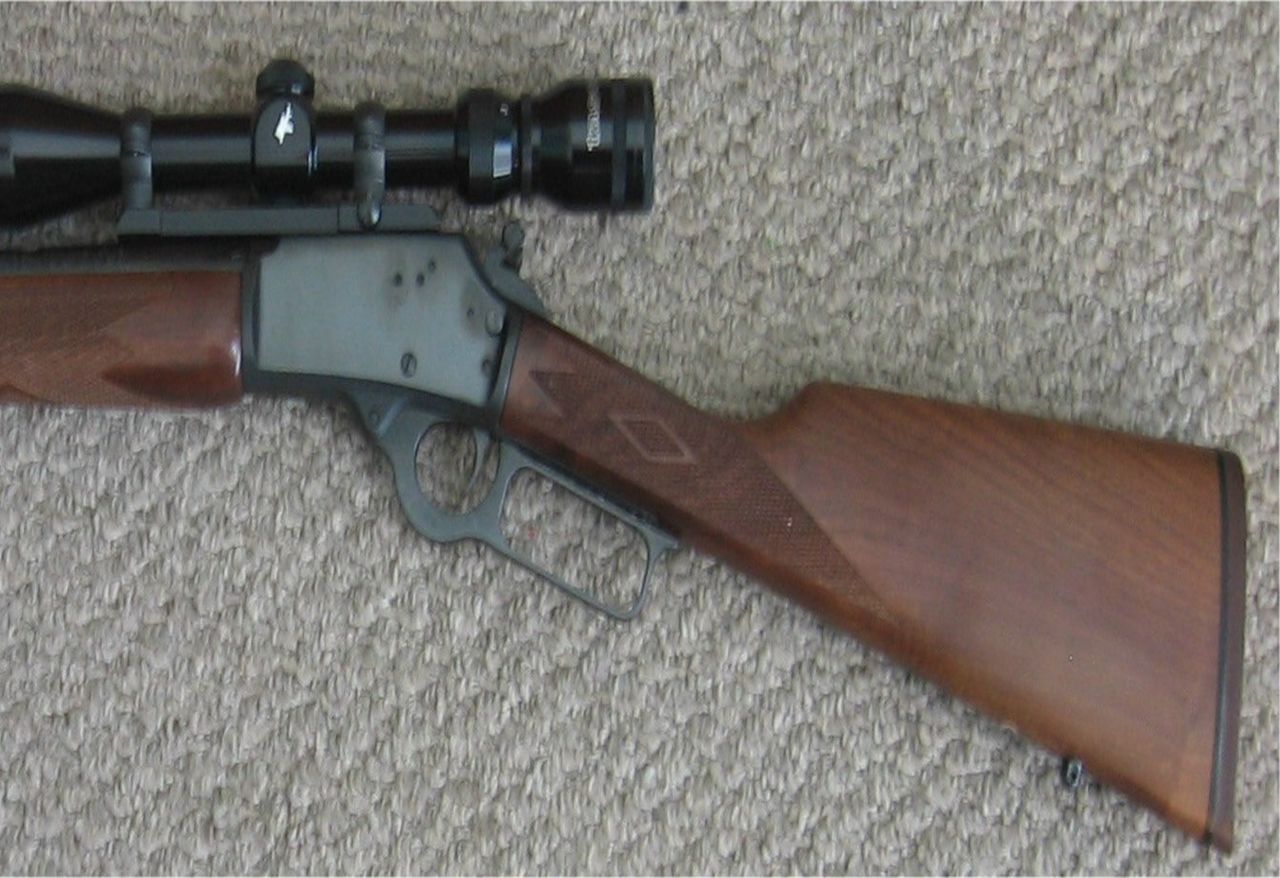
The lever-action rifle endures because it solves real problems while delivering something rarer: personality. It is practical enough for hunting, ranch use, and recreational shooting, yet distinctive enough to feel special every time it leaves the safe. That combination is difficult for any platform to match.
The industry has also shown no sign of letting the format die. Henry continues to invest heavily in American production, and Ruger’s stewardship of Marlin has brought renewed visibility to classic models with modern quality control and updated configurations.
In other words, lever guns still hold their ground because they never surrendered it. They adapted, stayed useful, and kept the one advantage trend-driven rifles often struggle to manufacture: enduring affection from people who actually shoot them.