The 6.5 Creedmoor is still hugely popular, but the backlash is real. For many long-range shooters, the issue is not that it is bad. It is that it got treated like the answer to everything.
How the 6.5 Creedmoor became the default answer
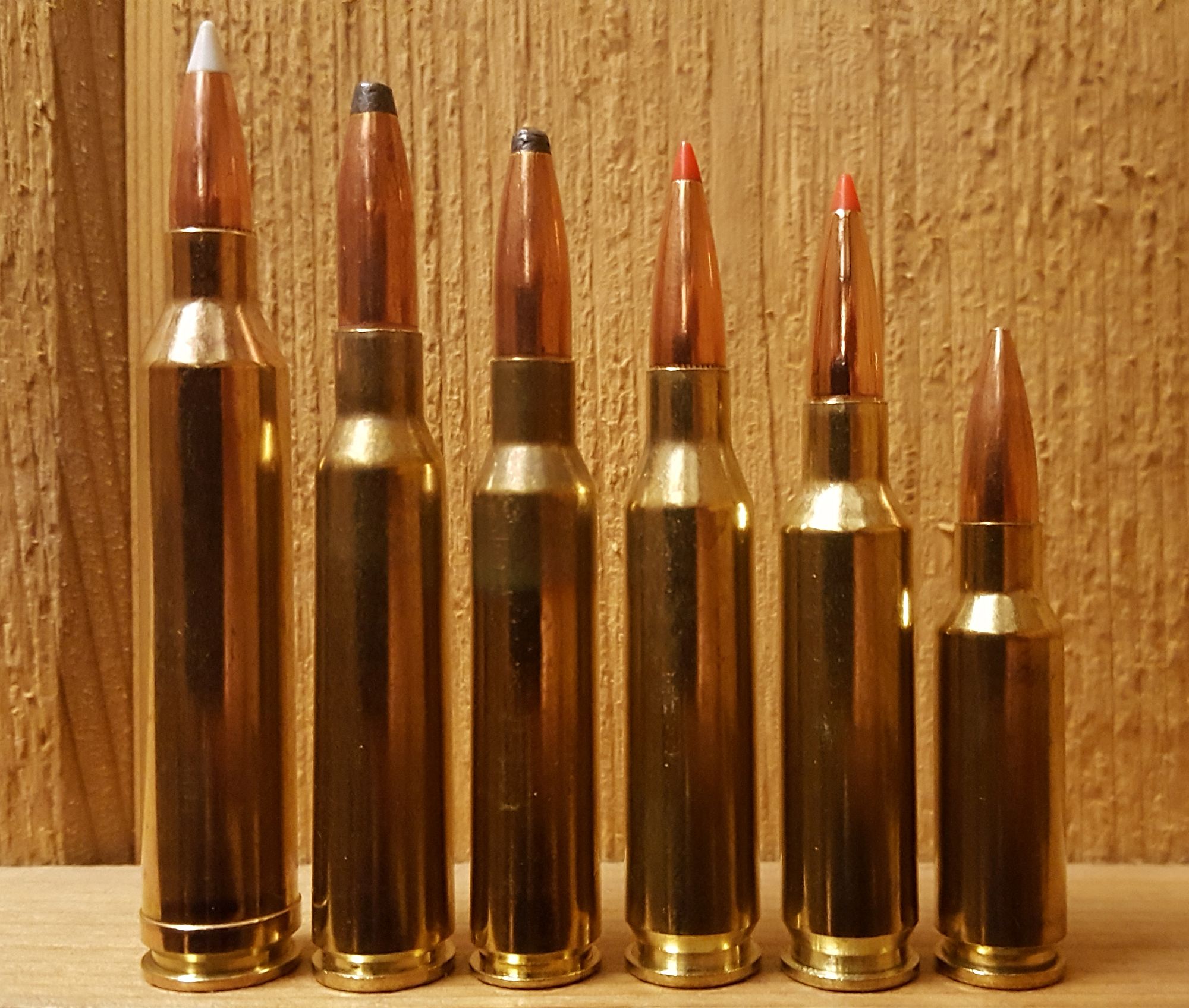
The 6.5 Creedmoor earned its reputation honestly. Introduced by Hornady in 2007, it was designed to give match shooters efficient ballistics, manageable recoil, and reliable performance from short-action rifles. For newer shooters stepping into precision rifle competition or recreational long-range shooting, it offered a rare combination of friendliness and capability.
It also arrived at the perfect time. Precision rifle matches were growing, factory rifles were getting better, and more shooters wanted cartridges that did not punish them with recoil or expensive components. The Creedmoor fit the moment so well that it quickly became the cartridge many people recommended before they even asked what kind of shooting someone planned to do.
That success created a cultural effect. Gun shops, media outlets, and online forums repeated the same message for years: if you want to shoot far, get a 6.5 Creedmoor. Once a cartridge reaches that level of dominance, pushback becomes inevitable. Some of it is simple contrarianism, but a lot of it comes from experienced shooters who think the conversation got too simplistic.
The complaint, in other words, is not about Creedmoor’s competence. It is about the way its strengths got inflated into a kind of shooting dogma. A cartridge can be excellent and still be overprescribed, and that is exactly where many critics think the 6.5 Creedmoor landed.
It is versatile, but not universally best.
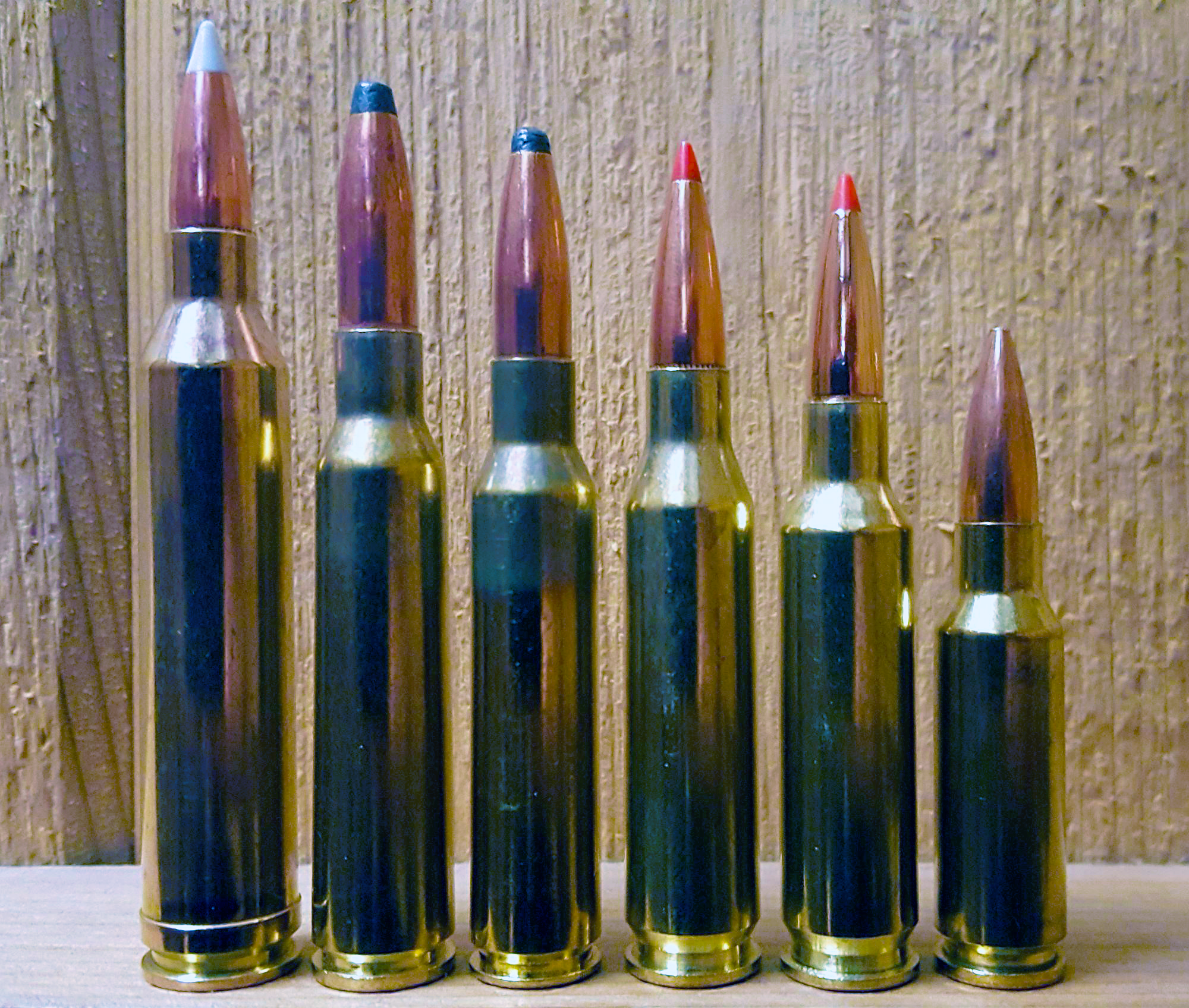
A major reason for the backlash is that versatility got confused with superiority. The 6.5 Creedmoor is a very balanced round, but long-range shooters often build rifles for specific jobs. What works beautifully in one context may be merely adequate in another.
For competition, some shooters now prefer 6mm cartridges such as 6mm Creedmoor, 6 Dasher, or 6 GT because they offer even less recoil and allow faster spotting of impacts. In practical field matches where shooters must self-correct, that can matter a lot. A lighter recoil impulse can save points in ways raw energy on paper cannot.
For hunting, the debate shifts again. Some hunters still like the 6.5 Creedmoor for deer-sized game, but others favor .308 Winchester, 7mm-08, .270 Winchester, or newer magnum options depending on terrain, game size, and expected distance. In that setting, the idea that one cartridge should dominate every recommendation starts to look more like marketing than careful advice.
Even among recreational shooters, priorities differ. Some care most about cheap practice ammo. Others want long barrel life, easier handloading, or compatibility with rifles they already own. When shooters push back, they are often rejecting the idea that the 6.5 Creedmoor deserves automatic first place regardless of the mission.
Wind, impact, and the limits of the hype
The Creedmoor’s reputation rests heavily on sleek 6.5mm bullets with strong ballistic coefficients. That part is real. Good 6.5 bullets can hold velocity well and resist wind better than many older, more traditional short-action loads. But critics argue that online discussions often blur the difference between meaningful advantages and exaggerated claims.
At moderate long-range distances, shooter skill tends to overshadow cartridge differences more than advertising suggests. Reading wind correctly, building a stable position, and breaking clean shots matter enormously. Many experienced competitors will tell you that misses blamed on the cartridge are usually caused by judgment errors behind the rifle.
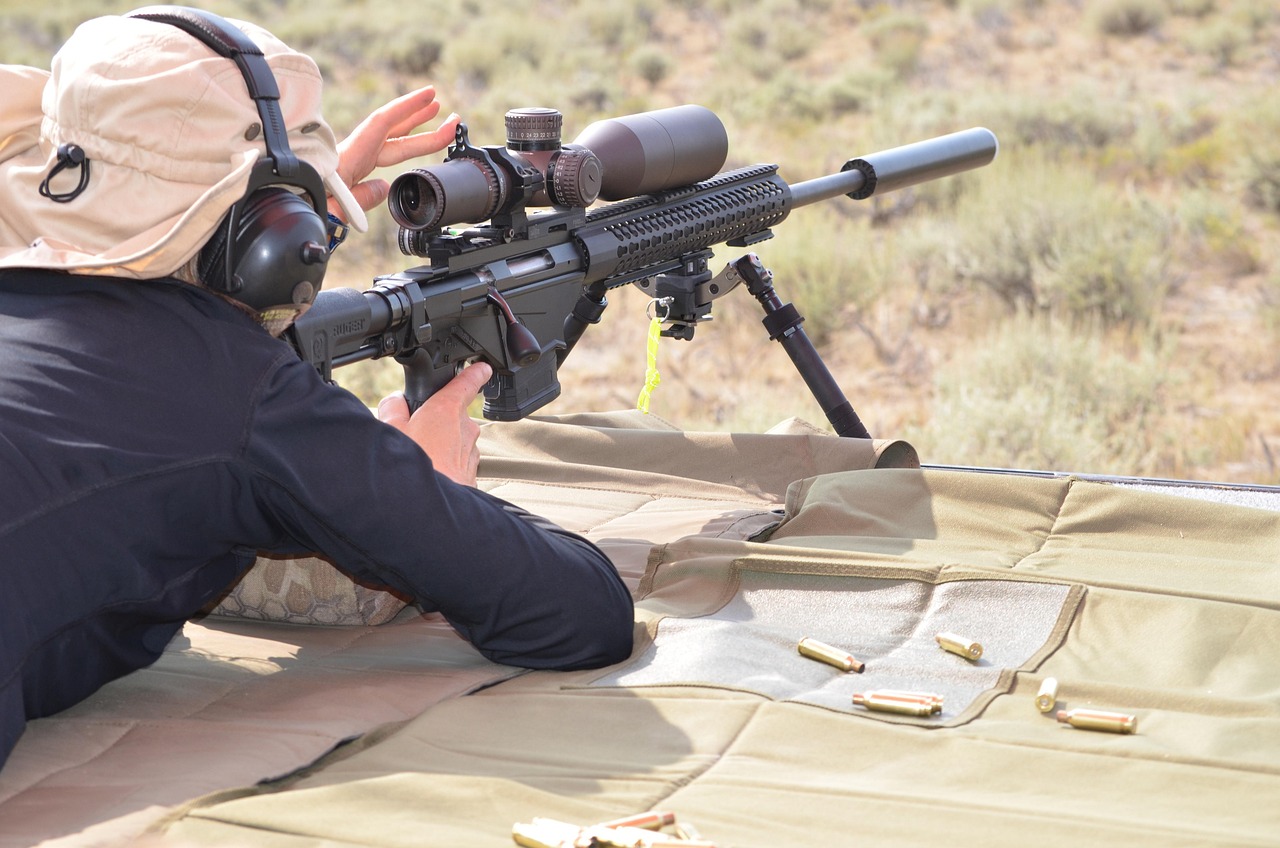
There is also the issue of spotting impacts and staying on target through recoil. While the 6.5 Creedmoor is mild compared with larger rounds, it still moves more than popular 6mm match cartridges. In certain competition settings, that can be a real disadvantage. A shooter who cannot see a splash or trace clearly may lose time and opportunities to correct.
That is why some veterans roll their eyes when the Creedmoor gets framed as a ballistic cheat code. It performs very well, but it does not bypass fundamentals. In precision shooting, a cartridge can help around the edges, yet still leave the hard work exactly where it has always been: with the shooter.
Barrel life, cost, and the practical tradeoffs

One reason seasoned shooters resist cartridge hype is that they live with the boring details. Barrel life is one of those details. Depending on load, firing schedule, and accuracy standards, many 6.5 Creedmoor barrels start losing their best precision somewhere around 2,000 to 3,000 rounds, though exact numbers vary widely.
That is not catastrophic, but it is not trivial either, especially for shooters who train often. A person firing several thousand rounds a year for matches and practice may start thinking less romantically about performance charts and more practically about replacement costs, gunsmith wait times, and re-zeroing a fresh barrel before a major event.
Ammo cost also shapes opinions. During the Creedmoor boom, factory match ammunition became common, which helped fuel its popularity. But in periods of market stress, price and availability can swing sharply. Shooters who already own rifles in .308 Winchester or another established chambering often question whether the incremental gain is worth changing platforms and stocking another caliber.
Handloaders make similar calculations. The 6.5 Creedmoor is not difficult to load, but brass quality, primer availability, and bullet costs still affect the overall picture. Pushback often comes from shooters who have learned that the best cartridge is not the one with the loudest reputation. It is the one that delivers acceptable performance without becoming a logistical headache.
The rise of alternatives changed the conversation.n
The 6.5 Creedmoor once stood out because it solved several problems at once. It offered modern factory support, good ballistics, and a forgiving shooting experience in a period when many factory options felt less refined. But the market did not stand still. Competing cartridges evolved, and rifles, optics, and ammunition improved across the board.
In competition circles, newer favorites gained momentum fast. Cartridges like 6 Dasher, 6 BR variants, and 6 GT carved out strong followings because they combine superb accuracy with extremely soft recoil. Their fans argue that if a shooter is serious about match performance, the 6.5 Creedmoor may now be more of a middle-ground option than the leading edge.
Traditional cartridges also refused to disappear. The .308 Winchester remains widely available, easy to feed, and still relevant in training, service rifle overlap, and certain match formats. The 6.5 PRC drew shooters who wanted more speed and energy, while the 7mm class kept attracting people chasing strong downrange performance for hunting or extreme-range use.
As a result, the old idea that the 6.5 Creedmoor represented obvious progress over everything else has weakened. Today, many shooters see a far more crowded field. The backlash is partly a sign of maturity. The market caught up, and the Creedmoor no longer owns the future by itself.
Some of the backlash is cultural, not ballistic.ic
Cartridges develop identities, and the 6.5 Creedmoor developed a big one. It became shorthand for a new wave of precision shooting, factory long-range rifles, and social media expertise. Whenever a product gets associated with hype, there is usually a backlash from people who dislike being sold a lifestyle as much as a tool.
That cultural irritation shows up in jokes, memes, and dismissive comments that are not really about external ballistics. Some veteran shooters resent how quickly newer gun owners were told they needed a Creedmoor to be serious. Others simply bristle at any trend that flattens decades of cartridge history into one fashionable answer.
There is also a generational element. Shooters who learned on .243, .260 Remington, .308, 7mm Remington Magnum, or old wildcat cartridges may see the Creedmoor craze as a triumph of branding over experience. In fairness, Hornady did market the cartridge brilliantly. The company paired a smart design with clear messaging and strong factory support, which many older cartridges never enjoyed.
Still, culture cuts both ways. Some anti-Creedmoor commentary is overdone and turns into performative nostalgia. The fact that a cartridge became trendy does not mean it became ineffective. A lot of the current pushback makes sense, but some of it is simply the predictable human urge to reject whatever became too popular.
What the smartest shooters are actually saying

The most credible critics are not saying the 6.5 Creedmoor failed. They are saying it should be put back into proportion. It is an excellent general-purpose long-range cartridge, especially for shooters who want factory ammo support, manageable recoil, and strong performance without stepping into magnum territory.
What they reject is the lazy recommendation culture. If someone wants a dedicated competition rifle, there may be better 6mm options. If someone wants maximum training economy, .223 Remington or .308 may make more sense in certain roles. If someone hunts larger game or wants more velocity, another cartridge may better fit that mission.
That perspective is less exciting than cartridge evangelism, but it is more useful. Serious shooters tend to think in tradeoffs, not absolutes. They know every chambering asks for compromises in recoil, barrel life, cost, terminal effect, and wind performance. The 6.5 Creedmoor sits in a very strong middle zone, but it is still a compromise.
In the end, that is the real reason for the pushback. The cartridge became so celebrated that many shooters felt the need to restore balance to the conversation. The 6.5 Creedmoor remains a smart choice. It just is not the only smart choice, and plenty of long-range shooters want that distinction made clearly.