Most hikers look for claws, teeth, and glowing eyes in the dark. The real threat is usually standing quietly in a meadow.
It’s Not the Predator You Think
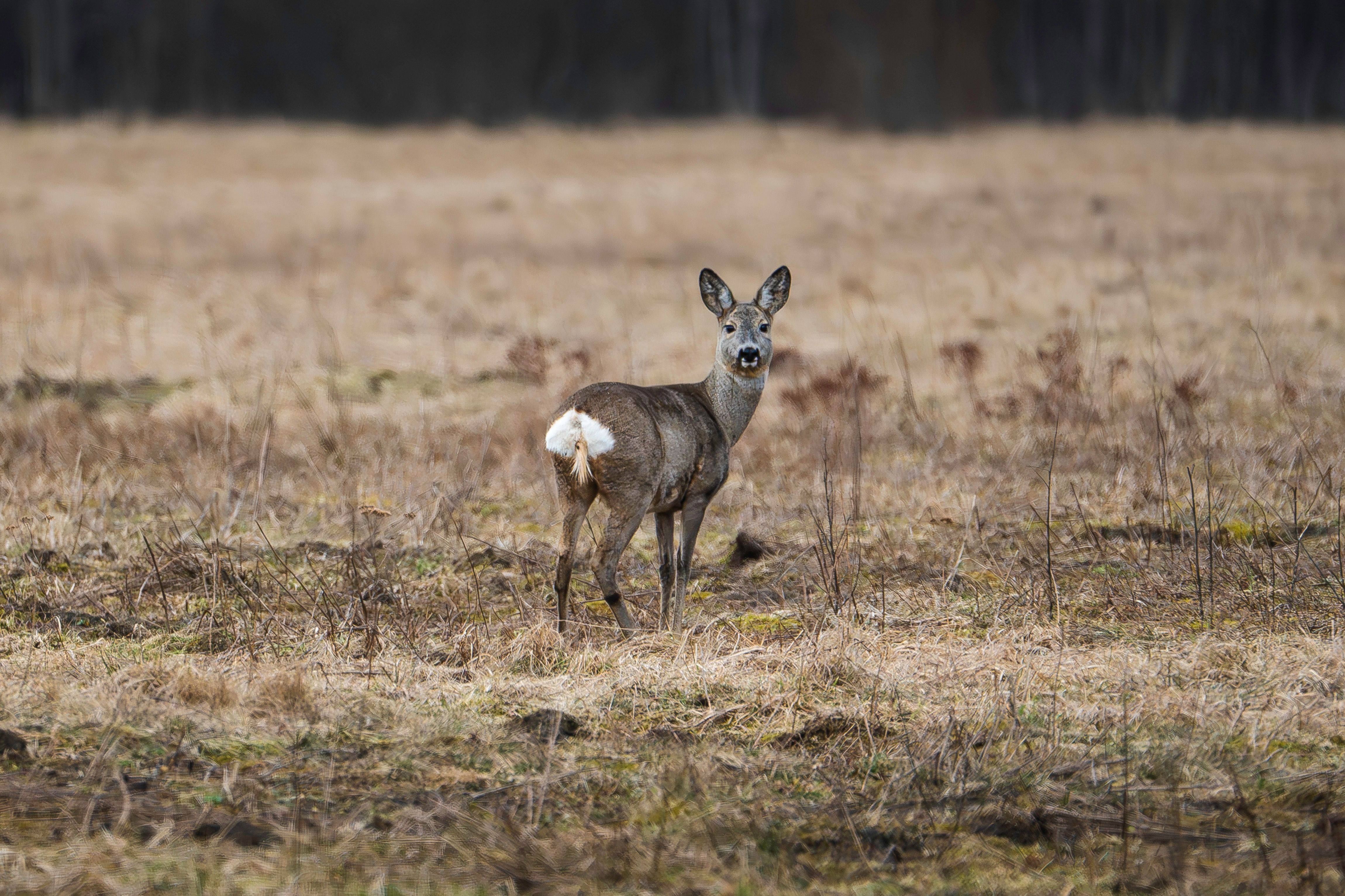
Ask casual hikers what animal scares them most, and the answers are predictable: grizzly bears, black bears, wolves, or mountain lions. Those animals dominate headlines because their attacks feel dramatic, cinematic, and primal. A single rare mauling can shape public fear for years, even though the average person is extremely unlikely to be attacked by any large predator on a trail.
The animal that causes more hiker deaths in North America than bears and mountain lions combined is the deer, especially when you include related species such as elk and moose in everyday trail discussions about hoofed wildlife. The key point is not that deer are bloodthirsty killers. It’s that their presence triggers deadly situations far more often than predators do.
Sometimes the danger is direct, as with a moose trampling a person who got too close. More often, it is indirect: deer dart across roads near trailheads, startle cyclists, or cause crashes on mountain access routes. Wildlife agencies and transportation safety experts have long noted that collisions involving deer kill far more people each year than attacks by large carnivores. For hikers, the trip to and from the trail can be part of the risk landscape.
That mismatch between fear and reality matters. People obsess over carrying bear spray and making noise, both smart habits in the right places, while ignoring the much more common threat posed by large ungulates. A frightened deer may flee. A rutting elk may charge. A cow moose protecting a calf can become one of the most dangerous animals in the woods.
Why Deer and Their Relatives Become So Dangerous

Deer are usually shy, and that fact is part of what makes them deceptive. Hikers see them grazing near trails, lifting their heads calmly, and melting back into the trees. That familiar image encourages people to think of them as harmless woodland scenery rather than heavy, fast, unpredictable wild animals capable of inflicting crushing injuries.
During the fall rut, males can become aggressive, territorial, and far less tolerant of human proximity. Bucks with antlers may interpret movement, noise, or even a leashed dog as a challenge. Elk are particularly dangerous during breeding season, when bulls are highly agitated and willing to charge. Park officials in western states repeatedly warn visitors that these animals can pivot from appearing relaxed to attacking in seconds.
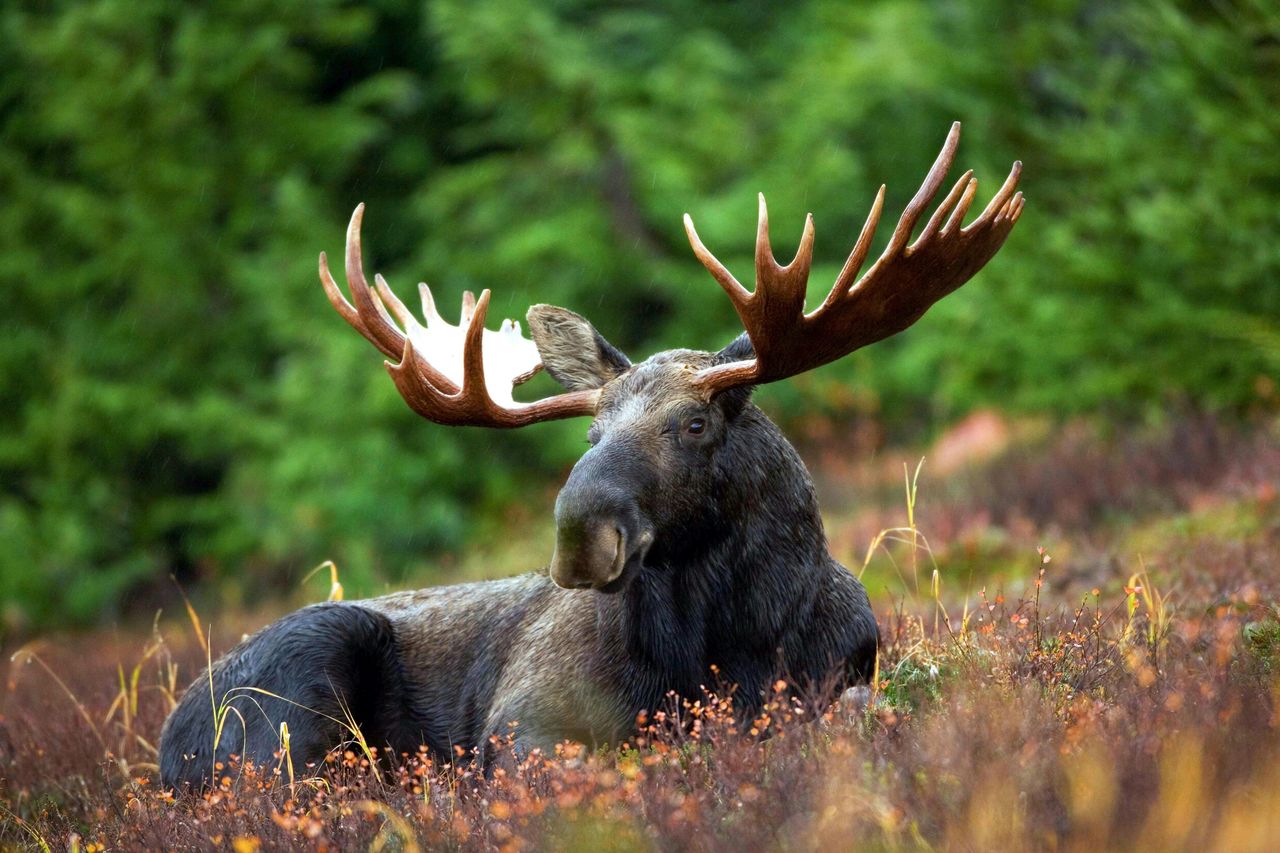
Moose raises the stakes even further. Adult moose are enormous, quick over short distances, and more willing than many people realize to stand their ground. Unlike deer, they do not always flee when surprised. In areas of Alaska, Colorado, Wyoming, Maine, and parts of Canada, moose injuries to hikers, runners, and dog walkers are a recurring management problem, especially in winter and spring when food stress and calves increase defensive behavior.
Dogs often make these encounters worse. A moose that might ignore a solitary hiker may react explosively to a barking dog, then redirect aggression toward the owner once the dog retreats. That pattern has shown up repeatedly in wildlife incident reports. The result is a strange but important truth: the most dangerous “trail animal” may be one many people barely think about before lacing up their boots.
The Numbers Behind the Fear Gap
Predator attacks are memorable because they are rare and shocking. Statistics tell a different story. In the United States, fatal bear attacks occur only occasionally, and mountain lion fatalities are even rarer. Over decades, the total number of deaths from those predators remains very small compared with fatalities linked to collisions involving deer and other large hoofed animals.
According to traffic safety and insurance data compiled over many years, deer-vehicle collisions cause hundreds of human deaths in the U.S. during some multi-year periods, along with tens of thousands of injuries. Not every victim is technically a hiker, of course. But hikers are part of that population because wilderness travel often requires driving predawn, after dusk, or through forested roads where deer activity peaks.
Direct attacks by deer are less common than road collisions, but they do happen. There are documented cases of bucks goring people during rut season and of habituated deer injuring tourists who approached for photos or feeding. Moose incidents are more consistently serious, with trampling injuries reported in several national parks and mountain towns. Wildlife officers often describe moose as more predictably dangerous than bears in heavily visited areas.
This is why the article’s core claim makes sense in practical terms. If you define hiker risk by the full arc of a hiking outing, from mountain road to trailhead to backcountry encounter, deer and their relatives create more opportunities for lethal outcomes than the headline predators most people fixate on. The danger is statistical, behavioral, and environmental all at once.
Where Hikers Get Into Trouble
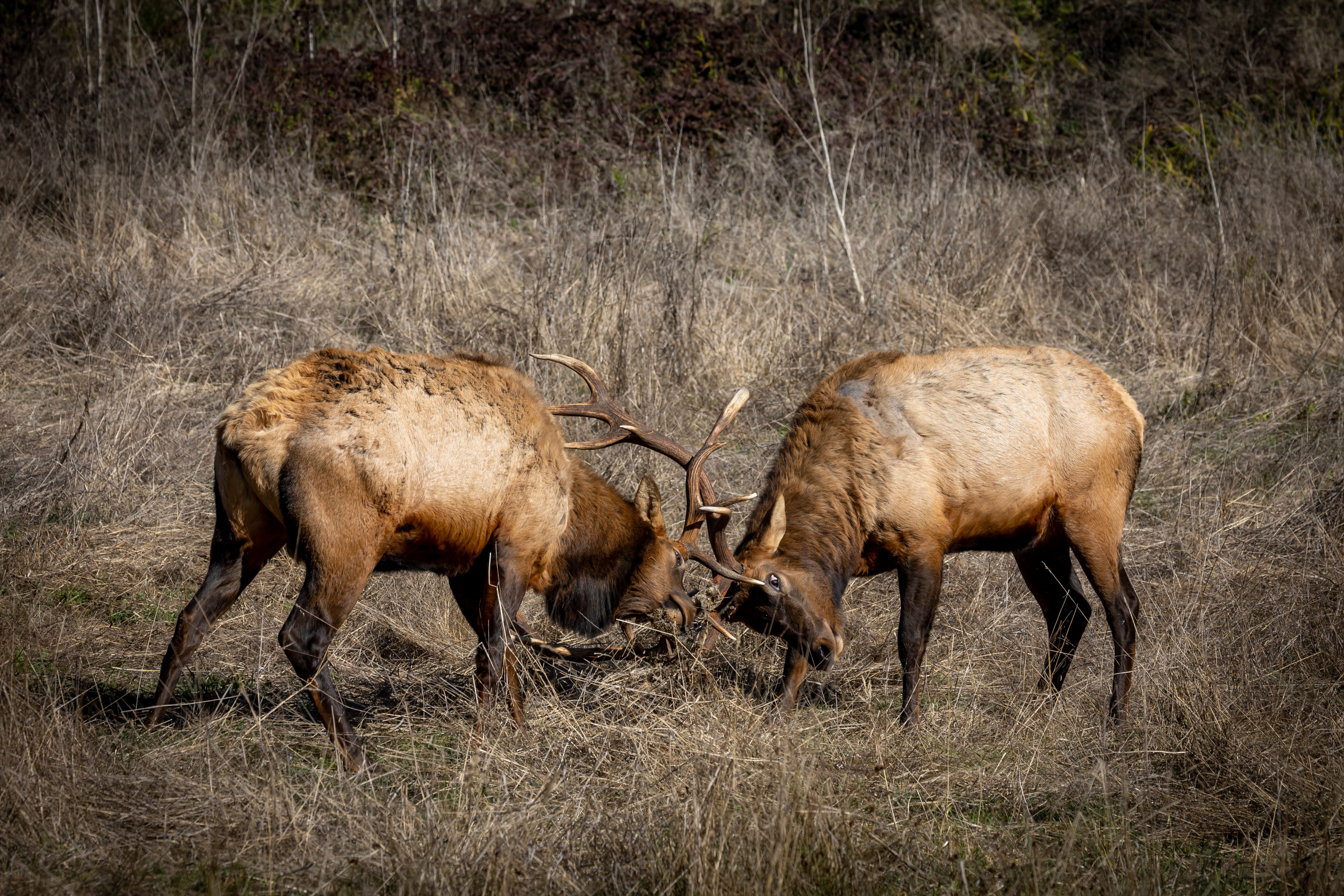
The highest-risk moments often begin with a simple mistake: getting too close for a photo. In national parks and popular recreation areas, people regularly approach elk and moose because the animals seem calm. Distance is misleading. An elk can cover ground astonishingly fast, and a moose does not need to bare teeth to be dangerous; ears pinned back, raised hackles, and a lowered head are warning enough.
Trail runners and mountain bikers face a different problem. They move quickly and quietly, which increases the chance of startling wildlife at close range. A sudden encounter on a blind corner can provoke a defensive response before the person has time to react. This is especially risky in willow thickets, creek bottoms, and forest edges where ungulates rest, feed, or shelter their young.
Winter brings another layer of hazard. Deep snow and limited food leave deer and moose stressed and less able to flee efficiently. In some mountain communities, moose use packed trails and plowed roadside shoulders because travel is easier there than in deep powder. That means hikers, snowshoers, and dog walkers can unexpectedly end up in the same narrow corridor as a very large, very irritated animal.
Roads near trailheads are perhaps the most underestimated danger zone of all. Dawn and dusk are classic movement periods for deer. Add curves, darkness, weather, and vacation traffic, and the odds of a serious collision rise sharply. For many outdoor travelers, the deadliest wildlife encounter of the day may happen before the hike even starts.
Real Cases Show the Pattern
In places like Rocky Mountain National Park, Yellowstone, Grand Teton, and Anchorage trail systems, officials repeatedly issue warnings about elk and moose aggression. Visitors are injured every year by getting too close, ignoring posted distances, or assuming the animals will move away first. Rangers have described scenes where people backpedal too late after treating a bull elk like a backdrop for a vacation selfie.
Alaska offers some of the clearest examples. Moose are deeply woven into both city life and wilderness recreation there, and conflicts with runners, skiers, and dog walkers are well-documented. Local officials routinely advise residents to alter routes when a moose is present. That kind of guidance says a lot: in some areas, the everyday large herbivore is managed as a more immediate public-safety issue than the region’s famous predators.
Road fatalities tell an equally important story. Insurance industry estimates have consistently shown that deer collisions are among the most common wildlife-related crash risks in North America. Rural highways near parks, forests, and mountain towns are hotspots. A hiker returning tired after sunset is in exactly the kind of situation where reaction time drops and danger rises.
The pattern is the same across these examples. Bears and mountain lions command attention because they fit the mythology of wilderness danger. Deer, elk, and moose cause more harm because they overlap more often with human travel, human behavior, and human complacency. Familiarity lowers caution, and lowered caution is often what turns wildlife into a hazard.
How to Stay Safe Around the Real Threat
The first rule is distance, and more distance than most people think. If an elk, deer, or moose changes posture because of your presence, you are already too close. Back away slowly, give the animal a wide route of escape, and never move between a mother and her young. Wildlife managers often recommend at least 25 yards from deer and elk and much more from moose whenever possible.
If you have a dog, be extra cautious. Keep it leashed where required, but also recognize that a leash can become a problem if it prevents quick separation from an agitated animal. In moose country, especially, many attacks begin when a dog runs toward the animal and then retreats to its owner. Avoid dense vegetation and narrow trails where you cannot see ahead clearly.
On the road, slow down near trailheads at dawn and dusk, scan both shoulders, and remember that one deer often means more are nearby. Use high beams when appropriate, but do not overdrive your visibility. If a collision seems unavoidable, braking hard while maintaining control is generally safer than swerving into oncoming traffic or off the road.
Finally, treat hoofed wildlife with the same respect hikers already give bears. Read seasonal alerts, heed trail closures, and do not let an animal’s calm appearance fool you. The most dangerous creatures in the outdoors are not always predators. Sometimes they are herbivores with antlers, long legs, and absolutely no interest in sharing the trail.
The Bigger Lesson About Wilderness Risk

This topic is really about how humans misunderstand danger. We are drawn to dramatic threats and often blind to ordinary ones. A mountain lion feels terrifying because it is rare, stealthy, and powerful. A deer feels safe because it is familiar, common, and woven into peaceful ideas about nature. But common hazards usually do more damage than rare ones simply because we encounter them far more often.
That lesson extends beyond wildlife. Many outdoor fatalities come not from the nightmare scenario people imagined, but from weather shifts, falls, dehydration, river crossings, poor route choices, and the drive home. Risk is usually cumulative and mundane rather than theatrical. The same principle explains why hoofed animals can surpass apex predators in actual harm to hikers and outdoor travelers.
None of this means bears and mountain lions should be dismissed. In the right habitat, hikers should absolutely know how to behave around them. But if the goal is realistic safety rather than thrilling storytelling, attention should shift toward the risks that show up most often. On many trails, the deadliest animal is not stalking you from the shadows. It is grazing in plain sight, or stepping onto the road just ahead.